Sparkle Highlights
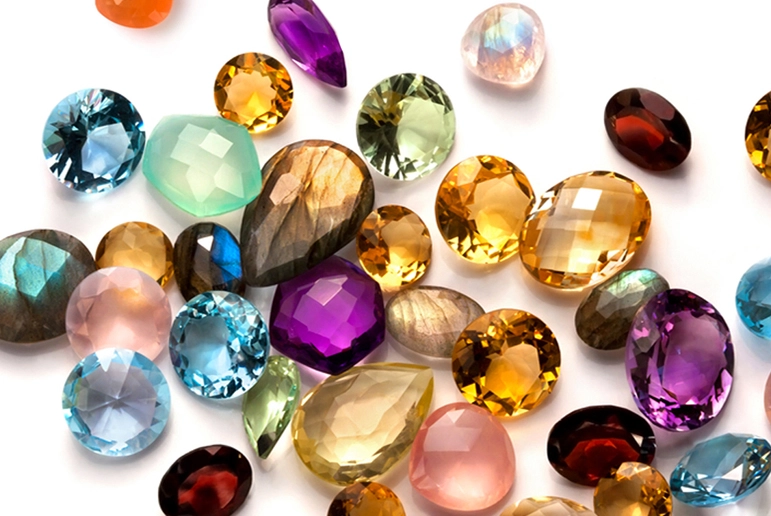
You know that feeling when light catches a ring or a pendant just right, and it throws a tiny rainbow on the wall? That magic, more often than not, comes from faceted gemstones. It's not just a rock; it's geometry playing with light. If you've ever found yourself staring at a jewelry case, wondering why some stones look like they have an inner fire and others look a bit... flat, you're asking the right questions. The answer usually lies in the cut.
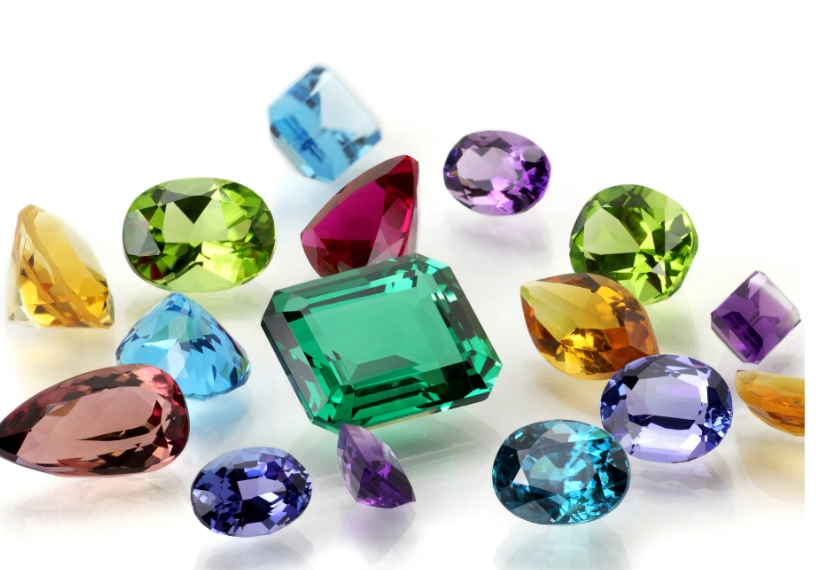
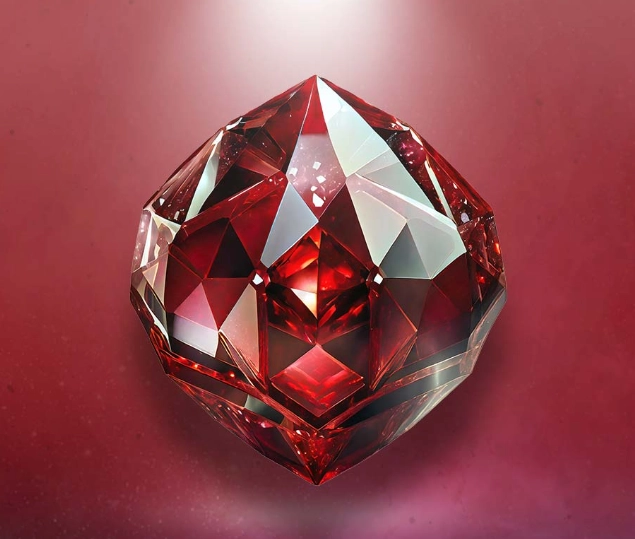
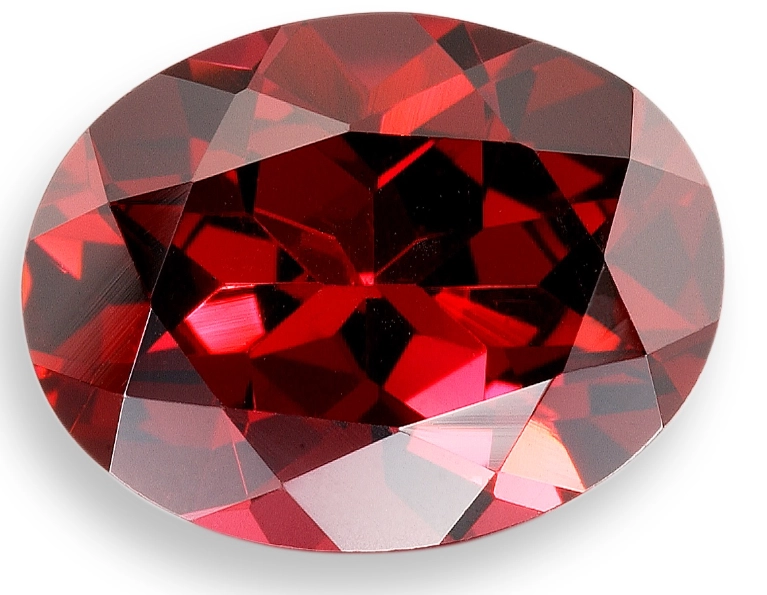
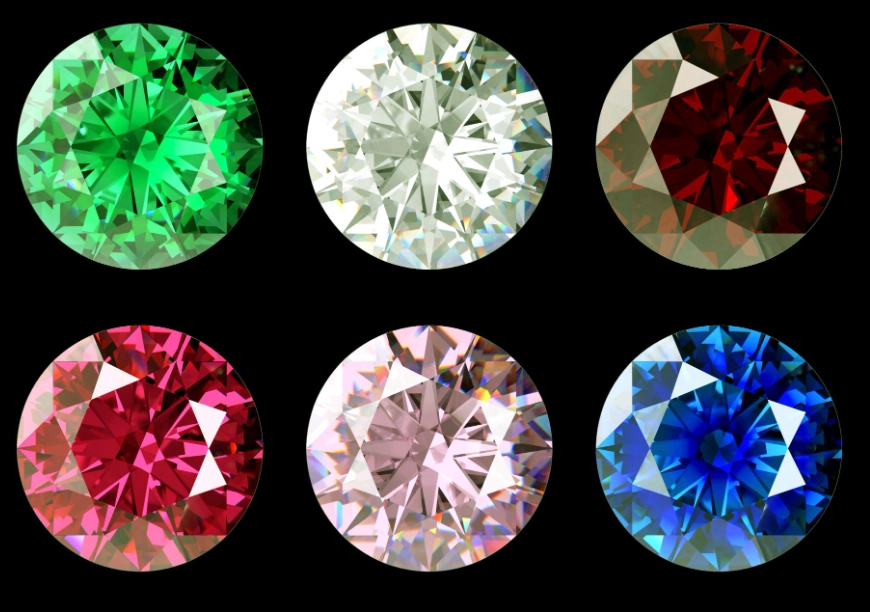
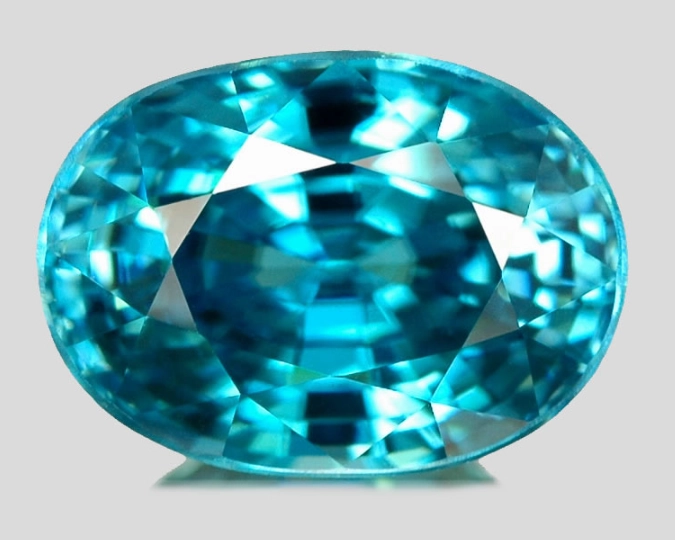
Let's get one thing straight from the start. When we talk about faceted gemstones, we're talking about stones that have been carefully ground and polished into a specific arrangement of flat planes, called facets. This isn't random. Each facet is placed at a precise angle to its neighbors to control how light enters, bounces around inside, and finally exits the stone back to your eye. The goal? To maximize brilliance (that white light sparkle), fire (the flashes of spectral color), and scintillation (the sparkle when the stone or light moves).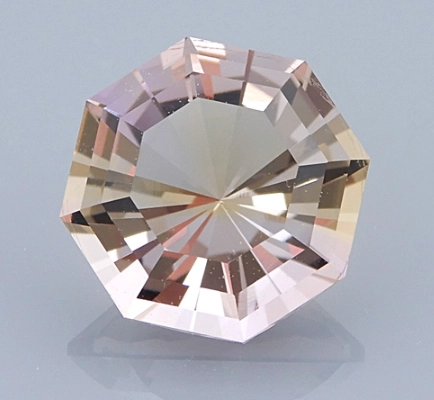
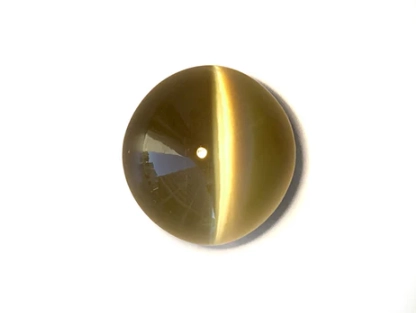
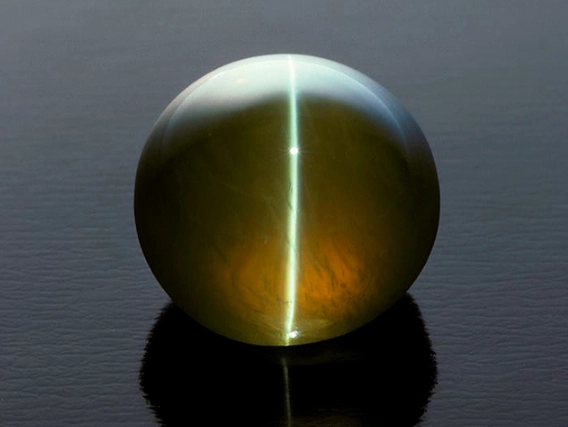
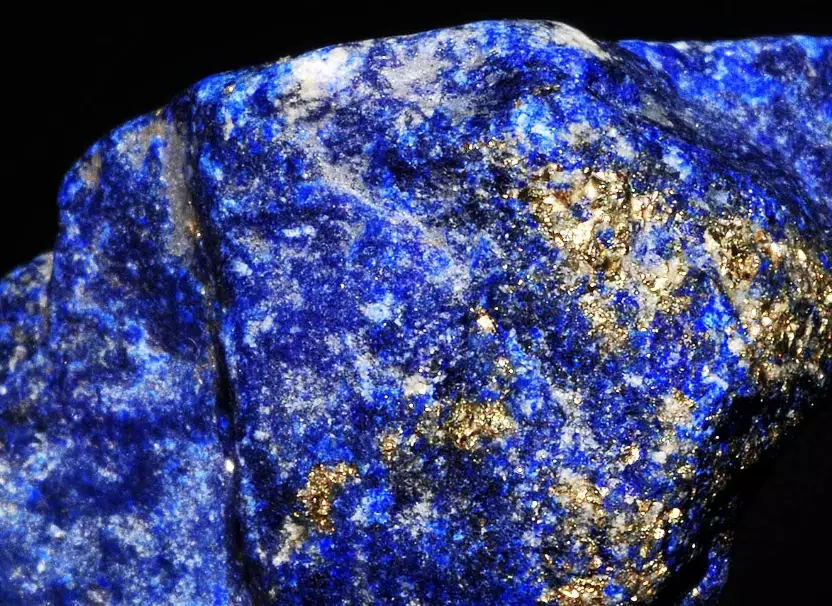
It's a world away from cabochons—those smooth, domed, unfaceted stones you often see in things like opal rings or turquoise bracelets. Cabochons have their own beauty, a soft, milky glow. But faceted gemstones are the extroverts of the mineral world. They're designed to interact, to shout for attention with every flicker of light.
I remember the first time I really looked at a well-cut sapphire under a loupe. It wasn't just blue. It was a labyrinth of light, with facets reflecting within facets. It felt alive. That's the artistry we're dealing with here.
The Art and Science of the Facet: It's All About the Angles
So how does this faceting thing actually work? It's part precise engineering, part artistic vision. A lapidary (that's the fancy name for a gem cutter) starts with a rough crystal. Their first job is to study it—find the cleavage planes (where it might split), look at the color zoning, and decide how to orient the final stone to show off its best face, literally. Cutting against the grain can make a stone look washed out or even cause it to break.
The main parts of a standard faceted gemstone are the crown (the top part you see), the girdle (the widest part, the edge), and the pavilion (the bottom cone). The table is the large, flat facet on the very top of the crown. Get the angles between these parts wrong, and you kill the stone's performance.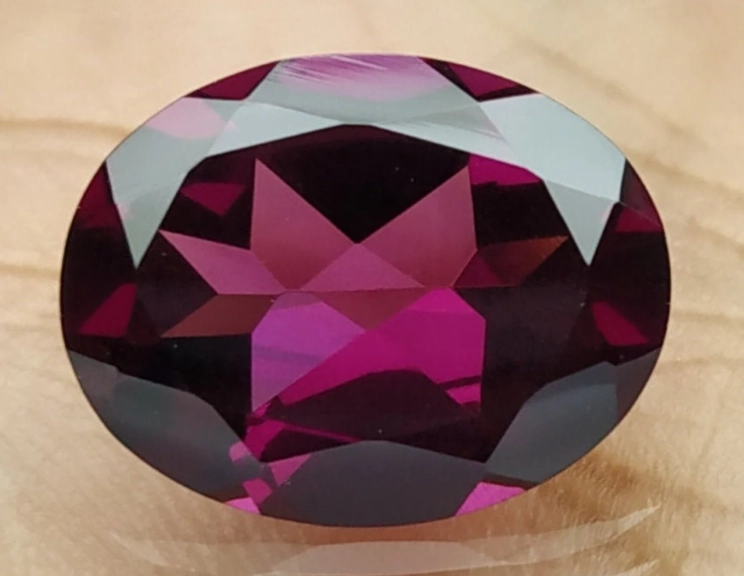
Popular Faceting Styles: More Than Just Round
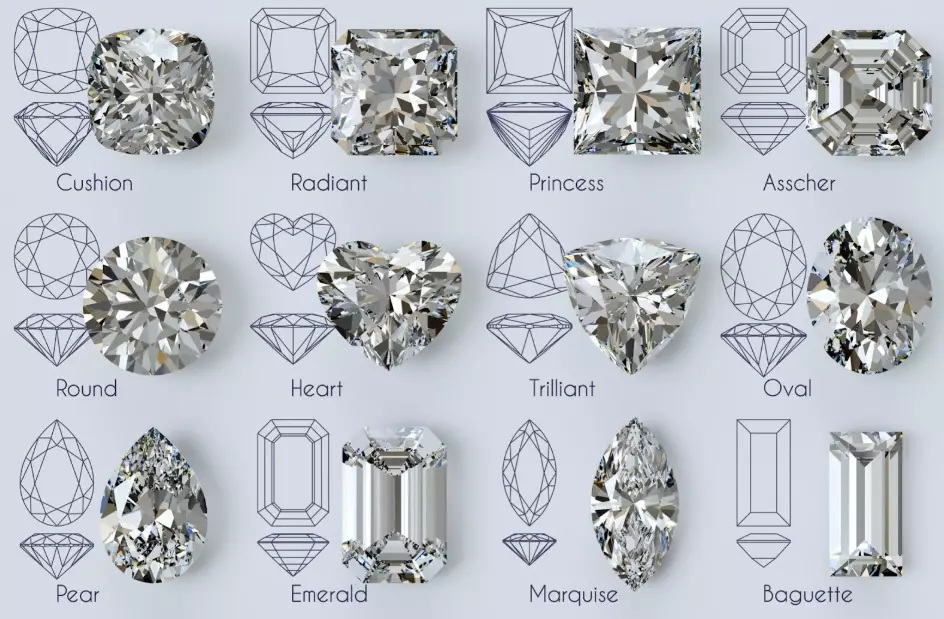
When people think of faceted gemstones, the classic round brilliant cut for diamonds often comes to mind first. But oh, there's so much more. The style of faceting dramatically changes a gem's personality.
| Cut Style | Key Characteristics | Best For... | Visual Effect |
|---|---|---|---|
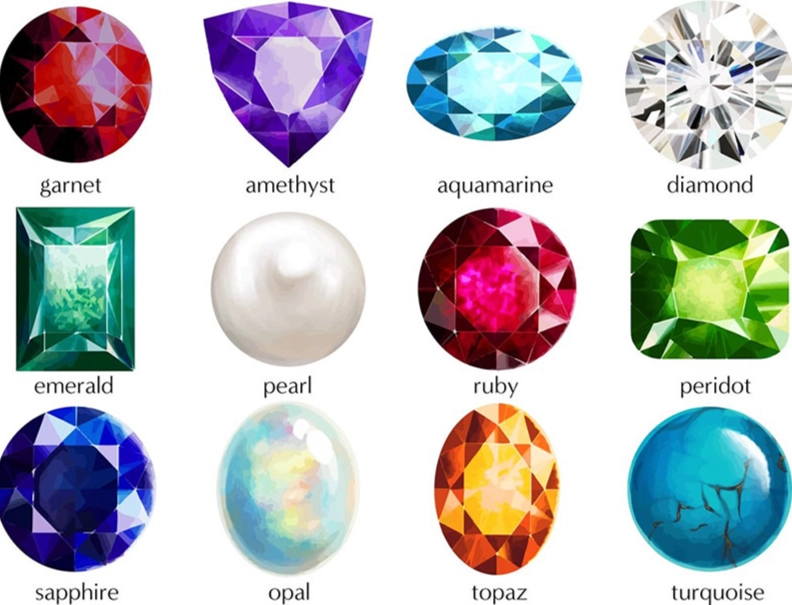
| Brilliant Cut (e.g., Round, Oval, Pear) | Triangular and kite-shaped facets arranged in a circular pattern. Designed for maximum fire and brilliance. | White/colorless stones (Diamonds), high-clarity stones where you want to showcase sparkle. | The ultimate sparkle bomb. Maximizes light return. |
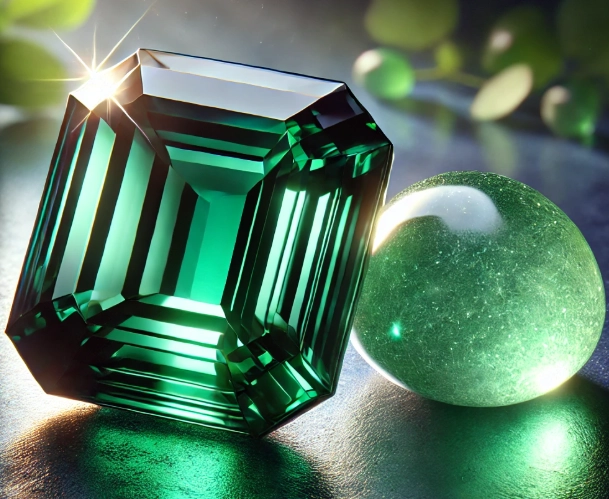
| Step Cut (e.g., Emerald, Asscher) | Long, rectangular facets that run parallel to the girdle, like a staircase. Fewer facets than brilliant cuts. | High-clarity colored stones (Emeralds, Beryls), stones where you want to emphasize color and clarity over sparkle. | Creates a "hall of mirrors" effect, elegant and clean. Can make inclusions more visible. |
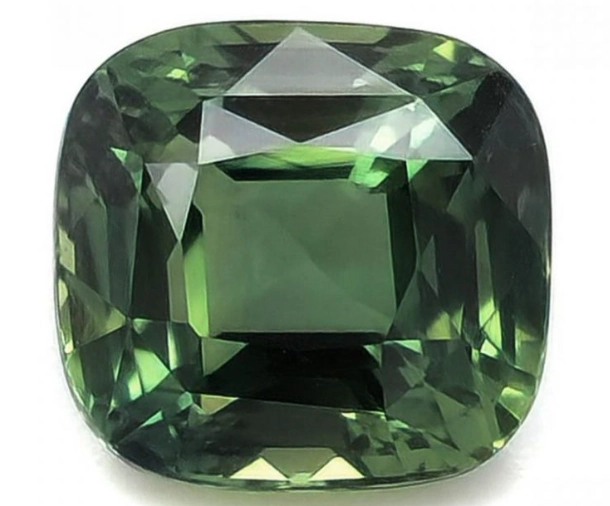
| Mixed Cut | A hybrid. Often a brilliant-cut crown (for sparkle) and a step-cut pavilion (for color depth). | Versatile. Very common in sapphires and rubies to balance color and light play. | Offers a blend of brilliance and color saturation. A great all-rounder. |
| Fantasy Cut | Freeform, concave facets, often with carved patterns. Highly artistic and individual. | Collector pieces, artistic jewelry. Often used by master lapidaries on unique gem material. | Sculptural and modern. Creates flowing, unusual light patterns rather than traditional sparkle. |
My personal favorite for a deep blue sapphire? A mixed cut, sometimes called a "scissor cut" on the pavilion. It seems to hold the color in a pool of deep velvet while still letting little stars of light twinkle from the crown. A pure step cut on the same stone might look too somber. But that's just my taste.
Which leads to a great question: is there a "best" cut? Not really. It's a conversation between the gem's natural properties and what you, the wearer, want to emphasize. Do you want electric sparkle or a deep, tranquil color? The cut is your dial.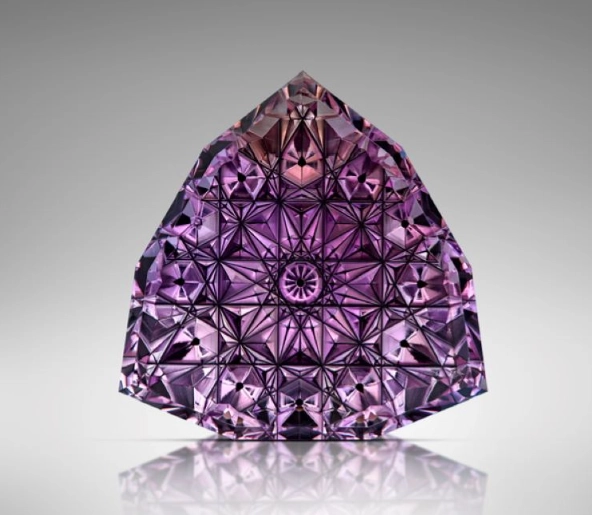
Choosing Your Faceted Gemstone: The Real-World Checklist
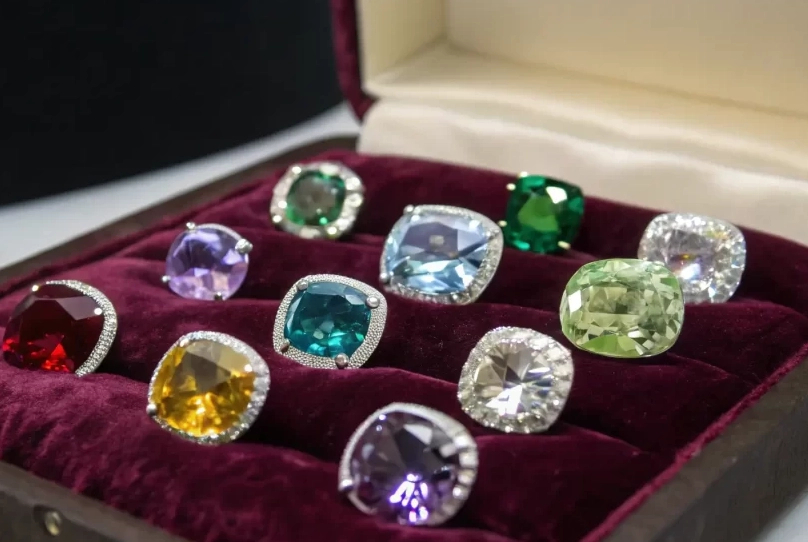
Alright, let's say you're ready to buy. You're looking at a case of glittering faceted gemstones, and your head is spinning. Price tags vary wildly. What should you actually be looking for? Forget the textbook definitions for a second. Let's talk practical.
The old diamond 4Cs (Cut, Color, Clarity, Carat) are a useful framework, but they apply differently to colored faceted gemstones.
1. Cut (The Most Important "C" for Sparkle): This is the human-made value. A fantastic cut can make a so-so piece of rough look incredible. A bad cut can ruin the best material. Don't just look at the shape. Look at how the stone reacts to light. Move it under a lamp or in sunlight. Does the whole stone light up, or are there dead patches? Is the girdle reasonably even, or is it wavy and chipped? The Gemological Institute of America (GIA) has excellent resources on gemstone quality factors, including cut, that are worth a look for the truly curious.
2. Color: For colored stones, this is king. But it's not just "is it blue?". It's about hue (the type of color), tone (lightness or darkness), and saturation (intensity or purity of the color). A top-quality faceted sapphire isn't just dark blue; it's a vivid, medium-toned, pure blue without gray or green modifiers. Sometimes, a slightly included stone will have better color saturation than a flawless one. It's a trade-off.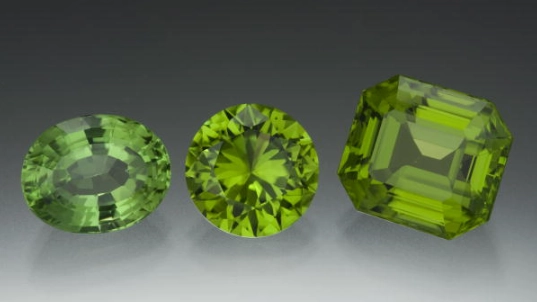
3. Clarity: Be more forgiving here than with diamonds. Almost all natural faceted gemstones have inclusions—birthmarks from their formation. The key is location and type. A small inclusion near the girdle is often hidden by a prong. A large, black crystal right under the table? That's a problem. Eye-clean (no visible inclusions to the naked eye) is a great goal, but don't expect a flawless emerald. They practically don't exist in nature.
4. Carat Weight: This is simply weight, not size. A dense gemstone like a zircon will look smaller per carat than a less dense one like an emerald. More importantly, price per carat often jumps at certain milestone weights (like 1ct, 2ct, 5ct). A 0.95-carat stone can be significantly cheaper than a 1.00-carat one, with virtually no visible difference. It's a smart place to save money.
Let me tell you about a mistake I made early on. I bought a gorgeous, huge blue faceted stone online, billed as a "natural sapphire" at a steal. When it arrived, it was beautiful but... too perfect. Too sparkly. A quick thermal conductivity test (breathing on it—fog disappeared instantly) confirmed it was likely synthetic. I learned that day: know your seller.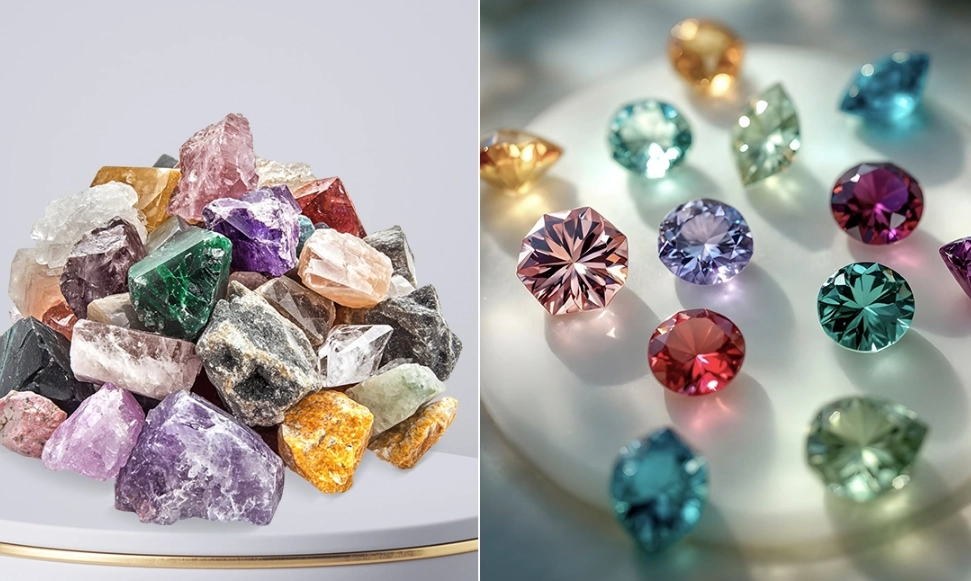
The Rock Stars: A Tour of Popular Faceted Gemstones
Not all gems take to faceting the same way. Some are born for it; others are divas that require expert handling. Here's a rundown of the usual suspects you'll find in jewelry stores, and what makes each special.
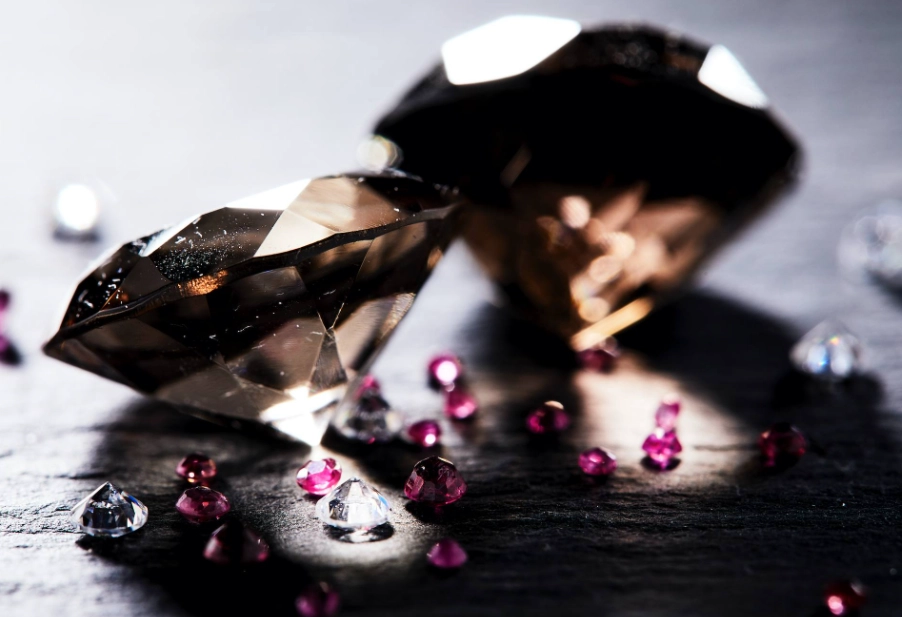
Diamond: The classic. Its extremely high refractive index and dispersion mean it's literally designed to be faceted. A well-cut diamond is the benchmark for brilliance and fire. But don't sleep on fancy colored diamonds—a faceted canary yellow or champagne diamond has a warmth white diamonds lack.
Sapphire & Ruby (Corundum): These are the workhorses of the colored gem world, and for good reason. They're a 9 on the Mohs hardness scale (second only to diamond), making them incredibly durable for daily wear. They take an excellent polish and come in every color except red (that's ruby). A well-faceted sapphire has a deep, liquid look that's hard to beat. The Mindat.org entry for Corundum is a deep dive into the geology if you're into that.
Emerald (Beryl): The diva. Almost always included (the "jardin," or garden), brittle, and sensitive to pressure. Emeralds are almost always cut in a step-cut (emerald cut) to minimize pressure during cutting and to showcase their color rather than sparkle. A faceted emerald is about lush color, not blinding brilliance. You handle it with care.
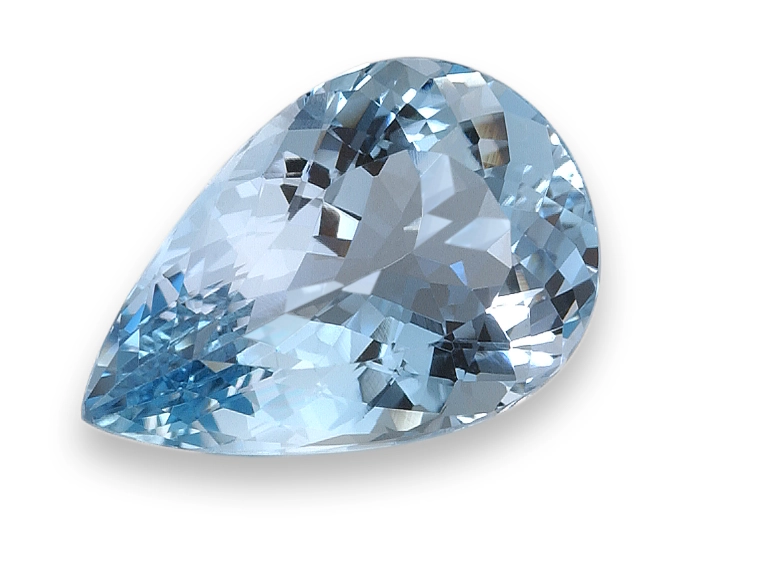
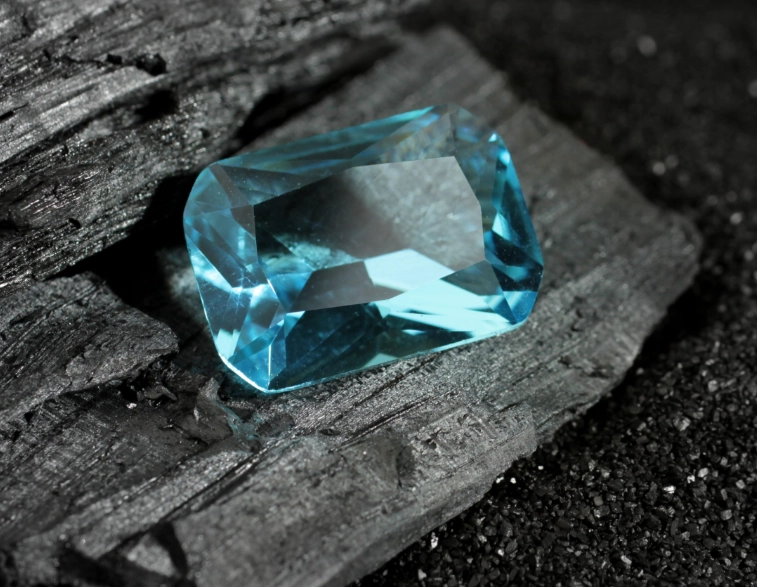
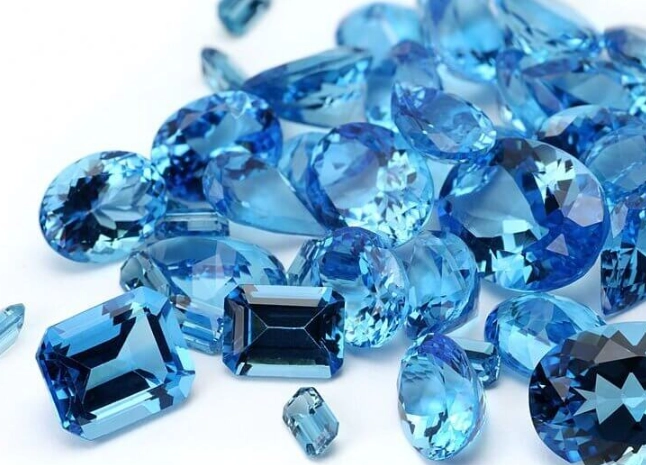
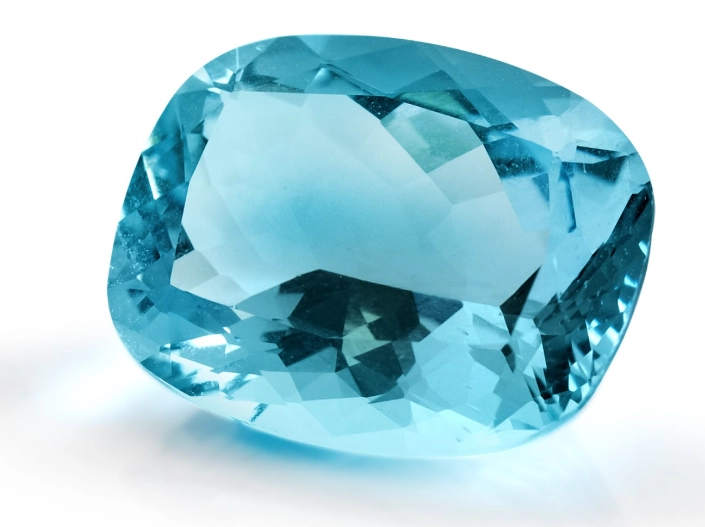
Aquamarine (also Beryl): Emerald's more easy-going cousin. Usually very clean, with a beautiful sea-blue color. It facets beautifully into larger stones and can be cut in almost any style. Its clarity lets light travel cleanly, giving it a serene, watery sparkle.
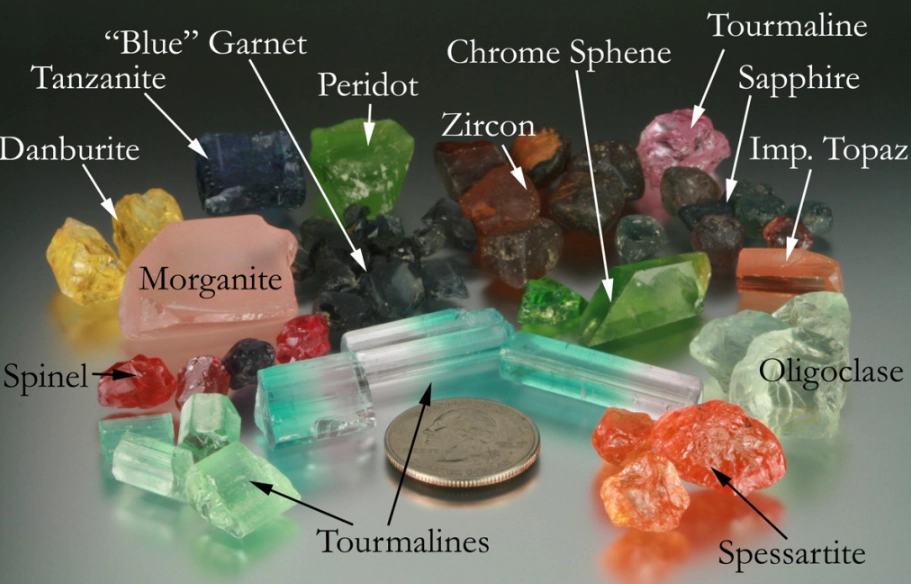
Tanzanite, Amethyst, Citrine, Tourmaline, Spinel... The list goes on. Each has its own personality. Tanzanite is pleochroic (shows different colors from different angles), so the cutter must orient it to show the best blue-violet. Tourmaline comes in long crystals, so it's often cut into long shapes like ovals or emerald cuts to preserve weight.
Quick Reference: Durability & Care
This is stuff nobody tells you until you chip a stone. Hardness (resistance to scratching) is different from toughness (resistance to breaking).
- Daily Wear Warriors (Ring-worthy): Diamond, Sapphire, Ruby, Spinel. Hard and tough.
- Handle with Care (Better for pendants/earrings): Emerald (brittle), Tanzanite (softer, can crack with thermal shock), Opal (soft and contains water).
- The Cleaning Rule: Warm soapy water and a soft brush are safe for almost everything. Never use ultrasonic or steam cleaners on fractured stones (like most emeralds), opals, or treated stones unless you're 100% sure it's safe. When in doubt, wipe with a damp cloth.
Beyond the Bling: Value, Treatments, and Being a Smart Buyer
Let's talk money and the slightly murky stuff. The value of faceted gemstones isn't just about size. A one-carat, top-color, untreated Burmese ruby can be worth 100 times more than a one-carat, commercial-grade, heat-treated ruby. What drives this?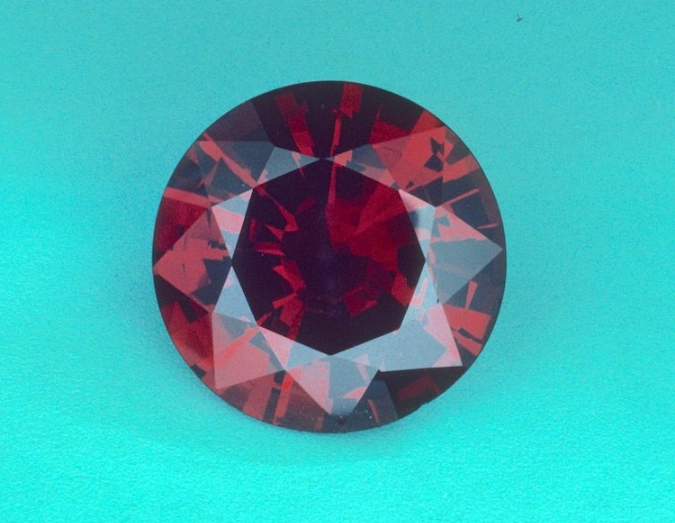
Origin: Like wine, provenance matters. A sapphire from Kashmir (mines mostly depleted) commands a massive premium over one from Montana, even if they look similar. This is often confirmed by advanced lab testing that can detect trace elements and inclusion suites unique to certain locales.
Treatments: This is huge. The vast majority of faceted gemstones on the market are treated in some way to improve their appearance. This isn't necessarily bad—it's often what makes a stone attractive and affordable—but it must be disclosed.
- Heating: The most common and generally accepted treatment. It can lighten, darken, or improve the clarity of stones like sapphires, rubies, and tanzanite. It's permanent and stable.
- Fracture Filling: Oils, resins, or glass are used to fill surface-reaching cracks (common in emeralds). This improves apparent clarity but can be unstable. The filler can leak out over time or be damaged by heat/jewelry cleaners.
- Diffusion/Dyeing: Adding color from the outside in. This is a more significant treatment that affects the value deeply and should always be clearly stated.
A treated stone isn't "fake." It's a natural stone that's been enhanced. But an untreated stone of equal beauty is much rarer and more valuable. Always, always ask: "Has this stone been treated?" A reputable dealer will tell you upfront. The FTC Jewelry Guides actually mandate disclosure of treatments that are not permanent or that require special care.
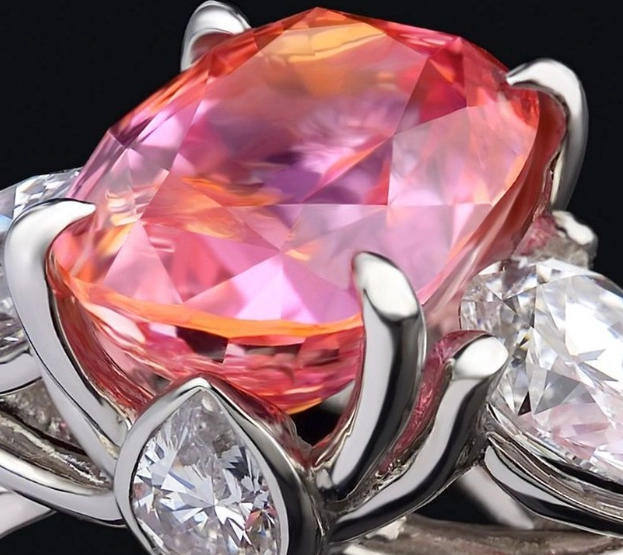
Finally, think about the setting. Those delicate, prong-set faceted gemstones in a cocktail ring might look stunning, but are you planning to wear it while gardening or typing all day? A bezel setting (a metal rim encircling the stone) offers far more protection for the girdle, though it hides some of the stone's edge.
Wrapping It Up: Your Sparkle, Your Rules
At the end of the day, the world of faceted gemstones is about finding a piece of the earth's artistry that speaks to you. It's a combination of billions of years of geology and the skill of a human artist who saw potential in a rough crystal.
Don't get paralyzed by the technical details. Use them as tools to understand what you're looking at and to avoid getting ripped off. But the final decision should come from your gut. Do you love how it looks on your hand? Does it make you smile when the light hits it? That's the real test.
Start small if you're new. Visit a few local, independent jewelers with good reputations. Hold some stones. Compare a brilliant cut to a step cut. Ask questions—good sellers love to educate. Look at stones under different lights (store lighting can be very deceptive).
Whether it's the fiery heart of a ruby, the cool depth of a sapphire, or the pure sparkle of a diamond, a well-chosen faceted gemstone is more than an accessory. It's a little piece of captured light you get to carry with you. And that's pretty cool.
Just remember to insure it.