What’s Inside?
- Cabochon vs. Faceted: It's Not a Competition, It's a Choice
- How to Spot a Quality Cabochon: The Good, The Bad, and The Lumpy
- The Ultimate Cabochon Material Showdown
- Choosing Your Cabochon: A Practical Guide for Your Project
- Cabochon Design Inspiration: Beyond the Basic Ring
- Your Cabochon Questions, Answered (The Real Stuff People Wonder)
So, you've heard the term "cabochon" thrown around in jewelry stores, crafting videos, or maybe while browsing through your grandma's old jewelry box. It sounds fancy, but honestly, it left you a bit confused. What exactly is it? Is it a specific stone? A style? And why would anyone choose it over those sparkly faceted gems?
Let's clear that up right now. A cabochon (pronounced "kab-uh-shon") isn't a type of gemstone at all. It's a style of cutting and polishing. Imagine taking a rough piece of rock and shaping it into a smooth, domed, highly polished button, with no sharp edges or flat planes (called facets). That's a cabochon. The bottom is usually flat for setting, and the top is that beautiful, curved dome. Simple, right?
But here's where it gets interesting. That simple shape unlocks a world of beauty that facets often can't touch. We're talking about the velvety sheen of moonstone, the mysterious cat's eye that seems to glide across the surface, or the rich, deep color of a piece of turquoise that would be utterly ruined by facets. The cabochon cut is all about celebrating a stone's color, pattern, and optical phenomena, not just its sparkle.
I remember the first time I truly appreciated a cabochon. It was a piece of Botswana agate, set in a simple silver ring. It wasn't flashy, but the gentle bands of grey and white seemed to tell a story. It felt organic, peaceful. A faceted diamond would have shouted for attention; this cabochon just whispered something elegant. That's the magic.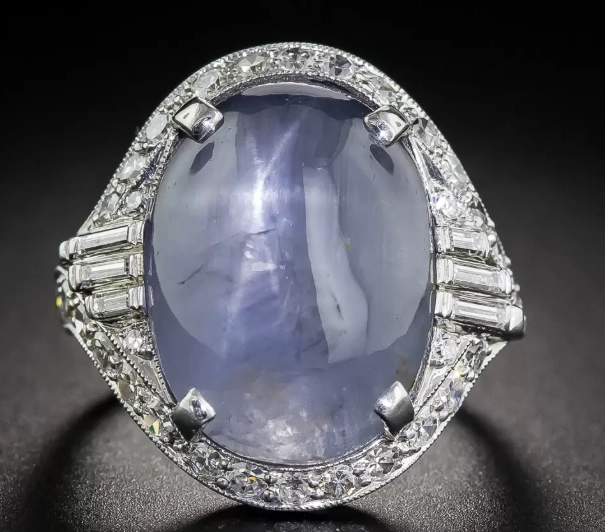
Cabochon vs. Faceted: It's Not a Competition, It's a Choice
People often think faceted gems are "better" or "more valuable." That's just not true. It's like comparing a sleek sports car to a classic, hand-built automobile. They're for different purposes and appeal to different tastes.
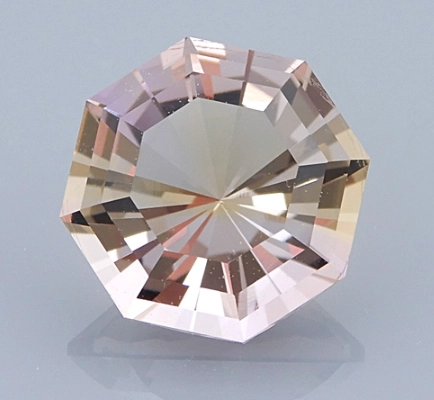
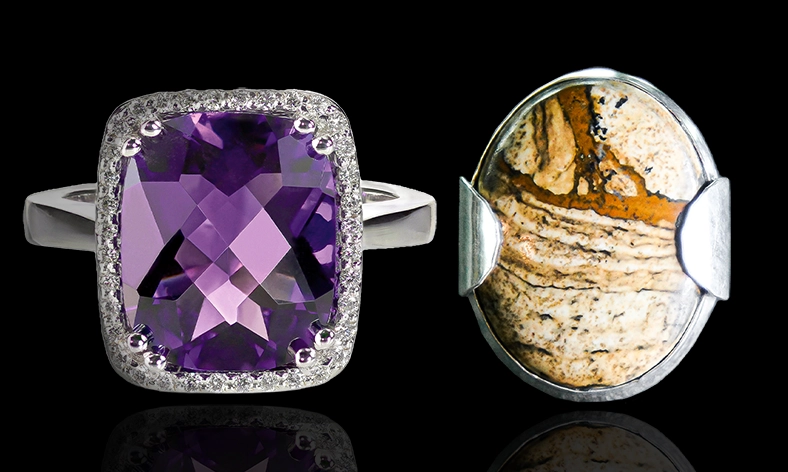
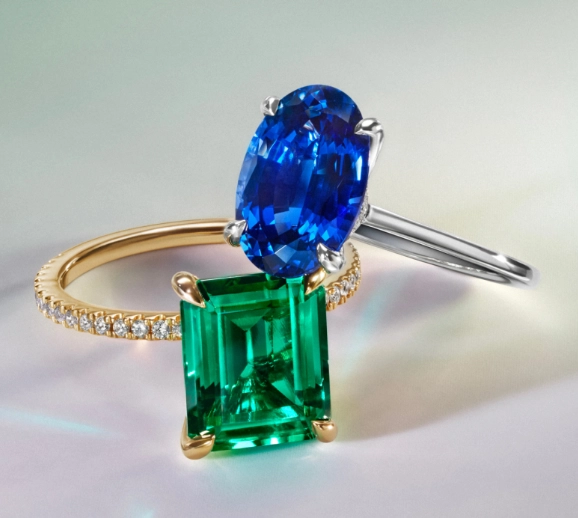
Faceting is a geometry project. It's about precision, angles, and maximizing light return (that's the sparkle, or "brilliance"). It works wonders for transparent stones like diamonds, sapphires, and emeralds, where the goal is to bounce light around inside and shoot it back out at your eyes.
A cabochon cut is more of a sculpture. The goal is form, smoothness, and polish. It's the only cut for stones that are opaque (you can't see through them) or translucent (only some light passes through). Trying to facet a piece of malachite or lapis lazuli would be pointless—there's no transparency to play with. But polish it into a cabochon, and suddenly those swirling greens or flecks of gold pyrite come alive.
Here's a quick table to break down the key differences. It's not about one being superior; it's about which tool is right for the job.
| Feature | Cabochon Cut | Faceted Cut |
|---|---|---|
| Primary Goal | Showcase color, pattern, sheen, or optical effects (like cat's eye). | Maximize sparkle, brilliance, and fire (light dispersion). |
| Best For | Opaque & translucent stones (agate, turquoise), stones with inclusions/patterns, stones showing asterism or chatoyancy. | Transparent stones (diamond, quartz, topaz) with good clarity. |
| Surface | Smooth, curved, highly polished dome. | Many flat, geometric planes (facets) at precise angles. |
| Feel & Aesthetic | Organic, smooth, tactile, often feels ancient or artisanal. | Geometric, brilliant, sharp, modern. |
| Durability Note | The smooth dome has no sharp edges to chip, but the high dome can be a point of impact. | Facet edges can chip if struck, but the structure can be very strong. |
See? Different tools. A master lapidary (that's the artist who cuts and polishes stones) chooses the cut based on the rough material's inherent beauty. Sometimes, the stone itself tells you what it wants to be.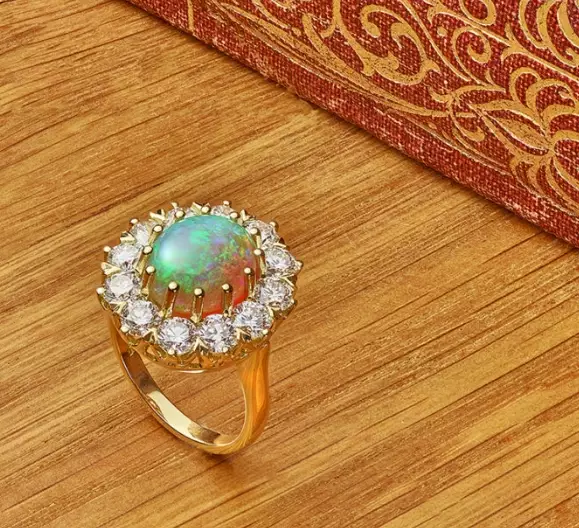
How to Spot a Quality Cabochon: The Good, The Bad, and The Lumpy
Okay, so you're looking at a bunch of cabochons online or at a gem show. They all look shiny and pretty. How do you know which ones are well-made? It's not just about the material; the cut quality matters a ton. A poorly cut cabochon can make even great material look cheap.
Let's run through what your eyes should be checking for. Forget complex gemology for a minute; this is about basic craftsmanship.
First, the shape.
Is it symmetrical? If it's supposed to be an oval, does it look like a lopsided egg? A good oval or round cabochon should be even. The curve of the dome (what we call the "profile") should be smooth and consistent, not flat in the middle or pointy at the top. A classic, well-proportioned dome is pleasing to the eye and sits nicely in a setting.
Then, the polish.
This is non-negotiable. The surface should be like glass—mirror-smooth with no scratches, pits, or hazy areas. Turn it under a light. Any dull spots? That's a sign of rushed polishing. A perfect polish makes the color pop and any special effects, like the cat's eye in chrysoberyl, really stand out. A poorly polished cabochon just looks dead.
Now, the back. People often ignore this, but it's crucial, especially if you're setting it yourself. Is the back flat? It doesn't have to be perfectly polished to a mirror shine, but it should be reasonably flat and even. A wildly uneven back will make it rock in the setting, require a ton of epoxy to secure, and just be a general pain. Trust me, I've been there, trying to set a wobbly cabochon. Not fun.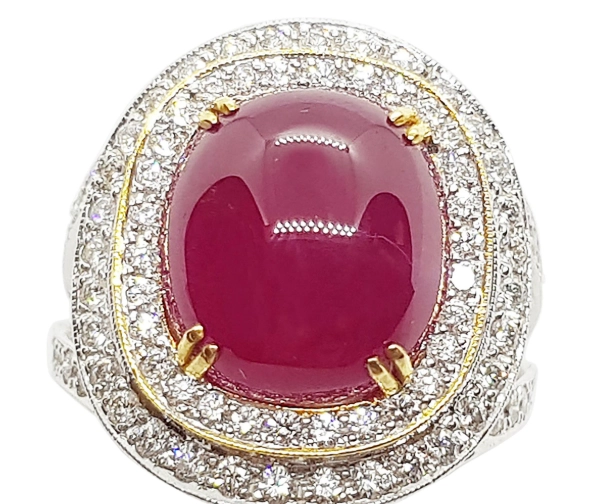
Top-Tier Cabochon Checklist: When you find a gem that ticks all these boxes, you've got a winner.
- Symmetrical Shape: Clean, even ovals, circles, or freeforms.
- Glass-Like Polish: No scratches, clouds, or dull areas on the dome.
- Pleasing Profile: The dome has a smooth, graceful curve (not too high and bulbous, not too flat).
- Flat-ish Back: Sits steadily without rocking.
- Clean Edges: The girdle (the edge between the dome and the back) is smooth, not chipped or ragged.
And a quick word on "freeform" cabochons. These are organic, asymmetrical shapes that follow the natural contours of the rough stone. They're fantastic and unique! But even a freeform should have a good polish and a dome that feels intentional, not just lazily uncut.
The Ultimate Cabochon Material Showdown
This is the fun part. What can you actually make a cabochon from? The short answer: almost any solid material that can take a polish. Let's break down the popular categories, from timeless classics to modern favorites. I'll even throw in my personal, slightly biased, opinions.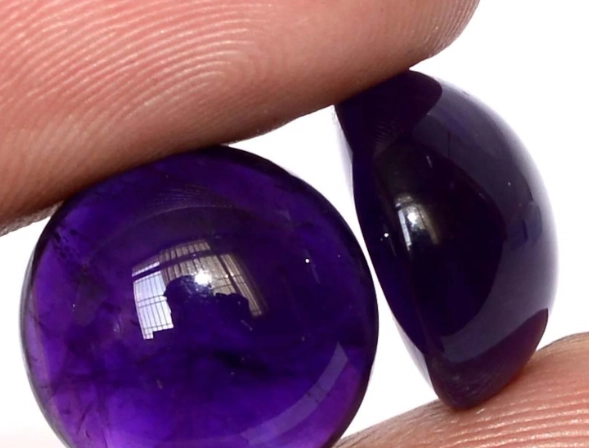
The Classic Crew (You Can't Go Wrong)
These are the workhorses of the cabochon world. Reliable, beautiful, and widely available.
Agates & Jaspers: This is a huge family. Botswana agate, moss agate, picture jasper, ocean jasper... the list goes on. They're quartz varieties, so they're reasonably hard (around 7 on the Mohs scale) and take a fantastic polish. The appeal is 100% in their wild, natural patterns—landscapes, dendrites that look like ferns, orbs, you name it. A great, affordable starting point. The Gemological Institute of America's gem encyclopedia page on agate is a fantastic resource for diving deeper into specific types.
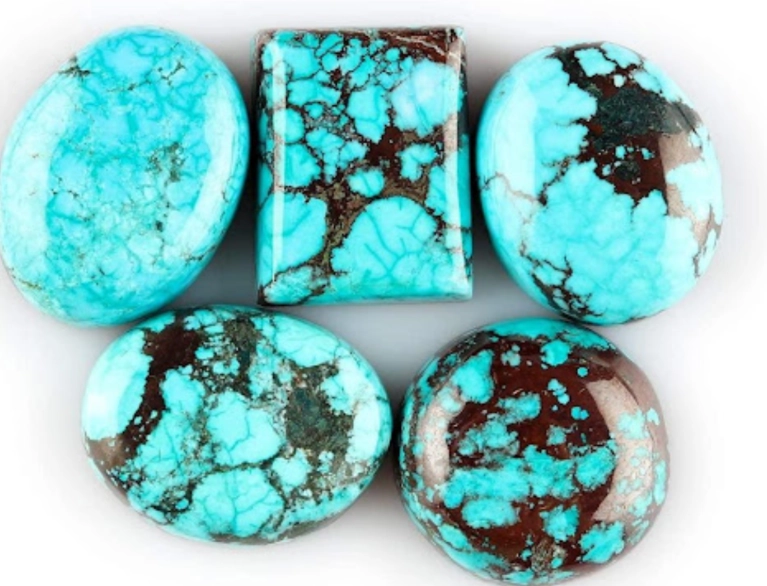
Turquoise: The iconic blue-green stone. A high-quality, solid turquoise cabochon with minimal matrix (the host rock webbing) is a treasure. But be warned: the market is flooded with stabilized, treated, and even fake turquoise. A genuine, untreated cabochon of good color is a special find. It's also relatively soft and porous, so it needs a bit of care.
Lapis Lazuli: Deep, celestial blue with flecks of golden pyrite. A well-polished lapis cabochon looks like a piece of the night sky. The best ones have an even, intense blue. The pyrite flecks should be a bonus, not the main event. It's another softer stone, but the look is unmistakable.
The Showstoppers (Optical Phenomena)
These stones are why the cabochon cut exists. Their magic only appears in this form.
Moonstone: My personal favorite. It's a type of feldspar that exhibits "adularescence"—that soft, billowy blue or white light that seems to float under the surface as you move it. A premium moonstone cabochon is semi-transparent with a strong, centered blue sheen. Lower quality ones look milky and dull. When you find a good one, it's hypnotic.
Star Sapphire/Ruby (Asterism): This is the star effect, usually a six-rayed star that glides across the surface. It's caused by needle-like inclusions reflecting light. The cabochon must be cut with the dome perfectly aligned to the crystal structure to center the star. A sharp, centered star on a rich color background is incredibly valuable. The Mindat page on Corundum (the mineral family for sapphire/ruby) offers great technical insight into how this phenomenon occurs.
Cat's Eye Chrysoberyl (Chatoyancy): The single, sharp band of light that looks like a slit pupil. The best "honey" colored chrysoberyl cat's eye with a sharp, moving line is a classic gem. The effect is called chatoyancy, and the cabochon has to be cut exactly right to maximize it.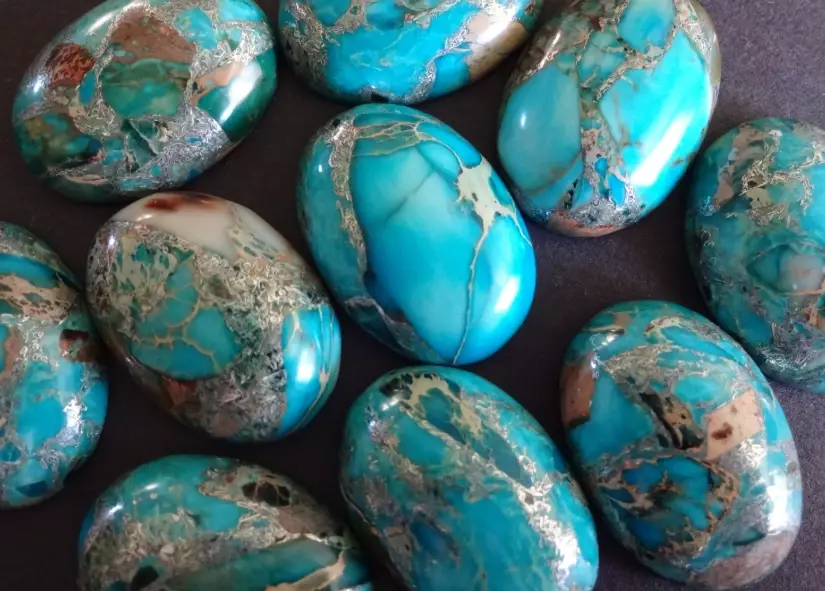
The Organic & Modern Picks
Opal: A category unto itself. Cabochon is the standard cut for opal to protect it and display its play-of-color. Ethiopian opal, Australian boulder opal, fire opal—each is stunning. Opal is soft and can be sensitive to humidity, but who can resist that fire? A word of caution: some Ethiopian opal can absorb liquids and lose color, so know your source.
Fossils & Petrified Wood: Want to wear a piece of history? A cabochon of ammonite fossil (often with iridescent ammolite), petrified wood, or dinosaur bone is incredibly unique. The polishing reveals patterns millions of years old. They're conversation starters for sure.
Modern Synthetics & Glass: Don't snub your nose at these! Artists create stunning "art glass" cabochons with incredible depth and color. They're uniform, affordable, and offer colors you won't find in nature. For bold, statement jewelry, they're perfect. Just know what you're buying—it's art, not a natural gem.
I have a soft spot for labradorite. It's like moonstone's moodier cousin. That flash of peacock blue, green, or gold that suddenly appears from a seemingly dark grey stone... it gets me every time. A well-cut labradorite cabochon feels like holding a secret.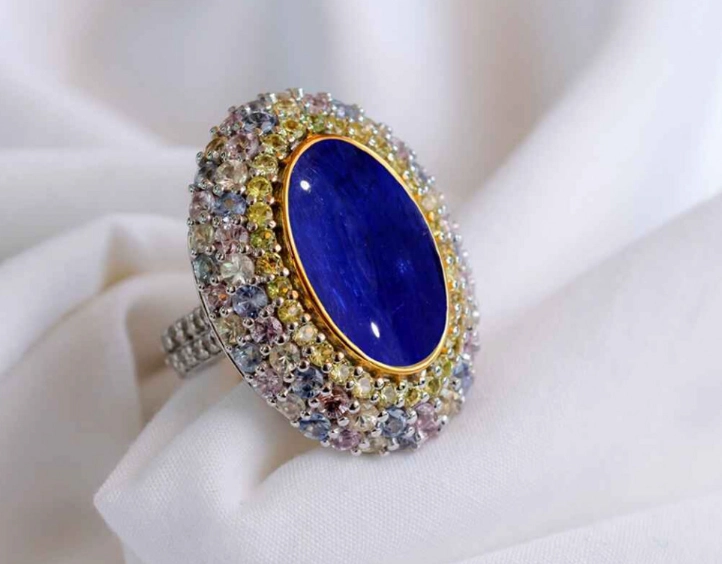
Choosing Your Cabochon: A Practical Guide for Your Project
Alright, you're inspired. You want to buy or make something with a cabochon. But staring at hundreds of options is paralyzing. Let's get practical. Ask yourself these questions before you click "buy" or head to the gem show.
1. What's the budget? Cabochons range from a few dollars for small agates to thousands for a fine star sapphire. Set a realistic range. The beauty is, you can find stunning pieces at almost any price point.
2. What's it for? This is the big one.
- Everyday Ring or Pendant: You need durability. Aim for harder materials (Mohs 7+): agates, jaspers, quartz, some garnets. Avoid soft, porous stones like turquoise or malachite for a ring you'll wear daily—they'll scratch and absorb oils.
- Earrings or a Occasional-Wear Brooch: You can be more adventurous! Opals, pearls, softer stones are safer here as they experience less impact.
- Wire Wrapping: Freeforms and stones with interesting edges work great. A flat back is less critical.
- Metal Bezeling (like in a silver setting): A flat back and a consistent girdle are essential. Measure twice, buy once.
3. What's your personal style? Do you love earthy, natural patterns? Go for jaspers or fossils. Prefer ethereal, magical looks? Moonstone and labradorite. Love bold color? Look at synthetic glass or vibrant stones like chrysocolla.
4. Size and Proportion. A giant, 40mm cabochon makes a statement necklace. A tiny 6mm one is perfect for a delicate ring. Think about the scale of the piece you're creating. A common beginner mistake is buying a stone that's too large or too small for their intended design.
| Project Type | Recommended Material Hardness (Mohs) | Key Cabochon Feature to Look For | Materials to Avoid for This Use |
|---|---|---|---|
| Daily-Wear Ring | 7.0 and higher | Flat back, secure setting | Opal, Turquoise, Malachite, Fluorite |
| Pendant or Necklace | 5.5 and higher | Eye-catching color/pattern, any back shape | Very soft minerals like Selenite (2.0) |
| Earrings | 6.0 and higher | Lightweight, matched pair (if needed) | Heavy materials (some large agates) |
| Men's Jewelry | 7.0 and higher | Bolder sizes, darker colors, simple patterns | Delicate, pastel-colored stones |
| Wire Wrapping | Any (but harder is easier) | Interesting shape, texture on sides | Extremely brittle materials |
Hot Tip / Common Mistake: Don't get seduced by a beautiful online photo without checking the dimensions! A "25mm stone" sounds medium, but in person, it can feel huge. Grab a ruler and actually look at what 25mm looks like. Compare it to jewelry you already own. Sizing surprise is the #1 disappointment for new buyers, I swear.
Cabochon Design Inspiration: Beyond the Basic Ring
Think cabochons are just for hippie-style pendants? Think again. Their versatility is their superpower.
Jewelry: Obviously. But let's get specific.
- Cluster Rings: Group several small, complementary cabochons (like different colored agates) around a central stone.
- Statement Cuffs: A single, large, spectacular freeform cabochon bezel-set on a wide silver or brass cuff bracelet. Powerful stuff.
- Modern Ear Studs: Small, geometric cabochons (triangles, hexagons) in labradorite or onyx for a minimalist look.
- Lariat Necklaces: A cabochon dangling at the end of a simple chain or leather cord. Effortlessly cool.
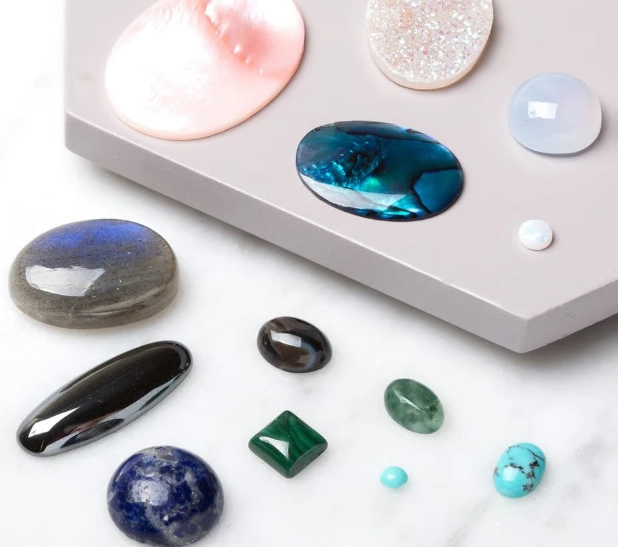
Home Decor & Functional Art: This is where it gets really creative.
- Inlay a beautiful cabochon into a wooden knife handle or a hairbrush.
- Set small, round cabochons as decorative pulls on drawers or cabinets.
- Create a mosaic or focal point in a picture frame using sliced agate or a single large cabochon.
- I once saw a luthier inlay a tiny star sapphire cabochon into the headstock of a custom guitar. Unforgettable detail.
The Collector's Path: Some people just collect them! Displayed in velvet trays, sorted by color or type, appreciated as miniature works of geological art. There's no wrong way to enjoy a beautiful cabochon. The Smithsonian's National Museum of Natural History has an online collection overview of gems and minerals that is pure eye candy for any cabochon admirer, showcasing historical pieces cut in this style.
Your Cabochon Questions, Answered (The Real Stuff People Wonder)
Let's tackle some of the specific, sometimes quirky questions that pop up when you're deep in a cabochon rabbit hole. These are based on real conversations I've had with fellow makers and buyers.
The world of cabochons is deep and endlessly fascinating. It connects us to geology, art, history, and personal expression. Whether you're buying your first piece of jewelry, sourcing materials for a craft project, or just admiring the quiet beauty of a polished stone, understanding the "what" and "why" behind the cabochon cut makes the experience so much richer.
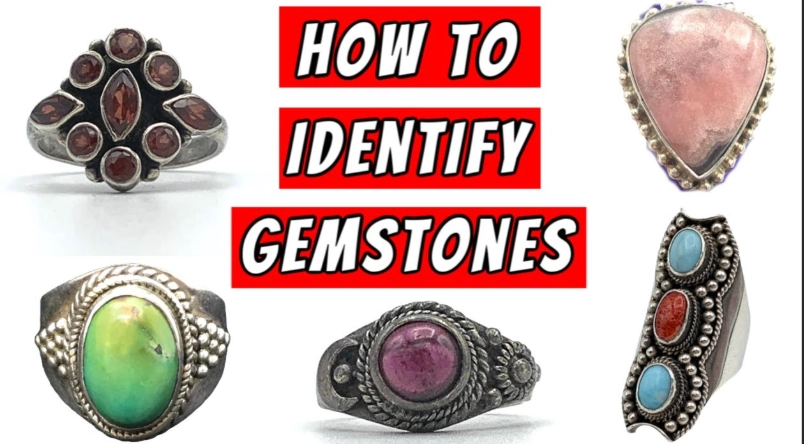
Start by looking at the stones around you with new eyes. That smooth, green stone in your ring? That's a cabochon. The milky blue pendant that seems to glow? That's a cabochon. They're the quiet storytellers of the gem world, and now you know their language.