Quick Navigation
- The Mohs Scale: Your Best Friend and Worst Enemy
- Hardness vs. Everything Else: The Durability Trifecta
- Testing Hardness: What You Can and Absolutely Should NOT Do
- Choosing Gems by Hardness: Your Personal Wearability Guide
- Caring for Your Gems Based on Their Hardness
- Answering Your Gemstone Hardness Questions
- The Bottom Line: Making Peace with the Numbers
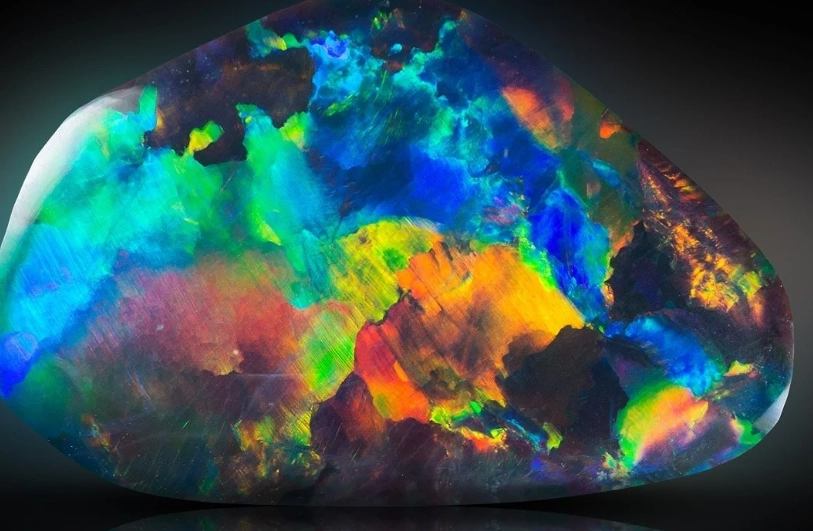
Let's be honest. When you hear "gemstone hardness," you probably picture a diamond scratching glass in some movie scene. Or maybe you've seen a chart with numbers from 1 to 10 and felt a bit lost. I know I did when I first got into jewelry. I bought a beautiful opal ring, wore it every day for a month, and was heartbroken to see it covered in tiny scratches. That's when I learned the hard way that hardness isn't just a number—it's the difference between a treasure that lasts generations and a piece that needs a trip to the jeweler in six months.
So, what is gemstone hardness really about? It's not about a gem being "hard" like a rock. In the world of geology and gemology, hardness has a very specific meaning: a mineral's resistance to being scratched. That's it. It doesn't directly measure if it will shatter if you drop it (that's toughness) or if it will chip at the edges (that's brittleness). This focus on scratching is the core of the Mohs scale, the system we all use but often misunderstand.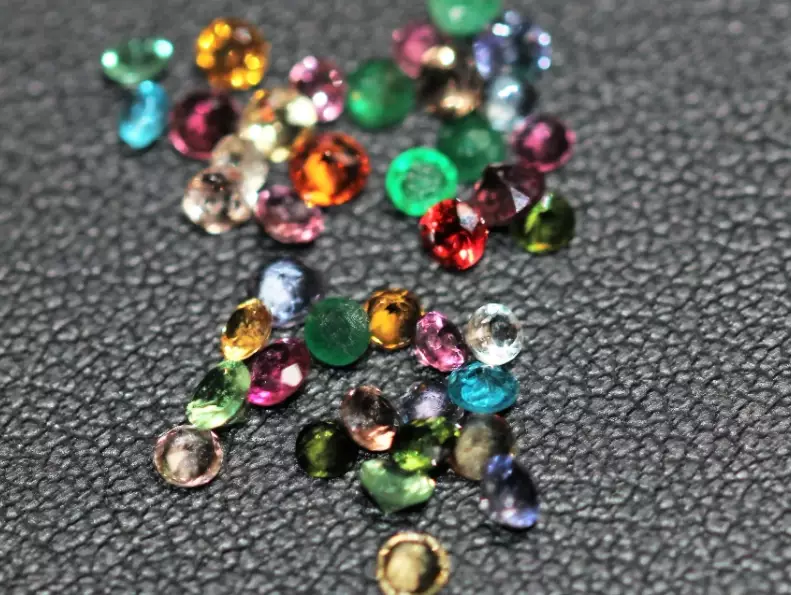
The biggest mistake people make? Assuming a high Mohs number makes a gemstone indestructible. It doesn't. A diamond (Mohs 10) can be shattered by a sharp blow. An emerald (Mohs 7.5-8) can be surprisingly fragile despite its decent hardness rating. This gap between the number and real-life durability is where most guides fall short, and where we're going to spend a lot of time.
The Mohs Scale: Your Best Friend and Worst Enemy
Developed by German geologist Friedrich Mohs back in 1812, the Mohs scale of mineral hardness is brilliantly simple and, at the same time, deceptively tricky. It's an ordinal scale. That's a fancy way of saying the numbers tell you the order of hardness, but not the actual difference between them.
Think of it like a ladder. A mineral with a hardness of 6 can scratch any mineral rated 5 or below. A mineral rated 7 can scratch number 6. But—and this is the crucial part—the jump from 9 (corundum: ruby, sapphire) to 10 (diamond) is a massive leap in absolute hardness. In fact, diamond is about 4 times harder than corundum, and over 100 times harder than a talc at the bottom of the scale. The scale isn't linear; it's exponential at the top.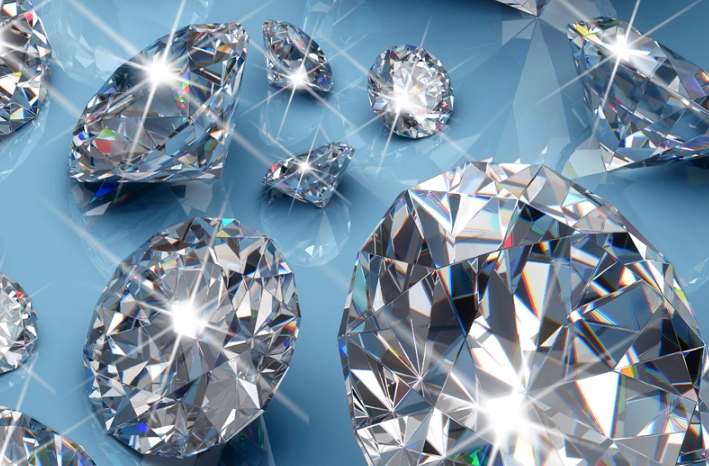
Why does this matter for you? If you're comparing a sapphire (9) to a topaz (8), the single point difference represents a significant jump in scratch resistance for daily wear. But the difference between a 7.5 and an 8 might be less dramatic in practical terms.
What's Actually on the Scale? A Practical Breakdown
Here’s the classic Mohs scale, but let's look at it with a jeweler's eye, focusing on what you might actually wear.
| Mohs Hardness | Reference Mineral | Common Gem Examples | "Can It Handle..." Reality Check |
|---|---|---|---|
| 10 | Diamond | Diamond | The ultimate scratch-resistant champion. Can only be scratched by another diamond. Perfect for lifelong daily wear. |
| 9 | Corundum | Ruby, Sapphire | Exceptionally durable. Resists scratches from almost everything in your environment except diamond. An heirloom-quality choice for rings. |
| 8 | Topaz | Topaz, Spinel | Very good for daily wear. Might eventually show fine scratches from quartz dust (sand), but will hold up beautifully for years. |
| 7 | Quartz | Amethyst, Citrine, Agate, Tanzanite (~6.5-7) | The durability benchmark. Quartz is everywhere in dust. At this level, careful wear is advised for rings. Great for pendants and earrings. |
| 6-6.5 | Feldspar | Moonstone, Amazonite, Opal (~5.5-6.5) | Soft. These gems will scratch from daily activities. I'd avoid them in ring settings meant for regular use. Better for occasional-wear pieces. |
| 5-5.5 | Apatite | Apatite, Turquoise | Quite soft. Even careful wear will lead to noticeable abrasion over time. Primarily for collectors or protected jewelry designs. |
| 1-4 | Talc, Gypsum, Calcite, Fluorite | Pearl (~2.5), Amber (~2-2.5), Selenite | Extremely delicate. These are beautiful but require a jewelry wardrobe mindset—wear them for special, gentle occasions and store them with great care. |
See that "Reality Check" column? That's the stuff most charts leave out. A gemstone's hardness number is useless without context. Knowing that quartz (Mohs 7) is in common household dust is the key piece of information. Any gem below a 7 will eventually get scratched just by the air around us, literally.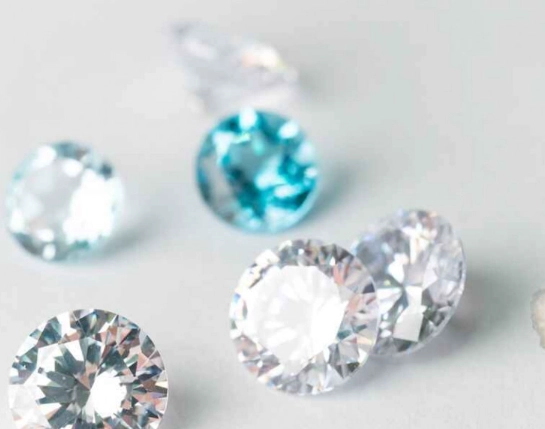
Personal opinion time: I think the Mohs scale, while essential, gives a false sense of security for gems in the 6.5-7.5 range. We see "7" and think it's safe. But for a ring you plan to never take off, that's the danger zone. The abrasion from constant, low-level contact with quartz dust is a real thing. My amethyst ring (Mohs 7) developed a patina of fine scratches after two years of daily wear. It still looks good, but it's lost that razor-sharp polish.
Hardness vs. Everything Else: The Durability Trifecta
If you remember one thing from this guide, let it be this: Hardness is only one-third of the durability story. Ignoring the other two is how gems get damaged.
Toughness: The Resistance to Breaking
Toughness is a gem's ability to withstand breaking, chipping, or cracking from a blow or pressure. It's about internal structure. Jadeite jade is the classic example. Its hardness is only about 6.5-7, but its interlocking fibrous structure makes it incredibly tough—it can be carved thinly and withstand impacts that would shatter many harder gems. Diamond, ironically, has perfect hardness but only good toughness; it has cleavage planes, meaning it can be split cleanly if struck in the right direction.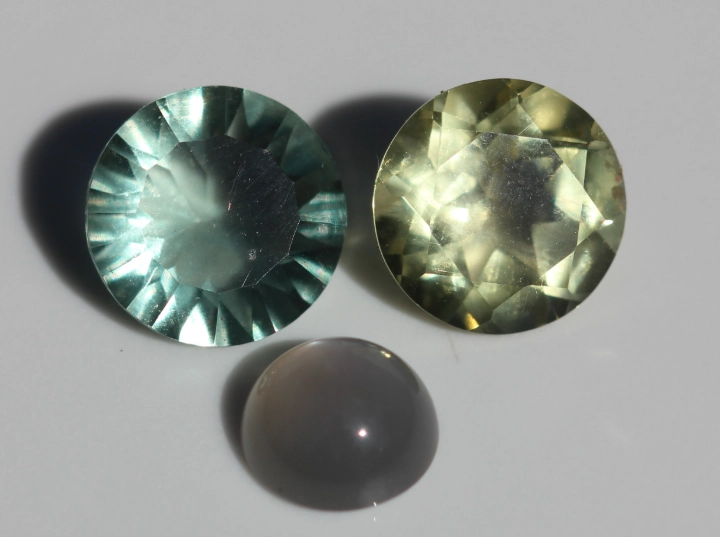
Stability: The Resistance to Elements
Stability refers to how well a gem holds up to light, heat, chemicals, and humidity. This is where gemstone hardness has zero relevance. An opal's low hardness is a problem, but its sensitivity to dehydration and sudden temperature changes is a bigger one for its longevity. Some gems can fade in sunlight (like amethyst and kunzite), others can be damaged by common acids (like turquoise and malachite) or even perfumes and hairsprays.
So you need to ask three questions: 1) How scratch-resistant is it (Hardness)? 2) How likely is it to chip if I knock it (Toughness)? 3) Will sunlight or soap ruin it (Stability)?
A quick tip from my own blunder: I once cleaned a gorgeous turquoise ring (hardness ~5-6) with a bit of mild soapy water, not thinking about stability. The porous stone absorbed some moisture and oils, causing a slight color change. Hardness wasn't the issue; chemical stability was. Always look up a gem's specific care needs beyond its hardness.
Testing Hardness: What You Can and Absolutely Should NOT Do
The internet is full of terrible advice on testing gemstone hardness at home. Let's clear this up.
Do NOT try to scratch your gem with common objects to "test" it. Using a steel file (hardness ~6.5) on an unknown stone is a great way to ruin it. The classic "scratch glass" test is misleading. Many glasses have a hardness around 5.5, so things harder than that (like quartz at 7) will scratch it. That doesn't mean your stone is a diamond or even a sapphire.
So what can you do? Focus on prevention and observation.
- Know Before You Buy: Reputable sellers (like members of Jewelers of America or those with GIA credentials) will provide accurate identification, which includes understanding hardness. The Gemological Institute of America's (GIA) Gem Encyclopedia is the gold-standard, free resource to look up any gem's properties, including its precise hardness range.
- The Fingernail Test (for very soft gems): Your fingernail is about 2.5 on the Mohs scale. If you can easily scratch the gem with your nail, it's a 2.5 or below (like amber or a very soft talc). This is one of the few safe, practical tests.
- The Visual Inspection: Under bright light and magnification, look at the facets (the flat, polished surfaces) of a worn gem. Gems with insufficient hardness for their setting will show rounded facet edges and lots of fine, parallel scratches called "abraison lines." This is your gem telling you it's too soft for how you're wearing it.
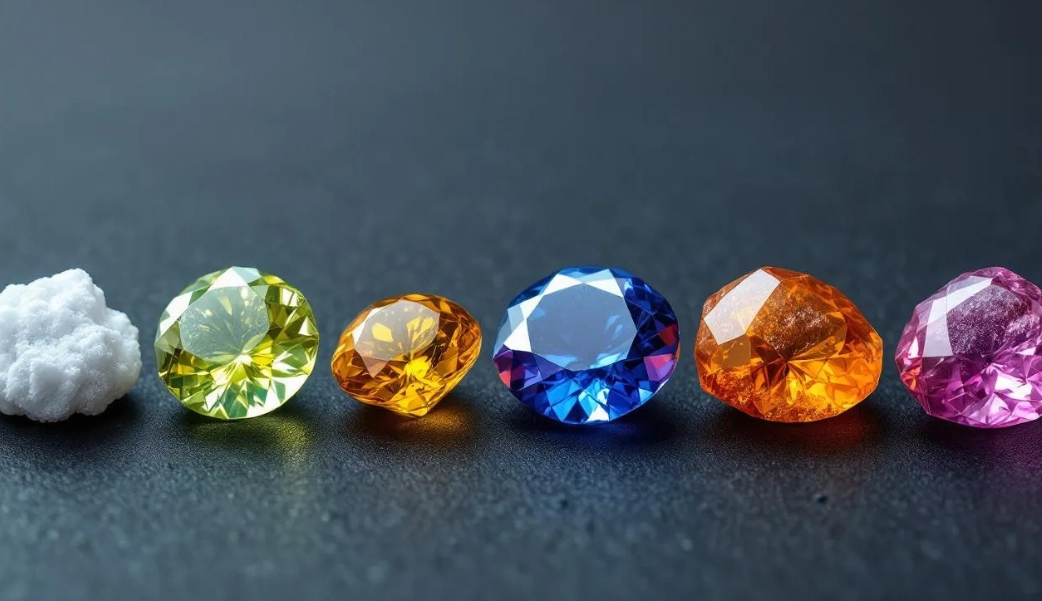
Leave the definitive testing to the pros with proper tools.
Choosing Gems by Hardness: Your Personal Wearability Guide
Let's get practical. How do you use gemstone hardness to make smart choices? It all depends on the piece.
For Engagement Rings & Daily-Wear Rings
This is the high-stakes category. The gem is on your hand, which bumps into everything. My personal threshold is Mohs 8 or higher for a "never take it off" ring.
- Top Tier (9-10): Diamond, Sapphire, Ruby. These are the undisputed champions. They'll look new for decades. Corundum (sapphire/ruby) is the most practical elite choice, offering incredible hardness in a rainbow of colors.
- Good Choice (8): Topaz, Spinel. Excellent durability. Spinel is a fantastic under-the-radar option with a hardness of 8, often mistaken for ruby or sapphire. A topaz engagement ring will serve you very well, though it might eventually show signs of wear after many, many years.
- Proceed with Caution (7-7.5): Quartz family (amethyst, citrine), Tanzanite. Beautiful but will require more care. Expect to eventually see minor scratches. Be prepared to have it repolished by a jeweler every decade or so, which removes a tiny amount of material.
- Generally Not Advisable (<7): Opal, moonstone, pearl. For a daily-wear ring, these are simply too soft. Save them for pendants or occasional-wear right-hand rings.
For Earrings and Pendants
You have way more freedom here! These pieces are far less prone to impacts and scratches. Hardness is less critical.
You can confidently wear gorgeous but softer stones like opals (5.5-6.5), moonstone (6-6.5), or even pearls (~2.5) in earrings. They're protected from most knocks. The main risk for pendants is the gem swinging and hitting something, so maybe avoid an extremely brittle stone, but hardness isn't your primary concern.
For Bracelets
Bracelets are the battlefield. They constantly tap against tables, keyboards, and doors. Here, you need a combination of good hardness and good toughness.
Jade (nephrite or jadeite) is the legendary bracelet material for a reason: great toughness. Agate and quartz varieties (7) are also very common and successful. I'd avoid anything with perfect cleavage (like topaz or diamond) or very low hardness in a bracelet that will see active wear.
Caring for Your Gems Based on Their Hardness
Different hardness levels demand different care strategies. It's not one-size-fits-all.
For Hard Gems (8-10): Diamond, sapphire, ruby, spinel, topaz. These are low-maintenance. You can clean them safely with mild soap, warm water, and a soft brush. Ultrasonic cleaners are usually safe for these (unless the gem has significant inclusions or fractures). The main rule: store them separately so they don't scratch your other jewelry. A diamond will happily scratch a sapphire if they rub together in a bag.
For Medium Gems (7-7.5): Quartz, tanzanite, peridot. Be a bit gentler. Stick to the soapy water and soft brush method. I'd avoid ultrasonics for tanzanite due to potential cleavage. Dry them with a soft, lint-free cloth. Store them separately from harder gems.
For Soft Gems (<7): Opal, turquoise, moonstone, pearl, amber. This is the high-care group. The best cleaning method is often just a damp, soft cloth followed by immediate drying. Never soak porous stones like turquoise or opal. Never use chemicals, ultrasonics, or steamers. Store them wrapped in a soft cloth, away from heat and dryness (especially for opals).
The universal storage rule, regardless of hardness: Don't let your gems touch each other. Use a jewelry box with separate compartments, soft pouches for each piece, or even the classic egg carton method. Gem-on-gem contact is a leading cause of scratches.
Answering Your Gemstone Hardness Questions
Here are the real questions people have when they're searching about this topic.
Is a higher number always better?
Not necessarily. "Better" depends on your needs. For a daily-wear ring, yes, higher is generally better for scratch resistance. But a higher hardness gem might be more brittle (like diamond's cleavage). Sometimes, a slightly lower hardness gem with greater toughness (like jade) is "better" for a bracelet that will take knocks. And often, a softer gem has a unique beauty (like opal's play-of-color) that makes it worth the extra care.
Can hardness change or be enhanced?
A gem's fundamental hardness is a permanent property of its mineral structure. However, many gems receive treatments to improve their appearance, and some of these can affect the surface. For example, a fracture-filled ruby or a coated topaz might have a surface layer that is less scratch-resistant than the natural gem material underneath. Always ask about treatments from your jeweler.
What's the hardest gem after diamond?
Moissanite, a lab-created gem, comes in at 9.25 on the Mohs scale, making it harder than all natural gems except diamond. In the natural world, it's corundum (ruby and sapphire) at a definitive 9. There's a significant gap between 9 and 10.
Why does my quartz (Mohs 7) look scratched but my guide says it's hard?
Because the guide isn't mentioning the enemy: quartz dust. Sand and common dust are largely made of tiny quartz particles (hardness 7). So, if your gem is a 7, it has an equal hardness to the dust. When they rub together with pressure, they can abrade each other. For a gem to be truly scratch-proof in daily life, it needs to be harder than quartz—so, 7.5 or above is a much safer bet for long-term polish retention.
See? It's those little insights that make all the difference.
The Bottom Line: Making Peace with the Numbers
Understanding gemstone hardness isn't about memorizing a chart. It's about developing a feel for what those numbers mean in your daily life. It's the difference between choosing a stone with confidence and choosing one with anxiety.
Use the Mohs scale as your starting map. Then, layer on the concepts of toughness and stability. Finally, match that knowledge to the jewelry piece you have in mind. A pearl's low hardness makes it a poor choice for a ring but a magical choice for earrings. A sapphire's high hardness makes it a worry-free centerpiece for an engagement ring.
Don't let the perfect be the enemy of the good. If you love a stone with a hardness of 7, get it! Just get it in a pendant or pair of earrings, or be mentally prepared to give a ring a little more TLC and an occasional professional polish. The goal is to enjoy your gems for a lifetime, and that starts with knowing what you've got.
My opal ring that started this whole journey for me? I still have it. I just don't wear it to the grocery store or while I'm gardening anymore. It's a special occasion piece now, and I love it even more for it. Knowledge didn't limit my enjoyment; it just made it smarter.