Quick Navigation
- What Are You Actually Looking At? Types of Clarity Characteristics
- The Grading Maze: Making Sense of Clarity Scales
- Clarity Isn't One-Size-Fits-All: How It Varies by Gem Type
- How to Actually Evaluate Clarity When You're Buying
- Clarity's Real Impact on Value (And The Myths)
- Your Buying Guide: Matching Clarity to Your Goals
- Common Questions About Gemstone Clarity (Answered)
Let's be honest. When you hear "gemstone clarity," you probably think one thing: fewer flaws, better gem. Right? Well, hold on. It's not that simple, and that oversimplification is why so many people end up confused, overpaying, or even disappointed with their purchase. I've seen it happen too many times. Someone spends a fortune on a "flawless" stone, only to realize it looks a bit... lifeless. Or someone avoids a beautiful gem because it has a tiny speck they'd never see without a magnifier.
My own journey with this started years ago. I saved up for what I thought was the perfect sapphire. The salesperson kept going on about its high clarity grade. When I got it home and looked closely under bright light, sure, it was clean. But it didn't have the character, the little fingerprint of nature, that made other sapphires in the store window so captivating. That experience taught me that understanding gemstone clarity is about balance, not perfection.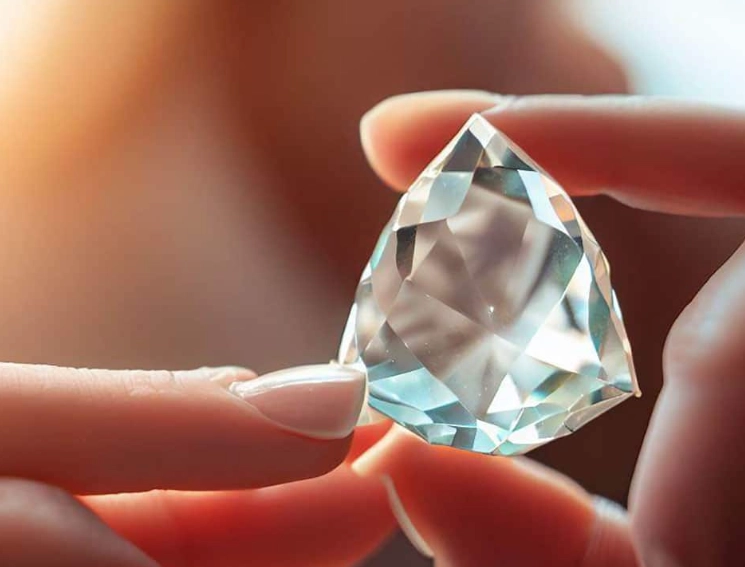
Gemstone clarity, in plain English, refers to the absence or presence of internal characteristics (called inclusions) and surface imperfections (called blemishes). It's a measure of a gem's purity. But here's the kicker: it's not a universal measure. A clarity grade that's terrible for a diamond might be perfectly acceptable, even expected, for an emerald. This is the first big trap for buyers.
What Are You Actually Looking At? Types of Clarity Characteristics
Before you can judge clarity, you need to know what the heck you're looking for. Inclusions aren't just "dirt"; they're like a gem's birth certificate. They tell its story—where it formed, under what conditions, and sometimes even prove it's natural.
You can split these features into two camps: stuff inside the stone (inclusions) and stuff on the surface (blemishes).
Common Inclusions (The Inside Stuff)
- Crystals: Tiny mineral crystals trapped inside the host gem. In a quartz, you might find tiny rutile needles (called "rutilated quartz"), which some people actually pay more for. In an emerald, you'll almost always see little hexagonal crystals or "jardin" (French for garden), which is a network of inclusions.
- Needles: Long, thin, crystal inclusions. Rutile needles in sapphires can sometimes cause a star effect (asterism), which is highly desirable.
- Feathers: These are small fractures that look like, well, a feather. They can affect durability if they reach the surface, so their placement is key.
- Clouds: A hazy area made up of many tiny pinpoints. Can give a milky appearance if dense.
- Cavities: Small holes or openings. Sometimes they're empty, sometimes filled with another material.
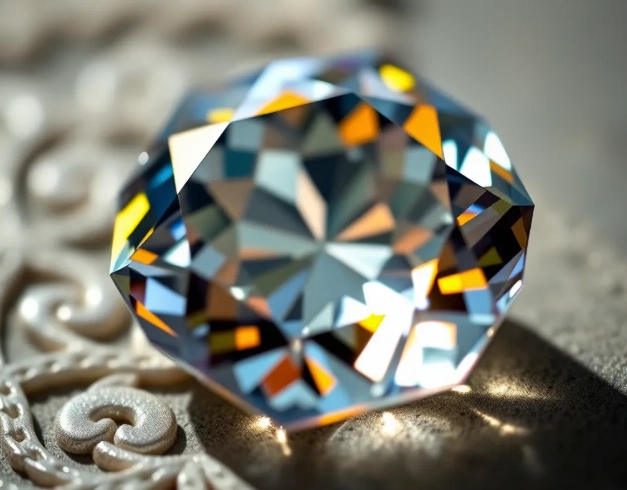
Common Blemishes (The Surface Stuff)
- Scratches: Nicks or lines on the surface from wear or contact.
- Pits: Tiny indentations, like small holes.
- Chips: Small pieces broken off, usually at the girdle (the edge) or facet junctions.
See? Not all "flaws" are created equal.
The Grading Maze: Making Sense of Clarity Scales
This is where things get formal. Different gems have different grading systems, but the most famous and well-defined one comes from the Gemological Institute of America (GIA), primarily for diamonds. For colored stones, it's a bit more fluid, but the GIA system provides a good framework. The key is that grading is done under 10x magnification by a trained eye.
Here’s a breakdown of the typical clarity grades you'll encounter. Don't just memorize the names; understand what they mean in practical terms.
| Clarity Grade | What It Means (Under 10x) | What You See With Your Naked Eye | Impact on Value & Feel |
|---|---|---|---|
| Flawless (FL) | No inclusions or blemishes visible at 10x magnification. Extremely rare, especially in colored gems. | Absolutely clean. No visible imperfections. | Highest premium. Often can look "too perfect" and lack character for some collectors. |
| Internally Flawless (IF) | No inclusions visible at 10x, but minor blemishes on the surface. | Essentially clean to the naked eye. | Very high value. The practical top tier for most buyers. |
| Very, Very Slightly Included (VVS1, VVS2) | Minute inclusions that are very difficult for a skilled grader to find at 10x. | Almost always eye-clean. You will not see anything without strong magnification. | High value. The sweet spot for many seeking a "clean" look without the FL/IF price. |
| Very Slightly Included (VS1, VS2) | Minor inclusions that are somewhat easy to find at 10x. | Usually eye-clean. In larger stones (>1 carat), you might start to see something if you have eagle eyes. | Excellent value. This range offers the best balance of beauty and price for most people. Most of your quality jewelry store pieces live here. |
| Slightly Included (SI1, SI2) | Noticeable inclusions at 10x magnification. | SI1 is often eye-clean, especially in smaller stones or certain cuts. SI2 may have inclusions visible to a sharp naked eye. | Great value for money. You're paying for the gem's color and size, not perfection. Requires careful selection—some SI2 stones can have obvious flaws. |
| Included (I1, I2, I3) | Obvious inclusions at 10x, which may affect transparency or durability. | Inclusions are typically visible to the naked eye. I3 stones have severe inclusions affecting structure. | Significantly lower price. I1 can be a bargain for a colorful, large stone where flaws don't ruin the face-up appearance. I2/I3 are generally for collectors of unusual specimens, not mainstream jewelry. |
The most important column there is the third one: "What You See With Your Naked Eye." This is the concept of eye-cleanliness. If you can't see the flaw without a loupe, does it really matter to your enjoyment of the ring on your finger? For most people, the answer is no. Chasing a higher grade you can't even see is how budgets evaporate.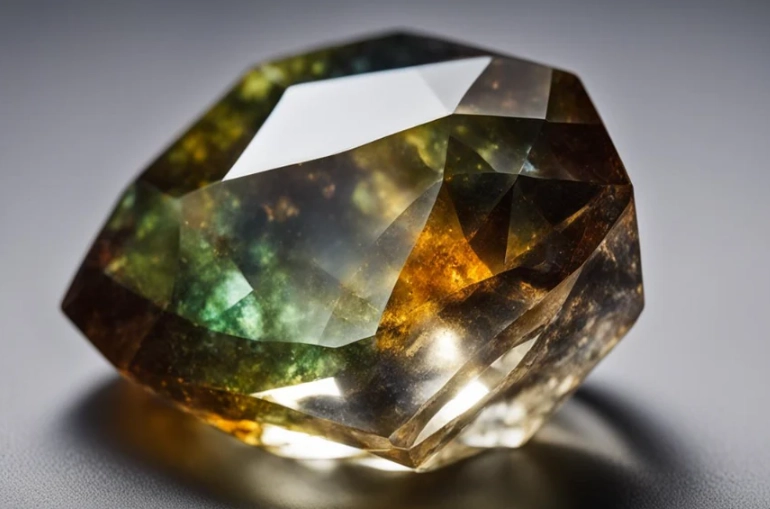
Critical Point: This table is a diamond-centric framework. Applying it rigidly to colored gemstones is a mistake. A VS clarity grade in a sapphire is often considered excellent. An "I1" grade emerald with minor, well-placed jardin is completely normal and may still be beautiful and valuable. The Gemological Institute of America (GIA) has extensive resources on how these concepts apply across different gem species, which is worth reviewing if you're getting serious.
Clarity Isn't One-Size-Fits-All: How It Varies by Gem Type
This might be the most important section in this entire guide. If you take away one thing, let it be this: You cannot use the same clarity standards for every gemstone. Period.
Some gems form in environments that are just... messy. Others form in conditions that allow for pristine crystals. Expecting all gems to look like a flawless diamond is like expecting all bread to taste like a baguette—it ignores the fundamental nature of the material.
Let's rank some popular gems by their typical clarity expectations, from "usually clean" to "almost always included."
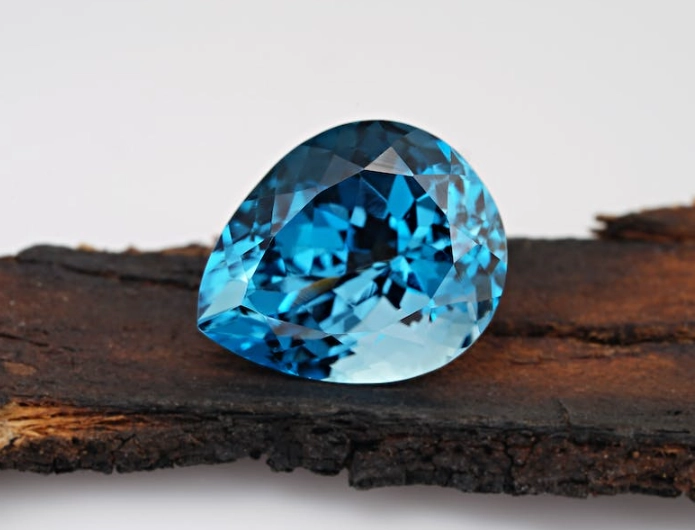
- Topaz & Citrine: These can often be found in very high clarities, sometimes even flawless. Eye-clean specimens are common and affordable.
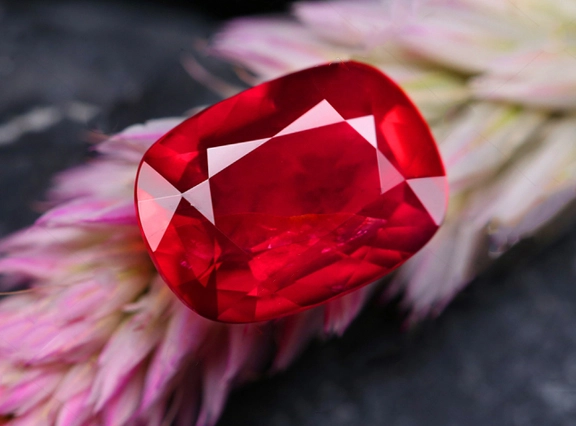
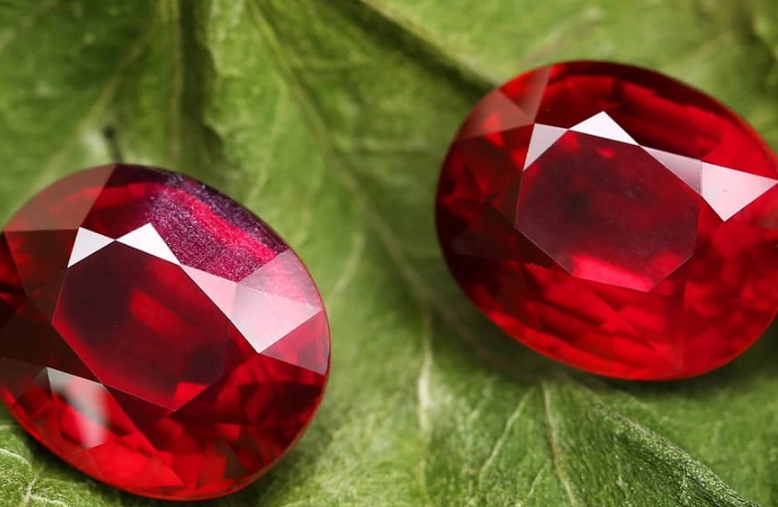
- Blue Sapphire & Ruby (High-Quality): Good quality stones can be eye-clean or have minor inclusions. Heavily included stones are less valuable, but some silk (fine needle inclusions) is common and can enhance color.
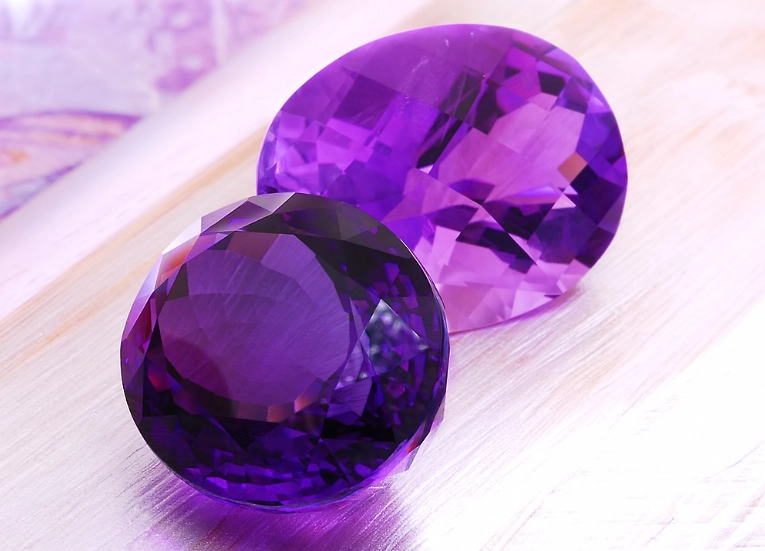
- Amethyst: Often eye-clean, but may have color zoning or fingerprints.
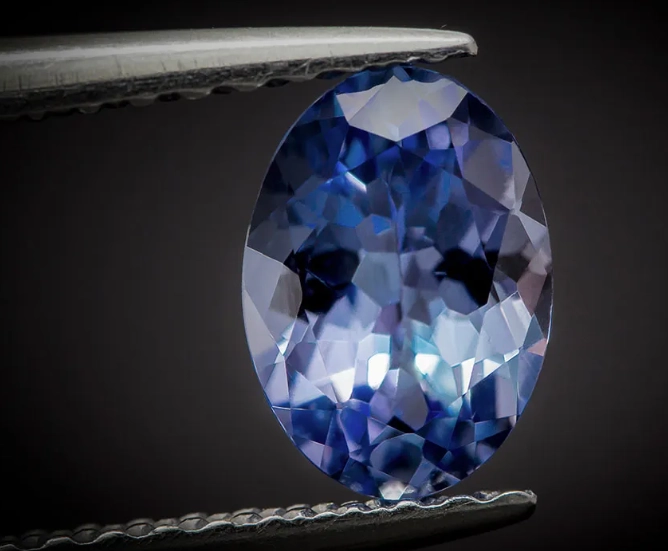
- Tanzanite: Usually quite clean by colored stone standards. Eye-visible inclusions are less common and can significantly lower value.
- Aquamarine: Known for being relatively clean. Long, hollow tubes ("rain") are a common inclusion type. A flawless aqua isn't a unicorn.
- Tourmaline: All over the map. Some are super clean, others are heavily included. It's very variety-dependent.
- Opal: Clarity isn't really graded the same way. You look for a clear, unobstructed play-of-color. Potch (common opal material) or sand inclusions are negatives.
- Emerald: The poster child for included gems. Finding an eye-clean emerald without any treatments is exceptionally rare and commands a sky-high price. Jardin is expected. The goal is to find a stone where the inclusions don't overly cloud the stone or look like a crack across the table. The International Colored Gemstone Association (ICA) has great articles on emerald clarity that normalize its included nature.
See the pattern? Know your gem.
How to Actually Evaluate Clarity When You're Buying
Okay, theory is great, but you're probably looking at a stone online or in a case. What do you do?
First, always ask for the grading context. If a seller says "VS clarity," ask "On whose scale?" For colored stones, a reputable seller will often describe the inclusions verbally (e.g., "minor silk, eye-clean") rather than just slapping a diamond grade on it.
The Naked Eye Test: This is your primary tool. Look at the stone in good, natural light (not just under a jeweler's bright spotlight, which can hide things). Hold it at a normal viewing distance—about 12-18 inches from your eye. Can you see any dark spots, clouds, or cracks? Twist it around. If you can't see anything obvious, it's eye-clean for you. That's what matters most.
The 10x Loupe Check: If you're serious, buy a cheap 10x loupe. It's empowering. Look through the crown (top) of the stone. Don't get lost in the tiny universe inside; just check: Are the inclusions black and obvious, or white/transparent and less noticeable? Are they dead center under the table (worst place), or off to the side near the girdle (better place)? A single black crystal under the table is worse than three white feathers near the pavilion.
Pro Tip: The cut can hide inclusions. A skilled cutter will position a stone's facets to reflect light in a way that masks an inclusion. A poorly cut stone can make a minor inclusion look worse. A stone with a great cut but a minor, well-hidden inclusion is often a smarter buy than a poorly cut "cleaner" stone.
Clarity's Real Impact on Value (And The Myths)
How much does clarity actually affect the price? It's exponential, not linear. Jumping from SI1 to VS2 might be a 15-20% price bump. Jumping from VS1 to VVS1 might be 50% or more for the same color and carat weight. The leap to FL/IF is astronomical, especially in larger stones.
Let's bust some myths:
- Myth 1: Higher clarity always means more beautiful. False. As I learned with my sapphire, a totally clean stone can look flat. Some inclusions scatter light in pleasant ways. Silk can make a sapphire's color look softer and more velvety.
- Myth 2: Inclusions always weaken a gem. Not always. A small, isolated crystal doesn't affect durability. A large feather that reaches the surface, however, can make a stone prone to chipping if hit at the wrong angle.
- Myth 3: All treatments to improve clarity are bad. This is a big debate. Fracture-filling (like oiling emeralds or lead-glass filling of rubies) is done to improve apparent clarity by hiding cracks. Oiling is a traditional, accepted practice for emeralds but requires disclosure and care. Glass filling is more controversial and significantly affects value. Always, always ask: "Has this stone been treated to improve its clarity?" Reputable sellers will disclose this, often with a report from a lab like GIA or AGTA that details any treatments.
Your Buying Guide: Matching Clarity to Your Goals
So what should you choose? It depends entirely on your goal.
For an Investment or Heirloom Piece (e.g., a large diamond or sapphire): Prioritize higher clarity (VS2 or above). The market for investment-grade stones heavily favors higher clarity grades. Documentation from a top lab (GIA, AGS) is non-negotiable.
For an Engagement Ring (where you look at it every day): Aim for eye-clean. This is often VS2-SI1 for diamonds, and can be SI or even I1 for colored stones like sapphires, depending on the inclusion type. Get a stone where you don't see a dark spot staring back at you. That's more important than the grade on a paper.
For a Fun, Colorful Piece (like a tourmaline or garnet ring): Don't sweat minor inclusions. Focus on a great color and cut. A slightly included stone with a stunning hue will always get more compliments than a pale, clean one. You can get much more size for your budget here.
For Emeralds Specifically: Abandon the dream of flawless. Look for a vibrant, even green. The inclusions should not look like large, black cracks that disrupt the view. Some translucency is okay—it gives emerald its classic, deep glow. A good clarity grade for an emerald is one where you love the color and the inclusions don't bother you personally.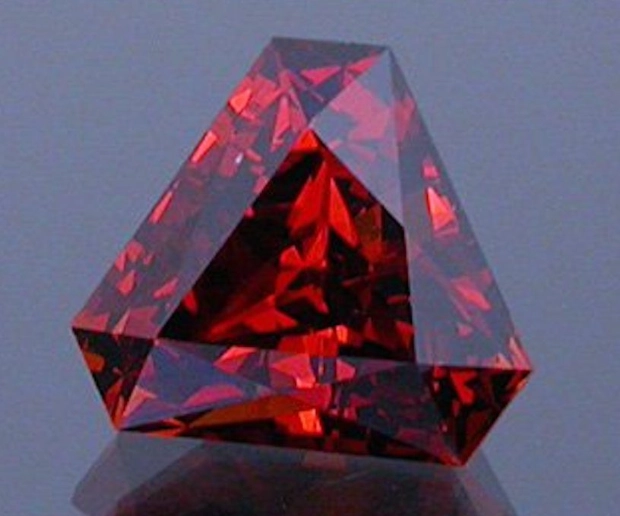
Common Questions About Gemstone Clarity (Answered)
The bottom line?
Gemstone clarity is a tool for understanding, not a final verdict. It's a crucial piece of the puzzle, alongside color, cut, and carat weight. But obsessing over a microscopic grade can blind you to the actual beauty—or the actual problems—of the stone in front of you.
Use the clarity grade as a starting point for questions. Ask where the inclusions are. See if you can spot them yourself. Decide if they bother you. For colored stones, recalibrate your expectations based on the gem's species. And remember, that little internal fingerprint is what makes your gem uniquely yours, a tiny snapshot of geological history. Sometimes, the "flaws" are the best part.
Now you know what to look for. Go find something beautiful.