Quick Navigation
Let's talk about gemstone color. It's the first thing you notice, right? That deep blue of a sapphire, the fiery red of a ruby, the cool green of an emerald. It's what draws you in, makes you stop and look. But there's so much more to it than just being pretty. The color of a gemstone tells a story—a story about how it was born deep within the earth, what it's made of, and even what it might mean for you. I've spent years talking to jewelers, reading research from places like the Gemological Institute of America (GIA), and just looking at stones, and I'm still amazed by the complexity. This guide is my attempt to unpack all of that for you, to go beyond the surface sparkle.
Think about the last time you tried to pick a gemstone. Maybe it was for an engagement ring, a birthday gift, or just a treat for yourself. You were probably hit with a bunch of questions. Is this the "right" shade? What does this color even symbolize? Will it fade if I wear it every day? It can feel overwhelming. I remember helping a friend choose a sapphire. She was stuck between a lighter, cornflower blue and a deep, midnight blue. It wasn't just about preference; she felt one was "more serious" and the other "more fun." That's the power of gemstone color. It's personal.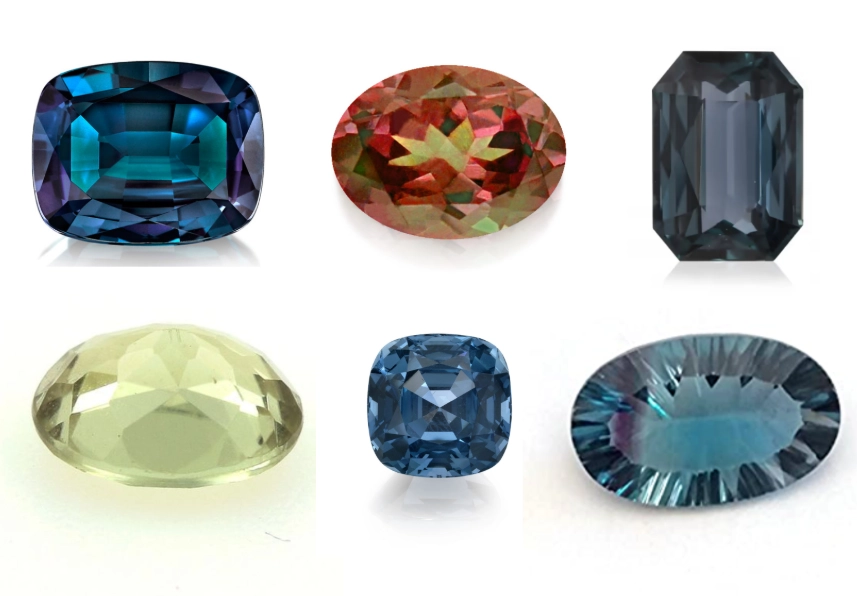
The Core Idea: Choosing a gemstone based on its color isn't just an aesthetic choice. It's a mix of geology, personal psychology, cultural history, and practical everyday considerations. Getting it right means understanding a bit of all those things.
What Gives Gemstones Their Color? The Science Behind the Sparkle
This is where it gets fascinating. A gemstone's color isn't paint; it's chemistry and physics in action. Most pure gem minerals are actually colorless. The stunning hues come from tiny traces of other elements or structural quirks that play with light.
The Big Three: Hue, Tone, and Saturation
Gemologists don't just say "red." They break down color into three parts, and knowing this can make you a savvier buyer.
- Hue: This is the basic color family—red, orange, yellow, green, blue, violet. Sometimes you get mixes, like bluish-green or purplish-red. The finest gemstone color is often described as "pure" in hue, meaning it's not overly modified by other color tints. For example, the most prized ruby is a pure, vibrant red, not one that leans too much toward purple or brown.
- Tone: How light or dark is the color? This ranges from very light to very dark. The sweet spot is usually in the medium range. A gemstone color that's too light can look washed out, while one that's too dark can look inky and lose its brilliance. A medium-toned emerald green lets the light dance inside it.
- Saturation: This is the intensity or purity of the hue. Is it a vivid, electric blue or a grayish, muted blue? High saturation is king in the gem world. It's what gives a gem its "wow" factor. A highly saturated gemstone color feels alive and rich.
So, a top-quality gemstone color typically has a pure or desirable hue, a medium tone, and high, vivid saturation. It sounds technical, but once you start comparing stones side-by-side, your eye starts to pick up on these differences naturally.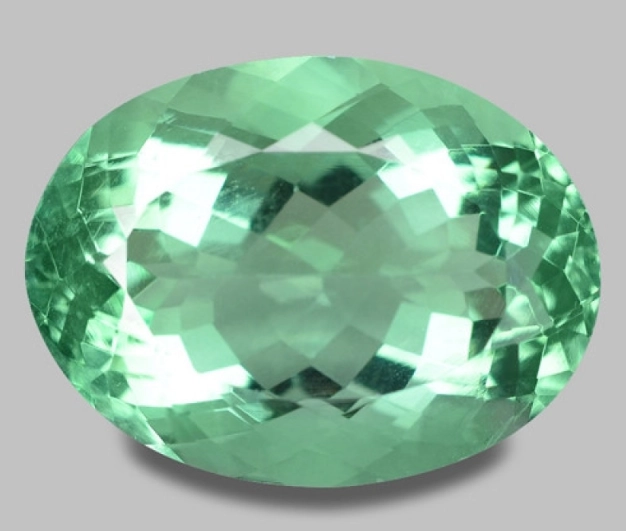
Why is a Ruby Red and a Sapphire Blue? (The Causes of Color)
The causes are like different recipes for creating color. The GIA's gem encyclopedia has fantastic, detailed pages on this, like their explanation of color causes in gems. Here's the simplified version:
Idiochromatic vs. Allochromatic: This is a key distinction. Idiochromatic gems get their color from an essential element in their chemical recipe. For example, the green in peridot comes from iron, which is a fundamental part of its structure. Allochromatic gems get their color from trace impurities. A pure corundum is colorless. Add a dash of chromium, and you get a ruby (red). Add some iron and titanium, and you get a sapphire (blue). Most famous gems are allochromatic, which is why their color can vary so wildly.
Other causes include color centers (structural defects that trap electrons, like in some purple amethyst), and the spectacular play-of-color in opals, which is caused by the diffraction of light through microscopic silica spheres. It's a light show at the nano-scale.
And then there's treatment. Let's be real here. A huge portion of gemstones in the market have their color enhanced. Heating is extremely common and generally accepted—it can turn a milky grayish sapphire into a vibrant blue, for instance. But there are also treatments like diffusion (adding color to the surface) or dyeing. The key is disclosure. A treated stone isn't necessarily "bad," but you should know what you're paying for. An untreated, naturally vibrant gemstone color will almost always command a higher price.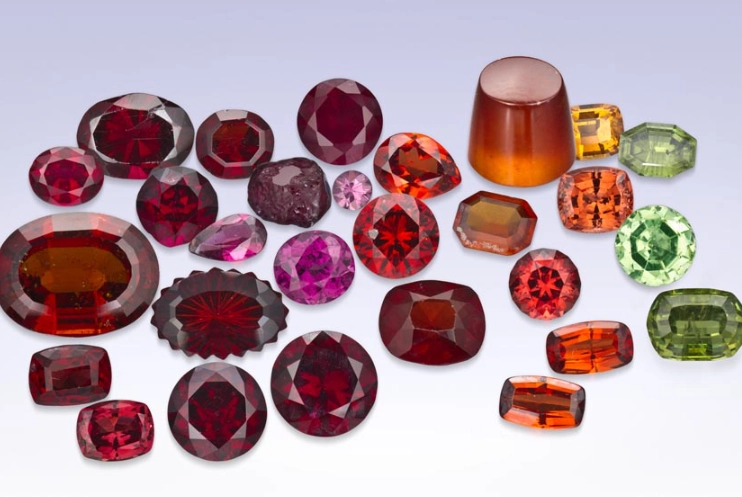
More Than Just Pretty: The Meaning and Symbolism of Gemstone Colors
We humans love to attach meaning to color. It's in our nature. Gemstone color symbolism is a messy, wonderful blend of ancient traditions, modern marketing, and personal intuition. It's not a rigid science, but it adds a layer of depth to your choice.
Red gemstones, like ruby or garnet, are almost universally linked to passion, vitality, and courage. Blue stones, like sapphire or aquamarine, evoke calm, truth, and wisdom. Green, think emerald, is tied to growth, renewal, and abundance. Yellow citrine or topaz? That's sunshine, joy, and intellect. Purple amethyst has long been associated with spirituality and peace.
But here's my personal take: while these traditional meanings are a great starting point, the most important meaning is the one you assign. Maybe blue doesn't feel calm to you; it feels powerful and authoritative. Maybe you have a happy memory associated with a particular shade of green. That personal connection is worth more than any ancient text. I chose a moss agate for a ring not because of any listed symbolism, but because its swirling green inclusions reminded me of a forest floor after rain. That was my meaning.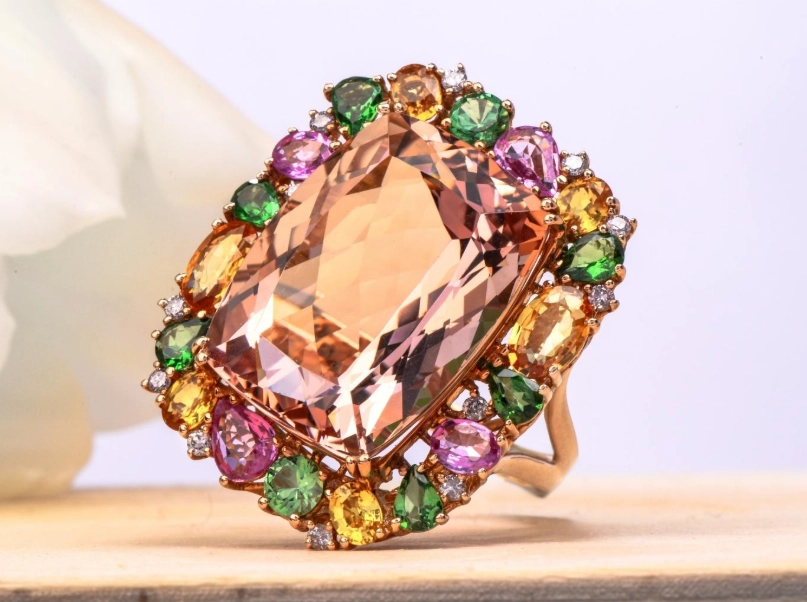
Color speaks to us on a level deeper than words.
How to Choose Your Perfect Gemstone Color: A Practical Roadmap
Okay, theory is great, but let's get practical. You're faced with a sea of colors. How do you navigate it? Let's break it down step-by-step.
Step 1: Know Your "Why"
Are you buying for an engagement ring (often a more considered, timeless choice)? A fashion statement (maybe more daring or trend-driven)? A birthstone (sentimental value)? Or for a specific intention, like a meditation stone? The purpose narrows the field immediately. A gemstone color for daily wear in a ring might need to be more durable and less prone to fading than one for occasional earrings.
Step 2: Consider the Wearer (Even if it's You!)
This is huge, and often overlooked.
- Skin Tone: This isn't a hard rule, but many find that certain gemstone colors complement their skin better. Cooler skin tones (with pink or blue undertones) often shine with gemstones in the blue, purple, and pink families. Warmer skin tones (with yellow or golden undertones) can look fantastic with yellows, oranges, earthy greens, and reds. The best test? Try it on. See how the color looks against your skin in different lights.
- Personal Style: Does the wearer love bold, statement pieces or delicate, minimalist jewelry? A vivid, saturated gemstone color makes a bold statement. A pastel or softer tone is more subtle and versatile.
- Lifestyle: A schoolteacher who uses her hands a lot might prefer a harder stone (like sapphire) in a bezel setting over a soft, high-maintenance emerald in a prong setting, regardless of how much she loves the green gemstone color.
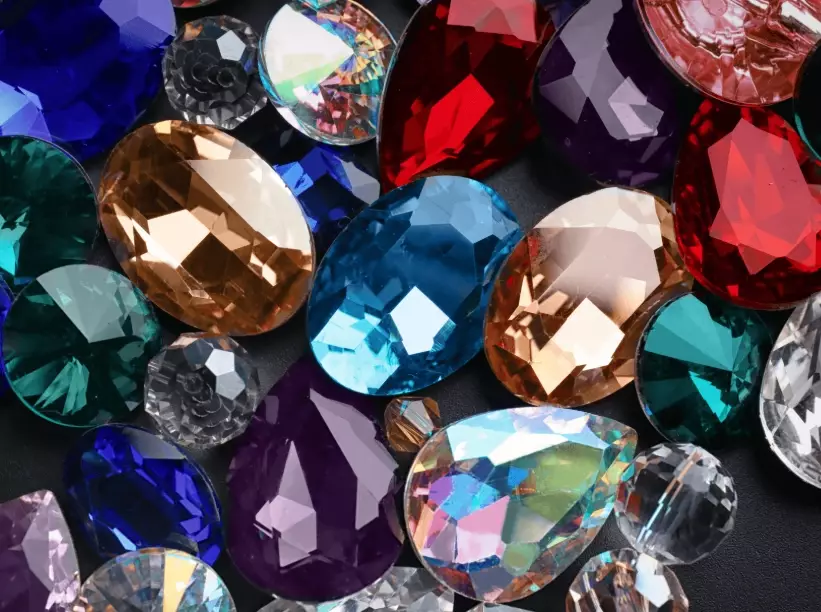
Step 3: The Rarity and Budget Factor
Let's talk money. Some gemstone colors are just rarer than others, which drives up the price. It's not just about the type of gem, but the specific color within that type.
| Gemstone | Most Prized (and Priciest) Color | More Affordable Color Variants | Why the Difference? |
|---|---|---|---|
| Sapphire | Vivid, velvety "Cornflower" Blue (Kashmir) or "Royal" Blue (Burmese) | Lighter blue, greenish-blue, or yellow sapphires | The classic blue is what everyone wants. Other colors ("fancy sapphires") are stunning but less in demand. |
| Tourmaline | Vibrant "Paraíba" Neon Blue-Green (copper-bearing) | Pink, green, or black tourmaline | The Paraíba color comes from specific copper traces found in only a few mines. It's exceptionally rare. |
| Garnet | Brilliant green Tsavorite or color-change Alexandrite-like garnets | Deep red Almandine or Rhodolite garnet | Green garnets are much rarer than the common red varieties. Color-change is a special optical effect. |
| Beryl (Emerald) | Pure, intense grassy green with high transparency | Paler green, or other beryl like aquamarine (blue) or morganite (pink) | A fine emerald green with few inclusions is one of nature's miracles. Other beryl colors are more commonly found clean and large. |
You can often get a much larger, cleaner stone if you're flexible on the "classic" gemstone color. A beautiful peach sapphire or a mint green tourmaline can be incredible value and just as unique.
A word of caution on photos: Buying a gemstone color online is tricky. Monitor settings, lighting, and photo editing can drastically alter how a color looks. Always ask for multiple photos and videos in different lights (daylight, indoor, shaded). A reputable seller will provide them. If they don't, walk away.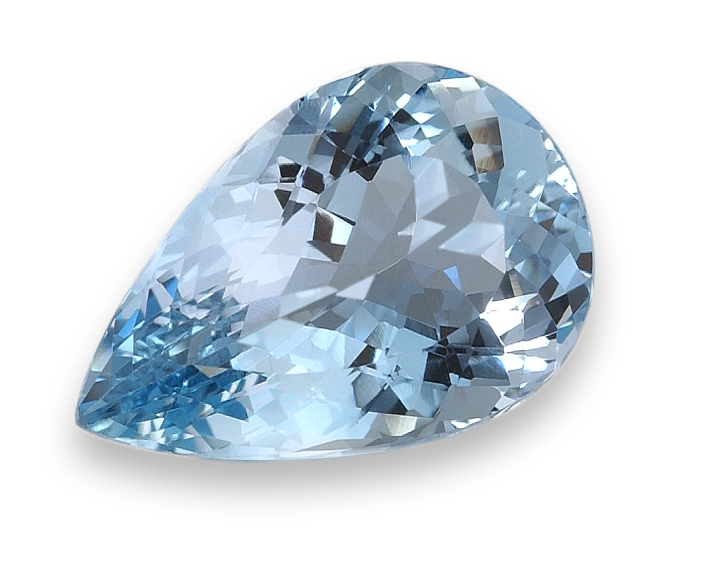
Caring for Your Colored Gemstone: Keeping the Vibe Alive
You've found the perfect gemstone color. Now, how do you keep it that way? This is where many guides stop short, but it's crucial. Some colors are more delicate than others.
The number one enemy of gemstone color is prolonged, direct sunlight. It's like fading your favorite shirt. Many gems are stable, but some are notoriously light-sensitive. I learned this the hard way with a beautiful kunzite pendant I left on a sunny windowsill. Over a few months, its lovely pinkish-lilac hue faded noticeably to a pale, almost grayish color. It was a sad lesson. The International Colored Gemstone Association (ICA) has good resources on gemstone care, and research published in journals like Gems & Gemology often details the stability of different stones.
| Gemstone Color Stability | Generally Stable (Resistant to Light & Heat) | Requires Caution (Light or Heat Sensitive) | Special Care Needed |
|---|---|---|---|
| High Stability | Sapphire, Ruby, Quartz (Citrine, Amethyst*), Garnet, Spinel | *Amethyst can fade with intense, prolonged sunlight. | |
| Medium Stability | Tourmaline, Peridot, Zircon, Tanzanite | Avoid sudden temperature changes (tanzanite). Peridot can be affected by acid. | Tanzanite is also relatively soft; protect from scratches. |
| Lower Stability | Kunzite, Aquamarine (some), Amber, Fluorite, Celestite | Store in the dark. Avoid prolonged sun exposure entirely. These gems can permanently lose their color. |
General care tips? Keep them clean with mild soap, lukewarm water, and a soft brush. Ultrasonic cleaners are usually safe for diamonds, sapphires, and rubies, but never use them on emeralds, opals, or any porous or fractured stone (the vibrations can cause damage). Steam cleaning is also risky for many colored gems due to heat sensitivity. When in doubt, stick to the soapy water method and take it to a professional jeweler for a deep clean once a year.
Your Gemstone Color Questions, Answered (FAQ)
At the end of the day, choosing a gemstone color is a journey. It's part science, part art, and a big part heart. Don't get so bogged down in the "rules" that you forget to listen to your own reaction. The right gemstone color is the one that makes you catch your breath, the one you keep looking at, the one that feels like it has a bit of your story in it. Whether it's the classic perfection of a royal blue sapphire or the quirky charm of a speckled rutilated quartz, your perfect color is out there. Armed with a bit of knowledge, you're ready to find it.