In This Guide
- Carat 101: It's Not Just for Diamonds
- Beyond the Scale: How Carat Weight Actually Drives Price
- The Other Three C's: How Carat Interacts with Color, Clarity, and Cut
- Your Action Plan: How to Shop for Carat Weight Like a Pro
- Common Gemstone Carat Questions, Answered Honestly
- The Final Word: Carat is a Data Point, Not a Destiny
Let's be honest. When most people think about buying a gemstone, the first thing that pops into their head is "how many carats?" It's the metric we've all been conditioned to ask about. But here's the thing I learned the hard way, after spending more than I'd like to admit on a sapphire that looked smaller than I expected: carat weight is probably the most misunderstood concept in the entire jewelry world.
It's not just a simple measure of size. It's a tiny unit of mass—200 milligrams, to be exact—and the relationship between that weight and what you actually see on your finger or around your neck is anything but straightforward. A one-carat gemstone carat weight doesn't guarantee a one-carat look. The cut, the shape, and even the type of gemstone play a massive role. I remember showing my sapphire to a jeweler friend, and her first question wasn't about the carat. She turned it over and said, "The cut is a bit deep. They kept weight where you can't see it." That was a lightbulb moment for me.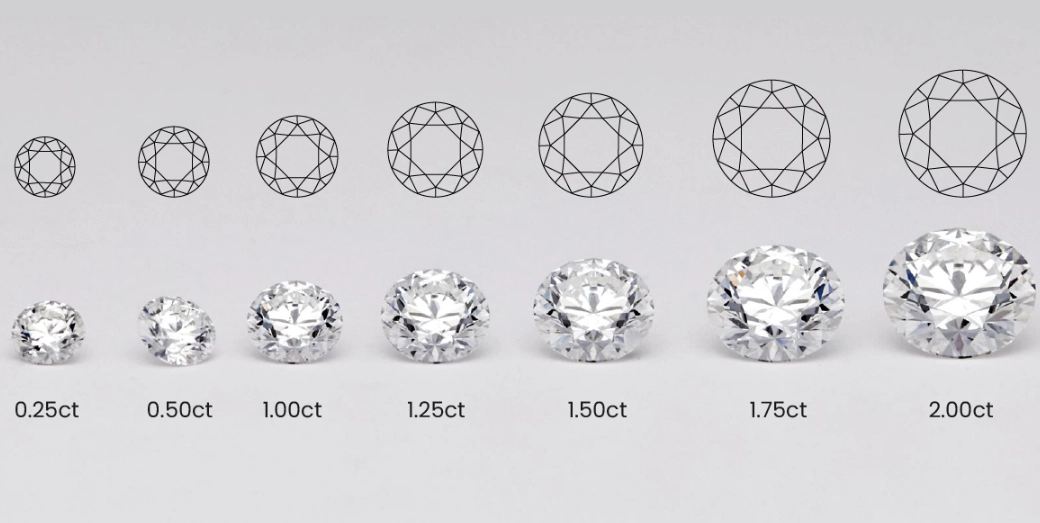
Carat 101: It's Not Just for Diamonds
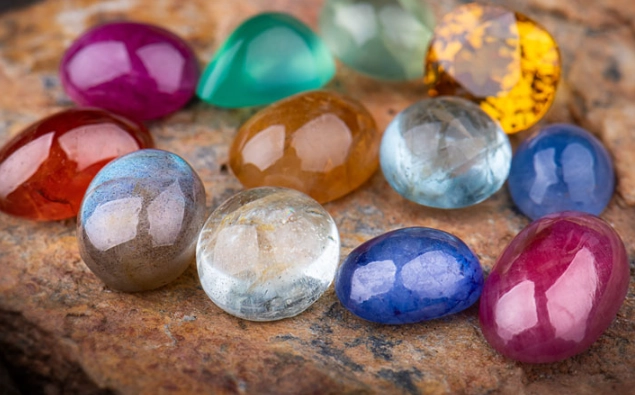
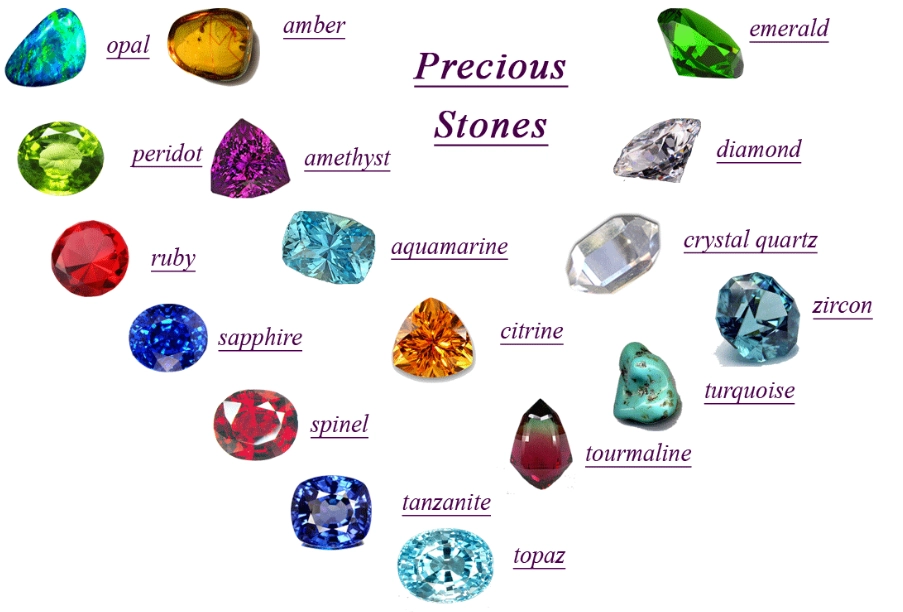
Most of the chatter about carats revolves around diamonds. But if you're into colored gems—sapphires, rubies, emeralds, tourmalines, you name it—the carat game changes completely. The density of the material is the star of the show here. Density is just a fancy word for how much stuff is packed into a given space.
Think of it like a bag of feathers and a bag of rocks. Both bags might be the same size, but the bag of rocks is going to be way heavier. Gemstones work the same way. A dense gem will weigh more for its size than a less dense one. This is why you can't just glance at a gemstone's carat weight and know how big it will be.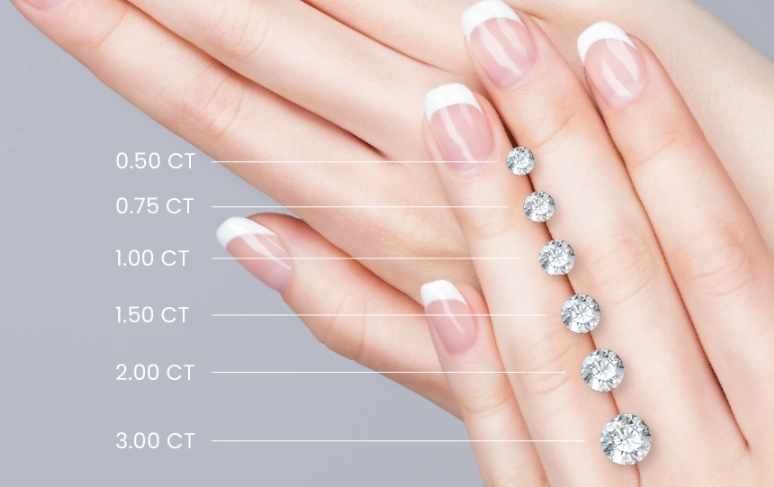
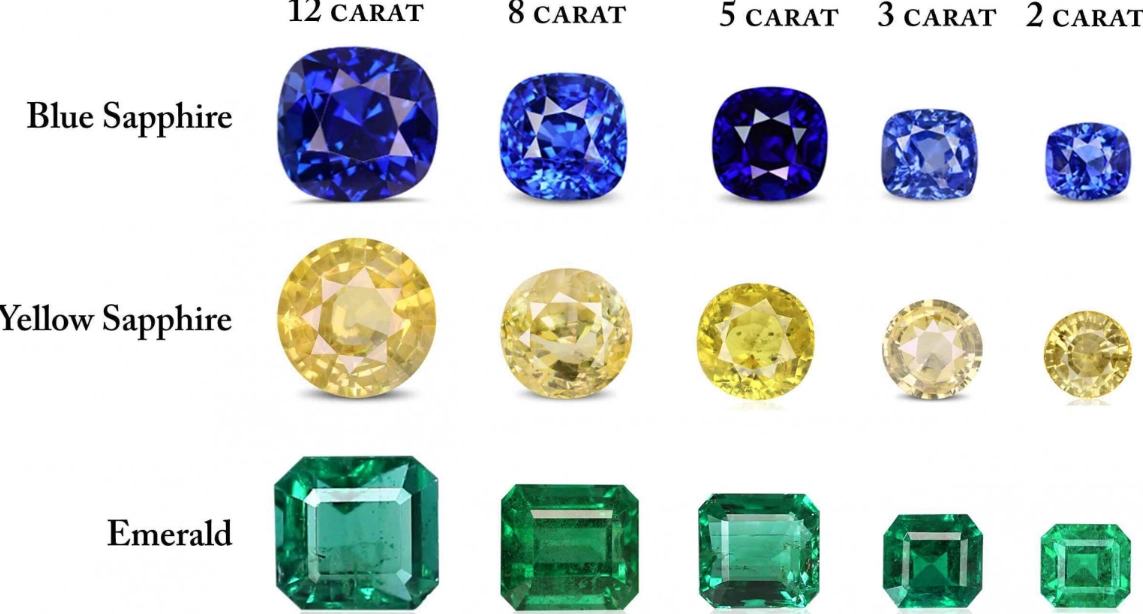
Let me give you a real example. A one-carat round diamond has a standard diameter of about 6.5mm. A one-carat round sapphire, which is denser, will only be about 6.0mm across. It's smaller in diameter but hits the same one-carat mark on the scale. On the flip side, a one-carat round emerald (less dense than diamond) might be closer to 6.8mm. It looks bigger but weighs the same. This is the single most important thing to get your head around before you even start shopping.
Why Density Throws a Wrench in the Works
To make this crystal clear, let's look at how some popular gems stack up. The numbers tell the story better than I can.
| Gemstone Type | Approximate Density (g/cm³) | Visual Size of a 1-Carat Round* | "Heavy" or "Light" for Size? |
|---|---|---|---|
| Zircon | High (~4.7) | Looks quite small | Heavyweight. Small face for its carat. |
| Sapphire/Ruby | High (~4.0) | Looks smaller than a diamond | Heavy for size. A 2-carat sapphire may look like a 1.8-carat diamond. |
| Diamond | Medium (~3.52) | The "standard" 6.5mm diameter | The baseline everyone unconsciously compares to. |
| Quartz (Amethyst, Citrine) | Medium-Low (~2.65) | Looks larger than a diamond | Lightweight. You get more visible spread per carat. |
| Emerald | Low (~2.72) | Looks significantly larger | Very light for size. A 1-carat emerald has great presence. |
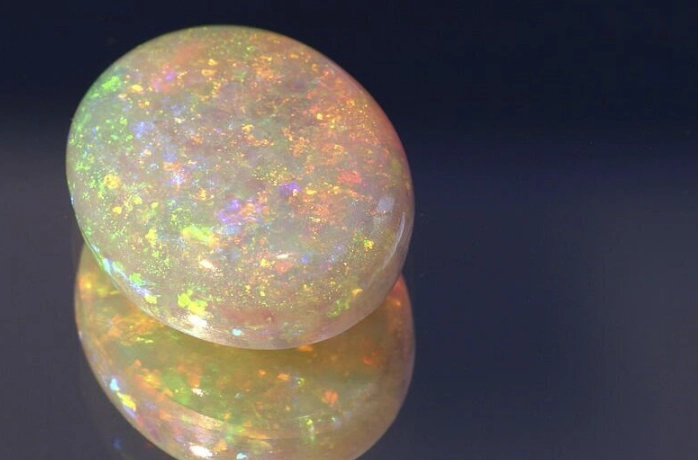
| Opal | Very Low (~2.15) | Looks much, much larger | The ultimate spreader. Carat weight is almost secondary to dimensions. |
*Diameter is an approximation for a well-cut round. Poor cuts can make these numbers useless.
See what I mean? Asking for a "two-carat blue stone" is meaningless unless you specify what kind of blue stone. A two-carat sapphire and a two-carat topaz are going to be worlds apart on your finger. The sapphire will be modest and dense, the topaz will be a showstopper in terms of surface area. Neither is better or worse—it's just physics. But you need to know what you're getting.
Beyond the Scale: How Carat Weight Actually Drives Price
Okay, so carat weight doesn't dictate size. But it absolutely dictates price, and in a way that isn't always linear. This is where things get interesting, and where jewelers make a lot of their money from uninformed buyers.
The relationship between carat and price is rarely a simple "twice the carat, twice the price" equation. It's exponential. Why? Because large, clean, beautiful gemstone material is exponentially rarer than small pieces. Finding a flawless 5-carat sapphire isn't just five times harder than finding a 1-carat one; it might be fifty or a hundred times harder. The market reflects this scarcity.
For colored gemstones, these jumps can be even more dramatic and less standardized. A Burmese ruby that crosses the 3-carat threshold can see its price per carat triple or more. It's not just about size; it's about the prestige and rarity of a large, fine-quality stone.
But—and this is a huge but—this price premium ONLY applies if all other quality factors (color, clarity, cut) are excellent. A poorly cut, included, washed-out 2-carat sapphire might be cheaper per carat than a stunning, well-cut 1.5-carat one. The carat weight opens the door to a higher price bracket, but the other qualities have to walk through that door. I've seen so many large, sad-looking stones priced high just because of their weight, banking on a buyer who only looks at the carat number.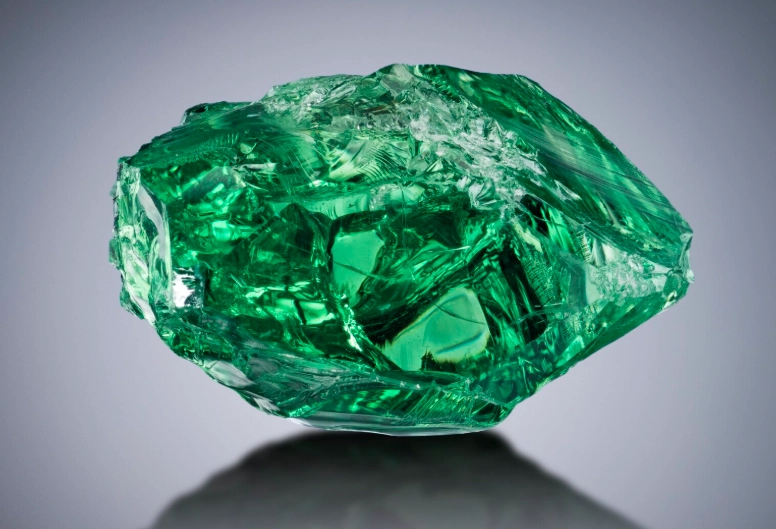
The "Sweet Spot" Strategy for Smart Shoppers
This is my favorite insider tip. Because of those price jumps at round numbers, you can often find incredible value by looking for stones that are just under the major carat thresholds.
- Look for a 0.90-0.99 carat stone instead of a 1.00+ carat stone. The visual difference is negligible (often a fraction of a millimeter), but the price difference can be 15-30%.
- Target a 1.80-carat instead of a 2.00-carat. Same logic.
- Especially with colored stones, consider a 4.5-carat instead of a 5-carat centerpiece.
You're buying 95% of the visual impact for 70% of the price. It's the smartest hack in the book. Tell your jeweler you're flexible on the exact carat weight and are focused on millimeter dimensions and quality. They'll often show you these "sweet spot" stones first because they know they offer the best value.
The Other Three C's: How Carat Interacts with Color, Clarity, and Cut
Carat weight never exists in a vacuum. It's in a constant tug-of-war with the other factors that define a gem's beauty and value. Ignoring this interplay is the fastest way to waste money.
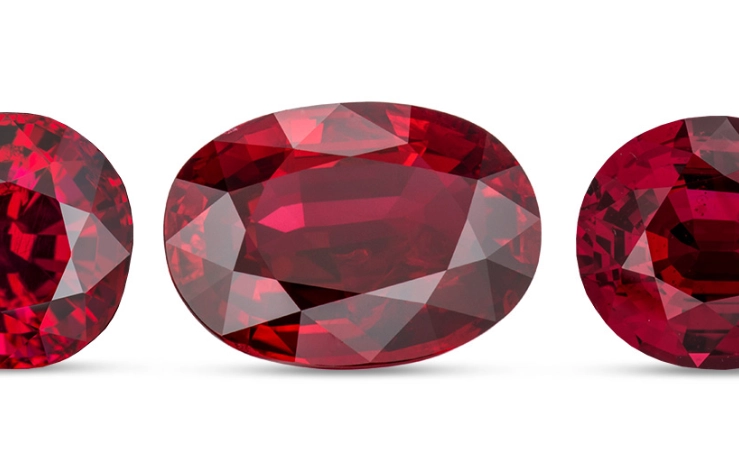
Carat vs. Color: In colored gemstones, color is king. A small, intensely saturated "pigeon's blood" red ruby will almost always be more valuable and desirable than a large, pale, pinkish ruby. The goal is to find the best color within your carat budget. Sometimes, dropping down half a carat frees up budget to jump two color grades, which is a trade-off worth making every time. A smaller, breathtaking stone beats a larger, mediocre one.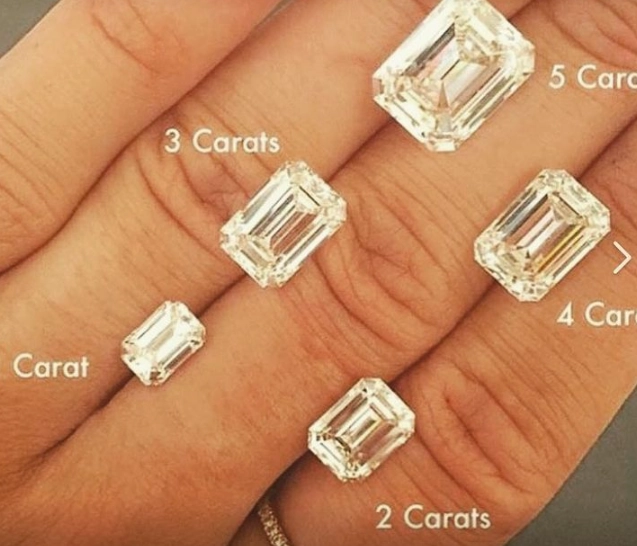
Carat vs. Clarity: This is about inclusions. As stones get larger, it becomes statistically more likely they'll have visible inclusions. Finding a flawless 5-carat emerald is a minor miracle; most will have gardens of inclusions (which are often accepted in emeralds). The question is: are the inclusions acceptable for the stone type, and do they affect durability? A large stone with a clean table (the top surface) might be a better buy than a slightly smaller stone with a black inclusion right in the center, even if the larger one has more inclusions overall.
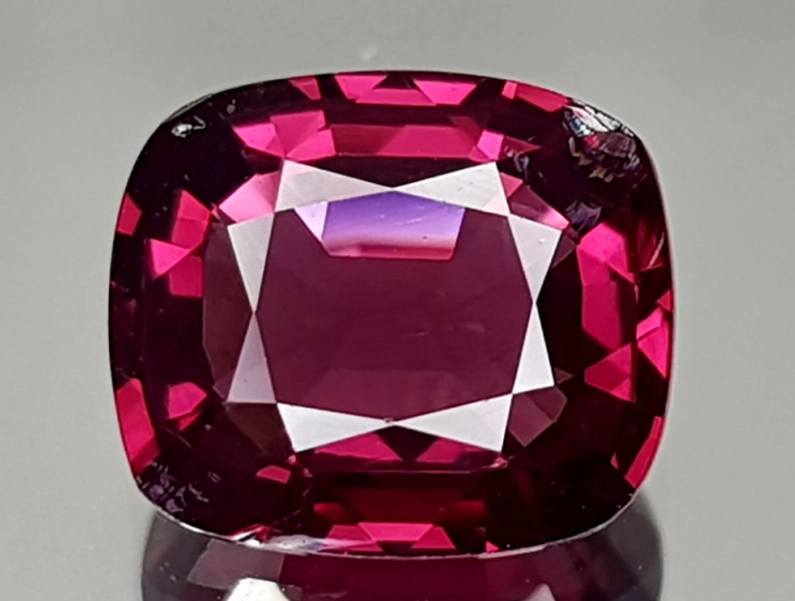
Carat vs. Cut: This is the most personal and visual relationship. The cut is the translator between the rough crystal's carat weight and the finished gem's beauty. A skilled cutter has a dilemma: sacrifice weight for beauty, or keep weight and compromise the look?
A shallow cut does the opposite. It spreads the weight out, making the stone look larger for its carat weight, but it can create a "window"—an area in the center where light leaks out instead of reflecting back, making it look lifeless. The ideal cut maximizes brilliance and color while responsibly translating carat weight into pleasing proportions.
Your Action Plan: How to Shop for Carat Weight Like a Pro
Forget just asking for carats. Here’s what you should do instead, step-by-step.
- Define Your Budget in Total, Not Per Carat. Start with the total amount you're comfortable spending on the stone itself. Let the per-carat price be a result of your search, not a starting point.
- Prioritize Your Wish List. Is maximum visual size your goal? Or is it a specific, rich color? Is perfection in clarity non-negotiable? Rank these. Knowing that color is your #1 priority will help you evaluate trade-offs with carat instantly.
- Ask for Millimeter Dimensions, Not Just Carat. This is non-negotiable. For a round stone, ask for the diameter. For ovals, cushions, pears, ask for length x width. This tells you the actual face-up size. A 1.5-carat oval that measures 9x7mm gives you more visual presence than a deep-cut 1.5-carat oval that measures 8x6mm.
- Understand the Norm for Your Gem. Use the density table earlier. Know that a 1-carat sapphire should be around 6mm, not 6.5mm. This sets realistic expectations.
- Use Reputable Sources with Certificates. For any significant purchase, insist on a report from a major gemological laboratory like the Gemological Institute of America (GIA) or the Gübelin Gem Lab. These reports will list precise measurements and weight, so you can see the proportions for yourself. The International Jewellery Confederation (CIBJO) also sets the global standards for how gems are described and traded, which adds a layer of consumer protection.
- Compare Stones Side-by-Side. If possible, look at a few stones of similar carat weight but different qualities. See how a slightly smaller stone with better color can outshine a larger one.
It sounds like a lot, but once you do it, it becomes second nature. You stop being a passive buyer who just asks for carats and become an informed partner in selecting your gem.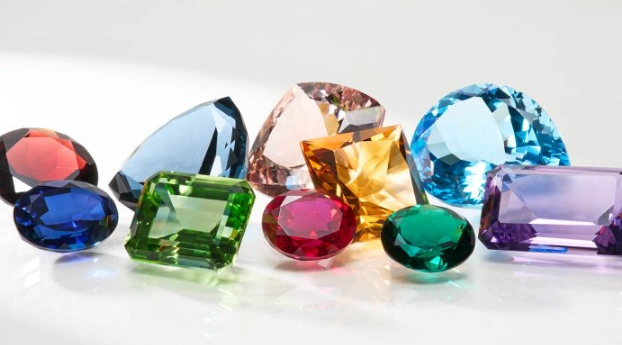
Common Gemstone Carat Questions, Answered Honestly
I get these questions all the time from friends. Here’s my straight-shooting take.
The Final Word: Carat is a Data Point, Not a Destiny
Chasing a specific gemstone carat number is a fool's errand. I've done it, and I ended up with a stone I didn't love because I was so fixated on hitting that one-carat mark. What you're really buying is light, color, and presence on your body.
The carat weight is just the entry fee to the conversation. It tells you the rarity of the raw material and sets the baseline for the price. But the real magic—and the real value—is in how that weight has been sculpted by the cutter into something that captures light and color, how nature infused it with a hue that speaks to you, and how it fits with your style and life.
So next time you're looking, put the carat scale out of your mind first.
Look at the stone. Compare millimeters. Judge the color in different lights. See how it makes you feel. Then, and only then, let the carat weight inform you about the price and the rarity story behind the beautiful object you've chosen. That's how you win the gemstone game, not by picking the biggest number, but by finding the most beautiful story that fits your life.
And trust me, your jewelry box will thank you for it.