In This Guide
- What is Gemstone Value, Really?
- The Core Factors That Determine Gemstone Value (The 4Cs & Beyond)
- How to Get Your Gemstone Professionally Appraised (The Right Way)
- The Market & Gemstone Value Trends: What's Hot and What's Not
- A Realistic Guide to Gemstone as an Investment
- Your Gemstone Value Questions, Answered
Let's be real, when most people hear "gemstone value," they immediately think of dollar signs. The bigger, the more expensive, right? Well, not exactly. I remember walking into a gem show years ago, dazzled by a tray of blue sapphires. One was huge, the size of my thumbnail, with a price tag that made me gulp. Next to it was a smaller stone, maybe half the size, but the dealer wanted more for it. I was confused. That moment was my crash course in understanding that gemstone value is a complex puzzle, not just a numbers game on a scale.
If you're here, you're probably trying to figure out what that inherited ring is really worth, or you're thinking of buying a special piece and don't want to get ripped off. Maybe you're even curious about gems as an alternative asset. Whatever your reason, you've hit the right place. We're going to peel back the layers of the gem trade, cut through the marketing fluff, and talk about what the value of a gemstone actually means in the real world.
The Core Idea: A gem's value isn't one thing. It's a cocktail of its inherent beauty (color, sparkle), its rarity (how many like it exist in nature), its durability (can you actually wear it?), and what people are willing to pay for it at a given moment. Miss one ingredient, and the whole valuation can be off.
What is Gemstone Value, Really?
We need to separate price from value. The price is the number on the tag. The value is the underlying reason that number is there. It's the combination of objective facts and subjective desire. A flawless, vivid red ruby from Myanmar has high objective value due to its exceptional characteristics and rarity. Its price at auction also carries the subjective value of its provenance and the prestige of owning it.
Think of it like art. The canvas and paint have a cost. The artist's skill adds value. The emotion it evokes? That's where the real market price gets decided.
For most of us, understanding gemstone value boils down to two practical needs: Appraisal (what do I have?) and Acquisition (what should I buy?). Let's tackle the appraisal side first by looking at the universal factors graders use.
The Core Factors That Determine Gemstone Value (The 4Cs & Beyond)
You've likely heard of the 4Cs for diamonds: Cut, Color, Clarity, Carat. For colored gems—rubies, sapphires, emeralds, etc.—the framework is similar but the weight of each "C" shifts dramatically. Frankly, the diamond grading system is more standardized. The colored gem world can feel like the wild west sometimes, which is why knowledge is your best armor.
Color: The Undisputed King
For colored stones, color is everything. It's not just "blue" or "green." Experts break it down into three components:
- Hue: The basic color family. Is it a pure green, or does it have a slight blue or yellow modifier? For many gems, the purest hue is most valuable (e.g., a pure red ruby vs. a purplish-red one).
- Saturation: The intensity or purity of the color. Is it a weak, grayish blue or a powerful, vivid royal blue? High saturation is a massive driver of gem value.
- Tone: How light or dark the color is. The ideal is usually a medium to medium-dark tone that allows the saturated color to shine through. Too light, it looks washed out. Too dark, it can look inky and lose its life.
Pro Tip: The trade has specific terms for top color. "Pigeon's blood" for ruby, "cornflower blue" for sapphire, "imperial green" for jadeite. These are ideal benchmarks, but be wary—they're also marketing terms that can be misused. Always trust your eyes (or your gemologist's) over a fancy name.
Clarity: What's Inside Counts
Clarity refers to the internal characteristics (inclusions) and surface flaws (blemishes). Here's where expectations differ from diamonds. A flawless diamond is the pinnacle. A flawless emerald? It's almost unheard of. In fact, some inclusions are desirable as proof of natural origin.
The acceptability of inclusions depends on the gem type. Here’s a quick reality check:
| Gemstone Type | Clarity Expectation | Impact on Value |
|---|---|---|
| Emerald | Almost always included ("Jardin" or garden). Eye-clean is rare & premium. | Heavy. A clean emerald commands a huge premium. |
| Ruby & Sapphire | Usually included. Needle-like inclusions (silk) can enhance value by creating softness or asterism (star effect). | Moderate to High. Eye-clean stones are significantly more valuable. |
| Aquamarine, Topaz | Expected to be very clean. | High. Inclusions are less tolerated and drop value quickly. |
| Diamond | Graded on a precise scale from Flawless to Included. | Extremely High. Each clarity grade has a defined price impact. |
My personal take? For a daily-wear ring, you want an eye-clean stone (no visible inclusions to the naked eye). For an investment piece, the microscope matters more. But chasing flawless clarity in a colored gem can bankrupt you—and you might end up with a treated or synthetic stone.
Cut: The Forgotten Multiplier
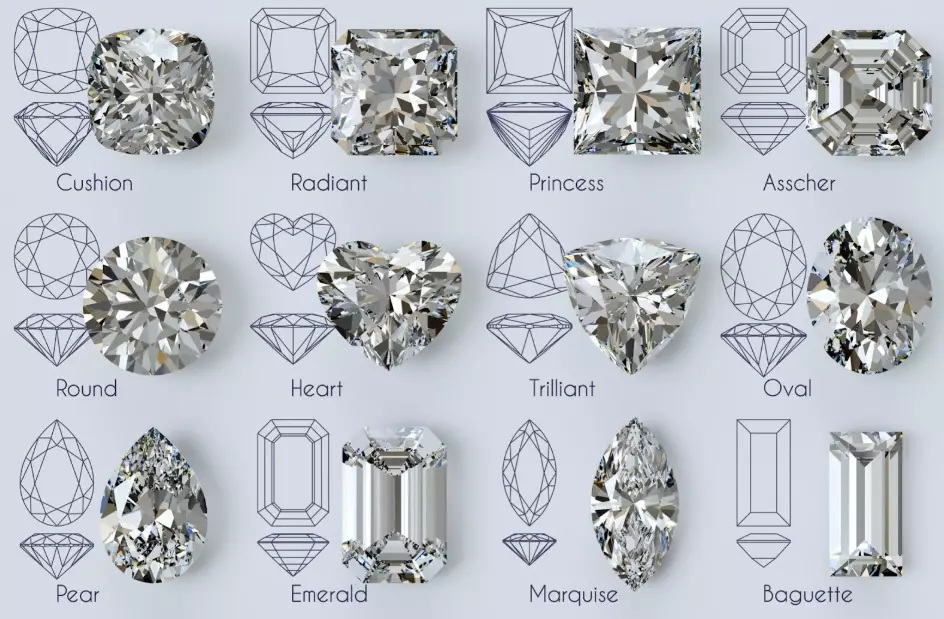
This is the human contribution. A great cut doesn't just shape the stone; it unlocks its light, color, and sparkle. A poor cut can "wash out" color, create unattractive dark zones (windows), or simply make a large-carat stone look dull and dead.
A cutter's goal is to maximize beauty, not just carat weight. Sometimes that means cutting away more rough to achieve better proportions. That's why a well-cut 1-carat sapphire can look more vibrant and appear larger than a poorly cut 1.5-carat one, even though the latter weighs more. The value of the gemstone is directly tied to this skill.
Carat Weight: The Simple (and Misleading) Metric
Yes, larger stones are rarer and generally more valuable per carat. But the relationship isn't linear. It's exponential. A 5-carat ruby isn't just five times the price of a 1-carat ruby of similar quality; it could be twenty, fifty, or a hundred times more. That's the "rarity premium."
But bigger isn't automatically better if the color, clarity, and cut are poor.
Now, beyond the classic 4Cs, three more factors critically influence gemstone market value.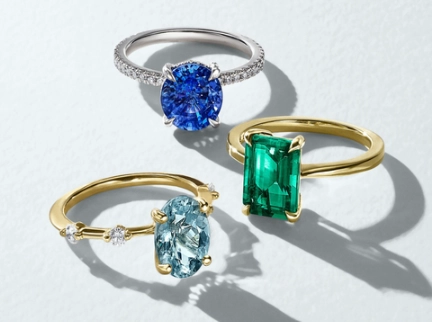
1. Origin: The Geographic Pedigree
Where a gem is mined can massively impact its value, even if it looks identical to one from another locale. It's about rarity, history, and sometimes just market lore.
2. Treatments & Enhancements: The Disclosure Dilemma
Most gems on the market are treated in some way to improve color or clarity. This isn't inherently bad—it's a centuries-old practice—but undisclosed treatments are a huge problem.
- Heating: Extremely common for sapphires and rubies. It's generally accepted and can permanently improve color. It usually doesn't drastically lower value if disclosed.
- Fracture Filling: Using oil, resin, or glass to fill surface-reaching cracks (common in emeralds). This is a stability concern and significantly reduces value compared to an untreated stone.
- Diffusion, Dyeing, Irradiation: More significant treatments that alter the stone's fundamental appearance. These can drastically reduce gemstone value and must be disclosed.
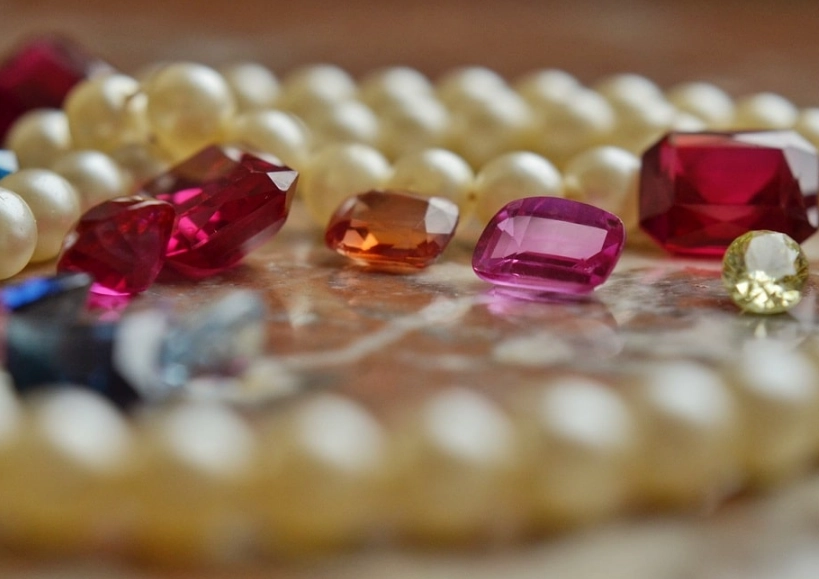
My Pet Peeve: Sellers online who list a stone as "natural" but bury the treatment info in fine print. "Natural" only means it's not lab-created; it can still be heavily treated. Always, always ask: "Has this stone been treated, and if so, how? Can I see a lab report?" The International Colored Gemstone Association (ICA) Code of Ethics mandates full disclosure, and reputable dealers follow it.
3. Certification: The Paper Trail of Trust
For any significant purchase, a report from a reputable, independent gemological laboratory is non-negotiable. It's your gem's passport. It doesn't give a dollar value, but it objectively identifies the stone, details its characteristics (4Cs), and notes any treatments.
Top-tier labs include GIA (Gemological Institute of America), AGL (American Gemological Laboratories), and GRS (GemResearch Swisslab) for colored stones. A stone with a reputable cert will always hold its gemstone value better than one without.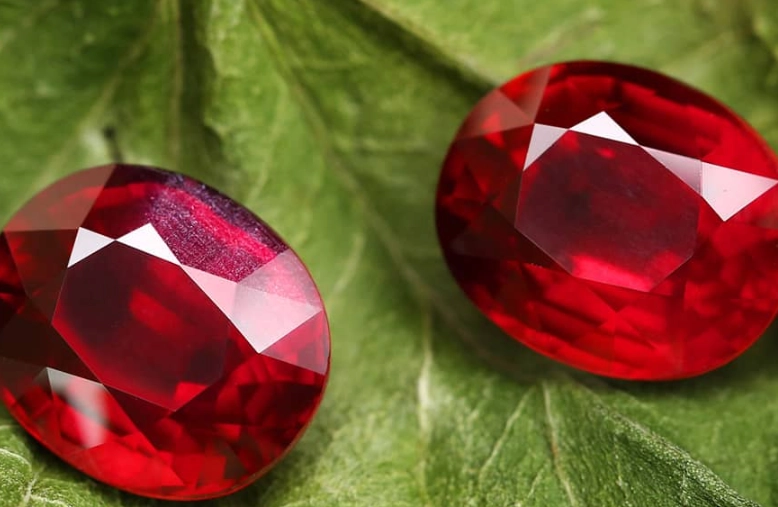
How to Get Your Gemstone Professionally Appraised (The Right Way)
So you have a stone. Maybe it's in an old piece of jewelry. An appraisal for insurance and an appraisal for resale are two different beasts.
- Find a Qualified Appraiser: Look for designations like FGA, GG (Graduate Gemologist), or ASA (Accredited Senior Appraiser). They should have gemological training, not just jewelry sales experience.
- Understand the Purpose:
- Insurance Appraisal: This is the replacement value—what it would cost to buy a similar new item from a retail store. It's usually the highest number. Its purpose is to ensure you can replace the item if lost.
- Estate or Resale Appraisal: This is often the fair market value—what you could reasonably expect to sell it for in its current market (e.g., to a dealer, at auction). This number is typically lower than the insurance value.
- The Process: A good appraiser will examine the stone(s) loose if possible, use microscopes, refractometers, and other tools, and research current market data for comparable stones. They should provide a detailed report describing the item, its materials, and the valuation methodology.
Getting a formal appraisal is the only way to know your gemstone's true value for legal or financial purposes.
The Market & Gemstone Value Trends: What's Hot and What's Not
Value doesn't exist in a vacuum. It's set by the market. Here's a snapshot of what's influencing gemstone values right now:
- Classics Hold Strong: Fine rubies, sapphires, and emeralds from legendary sources continue to break auction records. Their rarity ensures they remain store-of-value assets.
- The Rise of "New Classics": Stones like Paraíba tourmaline (neon blue-green), padparadscha sapphire (salmon pink-orange), and spinel (often mistaken for ruby) have seen massive appreciation as collectors seek vibrant colors beyond the big three.
- Informed Consumers: Buyers are more educated. They ask for certs, understand treatments, and research online. This transparency is slowly putting pressure on unethical sellers and rewarding quality and disclosure.
- Lab-Grown Gems: This is the elephant in the room. The technology for creating rubies, sapphires, emeralds, and even diamonds in a lab has advanced tremendously. They are physically and chemically identical to mined stones but cost a fraction. For fashion jewelry, they're a fantastic ethical and budget option. However, they have almost no resale value and are not considered a store of value. They represent consumption, not investment. This distinction is crucial for understanding long-term gemstone value.
According to industry reports, like those often cited by the World Gold Council in broader luxury asset discussions, tangible assets like high-quality gems have shown resilience during economic uncertainty, appealing to high-net-worth individuals looking to diversify.
A Realistic Guide to Gemstone as an Investment
Let's cut through the hype. Can you invest in gems? Yes. Should you? Only if you understand it's a specialized, illiquid, and long-game market.
Rule #1: If you can't afford to lose the money, don't "invest" in gems. Consider them a passion-first purchase that might appreciate.
If you're still interested, here’s what a smart gem "investment" looks like:
- Buy the Best You Can Afford in a smaller size, rather than a large, mediocre stone. A 1-carat, top-color, clean, well-cut, untreated sapphire from a reputable source will hold and increase value far better than a 3-carat included, poorly cut, heated-to-oblivion stone.
- Focus on Rarity: Look for exceptional color, limited origin (if applicable), and natural, untreated status. Rarity is the engine of appreciation.
- Patience is Key: This is a 10, 20, 30-year horizon. You're not day-trading sapphires.
- Liquidity is Low: You can't sell a gem as quickly as a stock. Finding a buyer at your desired price takes time and access to the right networks (dealers, auctions).
- Storage & Insurance Costs: These are ongoing expenses that eat into any potential profit.
My two cents? The best "investment" gem is one you or your family would love to wear and cherish forever. Any financial gain is a bonus.
Your Gemstone Value Questions, Answered
Let's tackle some of the specific things people are searching for.
Are lab-created gemstones valuable?
They have a purchase price based on the cost of production and a retail markup. They have little to no resale value in the secondary market. Their value is in their beauty, ethics, and affordability for adornment, not as an appreciating asset.
Do antique or vintage gemstones have higher value?
Not automatically. The stone itself is judged by the same criteria (color, clarity, etc.). However, the antique setting and craftsmanship can add significant value to the overall piece as an antique. Sometimes, old mine cuts or older origin material can have a historical value premium, but it must be verified.
What's the single biggest mistake people make when assessing value?
Fixing on carat weight alone. I did it myself early on. Buying a large, pale, included sapphire because "it was a two-carat stone for a great price." It was a great price because its gemstone value was low. I learned to look at color first, then cut, then clarity, and let carat be the last consideration.
How much does the setting affect a gem's value?
The metal (gold, platinum) has a melt value. The design and brand name (e.g., a signed piece from a famous designer like Cartier) can add substantial collector value to the entire piece, often far exceeding the sum of its parts. For a loose stone, the setting doesn't affect the stone's inherent value, but a poorly made setting can damage a stone or hide its beauty.
Where is the best place to sell a valuable gemstone?
It depends. For a single high-value item, a reputable auction house (like Sotheby's or Christie's) can reach global collectors. For a more straightforward sale, a trusted gem and jewelry buyer or a dealer who specializes in your type of stone is a good option. Always get multiple offers if you can.
The journey to understanding gemstone value is part science, part art, and a whole lot of asking the right questions.
Ultimately, the most enduring value of a gemstone often has little to do with its price per carat. It's the memory it holds, the occasion it marks, the joy it brings when light dances through it. But when you're navigating the marketplace—whether buying, selling, or insuring—armed with this knowledge, you can do so with confidence, clarity, and a much lower chance of disappointment. You'll see beyond the sparkle to the substance, and that's the real key to unlocking true value.