Quick Navigation
- The Big Six: What Actually Drives Gemstone Value
- Gemstone Price Ranges: A Real-World Snapshot
- The Market's Wild Card: How Trends, Synthetics, and Sources Shift Prices
- Practical Buying Guide: Navigating Gemstone Price at Different Budgets
- Your Gemstone Price Questions, Answered
- Wrapping It Up: Your Gemstone Price Checklist
A friend of mine once came to me, utterly confused. She had seen two sapphires that looked, to her eyes, pretty much identical. One was priced at $500 per carat. The other? A cool $5,000. She asked me the question I hear all the time: "How on earth is gemstone price even calculated? What makes one stone worth ten times more than another?" That conversation is what inspired this deep dive.
If you've ever found yourself staring at a glittering case or scrolling through endless online listings, feeling that same bewilderment, you're in the right place. The world of gemstone valuation isn't just magic and mystery—it's a complex mix of science, art, and market forces. And honestly, it can feel like a secret club where only jewelers know the password. Let's change that.
The Big Six: What Actually Drives Gemstone Value
Most people have heard of the "4 Cs" for diamonds. It's a decent starting point, but for colored gemstones, the picture gets way more colorful and complicated. I like to think of it as the "Gemstone Valuation Hexagon"—six core pillars that hold up the entire gemstone price structure.
1. Color: The King of Gemstone Price Factors
Forget carat weight for a second. With colored stones, color is almost always the most important driver of price. But it's not just "is it blue?". We're talking about three sub-components:
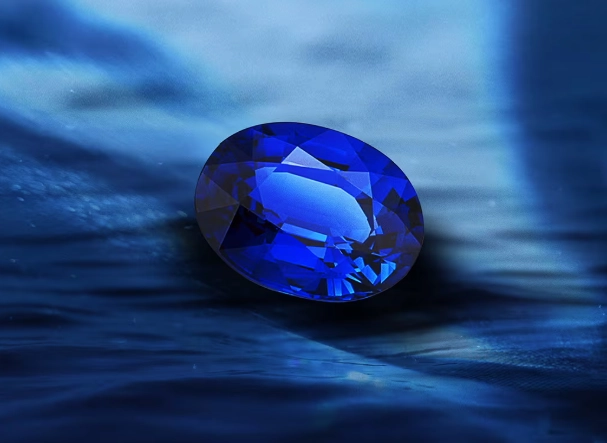
- Hue: The basic color family. Is it a pure blue sapphire, or does it lean slightly towards purple (a violetish blue)? The most prized stones have a pure, vivid hue without any modifying colors muddying the waters. A "pigeon's blood" red in ruby or a "cornflower" blue in sapphire aren't just pretty names—they're specific, highly desirable hues that command massive premiums.
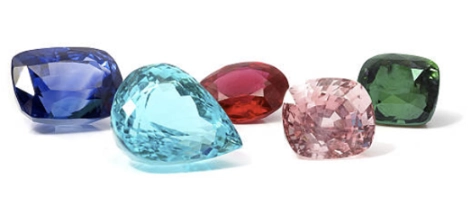
- Saturation: This is the color's intensity or strength. Think of it as the volume knob for color. A pale, washed-out pink sapphire might be pretty, but a vividly saturated hot pink one will have a dramatically higher gemstone price per carat. The sweet spot is often called "vivid" or "strong" saturation.
- Tone: How light or dark the color is. Too light, and it looks weak. Too dark, and the color can look inky and lose its life. That perfect medium-to-medium-dark tone is where the magic (and the money) happens.
Here's a personal gripe: online photos are terrible for judging color. I've bought stones that looked electric blue on screen and arrived looking like a gloomy midnight. Always, always ask for a video in multiple lights (daylight, indoor, etc.) if you're buying online. The Gemological Institute of America (GIA) has fantastic resources on how gemologists grade color, which is worth a look to train your eye.
2. Clarity: Inclusions and the "Garden" Within
Clarity refers to the internal imperfections (inclusions) and surface blemishes a stone has. Diamonds are graded on a scale for clarity, but with colored stones, it's more nuanced.
Some gems are almost expected to have inclusions. An emerald without any inclusions (called "eye-clean") is incredibly rare and, you guessed it, incredibly expensive. In fact, some inclusions can be desirable—they're proof a stone is natural. A "jard" (garden) of inclusions in an emerald is part of its character. But if those inclusions reach the surface or significantly impact the stone's durability or brilliance, the gemstone price plummets.
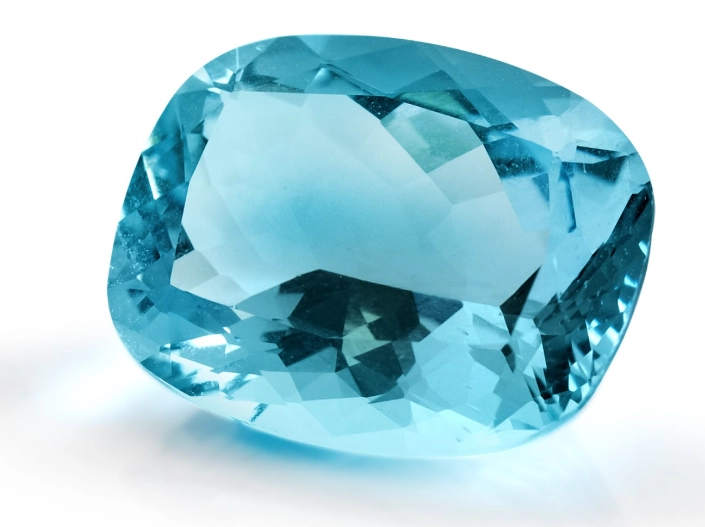
For stones like aquamarine or topaz, the expectation is much higher clarity. A heavily included aqua won't fetch much. It's a balancing act between the type of gem and what the market tolerates.
3. Cut: The Artisan's Make or Break
This is the one factor humans have complete control over, and a bad cutter can ruin a perfect crystal. Cut isn't just about shape (oval, round, cushion). It's about proportions, symmetry, and polish.
A well-cut gemstone will reflect light evenly across its surface, with no dead spots (called "windows" or "extinction"). It will have good "life" and sparkle. A poorly cut stone, even with great color and clarity, can look dull and lifeless. Many cutters, especially for commercial-grade material, cut for maximum weight retention (to sell more carats), sacrificing the stone's optical performance. A finely cut stone of lower carat weight can often be more beautiful—and sometimes command a higher price per carat—than a heavier, poorly cut one.
I remember a poorly cut amethyst I bought early on. It was a deep purple, decently clean, but it was cut so shallow it looked like a purple puddle. No sparkle. A total lesson learned.
4. Carat Weight: The Nonlinear Math
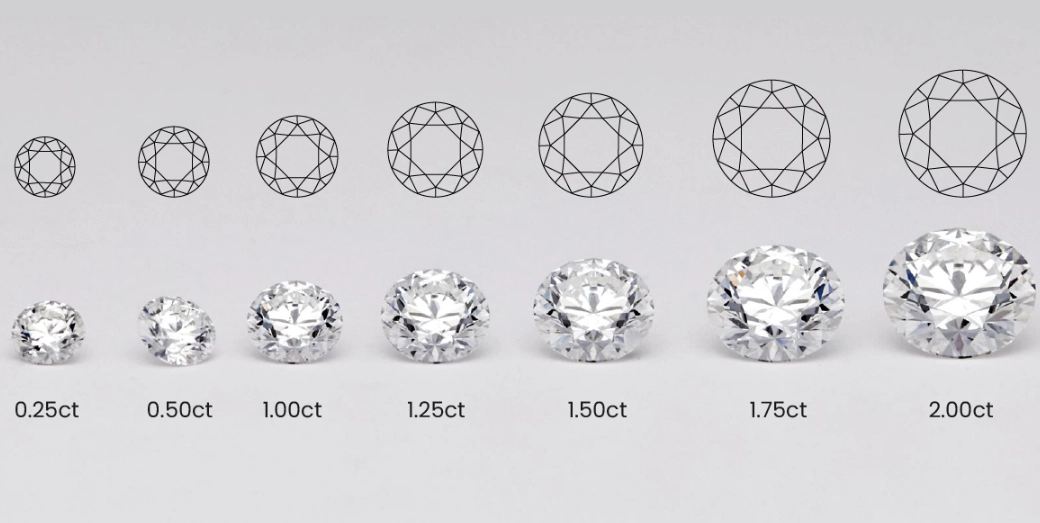
Yes, bigger stones cost more. But here's the critical part: gemstone price increases exponentially, not linearly, with size.
A 1-carat ruby of a certain quality might be $1,000 per carat. A 2-carat ruby of the exact same quality won't be $2,000 total ($1,000 x 2). It might be $3,000 per carat, making the total $6,000. Why? Large, clean, well-colored crystals are exponentially rarer in nature. Finding a 5-carat sapphire with top color is a monumental task compared to finding a 1-carat one.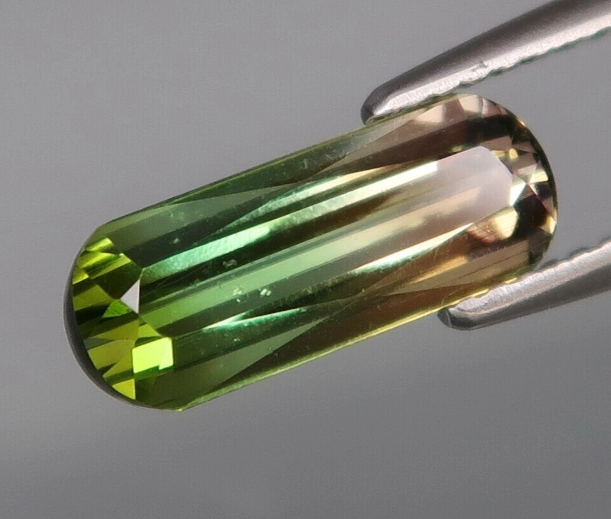
5. Treatment: The Great (and Often Hidden) Price Modifier
This is a massive one for gemstone price ethics and transparency. Most gemstones on the market today are treated in some way to enhance their appearance.
- Heating: The most common and generally accepted treatment for sapphires and rubies. It can improve color and clarity. A heated stone is less valuable than an identical unheated ("no heat") stone, which is a rare find.
- Fracture Filling: Oils, resins, or glass are used to fill surface-reaching cracks in emeralds (and other stones). This improves apparent clarity. The price difference between a filled and unfilled emerald is significant, and the treatment may require special care.
- Diffusion, Dyeing, Irradiation: These are more significant treatments that drastically alter the stone. They must be disclosed, and they bring the gemstone price down considerably.
Always, always ask: "Has this stone been treated, and if so, how?" Reputable sellers will disclose this upfront. The American Gem Trade Association (AGTA) has strict disclosure guidelines that its members must follow.
6. Rarity & Origin: The X-Factors
This is where things get romantic and expensive. Some origins have legendary status, and that status is baked into the gemstone price.
A ruby from Myanmar (Burma), particularly the Mogok Valley, carries a historic premium. A "padparadscha" sapphire (a rare pinkish-orange color) from Sri Lanka is a collector's dream. An emerald from Colombia's Muzo mine is the benchmark. Why? These locations have historically produced stones with the most desirable combinations of color and quality.
But here's my slightly cynical take: origin isn't everything. A mediocre Burmese ruby is still mediocre. A stunning ruby from a newer source (like Mozambique, which produces incredible stones) can be far more beautiful and a better value. Don't get so hung up on the origin certificate that you overlook a stunning stone from a less famous locale.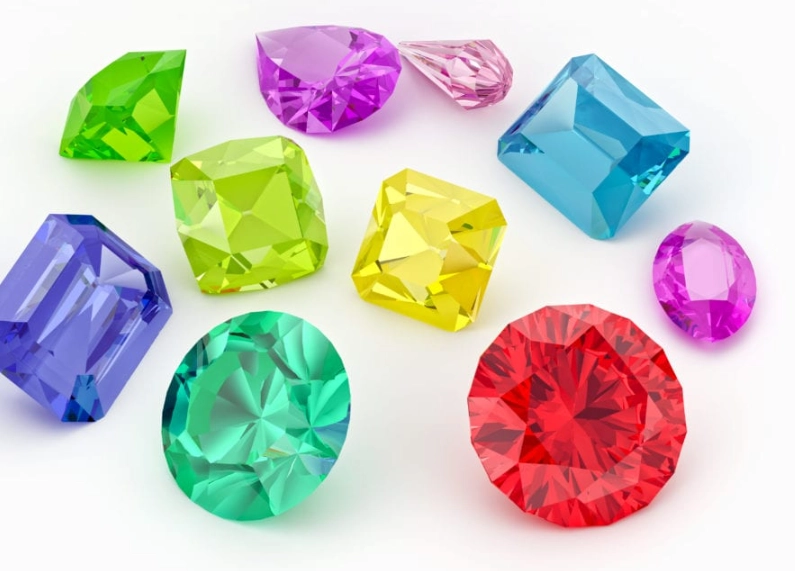
Gemstone Price Ranges: A Real-World Snapshot
Okay, let's talk numbers. These are very broad per-carat price ranges for commercial to fine quality stones in the 1-2 carat size range. Remember, exceptional stones (huge, top color, unheated) can blow right past the top end of these ranges.
| Gemstone | Lower End (Commercial) | Mid-Range (Good) | High End (Fine/Vivid) | Key Price Driver |
|---|---|---|---|---|
| Sapphire (Blue) | $50 - $200 | $200 - $1,000 | $1,000 - $5,000+ | Color saturation (cornflower blue vs. dark), heat treatment |
| Ruby | $100 - $500 | $500 - $2,000 | $2,000 - $10,000+ | Color (pigeon's blood red), clarity, unheated status |
| Emerald | $50 - $300 | $300 - $1,500 | $1,500 - $8,000+ | Clarity (eye-clean is rare), color tone, lack of heavy oiling |
| Aquamarine | $10 - $50 | $50 - $200 | $200 - $800 | Color (deep Santa Maria blue vs. pale blue), clarity |
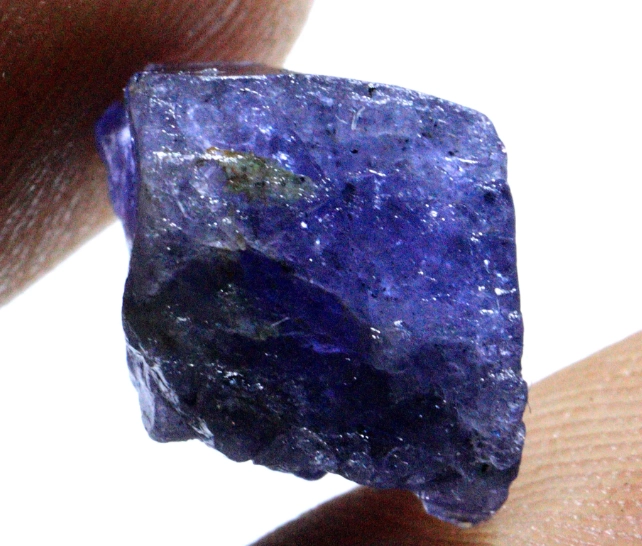
| Tanzanite | $50 - $150 | $150 - $500 | $500 - $1,500+ | Color saturation (violet-blue), size (large stones more common) |
| Tourmaline (Pink) | $20 - $100 | $100 - $400 | $400 - $1,200+ | Color intensity (hot pink), clarity |
| Morganite | $30 - $100 | $100 - $300 | $300 - $800 | Size (large stones available), pastel peach-pink color |
See the wild variations? A "blue sapphire" can be a $50 stone or a $5,000 stone. That's why just searching for "sapphire price" is almost useless. You need to drill down.
The Market's Wild Card: How Trends, Synthetics, and Sources Shift Prices
The factors above are about the stone itself. But the world around it is just as important in determining the final gemstone price you see.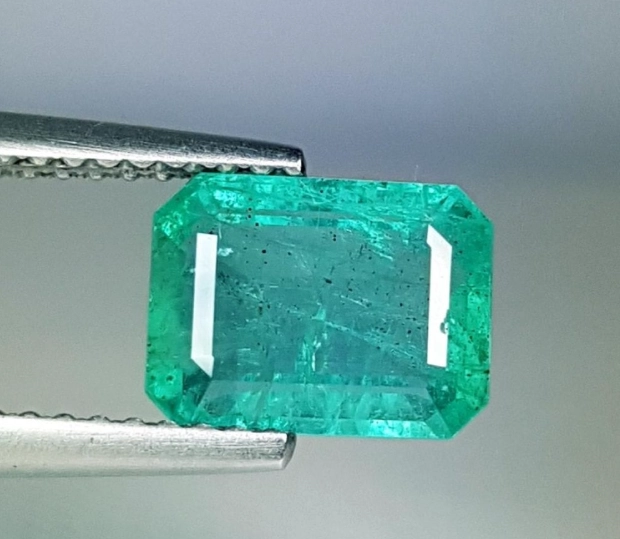
The Lab-Grown Revolution
This is the biggest disruptor in decades. Lab-created gemstones (especially diamonds, sapphires, and rubies) are physically, chemically, and optically identical to their mined counterparts. They are real gemstones, just with a different origin story.
Their impact on natural gemstone price is complex. For commercial-grade natural stones, lab-growns offer fierce competition because they can provide perfect color and clarity at a fraction of the cost. However, for high-end, rare natural stones, they've created a clearer distinction. If you just want a big, red, sparkly stone, a lab-grown ruby is an amazing, ethical, and affordable option. If you want a natural, unheated Burmese ruby, you're paying for a piece of geological history—and the price reflects that irreplaceable scarcity. The International Colored Gemstone Association (ICA) offers perspectives on both markets.
Mining Source & Ethics
Consumer demand for ethically sourced gems is rising. Stones with verifiable origins from mines adhering to good labor and environmental practices (sometimes called "fair-trade" or responsibly sourced) can carry a small premium. This is more about consumer conscience than the stone's intrinsic beauty, but it's becoming a real part of the valuation conversation.
Certification: The Paper Trail of Trust
A report from a respected lab like GIA, AGL (American Gemological Laboratories), or GRS (Gemresearch Swisslab) doesn't directly add value, but it verifies what you're buying. It confirms the species (is it a ruby or a red spinel?), identifies treatments, and sometimes comments on origin.
For any significant purchase (say, over $1,000), a certificate from a major lab is worth the fee. It protects you and provides a baseline for the gemstone price. It turns "this is a beautiful blue stone" into "this is a heated, medium-dark, vivid blue sapphire, likely from Sri Lanka." Big difference.
Practical Buying Guide: Navigating Gemstone Price at Different Budgets
Let's get tactical. How do you actually shop with this knowledge?
If Your Budget is Under $500 Total
You can get lovely gems! Focus on size and beauty in stones that are naturally abundant.
- Top Picks: Amethyst, Citrine, Blue Topaz, Peridot, some Garnets.
- Strategy: Prioritize cut and clarity. You can get a large, eye-clean, well-cut stone in these varieties. Color will be nice, but maybe not the absolute top tier. Avoid treated stones where the treatment is unstable (like dyed stones).
- Where to look: Reputable online vendors specializing in "semi-precious" stones, local gem shows.
If Your Budget is $500 - $2,000
Now you're entering the realm of the "precious" stones in smaller sizes or medium quality.
- Top Picks: Sapphire (smaller or lighter color), Ruby (smaller or with some inclusions), Emerald (smaller and likely oiled), Tanzanite, Aquamarine, Morganite.
- Strategy: Decide your priority. Do you want the best possible color in a small stone (e.g., a 0.5ct vivid sapphire)? Or a larger stone with a compromise on saturation or clarity (e.g., a 2ct lighter blue sapphire)? This is the budget where trade-offs become clear.
If Your Budget is $2,000 - $10,000+
You're shopping for investment-grade pieces or heirloom-quality center stones.
- Top Picks: Fine sapphires, rubies, and emeralds; rare colors like padparadscha; untreated stones.
- Strategy: Certification is non-negotiable. Focus on the core quality factors: exceptional color first, then clarity and cut. Be patient. The right stone at this level might take time to find. Consider working with a specialized gemologist or dealer who has access to private collections.
Your Gemstone Price Questions, Answered
I get emails with questions all the time. Here are the most common ones.
Wrapping It Up: Your Gemstone Price Checklist
Before you pull out your wallet, run through this mental list:
- Color: Is it the hue I want? Is the saturation strong and vivid? Is the tone pleasing, not too light or dark?
- Clarity: For this type of gem, are the inclusions acceptable? Do they threaten durability?
- Cut: Does the stone sparkle evenly? Are there obvious windows or dead zones?
- Carat: Is the size right for my design and budget, understanding the exponential price jumps?
- Treatment: Has it been treated? How? Is that acceptable to me, and is the price adjusted accordingly?
- Certification: Do I have a reputable lab report for anything significant?
- Seller: Do I trust them? Do they educate, disclose, and offer reasonable policies?
Understanding gemstone price isn't about finding a cheap secret. It's about understanding what you're paying for. It's the difference between buying a random painting and buying a specific work of art where you understand the artist, the style, the period, and the condition.
That sapphire my friend was looking at? The $5,000 one was a no-heat, cornflower blue from Kashmir, certified, and cut like a dream. The $500 one was a heated, darker, commercial-grade stone from a different continent. Both were "blue sapphires." But once you know what to look for, they're worlds apart.
Go forth and look at gems with new eyes. Ask the hard questions. And most importantly, find the stone that speaks to you, at a price that makes sense for what it truly is. The confidence that comes from knowledge is the best accessory you can wear.