Key Insights
Let's be honest. When we hear about a multi-million dollar gemstone sale, our first thought is usually a mix of awe and confusion. Awe, because that's an insane amount of money. Confusion, because... why? What makes one stone worth more than a mansion, while another that looks just as pretty sits in a department store case for a few hundred bucks?
I remember walking through a high-end jewelry exhibition once, and the prices were just laughable. Not funny laughable, more like "my-brain-can't-process-this" laughable. A tiny ring with a red stone had a price tag that could solve my mortgage, my car loan, and probably my next vacation. The salesman gave me the whole spiel about rarity and provenance, but it felt like he was speaking another language.
So I dug in. I talked to gemologists, read auction catalogs until my eyes crossed, and tried to make sense of it all. What I found is that the world of the most expensive gemstone isn't just about beauty. It's a bizarre, fascinating mix of geology, history, marketing, and pure, unadulterated human desire.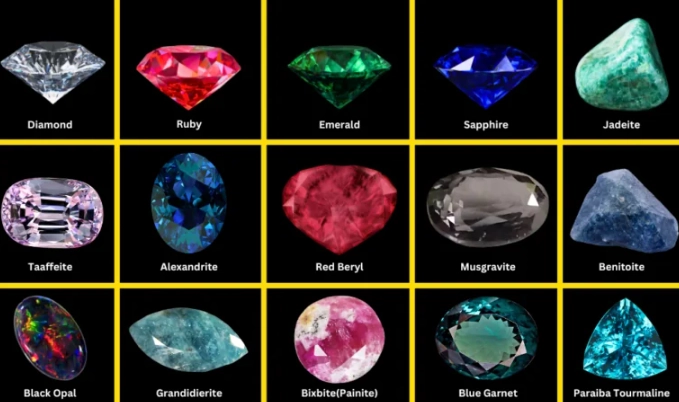
Here's the thing most articles get wrong: They just give you a list. "Top 10 Most Expensive Gems!" and leave it at that. But if you're actually curious, or heaven forbid, thinking about dipping a toe into this market, a list is useless. You need to know the why. Why is a red diamond a king's ransom per carat? Why does a specific shade of green in an emerald send its value into the stratosphere? That's what we're unpacking here.
It's Not Just the 4 Cs: The Real Price Drivers of Premium Gems
Everyone knows about Cut, Color, Clarity, and Carat Weight. That's Gemstone 101. But for the ultra-rare, most expensive gemstone specimens, those are just the starting gates. The race is won by factors most casual buyers never even consider.
Rarity: The Biggest Hammer in the Price Toolbox
This is the big one. True rarity isn't just "uncommon." It's "a handful of known specimens exist on the entire planet." Think about colored diamonds. White diamonds are actually mined in substantial quantities (marketing would have you believe otherwise, but that's a story for another day). But a natural, vivid pink or blue diamond? The Argyle mine in Australia, famous for pinks, closed in 2020, making those stones even more of a finite resource. A fine red diamond is arguably the most expensive gemstone category because you can count the significant ones known on two hands.
It's supply and demand in its purest, most extreme form. When the supply is essentially zero, and demand from collectors and investors is high, the price has no ceiling.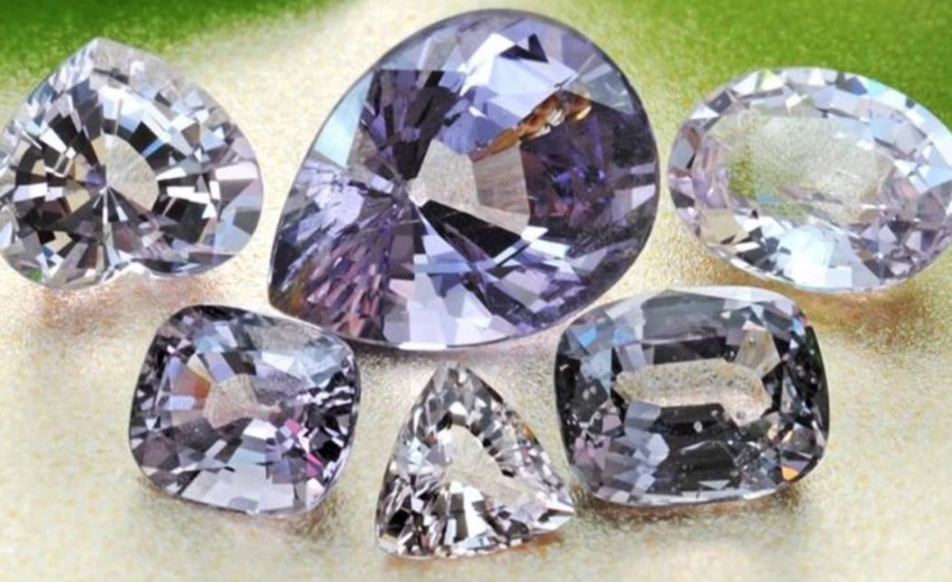
Color: It's All About the Hue, Saturation, and Tone
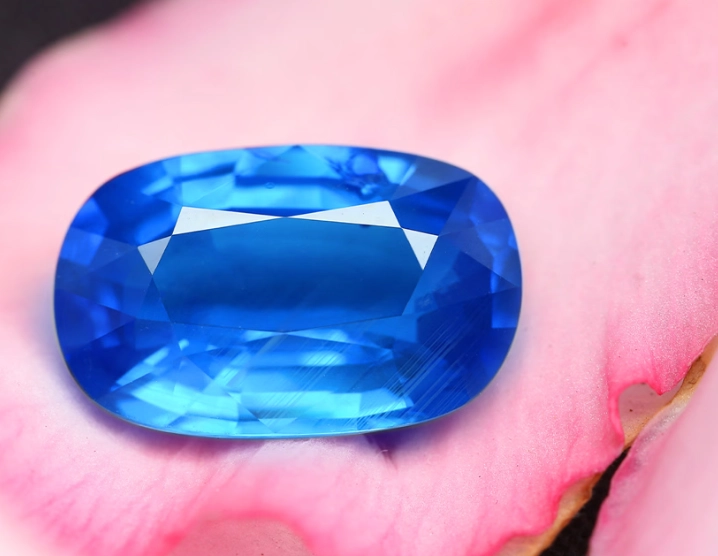
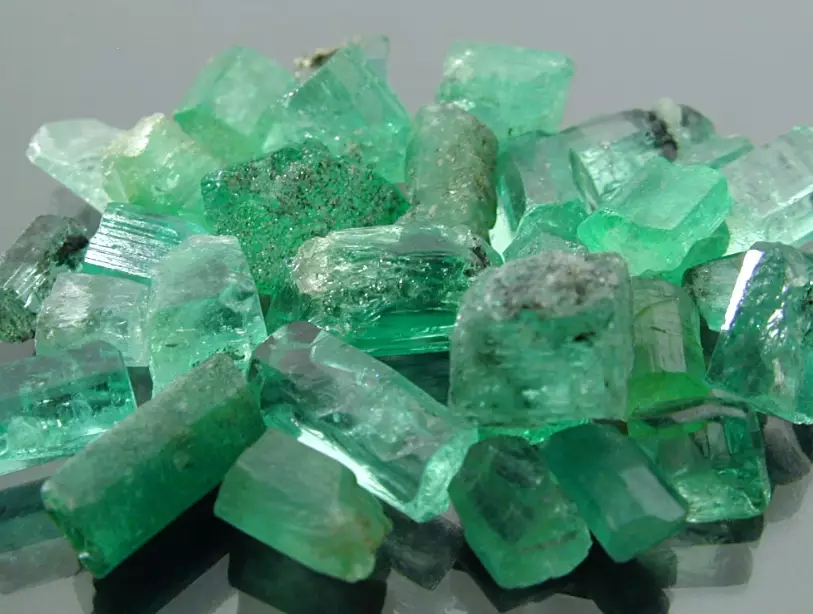
Color isn't just "blue." Is it a cornflower blue, a royal blue, or a deep midnight blue? In sapphires, the most prized color is a velvety, intense "cornflower blue" with a slight violet secondary hue. Too dark, and it looks black in indoor light. Too light, and it's not as valuable. For emeralds, it's a vibrant, slightly bluish-green that's evenly distributed. A "garden variety" yellowish-green emerald won't command the same price, even if it's cleaner.
The color has to be natural, too. Treatments are common in the gem trade (heating sapphires to improve color, oiling emeralds to hide fractures). An untreated stone with perfect color is exponentially more valuable. It's the difference between a touched-up photo and the original negative.
Provenance: The Stone's Resume
Who owned it? Where was it mined? A gem with a documented history, especially one from a legendary mine (like Kashmir for sapphires or Muzo for Colombian emeralds), carries a premium. It's not just snobbery; it's verifiable authenticity and a story that adds to the allure. An auction house like Sotheby's or Christie's will spend pages in a catalog detailing a gem's provenance because it directly impacts the final hammer price. A stone from a famous collection is less of a gamble in the eyes of a serious buyer.
Size and Crystal Integrity
With common gems, a 5-carat stone is worth more than five 1-carat stones. With the rarest gems, the value increase is exponential. Finding a 10-carat ruby with excellent color and decent clarity is a near-miracle. Most large rubies are fractured or included. A clean, large specimen is a geological unicorn. The same goes for a flawless, large emerald—they're almost an oxymoron. The trade calls emeralds "a garden" for a reason—their internal fractures (jardins) are expected. A flawless one is suspect until proven otherwise.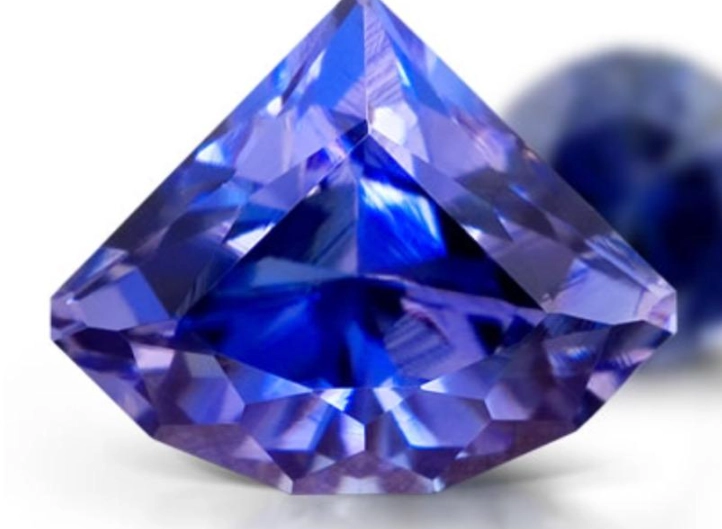
Personal Anecdote: A gemologist friend showed me two sapphires side by side. One was 2 carats, a perfect cornflower blue. The other was 5 carats, but the color was a bit grayish. The smaller one was worth nearly three times more. It shattered my assumption that bigger always equals better in this world. The quality of color trumped everything.
The Heavy Hitters: A Realistic Look at the Most Expensive Gemstones
Okay, with the "why" explained, let's look at the "what." Here's a breakdown of the contenders for the title of most expensive gemstone per carat. Remember, these are record-breaking, auction-house prices. Your local jeweler's prices will be different (and hopefully lower!).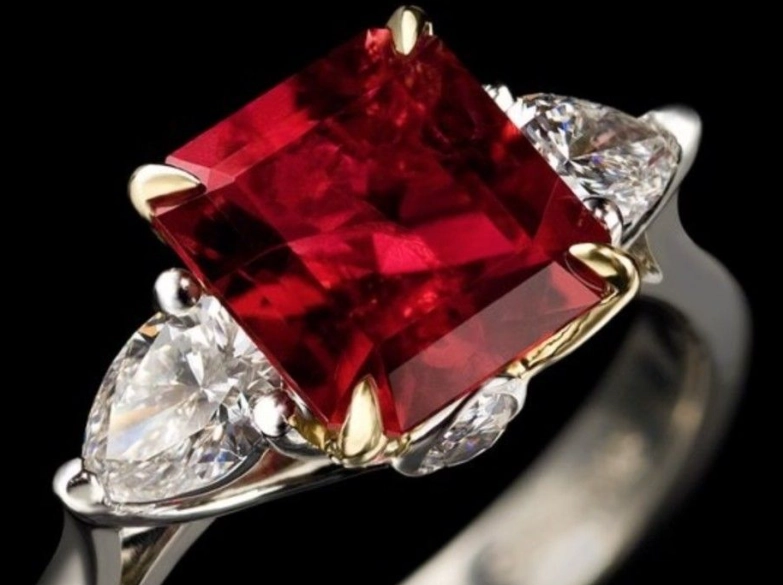
| Gemstone | Why It's So Expensive | Notable Example & Price (Per Carat) | Key Source (Historically) |
|---|---|---|---|
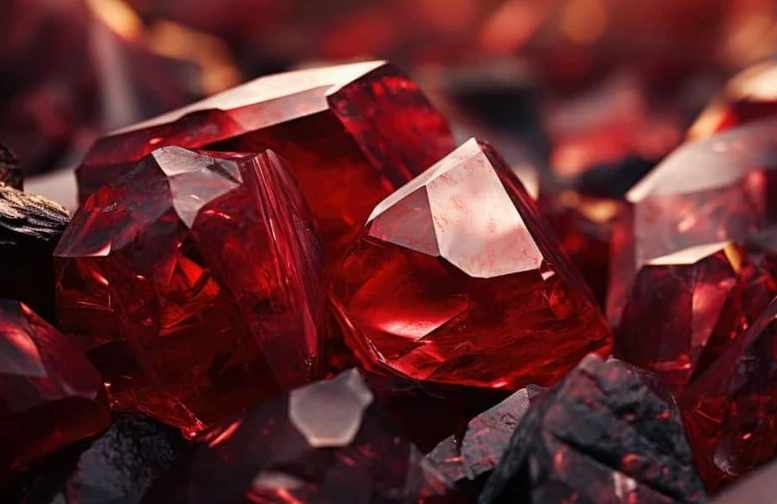
| Red Diamond | The rarest diamond color. Caused by a rare atomic lattice distortion during formation. | The Moussaieff Red (5.11 ct) – estimated over $2 million per carat. | Argyle Mine (Australia), Brazil, rarely elsewhere. |
| Blue Diamond | Extremely rare, especially in vivid, saturated hues. Boron impurities cause the color. | The Hope Diamond (45.52 ct) is priceless. The Oppenheimer Blue sold for ~$3.5 million per carat. | Cullinan Mine (South Africa), Golconda (India, historical). |
| Jadeite (Imperial Green Jade) | A specific, vibrant emerald-green, semi-translucent variety of jade. Culturally priceless in East Asia. | Necklaces of beads have sold for tens of millions total. Top-quality can reach $3 million per carat for finished pieces. | Myanmar (Burma) is the primary source for the best quality. |
| Padparadscha Sapphire | A rare, delicate pinkish-orange or salmon color. Must be natural, not heat-treated. | Fine stones over 5 carats can exceed $50,000 per carat. Record prices approach $200,000/ct. | Sri Lanka (Ceylon) is the classic source, also found in Madagascar & Tanzania. |
| Kashmir Sapphire | Legendary velvety blue color with a sleepy, silky appearance due to microscopic inclusions. Mines depleted in the 1880s. | Antique pieces with provenance command astronomical sums. Can be $150,000 - $250,000+ per carat. | Kashmir region (India/Pakistan), mined for only a short period. |
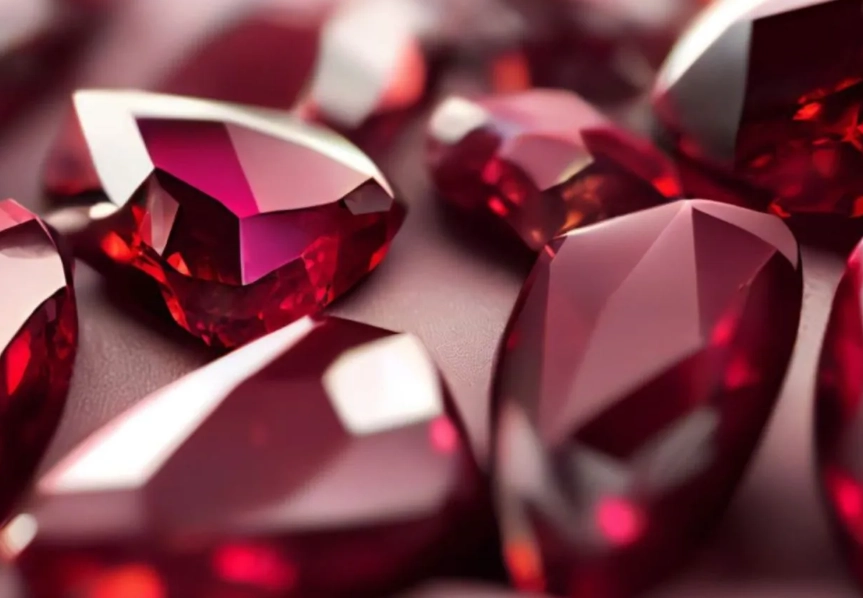
| Burmese Ruby (Pigeon's Blood) | A vibrant, pure red with a slight blue hue that seems to glow from within. Unheated stones are exceptionally rare. | The Sunrise Ruby (25.59 ct) sold for ~$1.2 million per carat. | Mogok Valley, Myanmar (Burma). |
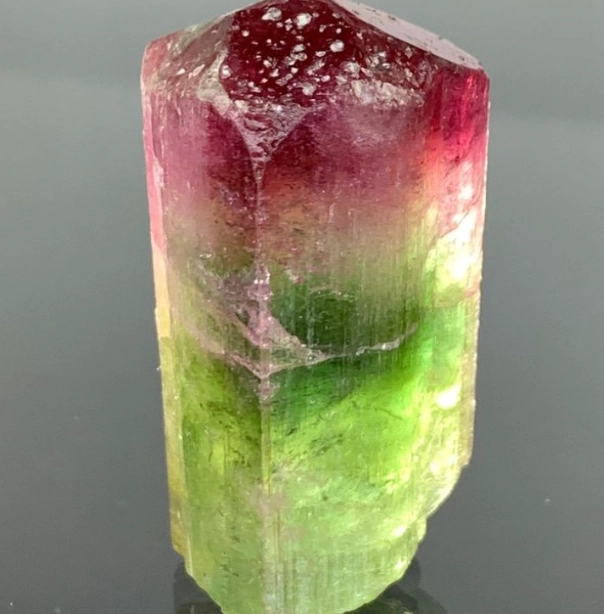
| Paraíba Tourmaline | A neon-bluish-green color caused by copper and manganese. The electric color is unlike any other gem. | Discovered in the 1980s. Top material from Brazil can reach $50,000+ per carat. | Paraíba, Brazil (original), also found in Mozambique & Nigeria. |
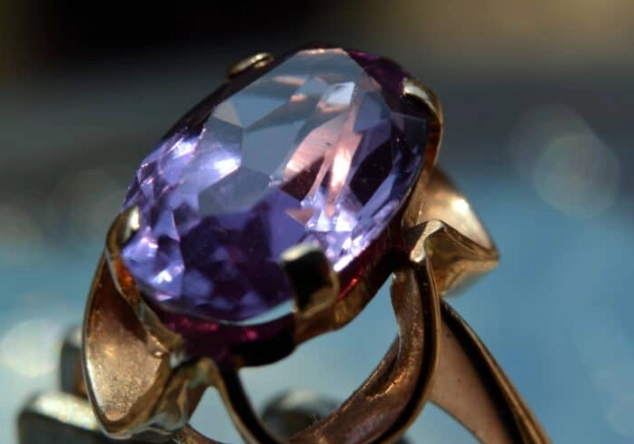
| Alexandrite | Extreme color-change (green in daylight, red in incandescent light). Large, clean stones are incredibly scarce. | Fine quality over 1 carat can be $30,000 - $70,000 per carat. Russian material commands the highest premium. | Russia (original), Brazil, Sri Lanka, East Africa. |
| Demantoid Garnet | The most brilliant (dispersive) garnet, with a vibrant green color and often horsetail inclusions that authenticate its Russian origin. | Top Russian demantoids with strong horsetails can be $10,000 - $15,000 per carat. | Russia's Ural Mountains (most prized), also Namibia, Madagascar. |
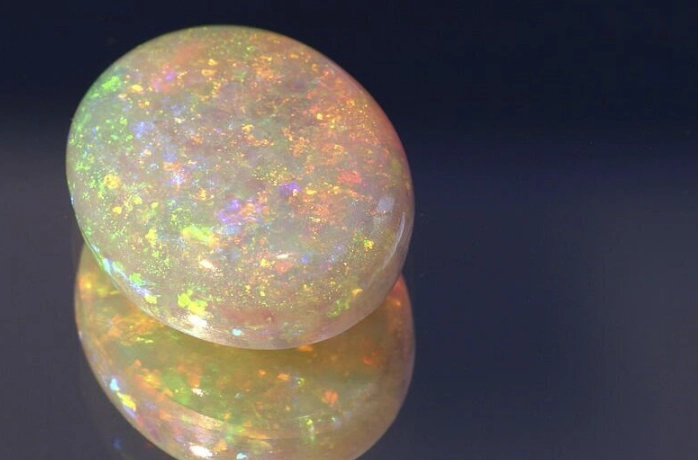
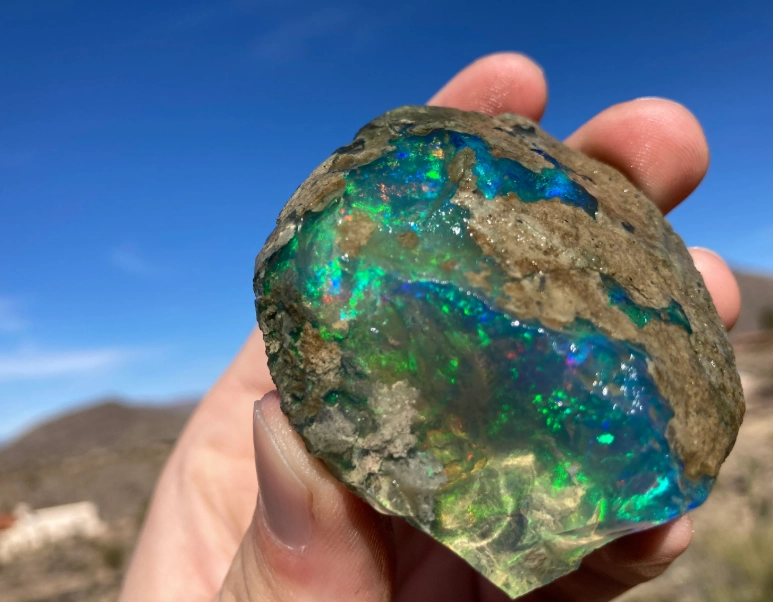
| Black Opal | A dark body tone that makes the play-of-color (flash of rainbow colors) pop with incredible intensity. | Top-quality black opal from Lightning Ridge, Australia, with broad patterns can be $20,000+ per carat. | Lightning Ridge, Australia (the premier source). |
See what I mean? It's not just a diamond monopoly. The list includes a jade, a sapphire, a tourmaline... the common thread is an almost impossible combination of perfect color and extreme scarcity.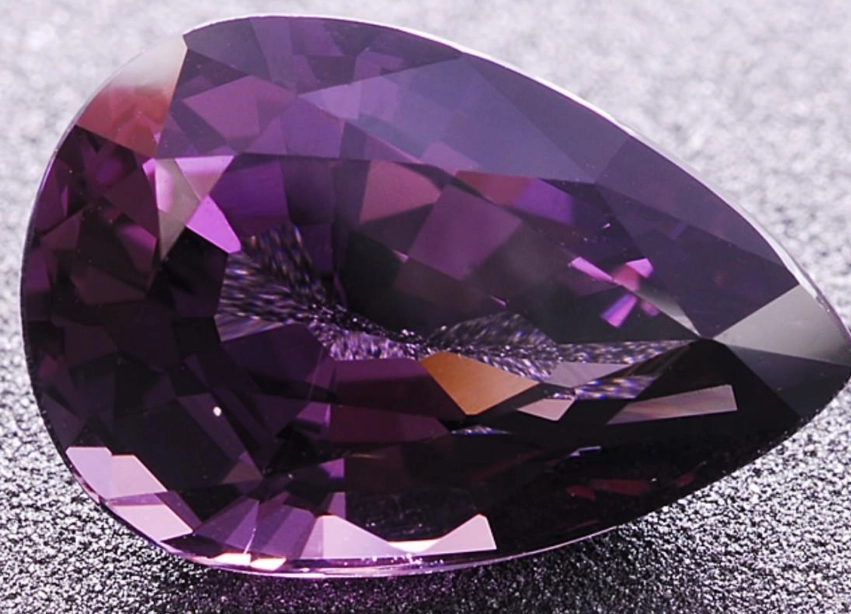
A word of caution: These per-carat prices are for the absolute best-of-the-best, often sold at major auctions. The market for such stones is tiny and volatile. Don't assume your grandmother's ruby ring is worth a fortune because it's "red." It likely isn't. The jump from a nice commercial-grade stone to a true investment-grade, most expensive gemstone candidate is a chasm.
Thinking of Buying? Shift Your Mindset from Jewelry to Asset
If you're considering acquiring a high-end gem, you need a different playbook than buying a birthday pendant.
- Certification is Non-Negotiable: Never, ever buy a significant colored gemstone without a report from a major, independent laboratory. The Gemological Institute of America (GIA) is the gold standard. Others include AGL (American Gemological Laboratories) and Gübelin. The report should detail species, origin (if determinable), color grade, and crucially, any and all treatments. A treated stone is worth a fraction of an untreated one.
- Work with a Specialist: Your local mall jeweler is not the right person for this. You need a dealer who specializes in investment-grade colored gemstones. They have access to the right inventory and market knowledge. Expect to pay for this expertise.
- Liquidity is a Myth: Unlike stocks, you can't sell a gemstone in 30 seconds. Finding a buyer for a niche, high-value item takes time and connections, often through auction houses or specialized dealers. It's not a quick-cash asset.
- Insurance and Security: Owning a six- or seven-figure stone comes with real logistical headaches. Insuring it properly will be costly. Storing it securely is paramount. This is a real, tangible burden.
Common Questions (The Ones You're Actually Asking)
Is a Lab-Grown Diamond the Most Expensive Gemstone?
No, not even close. Lab-grown diamonds are beautiful and ethical, but their price is based on the cost of production, which is falling. They are a manufactured product. The value of a natural most expensive gemstone is rooted in its geological rarity and natural formation over millions of years. They are fundamentally different asset classes.
What's More Valuable, a Diamond or a Colored Gemstone?
It depends entirely on the specific stones. A top-quality D-flawless white diamond is incredibly valuable. But per carat, the finest rubies, sapphires, and especially colored diamonds often surpass white diamonds. The market for colored stones is more nuanced and less standardized than the diamond market.
How Can I Tell if My Gemstone is Valuable?
You can't, not with certainty by yourself. Start with the basics: color intensity, size, and apparent clarity. But the real value drivers—origin, treatment, and exact color saturation—require professional gemological testing. Take it to a certified gemologist appraiser (not a jewelry store salesperson) for a consultation.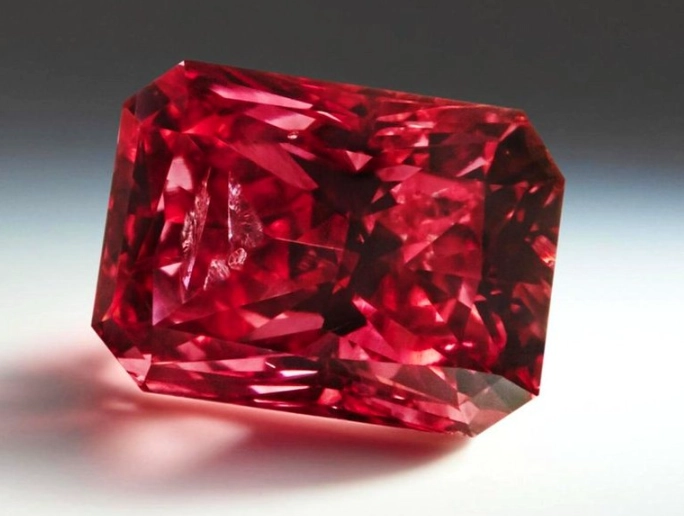
Are "Investment Gemstones" a Good Idea?
For 99.9% of people, no. It's a highly specialized, illiquid market with high transaction costs (buyer's premiums at auction, dealer markups). Only consider it if you have a deep passion for gems, significant disposable income, and are working with a trusted expert. Buy it because you love it, with any potential financial gain as a distant, hopeful bonus.
Final Thoughts: The Allure of the Rare Earth
At the end of the day, the pursuit of the most expensive gemstone is about more than money. It's about owning a piece of the planet's history that is uniquely beautiful and almost impossible to find. It's a testament to geological chance. That tiny red diamond formed under specific, intense pressure and heat hundreds of kilometers below the surface, traveled up in a volcanic pipe, survived mining, and was cut by a master's hand. That story is part of its value.
For me, understanding this has made looking at gems more interesting. I still think some prices are utterly insane, but I get the "why" now. It's a world where science, art, and commerce collide in the most dazzling way possible. Whether you're a curious reader or a potential collector, I hope peeling back the layers on what makes a gem truly precious gives you a new appreciation for these natural wonders. Just maybe think twice before putting one on your credit card.