Essential Insights
Let's talk about buying colored gemstones. It's thrilling, right? The sparkle, the color, the promise of a unique treasure. But it's also a world where a beautiful facade can hide a multitude of sins. I learned this the hard way early in my collecting days. I bought a stunning "Burmese ruby" from a seemingly reputable dealer at a trade show, no certificate, just a "trust me" smile and a good price. Big mistake. A year later, a casual appraisal revealed it was glass-filled and worth a fraction of what I paid. That painful lesson burned one thing into my mind: never, ever buy a significant colored gemstone without a proper gemstone certification.
You might be thinking, "It looks real, the seller seems honest, do I really need this extra piece of paper?" The short, unequivocal answer is yes. Especially for rubies, sapphires, emeralds, and other precious stones. A gemstone report isn't just a piece of paper; it's an independent, scientific biography of your stone. It tells you what you're actually buying, separating fact from sales pitch.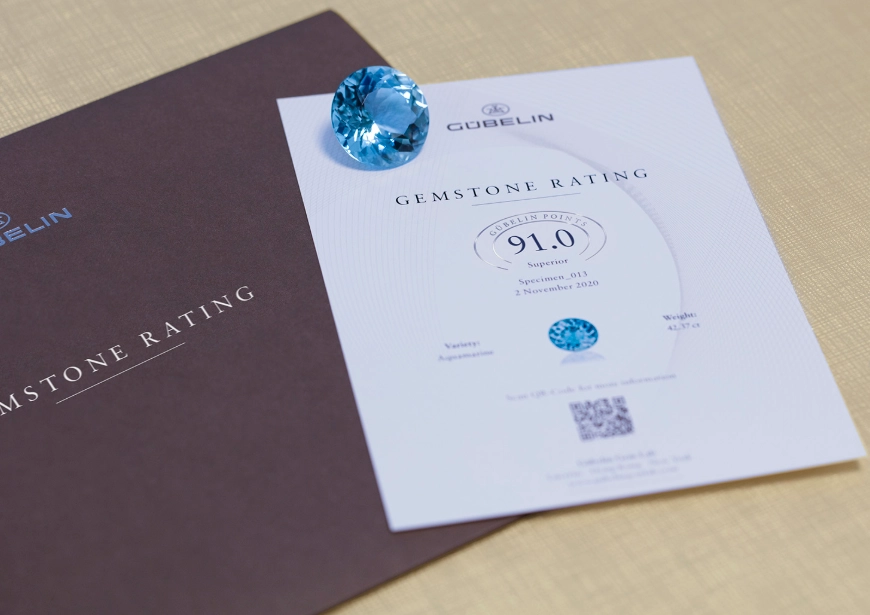
Think of a gem certificate as a passport for your stone. It doesn't assign a value, but it provides the critical data—origin, identity, and treatment history—that the entire market uses to determine that value. Buying without one is like buying a house without a title deed. You might get lucky, but you're assuming a huge, unnecessary risk.
What Exactly Is a Gemstone Certification Report?
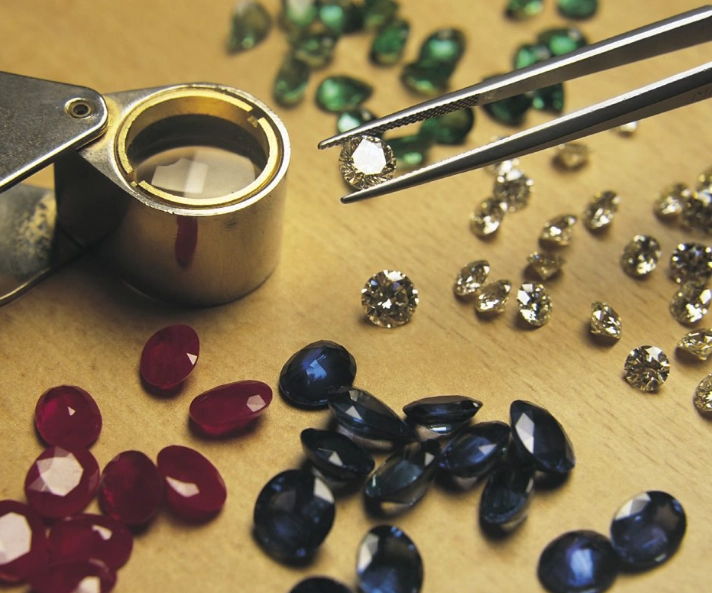
Let's demystify it. A gemstone certification, often called a lab report or dossier, is a document issued by an independent gemological laboratory. A team of trained gemologists uses advanced equipment—way beyond the simple loupe a jeweler might use—to analyze the stone. They're not working for the seller or the buyer. Their job is to provide an unbiased assessment.
So, what's inside? It's not just a one-word answer like "ruby." A comprehensive report is a data-packed document that answers the crucial questions any savvy buyer should ask.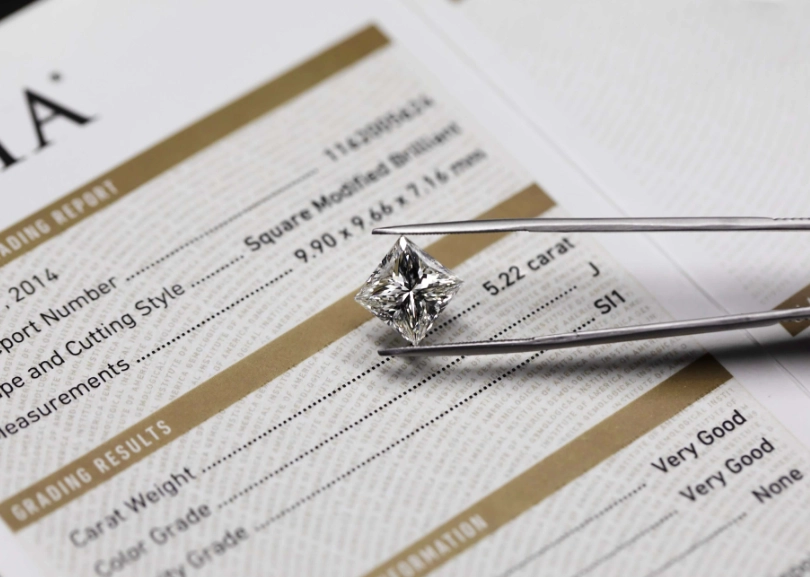
The Core Components of a Gem Report
Every major lab's report looks a bit different, but they all cover these fundamental areas. Knowing how to read a gemstone certificate is half the battle.
Identification: This confirms the basic species. Is it a ruby, a pink sapphire, a red spinel, or something else entirely? You'd be surprised how often look-alikes are misrepresented.
Weight: Given in carats, measured with precise scales. This is a key value factor.
Dimensions: Listed in millimeters (e.g., 6.5 x 5.1 x 3.8 mm). This helps visualize the stone and is vital for setting.
Cut and Shape: Describes the style (brilliant, step, mixed) and the form (oval, cushion, pear). Some reports comment on cut quality, which greatly affects brilliance.
Color: This is huge for colored stones. Labs often use controlled lighting and comparison masters to describe the hue (e.g., "vivid purplish-red"), tone (lightness/darkness), and saturation (intensity). Terms like "Pigeon's Blood" for ruby or "Royal Blue" for sapphire are trade terms that only certain labs (like GRS) are licensed to use if the stone meets extremely strict criteria.
Clarity: An assessment of internal characteristics (inclusions) and surface features. It's graded on a scale (usually from VVS to I3 or similar) and the type of inclusions are often described or even diagrammed. Inclusions aren't always bad—they can be birthmarks that prove natural origin and even indicate geographic source.
Now, here are the two sections that cause the most confusion and are arguably the most important.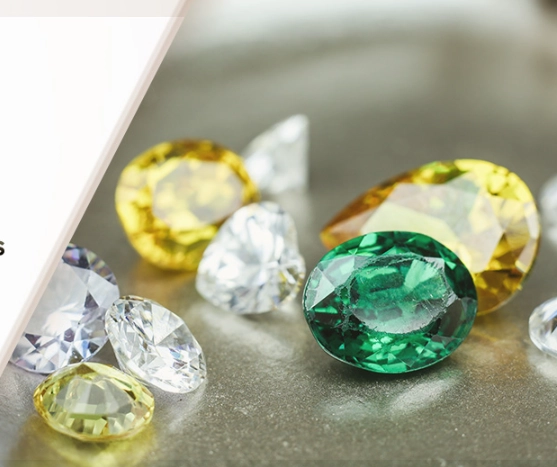
The Big Two: Origin and Treatment
Geographic Origin: Where was the stone mined? Burma (Myanmar) for ruby, Kashmir or Ceylon (Sri Lanka) for sapphire, Colombia for emerald. Origin can have a dramatic impact on value and desirability. Determining origin is complex, based on a fingerprint of inclusion scenes and chemical signatures. Not all labs offer this service, and it's usually an extra-cost feature. It's also an opinion, albeit a highly expert one. A lab like Gübelin or GRS has built its reputation on origin determination.
A word of caution: Origin is fascinating, but don't fetishize it to the point of ignoring other qualities. A mediocre Burmese ruby is still mediocre. A stunning, clean ruby from a newer source can be far more beautiful and a better value. The origin should be the cherry on top of an already excellent stone, not the sole reason for buying it.
Treatment/Enhancement: This is the deal-breaker. Most gemstones on the market are treated in some way to improve their color or clarity. The gemstone certification must disclose this. Common treatments include:
- Heating: Very common for sapphires and rubies to improve color and clarity. It's widely accepted in the trade if disclosed. An unheated stone of fine quality is exceptionally rare and valuable.
- Oiling/Resin Filling: Standard for emeralds to hide surface-reaching fractures. The report should state the type of filler (oil, resin, epoxy) and often the degree (minor, moderate, significant).
- Fracture Filling: For rubies, sometimes with lead glass. This is a more controversial treatment that significantly lowers durability and value. A proper report will catch this.
- Diffusion, Dyeing, Coating: These are more severe treatments that drastically alter the stone and must be clearly disclosed.
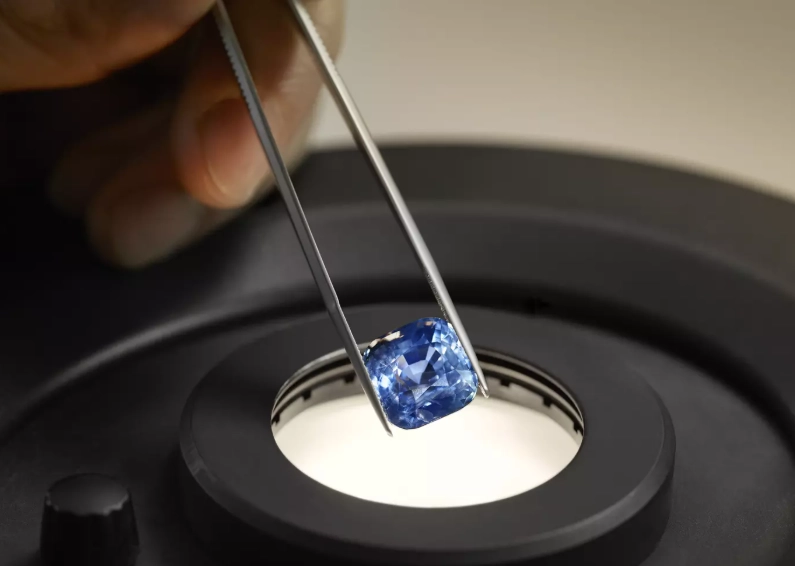
The report will explicitly state "No indications of thermal treatment" or "Evidence of heat treatment" and specify others. A report that says "No indications of treatment" for a fine ruby or sapphire is a major selling point.
Why Bother? The Real-World Value of a Certificate
Beyond avoiding my early mistake, here’s what a solid gemstone report does for you.
It's Your Proof of Authenticity: It verifies that the stone is natural, not synthetic (lab-created). For high-value purchases, this is non-negotiable.
It Reveals the Full Story: That beautiful blue sapphire might be heated. That flawless emerald is almost certainly oiled. Knowing this upfront prevents nasty surprises later and allows you to judge the price fairly. A heated sapphire isn't "bad," but it should cost less than an identical unheated one.
It Enables Accurate Appraisal and Insurance: An appraiser will heavily rely on a reputable lab report to determine value for insurance. Without it, they're making an educated guess, which could leave you under-insured.
It Secures Your Investment for Resale: Trying to sell a stone without a certificate is an uphill battle. You'll have to discount it heavily to account for the buyer's risk. A recent report from a top lab makes the stone instantly more liquid and trustworthy in the secondary market.
It Creates a Benchmark: If the stone is damaged or re-set in the future, the original certificate provides a permanent record of its initial state.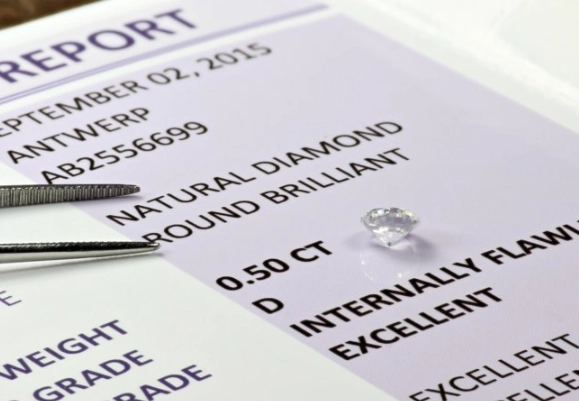
The Major Players: A Guide to Gemstone Certification Labs
Not all labs are created equal. Reputation, consistency, and expertise vary widely. Some are considered the gold standard for colored stones, while others might be less rigorous or have specific specialties. Here’s a breakdown of the top-tier and other notable labs you'll encounter. This is where the rubber meets the road in gemstone certification.
| Laboratory | Headquarters | Key Strengths & Reputation | Notable For |
|---|---|---|---|
| GRS (GemResearch Swisslab) | Switzerland (with Asian offices) | Considered a top authority for colored gemstones, especially rubies, sapphires, spinels. Known for origin determination and coining trade terms like "Pigeon's Blood" and "Royal Blue." Reports are highly detailed and trusted globally. | Color origin reports, photomicrographs of inclusions, high market trust in Asia and internationally. |
| Gübelin Gem Lab | Switzerland | One of the oldest and most prestigious names. Known for meticulous scientific analysis, exceptional provenance research (their "Provenance Proof" service), and a very conservative, reliable approach. The "holy grail" for many collectors. | Extremely high-end market, provenance documentation, deep scientific analysis. Often used for auction-house pieces. |
| GIA (Gemological Institute of America) | USA | The world's foremost authority on diamonds. For colored stones, they are highly respected and known for consistency and conservative calls. They do not use commercial trade names like "Pigeon's Blood." Their reports are thorough and focus on identification and treatment. | Unparalleled reputation for integrity, educational resources, and standardized grading. A GIA report is a global benchmark. Their Gem Encyclopedia is an incredible free resource. |
| AGL (American Gemological Laboratories) | USA | Highly respected, especially for esoteric and rare collector stones. Known for expertise in detecting sophisticated treatments and a very detailed, technical reporting style. | Expertise in rare gem species, advanced treatment detection, collector-grade stones. |
| AIGS (Asian Institute of Gemological Sciences) | Thailand | A major lab in the heart of the gem trading world (Bangkok). Well-respected for colored stones, offering reliable reports at various service levels. A solid, trusted choice. | Strong presence in the Asian trade, good value, reliable origin services for stones from the region. |
But wait, are all these labs the same? Absolutely not. Their philosophies differ. Some, like GRS, will give you a vivid, descriptive report that might include a coveted commercial color comment. Others, like GIA, stick to purely descriptive color language. Some are faster, some are more expensive. The choice often depends on the stone type, market expectations, and your personal preference.
You might also see reports from SSEF (Swiss Gemmological Institute), GIT, IGI, or local gemological associations. Some are excellent, some are adequate for smaller stones. My rule of thumb? For a major purchase (say, over $3,000), stick to the top-tier names above. The difference in cost is marginal compared to the security they offer.
Pro Tip: Always check the date on the report. A certificate from 1995 might not have used today's technology to detect modern treatments. For a current transaction, a recent report (within 2-3 years) is ideal. If the stone has an old report, it's perfectly reasonable—and wise—to ask for a modern recertification, even if you split the cost.
Navigating the Minefield: Red Flags and How to Verify a Certificate
Unfortunately, the world of gemstone certification isn't immune to fraud. Fake certificates, altered reports, and misleading scans are out there. Here's how to protect yourself.
1. Verify Online. Every reputable lab has an online report verification tool on their official website. You enter the report number and, sometimes, the carat weight. The online record should match the physical document exactly. Do this yourself. Don't trust a link from the seller.
2. Check the Lab's Authenticity. Is it a real lab? Some unscrupulous operations create names that sound like famous labs (e.g., "World Gemological Institute" to mimic GIA). Stick to the known names and verify their web address.
3. Scrutinize the Physical Document. Look for security features: holograms, micro-printing, UV-reactive ink, specific paper quality. Top labs invest heavily in these to prevent forgery. A flimsy, poorly printed piece of paper is a bad sign.
4. Ensure the Report Matches the Stone. This is critical. The report should include a photograph or a detailed diagram of the stone's inclusions. Compare it to the actual stone under magnification. Do the inclusion patterns match? Do the dimensions and weight listed align? A mismatch means the certificate is for a different stone—a massive red flag.
5. Beware of Vague Language. Reports that are vague on treatment (e.g., "color enhanced" without specifying how) or that omit key details should be viewed with extreme skepticism. Reputable labs are specific.
I once saw an online listing for a "certified Kashmir sapphire" with a scan of a report from a no-name lab. The report number didn't verify online, and the "lab's" website was a single page with a Gmail contact. The stone was likely from a completely different origin, if it was even a natural sapphire. The certificate was just a sales prop.
Your Action Plan: Buying a Gemstone With a Certificate
Let's put this all together. You're ready to buy. Here's your step-by-step checklist.
- Prioritize the Certificate: Before falling in love with a color, insist on seeing a report from a reputable lab (GRS, Gübelin, GIA, AGL, AIGS). No report, no deal for a valuable stone.
- Read it Thoroughly: Don't just glance at the final verdict. Read every line. Understand the treatment statements, the clarity comments, the color description.
- Verify it Online: Go to the lab's official website (find the URL yourself) and input the report number. Confirm all details match.
- Match the Stone: Physically compare the stone to the report's photo/diagram and measurements. Use a loupe if you can.
- Ask Questions: If anything on the report is unclear, ask the seller to explain. A reputable seller will be able to walk you through it.
- Consider Recertification: If the report is old (>5 years) or from a less-known lab, discuss getting a new report from a top lab as a condition of sale.
- Keep it Safe: The certificate is part of the gemstone's value. Store it securely with your insurance and appraisal documents.
Frequently Asked Questions (The Stuff You're Actually Searching For)
Let's tackle some specific, real-world questions that pop up all the time.
Is a certificate from GIA better than one from GRS?
Not "better," but different. It's like asking if a doctorate from Harvard is better than one from MIT. It depends on the field. For colored stones, particularly rubies and sapphires where origin and trade color names are highly influential in the market, a GRS report is often the preferred choice among traders and collectors in Asia and beyond. GIA's strength is its unimpeachable reputation for integrity, consistency, and its conservative, scientific approach. They are less focused on market-driven color terms. For an emerald or a rare collector stone, Gübelin or AGL might be the top choice. The "best" certificate is the one from a top-tier lab that is most appropriate for that specific stone type and that you, as the buyer, understand and trust.
How much does gemstone certification cost?
It varies wildly by lab, service level, stone weight, and turnaround time. For a standard identification and treatment report on a 1-2 carat ruby from a major lab, you might pay between $100 and $300. Adding origin determination can double that cost. Express service (1-3 days) carries a hefty premium. For a typical purchase, budget 3-8% of the stone's value for certification from a top lab. Remember, it's not an expense; it's part of the cost of owning a real, disclosed asset.
Can a lab make a mistake?
Yes, they can. They are staffed by humans interpreting complex data. Mistakes are rare at the top labs, but they happen—usually around extremely difficult origin calls or detecting the most subtle, new treatments. This is why reputation matters. The top labs have peer review processes and are constantly updating their methodologies. If a mistake is discovered, they will issue a corrected report. The risk of a top lab making a major error (e.g., missing a common treatment) is far, far lower than the risk of you buying an uncertified stone.
Do I need a certificate for every gemstone I buy?
Use common sense. For a $50 amethyst or citrine in a fashion piece? Probably overkill. For any fine gemstone where the value, sentiment, or investment matters—especially rubies, sapphires, emeralds, alexandrite, Paraíba tourmaline—it is essential. My personal threshold is around $1,000. Below that, I might rely on a trusted jeweler's word if I know them well. Above that, I want the independent, scientific backup. There's no hard rule, but erring on the side of certification is always the safer bet.
At the end of the day, navigating the world of gemstones is a journey of knowledge. A gemstone certification is your most reliable map. It takes the mystery out of the process and puts the power of information in your hands. It transforms a leap of faith into an informed decision. You stop buying a story and start buying a scientifically documented reality. Whether you're a first-time buyer or a seasoned collector, making the certificate the cornerstone of your purchasing process is the single smartest habit you can develop. It lets you focus on what really matters: finding and enjoying a beautiful gemstone whose true story you can trust.