Quick Guide
Let's talk about lab created gemstones. You've probably seen the ads, heard the buzz, and maybe even felt a little skeptical. Are they "fake"? Do they look cheap? Will they hold any value? I had the same questions a few years back when I was shopping for an engagement ring. The price tag on a natural diamond made my eyes water, and the ethical concerns around mining were gnawing at me. That's when I fell down the rabbit hole of lab grown options.
What I found surprised me. It wasn't a simple yes-or-no answer. It was a whole new world of gemology that's changing how we think about luxury, sustainability, and science. So, I'm writing this guide to save you some of the legwork. We'll cut through the marketing jargon and get to the heart of what lab created gemstones are, why they matter, and how to navigate buying them without any regrets.
The Core Truth: A lab created gemstone is physically, chemically, and optically identical to a gemstone formed deep within the Earth. The only difference is its origin story—one is born in a controlled laboratory environment over weeks, the other in the Earth's crust over millions of years. Organizations like the Gemological Institute of America (GIA), the world's foremost authority on gems, issue reports for lab-grown diamonds that grade them on the same 4Cs scale as mined diamonds.
How Are Lab Grown Gemstones Actually Made?
This is where it gets cool. It's not magic; it's advanced science replicating nature's recipe. There are two main methods you'll hear about, especially for diamonds, but the concepts apply to other stones like sapphires and rubies too.
High Pressure High Temperature (HPHT)
Think of this as a high-tech pressure cooker. Scientists take a tiny diamond "seed" crystal and place it in a chamber with pure carbon (like graphite). Then, they subject it to immense pressure (over 870,000 pounds per square inch) and scorching heat (around 2,700 degrees Fahrenheit). This mimics the conditions about 100 miles underground. The carbon melts and forms around the seed, growing a new diamond crystal layer by layer.
HPHT was one of the first successful methods. It's great for producing diamonds, and it's also commonly used for creating many colored lab created gemstones, like vibrant blue sapphires.
Chemical Vapor Deposition (CVD)
This one feels more like sci-fi. A diamond seed is placed in a vacuum chamber filled with a carbon-rich gas (like methane). The chamber is heated to around 1500 degrees Fahrenheit. Then, energy (often from microwaves) is pumped in, which breaks down the gas molecules. Pure carbon "rains" down onto the seed, atom by atom, building up a diamond crystal. It's a slower, more layer-by-layer process that allows for incredible control.
Most of the lab created gemstones you see in fine jewelry today, especially colorless diamonds, are made using CVD. It's become the industry workhorse.
I remember visiting a lab that used CVD. The machines themselves aren't much to look at—just sleek metal boxes—but knowing what was happening inside was mind-blowing. It felt less like mining and more like farming, patiently growing crystal carbon.
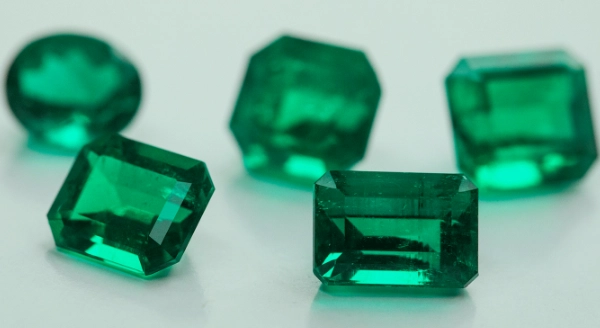
For other stones, like emeralds, the process is called hydrothermal growth. It mimics the hot, mineral-rich waters that form natural emeralds. A seed crystal is suspended in a water solution full of the right elements (beryllium, aluminum, silicon) under high pressure and temperature. Over weeks, a stunning emerald grows. It's fascinating stuff.
Lab Created vs. Mined: The Unbiased Breakdown
Okay, so they're real gems. But how do they stack up? Let's be brutally honest and look at the key areas where people get hung up.
| Aspect | Lab Created Gemstones | Natural Mined Gemstones |
|---|---|---|
| Origin & Process | Grown in a controlled lab over several weeks to months. | Formed by geological processes over millions of years. |
| Physical & Chemical Makeup | Identical. Same crystal structure, hardness, and brilliance. | Identical. A diamond is carbon, whether from Earth or lab. |
| Environmental Impact | Significantly lower. Uses less water, creates minimal land disruption, and has a smaller carbon footprint. (But it's energy-intensive). | Substantial. Includes large-scale land excavation, soil erosion, water use, and ecosystem disruption. |
| Ethical Considerations | Inherently conflict-free. Supply chain is transparent and traceable. | History of conflict diamonds. Modern initiatives like the Kimberley Process aim to regulate, but concerns persist. |
| Price (The Big One) | Typically 30% to 70% less expensive for equivalent size/quality. You get more for your budget. | Higher due to rarity, mining costs, and multi-layered distribution. |
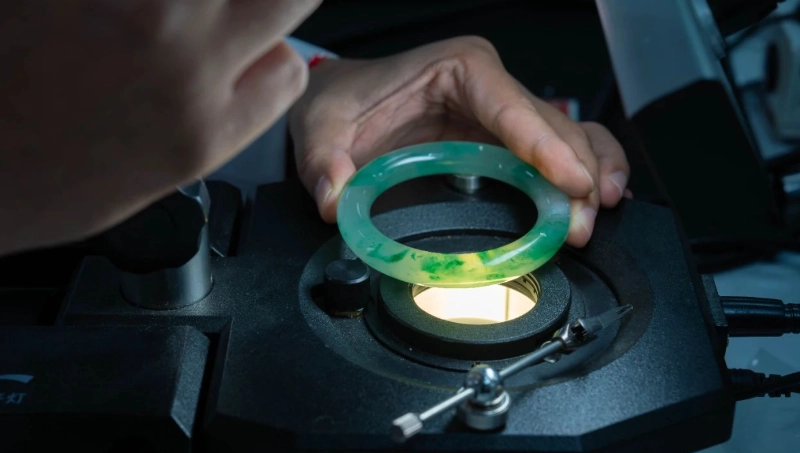
| Visual Identifiers | Often too perfect. May have unique growth patterns (like subtle strain lines) visible under magnification to a gemologist. | Almost always contain natural "inclusions" or birthmarks (tiny crystals, feathers) that prove natural origin. |
| Long-Term Value | Resale value is currently low and unpredictable. It's primarily a purchase for wear, not investment. | Established, though volatile, resale market. Historically holds some value as a rare commodity. |
That last point on value is crucial. If you're buying a piece of jewelry as a financial investment, traditional wisdom still leans toward natural stones. But let's be real—how many of us are actually selling our engagement rings? For most people, the "value" is in wearing and loving a beautiful piece every day. Lab created gemstones deliver that in spades, and for a lot less money upfront.
Myth to Bust: "Lab diamonds are perfect and look fake." This is a weird one. Early synthetic gems were sometimes too flawless and colorful, which felt off. Modern lab created gemstones, however, can include controlled inclusions to mimic nature! More importantly, the beauty of a high-quality lab stone is that it has the same fire, scintillation, and sparkle as a natural one. A well-cut stone is a well-cut stone, period.
The Practical Guide to Buying Lab Grown Gems
So you're interested. How do you shop smart? The rules are similar to buying natural stones, but with a few extra layers of awareness.
What to Look For (The 4Cs Still Apply)
The GIA's 4Cs—Cut, Color, Clarity, Carat—are just as important for lab created gemstones. Don't let anyone tell you otherwise.
- Cut: This is king. A great cut maximizes sparkle. Don't sacrifice cut quality for size.
- Color: For diamonds, the color scale (D-Z) is used. You can often afford a higher color grade (near colorless) with a lab stone.
- Clarity: Lab stones are typically very clean (VS1-SI2 range is common and great value). You rarely need to pay for Flawless.
- Carat: This is where you win. You can afford a larger carat weight for your budget.
Certification is Non-Negotiable
This is my biggest piece of advice. Only buy a lab created diamond or major gemstone with a report from a reputable, independent lab. The top ones are:
- GIA (Gemological Institute of America): The gold standard. Their reports clearly state "Laboratory-Grown" and provide detailed grading. You can learn about their grading services here.
- IGI (International Gemological Institute): Very common for lab-grown diamonds, often provided by online retailers. Reliable and detailed.
- AGS (American Gem Society): Known for their cut grading precision.
The certificate is your receipt, your quality guarantee, and your proof of what you bought. It should have a unique number, often laser-inscribed on the gem's girdle.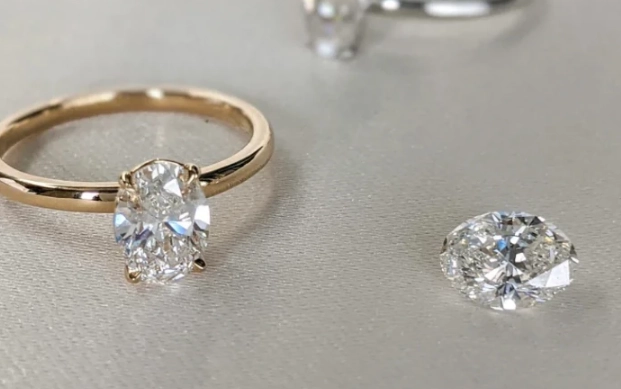
Where to Buy
You have options, from online giants to local jewelers.
Online Retailers (e.g., Brilliant Earth, James Allen, Clean Origin): Pros: Huge selection, competitive prices, easy filtering by all 4Cs, often show you the exact stone. Cons: Can't see it in person before buying, rely on customer service for sizing/returns.
Local Independent Jewelers: Pros: Personal service, can see and try on pieces, support local business. Cons: Selection may be smaller, prices may be higher due to overhead.
Big-Box & Mall Stores: Pros: Convenience. Cons: Staff may be less knowledgeable about lab-grown specifics, selection might be limited to pre-set designs.
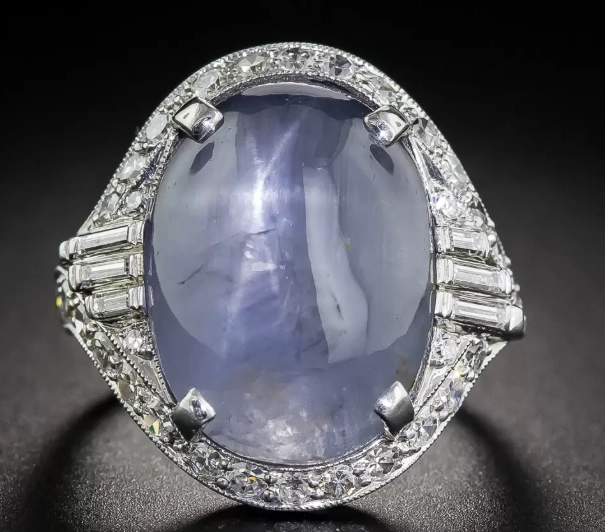
I bought my wife's lab-grown sapphire ring online after weeks of comparing stones. The experience was smooth, but I made sure their return policy was rock-solid (pun intended).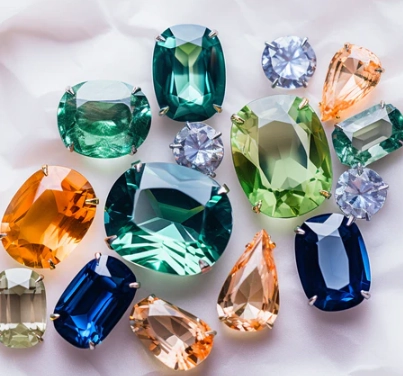
Addressing the Tough Questions (FAQ)
Let's tackle the stuff that keeps people up at night.
My Final Take: Who Are Lab Created Gemstones Really For?
After all this research and my own experience, I think lab created gemstones are a phenomenal choice for specific people.
They're perfect for you if: Your budget is a primary concern and you want the biggest, clearest stone you can get. You prioritize ethical sourcing and want a transparent supply chain. You love cutting-edge science and the story of human ingenuity. You view jewelry as a beautiful object for adornment, not a financial asset to be traded.
You might still prefer natural if: The idea of a billion-year-old natural wonder is emotionally irreplaceable for you. You are making a purchase with a strong eye on potential future resale or heirloom value. The traditional rarity and geology are a core part of the gem's appeal.
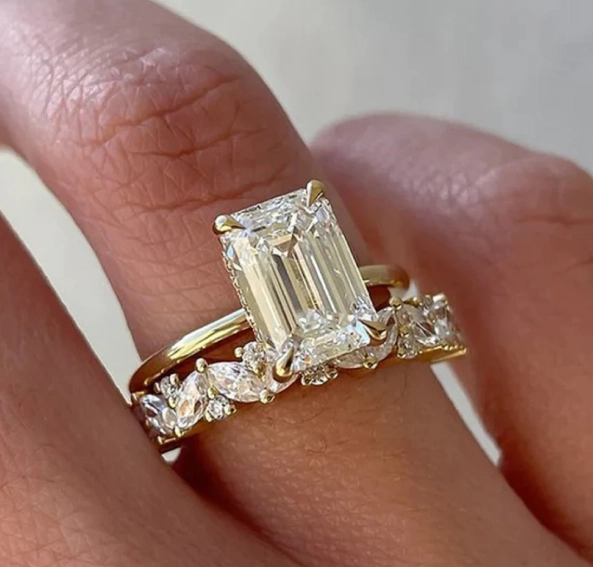
There's no right or wrong answer, only what's right for you. The jewelry industry is changing fast, and lab created gemstones are a huge part of that change. They've democratized luxury in a way we haven't seen before. For my money—and my conscience—they were the right call. The ring I bought is stunning, it sparked conversations about technology and ethics, and honestly, no one who sees it sparkle on her hand asks if it came from the earth or a lab. They just say it's beautiful.
And at the end of the day, that's what a gemstone is supposed to be.
The key is to go in with your eyes open. Get the certificate, understand the trade-offs, and buy from someone who answers all your questions patiently. Whether you choose a creation of the Earth or a creation of human brilliance, make sure it's a choice you feel great about for years to come.