Quick Guide
Let's be honest. Shopping for a gemstone today feels different than it did for our grandparents. Back then, you walked into a store, looked at what was under the glass, and that was it. The stone came from the earth, end of story. Now? You're hit with a dozen questions before you even start. Natural or lab created? Does it matter? Is one "fake"? Will my friends judge my choice? It's enough to make your head spin.
I remember helping my partner pick out an engagement ring. We spent weeks going down this rabbit hole. Salespeople gave us conflicting advice. Online forums were full of strong opinions, often from people who seemed more invested in being right than being helpful. We felt paralyzed. Maybe you're feeling that now, staring at two seemingly identical stones with wildly different price tags and origin stories.
This guide is what I wish I had back then. We're not going to just list facts. We're going to unpack the real-world implications of choosing between natural and lab gemstones.We'll talk beauty, sure, but also value, ethics, and even the weird emotional stuff that nobody in a jewelry store wants to bring up. By the end, you won't just know the difference—you'll know which difference matters to you.
The Core Question: Are lab-created gemstones real? This is the biggest myth to bust right away. Yes, they are absolutely real gemstones. A lab-grown diamond is a diamond. A lab-created sapphire is a sapphire. They have the same chemical composition, crystal structure, and physical properties as their natural counterparts. The only difference is their birthplace: one in the earth's crust over millions of years, the other in a controlled laboratory environment over weeks or months. Calling them "fake" is like calling ice from your freezer "fake ice" compared to ice from a glacier.
Where They Come From: A Tale of Two Origins
Understanding the origin story is key to grasping the fundamental difference in the natural vs lab gemstones debate. It's not just about location; it's about process, time, and the very philosophy of creation.
The Natural Path: Earth's Slow Artistry
Natural gemstones are accidents of geology. They form under specific, rare combinations of intense heat, immense pressure, and precise chemical conditions deep within the Earth. A diamond, for instance, forms about 100 miles underground, where carbon atoms are subjected to pressures over 725,000 pounds per square inch and temperatures around 2,200 degrees Fahrenheit. Then, violent volcanic eruptions called kimberlite pipes must carry them to the surface where humans can potentially find them.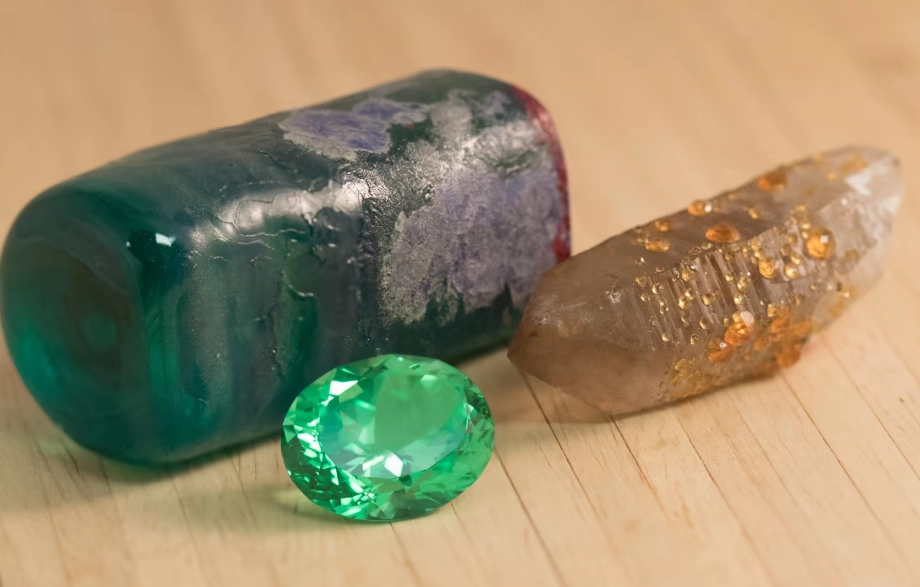
The timeline is mind-boggling. Most natural diamonds are between 1 to 3.5 billion years old. To put that in perspective, they were forming before multi-cellular life existed on our planet. That sense of deep time is a big part of their allure for many people. It's a tangible connection to the ancient Earth. But this process is also incredibly inefficient and rare. Miners must move literally tons of rock and earth to find just one carat of gem-quality diamond. That scale of operation has consequences, which we'll get into later.
The Lab Path: Human Precision Engineering
Lab gemstones skip the geological lottery. Scientists replicate the essential conditions for gemstone formation, but in a highly controlled chamber. The two main methods are:
- High Pressure High Temperature (HPHT): This method mimics the Earth's natural diamond-forming environment. A small diamond "seed" crystal is placed in a press with pure carbon and subjected to extreme pressure and heat until the carbon melts and forms a new diamond around the seed.
- Chemical Vapor Deposition (CVD): More common for diamonds today. A diamond seed is placed in a vacuum chamber filled with carbon-rich gas (like methane). The gas is ionized into plasma using microwaves, causing the carbon atoms to "rain" down and build up on the seed, layer by atomic layer, like growing a crystal from a gas.
For colored stones like sapphires, rubies, and emeralds, the Flame Fusion or Hydrothermal processes are common. Flame fusion involves melting aluminum oxide powder (for sapphire/ruby) and letting it crystallize as it falls through a flame. The hydrothermal process for emeralds is closer to a sped-up natural process, growing crystals in a hot, pressurized water solution.
The result? A gemstone with the same physical, chemical, and optical properties as a natural one. The process takes weeks to months, not eons. The control is so precise that labs can sometimes produce colors and clarities that are exceptionally rare in nature.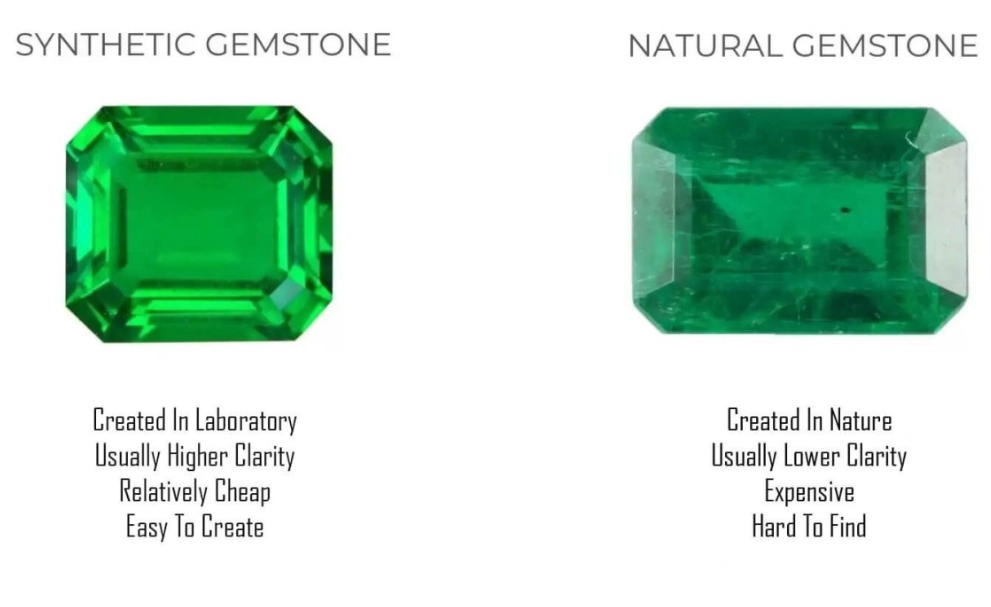
"The choice between natural and lab isn't about quality or reality. It's a choice between a story of immense geological time and chance, and a story of human ingenuity and control."
Side-by-Side: The Nitty-Gritty Comparison
Let's move past the poetry and look at the practicalities. When you place a natural and a lab gemstone of the same type side-by-side, what actually changes? Here’s a breakdown of the key characteristics.
| Characteristic | Natural Gemstones | Lab-Created Gemstones |
|---|---|---|
| Chemical Composition & Structure | Identical to their lab counterparts. A natural diamond is C (carbon). A natural sapphire is Al₂O₃ (aluminum oxide). | Identical to their natural counterparts. A lab diamond is C. A lab sapphire is Al₂O₃. |
| Hardness & Durability | Defined by the Mohs scale (Diamond=10, Sapphire=9, etc.). This is a property of the material itself. | Exactly the same. A lab diamond is a 10 on the Mohs scale, just as hard as a natural one. |
| Optical Properties (Brilliance, Fire, Luster) | Determined by cut, clarity, and the material's inherent refractive index and dispersion. | Identical potential. A well-cut lab diamond will sparkle just as fiercely as a well-cut natural diamond. |
| Color & Clarity | Wide, natural variation. Inclusions (internal features) are common and often act as a unique fingerprint. Rare colors (e.g., pink, blue, red) command extreme premiums. | Often higher clarity on average due to controlled growth. Color can be precisely engineered, making rare fancy colors more accessible and affordable. |
| Identification | Can be identified by trained gemologists and advanced lab equipment (like those at the Gemological Institute of America - GIA) due to specific growth patterns and trace elements. | Requires advanced gemological testing to distinguish from natural. Reputable labs laser inscribe their stones on the girdle for disclosure. Always ask for a certificate from a major lab like GIA or IGI. |
See? On paper, they're twins.
But paper doesn't buy jewelry. People do. And people care about things beyond refractive indices. The real distinctions—and the reasons you might lean one way or the other—lie in the areas that aren't so easily tabled.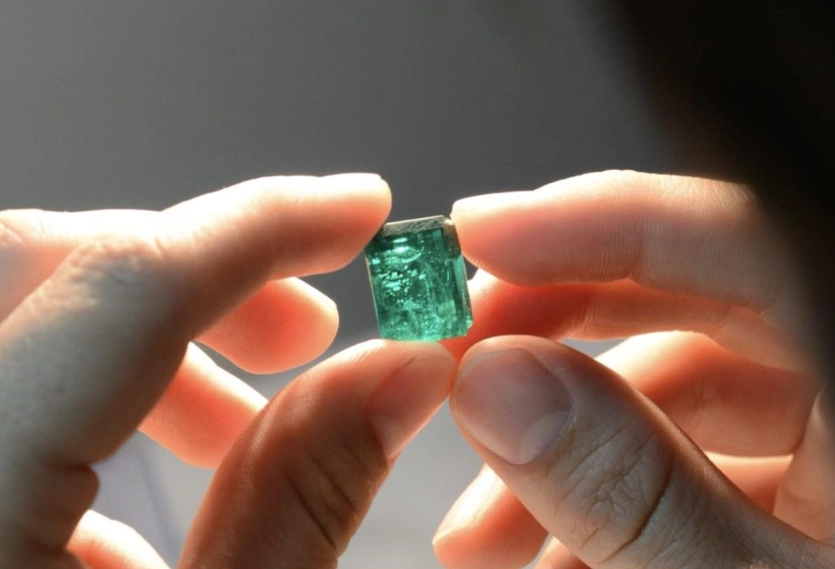
The Big Three Decision Drivers: Cost, Ethics, and Value
This is where the rubber meets the road. When you're deciding between natural vs lab gemstones, you're almost always weighing some combination of these three factors.
1. The Price Tag: A Staggering Difference
Let's not mince words. The price difference is the most immediate and shocking factor. Lab-created gemstones typically cost 60-80% less than their natural equivalents. For a 1-carat, VS clarity, G color diamond, you might pay $6,000-$8,000 for a natural stone. A lab-created diamond with identical specs? You're likely looking at $1,500-$2,500.
Why? The supply chain for natural stones is astronomically more expensive. Exploration, mining, sorting, and the sheer rarity factor all add up. Lab growth is a manufacturing process. Once the technology is established, it can produce consistent output with relatively high efficiency and lower marginal cost for each additional stone.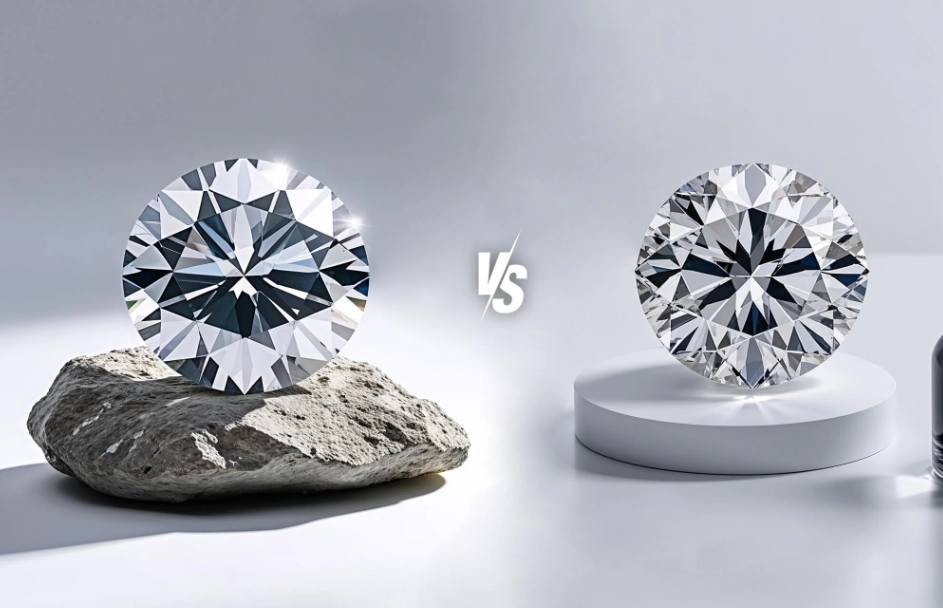
What this means for you: With lab stones, you can get a significantly larger or higher-quality stone for the same budget. Or, you can get the stone you want and have a lot of money left over. For many, this is a no-brainer. But it leads directly to the next point...
2. Resale Value and Investment: The Uncomfortable Truth
Here's where the natural vs lab gemstones debate gets prickly, and where a lot of marketing glosses over the details. Historically, natural diamonds and certain colored gems (like fine rubies, sapphires, and emeralds) have retained some value and could be resold. They were seen as a store of value, albeit not a particularly liquid one.
Lab-created gemstones, currently, have little to no resale value. Think of them like other consumer electronics or manufactured goods—they depreciate significantly the moment you leave the store. The technology is improving and becoming cheaper, so tomorrow's stones may be even more affordable, which undermines the resale value of today's stones.
My personal take? Viewing any gemstone, natural or lab, as a financial investment is generally a bad idea. The market is opaque, markups are huge, and selling is difficult. You should buy a gemstone because you love it and want to wear it, not as a retirement plan. If the potential for future value is important to you, natural is currently the only game in town. But if you're buying for emotional value and personal enjoyment, this point matters much less.
3. Ethics and Environmental Impact: A Complex Landscape
This is a major driver for many modern buyers, and it's not a simple good vs. bad story.
Natural Gemstones: The shadow of conflict diamonds (or "blood diamonds") still looms, though the international Kimberley Process has made strides to regulate the trade. Ethical concerns today extend beyond conflict to include poor labor conditions, worker safety, and community displacement in some mining regions. Environmentally, large-scale mining creates massive land disturbance, uses enormous amounts of water, and generates significant waste.
On the flip side, responsible mining exists. Some mines provide crucial jobs and economic development for remote communities. Organizations like the Responsible Jewellery Council work to certify ethical and environmental practices. If you choose natural, seeking out stones with provenance from Canada, Botswana, or Australia, or those certified by these bodies, can mitigate concerns.
Lab-Created Gemstones: They are often marketed as the clean, ethical choice. And in many ways, they are. No direct mining displacement or labor issues. However, they are not a zero-impact product. The HPHT and CVD processes are extremely energy-intensive. If that energy comes from coal, the environmental footprint can be substantial. The industry is aware of this, and many leading producers are now committing to renewable energy sources.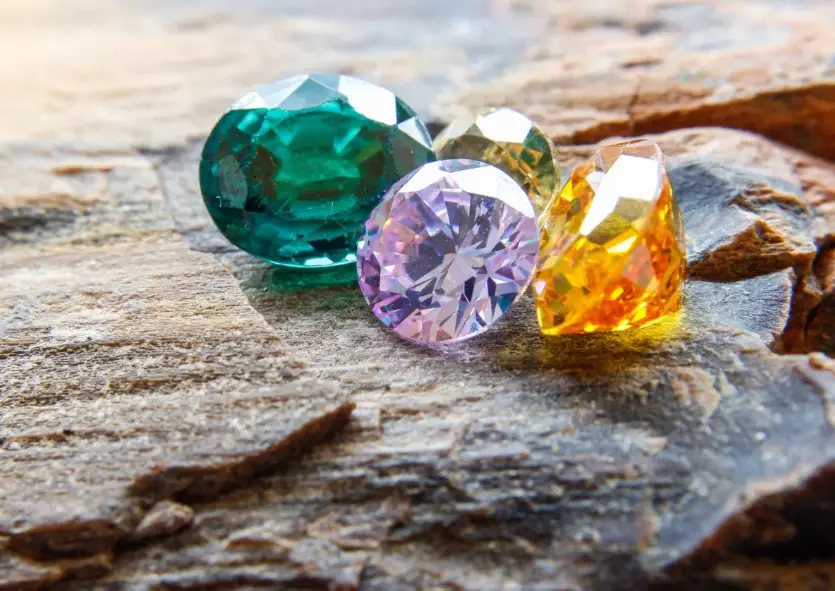
So which is more ethical?
There's no universal answer. A lab stone made with solar power has a strong case. A natural stone from a certified, community-benefiting mine also has a strong case. A natural stone of unknown origin or a lab stone made in a grid powered by fossil fuels? Less so. You have to dig into the specific source, which any reputable seller should be willing to discuss.
Myth Buster: "Lab-grown diamonds are flawless." Not true. They can have inclusions and color variations just like natural stones. The growth process can create unique internal features (like metallic flux inclusions in some HPHT stones) that are different from natural inclusions but are still imperfections.
How to Spot the Difference (And Why You Probably Can't)
I hear this all the time. "I want a natural stone because I can tell the difference." With the naked eye? Almost certainly not. Even most jewelers need specialized equipment to tell high-quality lab stones from natural ones.
The differences are microscopic and relate to growth patterns and trace elements. Natural diamonds often contain tiny amounts of nitrogen and have specific crystal growth zones. Lab diamonds might have different strain patterns or metallic inclusions from the growth chamber. These are not visible when the stone is set in a ring and sparkling on your hand.
This is why certification and disclosure are non-negotiable. Always, always get an independent grading report from a major gemological laboratory. For diamonds, GIA and IGI are the gold standards. They will clearly state if the stone is natural or laboratory-grown. Reputable sellers of lab stones will often have them laser-inscribed on the girdle with a report number. If a deal seems too good to be true for a "natural" stone, or if a seller is evasive about paperwork, run.
Answering Your Burning Questions
Yes. Durability is a function of hardness and toughness, which are identical. A lab diamond will scratch just what a natural diamond scratches: nothing but another diamond. It will last for generations if cared for properly.
No. They are stable, crystalline materials. A lab sapphire will not fade in sunlight. Some treated natural stones (like diffusion-treated sapphires or irradiated topaz) might have stability issues, but that's a treatment problem, not a lab vs. natural problem.
Yes, with the right tools. But they won't be able to just glance at it. They'll use a microscope, possibly a spectrometer. The appraisal and any insurance paperwork should accurately reflect that the stone is laboratory-created, as this affects its insured value.
This is deeply personal. For some, the romance is in the ancient, one-in-a-billion journey from the Earth's mantle. For others, the romance is in the modern symbol of love, unburdened by ethical concerns, allowing for a more spectacular stone. There's no right answer. Talk with your partner about what the symbol means to you both.
Absolutely not. This is a critical distinction. Moissanite (SiC) and CZ (ZrO₂) are different materials that look vaguely like diamonds. A lab diamond is a diamond (C). Moissanite and CZ have different chemical, physical, and optical properties. They are diamond simulants, not lab-grown diamonds.
Key Takeaway: The right choice isn't about what's objectively "better." It's about what aligns with your personal values, budget, and the story you want your jewelry to tell.
Making Your Choice: A Practical Checklist
Feeling overwhelmed? Let's simplify. Ask yourself these questions:
- Budget is my primary driver. I want the biggest, clearest, most beautiful stone I can get for my money. → Lean Lab.
- Inherent rarity and geological history are important to me. The idea of owning a billion-year-old object gives it meaning. → Lean Natural.
- Ethical sourcing and environmental impact are my top concerns. I've done my research on specific mines or lab producers. → Choose the option whose provenance you can verify and support.
- I view my jewelry as a potential heirloom and store of value. → Lean Natural (with the caveat that it's not a guaranteed investment).
- I just want a beautiful, durable stone without the baggage. I don't care about the backstory. → Lab is a fantastic, logical choice.
- I'm worried about what others will think. → This is the worst reason to choose. Buy for yourself, not for perceived judgment. Both are valid, real choices.
At the end of the day, the best gemstone is the one that makes you smile when you look at it. The one you're proud to wear. Whether that story was written over a billion years in the dark or a few weeks in a spotless lab, the light it catches is the same. The joy it brings can be the same. Your job is just to decide which origin story resonates with you, own that choice with confidence, and then go find a stone that takes your breath away.
And for what it's worth, after all our research, my partner chose a lab-grown sapphire. It's a stunning, deep blue that we could never have afforded in a natural stone of that size and quality. Not a single person has ever asked if it's "real." They just say it's beautiful. And for us, that was the whole point.