Your Gemstone Navigation
- What Are Gemstone Meanings, Really?
- The Core Gemstone Properties: A Guide by Color & Purpose
- Your Birthstone & Beyond: Personal Gemstone Connections
- How to Choose Your Gemstone: A No-Nonsense Guide
- Caring for Your Crystals: Cleansing & Charging Basics
- Common Questions (And My Honest Answers)
- Wrapping It Up: Your Journey, Your Meanings
Let's be real. We've all seen those gorgeous crystals in shops or on Instagram, sparkling away and promising everything from endless love to boundless wealth. It's easy to be skeptical. I was too, for a long time. I bought my first amethyst because it was purple and looked cool on my desk. I didn't expect to feel anything. But then, something shifted. Maybe it was placebo, maybe it was something else, but that little cluster became my go-to during stressful work calls. I'd just hold it, and things felt...calmer.
That personal curiosity is what led me down the rabbit hole of gemstone meanings. It's a world that's equal parts ancient history, geology, and personal spirituality. This isn't about magic wands or instant fixes. It's about symbolism, intention, and connecting with the earth's energy in a way that feels right for you. Whether you're a complete newbie who just likes shiny things or someone looking to deepen a spiritual practice, understanding what these stones represent can add a surprising layer of meaning to your life.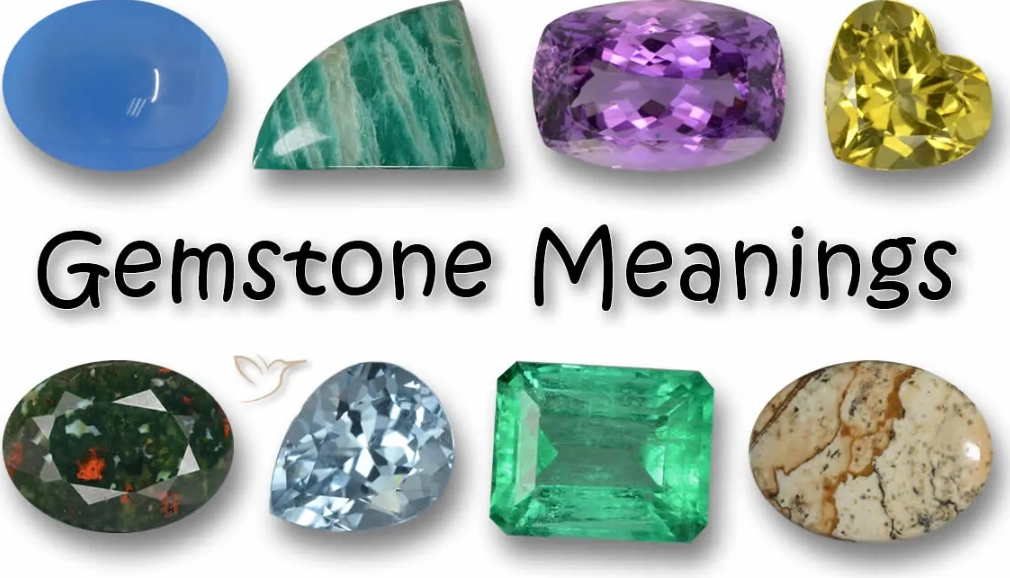
What Are Gemstone Meanings, Really?
So, what do people actually mean when they talk about the meaning of a gem? It's a mash-up of a few things.
First, there's the historical and cultural symbolism. For thousands of years, across nearly every civilization, humans have attributed power and significance to colorful stones. The Egyptians buried lapis lazuli with their pharaohs for protection in the afterlife. Ancient Greeks believed amethyst prevented drunkenness (its name literally means "not intoxicated"). These stories are the bedrock of modern interpretations.
Then there's the metaphysical or energetic property. This is the idea that crystals have a stable, vibrating energy field due to their precise geometric atomic structure. The theory goes that this energy can interact with our own bioenergetic field. Proponents believe different minerals resonate at different frequencies, affecting our mood, thoughts, or even physical body. Mainstream science doesn't back this up, of course, but the placebo effect and the power of mindful intention are themselves potent forces.
Finally, there's color psychology. We instinctively react to color. Green feels calming and connected to nature, red feels passionate and energizing. A gem's color plays a huge role in its ascribed meaning. A green stone like jade is almost always linked to growth and harmony, while a red stone like garnet ties into vitality and courage.
When you combine these elements—history, energy theory, and color—you get the rich tapestry of modern gemstone meanings. It's less about the stone doing something to you, and more about what it represents for you. It's a physical anchor for your goals.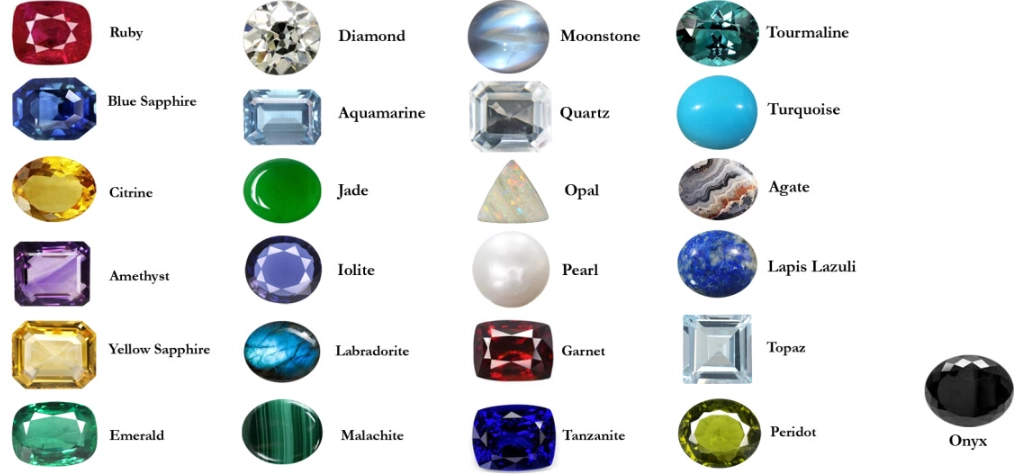
The Core Gemstone Properties: A Guide by Color & Purpose
Diving into individual stones can be overwhelming. A great way to start is to think in categories. What are you looking for? Emotional healing? Mental clarity? Physical vitality? Protection? Love? Grouping stones by their primary attributed properties makes it much easier to find what resonates.
Here’s a breakdown of some of the most sought-after purposes and the stones commonly associated with them. Remember, these are traditional associations—your personal experience is the ultimate guide.
Stones for Love & Relationships
This isn't just about romantic love. It's about self-love, friendship, compassion, and healing old heartaches.
Rose Quartz Green Aventurine RhodoniteRose Quartz is the undisputed champion here. It's known as the "Heart Stone." Its gentle pink energy is all about unconditional love, forgiveness, and emotional healing. I keep a tumbled piece on my nightstand. Does it magically fix everything? No. But seeing it reminds me to be softer with myself, especially on tough days. Green Aventurine is sometimes called the "Stone of Opportunity," and in matters of the heart, it's believed to attract new relationships or improve existing ones by promoting empathy and openness. Rhodonite, with its black veins running through pink, is fascinating. It's said to heal emotional wounds and scars, helping you learn from past pain rather than be defined by it.
Stones for Protection & Grounding
Feeling scattered, anxious, or like you're absorbing negativity from others or your environment? These are the go-to stones.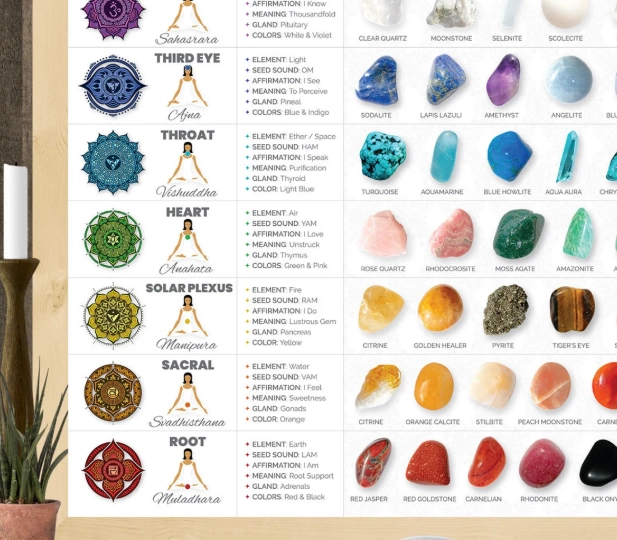
Let's talk about Black Tourmaline. This is the bodyguard of the crystal world. It's famously known for creating a protective shield, deflecting negative energy, and even grounding electromagnetic frequencies (EMFs) from devices. Many people keep a piece by their computer or front door. Smoky Quartz is like a gentle, grounding hug. It's fantastic for dissolving fear, lifting depression, and helping you feel more connected to the present moment and the physical earth. Obsidian, particularly Black Obsidian, is a powerful protector and truth-revealer. It's a volcanic glass that forms quickly, and it's said to cut through illusions and bring hidden emotions or blockages to the surface to be released. A word of caution from my experience: Obsidian can be intense. Don't meditate with it for hours if you're new to crystals—start slow.
Stones for Clarity, Focus & Intuition
Need to make a decision, study for an exam, or tap into your inner wisdom? These stones are linked to the mind and the "third eye."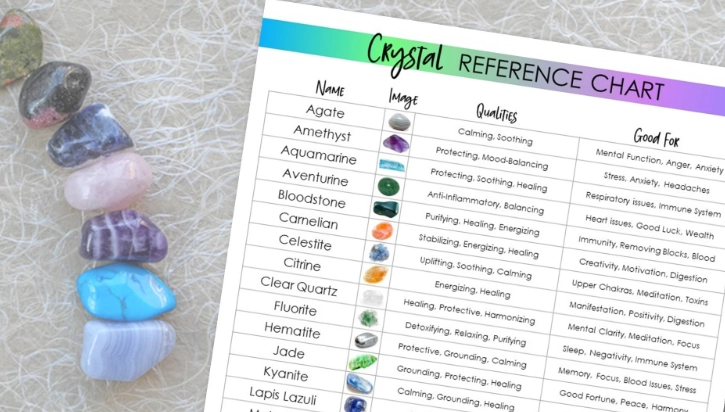
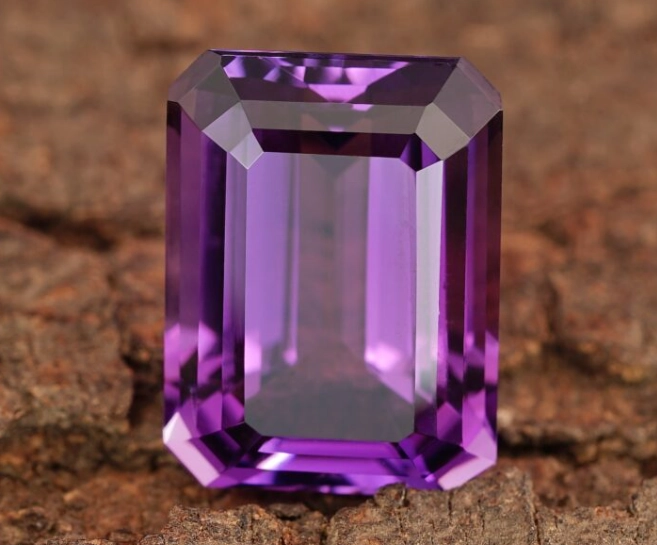
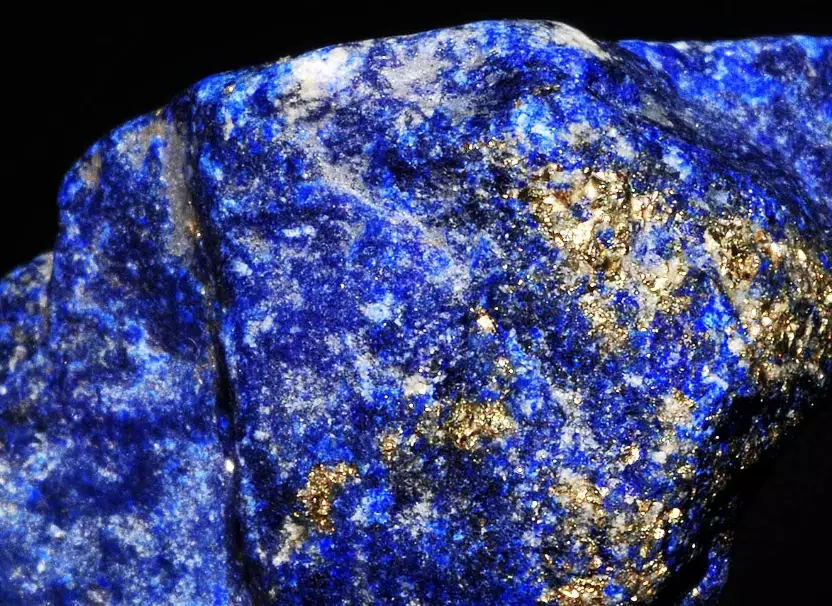
Lapis Lazuli has been prized since antiquity. Its deep blue with flecks of gold pyrite is stunning. Historically, it symbolized wisdom and truth. Today, it's associated with stimulating intellectual ability, enhancing memory, and encouraging honest communication. Amethyst is the classic stone for calming the mind and enhancing intuition. It's said to quiet mental chatter, making space for deeper insights and spiritual awareness. It's also widely considered a powerful cleansing and purifying stone. Then there's Clear Quartz, often called the "Master Healer." It's believed to amplify the energy and intentions of any other stone and to bring clarity and focus to any situation. It's like the multi-tool of the crystal world.
Your Birthstone & Beyond: Personal Gemstone Connections
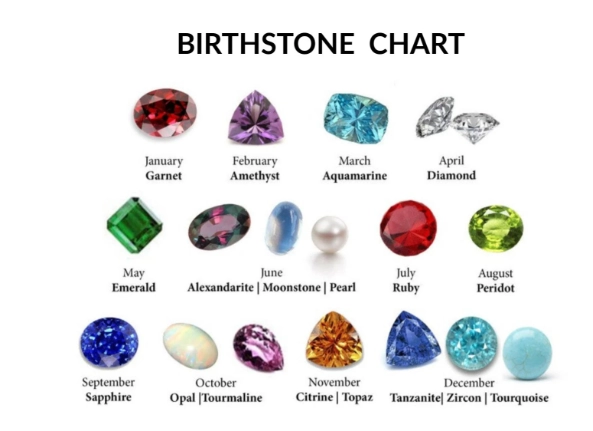
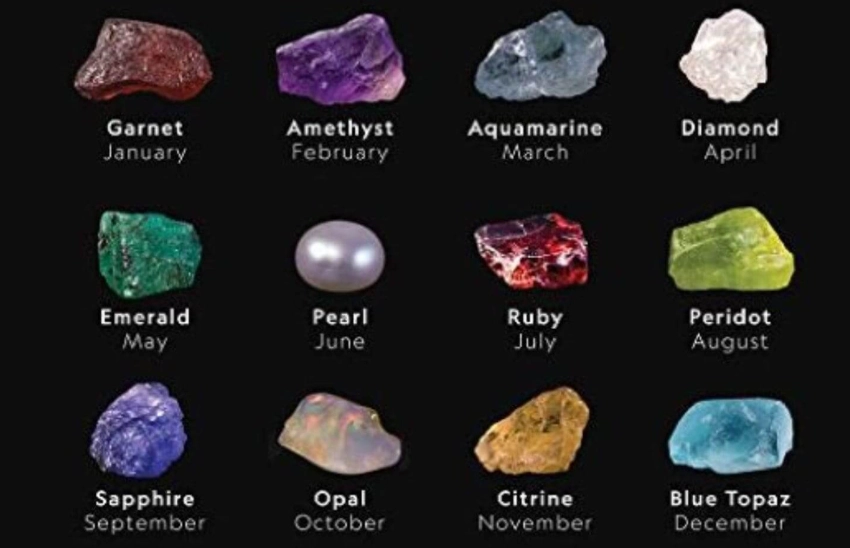
Most people's first encounter with gemstone meanings is through their birthstone. That modern list you see in jewelry stores? It was standardized in 1912 by the Jewelers of America to, well, sell more jewelry. But the concept of linking gems to months or zodiac signs is ancient.
Your traditional birthstone can be a wonderful starting point. It's a stone connected to your entry into the world. But don't feel limited by it! Many people feel a stronger pull to their astrological birthstone (based on their zodiac sign) or even a completely different stone they just feel drawn to. I'm a July baby, so my traditional stone is Ruby. I appreciate its associations with passion and vitality, but I've always felt a deeper connection to Moonstone (an alternative June stone) and its link to intuition. Go with what feels right.
Here’s a quick look at traditional, modern, and some popular alternative birthstones. It's interesting to see how the lists have evolved and diversified.
| Month | Modern Birthstone | Traditional Birthstone | A Popular Alternative/Meaning |
|---|---|---|---|
| January | Garnet | Garnet | Garnet – Commitment, regeneration, protective energy for travel. |
| February | Amethyst | Amethyst | Amethyst – Peace, intuition, sobriety of mind. |
| March | Aquamarine | Bloodstone | Aquamarine – Courage, calm, communication (linked to the sea). |
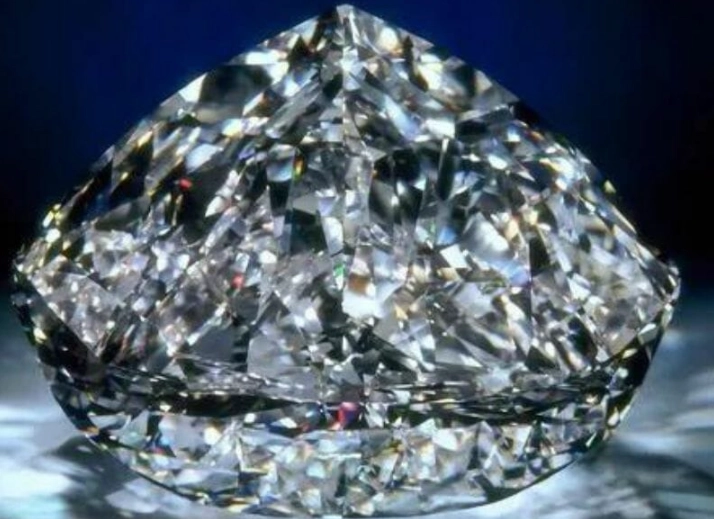
| April | Diamond | Diamond | Diamond – Invincibility, clarity, everlasting love. |
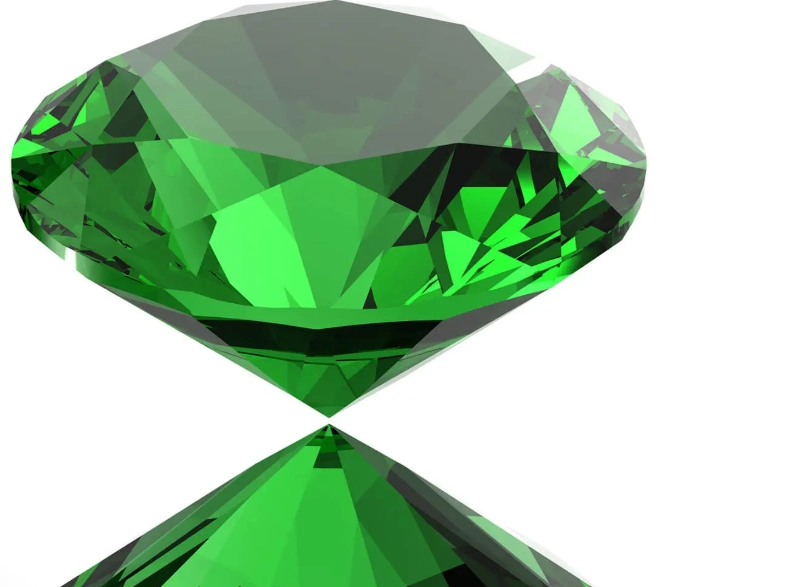
| May | Emerald | Emerald | Emerald – Unconditional love, rebirth, patience. |
| June | Alexandrite/Pearl | Pearl | Moonstone – New beginnings, feminine energy, intuition. |
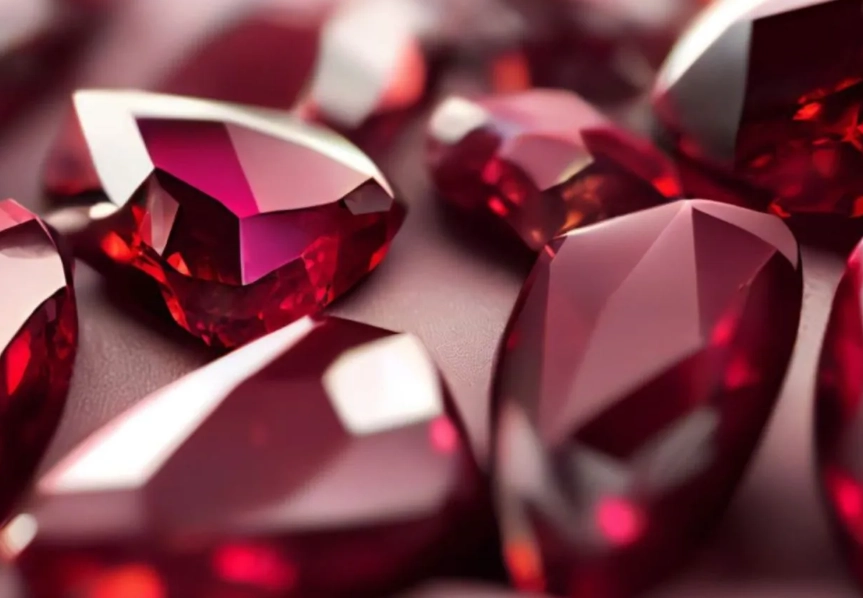
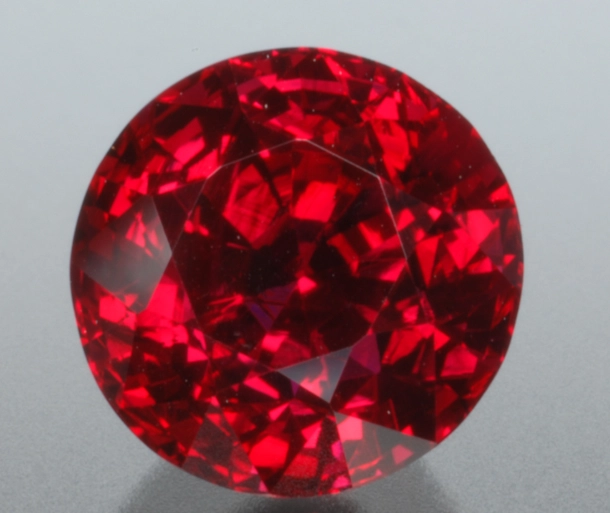
| July | Ruby | Ruby | Ruby – Passion, vitality, wealth, leadership. |
| August | Peridot/Spinel | Sardonyx | Peridot – Healing, protection from negativity, abundance. |
| September | Sapphire | Sapphire | Sapphire – Wisdom, loyalty, spiritual insight. |
| October | Opal/Tourmaline | Opal | Tourmaline (especially Pink) – Compassion, emotional healing. |
| November | Topaz/Citrine | Topaz | Citrine – Sunshine stone for abundance, joy, motivation. |
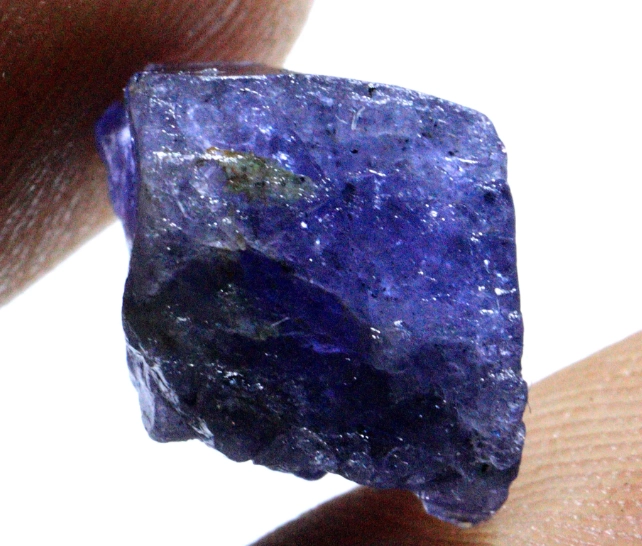
| December | Tanzanite/Zircon/Turquoise | Turquoise | Turquoise – Healing, protection, friendship, wisdom. |
For authoritative information on the geological and gemological properties of these birthstones, organizations like the Gemological Institute of America (GIA) are incredible resources. They provide scientifically-grounded facts about how these stones form, their chemical composition, and how to identify them, which adds a whole other layer of appreciation beyond just their metaphysical gemstone meanings.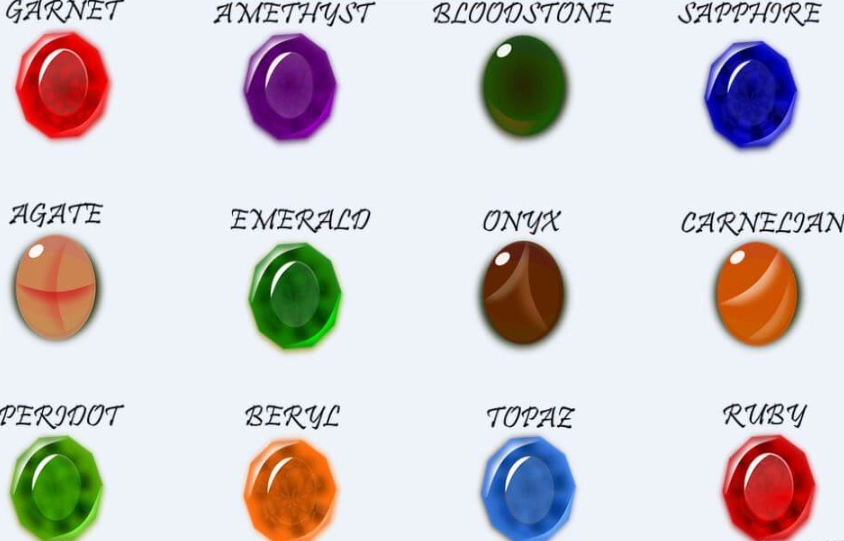
How to Choose Your Gemstone: A No-Nonsense Guide
Walking into a crystal shop can be sensory overload. So many colors, shapes, sizes! How do you pick one? Forget complicated rituals. Use your senses and your intuition.
1. The Visual Pull: Which stone are you constantly looking at? Which color makes you feel good right now? Often, your eye is drawn to what your energy needs. Feeling drained? You might find yourself looking at bright yellow Citrine. Need peace? Soft blue Sodalite might call to you.
2. The Physical Feel: If you can, hold the stone. Does it feel warm, cool, heavy, light, smooth, or textured? Some people report a slight tingling or magnetic pull. I don't always feel that, but I have noticed that stones I'm meant to have just feel "right" in my hand—comfortable and familiar, even if I've never seen them before.
3. The Intention Method: Before you shop, sit quietly for a moment. Ask yourself: "What do I need most right now?" Don't force an answer. Just let a word or feeling surface—"calm," "focus," "strength." Then, while browsing, see which stone your attention lands on when you hold that intention in mind.
4. Research After the Fact: It's perfectly okay to buy a stone just because it's beautiful, then look up its traditional meanings later. You might be surprised at how relevant they are to your current life situation. Sometimes the stone chooses you before you understand why.
Caring for Your Crystals: Cleansing & Charging Basics
Think of a new crystal like a sponge. It may have passed through many hands from the mine to the store. The idea behind cleansing is to reset its energy, wiping it clean of any previous influences so it can work with yours. Charging is like giving it a fresh battery, often by exposing it to a natural energy source.
There are a dozen ways to do this, but here are the simplest, most accessible methods:
- Running Water: Hold your stone under cool, natural running water (a stream is ideal, but a tap works) for a minute. Visualize any stagnant energy washing away. Warning: Don't use water on soft or porous stones like Selenite, Halite, or Malachite, as they can dissolve or be damaged.
- Smoke Cleansing: Pass your stone through the smoke of burning sage, palo santo, or incense. This is a classic method for purification.
- Sunlight or Moonlight: Placing stones in direct sunlight for a few hours is a powerful charger, but it can fade some colored stones (like Amethyst or Rose Quartz). Gentle moonlight, especially during a full moon, is a safer, potent option for charging. I leave my crystals on the windowsill overnight during a full moon—it's become a nice little ritual.
- Earth Burial: Burying your stone in the earth (in a safe spot!) for 24 hours is a profound way to cleanse and reconnect it with its source.
- Sound: Using a singing bowl, bell, or even chanting near your crystals uses sound vibrations to clear energy.
How often? You'll know. If a stone starts to feel "heavy" or less effective, or if it's been through an intense situation with you, it's probably time for a cleanse. For a deeper dive into the mineralogy and physical care of crystals, websites like Mindat are an invaluable mineralogical database.
Common Questions (And My Honest Answers)
Do I have to believe for gemstone meanings to work?
Not necessarily. An open mind helps, but even a healthy dose of skepticism can coexist with the practice. Think of it as a tool for mindfulness. Holding a smooth jade worry stone can physically ground you during anxiety, regardless of its traditional properties. The ritual itself—taking a moment, focusing on an intention—is where a lot of the power lies.
Can a gemstone really heal physical illness?
This is where I draw a hard line. No crystal can cure cancer, diabetes, or any other medical condition. Anyone who tells you otherwise is giving dangerous advice. In holistic practices, some stones are used to support overall well-being or complement medical treatment (e.g., a stone for reducing stress during recovery), but they are never a replacement for doctors, medicine, or surgery. Always, always prioritize modern medicine.
How many gemstones do I need?
You need exactly one more than you currently have. Just kidding! Start with one or two that genuinely call to you. A small collection of 3-5 versatile stones (like Clear Quartz, Amethyst, Black Tourmaline, Rose Quartz, and Citrine) can cover a wide range of intentions. It's not a competition. A single, meaningful stone is worth more than a shelf full of pieces you feel nothing for.
Is it bad if I lose or break a gemstone?
This happens all the time. Some people believe a stone breaks because it has absorbed too much negative energy for you. Others say a lost stone has simply finished its work with you. I've broken a few, and my first reaction was always disappointment. But now I see it as part of their journey—and mine. Don't stress over it. Thank it for its time (if that feels right) and let it go.
Where's the best place to buy genuine stones?
Be wary of mass-produced, super-cheap lots online. They're often lower quality or even dyed glass. Look for reputable local crystal shops, gem shows, or online sellers with detailed photos, good reviews, and who provide information about the stone's origin. A good seller should be able to tell you what the stone is (its name) at the very least. Learning basic identification helps too—the GIA's public education resources are perfect for this.
Wrapping It Up: Your Journey, Your Meanings
Exploring gemstone meanings is a deeply personal adventure. It's a blend of ancient tradition, personal symbolism, and simple human attraction to the beauty of the natural world. The most important meaning a gemstone will ever have is the one you give it.
That amethyst on my desk? To a geologist, it's a purple variety of quartz with iron impurities. To a historian, it's a stone of royalty and sobriety. To me, it's a touchstone for calm—a little piece of peace I can hold when the world gets too loud. That meaning is just as real and valid as any other.
So start simple. Pick up a stone that makes you smile. Learn its stories, but also write your own with it. Use it as a focus for your goals, a reminder of your strength, or just a beautiful object that connects you to the earth. There's no wrong way to do it, as long as it feels true to you. That's the real magic.
The world of crystals is vast and waiting. Your unique understanding of gemstone meanings is just beginning.