In This Guide
Let's be honest. You've probably seen those stunning pictures of amethyst clusters or smooth rose quartz stones all over social media. They look amazing on a shelf, sure. But then you hear people talking about gemstone properties—how they can calm your mind, bring you luck, or even help you sleep better. And you're left wondering... is any of this real, or is it just a bunch of pretty rocks with clever marketing?
I was in the same boat a few years back. I bought a cute little citrine point because someone said it would help with my creativity. It sat on my desk. It looked nice. Did my creativity explode? Not really. But it did make me pause and wonder what I was missing. That curiosity sent me down a rabbit hole, talking to collectors, reading way too many geology papers, and yes, even chatting with crystal enthusiasts to separate the folklore from the fascinating science and history.
So, what are we actually talking about when we discuss gemstone properties? It's not one thing. It's a blend. It's the hard, factual science of what the stone is—its color, how it forms in the earth, its molecular structure. And it's the soft, centuries-old tapestry of what people believe it can do—its meaning, its symbolism, its place in healing traditions. This guide is my attempt to unpack all of that for you, without the hype.
Gemstone Properties (The Core Idea): This term refers to the complete set of characteristics that define a gem. This includes its physical properties (like hardness, color, and crystal structure), its optical properties (like brilliance or pleochroism), and its metaphysical or healing properties (the symbolic meanings and purported energetic benefits attributed to it across various cultures). Understanding all these facets is key to appreciating a gem beyond its surface beauty.
The Bedrock: Physical and Optical Properties (The Science Stuff)
Before we get into intentions and energy, we have to start with the dirt—literally. How a gemstone forms deep in the earth dictates everything about it. This is the non-negotiable foundation. Knowing these gemstone properties helps you buy smarter, care for your stones properly, and even spot a fake.
Think of it like buying a car. You want to know the engine specs, not just the paint color.
Mohs Hardness: Will It Scratch if You Breathe on It?
This is the big one. The Mohs scale runs from 1 (talc, super soft) to 10 (diamond, the ultimate hard). It's a scale of scratch resistance, not shatter resistance. A common mistake.
For everyday wear in a ring, you generally want a stone with a hardness of 7 or above. Why? Because dust particles often contain quartz (hardness 7), and if your ring stone is softer, those particles will slowly scratch it up over time. Opal, for all its beauty, sits around 5.5-6.5. Gorgeous, but delicate. I learned this the hard way with a lovely opal pendant that now has a few tiny scuffs from... just living.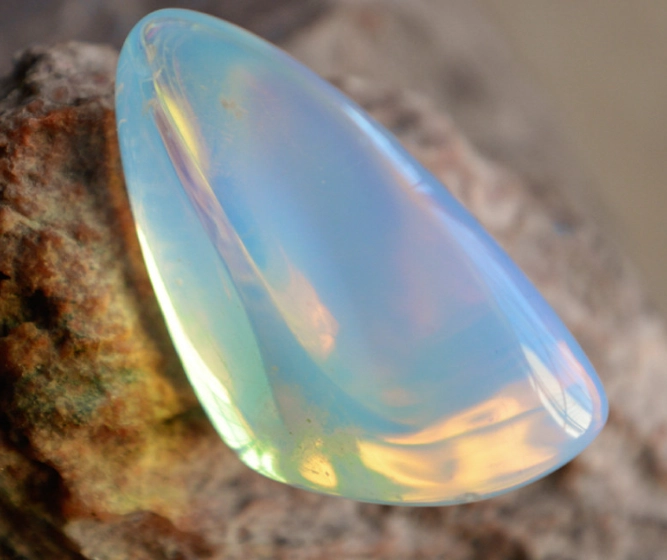
My take: Don't stress about hardness for stones that will sit on a shelf or in a pouch. But for rings or bracelets that take daily knocks, it's the most practical consideration on this list. A scratched-up stone loses its sparkle fast.
Color & Clarity: Where the Magic (and the Price) Lives
Color in gems comes from trace elements or structural quirks. Iron might give you peridot's lime green or amethyst's purple. Chromium gives ruby its red and emerald its green. Sometimes, color zones are natural and beautiful; other times, they can mean lower value.
Clarity refers to internal inclusions or surface blemishes. Here's where opinions diverge. In the diamond world, flawless is king. But in many colored stones, inclusions are like a fingerprint—proof it's natural. Some, like rutile needles in quartz (creating rutilated quartz), are the whole point. A perfectly clean, deep blue aquamarine might be stunning, but it might also be... synthetic. The Gemological Institute of America (GIA) has fantastic, science-based resources on how these features form, which is way more interesting than just judging them.
Which brings me to a pet peeve: the obsession with perfection. A garden-variety quartz point with a cloudy tip and an iron stain running through it has more story, more connection to the earth, than a flawless, lab-created cube any day. At least to me.
The Human Layer: Metaphysical Properties & Meanings
Okay, here's where the conversation gets interesting—and where you need to put your skeptic's hat on, but maybe leave it perched lightly. The metaphysical properties of gemstones aren't about measurable energy fields (science hasn't caught up to that, if it ever will). They're about psychology, symbolism, and ancient tradition. They work as a focus, a tangible reminder of an intention you set.
You hold a smooth, cool piece of blue lace agate. You've read it's associated with calm and clear communication. Just holding it makes you take a deep breath and think, "Okay, let me try to speak calmly." That's a real effect. The stone didn't magically infuse you with calm. You used it as a tool to access a state you already have the capacity for. Big difference.
A Quick Look at Common Gemstone Associations
These meanings aren't random. They often come from color psychology, historical use, or simple analogy over centuries.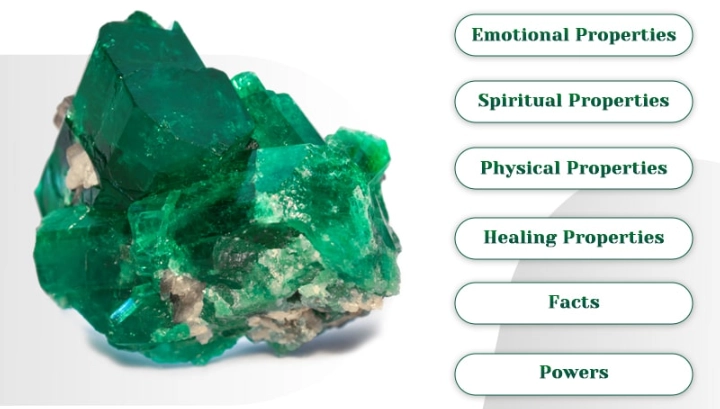
| Gemstone | Common Physical Properties | Popular Metaphysical Associations | My Practical Take |
|---|---|---|---|
| Amethyst | Purple Quartz, Mohs 7 | Calm, intuition, sobriety, spiritual connection. | Great for a bedside table. Its calming reputation might just help quiet a busy mind before sleep. |
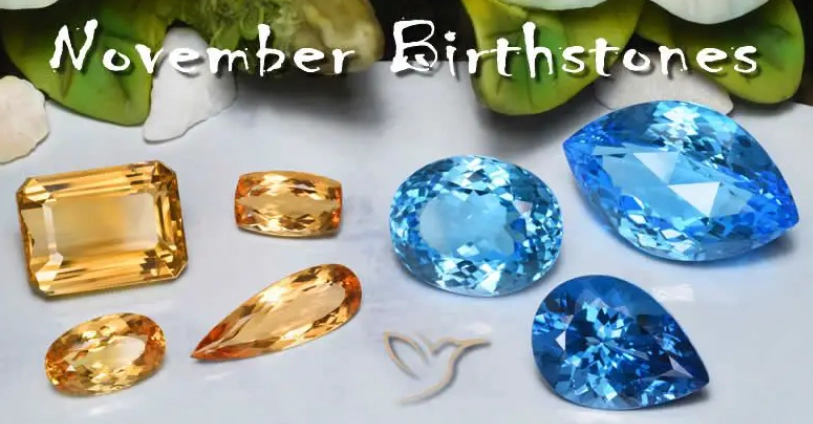
| Citrine | Yellow Quartz, Mohs 7 | Abundance, joy, creativity, personal power. | Often heat-treated from amethyst. A genuine, natural deep yellow is rarer. A sunny-looking stone on your desk can be a mood booster. |
| Black Tourmaline | Complex borosilicate, Mohs 7-7.5 | Grounding, protection, negative energy shielding. | Heavy and dark. Its "grounding" property feels literal. Good for people who feel scattered or anxious. |
| Rose Quartz | Pink Quartz, Mohs 7 | Unconditional love, self-love, heart healing. | Ubiquitous for a reason. Its soft pink color is inherently soothing. A simple, gentle stone. |
| Fluorite | Calcium fluoride, Mohs 4 (soft!) | Mental clarity, focus, organization. | Often has beautiful banding in greens/purples. Very soft—keep it in a study, not a ring! The "clarity" association likely comes from its layered, structured appearance. |
See how the physical and metaphysical sometimes hint at each other? Fluorite's neat bands for organization. Black tourmaline's weight for grounding. It's not proof, but it shows how the human mind makes connections.
How to Actually Choose a Gemstone: A No-Woo Guide
So you're browsing a shop or a website, overwhelmed. Do you pick by birthday month? By a problem you want to solve? By which one winks at you? Here's a down-to-earth process.
First, ask: What's the purpose?
- Jewelry for daily wear? Hardness is your #1 filter. Look at sapphire, quartz varieties, topaz. Be kind to opals and fluorite—keep them for pendants or earrings.
- A desk piece for focus? Maybe you want something with a "clarity" association like fluorite or sodalite, or just a shape you like to fidget with.
- For a meditation anchor? Feel becomes important. A smooth palm stone, a point you can hold. Choose a color that evokes the feeling you're after (blue for calm, green for balance, etc.).
Second, ignore the name, look at the stone. Don't get hung up on finding "the" stone for confidence. Look at all the yellow/brown/red stones—citrine, tiger's eye, carnelian. Which one's color and pattern actually resonate with you? A vibrant, sparkly carnelian might fire you up more than a pale citrine, even if both are linked to motivation.
My biggest piece of advice: handle them if you can. A picture of a malachite and holding its cool, swirling weight are two different experiences. The one that feels right in your hand is often the right choice, regardless of the textbook gemstone meanings and properties. I chose a rather plain-looking smoky quartz over a flashier one once because it just felt solid and steady. No regrets.
Third, buy from reputable sources. A little knowledge helps. If a seller is making wild, unverified medical claims ("cures cancer!"), that's a red flag. Good sellers will talk about geology, sourcing, and tradition, not miracle cures. Check out mineralogy databases like Mindat.org to see what natural specimens really look like, so you can spot the fakes or misleading treatments.
Caring for Your Stones: Because They're Not Invincible
Once you have them, they need a little TLC. This ties directly back to their physical gemstone properties.
Sunlight: Many gems are fade-prone. Amethyst, citrine, rose quartz, celestite, fluorite—their colors can bleach in direct, prolonged sunlight. Keep them out of the window display.
Water: Generally safe for hard, non-porous stones like quartz and sapphire. But many stones are porous or contain elements that react with water. Opals can crack, malachite and selenite can dissolve, pyrite can rust. When in doubt, keep it dry. A soft cloth is your friend.
Cleansing (the metaphysical kind): If you're into the energetic aspect, the idea is to clear a stone of absorbed energies. Methods include rinsing under cool water (if safe!), leaving it in moonlight, smudging with sage, or burying it in dry salt. Personally, I find simply holding it with the intention of resetting it works just fine. Do what feels respectful to you and safe for the stone.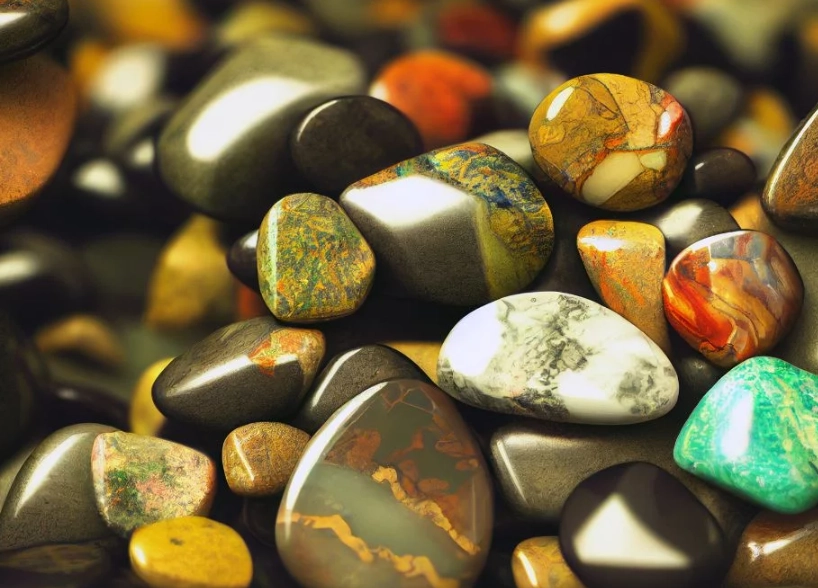
Answering the Real Questions You're Probably Asking
Do healing crystals actually work?
If you mean "do they emit measurable healing energy?" Science says no conclusive evidence exists. If you mean "can they be a useful tool for mindfulness, intention-setting, and creating a positive environment?" Then absolutely, yes. They work as a psychological anchor. The placebo effect is also a real, measurable effect. If believing a stone helps you feel calm actually makes you feel calm, that's a valid result.
How do I know what gemstone is right for me?
Forget complex charts. Start simple. What color are you drawn to right now? Go with that. What's the feeling you need more of? Find a stone traditionally linked to it, and see if its look speaks to you. Or, just pick the one you think is the prettiest. There are no crystal police. Your connection to it is the most important property it can have.
What's the difference between a crystal and a gemstone?
All gems are minerals, but not all are crystals (opal is non-crystalline). "Crystal" often implies a raw, natural geometric shape. "Gemstone" often implies it's been cut, polished, and fashioned for jewelry. In everyday talk, they're used pretty interchangeably. A mineral like hematite (a major iron ore) can be a gemstone when polished into shiny beads.
Can I wear multiple stones together?
Of course. Some people worry about energies clashing. I think that's overcomplicating it. If you like the way they look together, wear them. If you're layering intentions (like a rose quartz for self-love and a citrine for confidence), that's a powerful combination of focuses. Your style, your rules.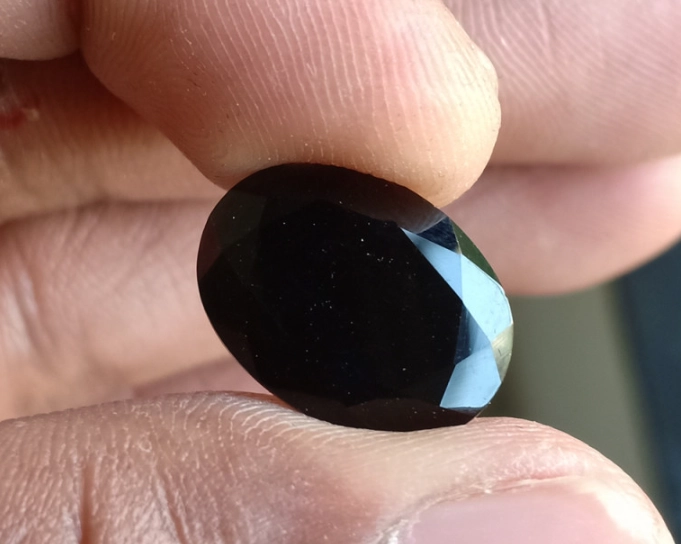
Wrapping It Up: Your Takeaway
Exploring gemstone properties is a journey with two paths. One is the path of science and geology—learning how these incredible pieces of our planet form. It's objective, fascinating, and helps you be an informed buyer. The other path is one of meaning and personal practice—using these natural objects as tools for reflection and intention. That path is subjective, personal, and deeply human.
The best approach is to walk both paths at once. Appreciate the mohs hardness of your sapphire, and also appreciate the sense of wisdom it's symbolized for centuries. Understand that your amethyst formed in a gas cavity millions of years ago, and let its purple hue remind you to take a deep breath.
Don't get so lost in the lists of crystal healing properties that you forget to simply enjoy the stone for what it is: a unique, natural work of art. Start there. The rest—the meanings, the practices—will grow from your own genuine connection to it. That's where the real magic happens, not in the stone, but in the attention and intention you bring to it.
Now go find a stone that catches your eye. Hold it. Feel its weight and temperature. That's the first lesson in its properties, and it's the most honest one you'll ever get.