Guide Overview
- Before You Buy: The No-Nonsense Guide to Choosing Gemstone Jewelry
- Beyond the Sparkle: What Does Your Gemstone Jewelry Mean?
- Keeping It Beautiful: The Real Talk on Gemstone Jewelry Care
- Styling Your Gemstone Jewelry: Making It Work for You
- Answers to Questions You Might Be Hesitant to Ask
- The Bigger Picture: Ethics and Sustainability in Gemstone Jewelry
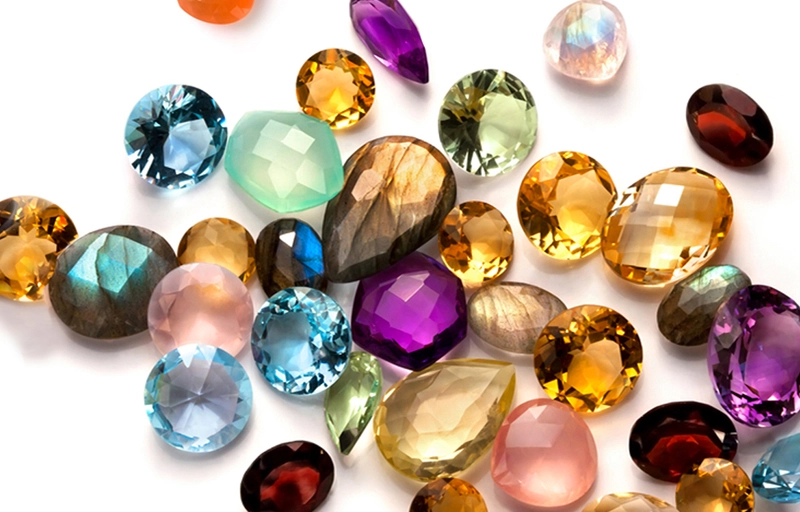
Let's talk about gemstone jewelry. You know, those pieces that catch your eye not just because they're shiny, but because they seem to have a story. A deep blue sapphire ring, a string of vibrant turquoise beads, a delicate pendant with a tiny but fiery opal. They're different from your standard diamond solitaire. They have color, character, and often, a meaning that goes beyond mere decoration.
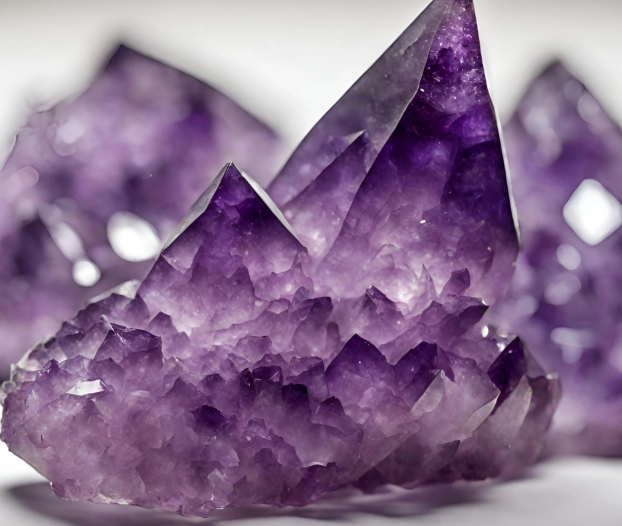
I remember buying my first serious piece of gemstone jewelry. It was an amethyst pendant. I liked the color, a rich purple that reminded me of dusk. I didn't know much back then. Was it a good stone? Was the setting sturdy? I just bought it on a whim. A few years later, the prong snagged on a sweater and the stone chipped. Lesson learned the hard way.
That's why I'm writing this. So you can skip my mistakes and go straight to the good part—owning and loving a piece of gemstone jewelry that lasts. Whether you're buying for yourself, looking for a meaningful gift, or just trying to understand what you already own, this guide is meant to be your roadmap. We'll cut through the jargon and get to the practical stuff.
Before You Buy: The No-Nonsense Guide to Choosing Gemstone Jewelry
Walking into a jewelry store or scrolling through endless online listings can be overwhelming. Every piece is "stunning" and "unique." How do you actually make a smart choice? It comes down to knowing what to look for, beyond the initial "wow" factor.
Understanding the 4 Cs (But for Colored Stones)
Everyone's heard of the 4 Cs for diamonds. For colored gemstones, the rules shift a bit. Color becomes king, but the other factors still matter immensely.
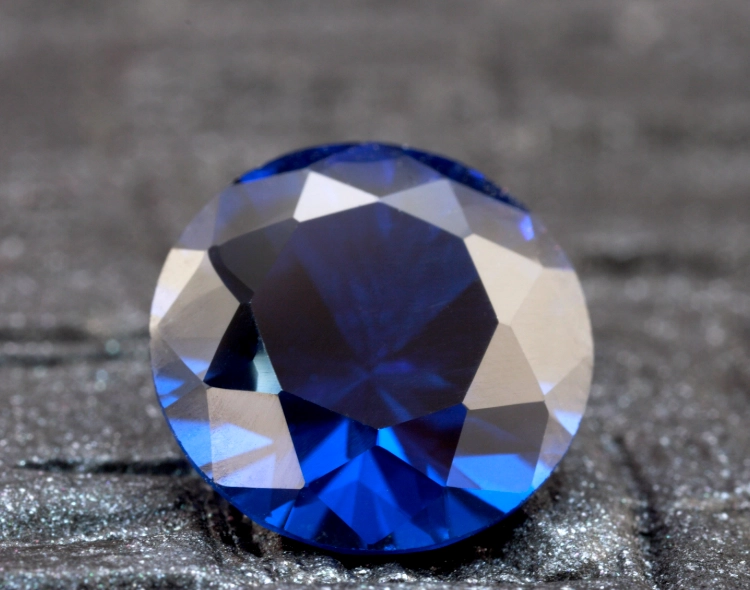
Color: This is the big one. When evaluating color, look at three things: Hue (the basic color—is it a pure green or a bluish-green?), Tone (how light or dark it is), and Saturation (the intensity or vividness of the color). A top-quality gemstone usually has a vivid, saturated color that's neither too dark nor too light. For example, the most prized sapphires are a velvety, medium-dark blue. A sapphire that's almost black or a pale, washed-out blue won't command the same value or visual impact.
Here's a personal opinion: don't get too hung up on textbook perfection. Sometimes a gem with a slight secondary hue (like a purplish-red ruby) has more personality than a technically "pure" one. It's about what speaks to you.
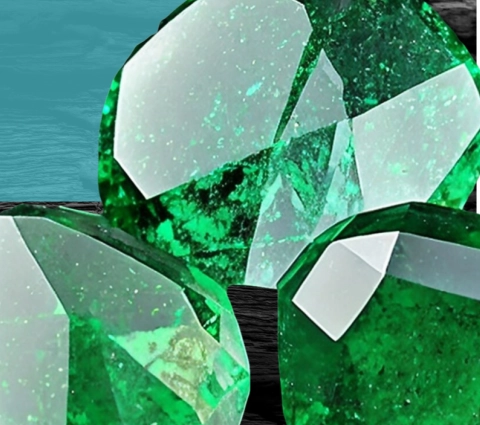
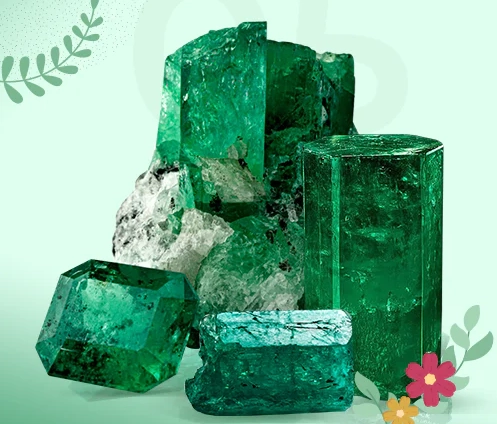
Clarity: Inclusions are common in gemstones. In fact, they're like fingerprints, proving the stone is natural. The key is location and type. An inclusion in the center that catches the light might be distracting. One near the girdle (the edge) might be hidden by the setting. Some inclusions, like the "silk" in a ruby, can actually enhance the value by creating a soft glow (called asterism or cat's eye effect). For stones like emeralds, inclusions are almost expected—they're called "jardin" (French for garden) because they look like mossy gardens inside the stone. A completely flawless emerald is incredibly rare and priced accordingly, often raising suspicion about its authenticity.
Cut: This isn't just about the shape (oval, cushion, pear). It's about how well the cutter has shaped the rough stone to maximize its color, brilliance, and overall beauty. A good cut makes the color look rich and the stone lively. A poor cut can make even a great color look dead or windowed (where you can see straight through it, lacking depth). For colored stones, the cut is often designed to prioritize color over pure sparkle.
Carat Weight: Simple enough—it's the size. But remember, density varies. A one-carat ruby will be smaller in physical size than a one-carat emerald because ruby is denser. Don't just shop by carat; consider the millimeter dimensions, especially for rings where fit is important.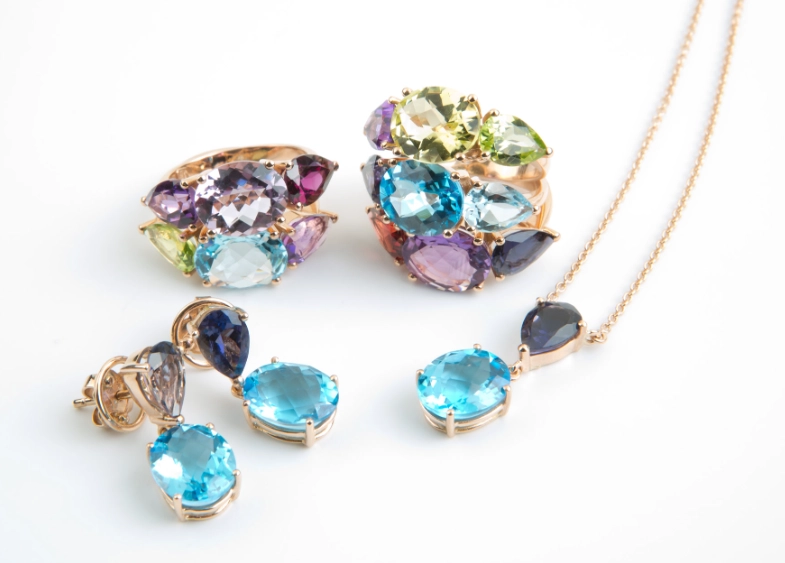
Durability: Will This Stone Survive My Life?
This is crucial and often overlooked. Not all gemstones are created equal for daily wear. The Mohs scale of hardness is your best friend here. It's a scale from 1 (talc) to 10 (diamond) that measures a mineral's resistance to scratching.
| Gemstone | Mohs Hardness | Good for Daily Wear? | Care Level |
|---|---|---|---|
| Diamond | 10 | Excellent | Low |
| Sapphire/Ruby (Corundum) | 9 | Excellent | Low |
| Emerald (Beryl) | 7.5 - 8 | Good, but cautious | Medium-High |
| Topaz | 8 | Good | Medium |
| Quartz (Amethyst, Citrine) | 7 | Okay for occasional wear | Medium |
| Opal | 5.5 - 6.5 | No (for rings) | Very High |
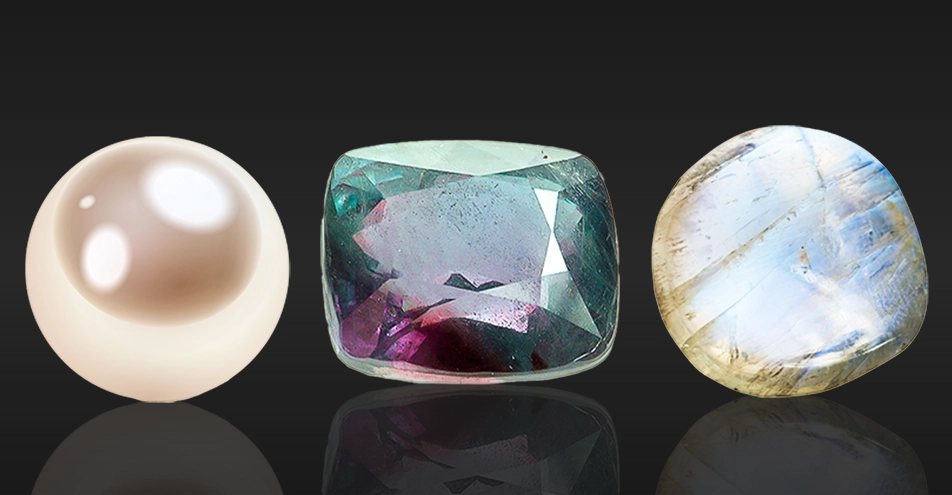
| Pearl | 2.5 - 4.5 | No (for rings/bracelets) | Very High |
So, what does this mean practically? A stone with a hardness below 7 (like opal, turquoise, or pearl) is a poor choice for a ring you plan to wear every day. It will scratch, chip, and wear down. They're better suited for pendants or earrings, which see less impact. My chipped amethyst (hardness 7) taught me that even "okay" stones need a protective setting and mindful wear.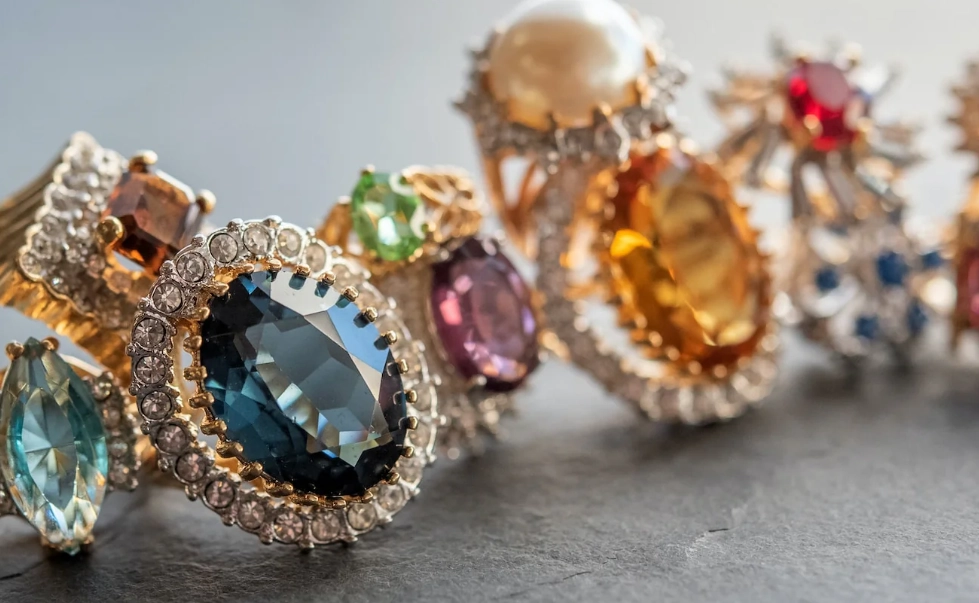
But hardness isn't the whole story. Toughness—resistance to breaking—is different. Emerald, for instance, has good hardness but often has inclusions that make it brittle. It can chip if knocked hard. Jade, on the other hand, has only moderate hardness (6.5-7) but exceptional toughness due to its interlocking fibrous structure. It's been carved for centuries.
Beyond the Sparkle: What Does Your Gemstone Jewelry Mean?
This is where gemstone jewelry gets really personal. For centuries, cultures have attributed meanings, powers, and symbolism to different stones. Whether you buy into the metaphysics or just enjoy the historical romance, it adds a layer of significance.
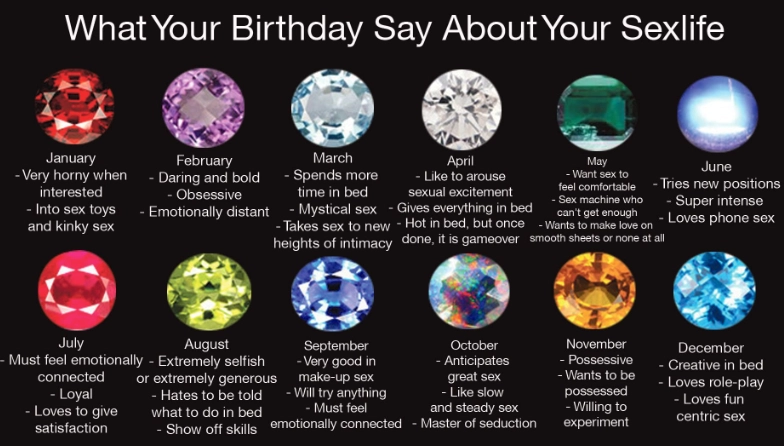
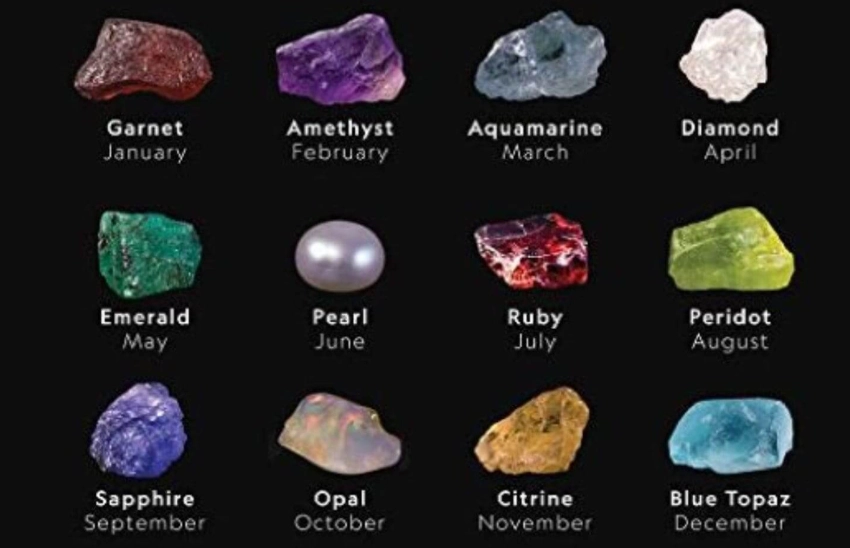
Birthstones are the most common system. The modern list, standardized by jewelry industry associations like the American Gem Trade Association, gives each month one or more stones. A piece of birthstone jewelry makes a profoundly personal gift. It says you thought about *them*, their specific time of year.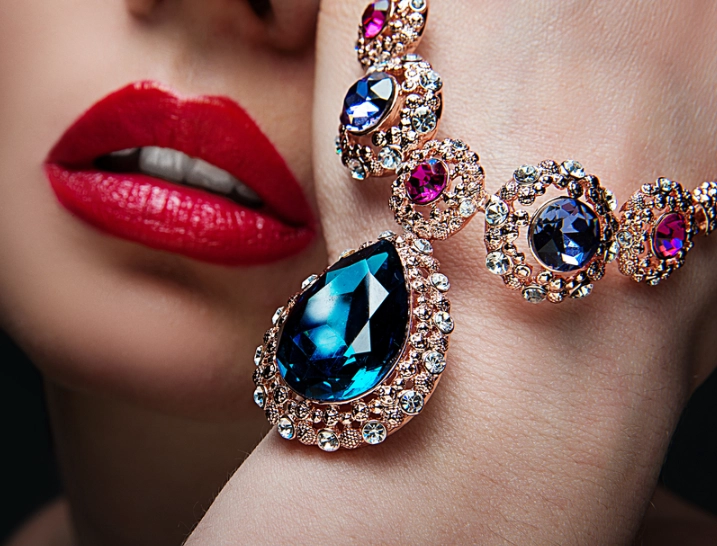
- January (Garnet): Symbolizes constancy and loyalty. A deep red garnet necklace feels steadfast.
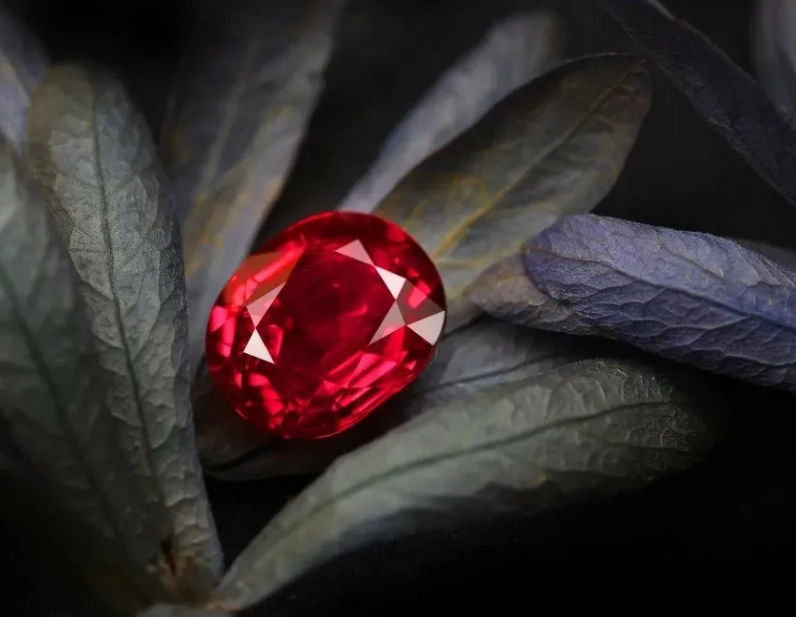
- July (Ruby): The king of gems, associated with passion, protection, and vitality. A ruby ring is a bold statement.
- October (Opal & Tourmaline): Opal, with its play-of-color, signifies creativity and magic. Tourmaline comes in every color, symbolizing versatility.
But it goes deeper. Many people choose gemstones for their supposed healing or energetic properties. Amethyst for calm and clarity. Rose quartz for love and compassion. Black tourmaline for grounding and protection. I'm a bit skeptical about the "energy" part, scientifically speaking. But I can't deny that putting on a cool, smooth piece of jade in the morning does have a calming, mindful effect. The ritual itself has power.
The meaning you assign is the one that matters most.
Maybe the stone reminds you of a place—a turquoise from a trip to the Southwest. Maybe it's your grandmother's peridot brooch. That personal history, that memory, is the real value. When you're choosing gemstone jewelry as a gift, think about these layers. Is the recipient practical? A durable sapphire might be perfect. Are they creative and whimsical? An opal could be a dream.
Keeping It Beautiful: The Real Talk on Gemstone Jewelry Care
Okay, you've bought a beautiful piece. Now what? Gemstones aren't indestructible trophies you lock away. They're meant to be worn. But worn smartly.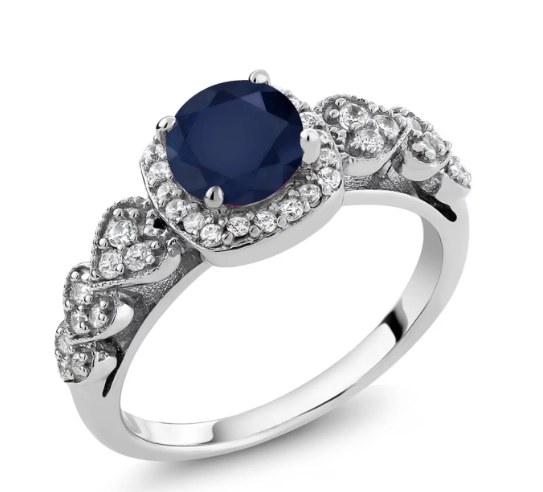
The number one rule: Know your stone. The care for a diamond tennis bracelet is wildly different from the care for an opal ring or a strand of pearls.
The Universal "Don'ts"
These apply to almost all gemstone jewelry, fragile or not.
- Don't wear it during chores. Cleaning products, gardening, gym workouts—this is where most damage happens. Chemicals can erode metals and damage porous stones or treatment fillers. Physical impact can chip anything.
- Don't toss it in a jumble. That diamond ring will scratch that emerald ring if they're thrown together in a box. Use soft pouches or a jewelry box with separate compartments.
- Avoid extreme temperature changes. Sudden heat can fracture some stones, especially if they have liquid inclusions (like some emeralds). Don't leave jewelry on a sunny windowsill or wear it in a sauna.
Cleaning: One Method Does NOT Fit All
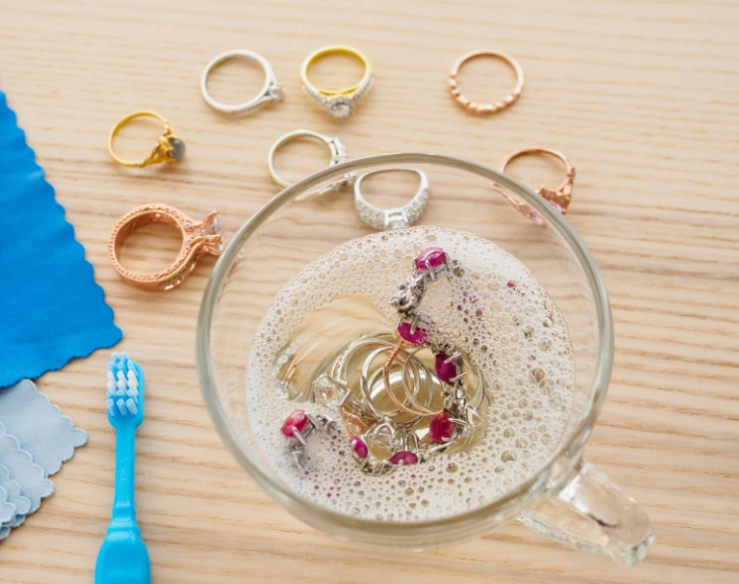
This is where people mess up. They buy an ultrasonic cleaner and think it's a magic box. It can be a death sentence for many gems.
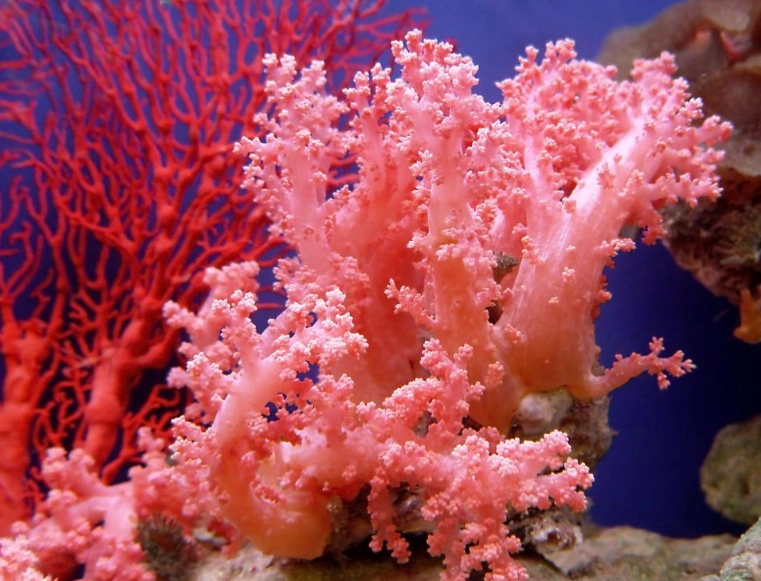
For organic gems like pearls and coral, just wipe with a damp cloth after wearing. Your body's acids and perfumes are the main enemies. Always put pearls on last, after perfume and hairspray.
For opals, they can contain a small amount of water. Avoid very dry environments (like a safe deposit box for years) which can cause crazing (fine cracks). Wiping with a soft cloth is enough.
Styling Your Gemstone Jewelry: Making It Work for You
So you have this gorgeous piece. How do you wear it without looking like you're trying too hard? The beauty of gemstone jewelry is its versatility.
Color Clashing is a Myth
Forget the old "rule" about not mixing blue and green. A deep blue sapphire pendant looks incredible against an emerald green sweater. It's all about tone and confidence. Analogous colors (colors next to each other on the color wheel, like blue, teal, and green) always work. Complementary colors (opposites, like blue and orange) create vibrant pop.
My favorite trick? Let one piece of gemstone jewelry be the star. If you're wearing a statement citrine cocktail ring, keep the rest of your jewelry simple—small diamond studs, a plain metal bracelet. Don't let multiple bold stones compete.
From Day to Night
A simple pair of stud earrings with a modest gemstone (like peridot or blue topaz) is perfect for the office. For evening, you can switch to drops or hoops with more carat weight, or add a bold cocktail ring. A delicate gemstone pendant can be layered with other fine chains for a more dynamic, modern look.
Consider the neckline. A pendant sits nicely on a V-neck or scoop neck. A brooch can elevate a blazer lapel or a simple dress. Chokers and shorter strands work with higher necklines or off-the-shoulder styles.
The goal is to feel like yourself, just a bit more luminous.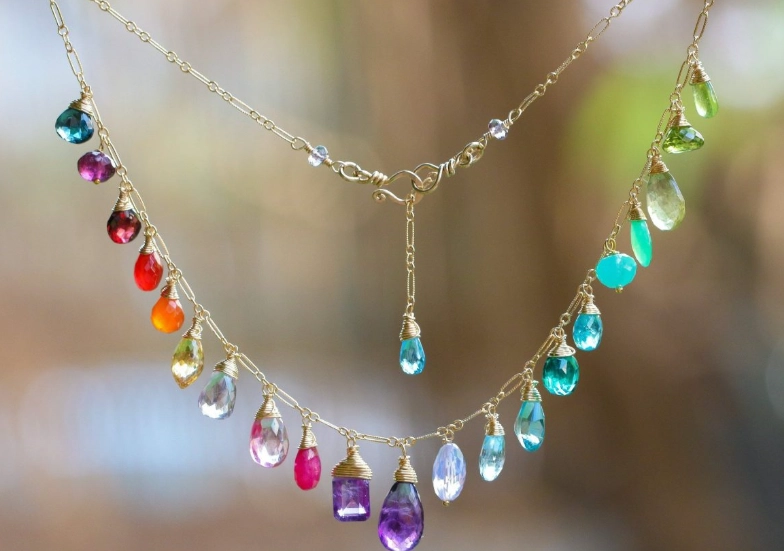
Answers to Questions You Might Be Hesitant to Ask
Let's tackle some of those niggling doubts that pop up when you're seriously considering a piece of gemstone jewelry.
The Bigger Picture: Ethics and Sustainability in Gemstone Jewelry
We can't talk about beautiful things without acknowledging where they come from. The gemstone mining industry has a complex history. The good news is that awareness and change are growing.
What can you do as a buyer?
- Ask Questions: Where are the stones from? What are the mining conditions? Do they support local communities? A seller who cares will have answers or be working to find them.
- Look for Provenance: Some companies now offer gemstones with traceable origins, from specific mines known for better practices.
- Consider "Fair Trade" or Artisanal Mined Gems: These initiatives, though smaller in scale, aim to ensure miners are paid fairly and work in safer conditions. Organizations like the Responsible Jewellery Council work to set standards across the supply chain.
- Recycled Gold/Settings: The environmental impact of the metal is huge. Choosing a setting made from recycled precious metal significantly reduces the ecological footprint of your piece.
- Vintage is Sustainable: Buying a pre-owned piece of gemstone jewelry is the ultimate in recycling. No new mining required.
It's not about achieving perfection, but about making more conscious choices. Supporting jewelers who are transparent about their supply chain encourages the whole industry to move in a better direction. The U.S. Geological Survey publishes reports on mineral commodities, including gemstones, which can provide context on global sourcing.
At the end of the day, gemstone jewelry is a connection—to the earth, to art, to history, and to personal expression. It's one of the oldest forms of adornment we have. Whether you're drawn to the classic elegance of a sapphire, the mystical fire of an opal, or the sunny warmth of a citrine, choosing with knowledge lets you enjoy it fully and for a long, long time.
So go ahead. Find that piece that makes you pause. Ask the questions. Learn its story. Then wear it, enjoy it, and let it become part of yours.