My Gemstone Journey: What's Inside
Let's be honest. We've all seen those stunning gemstone rings online or in a jewelry store window and felt that little tug of desire. Maybe it's a deep blue sapphire that catches the light just right, or a vibrant emerald that seems to hold a secret garden inside. But then the questions start flooding in. Which gemstone is right for me? Is it durable enough for everyday wear? How do I even begin to choose? And what's the deal with all those different meanings people talk about?
I remember the first time I bought a gemstone ring for myself. It was a complete impulse buy—a pretty little amethyst in a silver setting. I loved the color, but within a year, the stone had a tiny chip, and the silver tarnished quickly. I wore it less and less. It taught me a hard lesson: there's a lot more to picking a gemstone ring than just falling for a color.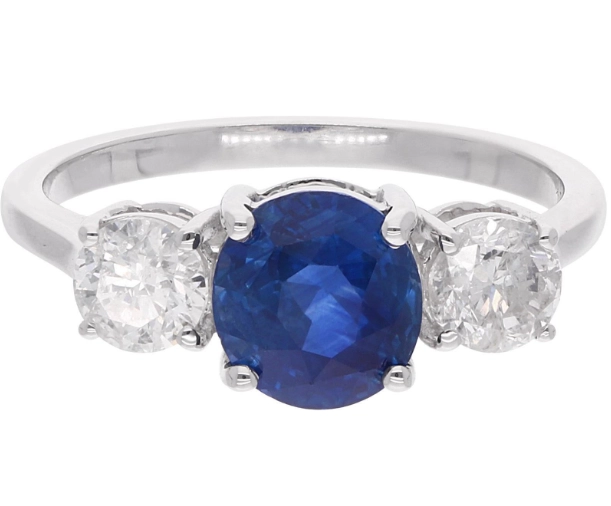
That's why I wanted to put this guide together. It's the information I wish I'd had. We're going to move past the surface sparkle and dig into everything you need to know to find a gemstone ring you'll love for years, not just for a season. Whether you're shopping for an engagement ring, a birthday gift, or a treat for yourself, getting it right matters.
The Core Idea: A great gemstone ring is a harmony of three things: the personality of the stone (its color, meaning, and durability), the practicality of the setting and metal, and the personal connection you feel when you wear it. Miss one, and the ring might not last in your life.
First Things First: What Are You Actually Looking For?
Before we dive into types of gems and metals, let's pause. What's driving your search? Pinpointing your "why" will steer every other decision.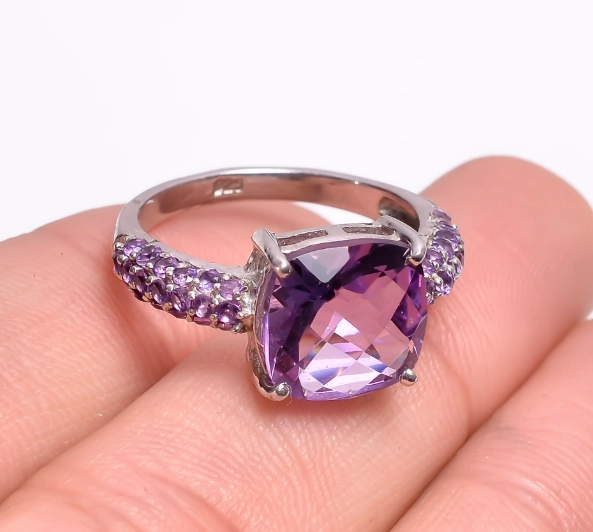
Is it a symbolic piece? An engagement or promise ring often carries more weight than a fun fashion ring. Are you looking for your birthstone? Maybe you're drawn to the supposed healing properties of certain crystals (though take those claims with a grain of salt, in my opinion). Or is it purely aesthetic—you saw a teal Montana sapphire and now you can't get it out of your head?
Your lifestyle matters too. If you work with your hands, garden, or are just generally active, a delicate opal ring might be a heartbreak waiting to happen. Be real with yourself about how you'll wear it.
Knowing your goal makes the sea of options much less overwhelming.
The Gemstones Themselves: A World of Color and Character
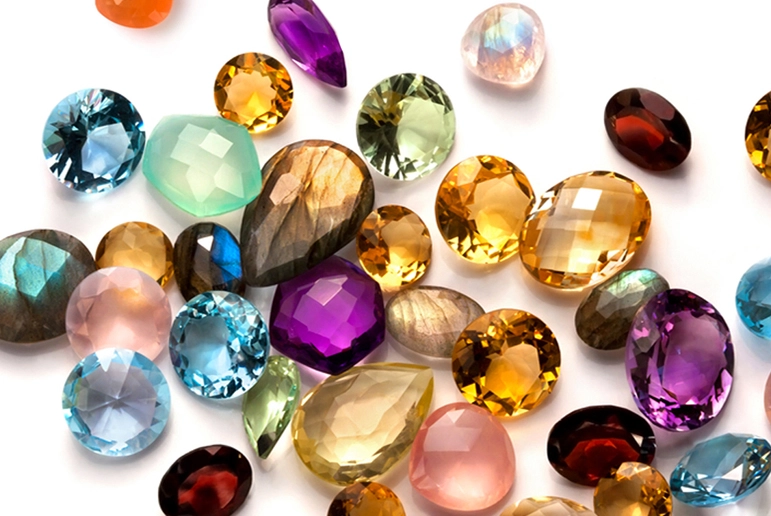
This is the fun part. Choosing the centerpiece. It's not just about picking a color you like (though that's important!). Each type of gemstone has its own personality—its hardness, its typical colors, and the lore that surrounds it.
The Big Three: Sapphire, Ruby, and Emerald
These are the classics for a reason. They're precious stones, which generally means they're rarer and more valuable. But more importantly for a ring, they're relatively hard.
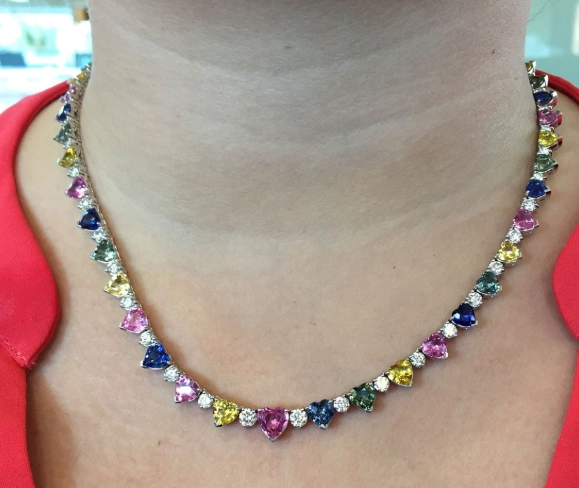
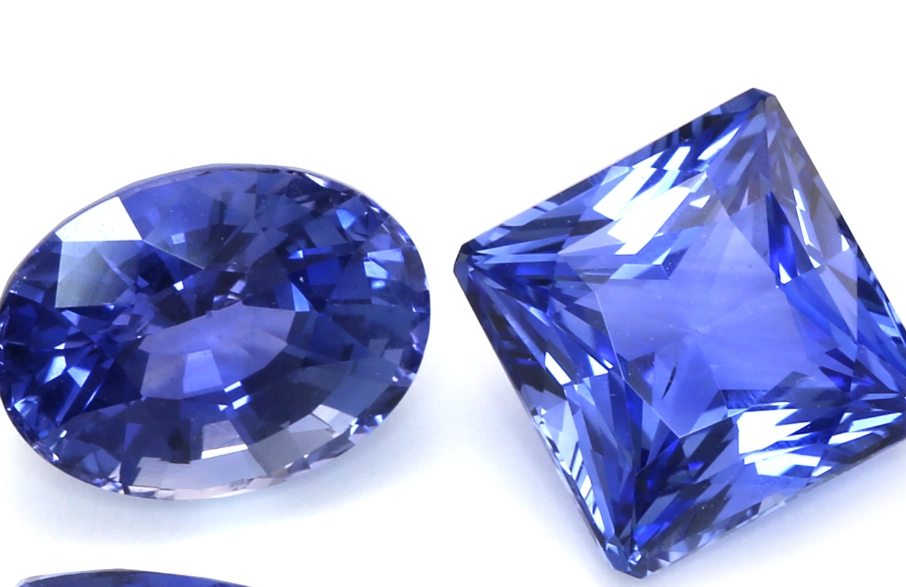
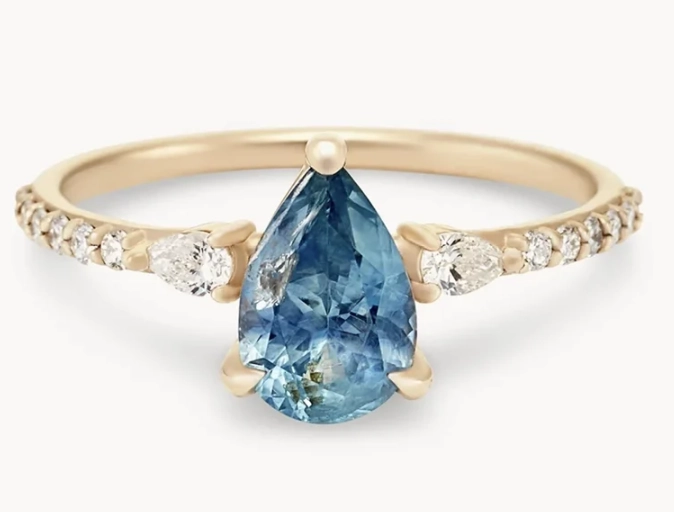
- Sapphire: Don't box it into just blue. Sapphires come in pink, yellow, orange (padparadscha), and even colorless. They're a 9 on the Mohs scale of hardness (diamond is a 10), making them arguably the best all-around choice for an everyday gemstone ring. They symbolize wisdom and nobility. Personally, I think a cornflower blue sapphire is timeless, but the peachy-pink ones have my heart lately.
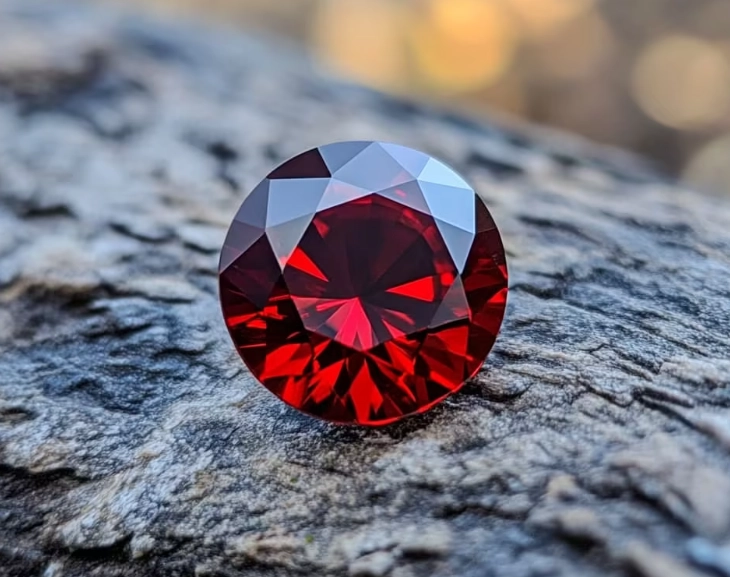
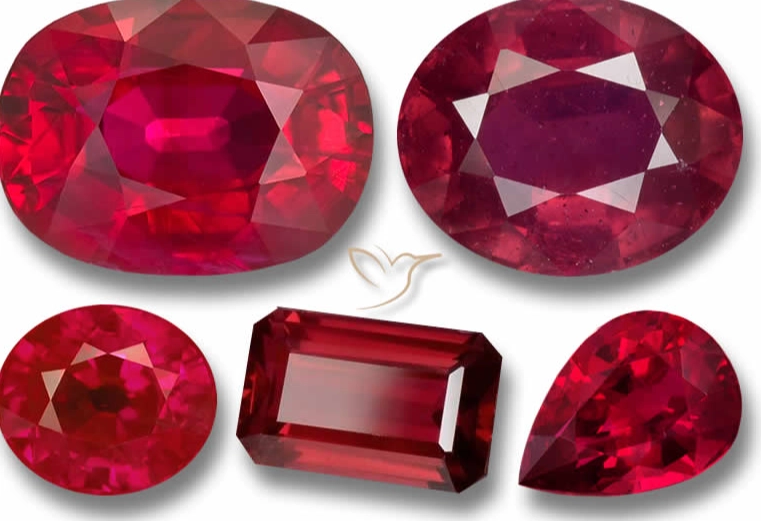
- Ruby: The king of red. A vibrant, pigeon-blood red ruby is breathtaking. Also a 9 on the Mohs scale, so it's tough. It's all about passion, love, and energy. The downside? Top-quality natural rubies can be incredibly expensive, often more than diamonds of similar size.
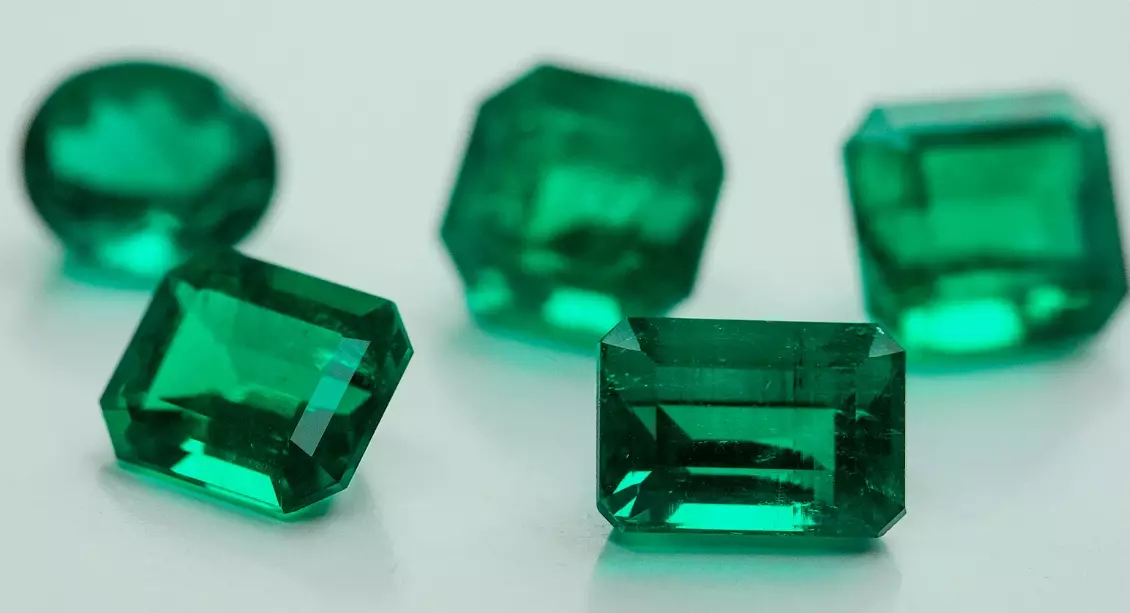
- Emerald: Ah, emeralds. That rich, cool green is unmistakable. They're softer (7.5-8 on Mohs) and almost always have inclusions—internal characteristics that jewelers call "jardin," French for garden. You have to embrace the imperfections. They require more careful wear and setting. They symbolize rebirth and hope. I find them stunning but high-maintenance.
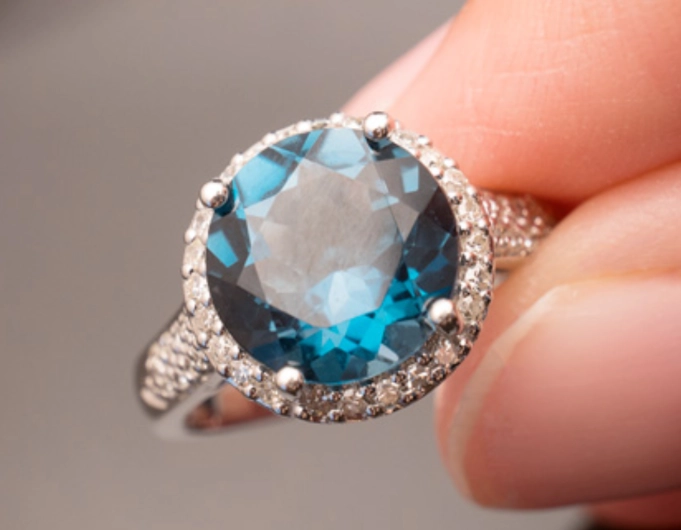
My Take: For a first major gemstone ring, I'd lean towards a sapphire. The durability gives you peace of mind, and the color range means you can still get something unique. Rubies and emeralds are for when you're ready for their specific quirks (and potential price tags).
Beyond the Classics: Semi-Precious Gems with Major Appeal
This is where you can really express individuality. The term "semi-precious" is a bit outdated, but it refers to a vast world of beautiful, often more affordable stones.
Let's look at some popular choices in a way that's easy to compare. Think about what matters most to you: color, durability, or cost?
| Gemstone | Key Colors | Mohs Hardness | Best For | Watch Out For |
|---|---|---|---|---|
| Morganite | Peach, pink, salmon | 7.5-8 | Romantic, ethereal looks; engagement rings | Can look cloudy if not well-cut; may need frequent cleaning |
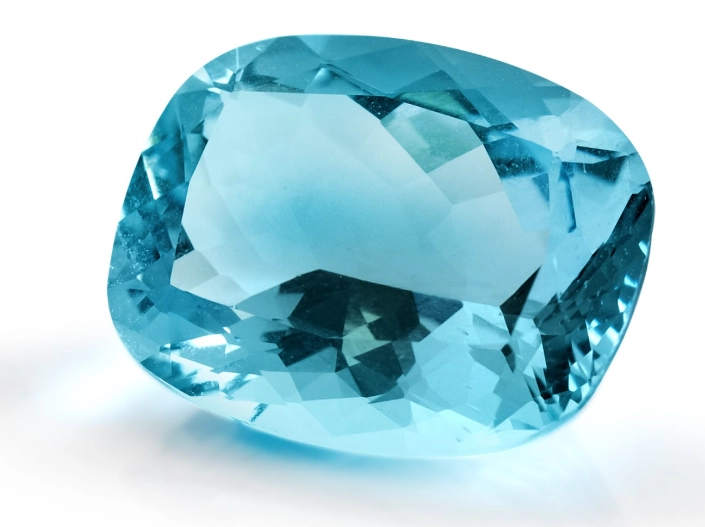
| Aquamarine | Pale blue to blue-green | 7.5-8 | A serene, cool color; March birthstone | Color can be very light; avoid harsh chemicals |
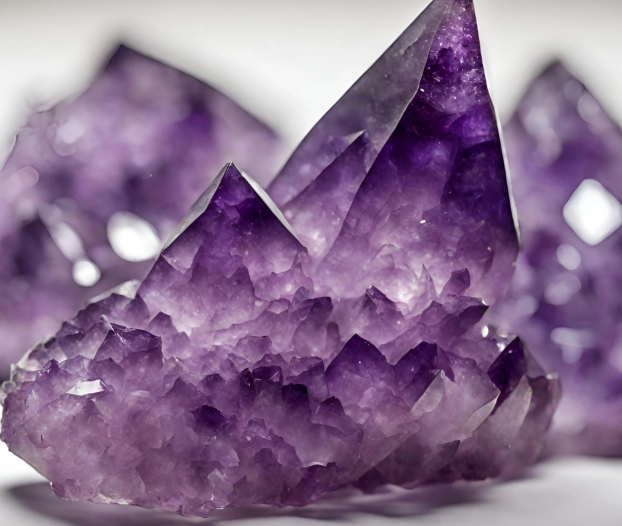
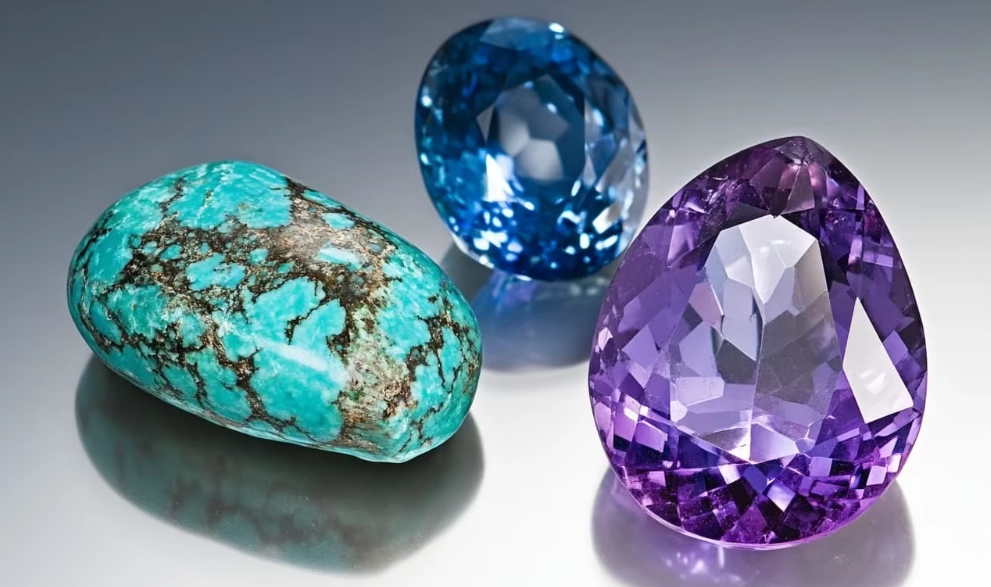
| Amethyst | Purple, from light lilac to deep violet | 7 | Vibrant color at a great price; February birthstone | Can fade in prolonged, direct sunlight (it's true!) |
| Citrine | Yellow, orange, golden brown | 7 | Warm, sunny glow; very affordable | Much of the citrine on the market is heat-treated amethyst |
| Opal | Play-of-color (rainbow flashes) | 5.5-6.5 | Unique, magical fire; no two are alike | Very soft and sensitive to knocks, temperature changes, and dryness |
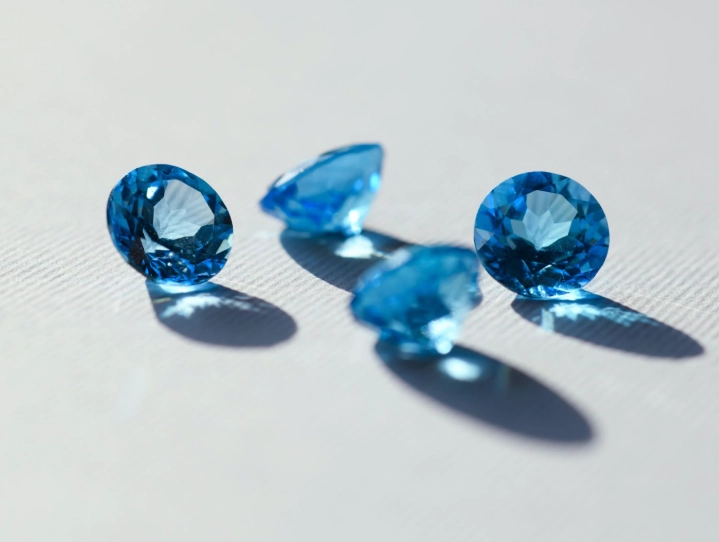
| Topaz | Blue (common), Imperial (orange-pink), colorless | 8 | Brilliant sparkle and good durability | Most blue topaz is irradiated (treated) to achieve the color |
See how that helps? Opal is gorgeous, but that hardness score tells you it's a special-occasion ring, not an everyday beater. Citrine gives you a lot of bang for your buck. For reliable information on gemstone properties and care, I always end up checking resources from the Gemological Institute of America (GIA) Gem Encyclopedia. It's a non-profit and the global authority, so you know you're not getting sales hype.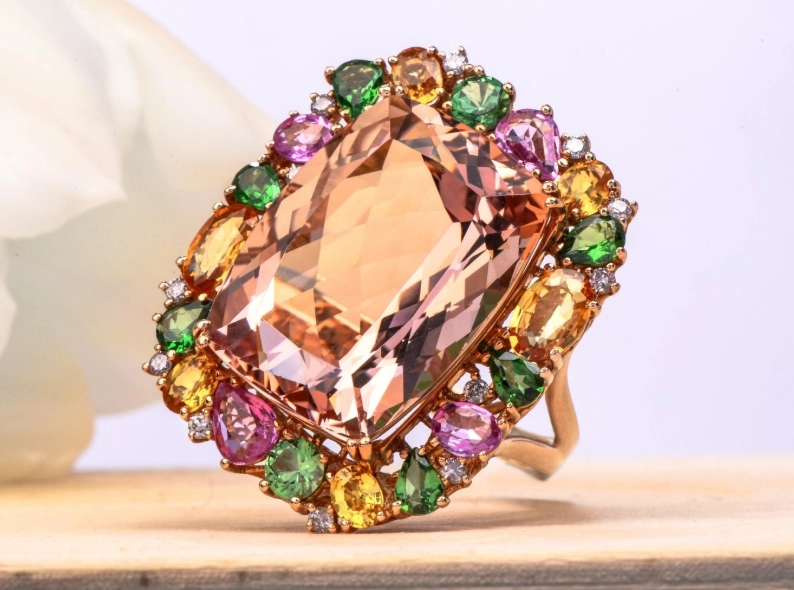
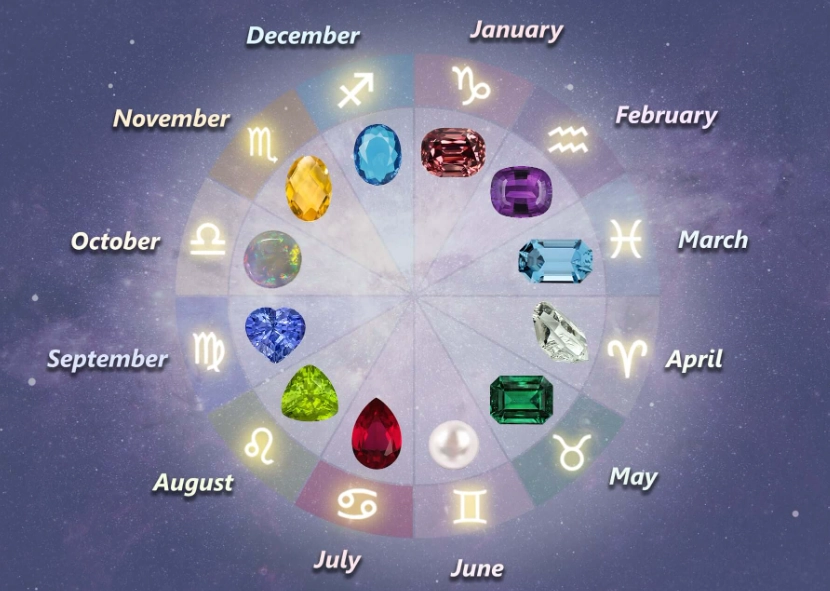
Birthstones and Meanings: Does It Matter?
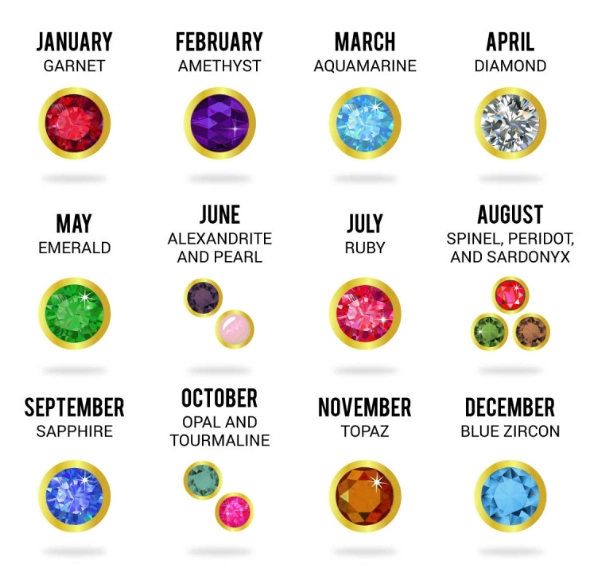
This is totally personal. Some people love the connection of wearing their birthstone—it feels uniquely theirs. Others just pick a color they love. There's no right answer.
But if you're curious about the traditional meanings, they can add a layer of storytelling. A garnet (January) for protection during travel? A peridot (August) symbolizing strength? It's a nice touch, especially for a gift. Just don't feel bound by it. The best gemstone ring is one that makes you happy when you look at it.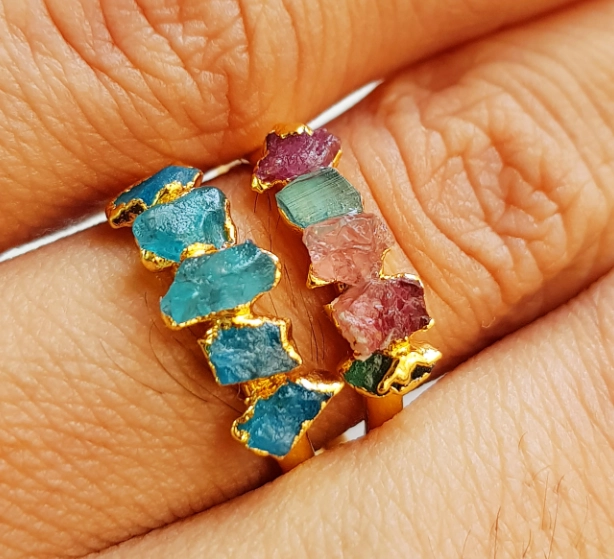
The Unsung Hero: Choosing the Right Metal Setting
You've found your dream stone. Now, how do you hold it? The setting is like the frame for a painting—it can enhance or ruin the whole piece. It also needs to protect your investment.
The metal choice is crucial.
Popular Metals for Gemstone Rings
- Platinum: The luxury choice. It's naturally white, incredibly durable, and hypoallergenic. It's heavy and develops a soft patina over time instead of wearing away. It's expensive, but for a forever ring, many find it worth it.
- White Gold: The most common choice for a modern white look. It's actually yellow gold plated with rhodium (a platinum-family metal). The catch? The rhodium plating wears off over 1-2 years, revealing the slightly yellowish gold beneath. You'll need to get it re-plated to keep it bright white. I didn't know this with my first ring and was disappointed.
- Yellow Gold: Classic, warm, and timeless. It complements warm-toned stones like citrine, morganite, and rubies beautifully. The higher the karat (like 18k), the richer the color but the softer the metal. 14k is a great balance of color and durability.
- Rose Gold: The trendy favorite for the past decade. Its pink hue comes from a copper alloy. It looks fantastic with peach morganite, aquamarine, and diamonds. It's also quite durable because of the copper. Be aware it can cause reactions for those with copper allergies.
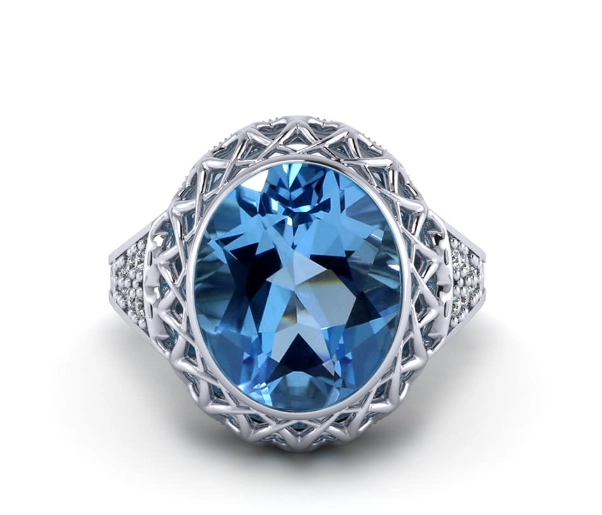
Pro Tip: Think about your skin tone. Cool-toned skin (veins look blue) often shines with platinum or white gold. Warm-toned skin (veins look green) is flattered by yellow or rose gold. Try on different bands next to your skin in natural light.
Setting Styles: Security vs. Style
How the stone is held in place is a big deal. It affects the ring's look, how much light enters the stone, and how secure it is.
Prong Setting: The classic. Metal claws (usually 4 or 6) hold the stone. It allows maximum light exposure, making the gem sparkle. But prongs can snag on clothing and need checking every year or so to ensure they're tight.
Bezel Setting: My personal favorite for an active lifestyle. A thin metal rim wraps around the entire girdle (edge) of the stone. It's ultra-secure, modern, and snag-proof. The trade-off? It covers more of the gem's edges, which can slightly reduce sparkle but offers a sleek, protected look.
Channel Setting: Often used for side stones. Gems are set side-by-side in a channel with no metal between them. It creates a smooth, continuous line of color or sparkle.
Pavé Setting: Tiny stones set close together, held by small beads of metal, creating a "paved" surface of sparkle. Beautiful for accenting a center stone, but those tiny stones can loosen over time.
Navigating the Purchase: How Not to Get Ripped Off
This is where it gets real. Buying a gemstone ring involves more variables than buying a diamond. Here’s a step-by-step mindset to adopt.
1. Understand Treatments and Synthetics
Most gemstones are treated in some way to enhance their color or clarity. This isn't necessarily bad—it's standard industry practice—but you must be told.
- Heat Treatment: Common for sapphires, rubies, aquamarine, and citrine. It's permanent and stable. It improves color and/or clarity.
- Fracture Filling: Often used for emeralds and sometimes rubies. A glass-like substance is used to fill surface-reaching cracks. This can be damaged by heat (like a jeweler's torch) or harsh cleaners.
- Diffusion Treatment: Adds color only to the surface layer of a gem (like some blue sapphires). If the stone is chipped or re-cut, the white interior will show.
- Lab-Created Gems: These are real gemstones (same chemical and physical properties) but made in a lab. They are not "fake." They are more affordable and ethically appealing to many. A lab-created sapphire is still a sapphire.
- Simulants: These are fakes. Things like cubic zirconia (CZ) or colored glass made to look like a gemstone. They have different properties.
Red Flag: Any seller who is vague or refuses to answer questions about treatments is not trustworthy. A reputable seller will disclose everything. Always ask: "Has this stone been treated, and if so, how?"
2. Where to Buy Gemstone Rings
You have options, each with pros and cons.
Local Independent Jewelers: Often the best bet. You can see stones in person, build a relationship, and they usually offer custom design. They can source specific stones for you. Support local business!
Large Online Retailers (Blue Nile, James Allen): Great selection, competitive prices, and good return policies. The downside? You can't see the exact stone in person before buying. Use their high-resolution videos and magnifiers.
Etsy or Artisan Platforms: Perfect for unique, handcrafted designs you won't find elsewhere. Research the seller extensively. Read reviews, ask about their materials, and ensure they have a return policy. I've found amazing pieces here, but also seen some dubious claims.
Auction Houses or Estate Sales: For vintage or antique gemstone rings. You can find incredible one-of-a-kind pieces with history. Knowledge is power here—know what you're looking at or bring an expert.
3. The Questions You Must Ask
Walk in (or log in) prepared. Here’s your checklist:
- What is the exact type of gemstone? (e.g., is it a sapphire or a blue topaz?)
- What is the carat weight and the measurements in millimeters? (Size isn't just carats).
- Has it been treated? Describe the treatment and is it permanent/stable?
- What is the origin of the stone? (Some origins, like Burmese ruby or Kashmir sapphire, command premiums).
- Can I see a lab report? (For valuable stones, a report from GIA or AGL is ideal).
- What is the metal type and purity? (e.g., 14k white gold, platinum 950).
- What is the ring size, and is resizing possible? (Some styles with gemstones all around the band are hard or impossible to resize).
- What is the warranty and repair policy?
Caring for Your Investment: Make It Last a Lifetime
A beautiful gemstone ring isn't a "buy it and forget it" item. A little care goes a long way.
The Universal Rules:
- Last On, First Off: Put your ring on after applying makeup, lotion, and perfume. Take it off before doing dishes, gardening, swimming (chlorine is bad!), or hitting the gym.
- Clean Gently: Warm water, a drop of mild dish soap, and a soft toothbrush. Rinse thoroughly. Avoid ultrasonic cleaners unless you are 100% sure your stone can handle it (never for emeralds, opals, or treated stones with fillings). Steam cleaners are also risky for many gems.
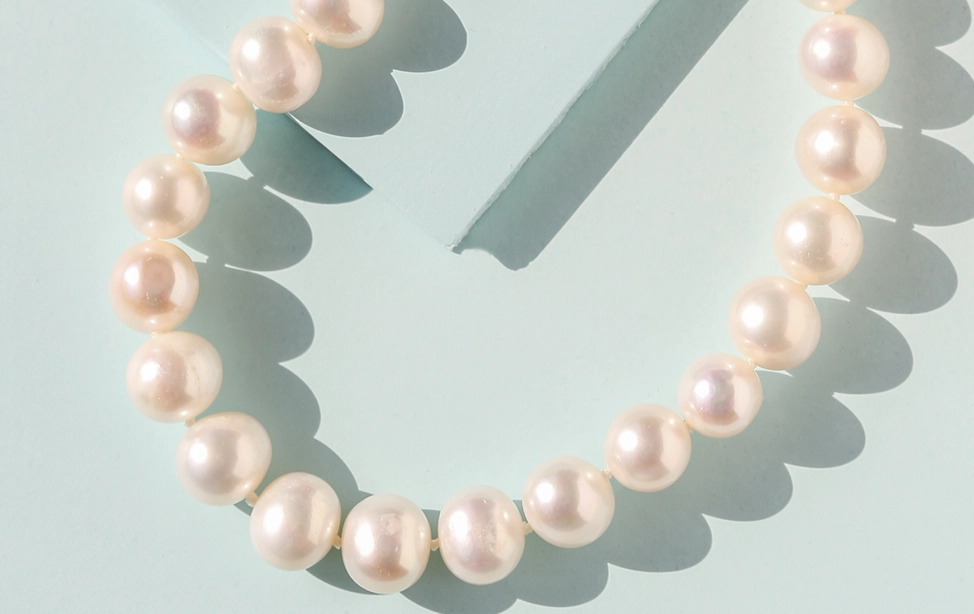
- Store Safely: Keep it in a soft-lined box or pouch, away from other jewelry that could scratch it. This is especially important for softer stones like opals and pearls.
- Get Check-Ups: Take your ring to a jeweler once a year. They'll check the prongs for tightness, clean it professionally, and inspect for any damage.
Think of it like a car. Regular maintenance prevents major breakdowns.
Your Gemstone Ring Questions, Answered
I get asked these all the time. Let's tackle them head-on.
Are gemstone rings suitable for engagement rings?
Absolutely. It's a growing trend for people who want something unique and personal. The key is choosing a stone hard enough for daily wear. Sapphires and rubies (9 on Mohs) are excellent choices. Morganite (7.5-8) is popular but requires a bit more care. I'd advise against emeralds, opals, or pearls for a daily-wear engagement ring unless you are very gentle.
How do you know if a gemstone is real?
For peace of mind with a valuable purchase, get a lab report from a reputable lab like GIA. For smaller purchases, buy from a trusted seller with clear policies. At home, there's no foolproof test. The old "scratch glass" trick is unreliable and can damage your stone. If a deal seems too good to be true for a large ruby or emerald, it probably is.
Can you resize a gemstone ring?
It depends. A simple band with a single stone can usually be resized up or down a couple of sizes. Rings with gemstones set all around the band (eternity bands) generally cannot be resized. Rings with tension settings or very intricate designs may also be difficult. Always ask before you buy.
What's the price range for a good gemstone ring?
It's a massive range, and that's the truth. A small sterling silver ring with a synthetic stone can be under $50. A custom-designed platinum ring with a large, untreated Kashmir sapphire can be tens of thousands. For a decent-quality, ready-to-wear ring in gold with a medium-sized natural stone (like a 1-cat sapphire or aquamarine), you're likely looking at $800 - $3,000. Lab-created stones will be less. Setting a budget first will save you heartache.
Do gemstones lose their value?
Most gemstone rings are bought for emotional, not investment, value. Unlike diamonds, which have a more structured resale market, colored gemstones can be harder to sell for what you paid. Fine-quality, rare stones (large untreated rubies, sapphires, emeralds with great color) can hold or appreciate. But generally, view your purchase as a piece of wearable art you'll love, not a financial asset.
Final Thought: After all this talk of hardness, settings, and treatments, don't forget the most important factor: joy. The best gemstone ring is the one that makes you stop and look at your hand and smile. It's the one that feels like you. Use this guide to make a smart, informed choice—but let your heart have the final say on the color that speaks to you. Now go find your perfect ring.