Quick Navigation
- Why Choose a Gemstone Over a Diamond?
- The Hard Truth: Durability and Daily Wear
- Your Gemstone Ring Style Handbook
- Metal Matters More Than You Think
- Navigating the Buying Process: What to Ask, What to Avoid
- Caring for Your Gemstone Ring: It's Not That Hard
- Answering Your Biggest Questions
- Wrapping It Up: Your Next Step
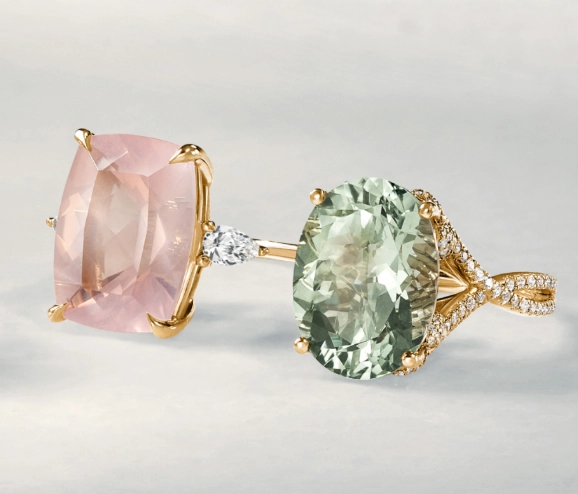
Let's be honest. When you picture an engagement ring, a diamond is probably the first thing that pops into your head. It's what marketing has told us for decades is the "only" option. But walk into any jewelry forum or browse Pinterest for five minutes, and you'll see a vibrant, colorful rebellion happening. More and more people are choosing gemstone engagement rings to tell their unique story.
I remember helping my best friend look for her ring. She's a painter, full of color and life. The moment she tried on a deep blue sapphire set in rose gold, her whole face lit up in a way it never did with a clear diamond. "This feels like me," she said. That's the power of a colored stone—it becomes a piece of your identity, not just a piece of jewelry.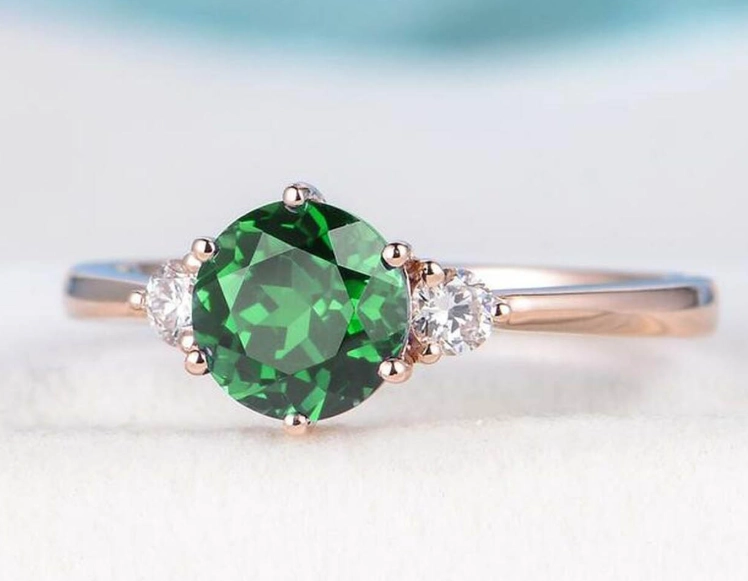
But here's the thing they don't always tell you in those dreamy Instagram posts: a gemstone engagement ring isn't just a diamond in a different color. It's a whole different ball game. Some gems are tough as nails, perfect for daily wear. Others? They're more delicate, like a beautiful secret you have to care for. The choice of metal matters more. Your lifestyle suddenly becomes a big part of the conversation.
This guide isn't here to sell you on the idea. It's here to walk you through the realities, the beautiful possibilities and the practical considerations, so you can decide if a colored gemstone engagement ring is the right, brilliant choice for you or your partner.
Why Choose a Gemstone Over a Diamond?
It's not just about being different. Although, let's face it, that's a pretty great perk. In a sea of solitaires, a gemstone ring stands out. But the reasons go deeper.
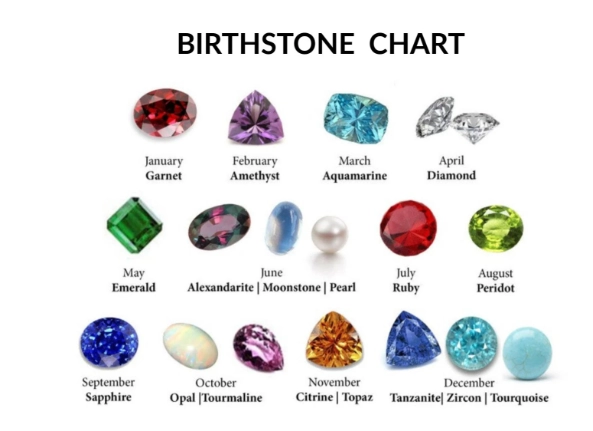
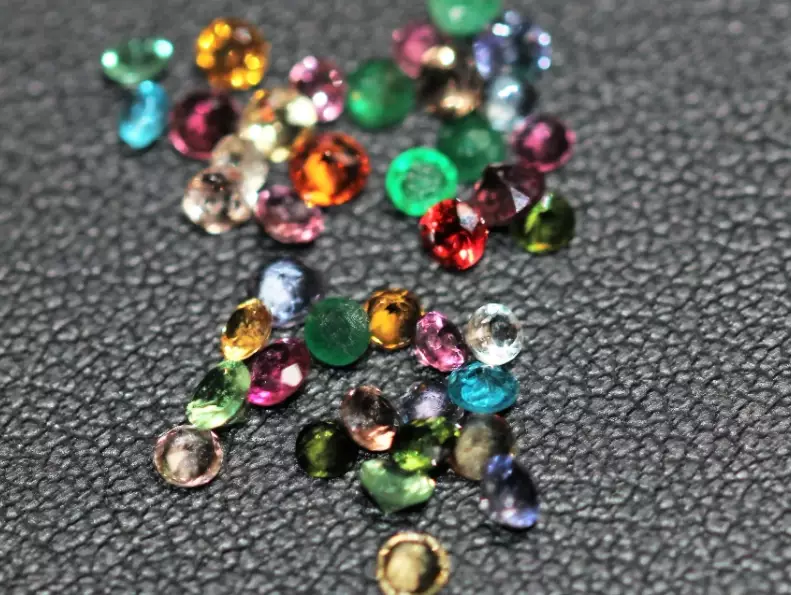
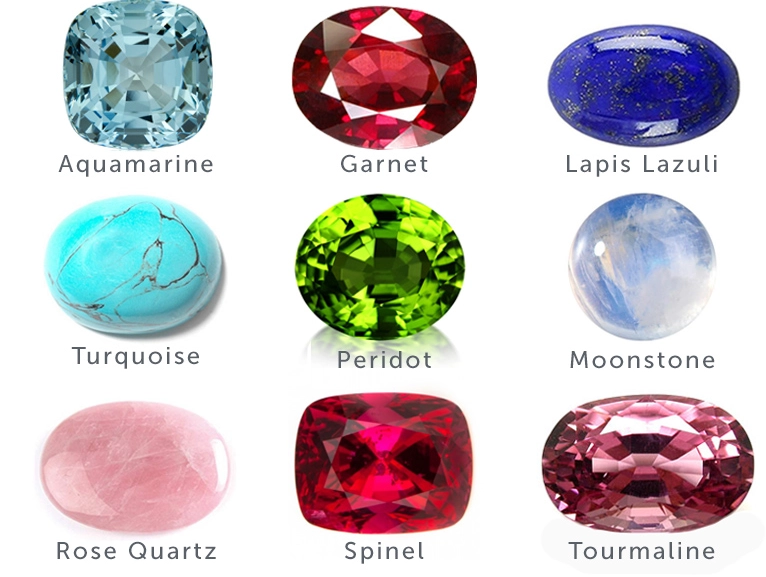
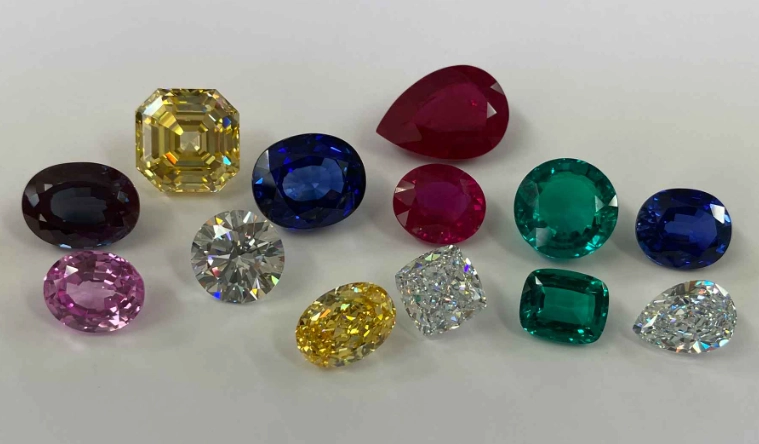
Personal Meaning & Color: This is the big one. Gemstones offer a palette of meanings. A sapphire isn't just blue; it's tradition, wisdom, and loyalty. An emerald is rebirth and hope. A ruby is passion. You can choose a birthstone, a favorite color, or a hue that matches their eyes. The color becomes a daily, personal symbol.
Often More Affordable: I'm putting this here, but with a massive asterisk. Yes, per carat, many colored gemstones can be less expensive than a high-quality diamond of the same size. But "affordable" is relative. A top-tier, vivid Burmese ruby will cost a fortune. However, it means your budget might allow for a larger or more visually striking center stone if you opt for a gem like sapphire, morganite, or aquamarine compared to a diamond.
Ethical & Unique Sourcing: The diamond industry's history is... complicated. Many people are drawn to gemstones because they feel they can trace the origin more easily or support smaller, ethical mines. You're also less likely to get a "cookie-cutter" stone. Each colored gem has its own unique fingerprint—inclusions, color zoning, and character that makes it one-of-a-kind.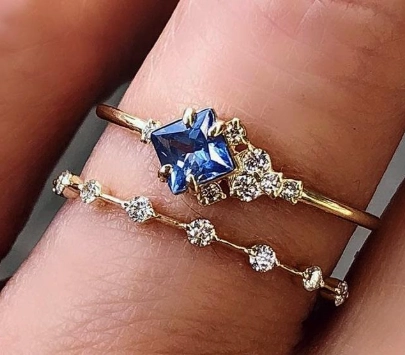
The Hard Truth: Durability and Daily Wear
This is the section you cannot skip. An engagement ring gets knocked, scratched, and exposed to everything from hand sanitizer to dish soap. Durability isn't a luxury; it's a requirement.
Jewelers use the Mohs scale of hardness. It's a ranking from 1 (talc, very soft) to 10 (diamond, the hardest). For daily wear, you generally want a gemstone with a hardness of 7 or above. Below that, the stone is much more susceptible to scratching and dulling over time.
Let's break down some popular choices in a way that's actually helpful.
| Gemstone | Mohs Hardness | Best For Daily Wear? | The Real-World Lowdown |
|---|---|---|---|
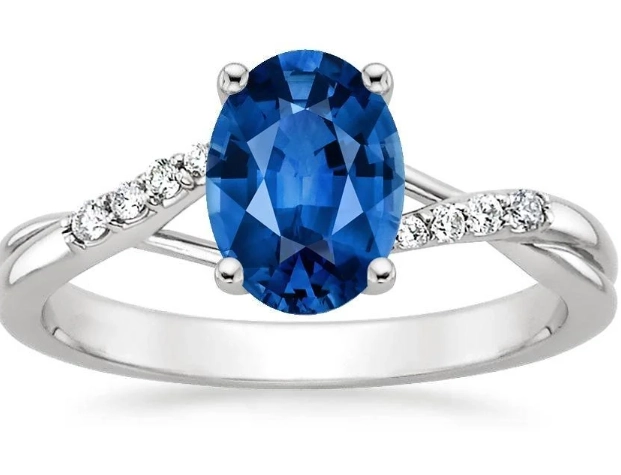
| Sapphire (Blue & All Colors) | 9 | Excellent | The gold standard for alternative engagement rings. Nearly as hard as a diamond. Cornflower blue is classic, but padparadscha (pink-orange) is stunning. Requires almost no babying. |
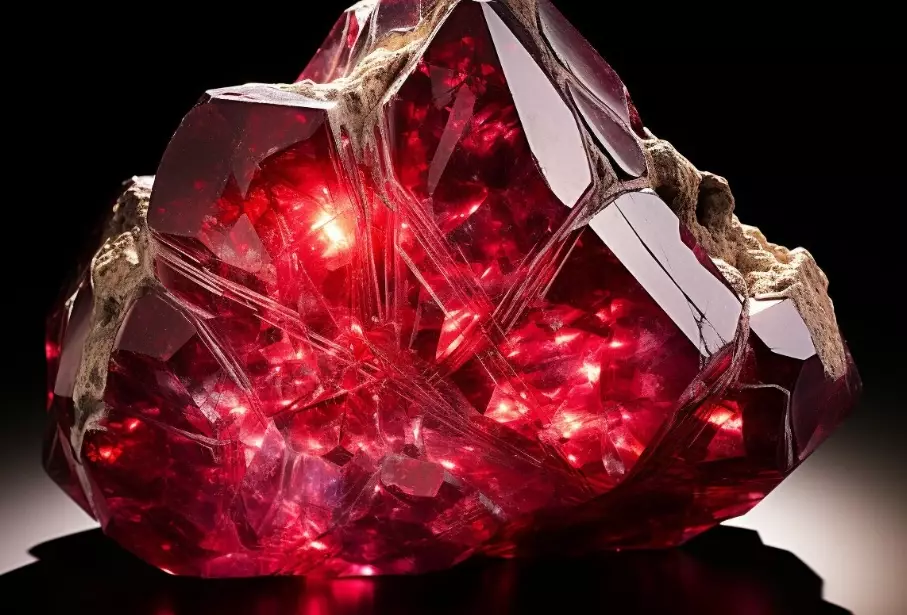
| Ruby | 9 | Sapphire's red cousin, equally tough. Watch for inclusions that can affect durability. A deep, pigeon-blood red is the dream. | |
| Moissanite | 9.25 | Technically a gemstone, not a diamond simulant. More fiery/sparkly than diamond. A fantastic, ethical, and durable option if you love tons of sparkle but want a unique path. A huge industry hotspot right now. | |
| Emerald | 7.5 - 8 | Here's my personal take: I love emeralds, but they are fragile. They are often heavily included (which gives them their garden-like look), making them prone to chipping. Not ideal for someone with an active, hands-on lifestyle. Needs a protective bezel setting. | |
| Morganite | 7.5 - 8 | That beautiful peachy-pink color is a dream. Hardness is okay, but it can get dirty and look dull quickly. Needs regular gentle cleaning to keep its blush. | |
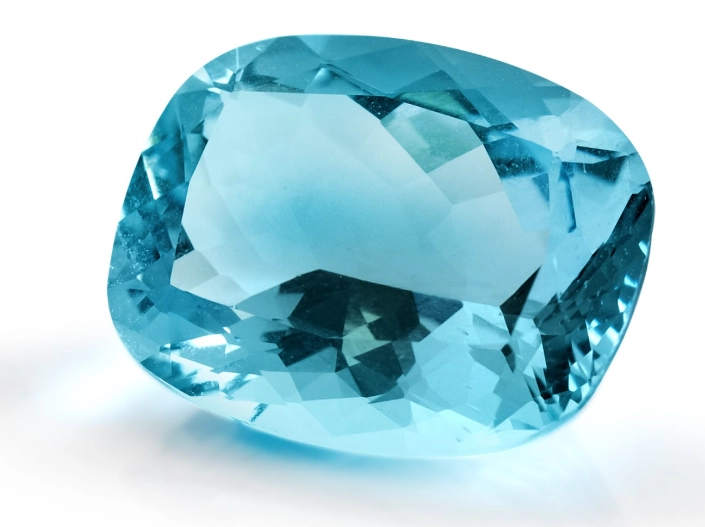
| Aquamarine | 7.5 - 8 | Similar story to morganite. That serene blue is gorgeous, but it can scratch over years of wear. Perfect for someone more careful with their hands. | |
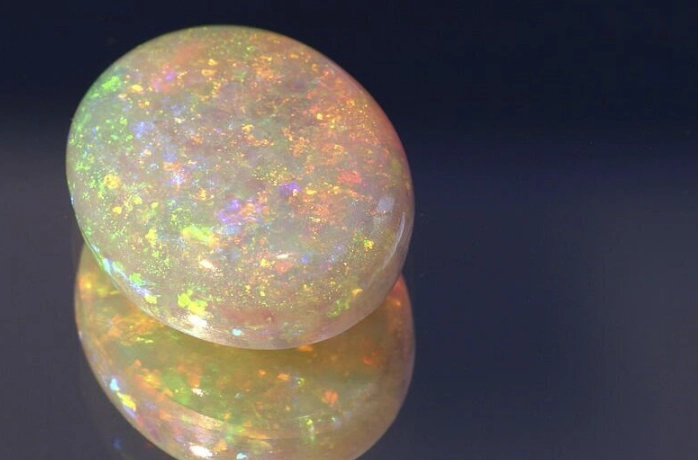
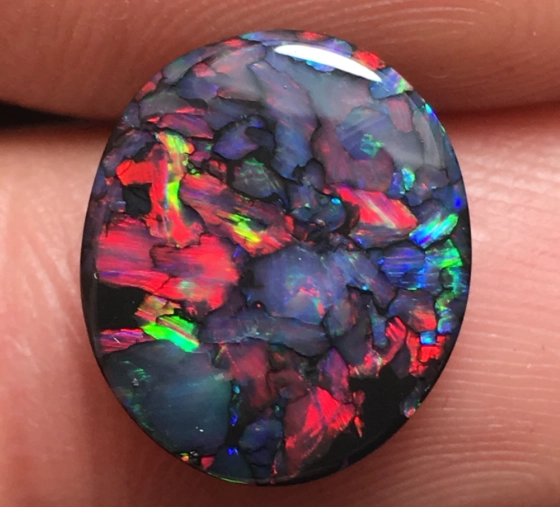
| Opal | 5.5 - 6.5 | I'll be blunt: I would never recommend an opal for a daily-wear engagement ring. It's soft, porous, and sensitive to temperature changes and knocks. It's a recipe for heartbreak. Save it for a pendant. |
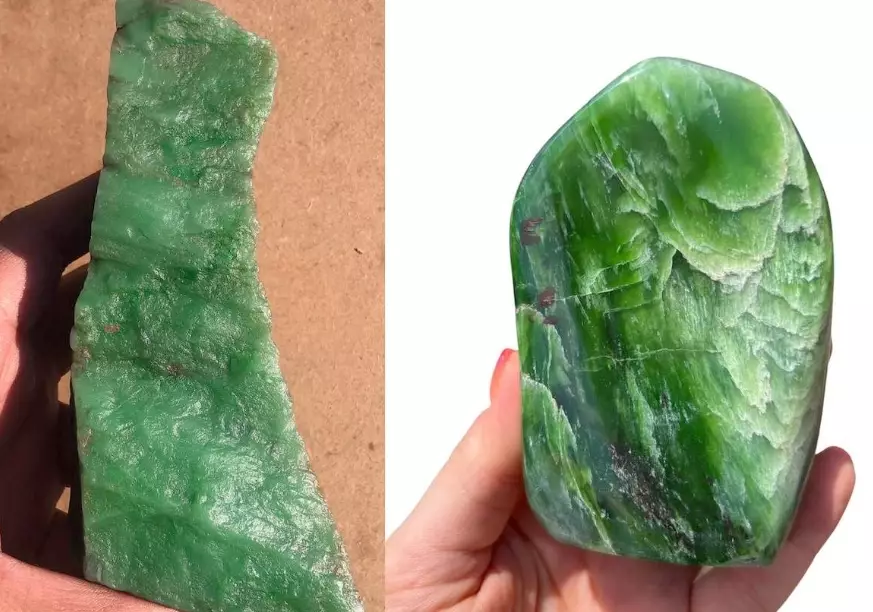
Pro Tip: Hardness is about scratching. Toughness is about resistance to chipping and breaking. An emerald has decent hardness but poor toughness. A jade has lower hardness but incredible toughness. It's why the cut and setting are SO important for gemstone engagement rings.
For the most authoritative reference on gemstone durability, the Gemological Institute of America (GIA) has a fantastic, detailed resource on their website. It's a go-to for anyone serious about understanding what they're buying. You can read more about gemstone durability on the GIA's official site.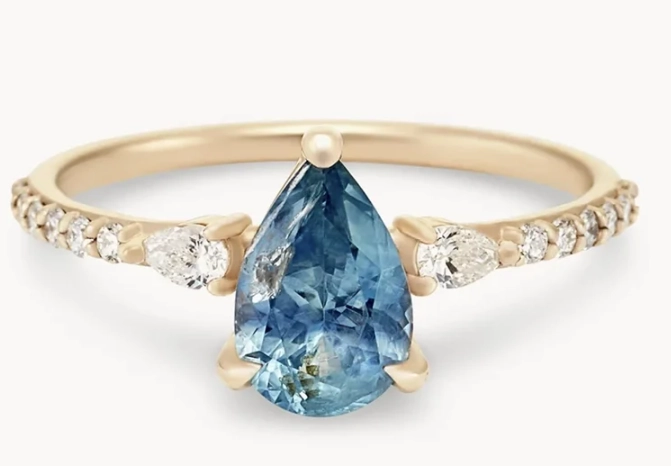
Your Gemstone Ring Style Handbook
Okay, so you've picked a stone that can handle your life. Now for the fun part: making it beautiful. The setting you choose does more than just hold the stone; it protects it, frames it, and defines the ring's entire personality.
Settings That Protect (The Practical Side)
If your stone is below an 8 on the Mohs scale, you need to think like a bodyguard.
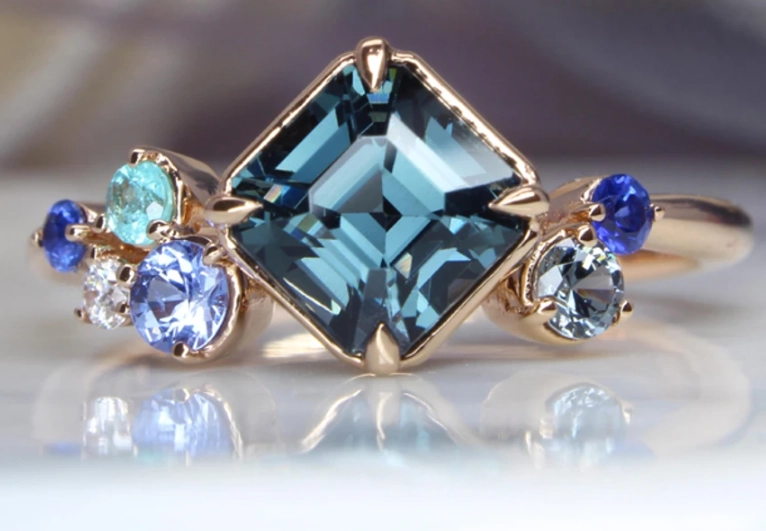
- Bezel Setting: A metal rim surrounds the entire girdle of the gemstone. This is the ultimate protection. It makes the stone look a bit more modern and slightly smaller, but it dramatically reduces the risk of chipping. Essential for emeralds, highly recommended for softer stones.
- Channel Setting: For side stones. They are nestled securely in a channel of metal with no prongs to catch. Very sleek and secure.
- Low Profile Settings: A setting that keeps the stone closer to the finger. The less it sticks out, the fewer knocks it will take. This is smart thinking for any ring meant for daily wear.
Settings That Show Off (The Glamorous Side)
Got a hardy stone like sapphire? You have more freedom.
- Prong Setting (Tiffany/Claw): The classic. Metal claws hold the stone. It lets in maximum light, creating great sparkle. More prongs = more security. Six-prong is safer than four.
- Halo Setting: A circle of smaller diamonds (or gemstones!) around the center stone. It makes the center look larger and adds insane sparkle. A popular choice for a reason.
- Three-Stone Setting: Brimming with symbolism (past, present, future). It's a bold, substantial look that allows you to play with color—like a blue sapphire flanked by two white diamonds.
Metal Matters More Than You Think
With a diamond, the metal is often the frame. With a colored gemstone, the metal is part of the painting. The wrong metal can make a gorgeous stone look dull or odd.
White Gold/Platinum: The safe, neutral choice. Makes cool-colored stones (sapphire, aquamarine, morganite) pop. Provides a modern, crisp contrast. Platinum is more durable but develops a natural patina.
Yellow Gold: Warm and classic. Creates a stunning, sun-kissed effect with blue sapphires (think Princess Diana's ring). Can make warm stones like morganite or citrine blend in too much if you're not careful.
Rose Gold: The contemporary favorite. The pinkish hue is magic with peach morganite, creating a monochromatic look. It also complements green emeralds and blue sapphires in a uniquely warm, vintage way. Personally, I think rose gold makes any gemstone look instantly more "designed" and intentional.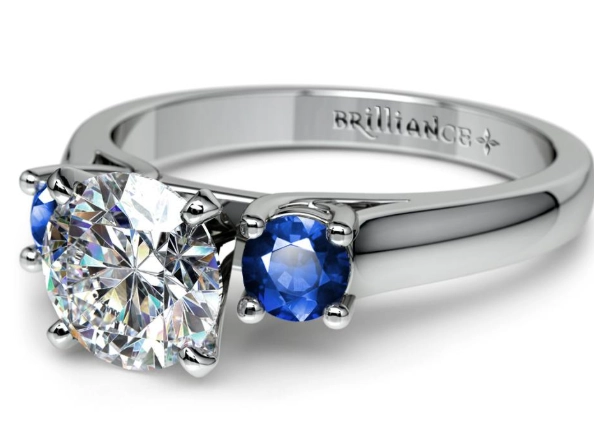
Warning: Some metals don't play well with certain gemstone treatments. For example, porous stones like opals or treated turquoise can be damaged by the chemicals used in the rhodium plating of white gold. Always ask your jeweler about compatibility.
Navigating the Buying Process: What to Ask, What to Avoid
Walking into a store or browsing online for gemstone engagement rings can feel overwhelming. Here’s a script, a checklist to arm yourself with.
Questions to Ask Any Jeweler or Seller:
- "Can I see a lab report for this stone?" (For sapphires, rubies, emeralds, a report from GIA, AGL, or Gubelin is ideal).
- "Has this stone been treated? If so, how?" (Heat treatment is common and stable for sapphires. Dyeing or fracture-filling for emeralds is less stable).
- "What is the country of origin?" (Not just for romance—some origins, like Kashmir for sapphires or Burma for rubies, command a premium).
- "Can you show me this stone under different lights?" (Indoor, outdoor, LED. Some gems change color dramatically!).
- "What is your return/exchange policy?" (Never assume).
Red Flags to Run From:
- The seller can't or won't answer the questions above.
- The price seems too good to be true for the size and color described.
- They use vague terms like "precious gemstone" without specifying exactly what it is.
- No option for a professional, independent appraisal after purchase.
For a deep dive into gemstone treatments and disclosures, the American Gem Society (AGS) sets ethical standards for the jewelry industry. Their website is a trusted resource for consumer guidelines.
Caring for Your Gemstone Ring: It's Not That Hard
A little knowledge prevents a lot of tears. Here’s the simple routine.
The Universal Safe Clean: Warm water, a drop of mild dish soap, and a soft toothbrush. Gently scrub, rinse, and pat dry with a lint-free cloth. Do this every couple of weeks to keep oils and grime from dimming your stone's fire.
What to Avoid:
- Ultrasonic Cleaners: Generally SAFE for diamonds, sapphires, rubies. DANGEROUS for emeralds, opals, any stone with fractures or liquid inclusions. When in doubt, skip it.
- Steam Cleaners: Same rules as ultrasonic. The heat and pressure can damage treated or fragile stones.
- Harsh Chemicals: Take your ring off before using bleach, chlorine, or strong cleaners. This is more about protecting the metal, but some chemicals can also damage certain gems.
Answering Your Biggest Questions
Wrapping It Up: Your Next Step
Choosing a gemstone engagement ring is a more personal, involved journey than checking a box for a 1-carat round diamond. It asks you to think about color, meaning, lifestyle, and practicality. It's a collaboration between you and the earth's artistry.
My final piece of advice? Look at lots of pictures, but then go see stones in person. A photo can't capture the way light moves inside a sapphire or the velvety depth of an emerald. Visit local jewelers who specialize in colored stones. Hold them. See them on your hand.
You might just find that the perfect gemstone engagement ring doesn't feel like a choice you made, but a part of you that you finally found.