In This Guide
- So, What's the Big Deal About Gemstone Meanings?
- How to Actually Choose a Gemstone Necklace (The Real Questions)
- The Nitty-Gritty: Quality, Care, and Not Getting Scammed
- Styling Your Gemstone Necklace: From Casual to Can't-Miss
- Answering Your Gemstone Necklace Questions (The Real Ones)
- Final Thoughts: It's About Your Story
Let's be honest. We've all been there. Staring at a jewelry case, completely captivated by a gemstone necklace, but a little voice in your head asks... is this just a fashion piece, or is there more to it? What does the stone even mean? Will it look good on me in five years? How do I not get ripped off?
Good questions. A gemstone necklace isn't like buying a simple gold chain. It feels more personal. That splash of blue lapis lazuli or the deep green of an emerald seems to carry a story, an energy, a bit of the earth itself. But the world of gemstones can feel overwhelming. Birthstones, healing crystals, investment pieces, fashion trends—it's a lot.
I remember buying my first serious gemstone piece. It was a pendant with a small but vibrant piece of turquoise. The salesperson went on about its "ancient protective qualities," and I nodded along, more focused on whether it matched my eyes. It wasn't until later, when I kept reaching for it more than any other necklace, that I got curious. Why this one?
Turns out, there's a reason we connect with certain stones. This guide is here to untangle all of that for you. We're going to move past the sparkle and dive into what makes a gemstone necklace truly special for you. We'll talk about what stones might actually suit your life (not just your outfit), how to spot a good one, and how to make it last forever. No fluff, no mystical jargon you need a dictionary for—just straight, useful talk.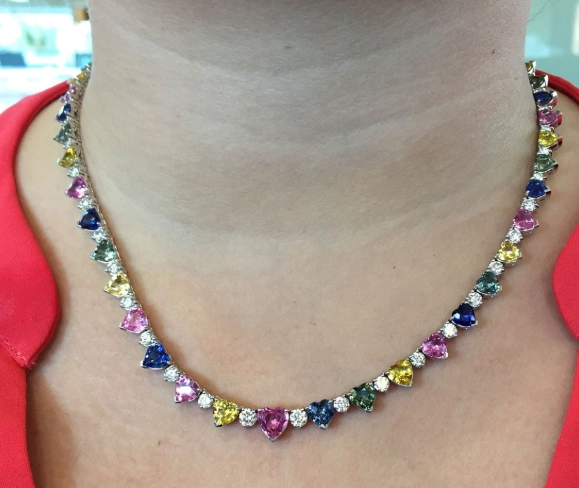
So, What's the Big Deal About Gemstone Meanings?
Every culture throughout history has assigned meaning to gems. It's one of the oldest human traditions. Egyptians buried lapis lazuli with their dead for protection in the afterlife. Ancient Greeks associated amethyst with sobriety (literally, "not intoxicated").
Today, these meanings are a blend of historical lore, color psychology, and modern crystal healing practices. Whether you buy into the energy part or not, the symbolism is powerful. Choosing a gemstone necklace often becomes about what you want to invite into your life, or what you want to remember.
Think of it like this: you wear a team jersey to feel connected to your team. You wear a locket with a photo to feel close to someone. A gem can be a symbolic anchor for a feeling, a goal, or a memory.
A Quick Run-Down of Popular Gemstone Meanings
Here’s a look at some of the most sought-after stones and what they’re traditionally associated with. Take what resonates, leave the rest.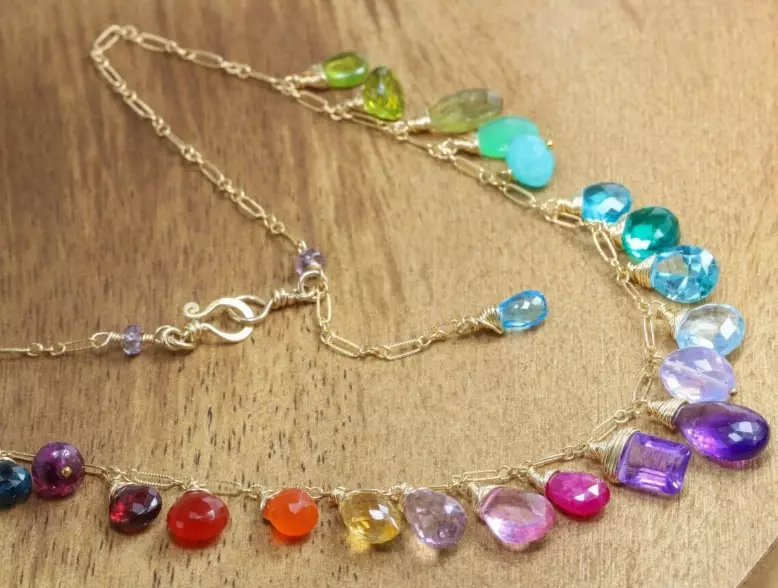
| Gemstone | Common Meanings & Associations | Good For... |
|---|---|---|
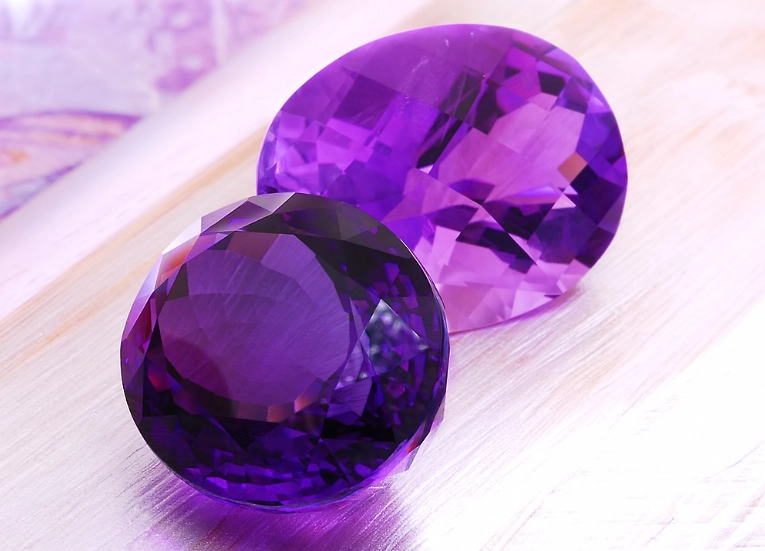
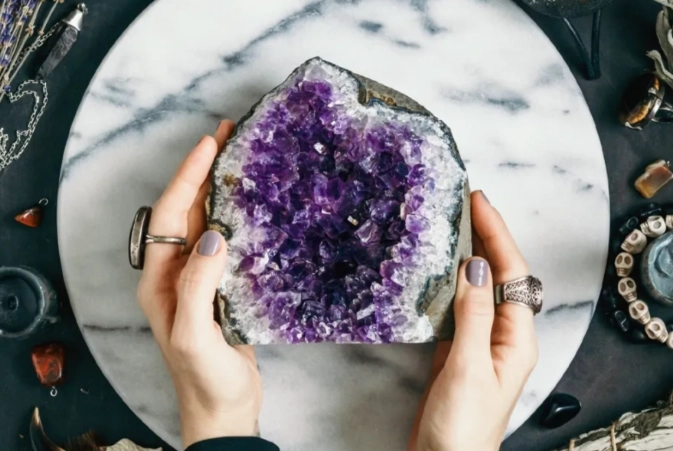
| Amethyst | Calm, peace, spirituality, sobriety. It's like a "pause" button for a busy mind. | Anyone feeling stressed or seeking a moment of quiet. A classic for a reason. |
| Rose Quartz | The universal stone for love. Not just romantic—self-love, friendship, compassion. | Nurturing yourself or wanting to project a softer, kinder energy. Incredibly popular in dainty necklaces. |
| Citrine | Sunshine in a stone. Abundance, success, positivity. Often called the "merchant's stone." | Manifesting goals, bringing optimism. It's hard to be in a bad mood wearing bright yellow. |
| Turquoise | Protection, healing, communication. Revered by Native American and Persian cultures for millennia. | Travelers, public speakers, or anyone wanting to feel grounded and safe. Its color is uniquely vibrant. |
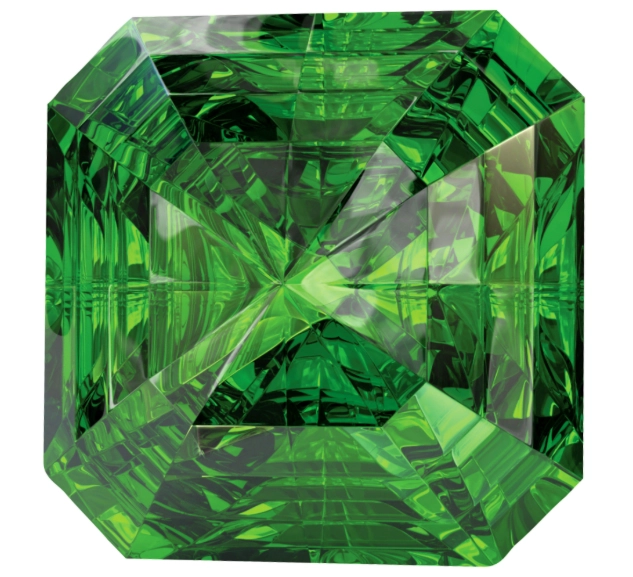
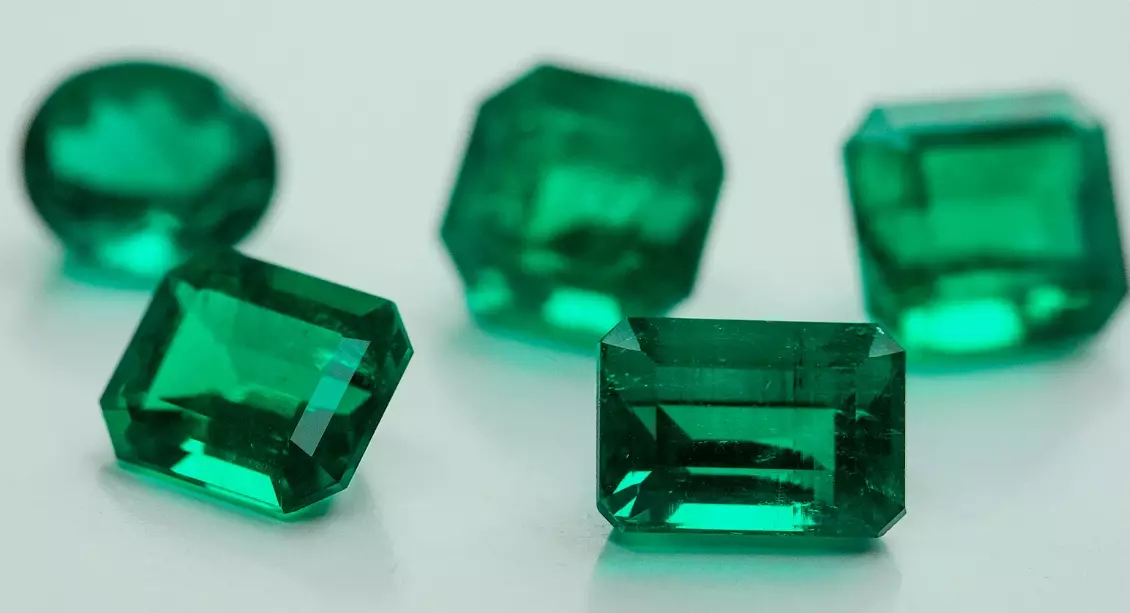
| Emerald | Heart healing, growth, loyalty. The stone of deep and enduring love. | Marking significant commitments or personal growth. A major statement piece. |
| Sapphire | Wisdom, truth, focus. Not just blue! But the classic blue symbolizes depth and clarity. | Students, anyone seeking mental clarity or making big decisions. Feels both royal and serious. |
And then there are birthstones. The modern birthstone list, standardized by gem industry associations like the American Gem Society, gives everyone a personal gem. A birthstone necklace makes for incredibly meaningful jewelry, whether for yourself or as a gift. It’s a piece of identity.
How to Actually Choose a Gemstone Necklace (The Real Questions)
Okay, so you like the idea or you're drawn to a color. Now comes the practical part. Walking into a store or browsing online, what should you actually look for? It's not just about the gem.
The setting, the metal, the cut, the length—they all change the game. A huge, raw amethyst pendant on a leather cord gives off a totally different vibe than a tiny, faceted amethyst bead on a delicate gold chain. Both are gemstone necklaces, but for different people and different days.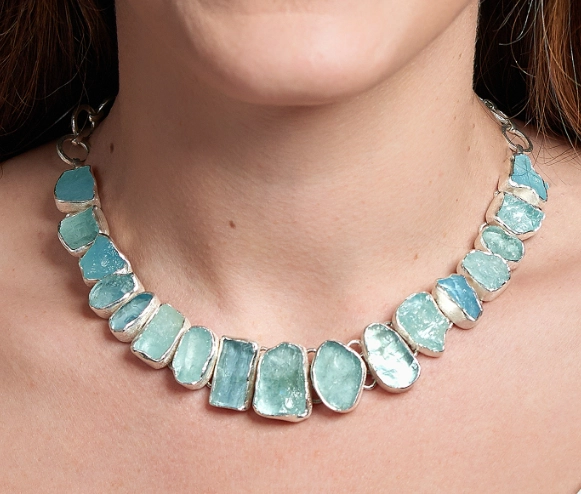
First, Know Your Style (But Be Open)
Are you a minimalist? A maximalist? Somewhere in the messy, wonderful middle?
- Minimalist: Look for a single, small cabochon (that's a polished, dome-shaped stone), a tiny faceted gem, or a solitary bead. Settings are usually simple bezels or prongs. Think "accent," not "centerpiece."
- Boho/Raw: This is where raw, uncut crystals shine. They're irregular, natural, and often set in rustic-looking metals like oxidized silver or raw brass. The chain might be leather or a simple curb chain. The beauty is in the imperfection.
- Classic/Statement: Think larger stones, precise faceting (like you see in engagement rings), and precious metal settings (yellow gold, white gold, platinum). A solitaire pendant or a necklace with a graduated line of gems. This is the "heirloom" category.
I used to think I was firmly in the minimalist camp. Then I tried on a necklace with a chunk of raw, banded agate. It was nothing like my usual style, but it had so much character. It taught me to try things on, even just mentally. Your style can evolve with your collection.
The Metal Matters More Than You Think
The metal isn't just a holder; it's a frame. It changes the color and feel of the stone.
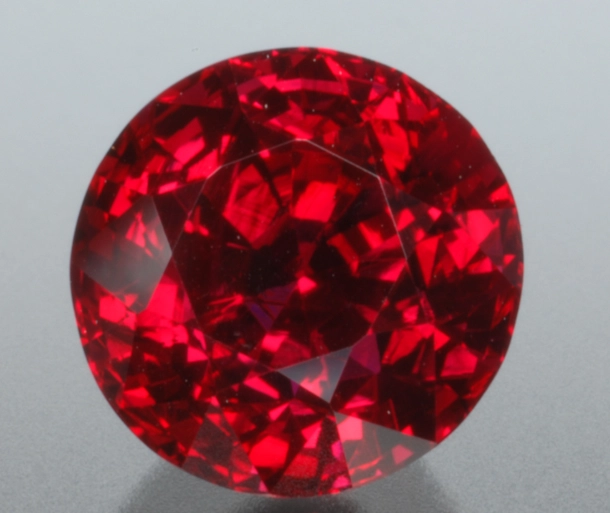
- Yellow Gold: Warm, classic, vintage-feeling. Makes blue stones (lapis, sapphire), green stones (emerald, peridot), and red stones (garnet, ruby) pop with gorgeous contrast. Can feel a bit formal.
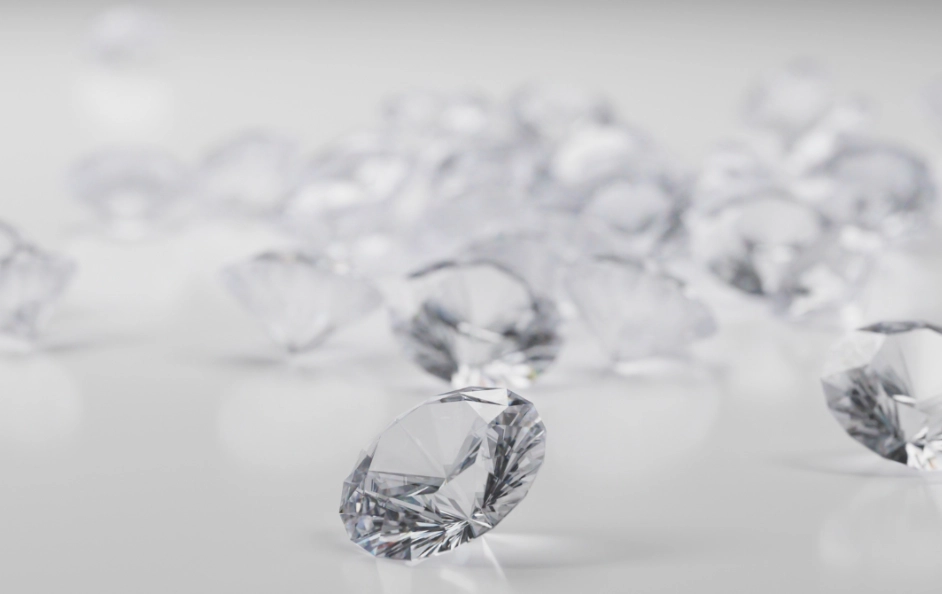
- White Gold/Platinum: Cool, modern, elegant. Makes white/clear stones (diamond, moonstone) sparkle and complements cooler-toned gems like aquamarine or amethyst beautifully. It's a safe, chic choice.
- Rose Gold: Romantic, contemporary. Absolutely stunning with pink stones (rose quartz, morganite), peach stones, and even some greens. Softens the look.
- Sterling Silver: Affordable, versatile, and has a bright, cool luster. Perfect for everyday wear with almost any gemstone. It can tarnish, but a quick polish brings it back.
Gemstone Cut and Shape: It's Not Just About Sparkle
A gem's cut determines its personality.
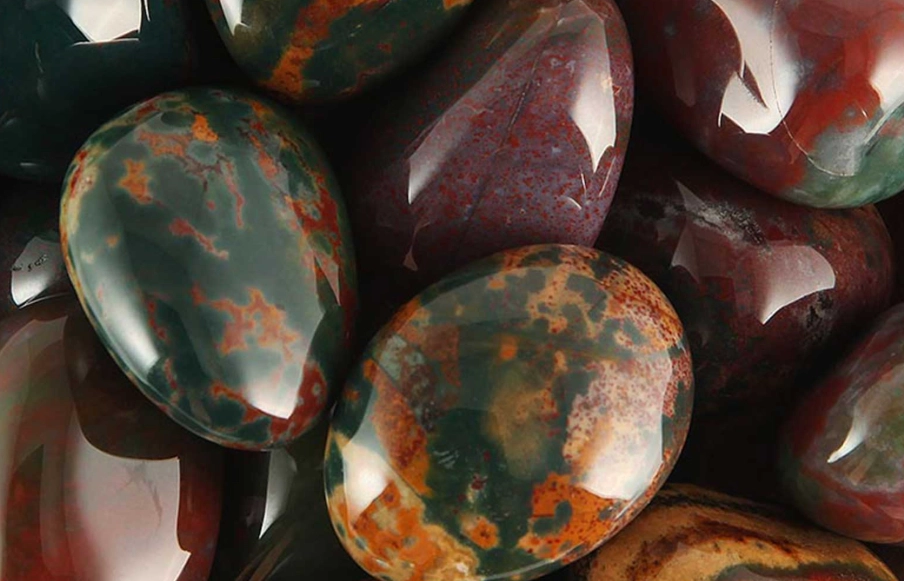
- Cabochon: Smooth, domed, and polished. No facets. This cut highlights the stone's color, patterns (like in malachite or agate), and optical effects (like the star in a star sapphire or the cat's eye in chrysoberyl). It feels organic and smooth to the touch.
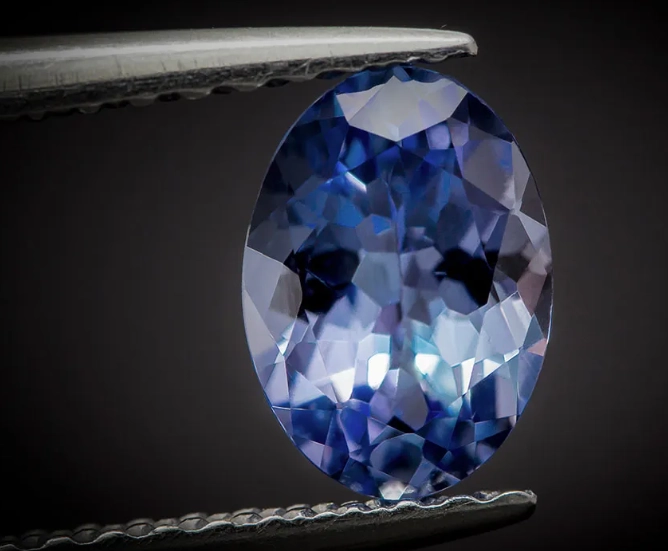
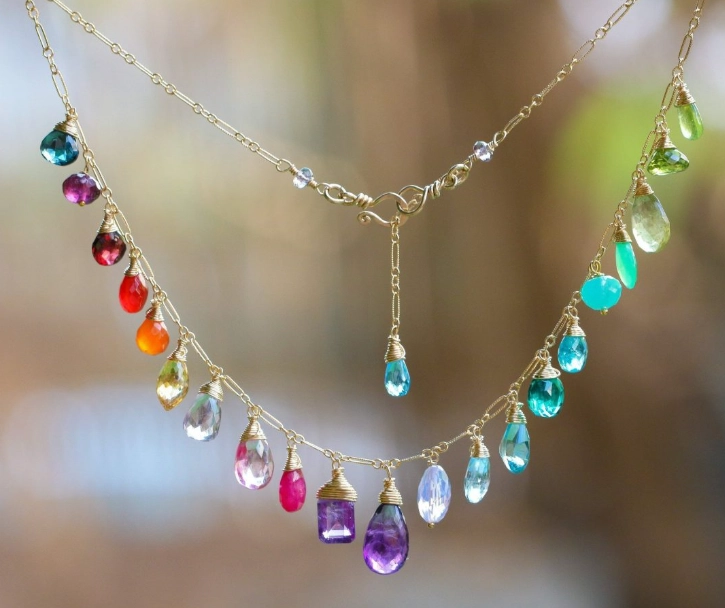
- Faceted: The classic cut with lots of flat, angled planes (facets). Designed to reflect maximum light and create brilliance and fire. This is for sparkle. Think emerald cuts, oval cuts, round brilliants. More formal and jewel-like.
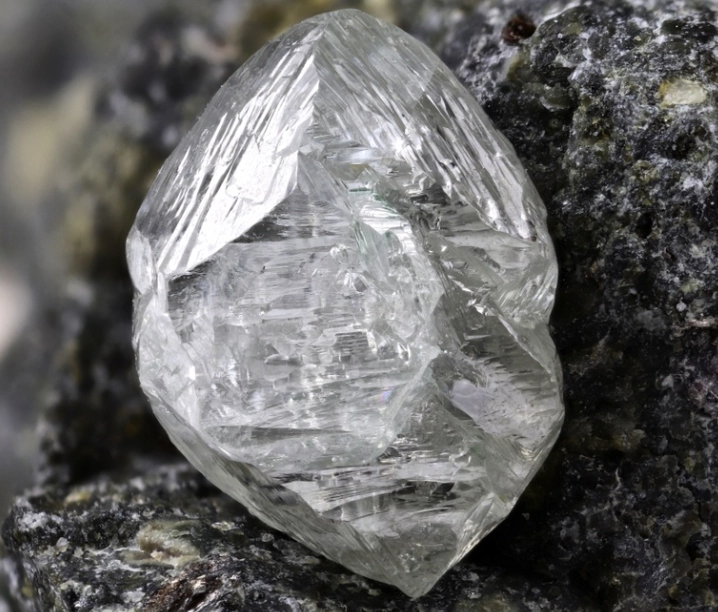
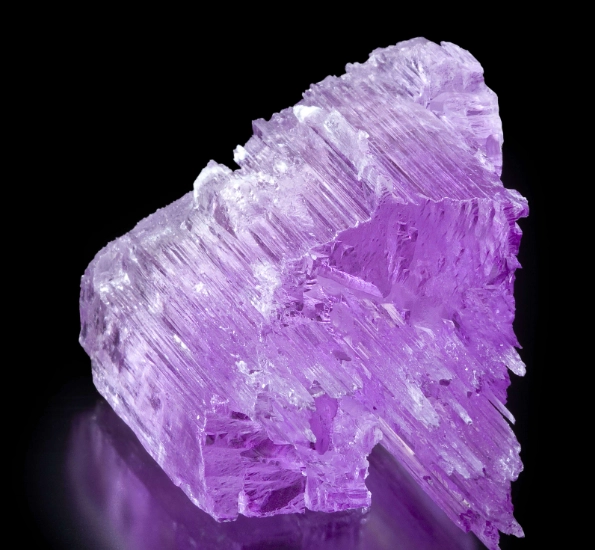
- Raw/Freeform: The stone in its natural, uncut state. All texture and natural shape. This is 100% about a connection to nature and a bold, artistic statement. It can be surprisingly lightweight.
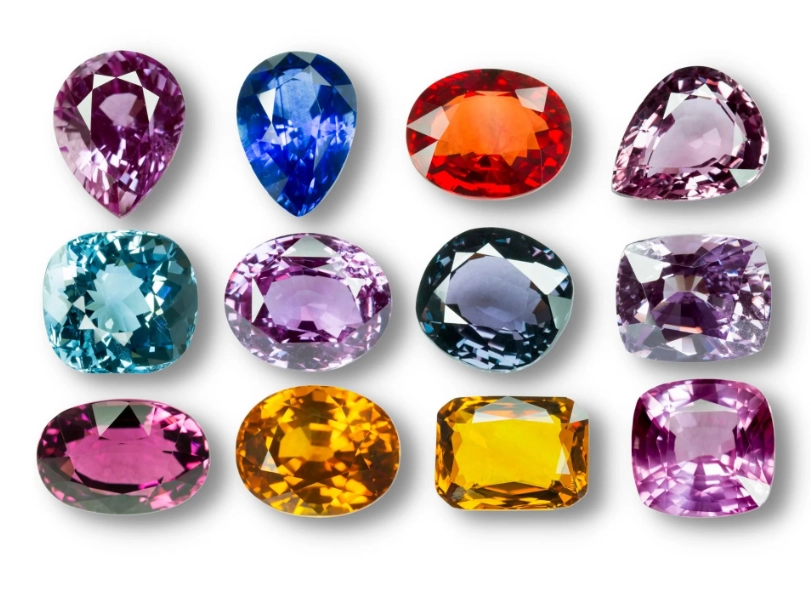
The shape follows from the cut. Ovals and rounds are timeless. Geometric shapes like hexagons or baguettes feel modern. Pear or teardrop shapes are elegant and feminine.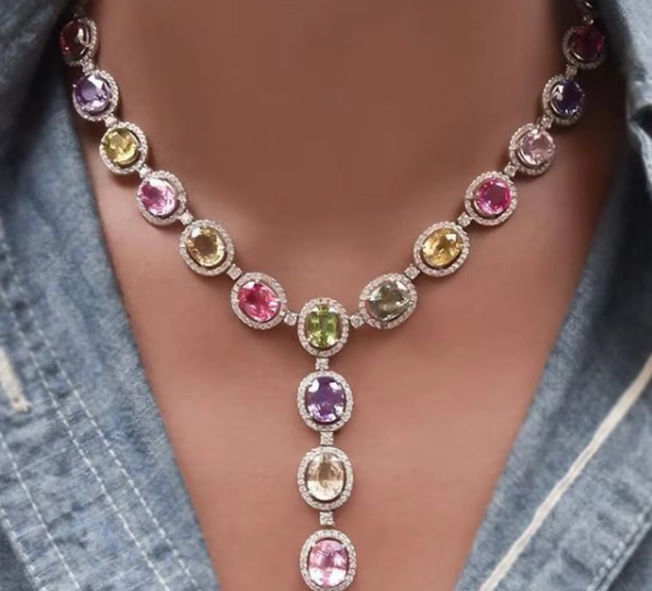
The Nitty-Gritty: Quality, Care, and Not Getting Scammed
This is the part most blogs gloss over because it's technical. But it's what separates a necklace that lasts a lifetime from one that turns dull in a year.
Understanding Gemstone Treatments (It's Not Always Bad)
Here's a reality check: most gemstones on the market are treated in some way to improve their color or stability. And that's okay! As long as it's disclosed.
The Federal Trade Commission (FTC) has guidelines for this. A seller should tell you if a gem has been treated, especially if the treatment affects its care or value.
- Heat Treatment: Very common for sapphires, rubies, aquamarine, and citrine (most citrine is actually heat-treated amethyst!). It permanently improves color and clarity. Generally stable and requires no special care.
- Irradiation: Used to create certain colors, like some blue topaz or smoky quartz. The color is usually stable.
- Fracture Filling: Oils, resins, or glass are used to fill surface-reaching cracks in gems like emeralds or rubies. This does require special care—avoid heat, steam, and ultrasonic cleaners. You must know this!
- Dyeing: Used for porous stones like howlite (to imitate turquoise) or agate. The color can fade or bleed if exposed to harsh chemicals or long sunlight.
Always ask, "Has this gemstone been treated?" A reputable seller will have no problem telling you. If they evade the question, walk away.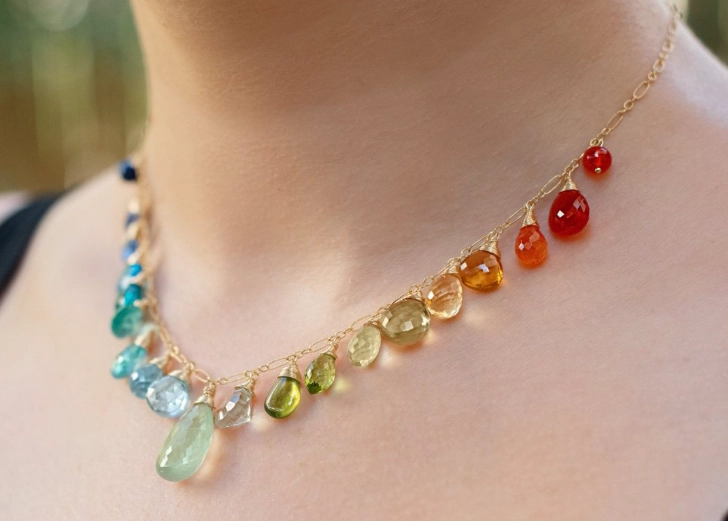
How to Care for Your Gemstone Necklace (The Right Way)
You wouldn't wash silk the same way you wash denim. Same with gems. Mohs hardness scale is your starting point. A diamond is a 10 (hardest), talc is a 1 (softest).
General Rule: Softer stones (below 7 on Mohs, like opal, pearl, turquoise, malachite, fluorite) are delicate. They scratch easily and can be damaged by chemicals, heat, and even sudden temperature changes.
What to Avoid:
- Ultrasonic Cleaners: Great for hard gems like diamonds, sapphires, and rubies. Disastrous for fractured, treated, or soft stones. It can shatter them.
- Steam Cleaners: High heat and pressure can damage many gems, especially those with fluid inclusions (like emeralds) or heat-sensitive treatments.
- Harsh Chemicals: Perfume, hairspray, chlorine, bleach, and cleaning products can erode finishes, dull surfaces, and damage porous stones. Put your gemstone necklace on last when getting ready.
- Extreme Heat & Sunlight: Can fade dyed stones, dry out organic gems (opal, pearl), and damage fracture-filled stones.
Store each piece separately in a soft pouch or a lined jewelry box to prevent scratches. It seems simple, but it makes all the difference.
Styling Your Gemstone Necklace: From Casual to Can't-Miss
This is the fun part. How do you wear it? The beauty of a gemstone necklace is its versatility.
For Everyday Wear (The Layering Game):
Layering is the secret sauce. Take two or three delicate chains of different lengths, each with a small, meaningful gem pendant. Maybe a diamond for clarity, a tiny ruby for passion, and a personal birthstone. The mix of metals and stones looks curated, not matchy-matchy. Keep the gems small so it doesn't feel noisy.
The Solo Statement:
Let one amazing piece do the talking. A large, raw crystal pendant or a bold, faceted gemstone solitaire. Pair it with a simple outfit—a white tee and jeans, a little black dress, a crisp button-down. The necklace is the outfit. This is where that unique gemstone necklace you fell in love with truly shines.
Mixing Gemstones:
Can you wear multiple gemstones together? Absolutely. Think about color harmony. Analogous colors (like blue sodalite, green aventurine, and yellow citrine) create a soothing, gradient effect. Complementary colors (like amethyst and citrine) create vibrant pop. Just keep the scale in mind—if you're mixing, maybe keep the stones a similar size so one doesn't overpower.
I have a friend who swears by wearing a carnelian necklace for energy on workdays and switching to blue lace agate for calm on weekends. It’s her own personal uniform code. It sounds quirky, but it works for her.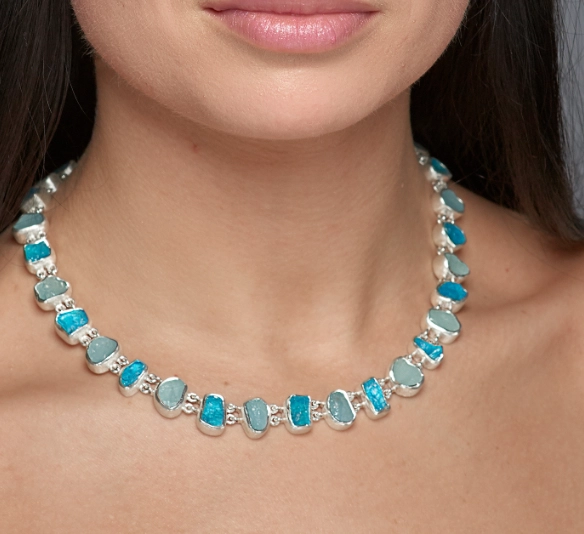
Answering Your Gemstone Necklace Questions (The Real Ones)
Let's tackle some stuff you might be too embarrassed to ask in a store.
Are expensive gemstone necklaces worth it?
It depends on the gem. For "The Big Three"—ruby, sapphire, emerald—and for diamonds, yes, quality, size, and origin massively affect value. A Burmese ruby will cost exponentially more than a similar-looking stone from another locale. For many other gems (amethyst, citrine, quartz varieties), you're often paying more for the artistry of the setting, the brand, or a truly exceptional specimen of the stone. A $50 amethyst necklace can be just as beautiful as a $500 one. The value is in your eyes.
Can I wear my gemstone necklace all the time, even in the shower?
Short answer: Please don't. Long answer: Soap scum builds up, dulling the stone and gunking up the setting. Heat can expand the metal slightly. Chlorine is corrosive. For the love of your jewelry, take it off. Make it a ritual. It takes two seconds and saves you heartache.
What's the difference between a crystal and a gemstone?
All gemstones are minerals with a crystalline structure (well, except organic gems like pearl or amber). In modern lingo, "crystal" often refers to the raw, un-cut form or to stones popular in healing practices (like clear quartz or selenite). "Gemstone" implies it's been cut, polished, and prepared for use in jewelry. A raw amethyst crystal cluster on your shelf is a crystal. That same amethyst, cut into a faceted pear shape and set in a pendant, is a gemstone. In a necklace, the terms are pretty much interchangeable now.
My stone cracked! Did I do something wrong?
Maybe, but maybe not. Some gems have natural inclusions or fractures that make them more fragile. A sharp knock against a countertop can do it. Extreme temperature change (walking from freezing air into a hot sauna) can cause thermal shock. If it's a fracture-filled stone and you put it in an ultrasonic cleaner, that's likely the culprit. Often, it's just an accident. A good jeweler can sometimes re-polish or re-set the stone if the damage isn't too severe.
Final Thoughts: It's About Your Story
At the end of the day, the best gemstone necklace for you is the one you'll wear. The one that makes you feel something when you put it on. It could be a gift marking a milestone, a souvenir from a special trip, or just a stone whose color stopped you in your tracks.
Forget the rules for a second. Do you love it? Does it feel like you?
That's the only metric that really lasts. Everything else in this guide—the meanings, the care tips, the styling tricks—is just here to help you protect that feeling and make sure your piece stays beautiful for years to come. Start with a stone that speaks to you. The rest is just details.
Now go find your piece.