Explore the Guide
- Why Are Gemstone Bracelets So Darn Popular?
- How to Pick *Your* Perfect Gemstone Bracelet: A Step-by-Step Reality Check
- Breaking Down the Top Contenders: A Handy Gemstone Bracelet Guide
- How to Spot a Fake Gemstone Bracelet (And Why It Matters)
- Caring for Your Gemstone Bracelet: Make It Last
- Your Gemstone Bracelet Questions, Answered
- Final Thoughts: It's About Your Connection
Let's talk about gemstone bracelets. You've probably seen them everywhere – on wrists in coffee shops, featured on your favorite influencer's feed, or maybe even tucked away in your own jewelry box. They're more than just a pretty accessory. For a lot of us, they're a tiny piece of the earth we carry with us, a splash of color with a story. But with so many stones, meanings, and styles out there, how do you even begin to choose? And what's the real deal with all those claims about energy and healing?
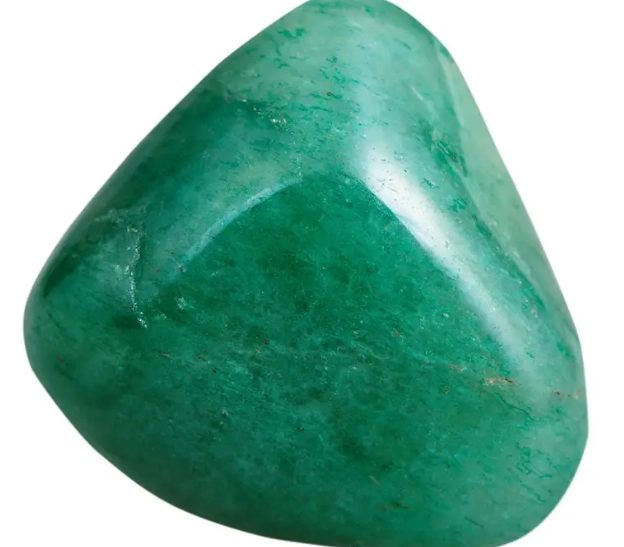
I remember buying my first gemstone bracelet on a whim at a little market stall. It was a string of green aventurine beads, and the seller told me it was for "luck and prosperity." I liked the color, so I bought it. Wore it for months. Did I suddenly become lucky? Not really – I still missed my bus sometimes. But I did find myself touching the cool, smooth beads when I was stressed, which was something. That personal connection, that little ritual, that's where the real value started for me.
This guide isn't about pushing mystical claims. It's about giving you the clear, practical information you need to find a gemstone bracelet that you'll love wearing, whether you're into the metaphysical side, the pure aesthetics, or a bit of both. We'll break down the popular stones, talk about how to pick one that actually suits your life, and tackle the big questions about authenticity and care.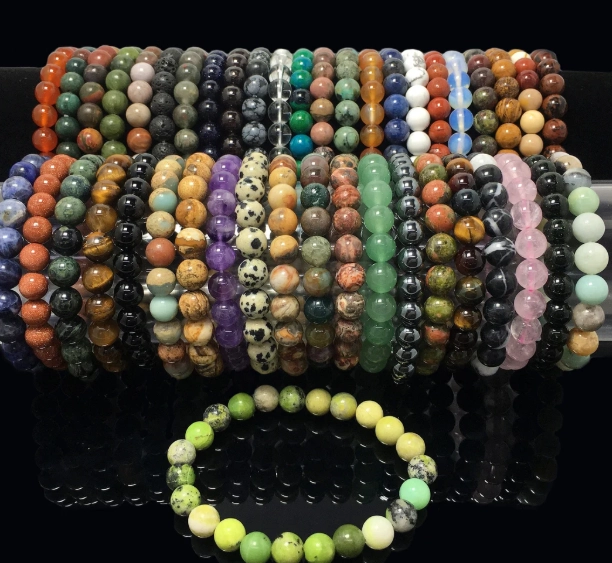
Why Are Gemstone Bracelets So Darn Popular?
It's not just a trend, though they are certainly having a moment. I think their appeal is layered. On the surface, they're incredibly versatile jewelry. A dainty rose quartz bracelet can look elegant with a work blouse, while a chunky tiger's eye piece adds a bold touch to a casual outfit. The variety is endless.
Then there's the personal meaning. In a world of mass-produced stuff, a gemstone bracelet can feel personal. Each stone has a history, a lore attached to it. Amethyst for calm, citrine for abundance, lapis lazuli for wisdom. Choosing one can feel like setting an intention for your day or your life phase. Even if you're skeptical (and healthy skepticism is good!), you can't deny the power of a personal symbol.
And yes, there's the whole wellness and self-care angle. Whether you believe in crystal healing or not, the act of choosing a stone for a specific purpose – like wearing a piece of blue lace agate when you need to speak clearly in a meeting – is a form of mindfulness. It's a tactile reminder of a goal or a needed state of mind. The Mindat mineral database, a fantastic resource for mineralogical data, can show you the incredible natural formation processes behind these stones, which in itself is pretty grounding to think about.
The best gemstone bracelet isn't the most expensive one; it's the one you reach for every morning without a second thought.
How to Pick *Your* Perfect Gemstone Bracelet: A Step-by-Step Reality Check
Forget the overwhelm. Let's simplify this. Choosing a bracelet shouldn't feel like a PhD project. Here’s a straightforward way to think about it.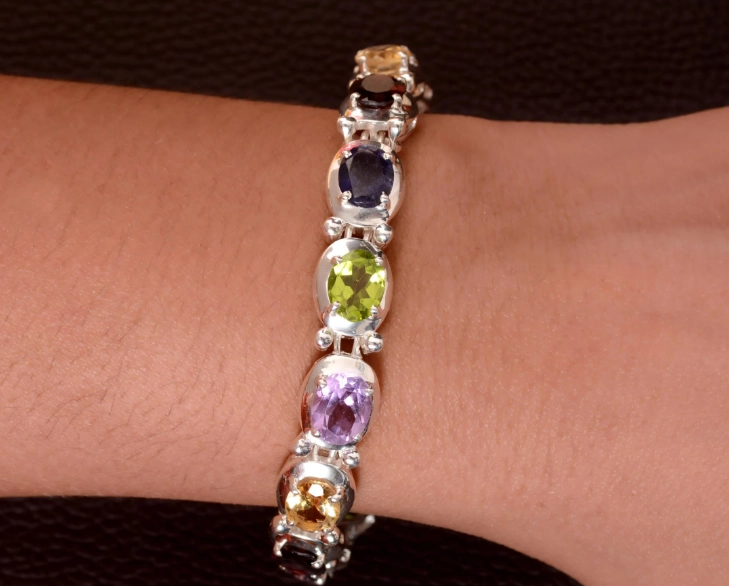
See? It's manageable. It's about aligning the piece with your practical life and personal taste.
Breaking Down the Top Contenders: A Handy Gemstone Bracelet Guide
Alright, let's look at some of the most popular stones you'll encounter. I'm giving you the common associations, but also my personal take on wearing them.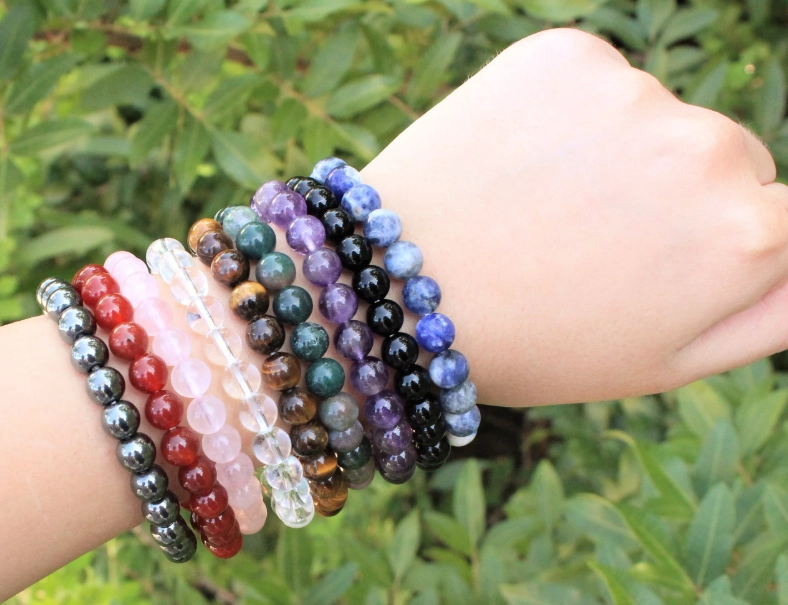
The Top 5 Gemstones You'll See Everywhere
Here’s a quick comparison to cut through the noise.
| Gemstone | Color | Common Meanings/Intentions | Mohs Hardness | Good For... |
|---|---|---|---|---|
| Amethyst | Light to deep purple | Calm, peace, sobriety, intuition | 7 | Stressful days, meditation, promoting rest |
| Rose Quartz | Pale pink to rosy | Love (self & others), compassion, healing | 7 | Heartache, fostering kindness, as a gentle daily reminder |
| Tiger's Eye | Golden brown with silky bands | Courage, protection, grounding, luck | 7 | Job interviews, feeling confident, a "power" piece |
| Lapis Lazuli | Deep blue with gold flecks (pyrite) | Truth, wisdom, communication | 5-6 | Creative work, difficult conversations, seeking clarity |
| Black Obsidian | Jet black, often glossy | Protection, grounding, absorbing negativity | 5-6 | Emotional shielding, letting go, a bold aesthetic statement |
Now, a bit more on each.
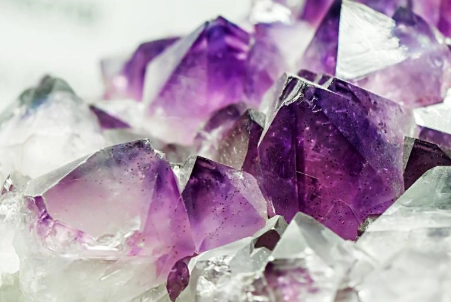
Amethyst is probably the queen of the gemstone bracelet world. It's plentiful, so it's often affordable, and that purple is just universally lovely. I have one on my desk. I'm not sure if it makes me more intuitive, but its cool color is visually calming when my screen is too bright. It's a classic for a reason.
Rose Quartz is the ambassador of self-love. Its popularity has skyrocketed. I find its energy soft – sometimes too soft. If you're in a gritty, need-to-get-things-done mood, rose quartz might feel a bit passive. But for cultivating a kinder inner voice? Perfect. Just be aware that much of the pale, flawless rose quartz on the market is heat-treated or even synthetic. That's not necessarily bad, but it's good to know.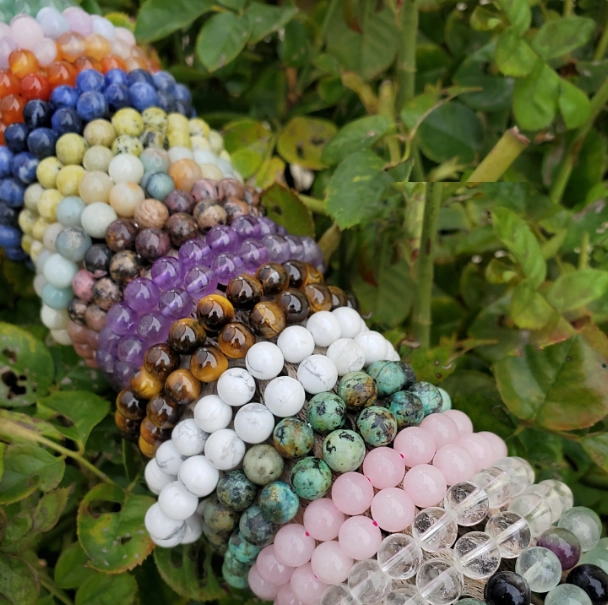
That's where Tiger's Eye comes in. It looks strong, with those chatoyant bands that move like... well, a tiger's eye. It feels substantial on the wrist. I wore a tiger's eye bracelet during a big presentation once. Did it make me brave? Who knows. But fiddling with its smooth, warm beads kept my hands steady. The psychological effect was real.
Lapis Lazuli is history in a bead. Used for thousands of years, from Egyptian tombs to Renaissance paintings. It's softer, so a lapis bracelet needs a bit more care. Those little gold pyrite flecks are natural and prove it's the real deal. I love it for its depth of color. It feels intellectual.
Black Obsidian is the cool, protective shield. It's actually volcanic glass. It's sharp, both in look and reputed energy. Some people find it too intense for everyday. I'd recommend it for specific situations where you feel you need strong boundaries, or if you just love a monochromatic, sleek look. It shows fingerprints like crazy, though. A minor, practical annoyance.
How to Spot a Fake Gemstone Bracelet (And Why It Matters)
This is a huge user pain point. Nobody wants to pay for glass or plastic. The market is flooded with imitations.
Common Fakes & Red Flags:
- Dyed Howlite as Turquoise: Howlite is white with gray veins. Dyed blue, it looks like cheap turquoise. Real turquoise has a waxy luster and is rarely that uniformly bright blue.
- Glass or Resin as Anything: Glass feels uniformly smooth and often has bubbles inside. It's cooler to the touch than plastic. Resin is lightweight and warm.
- "Mystic" or "Aura" Coated Quartz: These are real quartz crystals dipped in metallic coatings to make rainbow colors (like "aqua aura"). They're pretty, but the color is man-made. Sellers should disclose the coating.
- Overly Perfect, Vivid Colors: Nature has variations. Beads that are all exactly the same intense, flawless color are often synthetic or treated. Natural stones usually have some slight color zoning or inclusions.
Simple At-Home Tests (Use Caution):
The temperature test: Real stones often feel cooler to the touch initially than glass or plastic. Not foolproof, but a clue.
The scratch test (RISKY): If you're willing, a real quartz (hardness 7) can scratch glass. But please, don't go scratching a beautiful bead! This is a last-resort method and can damage your piece.
The best defense? Buy from reputable sellers who provide details. Look for terms like "natural," "genuine," and know that "simulated" or "man-made" means not natural. The American Gem Society (AGS) is a great resource for finding credentialed jewelers and understanding grading standards.
Caring for Your Gemstone Bracelet: Make It Last
You've found your perfect gemstone bracelet. Now, keep it looking good.
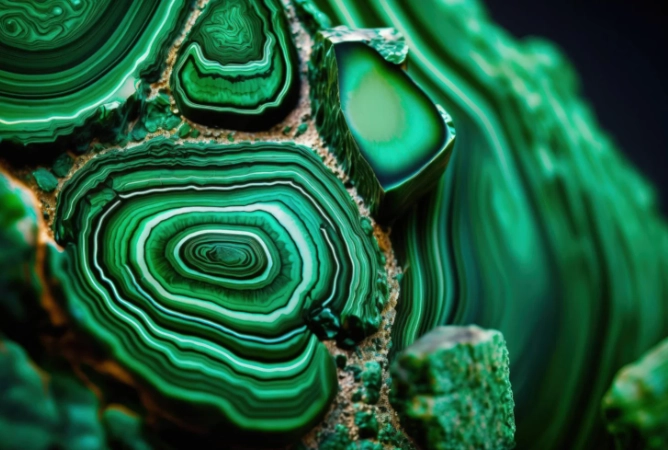
Cleaning: Generally, a soft, dry cloth is best. For a deeper clean, use mild soap, lukewarm water, and a soft brush. Avoid: Ultrasonic cleaners (can shatter some stones), steam cleaners (can damage porous stones like turquoise or malachite), and harsh chemicals. Salt water can also be corrosive.
Charging/Cleansing (The Energetic Side): If you're into the metaphysical aspect, popular methods include moonlight bathing (safe for most stones), smudging with sage, or placing on a selenite slab. Sunlight can fade many stones (like amethyst, rose quartz), so I'd avoid that for charging.
Storage: Don't just toss it in a jumbled jewelry box. Stones can scratch each other. A soft pouch or a compartmentalized box is ideal. Keep them away from extreme heat and prolonged moisture.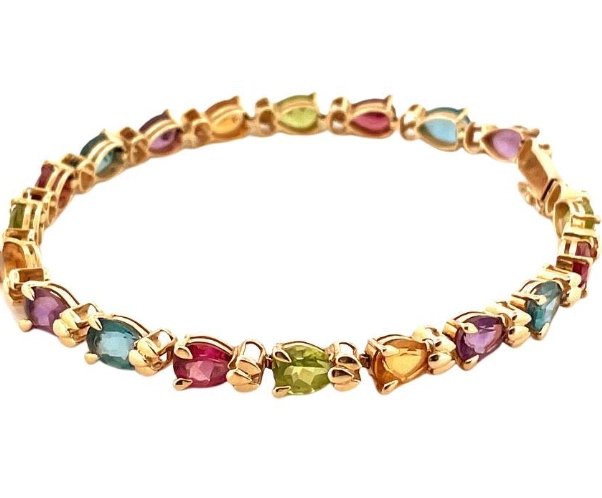
The care routine you'll actually stick to is better than the perfect routine you never do.
Your Gemstone Bracelet Questions, Answered
Q: Do gemstone bracelets really work?
A: This is the big one. Scientifically, there's no evidence that crystals can cure diseases or change your fate. Their "work" is largely psychological and symbolic. If wearing a stone helps you focus on an intention (like being calm or confident), then it's working on a mindfulness level. The placebo effect is a powerful thing. Don't expect miracles, but do appreciate the personal ritual and focus it can provide.
Q: Can I wear multiple gemstone bracelets together?
A: Absolutely. Stack them! It's a huge trend. Some people worry about stones "clashing" energetically. I say, if you like the look and feel good, go for it. A mix of textures and colors can be stunning. Just be mindful of hardness – a softer stone like lapis next to a harder quartz might get scratched over time.
Q: How should it fit?
A: It should be comfortable. Not so tight it leaves a mark or cuts off circulation, not so loose it slides over your hand easily (unless it's a stretchy bracelet meant to do that). A good rule: you should be able to slip one or two fingers comfortably between the bracelet and your wrist.
Q: Can I give a gemstone bracelet as a gift?
A: A wonderful gift! Choose based on the recipient's personality or a wish you have for them (e.g., rose quartz for a friend going through a breakup, citrine for a new graduate). Include a small card explaining the stone's traditional meaning – it makes the gift thoughtful and personal.
Q: What's a reasonable price to pay?
A: For a simple, genuine beaded bracelet with common stones (like amethyst, quartz, aventurine), $20-$60 is a fair range. For larger beads, higher-quality cuts, or rarer stones, prices go up from there. Designer settings with precious metals will cost more. Avoid dirt-cheap bracelets claiming to be high-quality natural stones.
Q: Is it okay to wear my gemstone bracelet every day, including in the shower?
A: I wouldn't recommend it. Soap, shampoo, and hot water can degrade stringing materials (like elastic) and damage porous stones. It's best to take it off for showers, swimming, heavy exercise, or applying lotions/perfumes. Make putting it on part of your morning ritual instead.
Final Thoughts: It's About Your Connection
At the end of the day, the best gemstone bracelet is the one that speaks to you. It might be because of its color, its story, the way it feels on your skin, or the intention you've attached to it. Don't get bogged down in trying to find the "perfect" or "most powerful" stone according to someone else's guide.
Use the info here as a toolkit, not a rulebook. Start with what you're drawn to. Feel the beads. Read about the geology on a site like Mindat. Appreciate it as a piece of our planet. Whether it becomes a cherished good-luck charm, a simple fashion accessory, or a tool for mindfulness is entirely up to you and the relationship you build with it.
The journey with a gemstone bracelet is personal. Mine started with a simple green string at a market, and it's led me to appreciate the incredible diversity and beauty of the natural world, one wristful at a time. I hope you find a piece that brings you a similar sense of curiosity and personal joy.