Quick Navigation
- Why Gemstone Earrings? More Than Just a Pretty Face.
- Your Step-by-Step Guide to Choosing *The* Pair
- A Closer Look at Popular Gemstones (And a Few Underdogs)
- The Metal Matters: More Than Just a Holder
- Gemstone Treatments & What "Natural" Really Means
- How Do I Even Wear These? Styling Gemstone Earrings Without Overdoing It
- Caring for Your Investment: Make Them Last a Lifetime
- Your Gemstone Earrings Questions, Answered
- Final Thoughts: Finding Your Signature Sparkle
Let's be honest, shopping for gemstone earrings can feel overwhelming. You walk into a store or scroll online, and you're hit with a million choices. Sapphire, emerald, amethyst, topaz... and that's just the gems. Then you have to think about the metal, the setting, your skin tone, your budget. It's enough to make you close the tab and stick with simple studs.
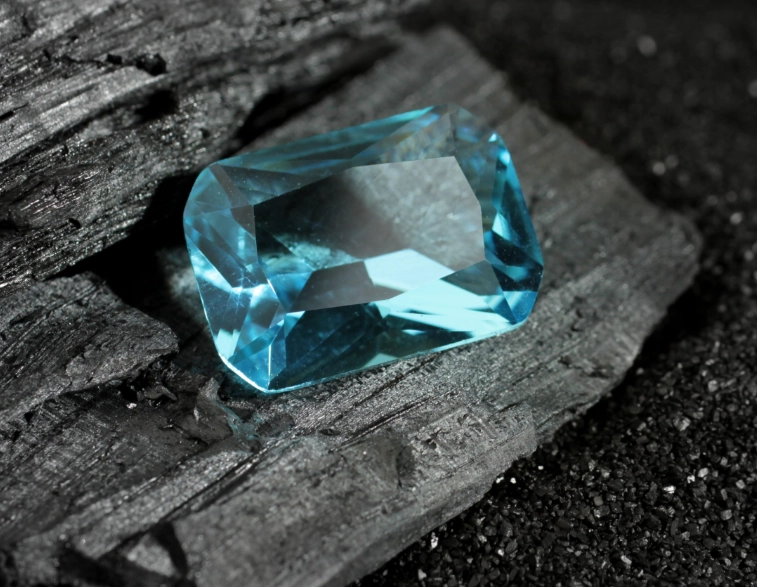
But here's the thing. A great pair of gemstone earrings isn't just another accessory. It's a tiny piece of art you wear every day. It can lift your mood, complete an outfit, and sometimes, it feels like it has a story to tell. I remember the first time I bought a pair of blue topaz earrings on a trip. Nothing fancy, just small drops. But every time I wear them, I think of that coastline. That's the magic a simple diamond stud can't always replicate.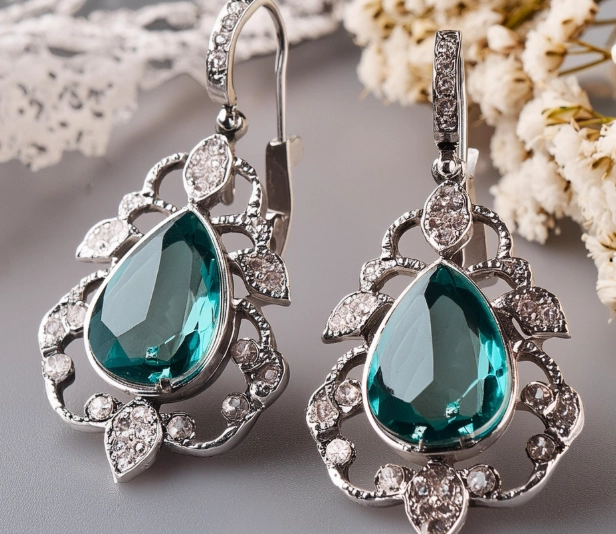
So, how do you navigate this colorful, sometimes confusing, world? That's what this guide is for. We're going to ditch the jargon and the sales pitch. We'll talk about how to pick a stone that actually suits you, how to avoid overpaying, and how to keep your new treasures sparkling for years. Think of it as a friendly chat with someone who's made a few mistakes (and learned from them) so you don't have to.
Why Gemstone Earrings? More Than Just a Pretty Face.
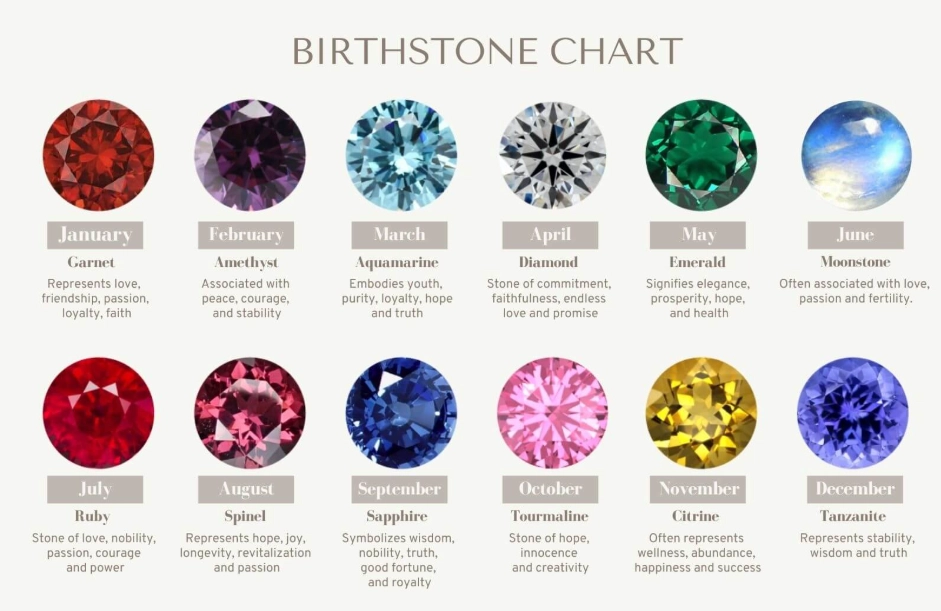
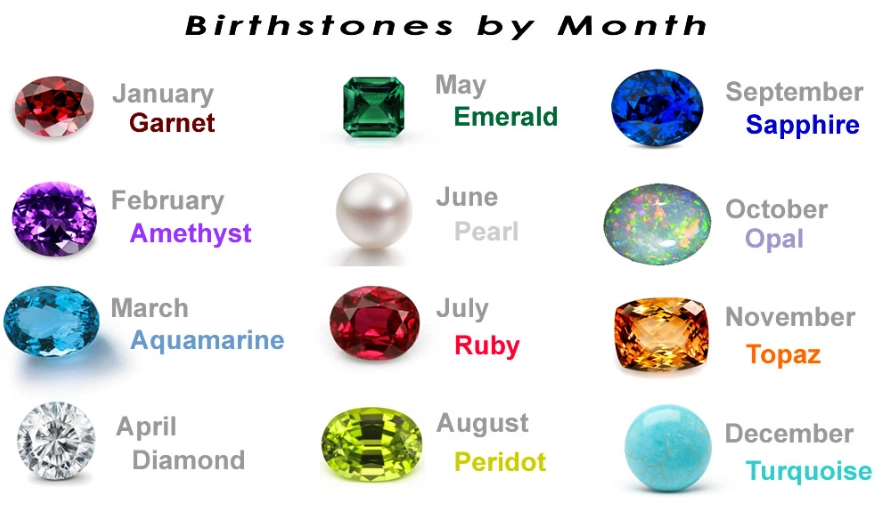
Sure, they're beautiful. But there's more to it. For a lot of people, gemstones hold meaning. Maybe it's your birthstone—a little personal signature. Maybe you're drawn to a certain color because of how it makes you feel. Green for calm, red for energy, blue for clarity. There's a whole world of symbolism out there, from ancient traditions to modern interpretations.
Then there's the uniqueness factor. While diamond shapes are pretty standardized, gemstones come in all sorts of organic, imperfect cuts and formations. No two are exactly alike. That means your pair of gemstone earrings is literally one-of-a-kind. It's a piece of nature you carry with you.
For those who care about sustainability, many gemstones (especially lab-created ones) have a smaller environmental footprint than traditional diamond mining. It's a way to add sparkle to your life with a clearer conscience.
Your Step-by-Step Guide to Choosing *The* Pair
This is where most guides throw a bunch of technical terms at you and call it a day. Let's break it down into practical, human steps.
Step 1: Listen to Your Skin (And Your Wardrobe)
Forget the rigid "cool tone vs. warm tone" rules you've read. They're a starting point, not a law. The best test is to hold metals and stones near your face in natural light.
Do you notice your skin looks brighter next to silver/white gold and cool-colored stones like sapphire or amethyst? You might lean cool. Does gold or rose gold make you glow, paired with a citrine or garnet? You might lean warm. But here's my personal take: I have "warm" skin according to the charts, but I adore the pop of a cool aquamarine. Rules are meant to be gently bent.
More importantly, think about your daily uniform. If you live in neutrals (black, white, grey, navy), gemstone earrings are your best friend. They become the focal point. A pair of emerald studs against a black sweater? Perfection. If your wardrobe is already colorful, you might want subtler stones or ones that complement rather than clash.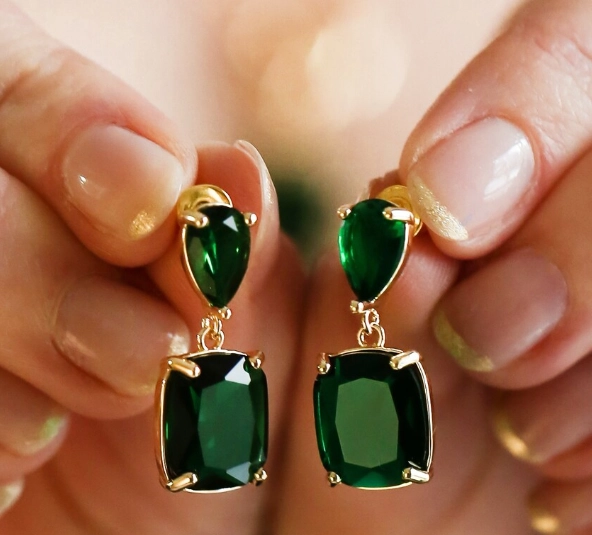
Step 2: The Shape Game: Face Shape & Earring Style
This advice is actually useful. The goal is balance.
- Round Face: Longer styles like dangles or ovals can help elongate. Maybe avoid big, round studs that mirror your face shape.
- Square Face: Softer curves are your friend. Think teardrops, hoops with gem accents, or oval stones to soften angular jawlines.
- Oval Face: You lucky duck. Almost any style works. Play around!
- Heart-Shaped Face: Styles that are wider at the bottom (like inverted triangles or chandeliers) balance a narrower chin.
But again, wear what makes you happy. I have a round face and sometimes I wear big, round citrine studs anyway because they make me smile.
Step 3: Setting a Realistic Budget & Understanding Value
This is critical. The price of gemstone earrings can range from $30 to $30,000. What are you paying for?
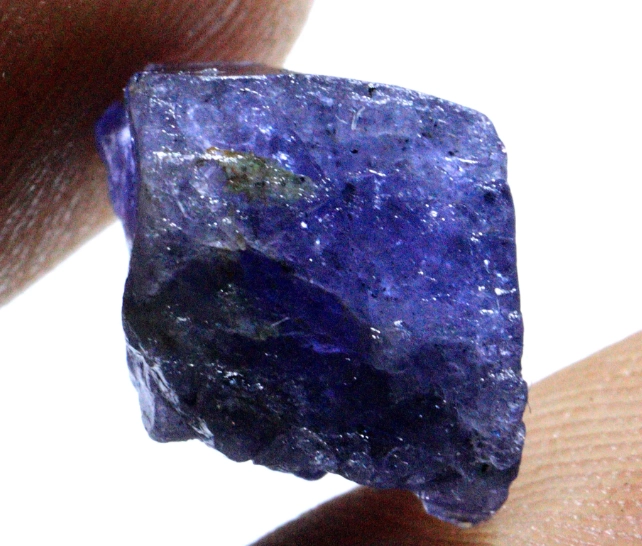
- The Gemstone Itself: The "Big 4" for value are traditionally diamond, ruby, emerald, and sapphire. But stunning stones like tanzanite, alexandrite, or Paraiba tourmaline can be even rarer and more expensive. A gem's value is based on color, clarity, cut, and carat weight (the "4 Cs"), with color often being the most important factor for colored gems.
- The Metal: 14k or 18k gold (yellow, white, or rose) costs more than sterling silver or gold-plated settings. Platinum is the premium choice. The weight of the metal also matters—a substantial setting costs more than a flimsy one.
- The Craftsmanship: A handcrafted setting from a skilled artisan justifies a higher price than a mass-produced one. You can often see and feel the difference.
My advice? Start with a modest budget for your first real pair. Get a feel for what you like to wear daily. Do you lose earrings easily? Go for studs. Do you love making a statement? Save for those bold dangles. There's no "right" amount to spend, only what's right for you.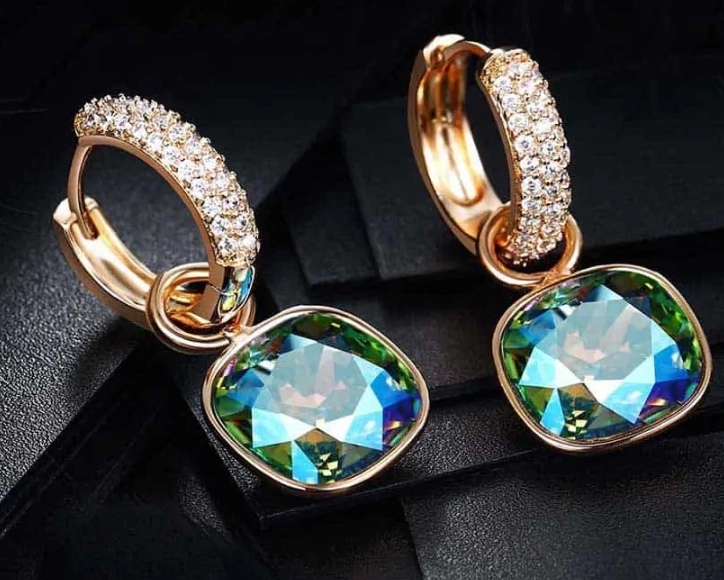
A Closer Look at Popular Gemstones (And a Few Underdogs)
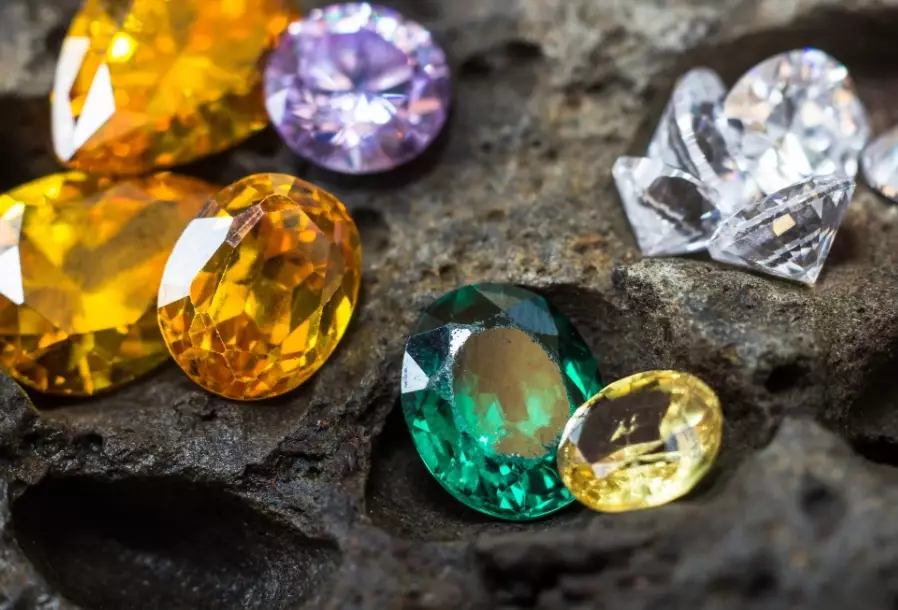
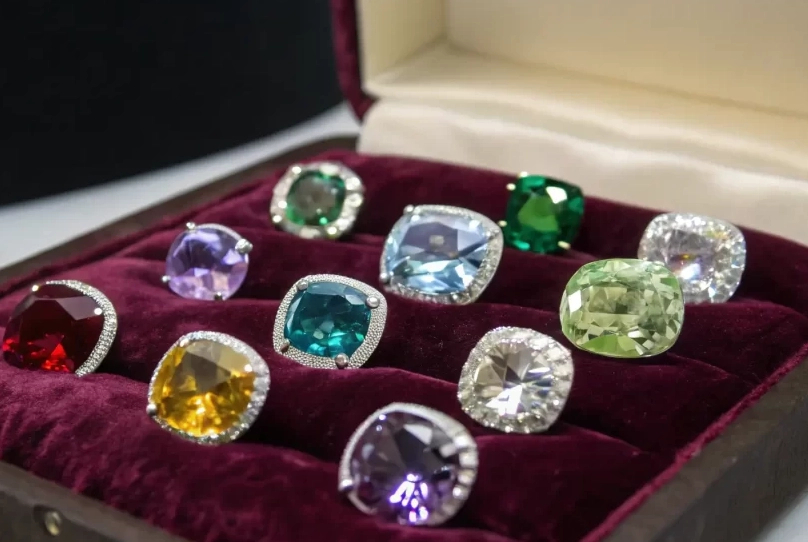
Let's get to know some of the characters in this story. Here’s a quick-reference table for some favorite and lesser-known gemstones for earrings.
| Gemstone | Color Range | Durability Note | Why People Love It | Consider This... |
|---|---|---|---|---|
| Sapphire | Classic blue, but also pink, yellow, white ("padparadscha" is a rare orange-pink). | Excellent (9 on Mohs scale). Very safe for daily wear. | Timeless, durable, and comes in every color but red. The September birthstone. | Some lighter blues can look a bit washed out in small sizes. Go for a vivid color if you can. |
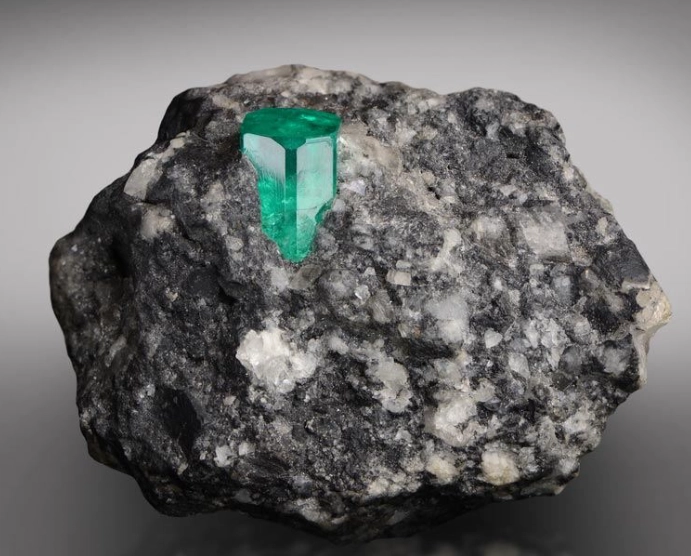
| Emerald | Rich, grassy green. The deeper, the more valuable. | Softer (7.5-8). Often has inclusions ("jardin"). Handle with more care. | That iconic, luxurious green. The May birthstone. Feels vintage and elegant. | Almost always oil-treated to improve clarity. Requires gentle cleaning. Can be pricey for good color. |
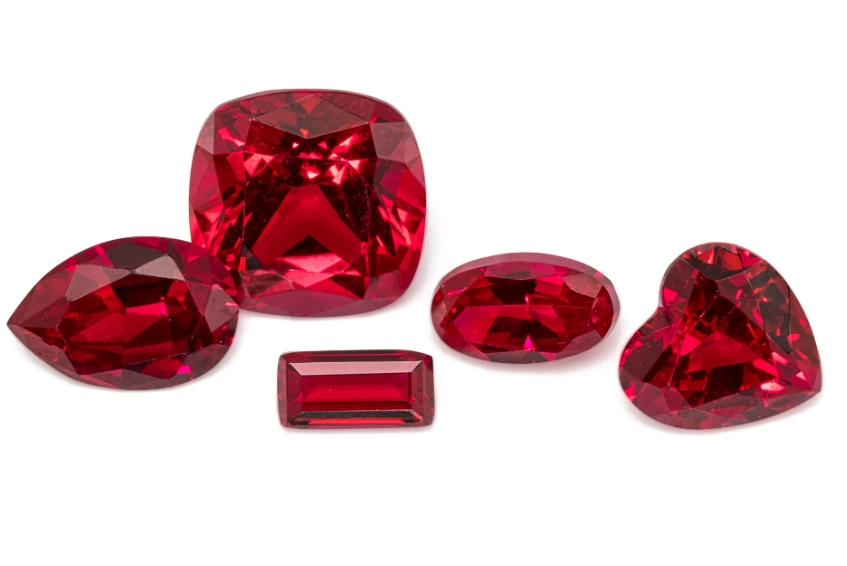
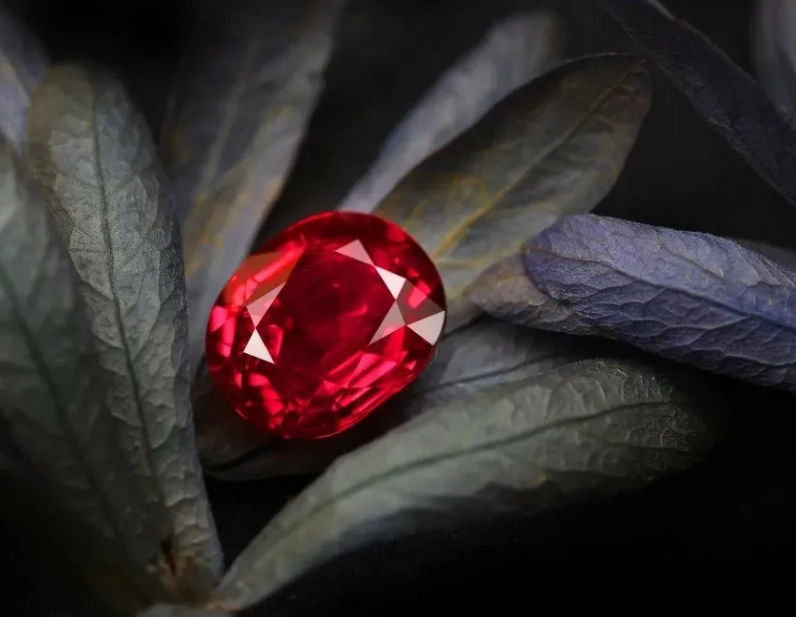
| Ruby | Vivid red to purplish-red. "Pigeon's blood" red is the prized color. | Excellent (9). Another great daily-wear stone. | Passion, energy, classic luxury. The July birthstone. | High-quality natural rubies are extremely expensive. Lab-grown are a fantastic, identical alternative. |
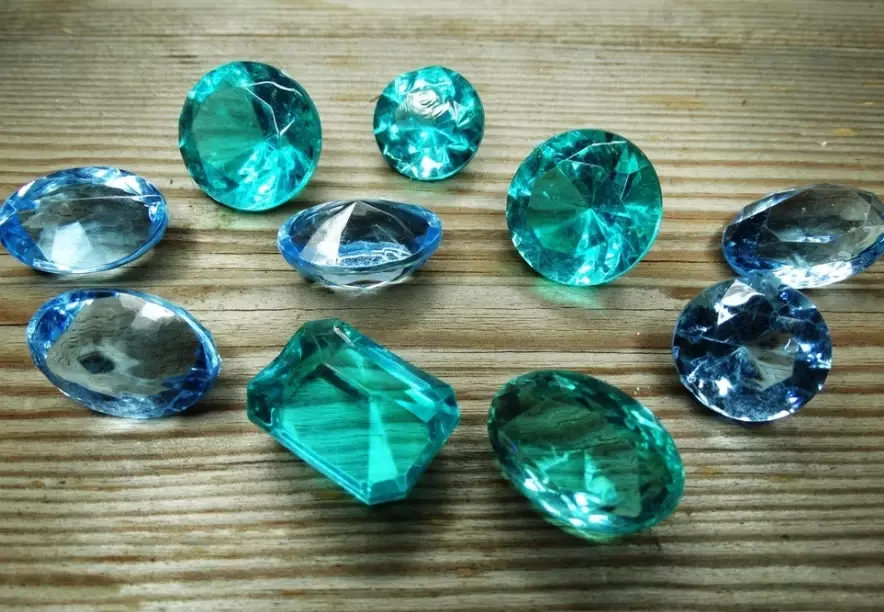
| Aquamarine | Serene, light blue to blue-green. Like frozen seawater. | Good (7.5-8). Fairly durable for occasional wear. | Calming, ethereal color. The March birthstone. Often very clear and sparkly. | The color can be quite pale. Look for a pair with slightly larger stones or a deeper blue hue to really see it. |
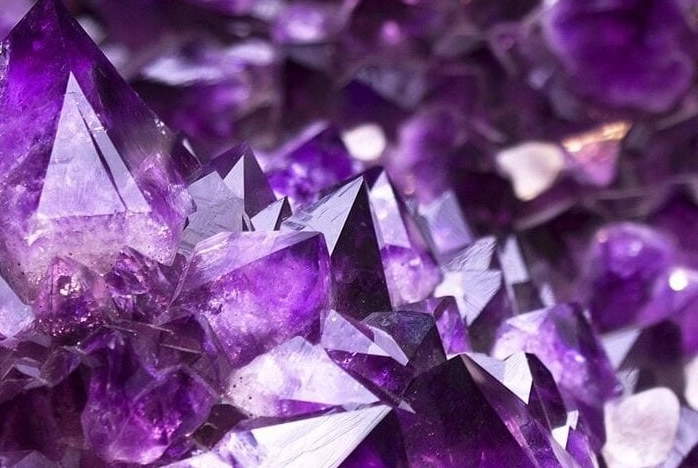
| Amethyst | Light lavender to deep, royal purple. | Good (7). Affordable and widely available. | Beautiful color, great value. The February birthstone. Was historically as prized as ruby. | Can fade with prolonged exposure to strong sunlight. Not for all-day, everyday sunbathing. |
| Morganite | Soft peach, pink, or salmon pink. | Good (7.5-8). Has become hugely popular recently. | Romantic, feminine, and looks stunning in rose gold settings. A modern favorite. | The color can be subtle. Make sure you see it in different lights—sometimes it can look almost clear. |
| Lab-Created Gemstones (Sapphire, Ruby, Emerald, etc.) | Identical to natural colors, and even more vibrant options exist. | Identical to their natural counterparts. | Ethical, affordable, and often more flawless. You get a bigger, brighter stone for your budget. | Some people prefer the "story" of a natural stone. But chemically and visually, they are real gemstones. |
The Metal Matters: More Than Just a Holder
The metal isn't just a frame; it's part of the painting. The wrong metal can make a beautiful stone look dull or off.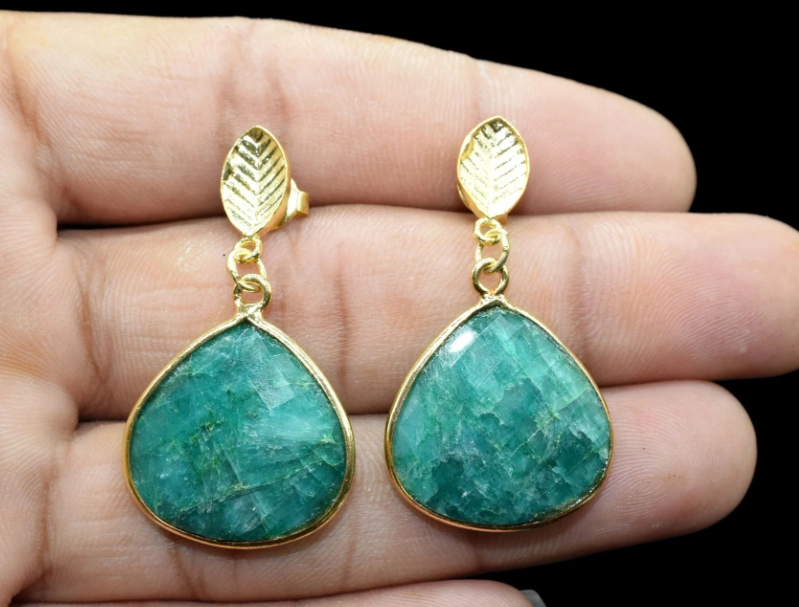
- Yellow Gold: Warm and classic. Enhances warm-toned stones like citrine, garnet, and morganite beautifully. Can make cool stones like sapphire look richer and slightly deeper.
- White Gold/Rhodium-Plated Silver: Cool and modern. Makes blue, green, and purple stones (sapphire, emerald, amethyst) really pop. It gives a clean, crisp look.
- Rose Gold: Modern and romantic. The pink hue is magical with peach morganite, pink sapphire, and even some aquamarines. It softens the look.
- Sterling Silver: Affordable and versatile. A great entry point. Just know it can tarnish and requires polishing. For sensitive ears, make sure the posts are sterling or have hypoallergenic tips.
Gemstone Treatments & What "Natural" Really Means
This is the part most jewelers gloss over, but it's key to being an informed buyer. The vast majority of gemstones on the market are treated in some way to improve their color or clarity. This is normal and accepted in the industry, but it should be disclosed.
- Heating: The most common treatment. Applied to sapphires, rubies, aquamarine, and many others to enhance or change color. It's generally stable and permanent.
- Oiling/Filling: Common for emeralds (and sometimes rubies). Oils or resins are infused into surface-reaching cracks to make them less visible. This treatment can be less stable—heat or harsh chemicals can damage it.
- Diffusion: Adds color to the surface layer of a gem (often sapphire). The color does not go all the way through. This must be disclosed.
- Irradiation: Used to create certain colors in stones like topaz (creating "London Blue" or "Swiss Blue" topaz). The resulting gems are stable and safe.
Why does this matter to you? First, treatments affect value—an untreated, naturally vivid stone is rarer. Second, it affects care. An oiled emerald should never be cleaned in an ultrasonic cleaner. A reputable seller will always tell you about significant treatments. The Gemological Institute of America (GIA) Gem Encyclopedia is an incredible, unbiased resource to learn about treatments for any specific gem.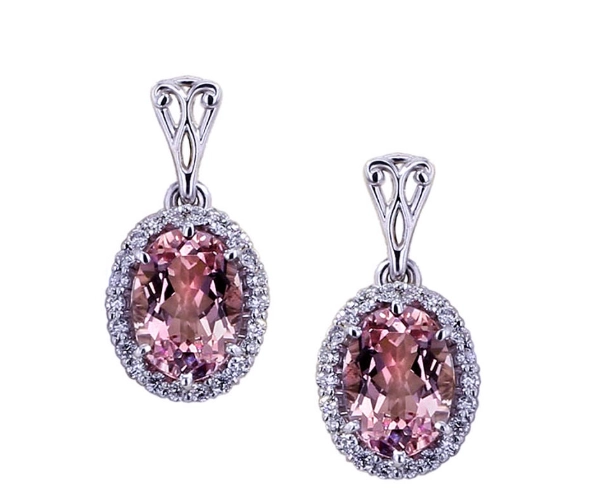
How Do I Even Wear These? Styling Gemstone Earrings Without Overdoing It
You've bought them. Now what? The fear of looking "too much" is real.
For Work/Everyday: This is where studs or small hoops with gem accents shine (pun intended). A pair of modest amethyst or blue topaz studs adds color without being distracting. Keep other jewelry minimal—maybe a simple chain necklace. Let the earrings be the star.
For Evenings/Events: Go bold. Dangling gemstone earrings catch the light beautifully. If your earrings are statement-makers, skip the necklace altogether. A bare neckline and a slick bun? That's the perfect canvas for dramatic drops.
Mixing Metals & Stones: This is an advanced move, but it can be stunning. Try pairing warm gold hoops with cool blue topaz dangles. Or wear mismatched (but complementary) gemstone earrings—a sapphire stud in one ear, a diamond in the other. It looks intentional and cool.
My rule of thumb? One loud piece per outfit. If your gemstone earrings are loud, let everything else whisper.
Caring for Your Investment: Make Them Last a Lifetime
Gemstones aren't indestructible. A little care goes a long way.
- Put Them On Last: Hairspray, perfume, lotion—these can cloud stones and dull metal. Earrings should be the final touch.
- Take Them Off First: Before showering, swimming (chlorine is terrible), cleaning, or working out. Soap scum and sweat are not a gem's best friend.
- Clean Gently: The universal safe method? A bowl of warm water with a few drops of mild dish soap. Soak for 10-15 minutes, gently scrub with a soft baby toothbrush (focus on the back of the stone where gunk collects), rinse in lukewarm water, and pat dry with a soft, lint-free cloth. For specific advice, the GIA's Gem Care guide is excellent.
- Store Them Separately: Don't toss them in a jumbled jewelry box. Stones can scratch each other. Use a soft pouch or a box with separate compartments.
Your Gemstone Earrings Questions, Answered
Are gemstone earrings good for sensitive ears?
They can be, but you must be strategic. The issue is usually the metal post, not the gemstone itself. Look for earrings with posts made of surgical-grade stainless steel, titanium, or niobium. Many jewelers offer to set gemstones in these hypoallergenic settings. Avoid nickel at all costs—it's a common irritant. If you're buying online, check the product description for metal specifications.
What's the difference between precious and semi-precious stones?
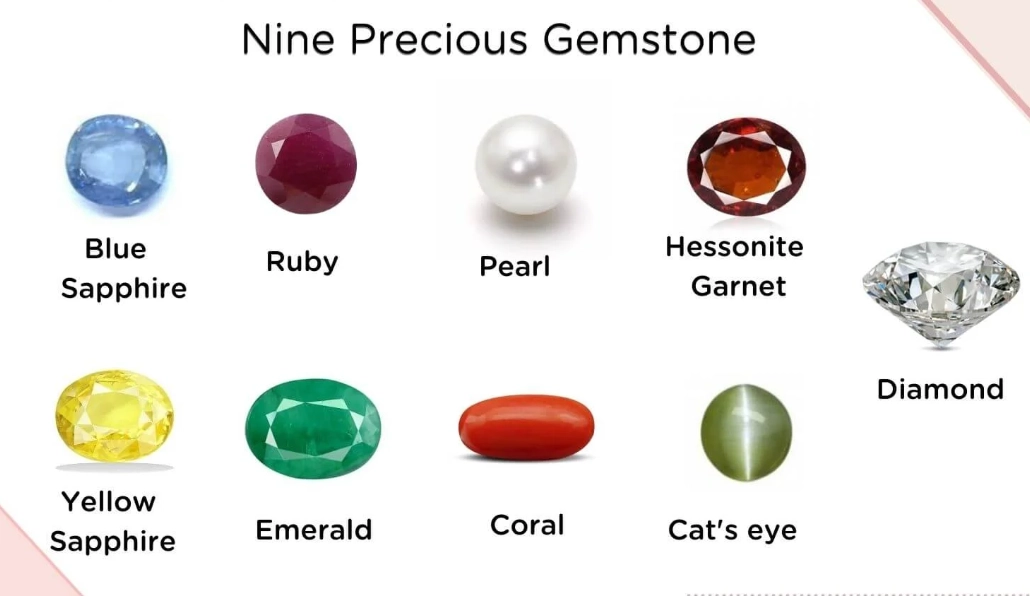
This is an old-fashioned classification. Traditionally, only diamond, ruby, emerald, and sapphire were "precious." Everything else was "semi-precious." The gemology world is moving away from these terms because they imply lesser value. A well-cut, vivid tsavorite garnet ("semi-precious") can be far more valuable than a pale, included sapphire ("precious"). Focus on the beauty and properties of the individual stone, not the outdated category.
Can I wear my gemstone earrings every single day?
It depends on the stone and setting. A pair of sapphire or diamond studs in a secure, protective setting? Probably yes. A pair of emerald dangles with a delicate setting? I wouldn't risk it for daily wear. Harder stones (8+ on the Mohs scale) in sturdy settings are best for daily use. Softer stones or intricate designs are better for special occasions. Think of it like shoes: you have your everyday sneakers and your fancy heels.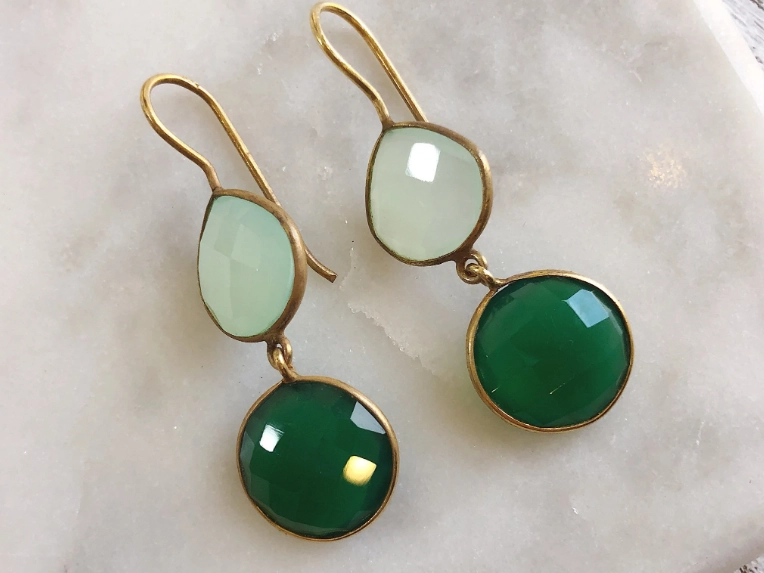
How do I know if my gemstone earrings are real?
There's no home test that's foolproof. The best way to know is to buy from a reputable source that provides clear information. Are treatments disclosed? Is the seller a member of a professional organization like the Jewelers of America? For high-value purchases, request a report from a respected gemological lab like GIA or AGS. For more affordable pieces, trust comes from a seller's transparency and reputation.
Are lab-created gemstones "real"?
Yes, 100%. They are not "fake" like plastic or glass. Lab-created gemstones have the same chemical composition, crystal structure, and physical properties as stones mined from the earth. They are grown in controlled environments that replicate natural conditions. The main differences are origin (lab vs. mine), rarity, and often, price. Visually, they are often more perfect (fewer inclusions) and can come in more saturated colors.
Final Thoughts: Finding Your Signature Sparkle
Choosing gemstone earrings is a personal journey. It's about color, feel, and a little bit of magic. Don't let analysis paralysis stop you. Start with what draws your eye. Is it the deep blue of a sapphire or the cheerful yellow of a citrine?
Remember, the perfect pair of gemstone earrings isn't the most expensive or the rarest one. It's the pair you reach for again and again. The ones that feel like *you*.
Maybe it's a subtle pair of garnet studs for everyday confidence. Maybe it's dramatic opal drops for a night out. There's no wrong answer, only what brings you joy. So go explore, try things on, and enjoy the process. Your perfect gemstone companion is out there waiting.