Quick Guide
- What Are Rough Gemstones, Really? Beyond the Basic Definition
- How to Identify Rough Gemstones: Don't Just Guess
- Where to Find and Buy Rough Gemstones: Navigating the Marketplace
- The Nuts and Bolts of Value: What Makes One Rough Stone Worth More?
- From Rough to Refined: The Cutting Process Demystified
- Common Questions (And Straight Answers) About Rough Gemstones
- Final Thoughts: Embracing the Imperfect Journey
Let's be honest. When most people think of gems, they picture a sparkling, perfectly cut stone set in a ring or necklace. That shiny finished product is what gets all the attention. But for a growing number of collectors, hobbyists, and even professional jewelers, the real magic starts long before the cutting wheel ever spins. It starts with the raw, unpolished, completely natural form: rough gemstones.
There's something incredibly compelling about holding a piece of the earth that contains a hidden jewel. It feels more authentic, more connected to the source. You're not just holding a commodity; you're holding a piece of geological history with untapped potential. But here's the thing—the world of rough gemstones can be a minefield (pun intended) for the uninitiated. It's easy to get excited, make a bad buy, and end up with a pretty rock that's worth less than you paid.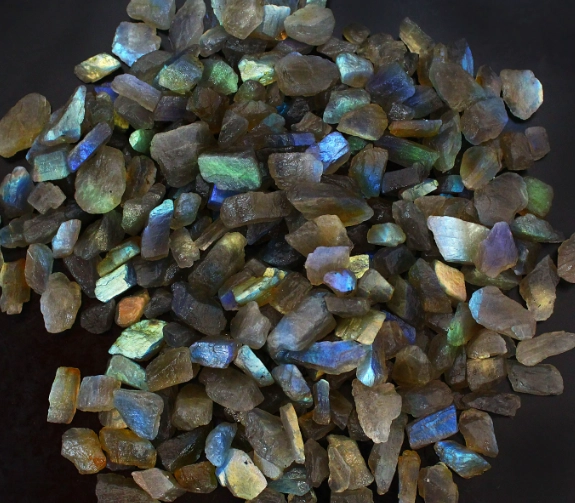
I learned that the hard way years ago. I bought a parcel of what was advertised as"high-quality rough sapphire" from an online seller with glowing reviews. When it arrived, it was a bag of dull, opaque, mostly gray stones. A friendly local gemologist later told me, with a sympathetic smile, that I'd basically bought overpriced gravel. That experience cost me a few hundred dollars and a lot of pride, but it taught me more than any book could.
This guide is everything I wish I'd known back then. We're going to move past the glossy marketing and dive into the gritty, practical reality of buying, identifying, and working with rough gemstones. Whether you're a curious beginner, a rockhound looking to level up, or a jeweler seeking unique materials, let's get into it.
What Are Rough Gemstones, Really? Beyond the Basic Definition
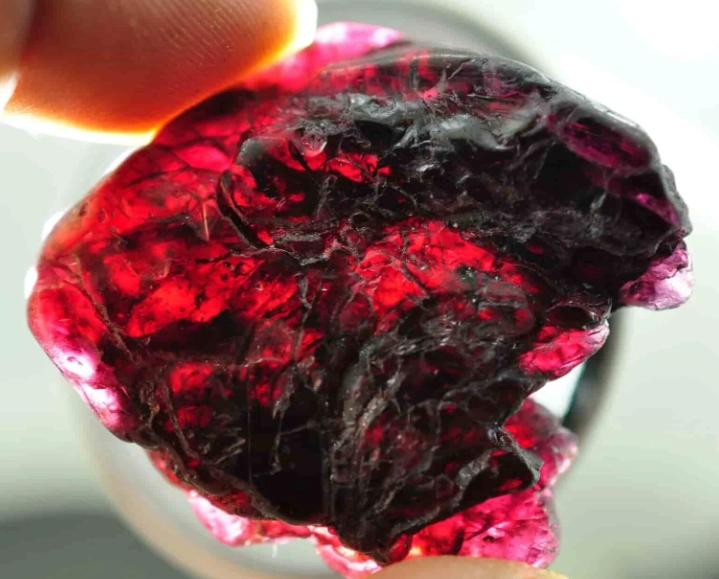
On the surface, the definition is simple: rough gemstones are natural mineral crystals or masses that have the potential to be cut and polished into gems, but are still in their raw, unworked state. They haven't been shaped by human hands beyond maybe being cleaned of dirt. But that simple definition hides a universe of complexity.
Think of a rough gemstone not as a finished product, but as a blueprint. The final gem's beauty, size, and value are all locked inside, dictated by nature's whims. Your job (or your lapidary's job) is to decode that blueprint with minimal waste. Unlike a cut stone, where what you see is largely what you get, a rough stone is all about potential. And judging that potential is the single most important skill you can develop.
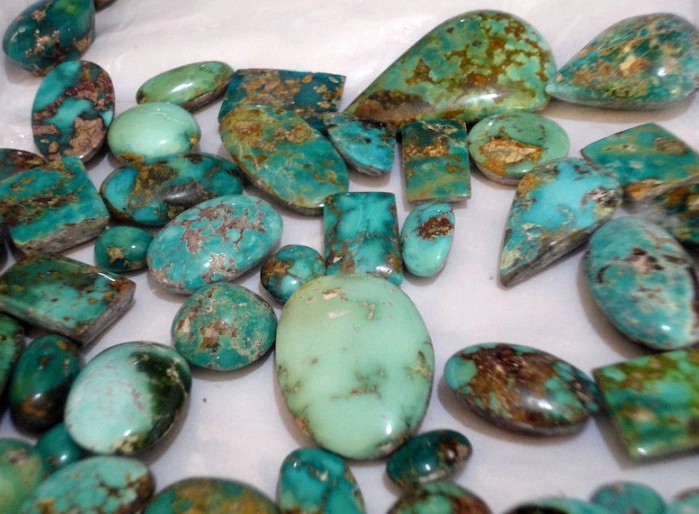
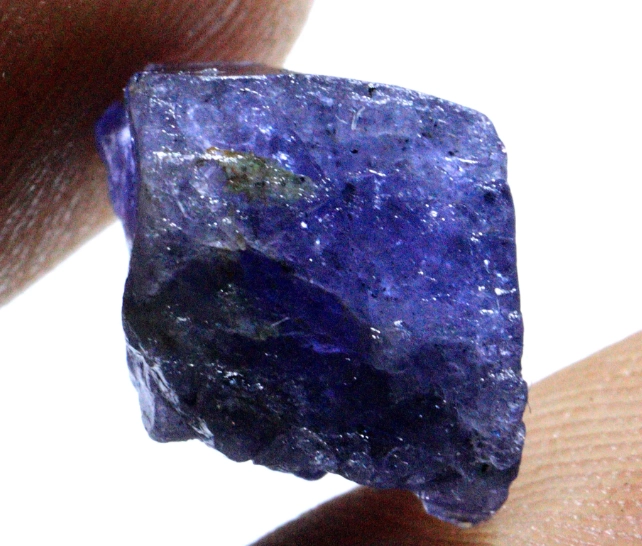
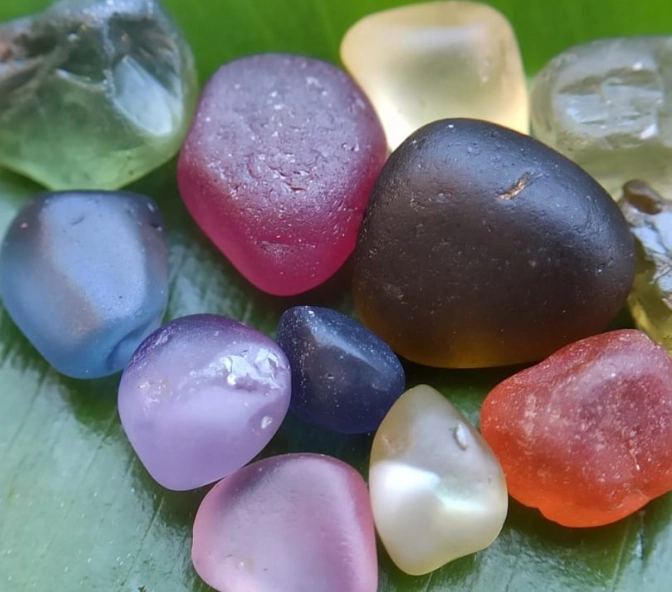
Rough comes in all forms. Some, like quartz or beryl crystals, form beautiful, textbook hexagonal prisms with terminated points. These are often called "crystals" or "specimens." Others, like corundum (sapphire/ruby) or chrysoberyl, might be found as worn, rounded pebbles in alluvial deposits—these are called "waterworn" or "alluvial" rough. Then you have massive materials, like turquoise or lapis lazuli, which don't form big crystals but are instead mined in solid blocks.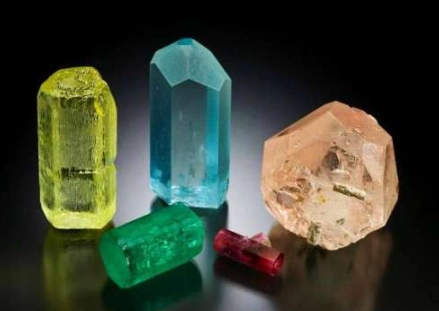
Key Takeaway: The form your rough gemstone takes—crystal, waterworn pebble, or massive block—directly impacts how it will be cut and what the final yield will be. A well-formed crystal gives the cutter more options and often a better yield than a battered pebble, even if they're the same mineral.
Why are people drawn to the rough form? For some, it's the lower cost per carat compared to cut stones. For others, it's the thrill of the reveal—cutting it open to see the hidden color. For jewelers, it offers unique, one-of-a-kind shapes that mass-produced faceted gems can't match. And for many, it's simply a deeper connection to the natural, unadulterated object.
How to Identify Rough Gemstones: Don't Just Guess
This is where most newcomers panic. You're handed a greenish stone. Is it rough emerald, green tourmaline, peridot, or just a piece of colored glass? Telling them apart without tools is like trying to identify a bird by its silhouette in a fog—frustrating and often wrong.
I used to think I could do it by eye. I was humbled repeatedly. The truth is, visual inspection is just the first step. You need a method.
The Visual Checklist: Your First Line of Defense
Before you grab any gear, just look. Really look.
- Crystal Habit: Does it have a shape? Look for tell-tale signs. Hexagonal columns? Think beryl (emerald, aquamarine) or quartz. Isometric cubes? Maybe fluorite or pyrite. Rhombohedrons? Could be calcite or tourmaline. The Mindat mineral database is an incredible, community-driven resource for comparing crystal habits. I use it constantly.
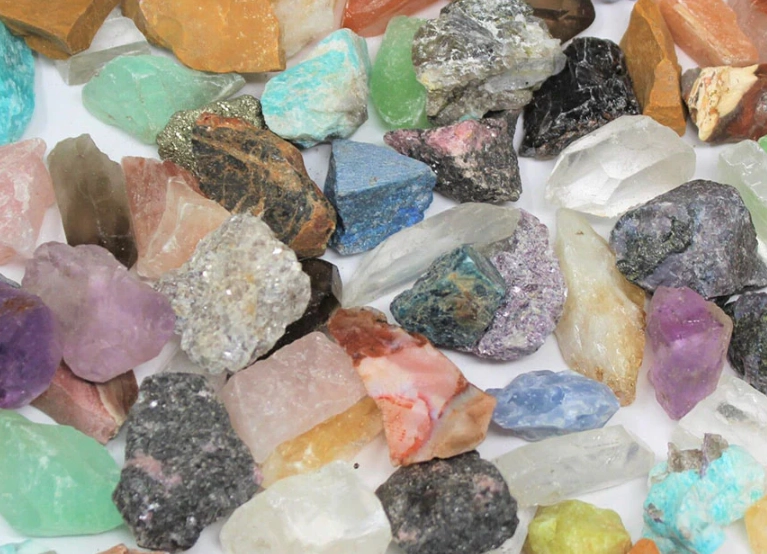
- Color and Distribution: Is the color even, zoned, or patchy? Many rough gemstones have uneven color. A deep blue core that fades to lighter blue at the edges is classic for some sapphires. Streaks of different colors can indicate tourmaline.
- Inclusions: Look inside. Are there tiny needles, bubbles, feathers, or other minerals trapped inside? These aren't always bad! Sometimes they create desirable effects like asterism (star stones) or cat's eye, and they are also a fingerprint of natural origin. Glass and synthetic rough are often too clean.
- Luster and Texture: How does the surface reflect light? A glassy (vitreous) luster is common for many gems. A waxy luster might suggest jade or turquoise. Feel the texture—is it smooth, granular, or pitted?
A Major Pitfall: Color alone is a terrible identifier. I've seen green aventurine sold as "low-grade jade," and red garnet pebbles passed off as "ruby rough." Sellers rely on hopeful thinking. Don't fall for it.
Simple Tools You Actually Need
You don't need a lab. Start with these three affordable tools:
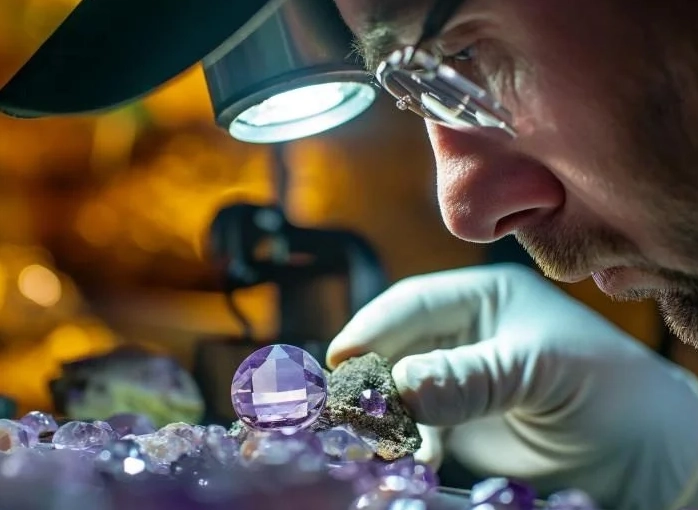
- A 10x Loupe: Not optional. This magnifying lens lets you see inclusions, crystal faces, and surface details that are invisible to the naked eye. It's the best $20 you'll spend.
- A Hardness Pick Set or Mohs' Kit: Scratch testing is a classic for a reason. Knowing if your stone scratches glass (hardness ~5.5) or can be scratched by a steel knife (~5.5) instantly narrows the field. Is it harder than quartz (7)? That's a big deal. Be ethical—only test on a broken piece or inconspicuous spot.
- A Good Light Source: A bright LED flashlight or, even better, a daylight-balanced lamp. Color looks different under different lights. Check for transparency (can you see light through it?) and any interesting optical effects.
With practice, this combo will let you confidently separate common materials like quartz, feldspar, and calcite from the more valuable rough gemstones you're likely hunting for.
Where to Find and Buy Rough Gemstones: Navigating the Marketplace
The hunt is part of the fun. But where do you look? The options range from digging in the dirt yourself to browsing global online markets.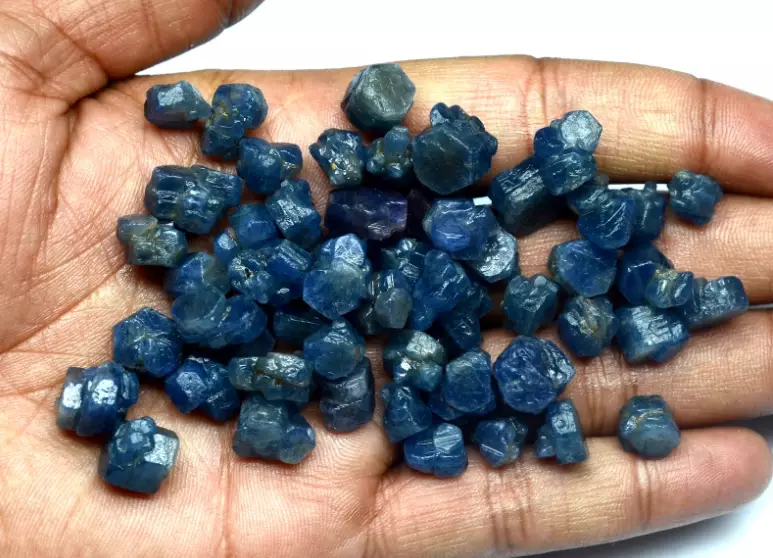
| Source | Pros | Cons & Risks | Best For |
|---|---|---|---|
| Field Collecting (Mines, Dig Sites, Public Lands) | Ultimate connection to source, low cost (often just a fee), unbeatable experience. | Physically demanding, location-dependent, yield is never guaranteed. You need to know local laws and claim ownership. | Adventurous hobbyists, travelers. Great for quartz, topaz, garnet, and other locality-specific materials. |
| Gem & Mineral Shows (Tucson, Denver, local shows) | See and handle thousands of specimens, talk directly to miners and importers, compare quality/price instantly. | Can be overwhelming, pressure to buy, need travel budget. Some dealers cater to high-end collectors only. | All levels. The best way to learn by seeing volume. Build relationships with trusted sellers. |
| Specialized Online Retailers | Huge selection, available anytime, often detailed descriptions and photos. | Cannot physically inspect the stone. Photos can be misleading. Return policies vary. Risk of misidentification. | Buyers with specific needs, those far from shows. Stick to vendors with stellar reputations in forums. |
| Marketplaces (eBay, Etsy) | Extremely wide variety, potential for deals, buyer protection systems. | Highest risk of fraud, misrepresentation, and treated/ synthetic stones sold as natural. Requires expert-level scrutiny. | Very experienced buyers only. Assume nothing is as described until proven otherwise. |
| Direct from Miners/Cutters (via forums, social media) | Potentially best prices, cutting out middlemen, unique material. | No formal buyer protection. Requires trust and reputation checking. Payment can be risky. | Established community members who have built networks over time. |
My personal rule? I never buy expensive rough gemstones online from a new seller without a video. A photo can hide a critical fracture or over-saturate color. I ask for a short video under natural light, rotating the stone. If they refuse, I walk away. It's saved me more than once.
When evaluating a seller, I dig deep. How long have they been in business? Do they specialize in one type of material (a good sign)? What do independent gem forums say about them? Are they members of associations like the American Gem Society? That doesn't guarantee perfection, but it shows a commitment to ethics.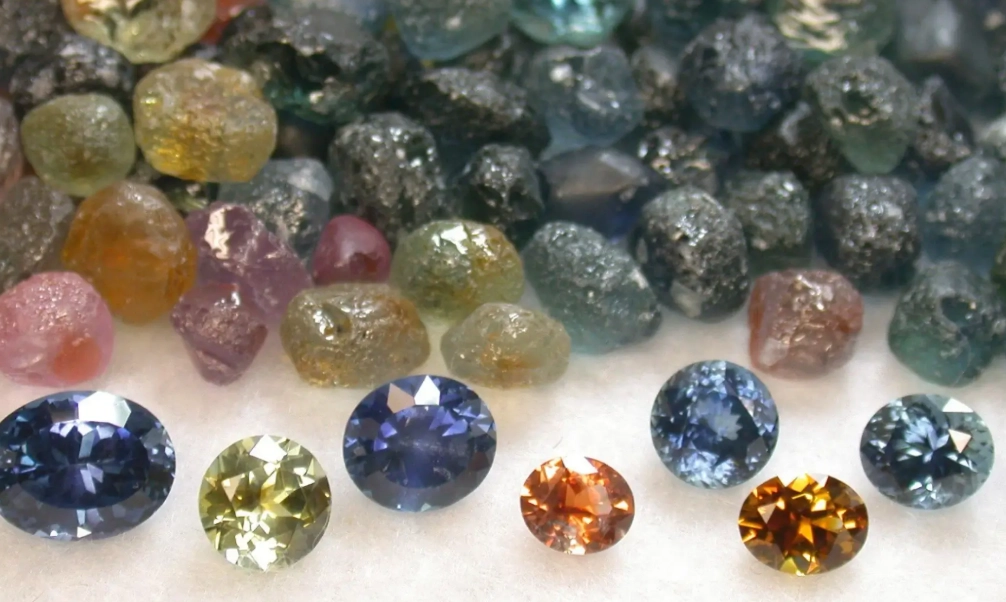
The Nuts and Bolts of Value: What Makes One Rough Stone Worth More?
You see two pieces of rough blue sapphire. One is $50, the other is $500. Why? It's not random. Value in rough gemstones hinges on a few concrete factors that directly predict the value of the finished gem.
1. Color, Saturation, and Tone: This is king, especially for transparent stones. Is the color pure, vivid, and desirable? A rich, cornflower blue in sapphire or a vivid "pigeon's blood" red in ruby rough commands a massive premium over pale or grayish stones. For materials like tourmaline, a rare paraiba-like neon blue-green will be worth astronomically more than common pink.
2. Clarity and Internal Features: How clean is the stone? Major cracks (feathers), inclusions, or cloudiness can make a stone uncuttable for faceting, relegating it to cabochon use or carving, which lowers its value. But remember, some inclusions are acceptable or even expected (like jardin in emerald). The key is location—a crack running through the center is a disaster; one near the edge might be removable.
3. Crystal Form and Yield: A complete, undamaged crystal with good shape allows a cutter to orient the cut for maximum color and weight retention. A shattered piece or a thin, plate-like crystal forces compromises and leads to more waste, lowering the rough's value per carat.
4. Size and Weight: Larger pieces of good quality are exponentially rarer and more valuable, not just linearly. A 100-carat piece of fine rough is worth far more than 10 times a 10-carat piece of similar quality.
5. Provenance and Treatment: Where is it from? Certain origins carry a cachet (e.g., Burmese ruby, Kashmir sapphire) and command higher prices. More importantly, has it been treated? This is the silent killer of value. Much commercial rough is heated, fracture-filled, or dyed to improve appearance. Treated rough is worth less than untreated material. Always, always ask: "Is this natural and untreated?" Get the answer in writing.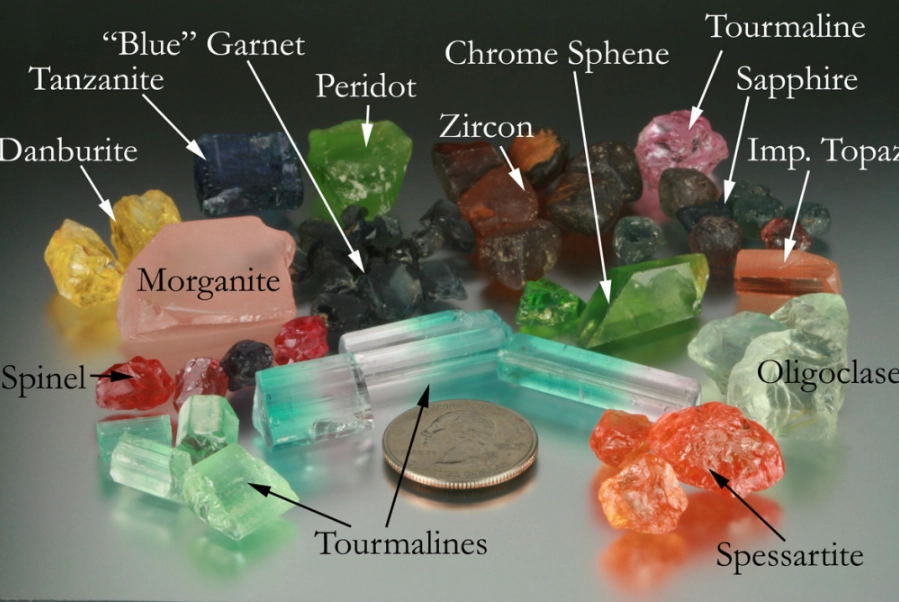
Pro Tip: Learn the jargon. "Gemmy" means transparent with good color. "Cutter" means it has the potential to yield a faceted stone. "Cab" or "cabochon grade" means it's only suitable for polished, non-faceted shapes, usually due to inclusions. "Specimen" means it's best left uncut for display. Knowing these terms helps you buy what you actually want.
From Rough to Refined: The Cutting Process Demystified
So you've bought a piece of rough. Now what? The journey from a dirty rock to a glittering gem is a blend of art, science, and nerve-wracking decisions.
Most people shouldn't start by trying to facet a sapphire. It's a fast way to turn money into dust. I started with cheap, abundant material like quartz or agate. You need to make your big mistakes on stones that cost dollars, not hundreds.
The process, simplified:
- Evaluation & Planning: This is 80% of the work. You study the rough under light, map out inclusions and cracks, and decide on the final shape and orientation. Do you prioritize weight or color? One wrong decision here can ruin everything. Tools like a dop wax pen can help you sketch on the stone.
- Pre-forming & Grinding: Using a trim saw or a grinding wheel, you remove waste material and shape the rough into a basic form (a preform) close to the final shape. This is messy, loud, and requires eye/ lung protection.
- Faceting or Cabochoning:
- Faceting: For transparent rough gemstones. The preform is attached to a dop stick and placed on a faceting machine. Using precise angles, the cutter places each tiny facet (the table, crown facets, pavilion facets) with diamond-coated laps. It requires immense patience and a steady hand.
- Cabochoning: For opaque or included stones. The stone is shaped and polished on a series of grinding wheels (the "hard" wheels) and polishing pads to create a smooth, domed surface. It's generally more accessible for beginners.
- Final Polishing: The last step, using finer and finer abrasives to bring out the final luster and shine.
Should you do it yourself or hire a pro? If the rough is valuable or sentimentally important, hiring a professional lapidary with a proven portfolio is a wise investment. They have the skill to maximize your stone's potential. For learning, start with a cabbing machine or an introductory faceting class. Communities like those on rock tumbling and lapidary forums are goldmines of practical advice.
Common Questions (And Straight Answers) About Rough Gemstones
Is buying rough gemstones a good investment?
For 99% of people, no. Treat it as a hobby or a source of material for your craft. The market for rough is less liquid than for cut stones, and value is highly dependent on the skill of the cutter. Unless you are a highly knowledgeable dealer or cutter, don't bank on it appreciating. Buy because you love the material, not to get rich.
What's the single biggest mistake beginners make?
Buying based on size or the seller's description alone. They see a big, colorful stone at a "great price" and jump. They don't check for treatments, don't assess internal cracks, and have no idea about yield. They end up with a large, cheap-looking stone or one that shatters during cutting. Quality over quantity, always.
Can I find valuable rough gemstones in my backyard or on a hike?
It's possible, but location is everything. Research the geology of your area. Are there known deposits of garnet, quartz, or tourmaline? Stream beds can sometimes carry waterworn stones from upstream sources. While finding a commercial-grade sapphire in your backyard is a lottery win, finding beautiful agate, jasper, or quartz is common in many regions and is a fantastic way to start a collection for free.
How can I tell if rough gemstones have been treated or dyed?
Dye is often obvious under a loupe—concentrated color in fractures, an unnatural, uniform hue. Heat treatment is harder. Look for tell-tales: melted or rounded crystal faces, a "sugary" texture on the surface, or the complete absence of certain inclusions that are normally present (like silk in unheated sapphire). When in doubt, assume it's treated unless sold by a specialist in untreated material with a guarantee. The Gemological Institute of America (GIA) website has excellent resources on gem treatment detection.
Final Thoughts: Embracing the Imperfect Journey
The world of rough gemstones isn't for everyone. It demands patience, a willingness to learn from mistakes (and you will make them), and a good dose of skepticism. It's messy, uncertain, and far less predictable than buying a finished gem.
But that's precisely why it's so rewarding.
When you hold a finished gem you cut from a piece of rough you found or carefully selected, the connection is profound. You understand its journey from the earth to your hand in a way few people do. You see not just its beauty, but its history, its flaws, and its triumph over being just a rock.
Start small. Start with knowledge. Get your hands on some common, inexpensive rough gemstones and practice identifying and working with them. Go to a show and just talk to people. The community is full of passionate folks who love to share what they know.
Forget the idea of instant treasure. Focus on the process, the learning, and the sheer joy of unlocking a little piece of the planet's hidden art. That's the real value, and it's worth more than any price per carat.