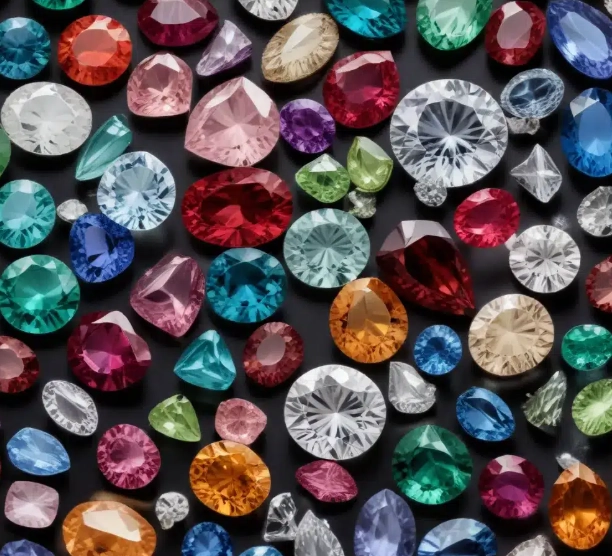
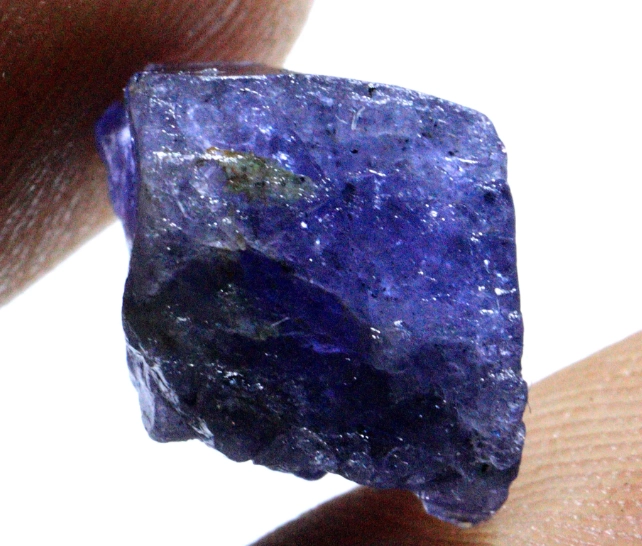
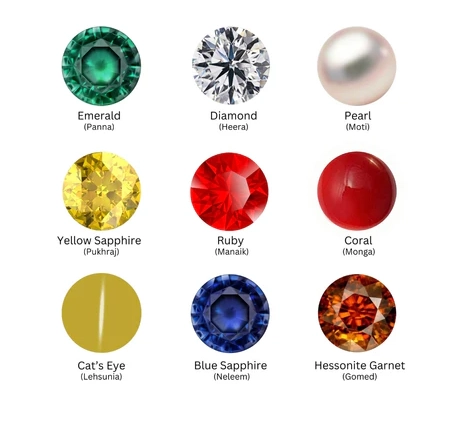
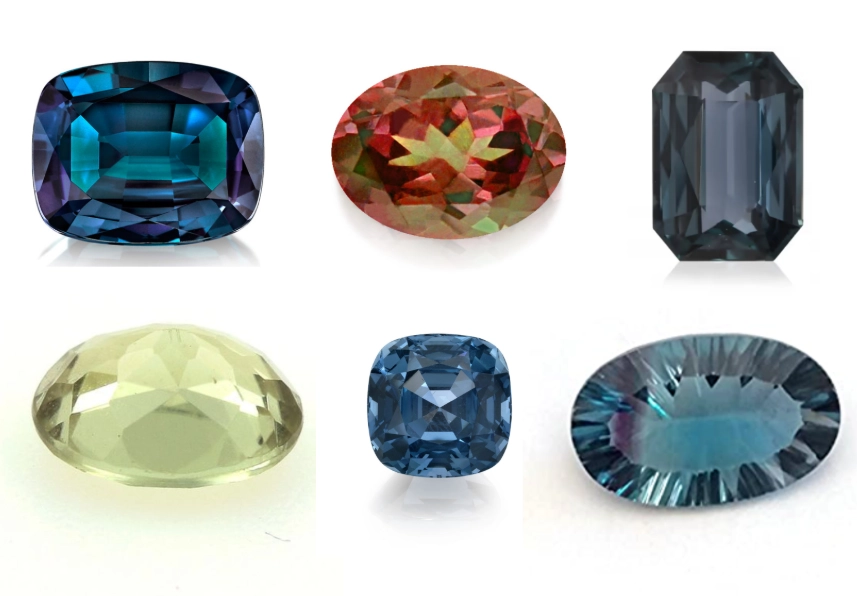
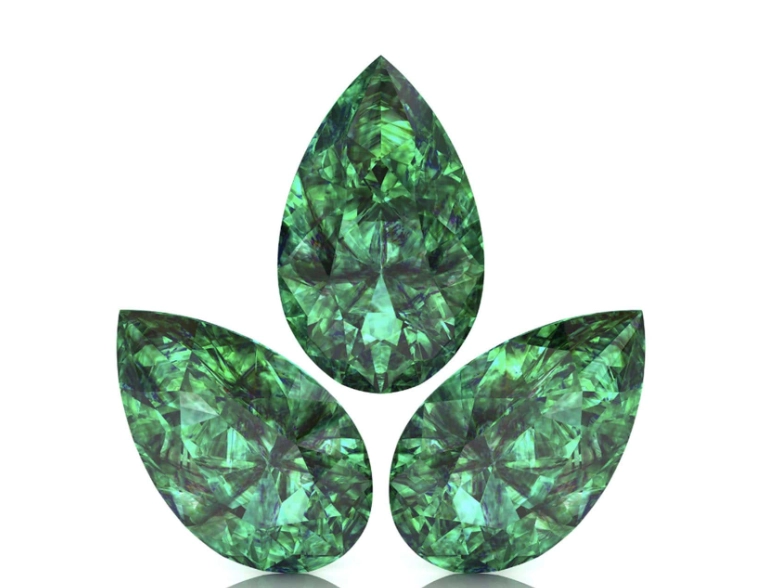
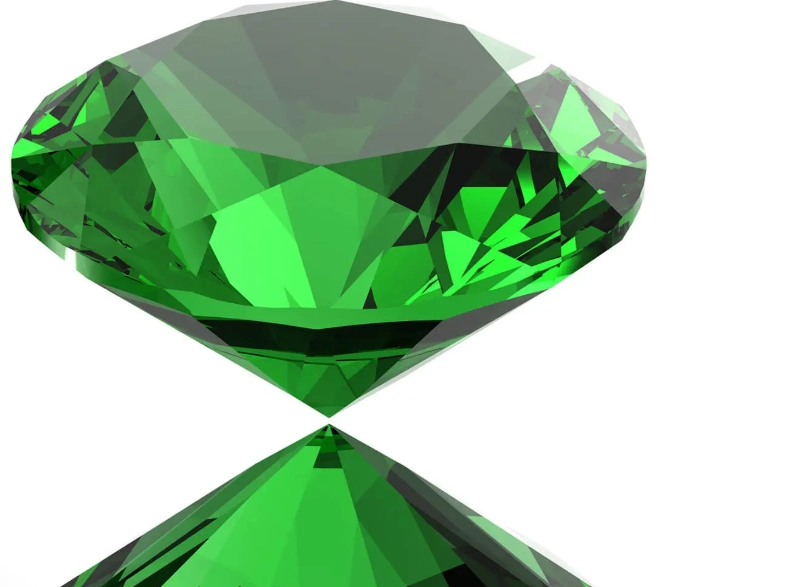
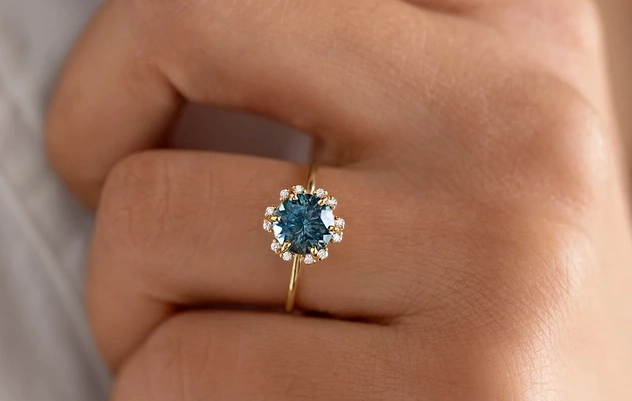
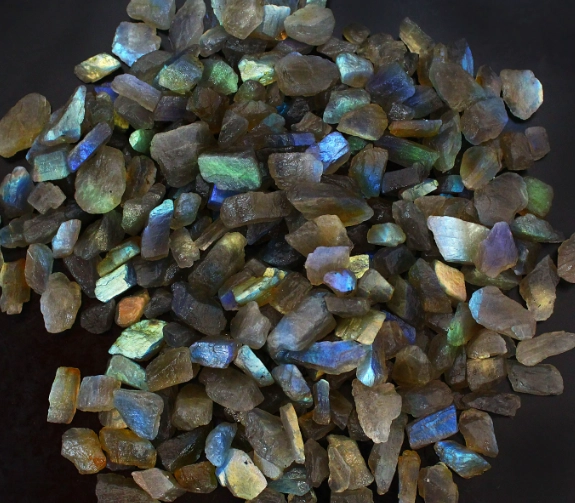
Gemstone mining. It sounds romantic, doesn't it? The idea of digging in the earth and uncovering a brilliant, raw sapphire or a deep red ruby. Movies make it look like a grand adventure, and in many ways, it is. But it's also hard work, requires a lot of patience, and there's a huge gap between finding a pretty rock and finding a valuable gem. I remember the first time I held a piece of rough emerald in my hand, fresh from a mine visit. It looked nothing like the polished gems in a store window—it was a dull green, crusted with rock. That's the reality of gemstone mining.
This guide is for the curious, the hobbyist, the rockhound, and anyone who's ever looked at a jewelry store and wondered, "Where does this actually come from?" We're going to strip away the Hollywood glitter and talk about the real dirt, sweat, and science behind finding gemstones.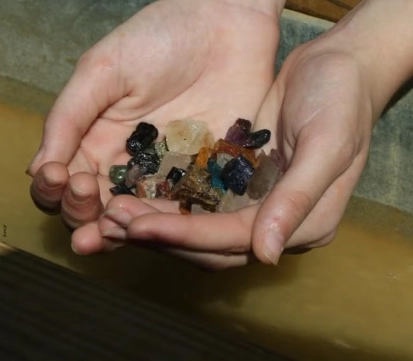
What is Gemstone Mining, Really?
At its core, gemstone mining is the process of extracting gem-bearing material from the earth. But that simple definition covers a massive range of activities. It could be a massive commercial operation in Australia moving thousands of tons of dirt for opals, or it could be you and a shovel at a public "fee-to-dig" mine in North Carolina, sifting through gravel for sapphires.
The goal isn't just to find a rock. The goal is to find a mineral that meets the four key criteria to be called a gem: Beauty, Durability, Rarity, and Fashion. A diamond in the rough might not be beautiful yet, but its potential is what drives the search.
Think about it this way. Most rocks are just... rocks. Gemstones are the rare, perfect accidents of nature where conditions of heat, pressure, and chemistry aligned just right, often millions of years ago. Gemstone mining is the hunt for those rare accidents.
How Gemstones Are Actually Found: The Methods
There's no one-size-fits-all method. The type of gemstone mining used depends entirely on how the gems are deposited. Some are in hard rock veins, others are scattered in loose sediment. Here’s the breakdown.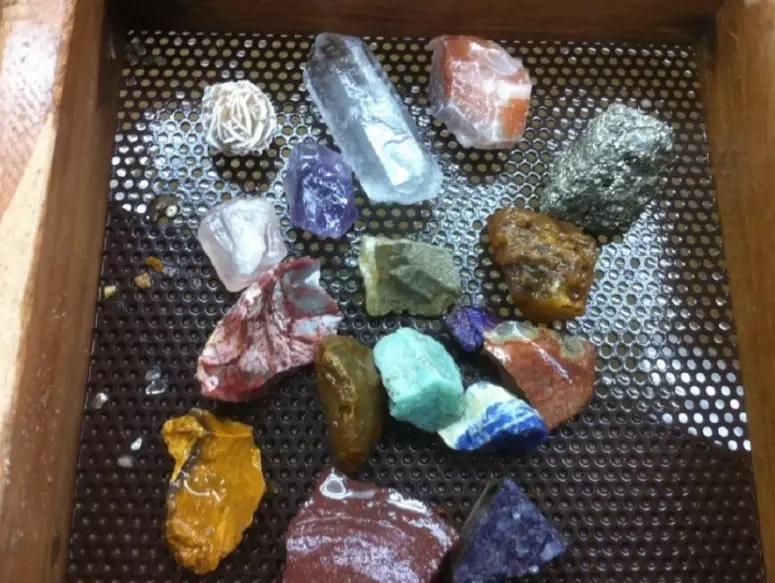
Placer Mining (The Sifting Method)
This is probably the most accessible form for beginners and has a long, long history (think gold panning). Placer deposits are where gems, freed from their original host rock by weathering, have been transported and concentrated by water in creek beds, riverbanks, or ancient gravels. They are essentially natural treasure boxes.
- How it works: You dig up sediment (gravel, sand, clay) and use water to wash away the lighter materials. The heavier minerals—which often include gems like sapphire, diamond, or garnet—settle to the bottom.
- Tools: A simple pan, a sieve, maybe a sluice box. It's low-tech and very hands-on.
- My take: It's meditative. There's a rhythm to swirling a pan. But your back will hurt from hunching over, and you'll wash a lot of mud to find one small stone. Still, the thrill of seeing a flash of blue in your pan is unbeatable.
Hard Rock Mining (The Source)
This is where the gems are still locked inside the mother rock, or the "vein." This is serious, commercial-level gemstone mining for deposits like emerald in Colombia, tourmaline in Maine, or rubies in Myanmar.
- How it works: It involves following a geological vein. This can mean open-pit mining (digging a massive hole) or underground tunneling. It's capital-intensive and requires geological expertise.
- Tools: Heavy machinery, explosives, drills. Not a weekend hobby.
- The reality: The environmental impact here is significant. Large-scale hard rock mining scars the landscape. The industry is grappling with this, and it's a major point of contention. Ethical gemstone mining seeks to minimize this footprint, but it's a complex challenge.
Fee-to-Dig Mines (The Best Place to Start)
This is the gateway for 99% of new enthusiasts. These are privately owned mines (often former commercial sites) that allow the public to dig, usually for a daily fee. They've often pre-excavated or "salted" piles of productive material to increase your chances.
I spent a weekend at one in Herkimer, New York, hunting for "Herkimer Diamonds" (double-terminated quartz crystals). They gave me a bucket of ore, a hammer, and a place to sit. It was fantastic. No guesswork about where to dig, and the staff was there to help identify anything I found.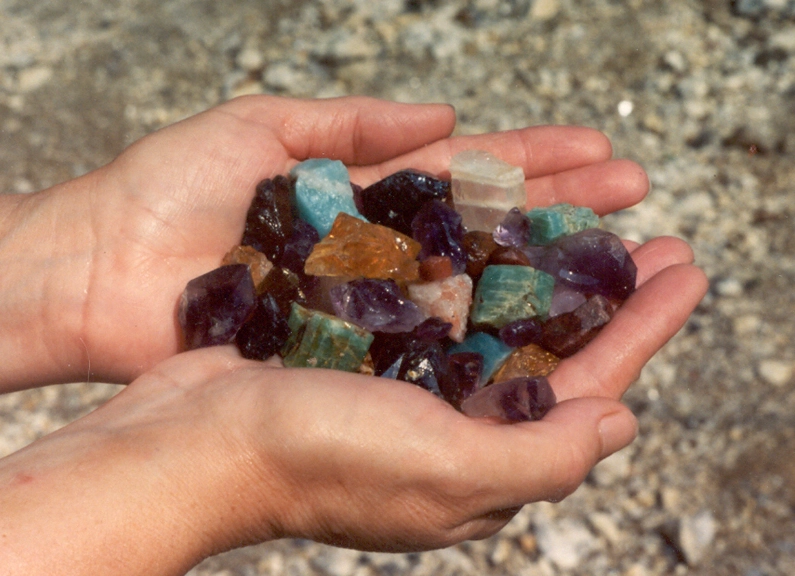
| Mining Method | Best For | Skill Level | Typical Yield | My Honest Rating for Beginners |
|---|---|---|---|---|
| Placer (Panning) | Sapphires, Garnets, Diamonds (alluvial) | Beginner to Intermediate | Small, often rough stones. Lots of "maybe" rocks. | 9/10. Low cost, high fun factor, immediate results. |
| Fee-to-Dig Mine | Quartz crystals, Emeralds, Topaz, Agates | Absolute Beginner | Guaranteed finds (often), quality varies. | 10/10. No stress, expert help on site, great for families. |
| Hard Rock (as a tourist) | Seeing large-scale operations | Observer | Knowledge, maybe a souvenir from the gift shop. | 6/10. Educational but passive. You're watching, not doing. |
| Prospecting/Field Collecting | The adventurous purist | Advanced | Unpredictable. Could be zero, could be the find of a lifetime. | 5/10. High risk, high reward. Can be frustrating without research. |
The Real Skill: Identifying What You've Found
Okay, let's say you've been digging. You have a pile of interesting-looking rocks. Now what? This is where most people get stuck. Is that blue stone a sapphire or just a piece of blue quartz? Is this clear crystal a diamond or a piece of glass?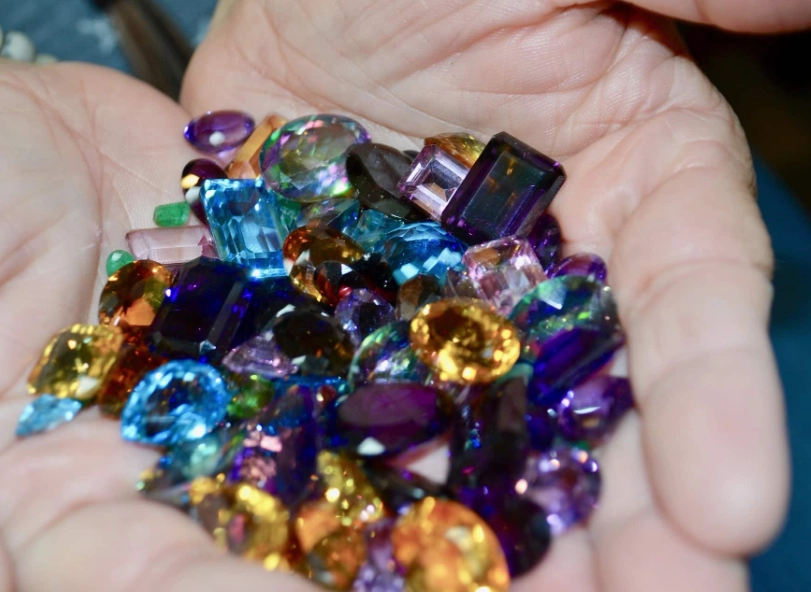
Gem identification is a science, but you can start with some basic detective work. Forget fancy machines for now. Use your eyes and a few simple tools.
The Visual Inspection
Crystal Form: Does it have natural geometric shapes (faces, points)? Many gems, like quartz or tourmaline, form in distinct crystal habits. A rounded, water-worn pebble has lost its form in a river.
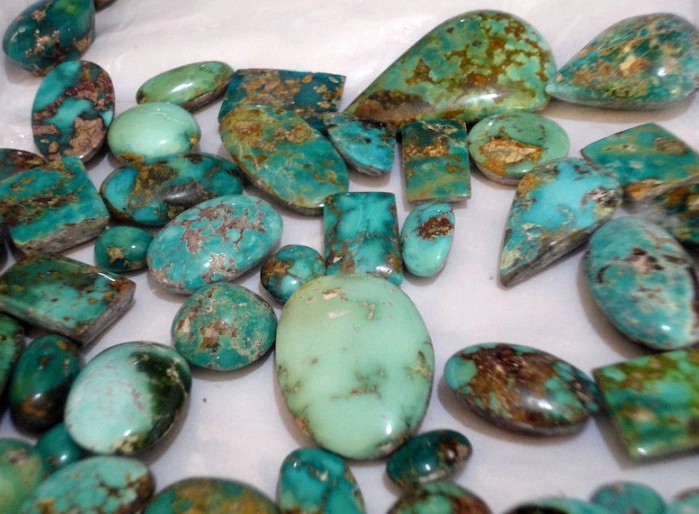
Color & Pattern: Is the color evenly distributed, or is it in bands or patches? Turquoise has a webbed matrix. Malachite has strong banding.
Inclusions: Look closely. Tiny imperfections, feathers, or crystals inside can be a fingerprint. For example, many natural emeralds have jardin (French for "garden"), a mossy inclusion. Too perfect often means synthetic.
Simple Physical Tests
Hardness: The Mohs scale is your friend. Can your stone scratch a penny (Mohs ~3)? Can a piece of quartz (Mohs 7) scratch it? This narrows it down fast. A topaz (Mohs 8) will scratch quartz. A calcite (Mohs 3) will not.
Heft: Get a sense of density. A garnet feels noticeably heavier than a similarly sized piece of quartz.
Streak: Rub the stone on the back of an unglazed ceramic tile (like the underside of a coffee mug). The color of the powder can be diagnostic. Hematite, for instance, leaves a red-brown streak even though the stone looks black or silver.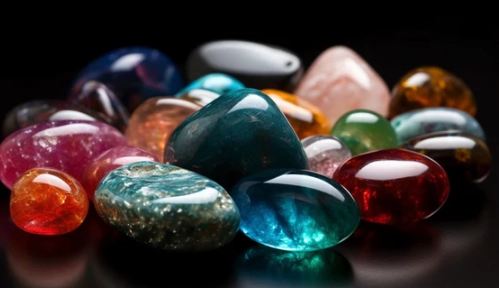
I made the mistake early on of getting excited over "gold" that was just mica flakes (they peel in sheets—a dead giveaway under a loupe). It's a rite of passage. Don't trust a shiny surface.
Answering Your Big Questions (FAQ)
Is gemstone mining profitable?
For the vast majority of individuals, no, not as a primary income. The odds of finding a gem-quality stone of significant size and value are astronomically low. Commercial operations make money through sheer volume, processing tons of material. For you, the profit is in the experience, the knowledge gained, and the personal value of a stone you found yourself. That said, some skilled field collectors do supplement their income by selling specimen-quality pieces to mineral dealers.
What tools do I really need to start?
Start stupidly simple. Don't buy a $500 kit.
1. Sturdy gloves: Rocks are sharp.
2. A geological hammer or a simple crack hammer: For breaking rocks.
3. A sturdy shovel or trowel: For digging.
4. A 10x loupe: For looking.
5. Containers and labels: Ziplock bags and a permanent marker. Write where and when you found each rock. Trust me, you will forget.
That's it. You can add a pan, a sieve, and a field guide later.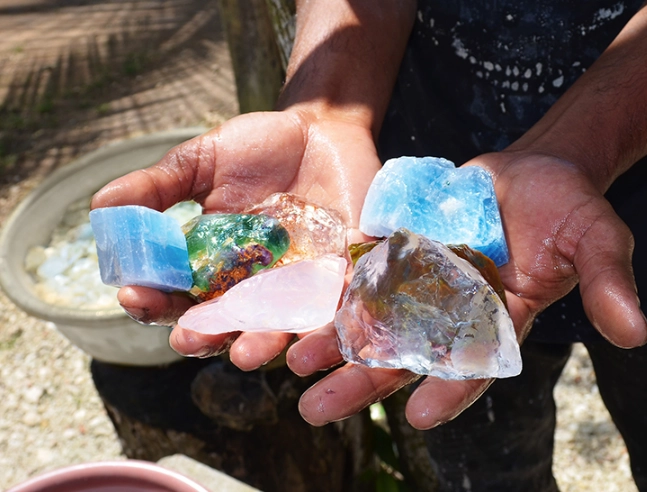
Where can I legally go gemstone mining?
This is the most important question. You must have permission.
- Public Fee-to-Dig Mines: Your safest, easiest bet. A quick web search for "fee to dig gem mine [your state]" will yield results.
- Public Land: In the US, many Bureau of Land Management (BLM) areas and National Forests allow recreational rockhounding for personal use. But rules vary wildly. Always, always check the specific regulations for that district on the official BLM website or US Forest Service site. Some areas are off-limits, some have collection limits.
- Private Land: You MUST get written permission from the landowner. Trespassing is a sure way to get your hobby shut down and land you in legal trouble.
How do I know if a rough gem has value?
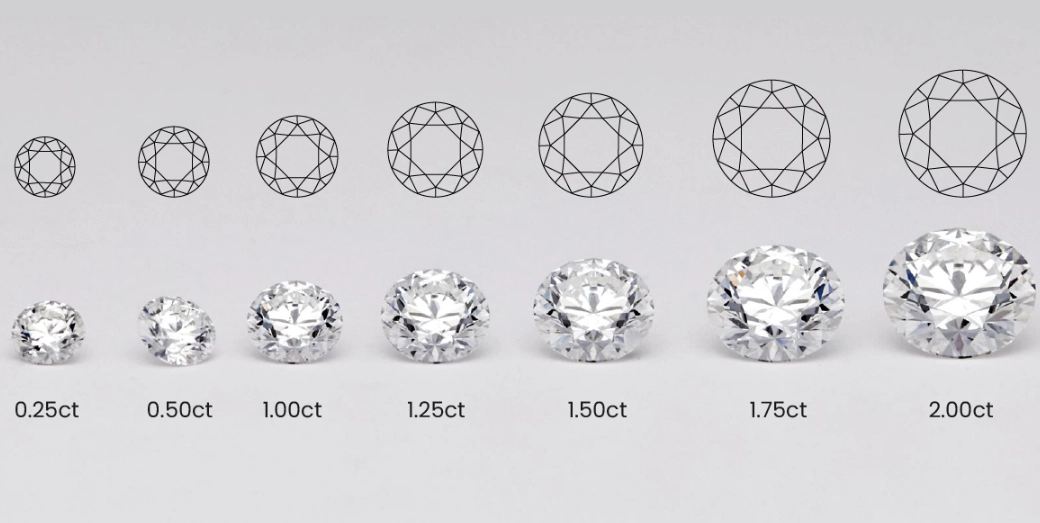
This is complex. Value depends on the Four Cs (like diamonds, but for all gems): Color, Clarity, Cut potential, and Carat weight (size). But in the rough, you're guessing at the final two. A deeply included stone might yield only a tiny clean gem. A knowledgeable lapidary (gem cutter) can look at a rough and see the potential finished stone inside. My advice? Don't think about dollar signs when you're starting. The value is in the find itself. If you think you have something truly special, get it evaluated by a professional gemologist appraiser (find one through The American Society of Appraisers or similar).
The Ethical Dimension: It's Not Just About the Rocks
We can't talk about modern gemstone mining without talking about ethics. The gem trade has a history of conflict financing ("blood diamonds" being the most famous example), poor labor conditions, and environmental damage.
So, what does ethical gemstone mining look like? It means:
- Safe, fair labor practices where miners are paid decently and work in safe conditions.
- Environmental stewardship that minimizes land disruption, manages waste, and rehabilitates mining sites where possible.
- Transparency in the supply chain, so you know where your gem originated.
As a recreational miner, your impact is small. But your awareness matters. When buying gems, ask dealers about origin. Support smaller-scale, traceable operations. Organizations like the Responsible Jewellery Council work on standards for the larger industry. It's a complex puzzle with no perfect answers, but ignoring it isn't an option anymore.
Your First Trip: A Step-by-Step Plan
- Pick Your Battle: Choose a fee-to-dig mine for your first 2-3 trips. Eliminate the variables of location and permission.
- Research the Gem: If you're going to a mine known for emeralds, learn what rough emerald looks like in that area. Is it in a white quartz matrix? What color green is it? Look at pictures on mindat.org, a fantastic mineral database.
- Pack Smart: Tools (see above), water (lots), lunch, sunscreen, hat, sturdy boots. A change of clothes for the ride home—you will be dirty.
- Talk to the Staff: When you arrive, ask the mine owners or guides: "What should I look for today?" "Are there any tips for this particular pile?" They want you to find stuff!
- Go Slow: Don't just hammer wildly. Look at the rocks. See how they break. Watch more experienced people for a few minutes.
- Label Everything: As soon as you put a rock in your bag, label it. "Pile A, 10 AM."
- Have Realistic Expectations: You might find a lot of low-grade crystals or just one good piece. That's a success. The goal is to learn.
Gemstone mining connects you to the planet in a very literal, gritty way. It's geology you can hold in your hand. It's a puzzle that takes place over geological time. You won't get rich. You will get dirty, tired, and sometimes frustrated. But you'll also feel that incredible jolt of excitement when you split open a rock and see a crystal cavity inside, or when you rinse your pan and see a flash of unexpected color.
That feeling—that's the real gem.
Start simple. Start legal. And most importantly, just start. The earth has been hiding these secrets for millions of years. It's about time you went looking.