Here's Your Gem Hunting Roadmap
- Gearing Up: Your Gem Hunting Toolkit
- Where to Go: Finding Prime Gem Hunting Locations
- The Art of the Hunt: Techniques That Actually Work
- What Did I Find? A Beginner's Guide to Gem Identification
- Cleaning and Caring for Your Finds
- The Ethics of Gem Hunting: Leave No Trace (Mostly)
- Gem Hunting FAQs: Answering Your Real Questions
Let's be honest, the idea of finding a raw, beautiful gemstone just lying there in the dirt is pretty magical. It taps into something deep, a kind of treasure hunter daydream we all have. I remember my first real gem hunting trip. I drove for hours, armed with a cheap shovel and a bucket of hope, only to spend the afternoon finding a lot of pretty, but very much ordinary, rocks. I was about to call it quits when I saw a faint glint in a cracked piece of quartz. A little amethyst point, no bigger than my pinky nail. It wasn't going to make me rich, but the thrill was absolutely real. That's the hook of gem hunting—it's part science, part adventure, and a whole lot of fun.
This isn't about getting rich quick. If that's your goal, you'll likely be disappointed. But if you're looking for a reason to get outside, learn some geology, and maybe, just maybe, come home with a piece of the earth's jewelry, then you're in the right place. This guide is everything I wish I'd known before I started.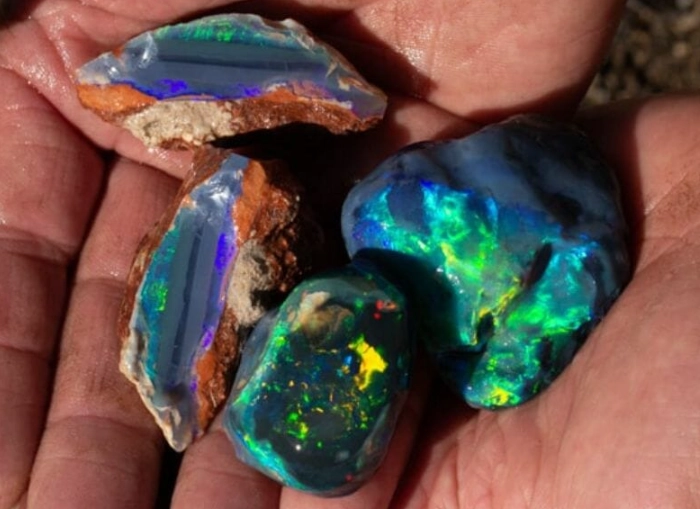
At its core, gem hunting (or rockhounding, as the old-timers call it) is the recreational search for and collection of gemstones, minerals, and crystals directly from their natural environment. It's different from mining. You're not operating heavy machinery or digging massive pits. You're more of a detective, using clues from the landscape to find where nature has hidden its sparkly secrets. You might be sifting through gravel in a creek bed, scanning the walls of a dug-out pit at a fee-to-dig mine, or carefully examining the tailings from an old mining operation. The goal is the find, and the process itself is the real reward.
Gearing Up: Your Gem Hunting Toolkit
You don't need a ton of fancy equipment to start gem hunting. In fact, starting simple is often better. But a few key items will make your life easier and your finds more likely. Here’s the breakdown, from absolute essentials to the "nice-to-haves" for when you get serious.
The Absolute Must-Haves
- Eye Protection: Safety glasses. Non-negotiable. Flying rock chips are no joke. Get a comfortable pair and wear them anytime you're hammering or digging.
- Sturdy Gloves: Your hands will thank you. Leather gloves protect from sharp rocks, thorns, and blisters.
- A Good Rock Hammer: Not a claw hammer from your garage. A proper geological hammer has a flat head for breaking rock and a pick end for prying and digging. Estwing is a classic, trusted brand.
- A Handheld Shovel or Trowel: For digging in softer soil or moving gravel. A small, pointed shovel works great.
- Containers: A sturdy bucket for collecting bulk material, and a set of smaller containers or cloth bags for your special finds. Pill bottles are perfect for tiny crystals.
- Sturdy Footwear: Boots with good ankle support and grip. You'll be on uneven ground.
Now, let's talk about the stuff that separates the casual looker from the dedicated hunter. I made the mistake of buying a super cheap magnifying loupe at first. It gave me a headache after five minutes. Investing in a decent 10x triplet loupe was a game-changer for examining crystal structures and inclusions.
Advanced Tools for the Enthusiast
Once you've caught the bug, you might want to add these to your kit:
- Geologist's Pick: Similar to a rock hammer but with a longer, sharper pick end for harder rock.
- Chisels and Goggles: A set of masonry chisels (cold chisels) for more precise splitting. You MUST wear safety goggles when using these.
- Sifting Screens: A set of nested screens with different mesh sizes. You shovel dirt onto the top screen, shake it, and the finer material—where small gems often hide—falls through. This is crucial for creek gem hunting.
- UV Light (Black Light): Some minerals, like certain calcites and autunite, fluoresce under ultraviolet light. It's a fun way to find "hidden" specimens at night.
- Field Guide: A physical book for your region. Phone service is often nonexistent in good gem hunting spots. I'm a fan of the National Audubon Society Field Guide to North American Rocks and Minerals.
Where to Go: Finding Prime Gem Hunting Locations
This is the million-dollar question, isn't it? You can't just go dig anywhere. The best gem hunting spots are usually where geological processes have concentrated gem-bearing rocks. Think old volcanic areas, sedimentary layers that have eroded, or near known historical mines.
You absolutely must check land ownership and regulations. Digging on private land without permission is trespassing. On public land (like Bureau of Land Management (BLM) land or many National Forests in the US), rockhounding is often allowed for personal use, but there are always rules. Some areas are off-limits (like National Parks), and there are usually limits on how much you can take and what tools you can use. The BLM website and the U.S. Forest Service website are essential resources for understanding the rules on federal lands. Always, always check with the local land management office.
So, where are the actual spots? Here’s a breakdown of the main types of locations, from easiest to most adventurous.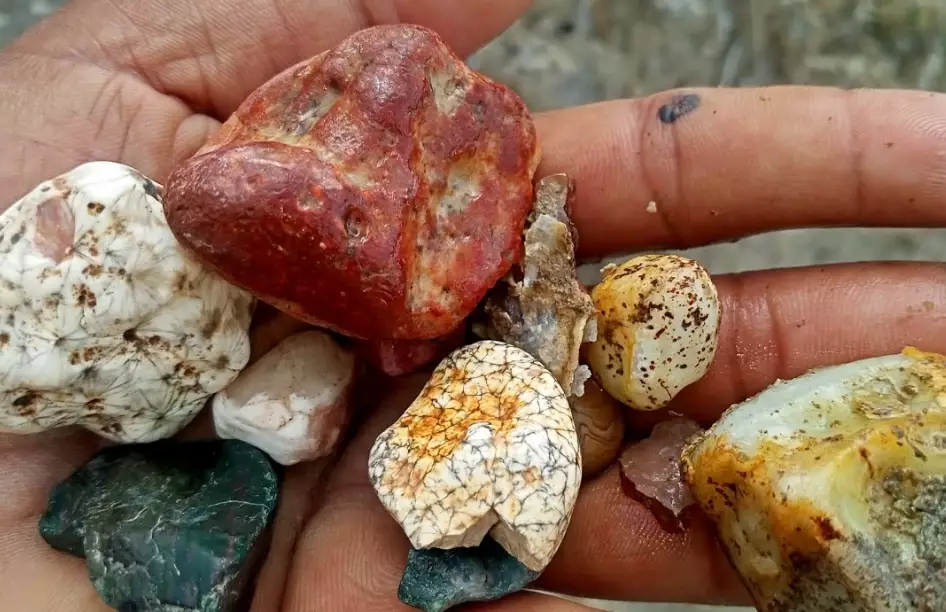
| Location Type | What to Expect | Best For | My Take |
|---|---|---|---|
| Fee-to-Dig Mines | You pay a fee to access a pre-dug area, often with piles of ore or soil brought in from a productive location. Tools are sometimes provided. | Absolute beginners, families with kids. Guaranteed finds (even if small), minimal effort, great learning environment. | Fantastic for your first taste. It can feel a bit touristy, but the education is worth it. Places like the Crater of Diamonds in Arkansas are in this category. |
| Public Dig Sites | Known locations on public land where collecting is permitted. Might be a creek bed or a hillside. | Intermediate hunters, those wanting a more authentic experience. Requires more research and effort. | My preferred type of spot. Feels more like real discovery. Finding info often requires digging through old rockhound forums and guidebooks. |
| Old Mine Dumps & Tailings | The waste piles from historical mining operations. Miners often overlooked smaller or lower-grade gems. | Experienced hunters. Can be dangerous (old shafts, unstable piles). Requires extreme caution. | Potentially high reward, but high risk. Never enter old mine shafts. The material on the surface is usually plenty. Research the mine's history first. |
| Wilderness Areas | General public land with no specific dig site. You use geological knowledge to prospect new areas. | Advanced, experienced rockhounds and geologists. High chance of finding nothing, but the thrill of a true discovery is unmatched. |
How do you actually find these places? Start with a club. Local gem and mineral societies are treasure troves of information. Members know the spots and the rules. Online resources like the Mindat.org database are incredible for researching mineral locations by region. And don't underestimate old-fashioned guidebooks specific to your state.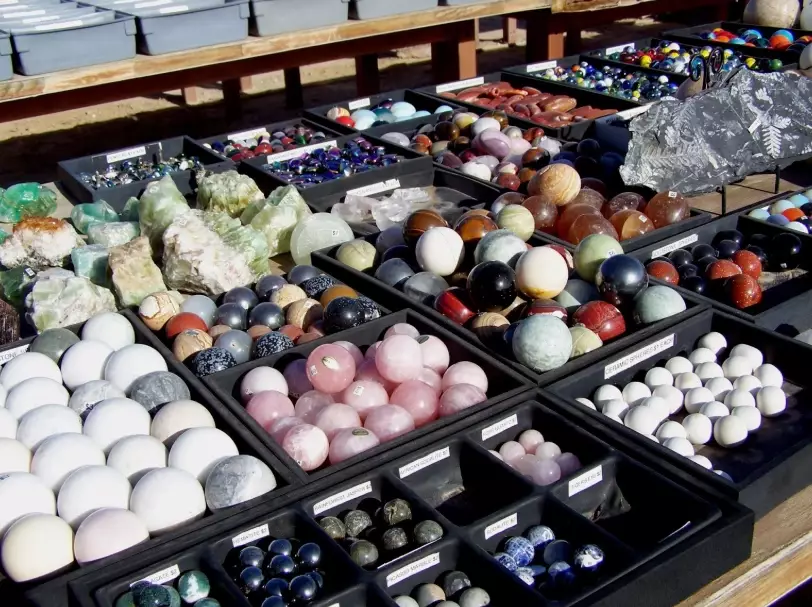
The Art of the Hunt: Techniques That Actually Work
You've got your gear, you've found a legal spot. Now what? Standing in a field with a hammer can feel pretty silly if you don't know what you're looking at. Successful gem hunting is about reading the land.
Reading the Landscape (Basic Geology)
Gems don't form everywhere. Quartz crystals, like amethyst or citrine, often form in cavities within igneous rocks like granite. Agates and jaspers are commonly found in areas with ancient lava flows or in river gravels where they've been concentrated by water. A little bit of basic geology goes a long way. Look for signs of volcanic rock (often dark and fine-grained), or areas where water has cut through layers, exposing fresh rock.
The Two Main Field Techniques
1. Surface Scanning: This is exactly what it sounds like. Walk slowly, eyes on the ground. Look for flashes of color, distinctive shapes (like the hexagonal shape of a quartz crystal point), or unusual patterns. This works great on freshly plowed fields, dry creek beds, or eroded hillsides. On a sunny day, the light can catch a facet just right. I've found some of my best carnelian agates just by walking a gravel bar.
2. Digging and Sifting: This is where you get your hands dirty. In a creek, shovel gravel onto your screen and wash it by dipping the screen in the water. Agitate it. The lighter mud and sand wash away, leaving behind the heavier rocks—a process called placer mining. Garnets, diamonds, and gold are classic placer minerals. On land, you might dig a test hole in a promising area or work through the loose material of a tailings pile.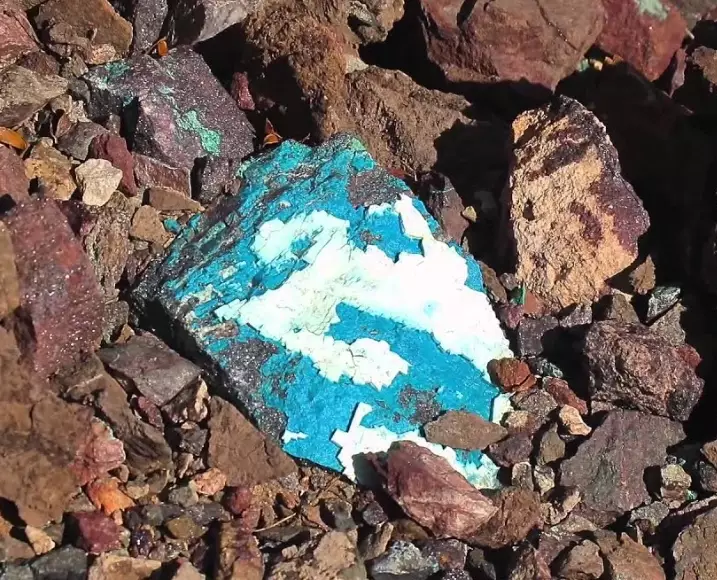
What Did I Find? A Beginner's Guide to Gem Identification
This is the most common hurdle. You have a pocket full of cool-looking rocks. Which ones are actually gems? First, let's demystify the term "gem." A gemstone is any mineral, rock, or organic material (like amber) that is valued for its beauty, durability, and rarity. So, a pretty piece of quartz can be a gem, even if it's not worth money.
Start with the simplest tests:
- Hardness: Can you scratch it with your fingernail (very soft, like talc)? With a copper penny (around hardness 3)? With a steel knife blade (hardness 5.5)? With quartz (hardness 7)? The Mohs scale is your friend. Quartz (hardness 7) will scratch glass. Calcite (hardness 3) will not.
- Streak: Rub the mineral on the back of an unglazed ceramic tile (a piece of a broken coffee mug works). The color of the powder can be diagnostic. Hematite, for example, looks dark gray or black but leaves a reddish-brown streak.
- Luster: How does it reflect light? Metallic (like pyrite), glassy (like quartz), waxy (like turquoise), pearly (like some micas).
- Cleavage & Fracture: Does it break along flat, smooth planes (cleavage, like mica or calcite) or does it break with a rough, curved surface (conchoidal fracture, like quartz or obsidian)?
Don't get overwhelmed. Start by learning to identify the common stuff in your area. Is your area known for agates? Learn what agate looks like—its banding, its waxy luster, its hardness. Focus on one or two types of finds per trip.
Cleaning and Caring for Your Finds
You've brought your treasures home. Most will be covered in dirt, clay, or a rusty iron oxide coating. The goal is to clean them without damaging them.
For most specimens: A soft brush (old toothbrush) and warm, soapy water is the safest place to start. For tougher clay, a long soak in water can help soften it. Be careful with water on specimens that might have internal cracks or are water-soluble (like halite—rock salt).
For iron stains (common on quartz): Many people recommend oxalic acid (found in some wood cleaners) or Iron Out. These are chemicals and require caution—use gloves, eye protection, and work in a well-ventilated area. Always test on a less important piece first. Personally, I'm hesitant with strong chemicals. Sometimes the stain is part of the stone's story.
What NOT to do: Don't put specimens in the dishwasher or ultrasonic cleaner unless you are 100% sure they can handle it. Aggressive cleaning can ruin delicate crystals or fade minerals.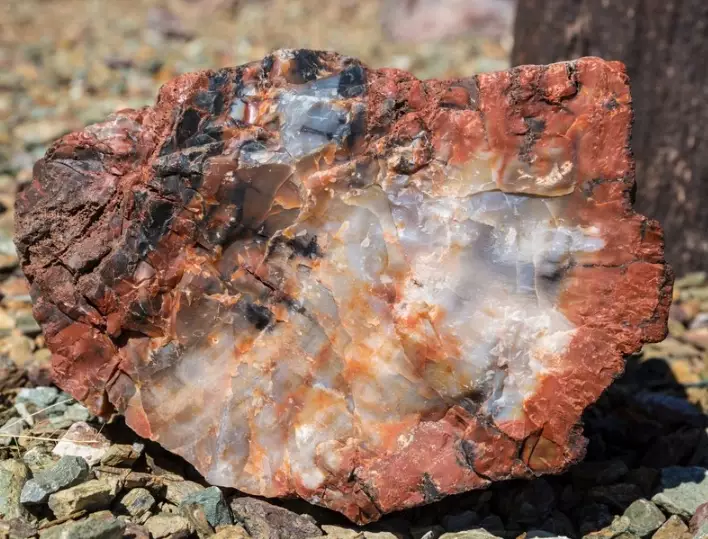
The Ethics of Gem Hunting: Leave No Trace (Mostly)
This hobby comes with responsibility. We're taking pieces of the natural world. The goal should be to do it sustainably and respectfully.
- Respect the Land: Fill in your holes. Don't leave trash. Don't damage living trees or vegetation more than necessary.
- Respect the Law: We covered this, but it's worth repeating. Follow collection limits. No tools where they're prohibited.
- Respect the Site: Don't hammer on beautiful outcrops just to see what's inside. Take only what you need for your collection. The idea is that the next person should also be able to enjoy the spot.
- Respect Private Property: Always get written permission. Offer to share a small find with the landowner. It builds goodwill for all rockhounds.
I've seen spots completely trashed by careless collectors. It gives the whole hobby a bad name and often leads to areas being permanently closed. Don't be that person.
Gem Hunting FAQs: Answering Your Real Questions
At the end of the day, gem hunting is more about the hunt than the gem. It's the excuse to explore a canyon you've never seen, to learn the history of the land under your feet, and to feel that primal jolt of excitement when you uncover something beautiful that's been hidden for millions of years. It's dirty, sometimes frustrating, and often physically tiring. And I wouldn't trade it for anything. So grab a hammer, do your homework, and get out there. The earth is waiting to share its treasures.