Your Quick Guide Navigation
- Why Collect Gemstones? It's Not Just About Sparkle
- Your First Steps: How to Start Gemstone Collecting Without Losing Your Shirt
- Where to Actually Find Gemstones for Your Collection
- The Heart of the Hobby: Identification and Evaluation
- Building a Theme: What Kind of Collector Are You?
- The Elephant in the Room: Are Gemstones a Good Investment?
- Caring for Your Collection: It's Not Just Dusting
- Answering Your Burning Questions (FAQ)
Let's be honest. My first foray into gemstone collecting was a disaster. I bought a small, shiny blue stone at a flea market because it looked cool, convinced it was something special. It turned out to be colored glass. A cheap lesson, but it taught me something crucial: there's a world of difference between picking up pretty rocks and knowing what you're actually looking at. That experience, frustrating as it was, sparked a real curiosity in me. If you're reading this, you probably feel that same itch. Maybe you saw a dazzling amethyst geode, or inherited a piece of jewelry, and wondered about the stone's story. Maybe you're just drawn to the beauty and mystery of the Earth's treasures. Whatever brought you here, welcome. This isn't a dry textbook. It's the guide I wish I had when I started, packed with the practical, sometimes messy, reality of building a gemstone collection.
Gemstone collecting is more than just acquisition; it's a journey into geology, history, art, and even personal philosophy. It connects you to deep time and faraway places. A piece of tanzanite in your hand tells a story of unique geological pressures in Tanzania. A rough diamond speaks of unimaginable heat and pressure. But where do you even begin? How do you know what's real, what's valuable, and what's just... pretty? Let's break it down, step by step.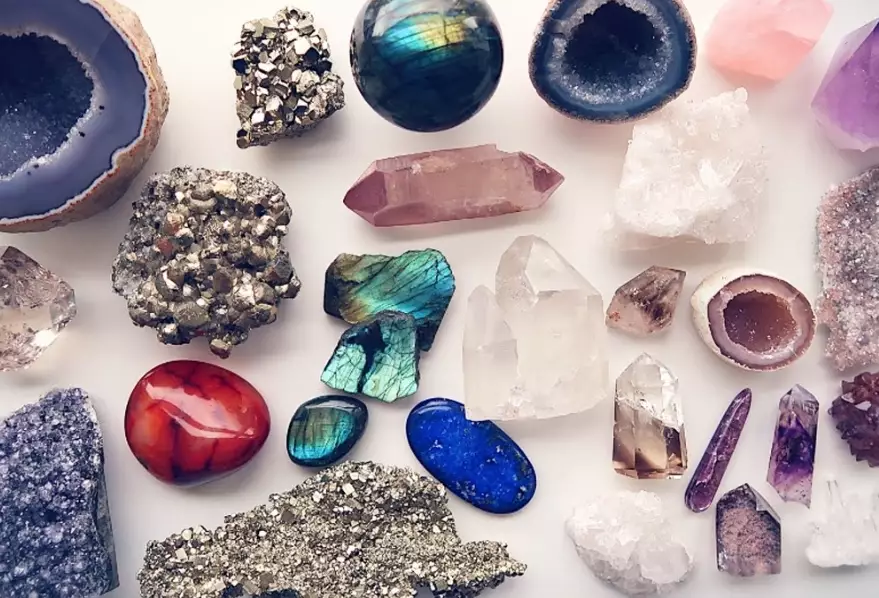
Why Collect Gemstones? It's Not Just About Sparkle
People dive into gemstone collecting for wildly different reasons. Some are scientific minds, fascinated by crystal structures and mineral formations. Others are historians, captivated by the lore and human stories behind stones like lapis lazuli, which was ground into pigment for ancient Egyptian art. Many are artists, inspired by color and light. And yes, some are investors, looking at stones as tangible assets. For most of us, it's a blend. I love the hunt—the thrill of finding a specimen with perfect color zoning in an unexpected place. I also love the quiet focus of examining a stone under a loupe. It's a hobby that can be as social or as solitary as you want. You can join local clubs (highly recommended) or spend hours alone cataloging your finds. What will your reason be?
Your First Steps: How to Start Gemstone Collecting Without Losing Your Shirt
Okay, you're excited. Don't run to the first online auction or high-end dealer. Pause. The foundation of a great collection isn't the first gem you buy; it's the knowledge you arm yourself with.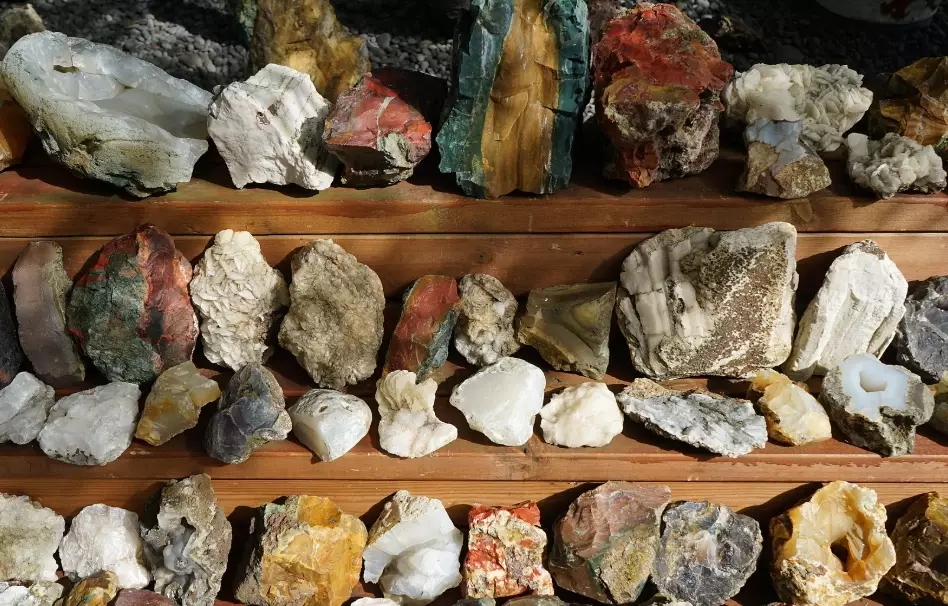
1. Define Your "Why" and Set a Budget
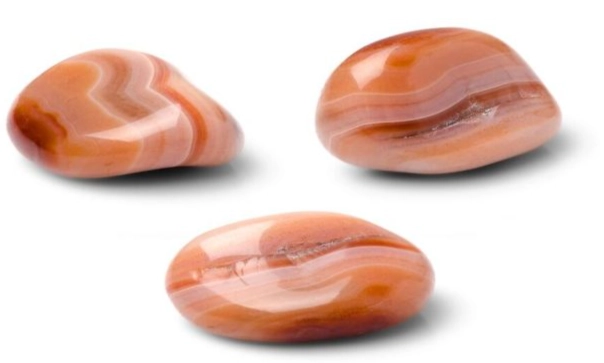
Are you collecting for aesthetic pleasure? Then color and shape might be your priority. Are you a future gemologist wanting to study inclusions? Then you'll need stones that are interesting under magnification, not necessarily flawless. Your goal dictates your path. Next, be brutally honest about your budget. Gemstone collecting can be tailored to any wallet. You can start with beautiful, polished tumbled stones like agate or jasper for a few dollars each. The key is to allocate funds for tools and books, not just the gems themselves. I'd suggest a 70/30 split in the beginning: 70% for learning materials and basic tools, 30% for actual specimens.
2. Learn the Absolute Basics (The Boring Stuff That Isn't Boring)
You need to speak a little of the language. Don't worry, you don't need a degree. Focus on these core concepts:
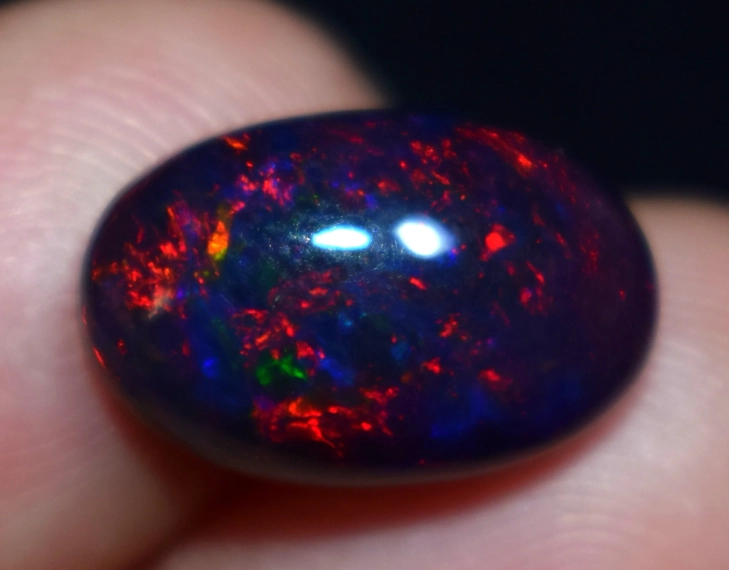
- Hardness (Mohs Scale): This isn't about which stone can scratch a diamond (none can). It's about durability and care. A talc (1) is whisper-soft, while a diamond is a (10). If you collect softer stones like opal (5.5-6.5) or turquoise (~6), you need to store them carefully to avoid scratches.
- The Big Three Terms: Precious vs. Semi-Precious (an outdated but still used commercial distinction—diamond, ruby, sapphire, emerald are "precious"), Natural vs. Treated (was the stone heated, irradiated, or filled with oil to enhance it?), and Gemstone vs. Mineral (all gems are minerals or rocks, but not all minerals are gem-quality).
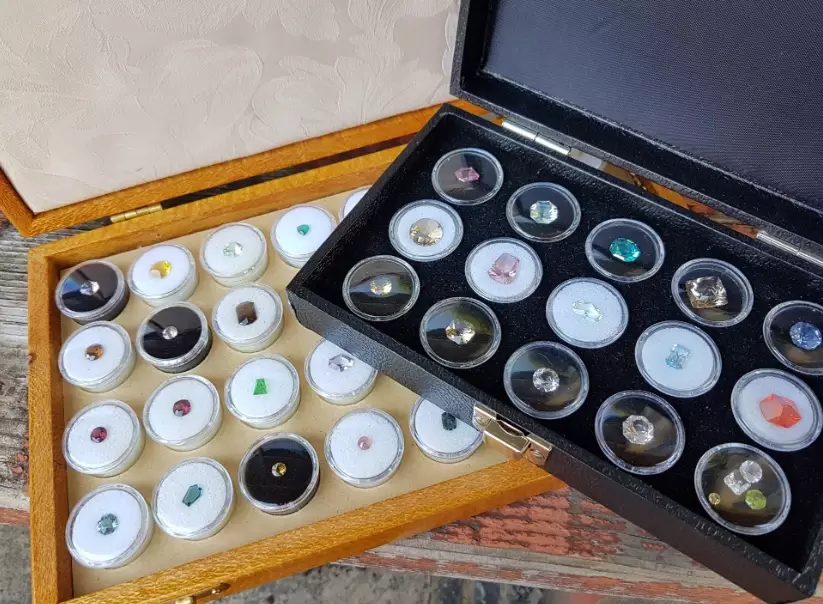
3. Assemble Your Starter Tool Kit
You can't identify gems with your naked eye. Period. These are your new best friends:
| Tool | What It Does | Why You Need It | Budget Option |
|---|---|---|---|
| 10x Jeweler's Loupe | Magnifies inclusions, cut, and surface features. | The #1 tool for identification. Reveals tell-tale signs of natural formation vs. synthetic. | A simple folded loupe from a reputable brand like Belomo. |
| LED Penlight | Provides bright, white light for examining color and clarity. | Color looks different in poor light. Essential for accurate assessment. | Any small, bright white LED flashlight. |
| Magnet | Tests for magnetic attraction. | Hematite and some meteoritic gems are magnetic—a quick, easy test. | A small rare-earth magnet. |
| Hardness Pick Set | Points of known hardness to perform scratch tests. | The definitive way to gauge a mineral's hardness. Use on a discreet spot! | A later purchase, but worth saving for. |
| Notebook & Label System | Records where, when, price, and properties of each acquisition. | Your collection is worthless without provenance and data. Trust me, you will forget. | A simple spreadsheet or physical logbook. |
See? You don't need a lab. With these, you're already ahead of 90% of casual buyers.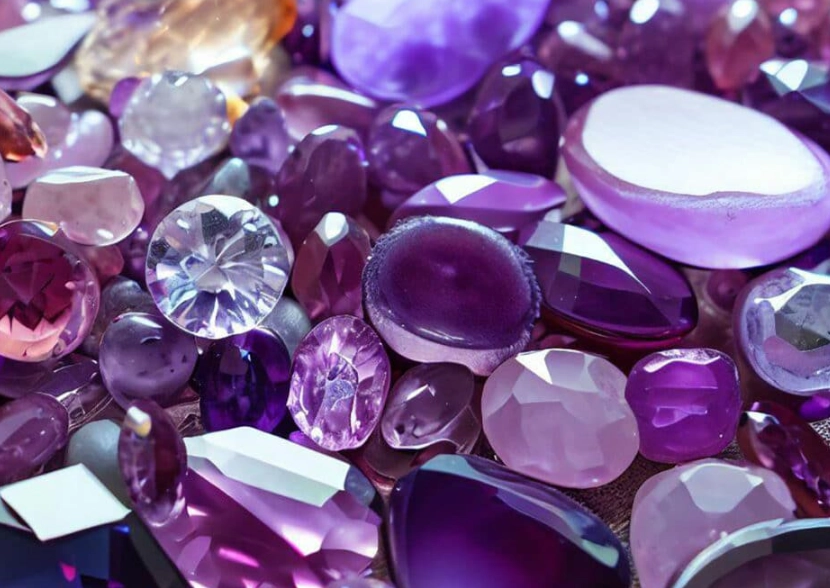
Where to Actually Find Gemstones for Your Collection
This is the fun part—the hunt. Each source has its own vibe and risks.
Local Rock & Gem Shops: Often run by passionate collectors. You can hold stones, ask questions, and sometimes find local specimens. Prices can be higher, but the advice is often free and priceless. My local shop owner talked me out of a bad purchase once, earning my loyalty forever.
Gem & Mineral Shows: Heaven on earth. Rows of dealers from around the world. You can compare prices, see incredible specimens, and attend lectures. The Tucson Gem & Show (though huge and overwhelming) is a pilgrimage site. Find smaller regional shows first. The American Federation of Mineralogical Societies has a great show finder.
Online Marketplaces (eBay, Etsy, Specialty Sites): A mixed bag. You have access to global inventory, but you cannot inspect the stone personally. Resolution and color are often enhanced in photos. I only buy online from sellers who offer high-res, unedited videos under natural light and have a clear return policy. Read feedback specifically about gemstone accuracy.
Field Collecting: The most rewarding method. Nothing beats finding your own. This requires research into localities, land ownership (NEVER trespass), and proper tools. Start by joining a local club—they often have organized field trips to known sites.
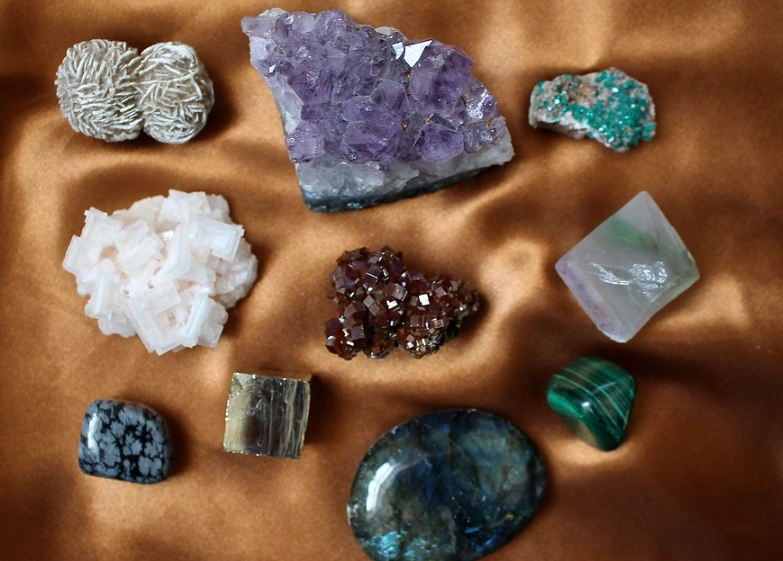
The Heart of the Hobby: Identification and Evaluation
This is where gemstone collecting transitions from hobby to skill. You're not just a buyer; you're a detective.
Running Through the Checklist
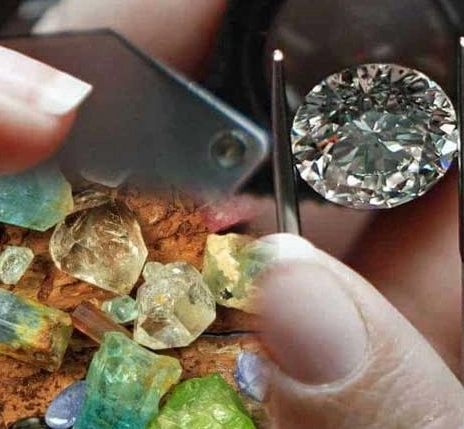
When a new stone comes in, I have a routine. First, observe with my naked eye and loupe. What's the color? Is it even, or zoned? Are there inclusions? Then I check luster (how it reflects light—metallic, vitreous like glass, waxy?). I feel its heft for density (hefting is a real technique—a cubic zirconia is much heavier than a diamond of the same size). I might do a discreet scratch test on an unimportant area if I have my picks. I also check for pleochroism (color change when viewed from different angles) by rotating it under the light.
Understanding value is separate from identification. The "Four Cs" for diamonds (Cut, Color, Clarity, Carat) have cousins for colored gems, but with different weights. For colored stones, Color is king—its hue, tone, and saturation. A fine, vivid cornflower blue sapphire commands a massive premium over a pale or overly dark one. Clarity matters, but some inclusions are expected and even desired (like the "jardin" in emeralds). A completely flawless emerald is a reason for suspicion, not celebration. Cut is about how well it releases the stone's beauty, not just its shape. A poorly cut stone can look dead.
Building a Theme: What Kind of Collector Are You?
A random assortment of stones is a pile. A curated collection has a narrative. Here are a few directions, born from years of seeing collections evolve:
- The Systematic Collector: Collects all varieties of a single mineral family. For example, every color of quartz (amethyst, citrine, prasiolite, smoky, rose).
- The Geographic Collector: Focuses on gems from a specific country or region. "Gems of Brazil" or "Minerals from the American Southwest."
- The Aesthetic Collector: Seeks specimens that are works of natural art—stunning crystal formations, unique matrix pieces, incredible color combinations.
- The Historian: Collects antique cut gems, Victorian mourning jewelry (jet, hairwork), or replicates historical collections.
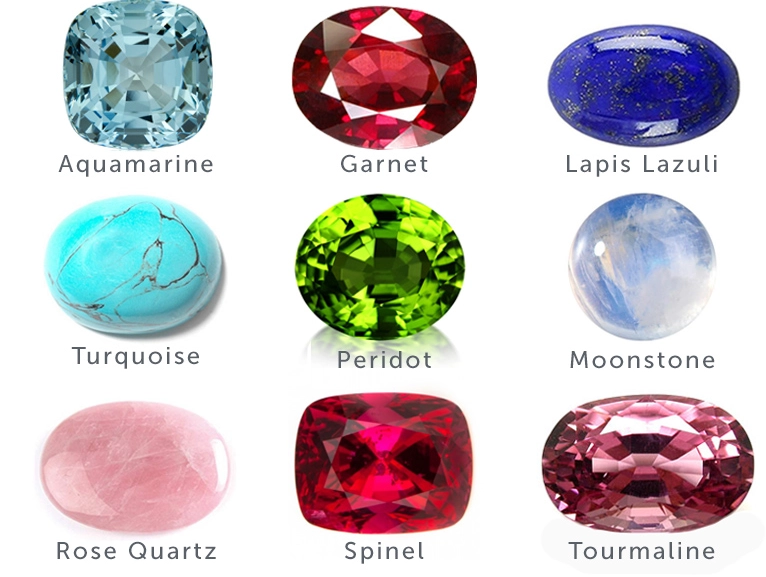
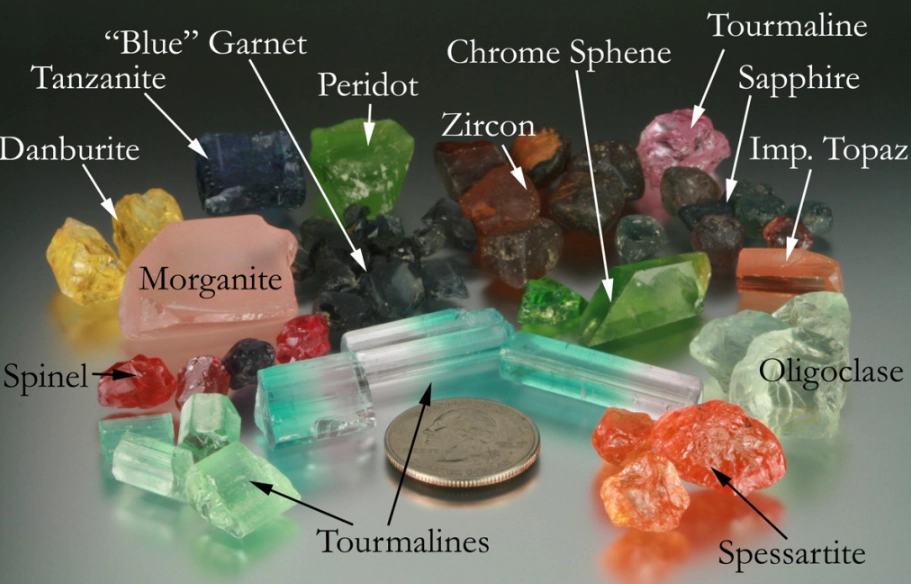
- The Budget Connoisseur: My personal favorite category. This is about finding stunning beauty in affordable stones. Garnets, tourmalines, spinels, and certain varieties of quartz offer incredible value and beauty without the diamond-tier price tag. This approach makes gemstone collecting deeply sustainable and joyful.
Your focus can change. Mine started as "shiny things" and narrowed to unheated, untreated specimens with strong pleochroism.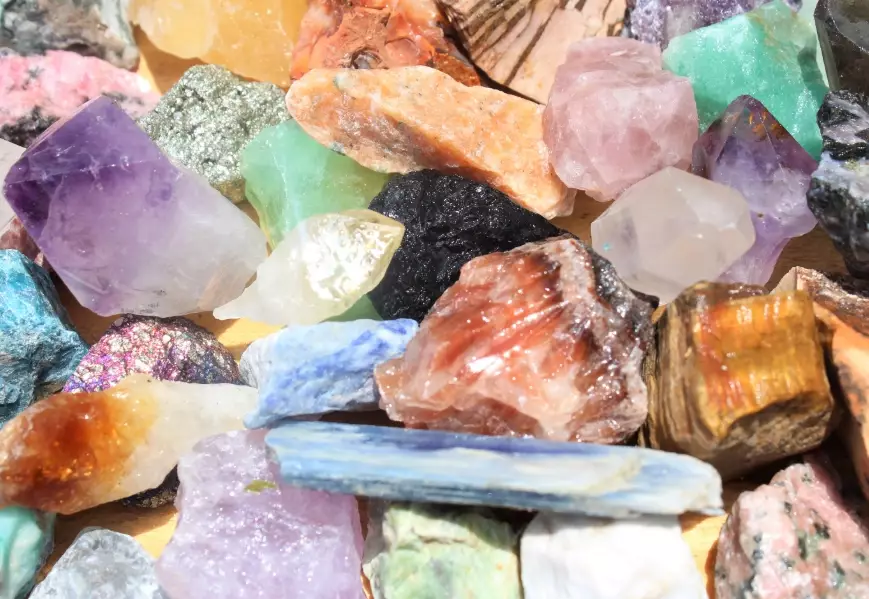
The Elephant in the Room: Are Gemstones a Good Investment?
This is a complex question with a simple, frustrating answer: it depends. Can gemstones hold and increase in value? Absolutely. Top-quality rubies, sapphires, and certain rare collector specimens have consistently outperformed inflation. But—and this is a huge but—this only applies to investment-grade stones. That means exceptional color, clarity, size, and certification from a top lab like GIA or AGL (American Gemological Laboratories).
For the average collector, thinking of your collection primarily as a financial investment is a path to disappointment. The market is illiquid. Selling a single stone for fair value can take months or years. Dealers buy at wholesale, so you'll rarely recoup retail. I view any potential increase in value as a bonus, not the goal. The real return on investment is the decades of knowledge, enjoyment, and community you gain. If you want to invest, talk to a specialized financial advisor and expect to park significant capital. If you want a fulfilling hobby, just collect what you love.
Caring for Your Collection: It's Not Just Dusting
Gems are not indestructible. Light, heat, humidity, and chemicals are the enemies.
- Sunlight: Fades amethyst, citrine, and topaz. Keep them in closed drawers or boxes.
- Heat & Sudden Temperature Changes: Can fracture gems with inclusions (like emeralds) or damage treated stones.
- Ultrasonic Cleaners: A hard NO for emeralds, opals, tanzanite, or any fractured stone. They can shatter.
- Storage: Keep stones separate. Harder stones (sapphires, diamonds) will scratch softer ones (opals, pearls). Use individual soft cloth pouches or compartmentalized boxes.
The safest cleaning method for most gems? Lukewarm water, a drop of mild dish soap, a soft toothbrush, and thorough drying with a lint-free cloth. When in doubt, don't.
Answering Your Burning Questions (FAQ)
Q: What's the best gemstone to start a collection with?
A: Start with the quartz family. It's affordable, widely available in countless forms (agate, amethyst, citrine, chalcedony), and teaches you about variations in color and formation without breaking the bank.
Q: How can I tell if a gemstone is real or fake?
A: First, manage expectations. "Fake" can mean glass/plastic (imitation), lab-created (synthetic but chemically identical), or heavily treated. Use your loupe. Look for bubbles (common in glass), too-perfect patterns, or an unnatural, waxy luster. Check the hardness. A real ruby will scratch glass easily. For definitive answers on valuable pieces, you need a professional appraisal. Organizations like the International Society of Appraisers can help you find a qualified gemologist-appraiser.
Q: Is gemstone collecting an expensive hobby?
A: It can be, but it doesn't have to be. You control the throttle. You can have immense satisfaction collecting beautiful mineral specimens for $10-$50 each. The expense comes from chasing rarity, size, and perfection. Set a monthly budget and stick to it.
Q: Should I buy raw or cut stones?
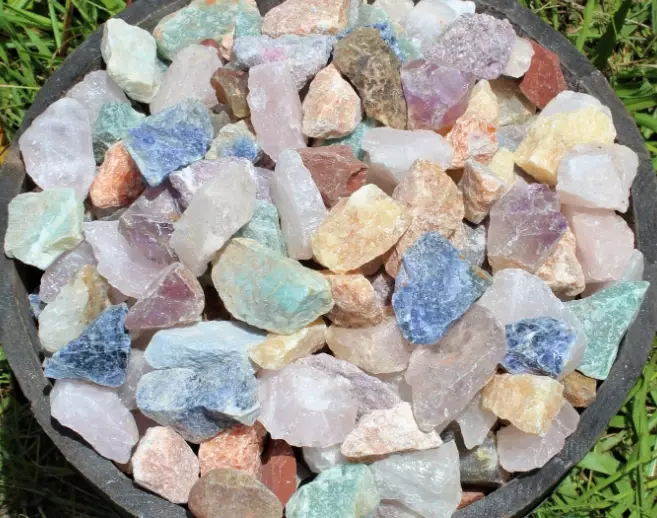
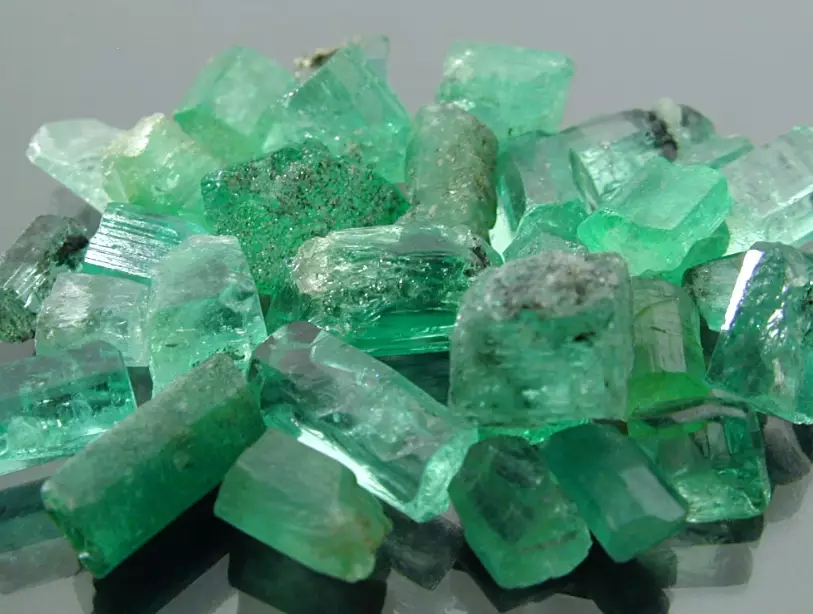
A: Both! Raw (rough) specimens show the crystal's natural form, which is fascinating from a geological perspective. Cut (faceted or cabochon) stones showcase the art of the lapidary and the play of light. I have both in my collection. Rough is often cheaper per carat.
Q: How do I deal with the ethical concerns around mining?
A: This is critical. Ask dealers about provenance. Support dealers who adhere to codes of conduct like those from the International Colored Gemstone Association (ICA). Consider buying from small-scale, artisanal miners through fair-trade organizations, or focusing on recycled gems from antique jewelry. Your consumer choices matter.
So, where does this leave you? At the beginning of something potentially lifelong. Gemstone collecting will teach you patience, observation, and a deep appreciation for natural beauty. You'll make mistakes—I still do. You'll overpay for a stone that wasn't what you thought. But you'll also have those moments of pure discovery, holding a piece of the planet that feels like a secret just for you.
Start small. Start curious. Grab a loupe, pick up an interesting-looking rock, and really look at it. That's how it begins. The rest—the knowledge, the community, the ever-growing cabinet of wonders—will follow. Your collection won't just be a display of objects; it will be a map of your curiosity. And that's the most valuable thing you'll ever collect.