Your Quick Tour
So you're curious about birthstones. Maybe you're looking for a meaningful gift, or perhaps you've always wondered what that little gem assigned to your birth month is all about. You're not alone. The tradition of birthstones is one of those things that's woven into our culture, popping up in jewelry stores and horoscope columns alike. But where did this tradition even come from? And more importantly, what does your specific birthstone mean for you today?
Let's get one thing straight from the start: the modern list of birthstones wasn't carved in stone tablets (pun intended). It evolved. A lot. What we consider the "official" birthstone for, say, March has changed over centuries and even varies slightly depending on which cultural or trade organization you ask. That's part of what makes this topic so fascinating—it's a mix of ancient belief, medieval marketing, and modern gemology.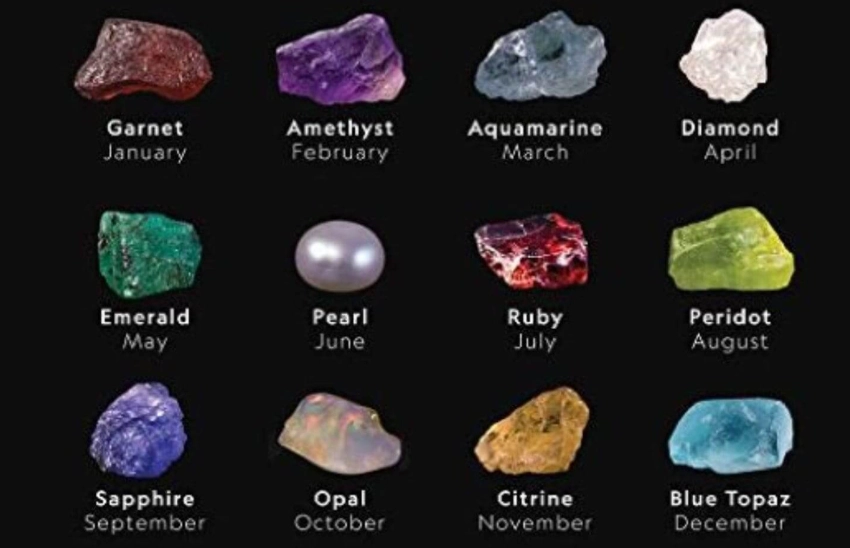
I remember buying my first birthstone piece—a simple amethyst pendant for a February-born friend. The salesperson rattled off something about "soberness and clarity," but it felt a bit… generic. It sent me down a rabbit hole. Are birthstones just a clever sales tactic, or is there something more to them? After digging through historical texts, gemological guides, and even talking to a few jewelers, I found a story that's much richer than any single gem.
This guide is that deep dive. We'll strip away the glossy brochure talk and look at the real history, the symbolism that stuck, and the practical stuff you actually need to know if you're thinking of buying or wearing a birthstone.
The Surprisingly Messy History of Birthstones
If you think the idea of a birthstone is a modern invention of jewelry retailers, think again. The concept is ancient, but its path to your modern birthstone chart is anything but a straight line.
It all seems to start with the Breastplate of Aaron, described in the Book of Exodus. This ceremonial garment worn by the High Priest of the Israelites was adorned with twelve gems, each representing one of the twelve tribes of Israel. Scholars and translators have argued for centuries about which modern gems correspond to the Hebrew names listed, but the link between specific gems and larger groups of people was planted here.
Fast forward a few centuries. Around the 1st century AD, the Jewish historian Josephus made a connection that would spark the birthstone tradition as we know it. He linked these twelve stones to the twelve signs of the zodiac and suggested that wearing the stone associated with your astrological sign during its corresponding month held special power. This idea—a gem for a period of time—started to take root.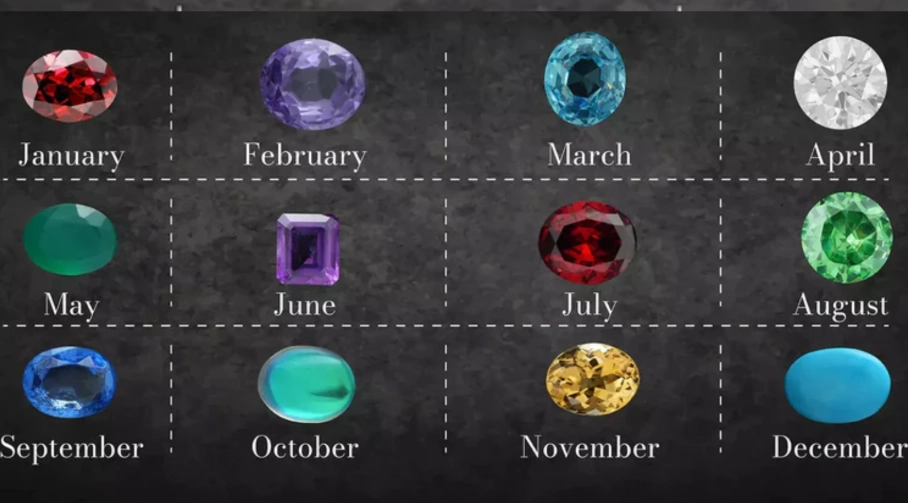
But here's where it gets messy. For over a thousand years, the lists were all over the place. Different cultures, different languages, and different available gemstones meant the "birthstone" for April in Poland might not be the same as in India. There was no central authority. It was folklore, astrology, and local trade all mixed together.
The big shift towards standardization happened in 1912. Facing a need for consistency (and, let's be honest, better marketing), the National Association of Jewelers in the United States met and officially adopted a standardized list of modern birthstones. This is essentially the list most of the English-speaking world uses today. But even this list wasn't final. It has been tweaked a few times, most notably adding options like tanzanite for December in 2002, showing that the tradition is still alive and evolving.
What I find funny is how we now treat this 20th-century list as an ancient, unchangeable truth. It shows how powerful a good, consistent story can be.
Your Month-by-Month Birthstone Breakdown
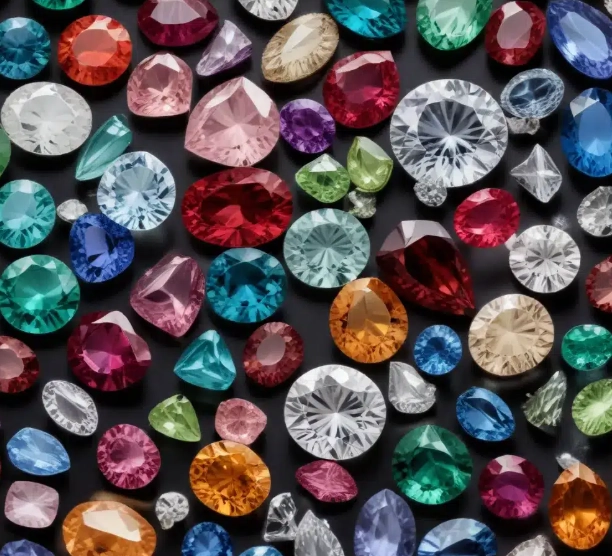
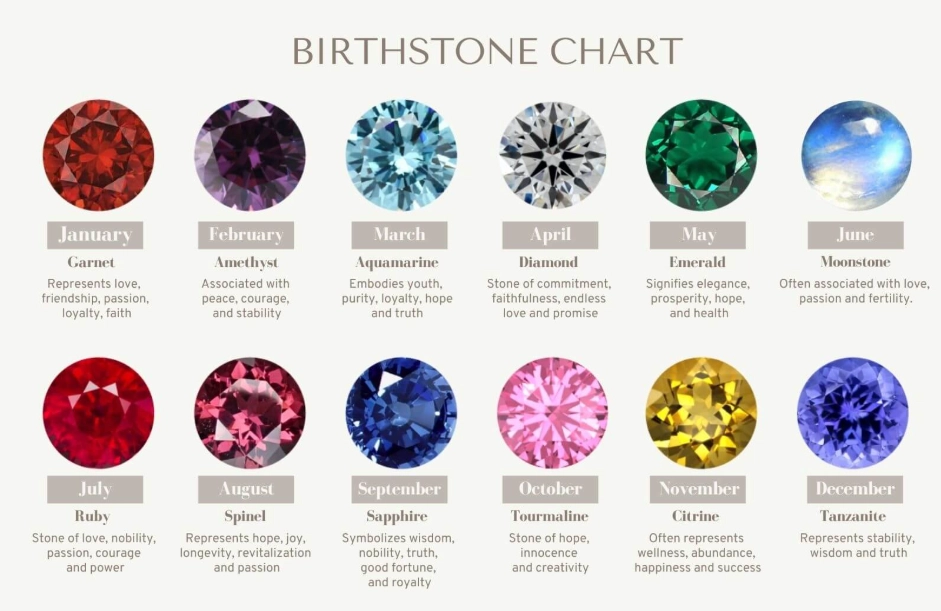
Alright, let's get to the part you likely came for. What's your stone? And what's the deal with it? The table below breaks down the modern, widely accepted primary birthstones. Remember, some months have alternatives or more modern additions, which we'll get into afterwards.
| Month | Primary Birthstone | Traditional Color | Key Symbolism & Lore | Mohs Hardness* |
|---|---|---|---|---|
| January | Garnet | Deep Red (most common) | Protection, safe travel, friendship, constancy. Thought to light up the night and protect from nightmares. | 6.5 - 7.5 |
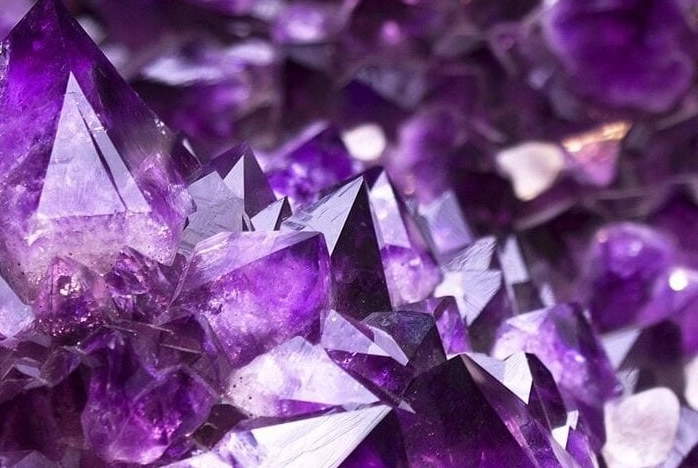
| February | Amethyst | Violet to Purple | Calmness, clarity, sobriety. The name comes from Greek "amethystos," meaning "not intoxicated." Ancient Greeks believed it prevented drunkenness. | 7 |
| March | Aquamarine | Pale Blue to Blue-Green | Courage, calm, serenity, sailors' stone. Named for seawater ("aqua marina"), it was a talisman for sailors fearing storms and seasickness. | 7.5 - 8 |
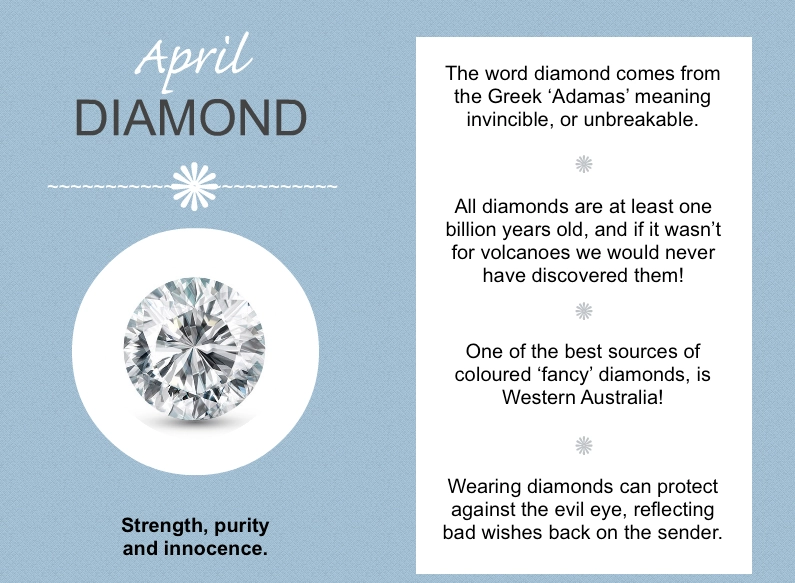
| April | Diamond | Colorless (or various) | Invincibility, eternal love, strength, purity. The hardest natural substance, symbolizing unbreakable bonds. | 10 |
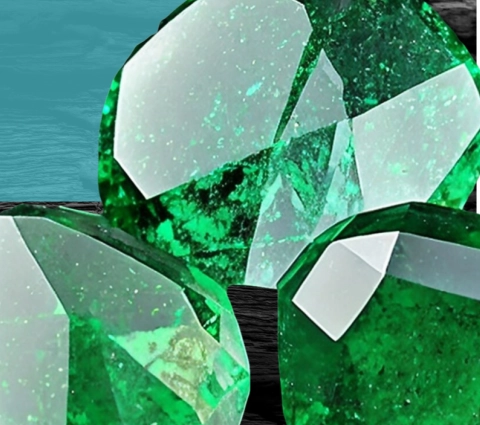
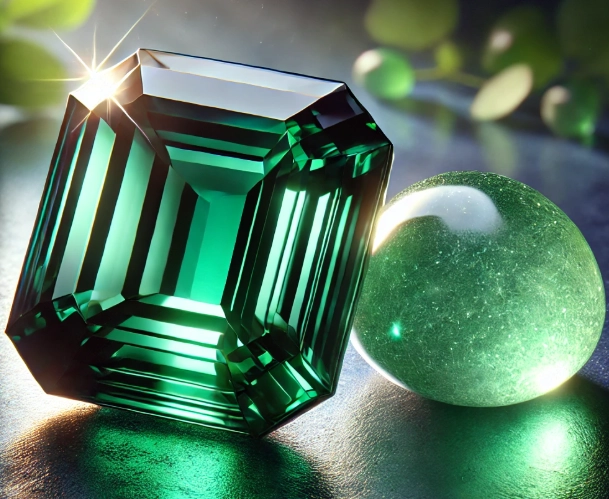
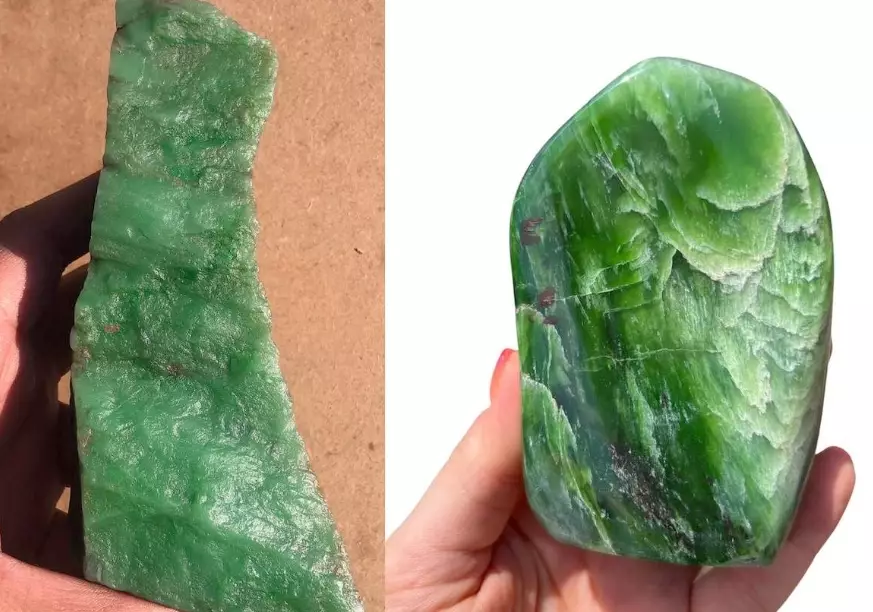
| May | Emerald | Rich Green | Rebirth, love, fertility, foresight. Cherished by Incas and Egyptians, associated with Venus. Believed to reveal truth and protect against spells. | 7.5 - 8 |
| June | Pearl (or Alexandrite) | White, Cream, Pink | Purity, humility, innocence. The only gem formed within a living creature. Alexandrite symbolizes joy and good fortune, famous for color-changing ability. | Pearl: 2.5-4.5 Alexandrite: 8.5 |
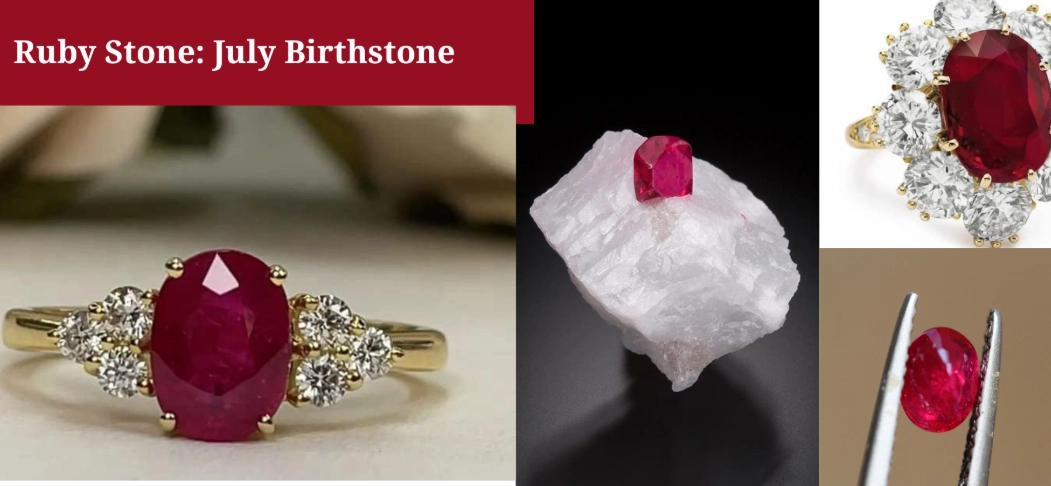
| July | Ruby | Vivid Red | Passion, protection, wealth, vitality. Called the "king of gems" in ancient India. Believed to retain its own light, glowing in the dark. | 9 |
| August | Peridot (or Spinel) | Lime Green to Olive | Strength, protection from nightmares, harmony. Called the "gem of the sun" by Egyptians. Spinel, a more recent addition, comes in vibrant reds and pinks. | Peridot: 6.5-7 Spinel: 8 |
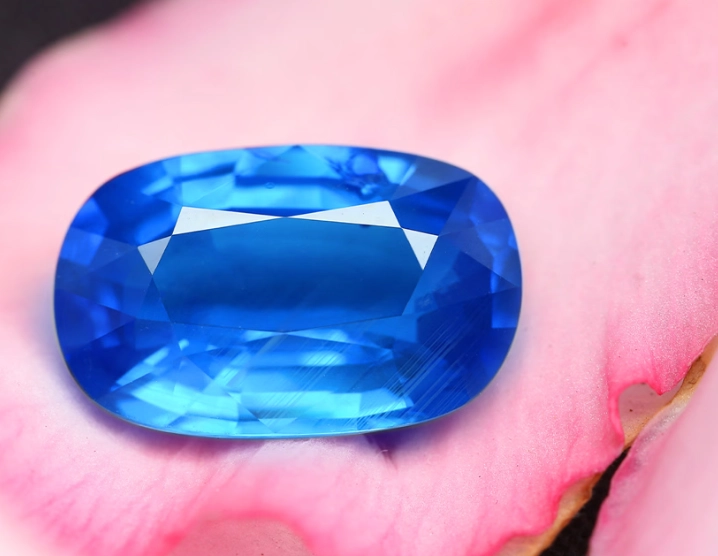
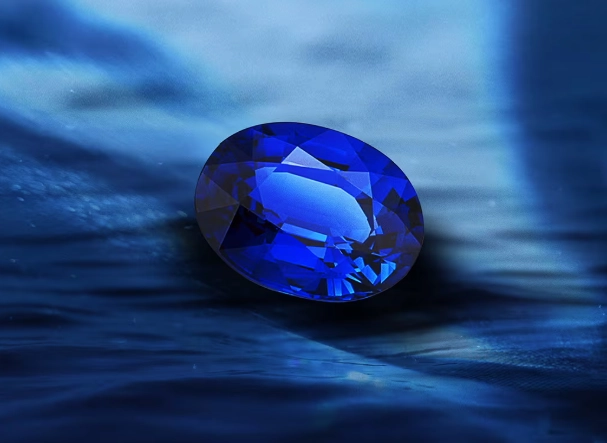
| September | Sapphire | Blue (most classic) | Wisdom, loyalty, nobility. Medieval clergy wore it to symbolize heaven. Believed to protect from envy and harm. | 9 |
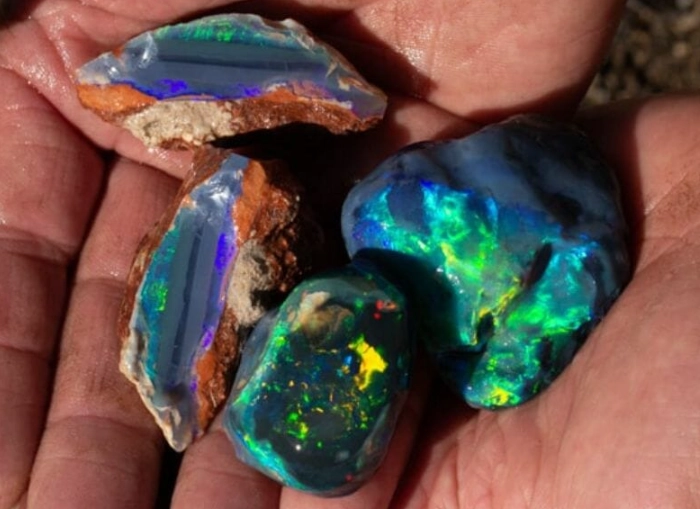
| October | Opal (or Tourmaline) | Play-of-Color (Opal) | Hope, creativity, innocence. Once thought to embody the virtues of all stones due to its colors. Tourmaline offers every color of the rainbow. | Opal: 5.5-6.5 Tourmaline: 7-7.5 |
| November | Topaz (or Citrine) | Yellow, Orange, Blue (Topaz) | Friendship, strength, healing. Ancient Greeks believed it gave them strength. Citrine, the "healing quartz," is associated with success and abundance. | Topaz: 8 Citrine: 7 |
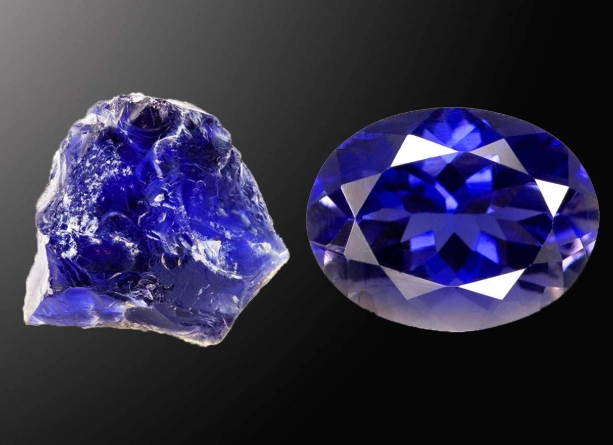
| December | Tanzanite, Turquoise, or Zircon | Blue-Violet, Sky Blue, Various | Tanzanite (discovery 1967): Transformation, spiritual awareness. Turquoise: Protection, friendship, luck. Zircon (not cubic zirconia): Honor, wisdom. | Tanzanite: 6.5 Turquoise: 5-6 Zircon: 6.5-7.5 |
*Mohs Hardness Scale measures a mineral's resistance to scratching, from 1 (talc) to 10 (diamond). It's a crucial practical factor for jewelry worn daily.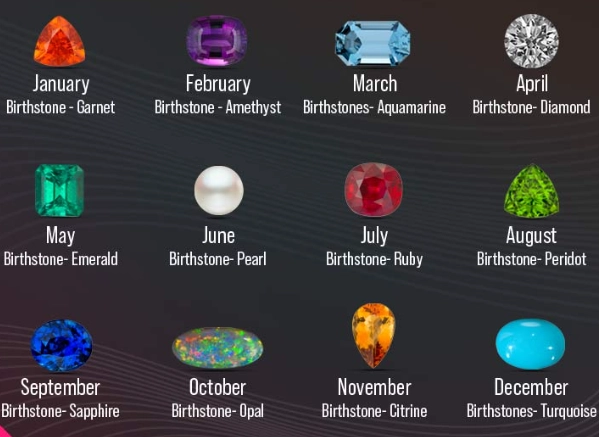
You'll notice some months, like June, October, and December, have multiple stones. This isn't an error. It reflects updates to the list and acknowledges that people might want a choice based on budget, color preference, or durability. For example, a pearl is classic for June, but it's very soft. Alexandrite is incredibly durable but also very rare and expensive. Having options is a good thing.
A Quick Note on "Modern" vs. "Traditional" Lists: You might stumble upon slightly different lists. The one above is the modern American standard. A "traditional" or older list might have bloodstone for March (alongside aquamarine) or lapis lazuli for December. If you're drawn to a less common stone for your month, go for it! The history is flexible enough to support your choice.
Beyond the Primary: Alternative and Modern Birthstones
The official list is a great starting point, but it's not the whole universe of birthstones. Many people connect with alternative stones that have historical ties to their month or zodiac sign. For instance, before tanzanite was discovered in the 1960s, lapis lazuli was often associated with December. Some people with December birthdays still prefer its deep, celestial blue.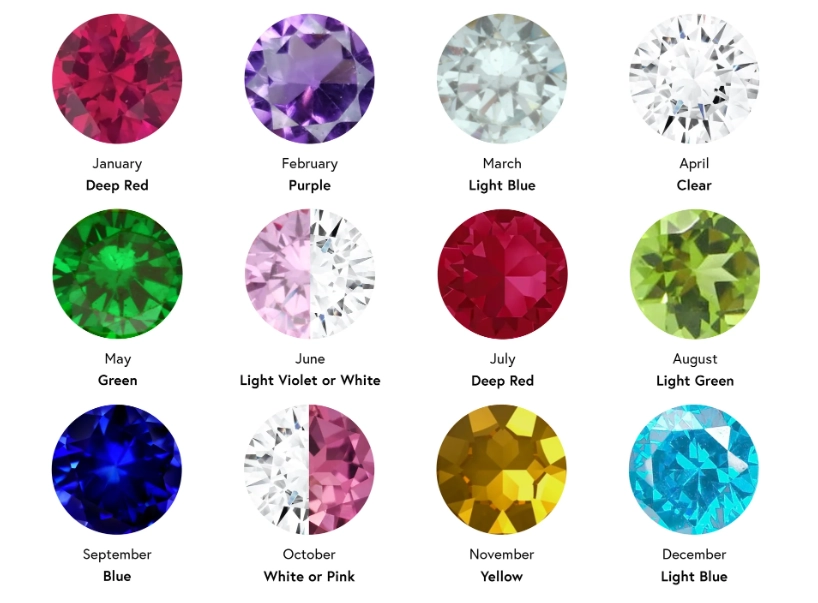
Then there's the concept of zodiac birthstones, which predates the monthly list. If you're an Aries (March 21 - April 19), your zodiac stone might be bloodstone or diamond, overlapping with the monthly system but offering a different lens. It adds another layer for those who feel a strong astrological connection.
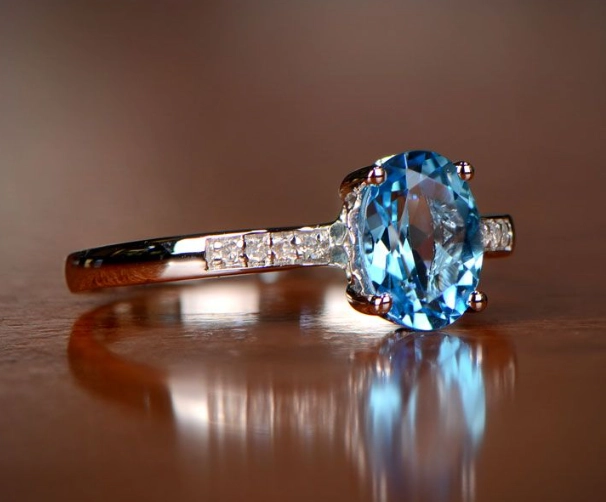
Frankly, I think the expansion of options is fantastic. It means you're not boxed in if the primary stone doesn't resonate with you aesthetically or financially. A stunning blue topaz can be a much more accessible and durable option for a December birthday than tanzanite, and its meaning of calm communication is just as valid.
How to Actually Choose a Birthstone (For Yourself or a Gift)
So you've looked at the chart. Now what? Picking a birthstone isn't just about matching a month to a gem. If you want it to be something worn and loved, you need to think like a practical person, not just a symbolic one.
Let's break down the real questions you should ask:
- Who is it for, and how will it be worn? This is the biggest one. A birthstone for a daily-wear ring needs to be tough—think sapphire, ruby, or diamond (hardness of 9 or 10). A pearl or opal is better suited for earrings or a pendant that sees less abrasion. I made the mistake of getting a delicate opal ring as my first "self-gift" birthstone. Let's just say the clerk's warning about knocking it on tables was… accurate. A pendant would have been smarter.
- What's your budget? Birthstones run the full gamut. Diamonds, rubies, and fine emeralds command premium prices. But garnet (January), amethyst (February), citrine (November), and blue topaz (often used for December) offer incredible beauty at a fraction of the cost. Don't feel pressured by the most expensive option.
- Do you actually like the color? Symbolism is nice, but you have to look at it. If you're a June baby who doesn't wear white or cream, a classic pearl might sit in the box. Maybe a moonstone (another June alternative) or the stunning color-change of alexandrite is more your style. The best birthstone is one you want to wear.
- Are you considering lab-created stones? This is a huge point today. Lab-created sapphires, rubies, emeralds, and diamonds are chemically, physically, and optically identical to their mined counterparts. They are more affordable, more sustainable, and free from ethical mining concerns. For many people, this is a no-brainer, especially for a stone like emerald, which is often heavily included (has internal characteristics). A lab-created one can be more flawless and durable. The Gemological Institute of America (GIA), a top authority, provides excellent resources on synthetic gemstones if you want to learn more.
- What cut and setting speak to you? A birthstone doesn't have to be a solitaire in a prong setting. It could be a cabochon (smooth, polished dome) for an opal, a bead for a pearl necklace, or tiny melee stones accenting a band. The setting metal matters too—cool-toned stones like sapphire often pop in white gold or platinum, while garnet and ruby glow in yellow or rose gold.
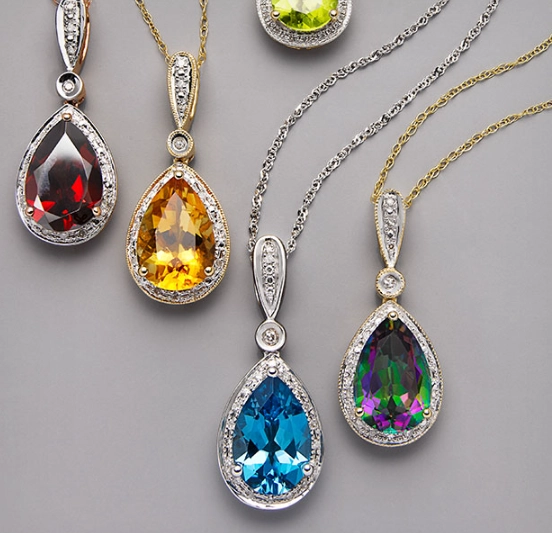
Pro-Tip for Gifts: If you're buying a birthstone gift and are unsure of style, consider a simpler, more versatile piece. A pair of stud earrings or a solitaire pendant in the recipient's birthstone is almost always a hit and can be worn with anything. Avoid overly trendy settings unless you know their taste perfectly.
Caring for Your Birthstone Jewelry: It's Not All the Same
Once you have your birthstone, you want it to last. Different gems have wildly different care needs. Treating a diamond like a pearl is a recipe for disaster.
Here’s a quick, no-nonsense care guide based on gem families:
The Tough Guys (Hardness 8+): Diamond, sapphire, ruby, alexandrite, chrysoberyl. These can handle daily wear. Clean with warm water, mild dish soap, and a soft brush. Ultrasonic cleaners are usually safe, but check for fractures first.
The Middle Ground (Hardness 6-7.5): Garnet, amethyst, citrine, aquamarine, peridot, topaz, tanzanite, tourmaline. Durable for rings with protective settings or for pendants/earrings. Avoid harsh impacts. Clean with soapy water and a soft cloth. Generally avoid ultrasonics for tanzanite and tourmaline.
The Delicate Ones (Hardness below 6): Opal, pearl, turquoise, moonstone, lapis lazuli. These require kid gloves. Never soak opals. Wipe pearls with a damp cloth after wearing. Avoid all chemicals, heat, and ultrasonics. Store separately to prevent scratching.
Emeralds (7.5-8) are a special case. They are hard but often have natural inclusions and are routinely treated with oils or resins to enhance clarity. Never use an ultrasonic or steam cleaner on an emerald—it can remove the treatment and make fractures more visible. Stick to a soft, dry cloth.
Myth Busting: The old "scratch glass" test is unreliable for identifying or proving a gem's durability. Many glasses have a hardness around 5.5, so even a soft gem like peridot (6.5) might scratch it. Don't use this as a care guideline!
Answering Your Burning Birthstone Questions
After talking to lots of people about birthstones, the same questions keep popping up. Let's tackle them head-on.
The Final Word: Making Birthstones Your Own
At the end of the day, birthstones are what you make of them. They are a thread connecting us to a very long, very human history of finding meaning and beauty in the natural world. That history gives them a weight that a random pretty stone might not have.
But the real magic happens when you take that tradition and personalize it. Maybe it's choosing a lab-created spinel for an August birthday because you love hot pink. Maybe it's resetting your grandmother's flawed but beloved emerald (a May stone) into a pendant for your May-born daughter. Maybe it's simply learning the story behind your month's gem and appreciating it a bit more.
The best advice I can give is this: use the history and the lists as a starting point for a conversation—with a jeweler, with a loved one, or with yourself. Ask what you want this piece to represent. Consider your lifestyle. Then choose the stone that feels right. That's how a birthstone stops being just an item on a chart and becomes a real part of your story.
And if all else fails, just go with the one that makes you smile when you see it. That's a meaning all its own.