In This Guide
- Where Did This Whole Birthstone Thing Come From Anyway?
- The Complete Birthstone by Month Chart: Traditional vs. Modern
- How to Actually Choose *Your* Birthstone (Because You Have Options)
- Beyond the Birth Month: Other Ways to Pick a Meaningful Gem
- Your Birthstone Questions, Answered (The Stuff People Really Ask)
- Caring for Your Birthstone Jewelry
- The Final Word on Finding Your Perfect Birthstone by Month
You know that feeling when someone asks you, "What's your birthstone?" and you just blank for a second. Is it the ruby? Amethyst? Maybe topaz? I used to get it wrong all the time, and honestly, I thought the whole birthstone by month thing was just a marketing gimmick for jewelry stores. But then I started digging a little deeper, and wow, was I wrong. The stories behind these gems are wild—think ancient kings, mystical beliefs, and even modern science getting involved. It's way more than just a pretty color for your birthday.
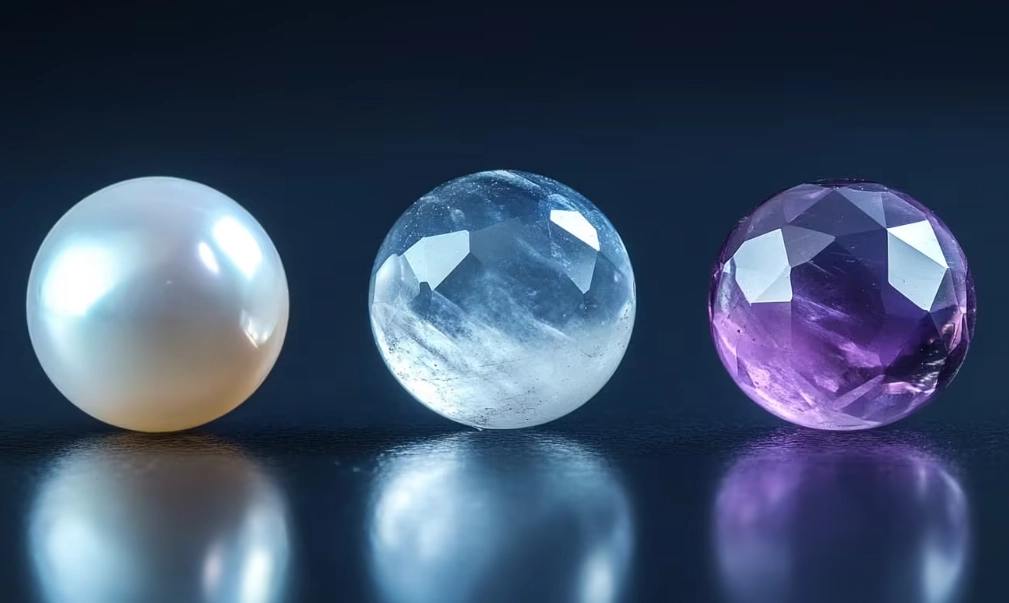
This guide is my attempt to untangle it all. We're going to look at every single birthstone by month, the traditional ones and the modern updates, what they're supposed to mean, and most importantly, how to pick one that you'll actually love wearing. Because let's be real. Not everyone loves their traditional birthstone. I'm looking at you, June babies with your pearls (so high-maintenance!).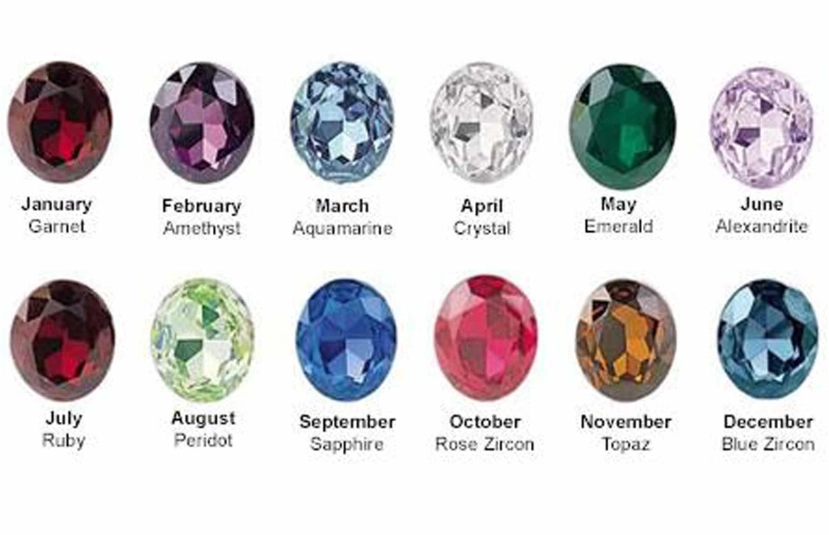
Where Did This Whole Birthstone Thing Come From Anyway?
It didn't start with a clever salesperson in a mall kiosk. The idea of linking specific gems to months goes way, way back. Most historians trace it to the Breastplate of Aaron described in the Bible's Book of Exodus. That thing had twelve stones, representing the twelve tribes of Israel. Fast forward a few centuries, and scholars in the 1st and 5th centuries started making connections between those twelve stones, the twelve signs of the zodiac, and eventually, the twelve months of the year. It was a slow mash-up of religion, astrology, and folklore.
The modern list we mostly recognize today? That got its big push in 1912. The National Association of Jewelers (which later became the Jewelers of America) sat down and standardized a list of "modern" birthstones. They did this mainly for, you guessed it, business reasons—to simplify and promote sales. But they didn't just make it up; they drew from those ancient traditions. And they've updated it since, like in 1952 and 2002, adding new options like tanzanite for December. So the list isn't set in stone (pun intended); it evolves.
What's fascinating is how the meaning of a birthstone by month has shifted. For ancient people, these weren't just decorative. They were believed to be talismans. Wearing your birthstone during its assigned month was thought to magnify its healing or protective powers. Today, for most of us, it's more about personal identity, a connection to our birth month, and of course, a fantastic gift idea.
Quick History Nugget: The American Gem Trade Association (AGTA) is one of the key bodies that maintains and updates the official modern birthstone list today. If you want the most current, industry-standard info, their website is a solid, authoritative place to check. It's where jewelers themselves go to get it right.
The Complete Birthstone by Month Chart: Traditional vs. Modern
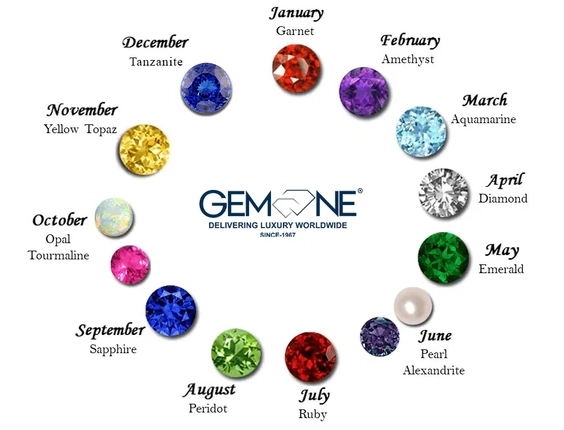
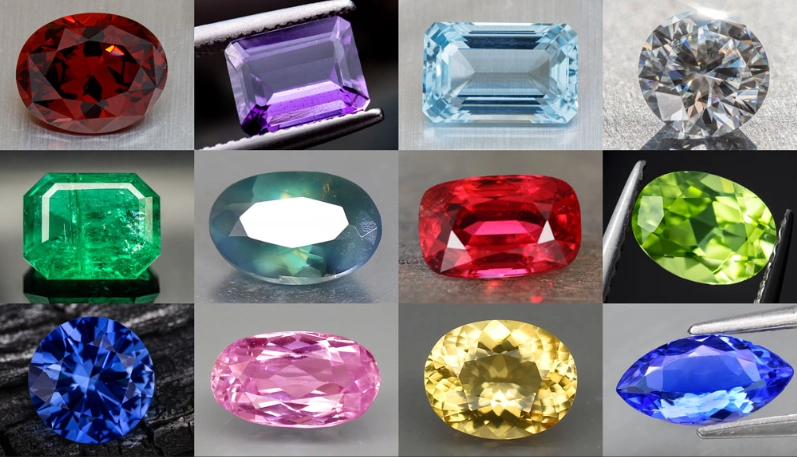
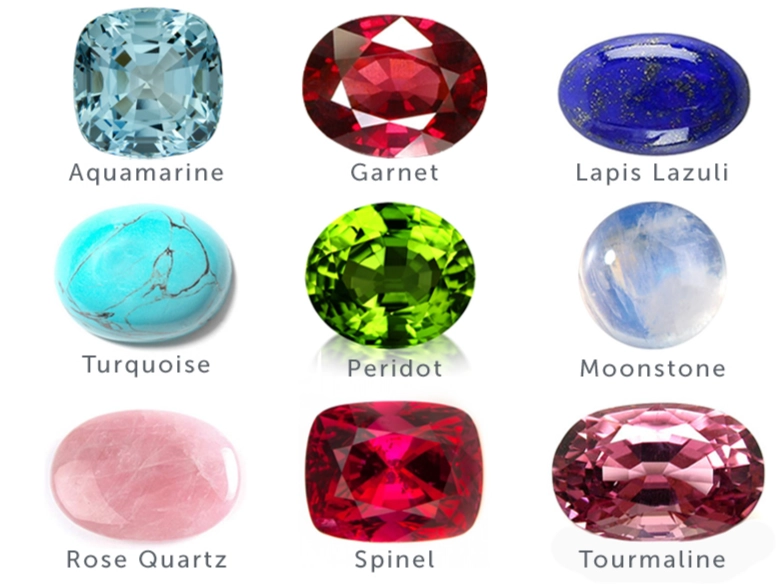
Alright, let's get to the main event. Here’s the full breakdown, month by month. I've put it in a table because seeing them side-by-side is the easiest way to wrap your head around it. You'll see the traditional gem (often the older, historical one) and the modern gem (the one officially recognized by jewelers in the US today). Sometimes they're the same, sometimes they're totally different.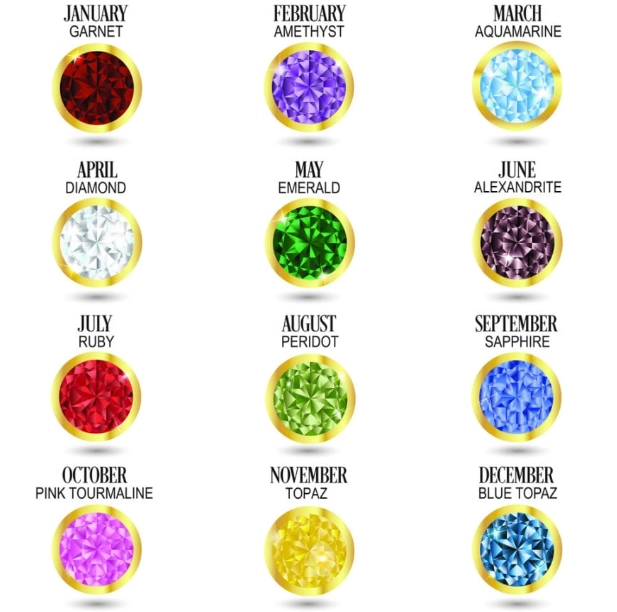
| Month | Traditional Birthstone(s) | Modern Birthstone(s) | Primary Colors | Key Meanings & Lore |
|---|---|---|---|---|
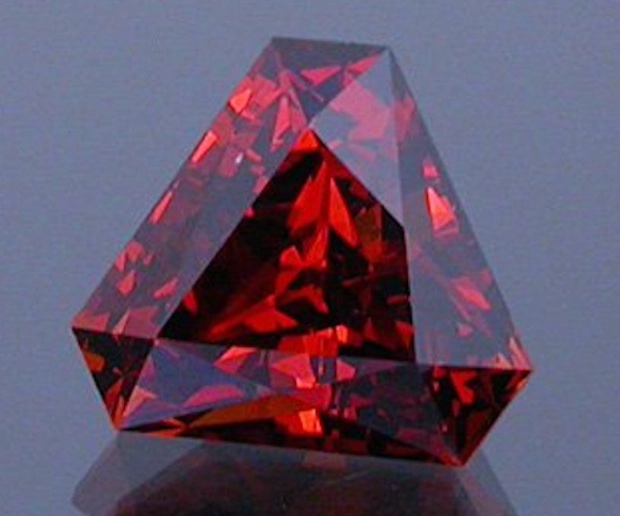
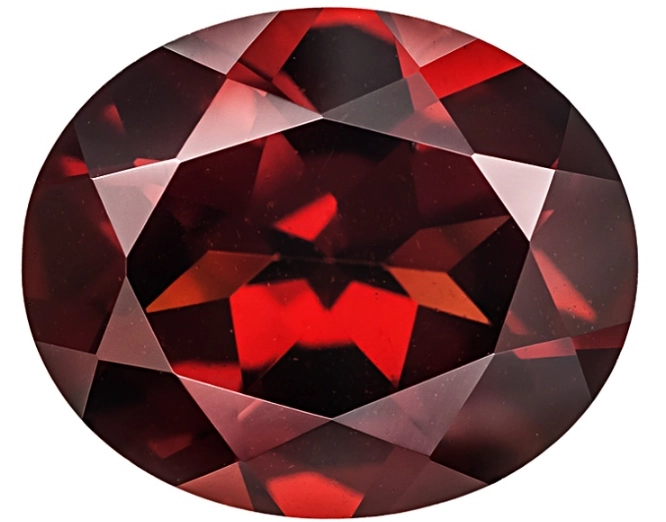
| January | Garnet | Garnet | Deep red (most common), but also green, orange, purple! | Symbolizes friendship, trust, and protection during travel. Ancient warriors carried it for safety. |
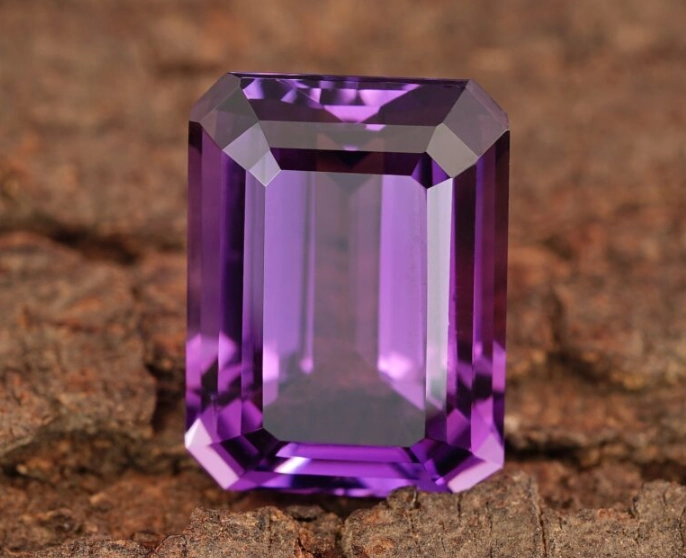
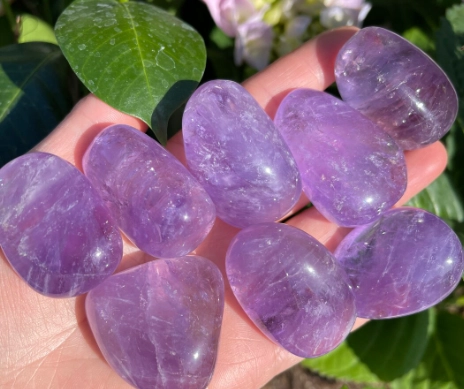
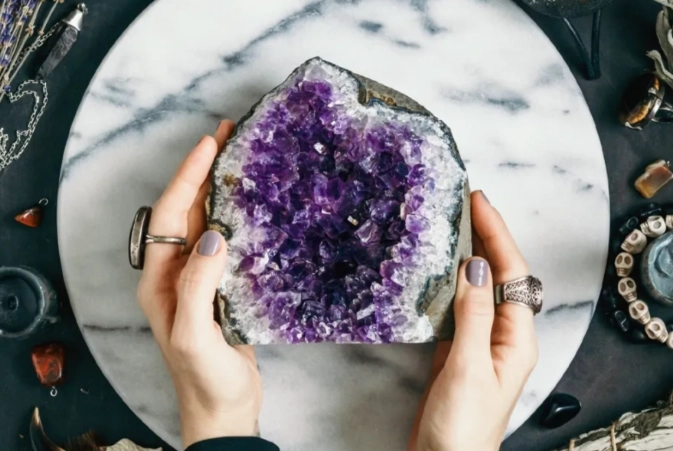
| February | Amethyst | Amethyst | Violet to deep purple | The "sober stone." Greeks believed it prevented intoxication. Now linked to calm, peace, and clarity. |
| March | Bloodstone, Jasper | Aquamarine, Bloodstone | Pale blue (aqua), dark green with red spots (bloodstone) | Aquamarine: courage, serenity, sailor's talisman. Bloodstone: healing and vitality. |
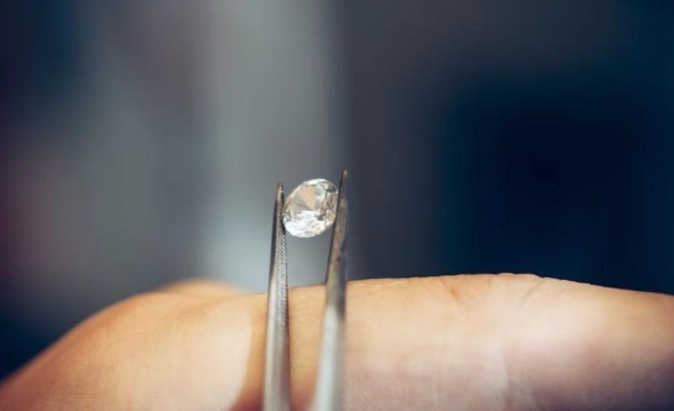
| April | Diamond | Diamond | Colorless (classic), but comes in all colors (fancy diamonds) | Ultimate symbol of eternal love and strength. The hardest natural substance on earth. |
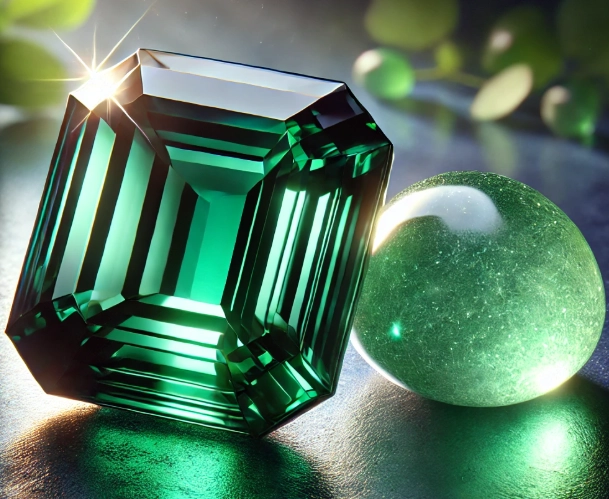
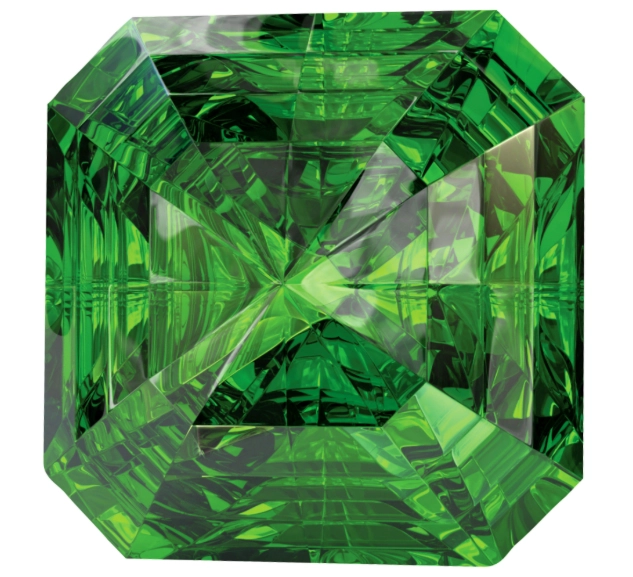
| May | Emerald | Emerald | Rich green | Stone of rebirth, love, and fertility. Cleopatra was famously obsessed with them. |
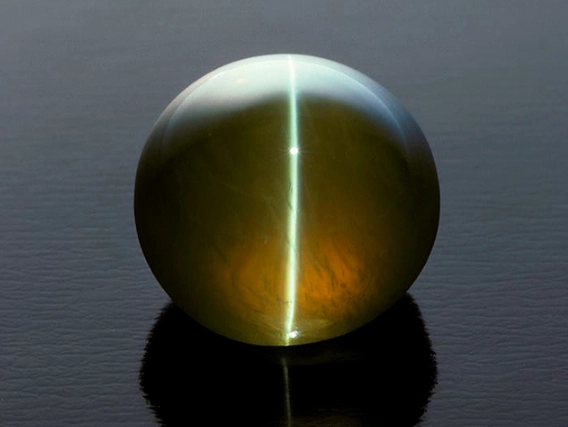
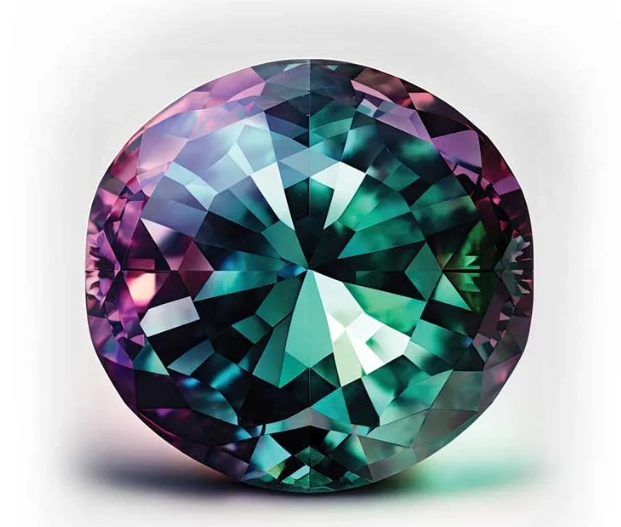
| June | Agate, Pearl | Pearl, Alexandrite, Moonstone | Pearl: white/cream. Alexandrite: color-change (green to red). Moonstone: milky sheen. | Pearl: purity, wisdom. Alexandrite: luck, magic (it's super rare!). Moonstone: intuition, new beginnings. |
| July | Turquoise, Onyx | Ruby | Vivid red (pigeon's blood red is most prized) | King of gems. Passion, protection, wealth. Believed to glow from within in ancient times. |
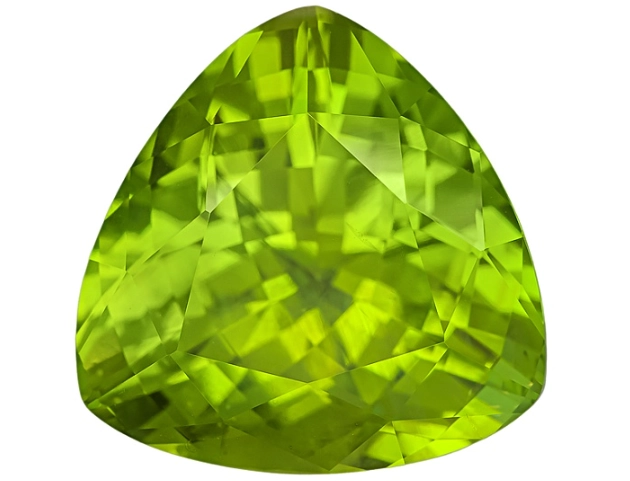
| August | Carnelian, Sardonyx, Moonstone | Peridot, Spinel, Sardonyx | Peridot: lime green. Spinel: red, pink, blue, black. | Peridot: "evening emerald," wards off nightmares. Spinel: often mistaken for ruby (it's in the British Crown Jewels!). |
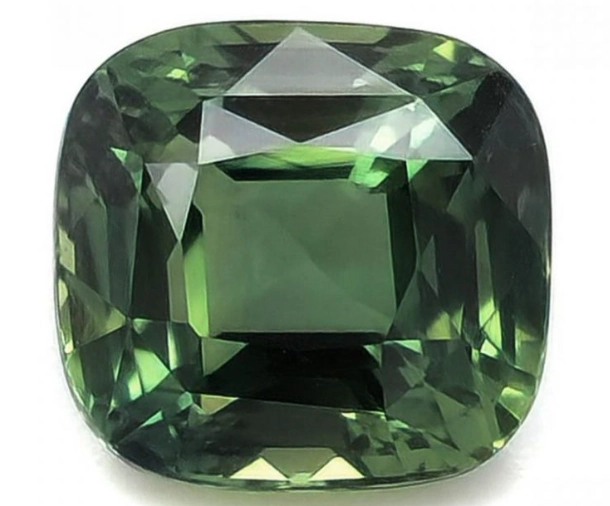
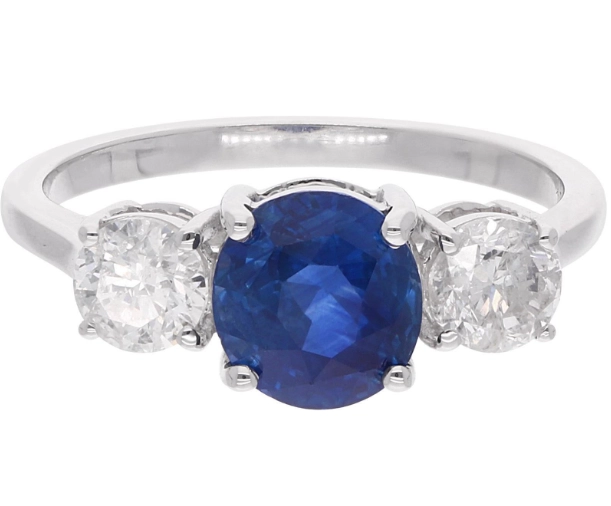
| September | Chrysolite | Sapphire | Blue (classic), but also pink, yellow, white ("fancy sapphires") | Wisdom, loyalty, nobility. Medieval clergy wore it to symbolize heaven. |
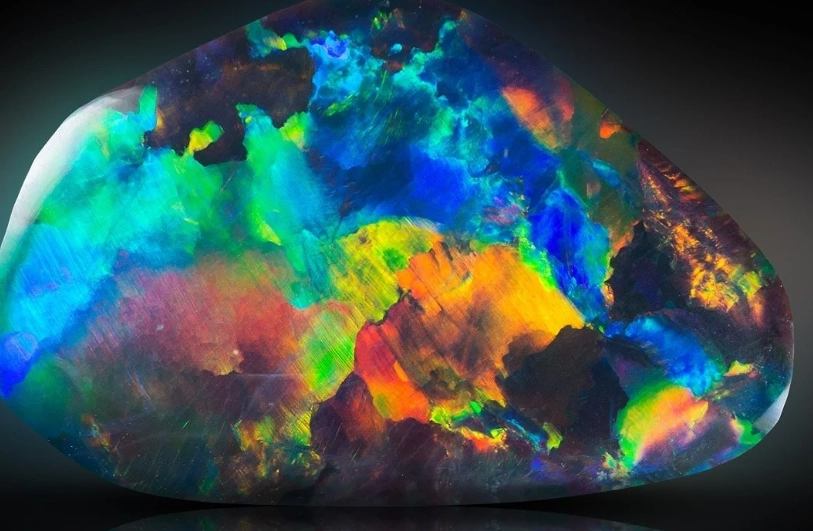
| October | Opal, Aquamarine | Opal, Tourmaline | Opal: play-of-color. Tourmaline: every color of the rainbow (Watermelon tourmaline is pink and green!). | Opal: hope, creativity (but had a bad luck myth). Tourmaline: grounding, compassion. |
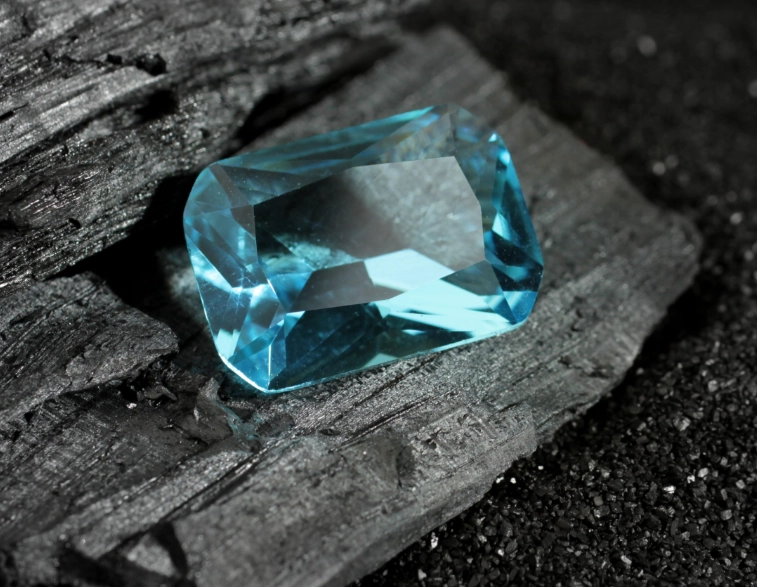
| November | Topaz | Topaz, Citrine | Topaz: yellow, blue, imperial (orange-red). Citrine: sunny yellow to orange-brown. | Both are "sunshine stones." Citrine is known as the "merchant's stone" for attracting wealth. |
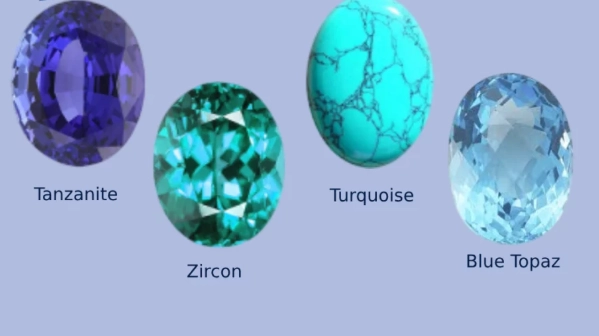
| December | Ruby, Bloodstone | Tanzanite, Zircon, Turquoise | Tanzanite: vivid blue-violet. Zircon: blue, white, fiery. Turquoise: sky blue to green. | Tanzanite: found only in one place on Earth (Tanzania). Turquoise: one of the oldest protection stones. |
See what I mean? Looking up your birthstone by month isn't always a simple one-word answer. June and December folks have three official modern options! It gives you way more room to find something that matches your style, not just your birthday.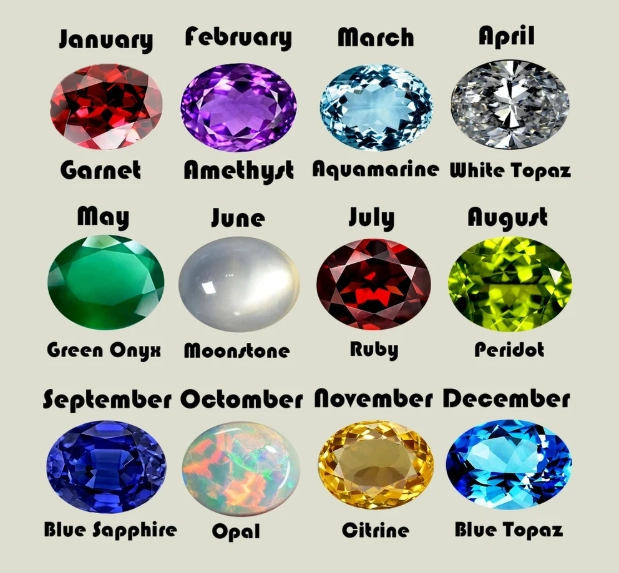
How to Actually Choose *Your* Birthstone (Because You Have Options)
So you've looked at the chart. Maybe you love your assigned gem. Maybe you're thinking, "That color looks terrible on me." Here's the secret: the rules aren't rigid. Choosing a birthstone by month is more personal than ever. Here’s how to think about it.
Consider the Modern vs. Traditional Route
Do you love history and lore? Go traditional. It connects you to centuries of belief. Prefer something more contemporary and widely available? The modern list is your friend. For March, the traditional bloodstone is super cool and earthy, but aquamarine is that dreamy, serene blue everyone loves. There's no wrong answer.
Think About Your Lifestyle (The Practical Stuff)
This is huge, and it's where a lot of generic guides fail. I learned this the hard way. I bought a beautiful opal ring (October birthstone) without thinking. I'm not gentle with my hands. Within a year, it had a chip. Opals are soft and need babying.
Durability Check: If you want an everyday ring, aim for gems high on the Mohs hardness scale: Diamond (10), Sapphire/Ruby (9), Topaz (8), Aquamarine/Emerald (7.5-8). For earrings or pendants that get less abuse, you can go softer—like pearls, opals, or tanzanite.
Also, consider maintenance. Pearls and opals hate chemicals, perfumes, and dry heat. Emeralds are often oil-treated and need careful cleaning. A sapphire or diamond? Much more low-maintenance for daily wear.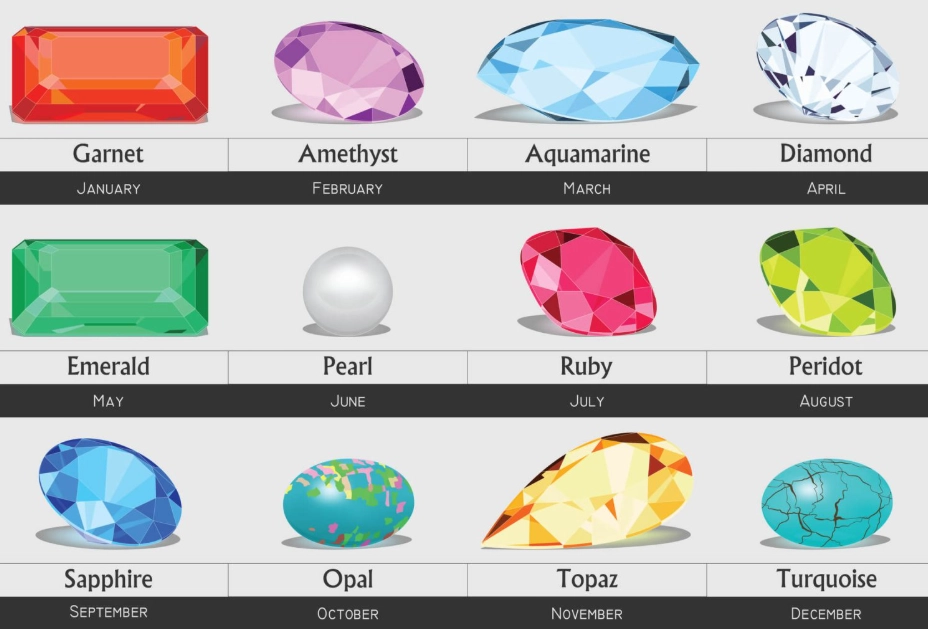
Color is Everything
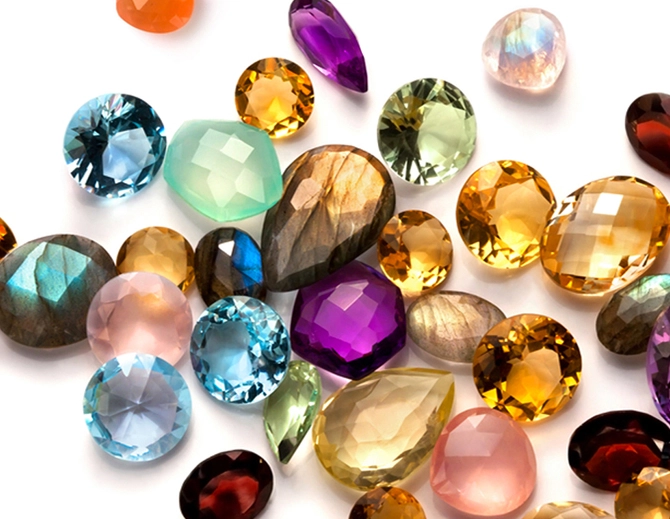
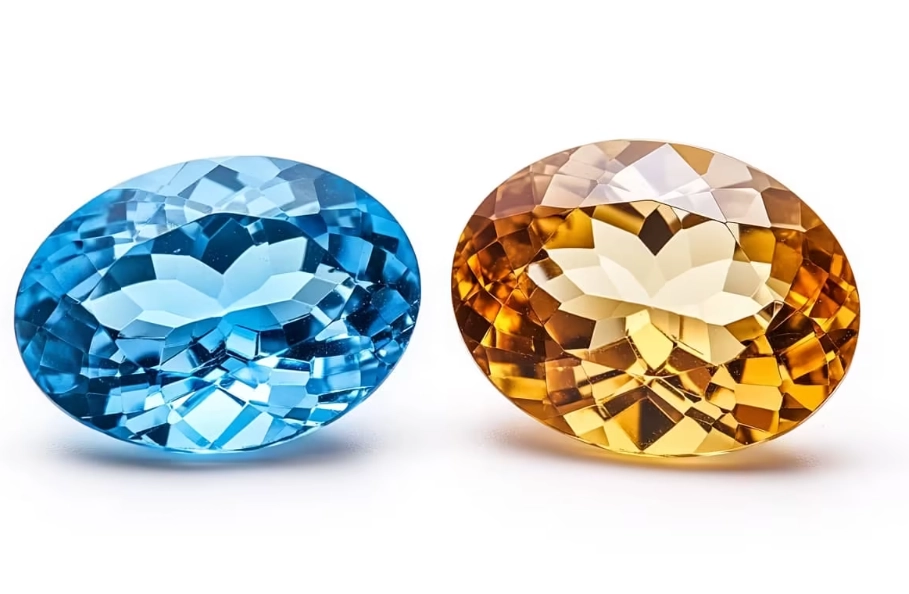
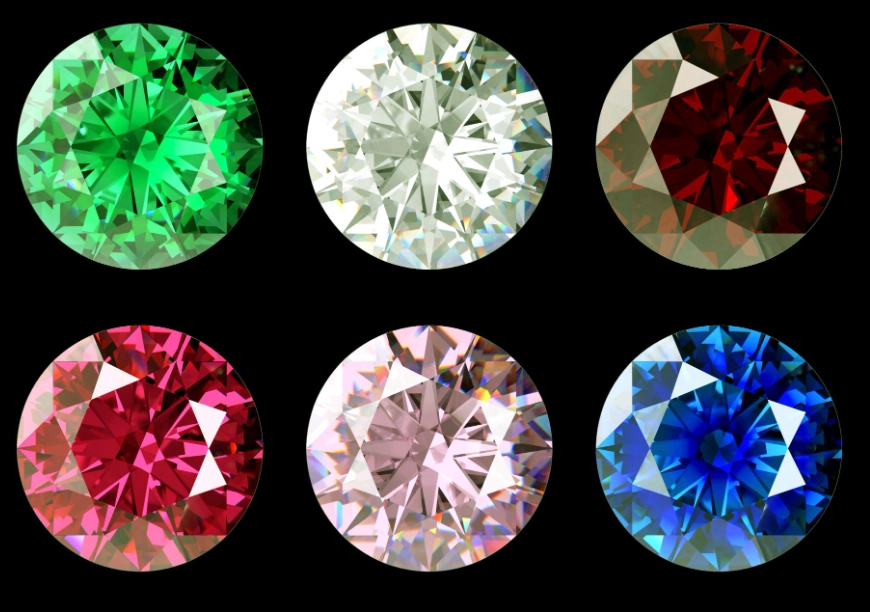
Your birthstone by month might come in a color you don't expect. Garnet isn't just red—it can be a stunning green (tsavorite) or a vibrant orange (spessartine). Sapphire is famously blue, but a pink or yellow sapphire is just as much a real sapphire and might suit your skin tone better.
My personal take? Don't get boxed in by the most common color. Do a quick image search for "[gem name] color varieties." You might be shocked at the range. That's the fun part of digging deeper into birthstones by month.
Beyond the Birth Month: Other Ways to Pick a Meaningful Gem
Strictly following the birthstone by month list isn't for everyone. And that's perfectly fine. Jewelry is personal. Here are a few other ideas that might resonate more.
- The Anniversary Stone Route: Just like birthstones, there's a list of gems for wedding anniversaries. Year 5 is sapphire, Year 10 is diamond, Year 25 is silver jubilee. A piece marking a milestone anniversary can be even more powerful than a birthstone.
- The Zodiac Connection: Some people vibe more with their astrological sign stone than their birth month stone. For example, an Aries (March 21-April 19) might feel drawn to bloodstone or diamond, both associated with their sign.
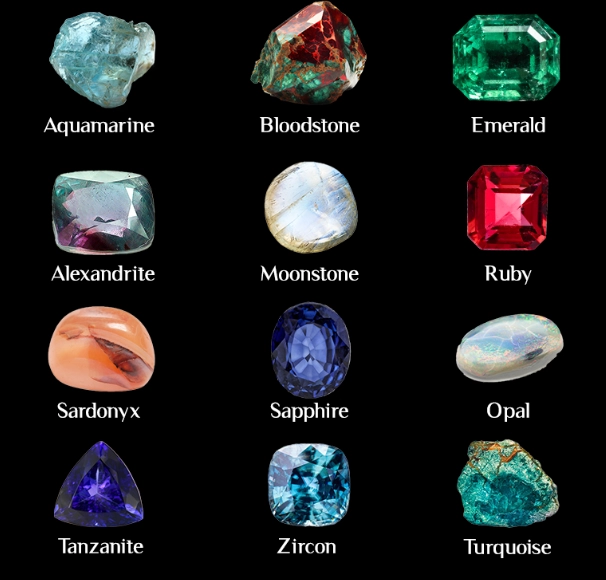
- Pick by Meaning, Not Month: Want a stone for courage? Look at aquamarine or ruby. Seeking calm? Amethyst or moonstone. Need a creativity boost? Try opal. Choosing a gem based on the attribute you want to invite into your life is a timeless practice.
- Just Pick What You Love: Sometimes, a stone just speaks to you. You see a tourmaline and can't look away, even though your birthday is in May. Get the tourmaline! The best gem is the one that makes you happy to wear it.
Your Birthstone Questions, Answered (The Stuff People Really Ask)
Can I wear a birthstone that isn't my month?
Absolutely, yes. There's no jewelry police. I wear an amethyst (February) necklace all the time, and I'm a July baby. Sometimes you're buying for the color, the meaning, or just because it was a gift. Some even believe wearing other months' stones can bring you the properties of that stone. Mix and match!
What's the deal with the "alternative" or "mystical" birthstone lists I see online?
This is where it gets messy. You'll find lists from different cultures (Ayurvedic, Hebrew, Italian) or New Age "mystical" lists. They often contradict each other and the modern list. My advice? Use them for inspiration, not as gospel. If a stone from an alternative list calls to you, great! But if you want the standard reference for a birthstone by month in the US, stick to the modern list from the AGTA or GIA.
Speaking of myths, the old one about opals being bad luck? That was largely spread by a 19th-century novel (Sir Walter Scott's Anne of Geierstein) and rival diamond merchants who wanted to dampen opal's popularity. Not based in any ancient tradition at all. Marketing strikes again!
Are lab-created stones "real" birthstones?
This is a hot topic. Lab-created gems (like lab-grown diamonds, sapphires, or emeralds) have the same chemical, physical, and optical properties as mined stones. They are real gems, just created in a different environment. For many people, they are a more affordable, ethical, and sustainable choice for their birthstone jewelry. The meaning you attach to the stone is what matters most.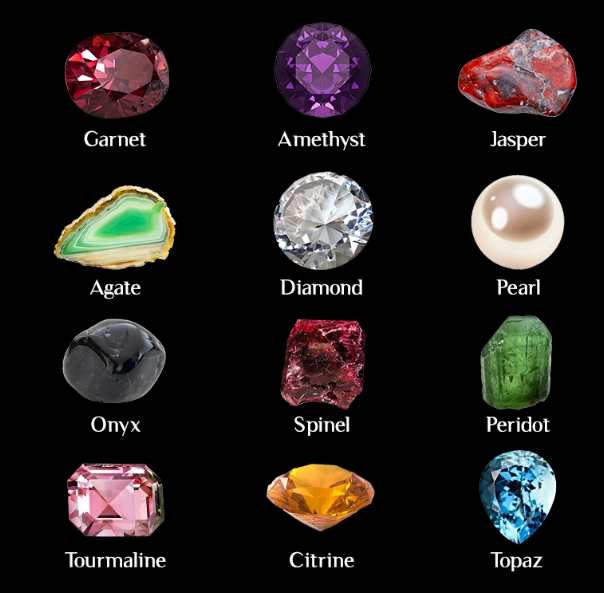
How can I verify the quality of a birthstone I'm buying?
This is crucial. Don't just trust a label that says "sapphire."
- Ask for a report from a reputable lab like the Gemological Institute of America (GIA). For diamonds, a GIA Diamond Grading Report is the gold standard. For colored stones, GIA offers identification and origin reports.
- Buy from reputable jewelers who are transparent about treatments. Most gemstones are treated (heated, oiled) to improve color or clarity. That's normal, but it should be disclosed.
- Learn the 4 Cs for colored stones too (Color, Clarity, Cut, Carat weight). Color is usually king for birthstones.
I made the mistake of buying a "blue topaz" ring from a questionable online seller years ago. It was so pale it looked like glass. I learned my lesson—a little research saves a lot of disappointment.
Caring for Your Birthstone Jewelry
You've found the perfect piece. Now, keep it that way. Care varies wildly by stone.
The Universal Rules:
Store pieces separately in a soft cloth or pouch to prevent scratches. Take jewelry off before swimming (chlorine!), cleaning, or hitting the gym. Clean with a soft, lint-free cloth.
The Specifics:
- Pearls & Opals: Wipe with a damp cloth only. Never ultrasonic. Put them on AFTER applying perfume and hairspray.
- Emeralds: Avoid ultrasonic and steam cleaners. The oils/fillers can be damaged. Use a soft brush with mild soapy water.
- Diamonds, Sapphires, Rubies: These are tough. You can usually use an ultrasonic cleaner, but check the setting first. A soak in warm water with a bit of dish soap and a gentle brush works wonders to keep them sparkling.
- Soft Stones like Turquoise or Malachite: Just wipe with a dry cloth. Water and chemicals can damage the surface.
The Final Word on Finding Your Perfect Birthstone by Month
At the end of the day, the journey through the list of birthstones by month is a starting point, not a final destination. It's a cool tradition that connects us to history and gives us a personal symbol. But the most important thing is that the jewelry you wear has meaning and joy for you.
Maybe that's a flawless modern diamond for April, or maybe it's a rugged, ancient-looking traditional bloodstone for March. Maybe it's a lab-created alexandrite for June because the color-change magic fascinates you. Or maybe you throw the list out the window and wear your grandmother's garnet brooch every day because it makes you think of her.
My hope is that this guide gives you the knowledge to choose with confidence—whether you're treating yourself or looking for that incredibly thoughtful gift for someone else. Knowing the stories, the colors, and the practical tips turns a simple purchase into something much more special. Now you're not just buying a gem; you're choosing a piece of a story that you get to continue wearing.
Go find something beautiful.