In This Guide
- What Exactly is the January Birthstone?
- The Meaning and Symbol of the January Birthstone
- How to Buy a January Birthstone: A No-Nonsense Guide
- Wearing and Caring for Your January Birthstone Jewelry
- Your January Birthstone Questions, Answered
- Wrapping It Up: Why the January Birthstone Deserves a Second Look
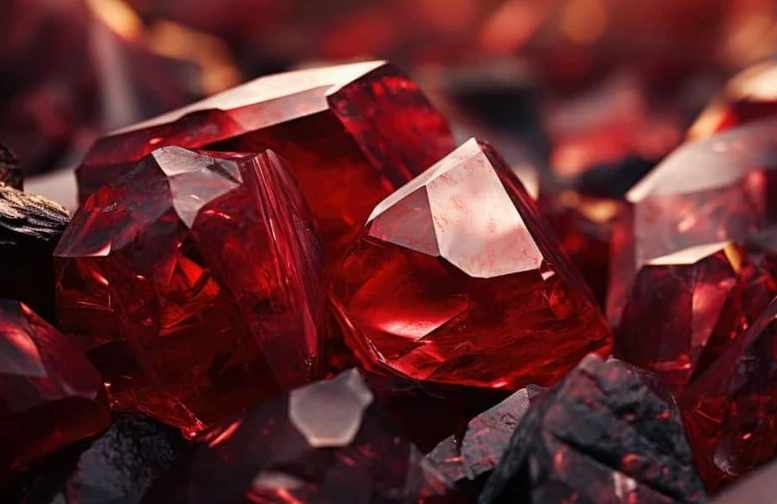
So you were born in January, or maybe you're shopping for someone who was. The first thing you'll hear is "your birthstone is garnet." And if you're like most people, you probably picture a deep, dark red stone. Maybe you think it's a bit old-fashioned, or something your grandma would have loved. I used to think that too.
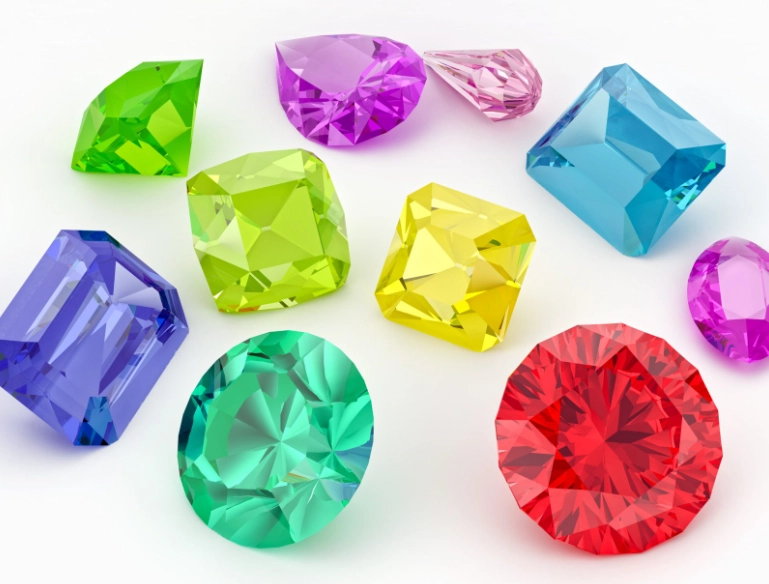
But here's the thing: that picture is wildly incomplete. The world of the January birthstone is so much bigger and more fascinating than a single shade of red. It's a gem family with a riot of colors, a history that stretches back to the pharaohs, and a meaning that's surprisingly relevant today. Sticking with the classic red is perfectly fine, of course, but knowing what else is out there? That's where it gets fun.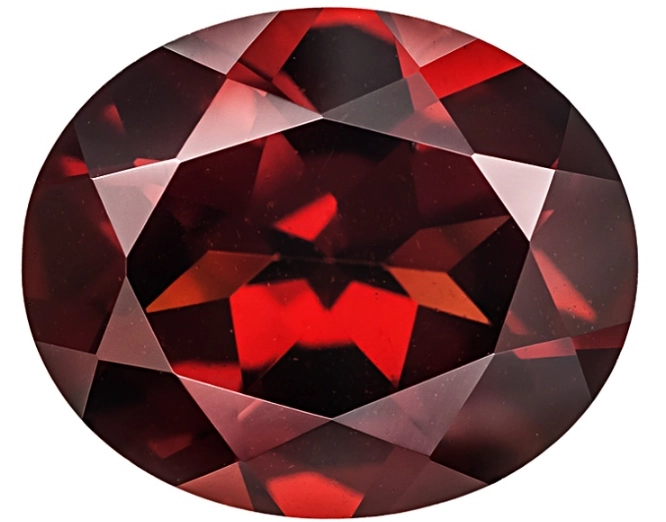
What Exactly is the January Birthstone?
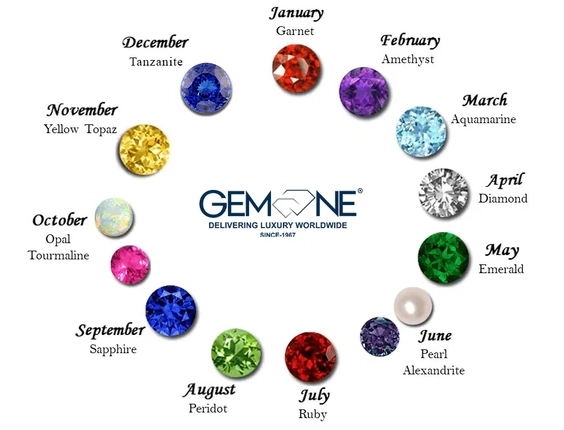
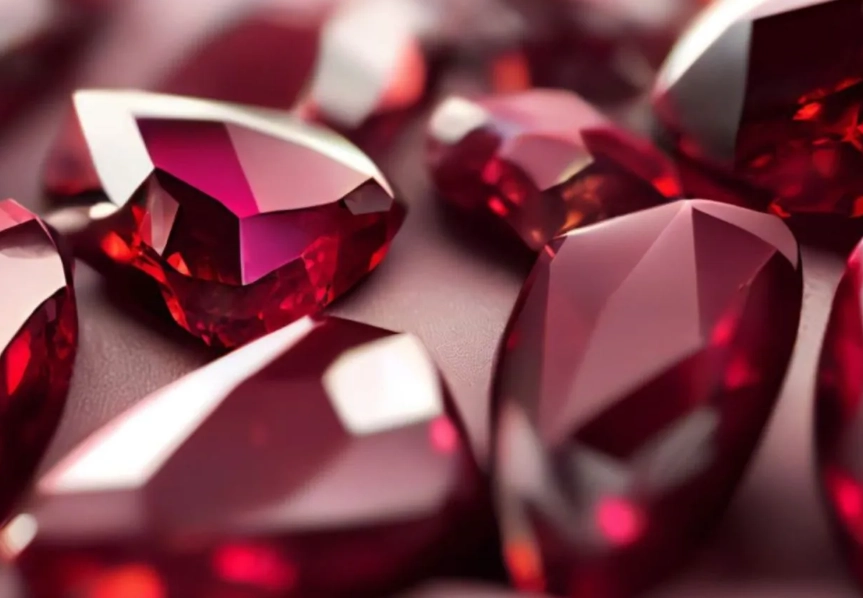
Let's talk basics. When we say "January birthstone," we're specifically talking about garnet. It's been the official modern birthstone for January since the list was standardized in 1912, though its association with the month goes back much further.
On a technical level, garnets are silicate minerals. They're relatively hard, scoring a 6.5 to 7.5 on the Mohs scale of mineral hardness. For context, that puts them harder than opal or turquoise, but a bit softer than topaz or sapphire. This means your garnet jewelry is durable enough for everyday wear (like in a ring or bracelet), but you still need to be a little mindful—don't go gardening or hitting the gym with it on.
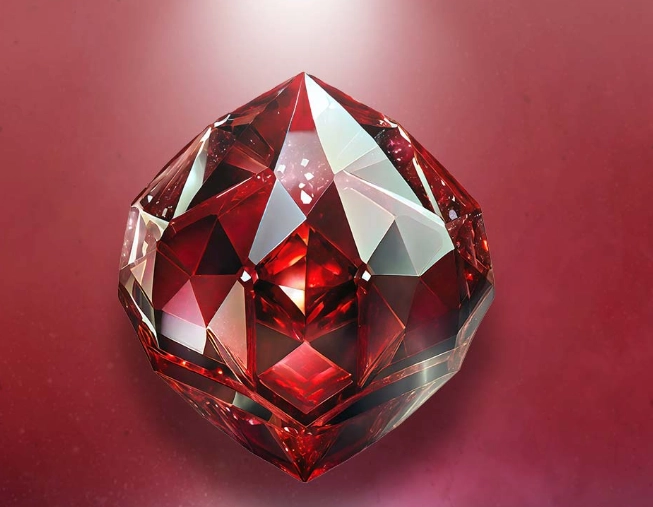
The name "garnet" comes from the Latin word "granatum," meaning seed, because the deep red crystals reminded people of the juicy red seeds inside a pomegranate. I always thought that was a pretty fitting and vivid comparison.
The Surprising Color Spectrum of Garnet
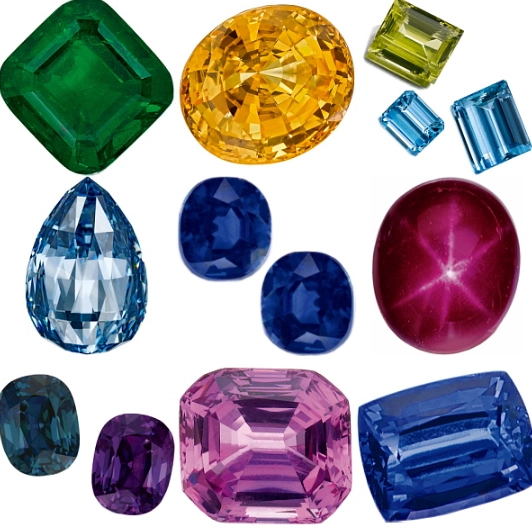
This is where most articles on the January birthstone fall short. They mention "other colors" in passing. Let's actually dive in and see what's available. The color depends entirely on the specific garnet species and the trace elements present.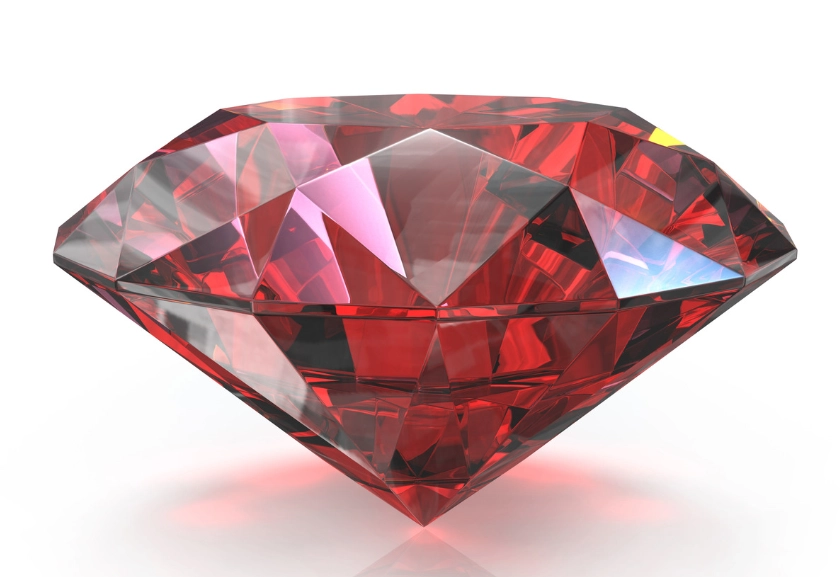
| Garnet Type (Species) | Typical Colors | Key Characteristics & Notes |
|---|---|---|
| Almandine | Deep red, reddish-purple, brownish-red | The most common classic "garnet" red. Often very dark, can appear almost black in some lights. Affordable and widely available. |
| Pyrope | Blood red, purplish-red, sometimes orange-red | Brighter and more fiery than almandine. The famous "Arizona ruby" or "Montana ruby" is actually pyrope garnet. I find these have a more vibrant sparkle. |
| Rhodolite | Lavender-pink, purplish-red, raspberry red | A gorgeous mix of almandine and pyrope. One of my personal favorites. It's like a blend of red and purple, often with a wonderful clarity and glow. It's extremely popular for a reason. |
| Spessartine (Spessartite) | Vibrant orange, reddish-orange, yellowish-orange | Often called "mandarin garnet" for its intense orange hue. Can be quite brilliant and expensive in top quality. It has a real "wow" factor. |
| Grossular | Green (Tsavorite), yellow, orange, brown, colorless | This is a huge category. Tsavorite is a stunning, vivid green grossular garnet discovered in the 1960s—it rivals emerald in color but often has better brilliance and fewer inclusions. Hessonite is a cinnamon-to-orange variety. |
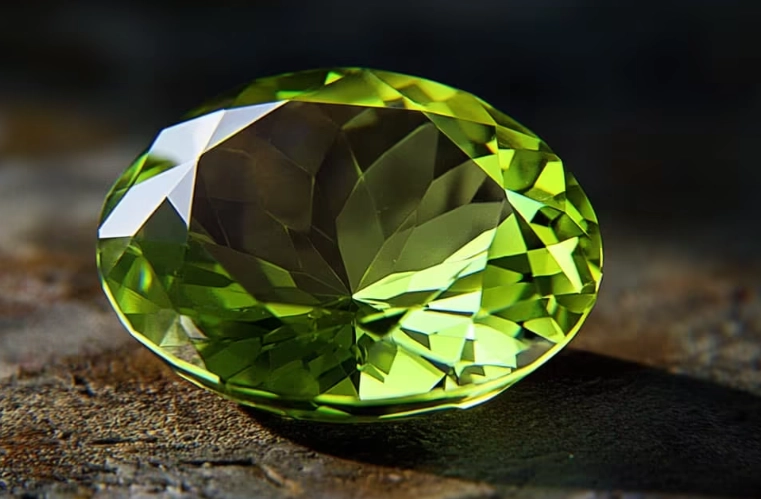
| Andradite | Yellow-green (Demantoid), green, black (Melanite) | Demantoid is the most prized here. It's a brilliant green garnet with a dispersion (fire) higher than diamond! It's also very rare and expensive. Melanite is an opaque black garnet used in mourning jewelry. |
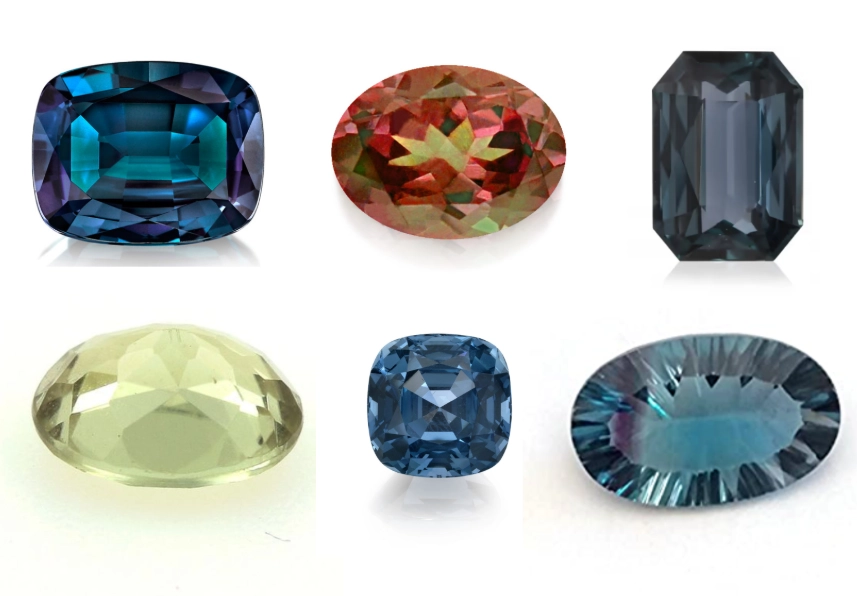
| Color-Change Garnet | Blue-green/Gray in daylight to Purple/Reddish in incandescent light | A real marvel. Usually a mix of spessartine and pyrope. The color shift can be dramatic and is a fantastic conversation starter. It's like having two January birthstones in one. |
See what I mean? To say "garnet is red" is like saying "soda is brown"—it misses the entire point of root beer, orange crush, and lemon-lime. If you've ever thought the January birthstone was boring, this table should change your mind.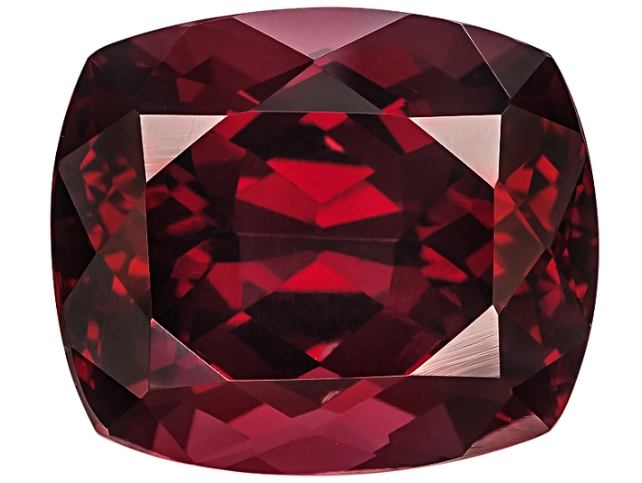
The Meaning and Symbol of the January Birthstone
Beyond the beauty, why has garnet clung to us for millennia? Its meaning is a big part of the appeal. It's not just a pretty rock; it's a stone loaded with symbolism.
Historically, garnet has been a talisman for travelers. Ancient warriors would inlay garnets into their armor and weapons, believing the stone offered protection in battle. Medieval knights carried them for the same reason. It makes sense—that deep red color is reminiscent of blood, the essence of life, so it was thought to preserve life and ward off injury. Travelers in later centuries would carry garnets to ensure a safe journey and protect against accidents. Not a bad idea, even if just for the sentimental value.
More universally, garnet is associated with core concepts like commitment, passion, and regeneration. Its connection to passion is obvious from its fiery hues. But the regeneration part is interesting—it's tied to the heart and blood, symbolizing vitality and the constant renewal of life's energy. For someone starting a new year (or a new chapter) in January, that symbolism feels particularly apt.
In modern crystal lore, which you can take or leave as you please, garnet is often called a stone of inspiration. It's said to enhance creativity, bolster self-confidence, and promote emotional balance. Some believe it helps turn crisis into calm and chaos into order. Whether you buy into the metaphysical properties or not, you have to admit it's a powerful set of ideas to attach to a piece of jewelry.
So, is it just a protective stone? Or is it a stone of passion?
I think it's both, and that's its strength. The January birthstone doesn't have a single, simplistic meaning. It's layered, just like its colors. It can represent the protective love of a family, the passionate love of a partner, or the committed love for a friend. It's about staying safe while also living vibrantly. That's a pretty good summary for a life well-lived, isn't it?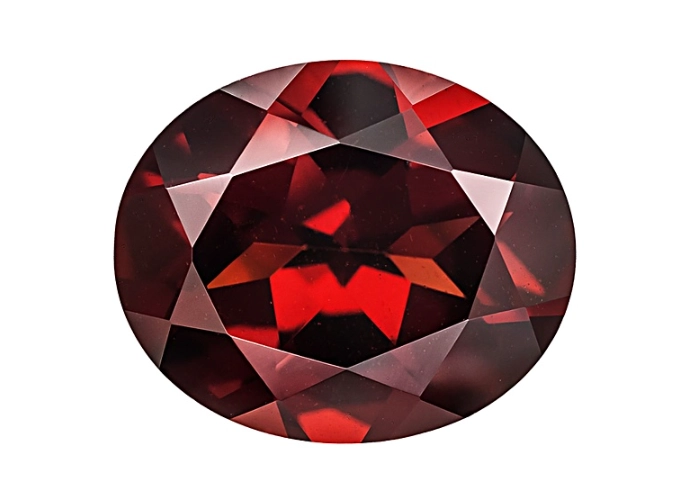
How to Buy a January Birthstone: A No-Nonsense Guide
Okay, let's get practical. You're convinced. You want a garnet. How do you buy one without getting overwhelmed or, worse, ripped off? Forget the complex gemology jargon for a second. Let's break it down into what actually matters when you're looking at a piece of jewelry.
1. Figure Out Your Budget and Priorities
Garnet prices are all over the map. You can get a lovely little red almandine ring for under $100. A fine tsavorite or demantoid garnet, on the other hand, can cost thousands per carat. The first question isn't "which garnet?" It's "how much do I want to spend, and what's most important to me?"
- Color Lover on a Budget: Look at rhodolite or a nice pyrope. You get incredible color saturation without the premium price of the rarer greens or oranges.
- Wanting Something Unique: Explore spessartine (mandarin orange) or color-change garnet. They're more expensive than basic reds but often less than top-tier green tsavorite.
- Seeking Luxury & Rarity: Your targets are tsavorite (for that emerald-green pop) and demantoid (for its insane brilliance and rarity). Be prepared to invest.
2. Evaluating the Four Cs (for Garnet)
We adapt the diamond model here, but with a major twist: for colored gems like garnet, Color is King. It often accounts for 50% or more of the value.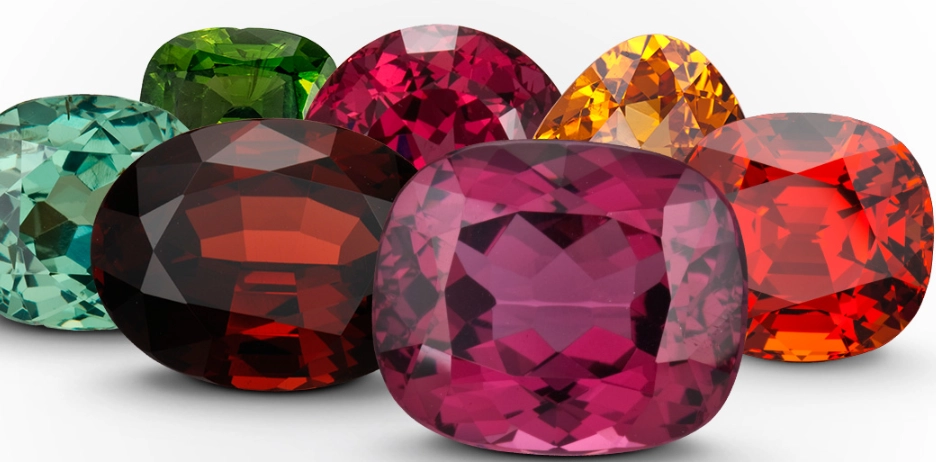
Color: Look for vibrancy and saturation. For reds, you want a rich, strong red, not a brownish or blackish murky color. For greens, you want a vivid, lively green. Avoid stones that look too dark in the center (a common issue with almandine)—they lose their sparkle. The best stones have an even color distribution and look bright under normal light.
Cut: This is how well the craftsman has shaped the raw crystal. A good cut brings out the gem's brilliance (white light reflections) and, in some cases, its fire (colored light flashes). A poorly cut stone, even with great color, will look dead or glassy. Look for symmetrical facets and a stone that sparkles as you move it. For garnets, you'll see everything from classic ovals and cushions to more creative trillion or shield cuts.
Clarity: Most garnets are "Type II" gems, meaning some inclusions (internal characteristics) are expected. The key is that these inclusions shouldn't interfere with the stone's beauty or durability. A small crystal or feather near the edge is usually fine. A large crack reaching the surface is a problem. Eye-clean (no visible inclusions to the naked eye) is a great goal, but don't expect loupe-clean perfection like a high-end diamond.
Carat Weight: This is just the size/weight. Garnets have a good density, so a one-carat garnet will look slightly smaller in size than a one-carat diamond. Focus on the face-up appearance, not the number on the certificate.
3. The Critical Question: Is It Treated?
This is a huge advantage of garnet. The vast majority of garnets on the market are completely untreated. The color you see is the color that came from the earth. This is a massive selling point in an era where heating, diffusion, and fracture-filling of other gems (like sapphire or ruby) is commonplace.
However, there are exceptions. Some lower-quality opaque garnets might be dyed. Very rarely, some materials might be fracture-filled to hide cracks. Always ask the seller: "Has this garnet been treated in any way?" A reputable seller will disclose this information freely. The GIA website has excellent resources on gemstone treatments if you want to learn more about what to look for.
4. Get a Reputable Source and Documentation
Buy from trusted jewelers, whether online or in person. Look for sellers who provide basic information about the type of garnet (e.g., "Rhodolite Garnet," not just "Garnet") and its provenance if possible. For higher-value purchases (say, over $500), an independent lab report from a gemological laboratory can be worth the peace of mind. It will confirm the species, note any treatments, and describe the color and clarity.
I'm skeptical of sellers who use overly mystical marketing and can't answer basic questions about the stone's origin or characteristics. If their main pitch is about "vibrations" and they can't tell you if it's almandine or pyrope, walk away.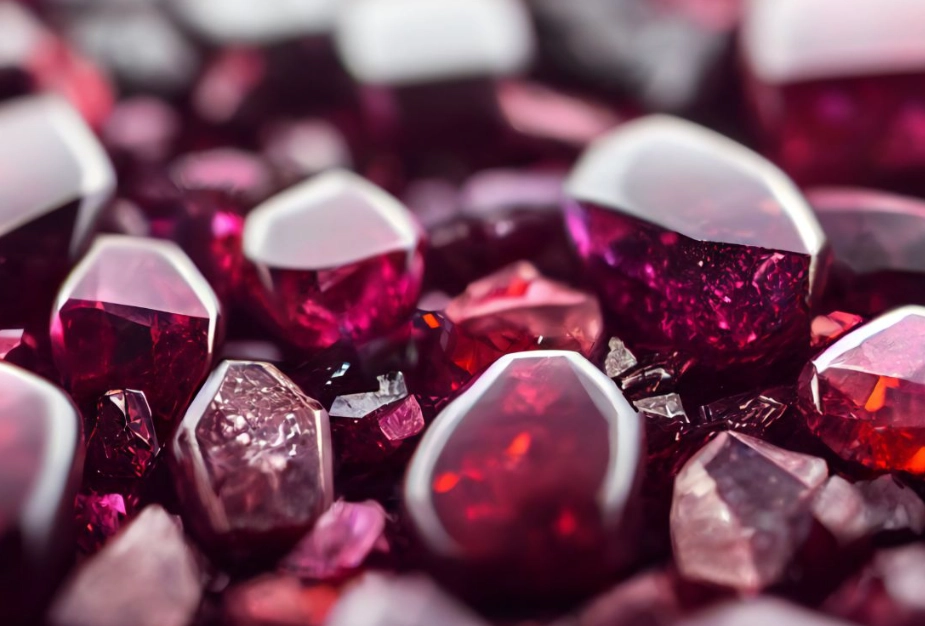
Wearing and Caring for Your January Birthstone Jewelry
You've got your beautiful garnet. Now, how do you keep it that way? The good news is, garnet is tough enough for regular wear, but it's not indestructible.
- Keep it Clean: Warm, soapy water and a soft brush (like a baby toothbrush) are your best friends. Gently scrub behind the stone where dirt accumulates. Rinse thoroughly and pat dry with a soft, lint-free cloth. Avoid harsh chemicals, ultrasonic cleaners (they can shake loose a poorly set stone), and steam cleaners (sudden temperature changes are risky).
- Store it Safe: Don't toss your garnet ring in a jewelry box with other pieces. Garnet can scratch softer gems (like pearl or opal), and harder gems (like sapphire or diamond) can scratch it. Use a fabric-lined box with separate compartments or a soft pouch for each piece.
- Put it On Last, Take it Off First: Make putting on your garnet jewelry the final step after applying makeup, hairspray, and perfume. Take it off before doing chores, swimming (chlorine is bad), or any manual activity. This one habit prevents most damage.
What about styling? The beauty of the modern January birthstone is its versatility.
Classic red garnets (almandine, pyrope) look incredible in yellow gold—it's a timeless, regal combination. They also pop against rose gold. Rhodolite's purple-pink tones are stunning in both white and rose gold. The vibrant greens (tsavorite) and oranges (spessartine) are incredibly contemporary and look sharp in white gold or platinum settings.
Don't be afraid to mix and match.
A pendant with a small tsavorite can be worn daily with jeans and a t-shirt. A cocktail ring with a large rhodolite is a statement piece for a night out. Garnet studs are a subtle, meaningful alternative to diamonds. Because the color palette is so vast, there's a January birthstone for every personal style, from minimalist to maximalist.
Your January Birthstone Questions, Answered
Let's tackle some of the specific things people type into Google about their birthstone.
Wrapping It Up: Why the January Birthstone Deserves a Second Look
If you started this article thinking of garnet as a single, dark red stone, I hope you're leaving with a different picture. The January birthstone is a gateway to an entire family of gems, each with its own personality, price point, and palette.
It's a gem of history, carried by knights and kings. It's a gem of symbolism, representing protection and passion in equal measure. And most practically, it's a gem of incredible choice. Whether you want the warmth of a classic red, the romance of a raspberry rhodolite, the electric punch of a green tsavorite, or the magical shift of a color-change stone, there's a garnet waiting for you.
So go ahead. Look at garnets again. You might be surprised at what you find.