In This Guide
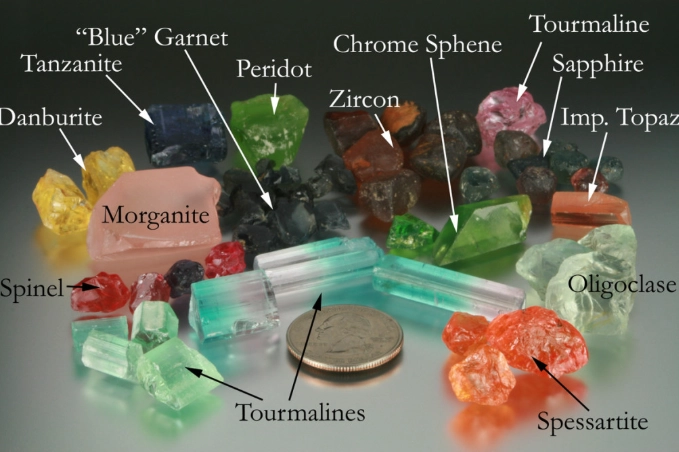
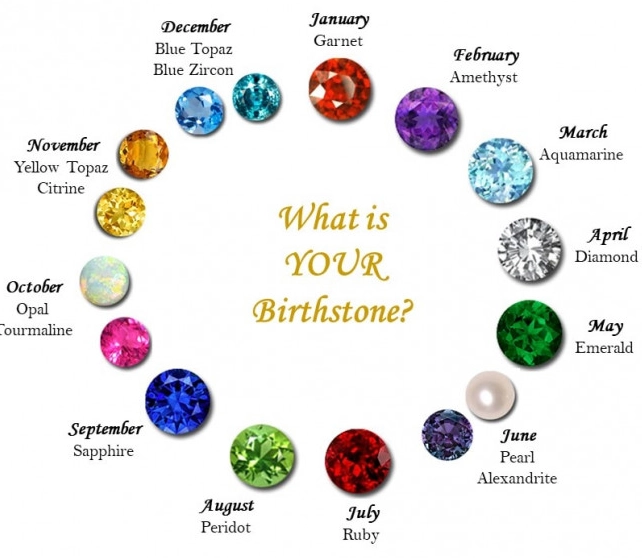
Let's be honest, when you hear "garnet birthstone," what pops into your head? For most people, it's that classic, deep red stone for January babies. I used to think the same thing. I remember my aunt's ring—a dark, wine-colored cabochon that looked… well, kind of old-fashioned to my teenage eyes. It wasn't until I stumbled into a gem show a few years back that my world got rocked. There was a tray of gems labeled "garnet" that looked like they were from different planets. Vivid greens, bright oranges, even a purplish-pink that made me do a double-take. That's when I realized how badly we underestimate the garnet birthstone.
This isn't just a guide. It's a deep dive to fix that common misconception. If you're a January baby wondering if there's more to your birthstone, someone shopping for a meaningful gift, or just a gem lover curious about one of the most diverse mineral families on Earth, you're in the right place. We're going to strip away the dusty reputation and look at the garnet birthstone in all its modern, sparkling glory.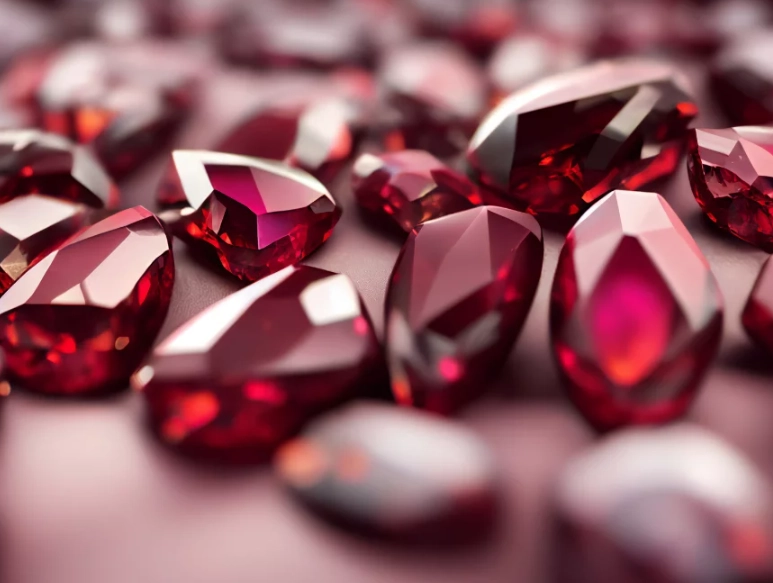
The Garnet Color Spectrum: It’s Not Just Red Anymore
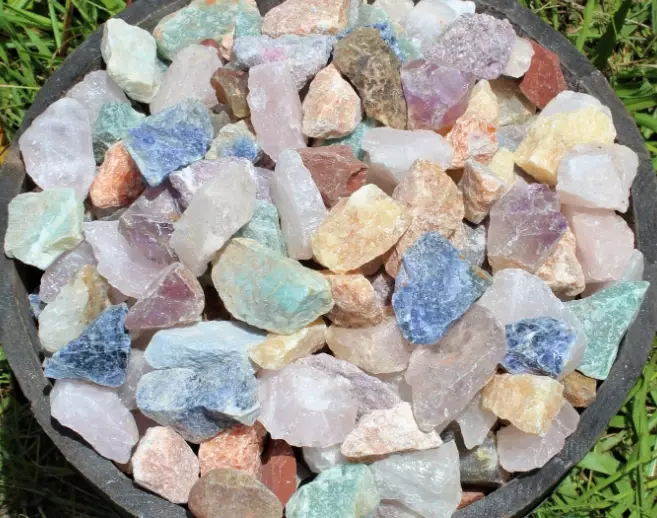
This is where things get fun. Calling a garnet "red" is like calling food "tasty"—it's true but misses all the nuance. The garnet birthstone family is split into different species, and each brings its own palette to the party. Knowing this is the first step to finding a garnet you'll truly love, not just settle for.
Let's break down the main players you're likely to encounter. I've put together a table because seeing them side-by-side is the best way to grasp the range.
| Garnet Type | Typical Colors | Key Characteristics & What Makes It Unique |
|---|---|---|
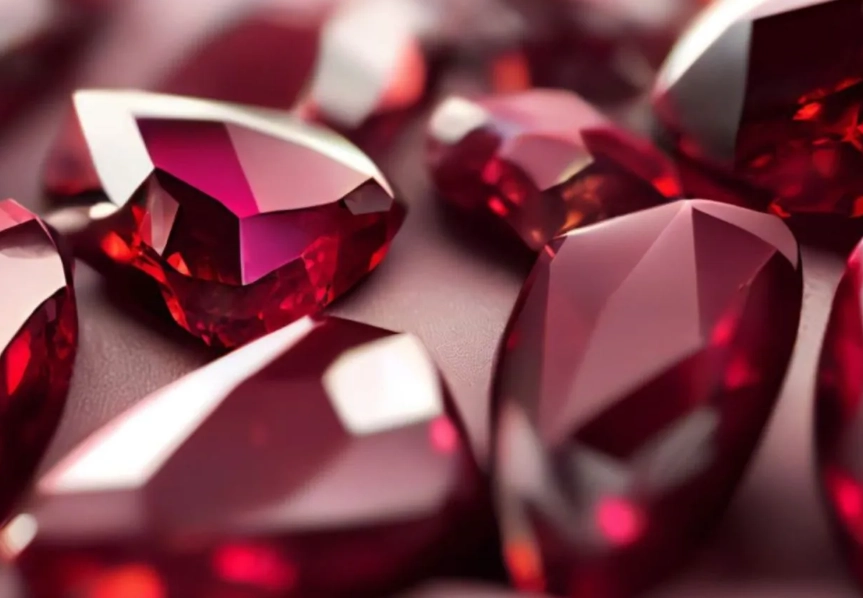
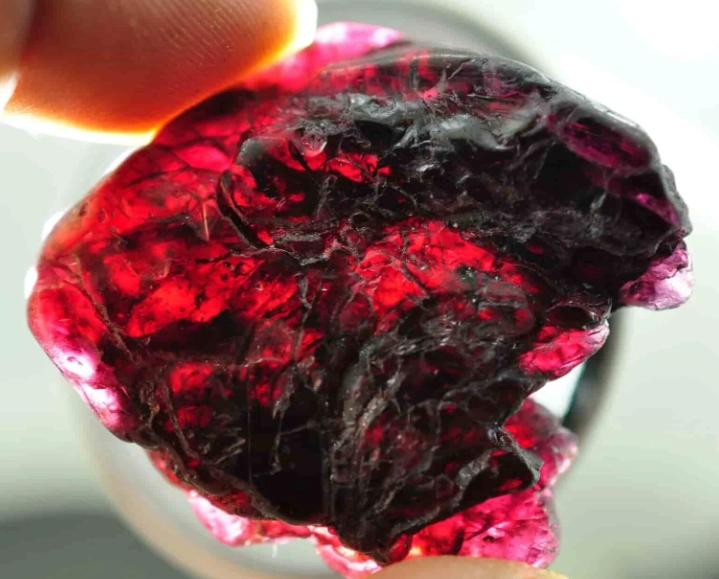
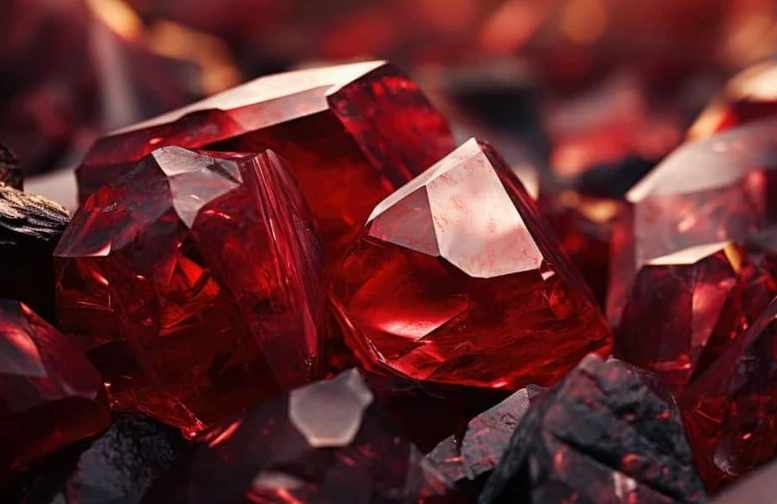
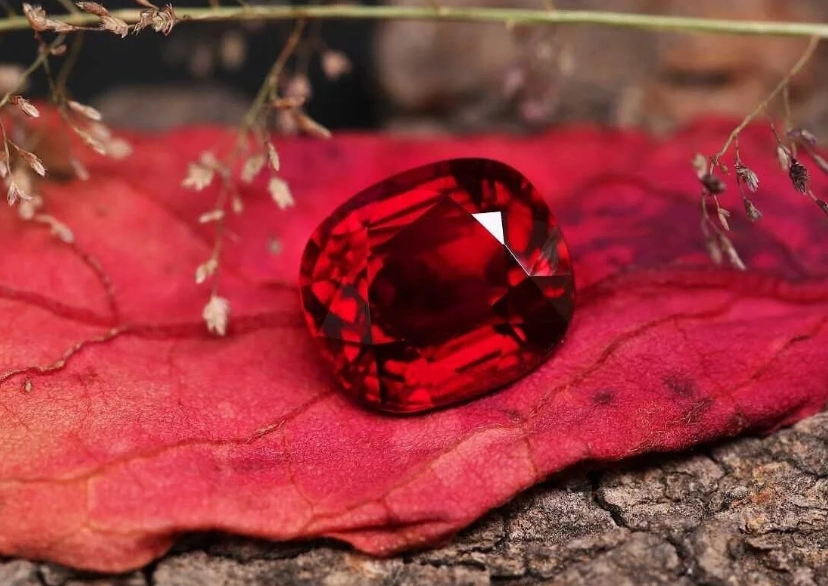
| Almandine | Deep red, burgundy, brownish-red | The classic. This is the most common garnet birthstone you'll see. It's dense, has a rich color, and can sometimes appear almost black in certain lights. It's affordable and durable, making it a workhorse for jewelry. |
| Pyrope | Vivid red, often with a slight brownish or purplish hint | Famous for its "blood-red" hue. Pyrope and almandine are often found mixed together in gems just called "pyrope-almandine." It has fantastic clarity and a fiery glow when well-cut. |
| Rhodolite | Elegant purplish-red or raspberry pink | A gorgeous variety that's a mix of pyrope and almandine. This is my personal favorite for a red garnet birthstone—it's lighter and more vibrant than classic almandine, with a beautiful feminine tone. |
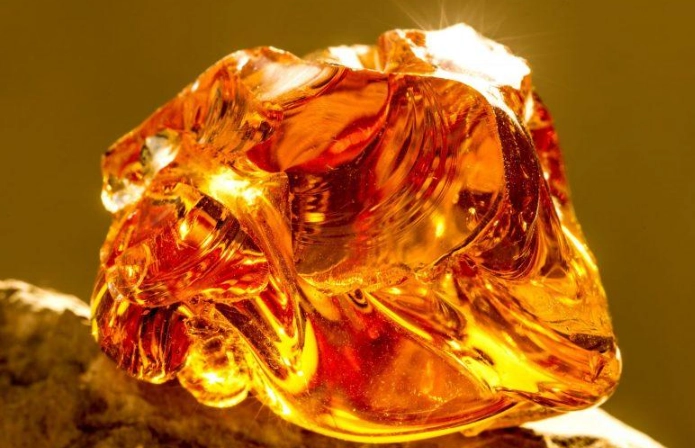
| Spessartine (Spessartite) | Vivid orange, mandarin orange, reddish-orange | Hello, sunshine! This is a showstopper. The best ones are a pure, saturated orange. They're rarer and can be pricey, but they offer a color you just don't see every day. |
| Grossular | Green, yellow, orange, colorless, pink | The chameleon. Its most famous forms are Tsavorite (a brilliant, emerald-like green) and Hessonite (a warm cinnamon-orange). Tsavorite is especially prized for its vivid color and brilliance, rivaling emerald but often with fewer inclusions. |
| Andradite | Yellow-green, emerald-green, black, brown | Home to the superstar Demantoid Garnet, which is one of the most brilliant gemstones in the world, with a fire (dispersion) that can outshine diamond. It's rare and collectible. The black variety is called Melanite. |
| Uvarovite | Emerald-green | The rarest. It almost always occurs in small, drusy crystals rather than large faceting material. You'll see it as a sparkling green crust on matrix in collector pieces. |
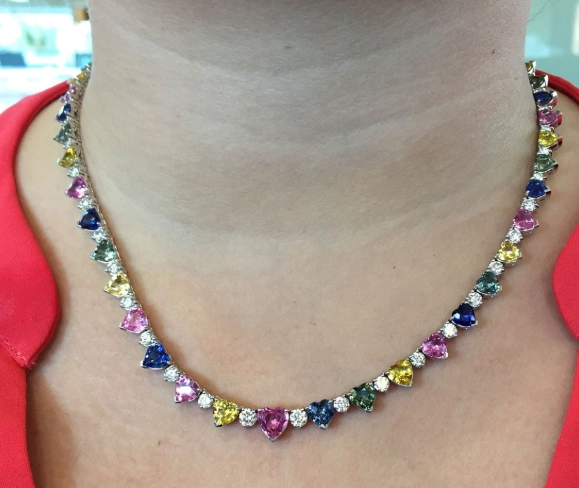
See what I mean? When someone asks "what color is a garnet birthstone?" the only honest answer is "what color do you want?" This diversity is the garnet's secret weapon. It means your January birthstone can be a fiery orange spessartine if red isn't your thing, or a cool, sophisticated green tsavorite.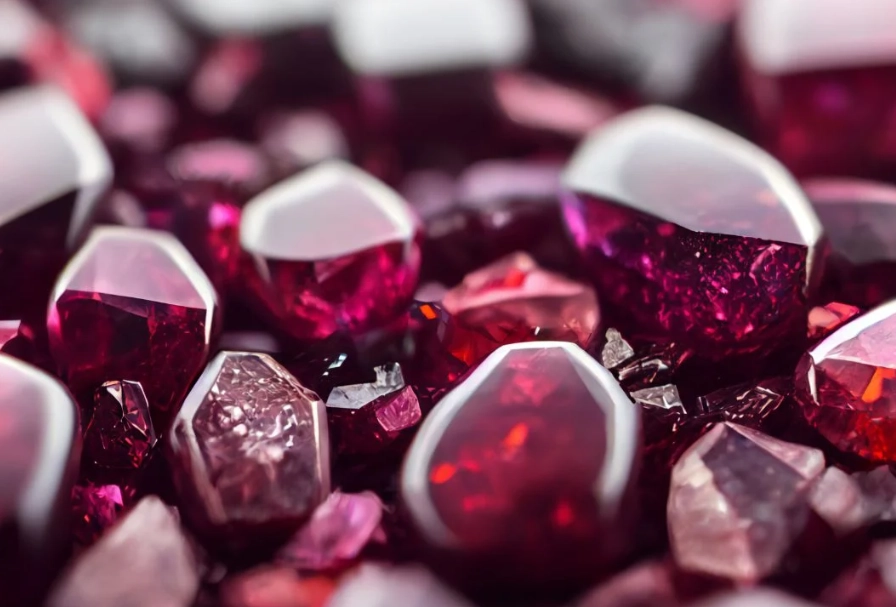
I have a friend, a January baby who always hated traditional red. She thought her birthstone was boring. I showed her a rhodolite garnet pendant, and her eyes lit up. "That's *my* garnet," she said. That's the goal—finding the garnet birthstone that feels like you.
So, What Does a Garnet Birthstone *Really* Mean?
Symbolism is a big part of why we love birthstones. It's not just a pretty rock; it's supposed to mean something. The garnet birthstone is loaded with history, but some of the common meanings are a bit… generic. "Passion and love"—okay, sure, that's most red stones. Let's dig a little deeper into what makes the garnet's symbolism tick.
Historically, garnets have been around forever. Ancient Egyptians used them as inlays in jewelry, Roman signet rings were carved from them, and they were popular in Victorian times. The name itself comes from the Latin * 'granatum,'* meaning pomegranate seed, which is a perfect description for many red garnets. But the meaning goes beyond just looking like fruit.
One of the most persistent symbolic threads is protection and safe travel. For centuries, travelers carried garnets believing they would light the way at night and protect against accidents. I don't know about lighting up a dark path, but I like the idea of a talisman for journeys, both physical and personal. It makes a garnet birthstone a thoughtful gift for someone starting a new chapter—graduation, a new job, a big move.
Then there's the theme of commitment and regeneration. Its deep red color was associated with the heart's blood, symbolizing a bond that is vital and enduring. This made it a popular stone for friendship and love tokens long before the modern diamond engagement ring trend. It's said to revitalize feelings, restore energy, and promote emotional balance. Is that scientifically proven? Of course not. But the intention is beautiful—a stone that helps you stay connected and energized in your relationships.
For me, the most compelling modern meaning of the garnet birthstone comes from its variety. Because it comes in so many colors, it can symbolize versatility, resilience, and discovering hidden depth. It’s a reminder that things (and people) aren't always what they seem at first glance. There's more beneath the surface. That's a pretty powerful message to carry with you.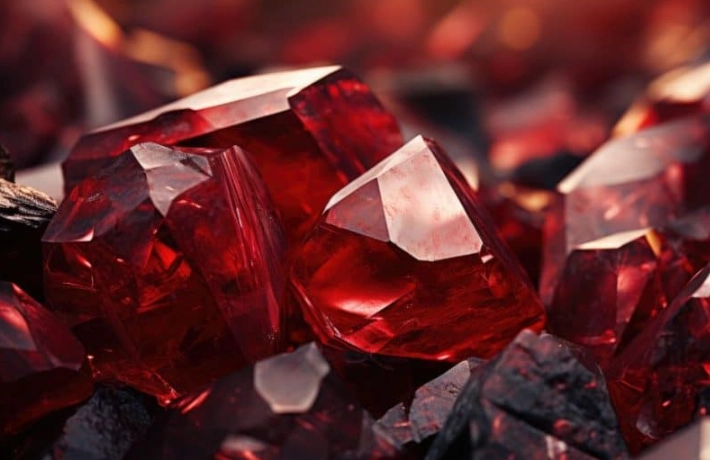
How to Buy a Garnet Birthstone You Won't Regret
Alright, let's get practical. You're convinced a garnet birthstone might be the one. How do you shop for one without getting overwhelmed or, worse, ripped off? I've made a few mistakes over the years (who hasn't?), so learn from mine.
First, decide on your color. This is priority number one. Do you want the traditional deep red, a vibrant orange, or a lush green? Browse online galleries from reputable dealers like the Gemological Institute of America (GIA) to see the full range. Don't just type "garnet" into a generic jewelry site filter.
Second, the name matters. If you want a green garnet, are you looking at a tsavorite or a demantoid? They're both green garnet birthstones, but they look different, perform differently, and have very different price tags. Tsavorite is a vivid grass-green, while demantoid has more of a yellowish-green hue and incredible fire. Know which species you're being offered.
Here’s a quick, no-nonsense checklist to run through when evaluating a specific stone:
- Color Saturation: Is the color rich and pleasing, or is it weak and washed out? For reds, a pure red or purplish-red is often more desirable than a brownish red.
- Clarity: Garnets are typically Type II gems, meaning some inclusions are expected. Look for an eye-clean stone—no obvious black spots or cracks visible to your naked eye. A few tiny internal wisps are usually fine and can prove it's natural.
- Cut: This is HUGE. A good cut makes the stone come alive. Look for symmetry and good polish. The stone should sparkle, not look dull or windowed (where you can see straight through the middle because it's cut too shallow). A poorly cut garnet birthstone is a wasted opportunity.
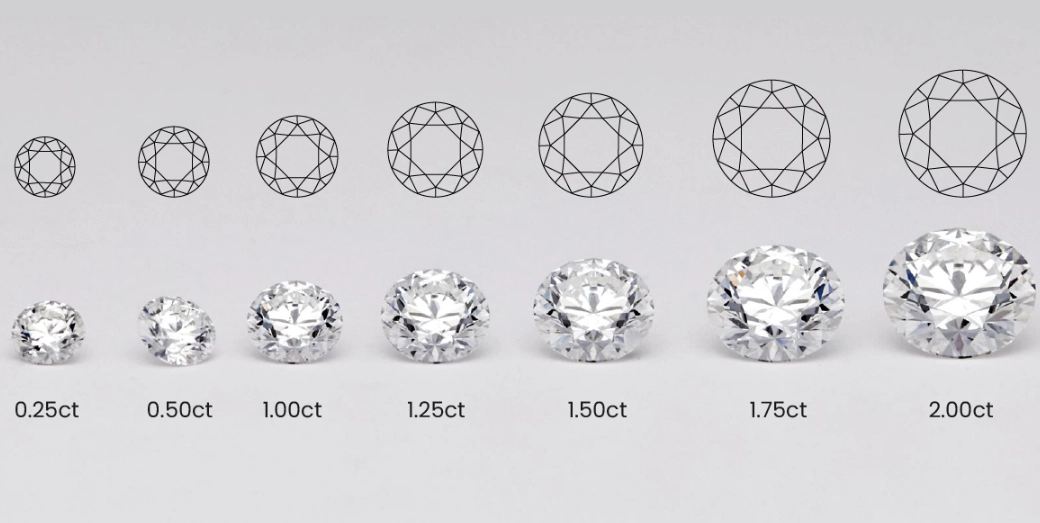
- Carat Weight & Size: Garnet has a high density, so a one-carat garnet will look smaller than a one-carat diamond. Focus on the millimeter measurements if you have a specific setting in mind.
Now, about treatments. This is a biggie. Most garnets are not treated. What you see is pretty much what you get, which is fantastic. However, some lower-quality orange or yellow stones might be heat-treated to improve their color. Reputable sellers will always disclose this. Always ask: "Has this stone been treated in any way?" If they hesitate or say no for a suspiciously cheap, bright stone, be cautious.
And my biggest piece of advice? Buy from someone who knows garnets. A specialist gem dealer or a jeweler with a good gemology background will give you way better information and selection than a big-box mall store. They can explain the differences between a Mozambican rhodolite and an Indian almandine. That knowledge is worth paying a bit more for.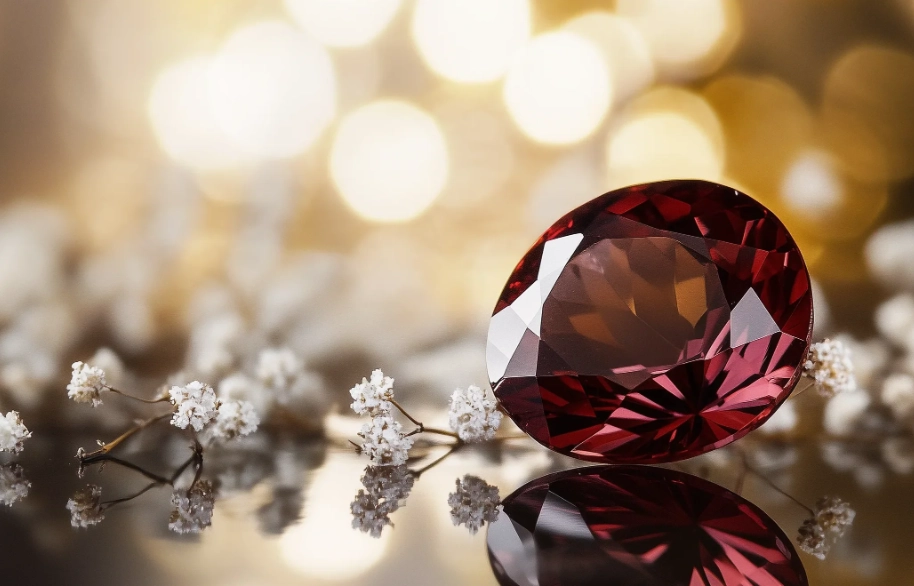
Caring for Your Garnet Jewelry: Keep It Simple
You've got your beautiful garnet birthstone piece. Now, how do you keep it that way? Good news: garnets are relatively tough, with a hardness of 6.5 to 7.5 on the Mohs scale. That means they're suitable for daily wear in rings, but with some common sense.
While durable, a sharp blow on a table edge can chip or crack a garnet. Take your ring off for gardening, moving furniture, or gym workouts. It's just a good habit for any fine jewelry.
Cleaning is easy. Warm, soapy water (mild dish soap), a soft toothbrush to get behind the setting, and a gentle rinse. Dry with a soft, lint-free cloth. That's it. Avoid harsh chemicals, ultrasonic cleaners (especially if the stone has fractures or liquid inclusions), and steam cleaners. When in doubt, a quick wipe with the soft cloth is the safest bet.
Storage? Don't just throw it in a jumbled jewelry box. Garnets can scratch softer stones and can be scratched by harder ones (like sapphires or diamonds). Keep your garnet birthstone piece in its own soft pouch or a separate compartment in a lined jewelry box.
One thing I learned the hard way: some garnets, particularly demantoid, can have a slightly lower hardness. Be extra gentle with those. And if your piece has many small pave stones, be mindful that the setting might need a professional check-up every few years to ensure the tiny claws are secure.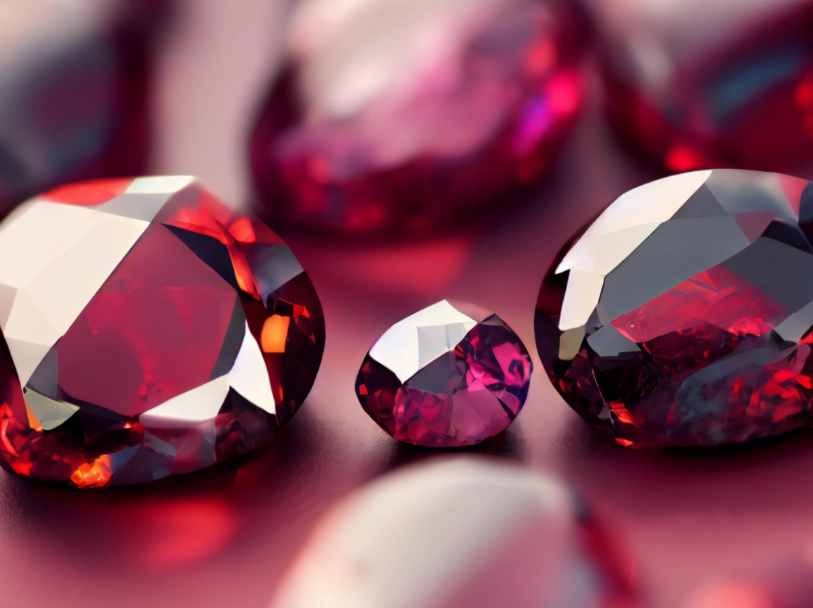
Your Garnet Birthstone Questions, Answered Honestly
I get asked a lot of questions about garnets. Here are the real answers, without the marketing fluff.
The Final Sparkle: Embracing Your Garnet
So, where does this leave us with the garnet birthstone? I hope it's clear now that it's anything but a one-note gem. It's a family of incredible diversity, rich with history and personal meaning, offering options from the warmly traditional to the boldly modern.
The best garnet for you is the one that makes you stop and look twice. The one whose color speaks to you, whose story resonates. Maybe it's the protective talisman for a traveler, the symbol of enduring commitment, or simply that stunning green stone that matches your eyes perfectly.
Forget the dusty, old-fashioned image. The modern garnet birthstone is vibrant, versatile, and full of character. Do your research, ask the right questions, and don't be afraid to explore beyond the classic red. You might just find a gem that surprises and delights you for a lifetime. After all, that's what a true treasure is supposed to do.
Now go find your garnet.