Quick Guide to This Article
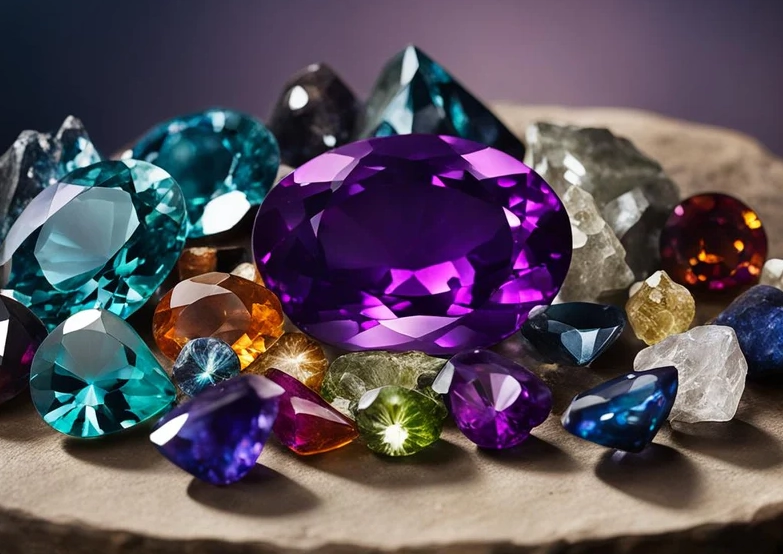
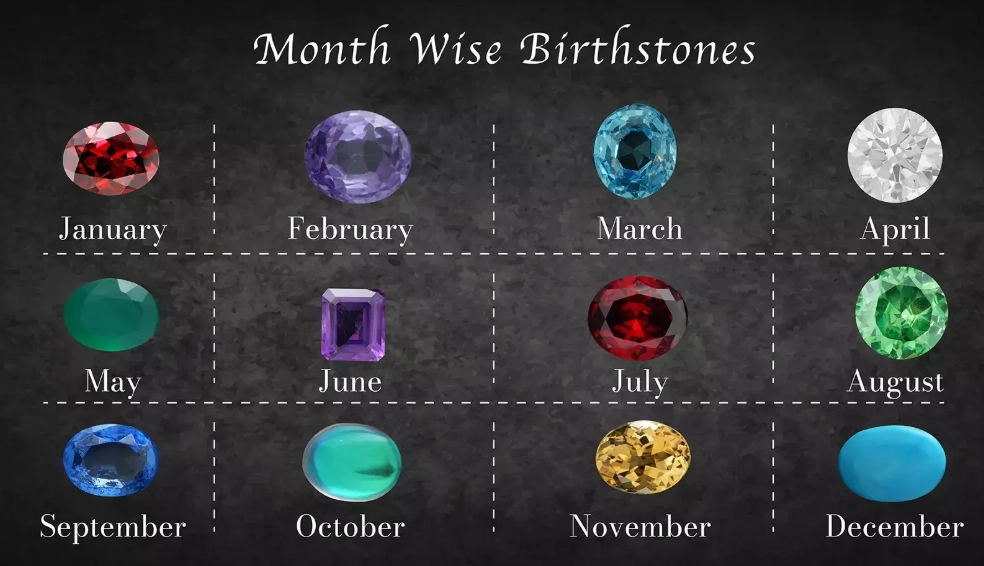
Let's talk about the February birthstone. If you're a February baby, or you're shopping for one, you've hit the jackpot. Your month is tied to one of the most beloved, storied, and frankly, stunning gemstones out there: amethyst. That rich purple color isn't just pretty; it's wrapped in centuries of myth, royalty, and symbolism. I remember the first quality amethyst I held—a deep, velvety purple piece from Uruguay. It didn't just look like a stone; it felt like holding a piece of twilight sky. That's the magic we're diving into today.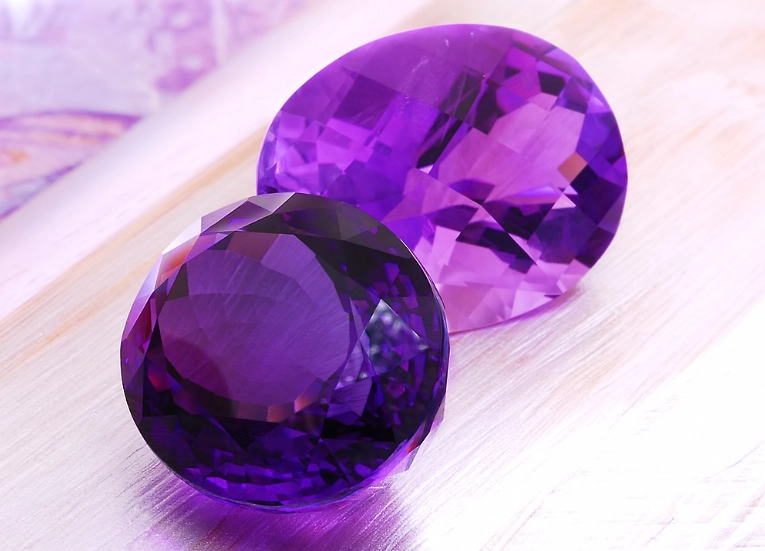
This isn't just a quick fact sheet. We're going deep. What makes amethyst special? Why is it the February birthstone? How do you know if you're getting a good one, and how do you keep it looking fantastic? Consider this your one-stop, no-nonsense guide. I'll even throw in some personal opinions on what to look for and what to avoid, because let's be honest, not all amethyst is created equal.
Meet Amethyst: The Purple Heart of February
So, what exactly is this February birthstone? At its core, amethyst is a variety of quartz, which is one of the most common minerals on Earth. But common it is not. Something magical happens during its formation. Tiny amounts of iron sneak into the crystal structure, and then natural radiation from surrounding rocks does its thing. This combination is what paints the quartz in those iconic shades of violet and purple. It's nature's perfect chemistry experiment.
The color is everything with amethyst. It's the first thing you notice and the main thing that determines its value. You'll hear terms like "Siberian" for the top-tier, deeply saturated purple with flashes of red and blue. Then there's "Rose de France," a much paler, delicate lilac-pink. Personally, I find the mid-range purples with strong saturation to be the sweet spot—plenty of color without the premium price tag of the deepest hues. Some stones can even show color zoning, which are visible bands of lighter and darker purple. In some cuts, like a checkerboard, this can look intentional and cool. In a poorly cut stone, it can just look uneven.
Where in the World Does Amethyst Come From?
Amethyst is found in many places, but a few locations are legendary for their quality. For a long time, Russia (specifically Siberia) set the standard for the finest color. Today, some of the best material comes from South America.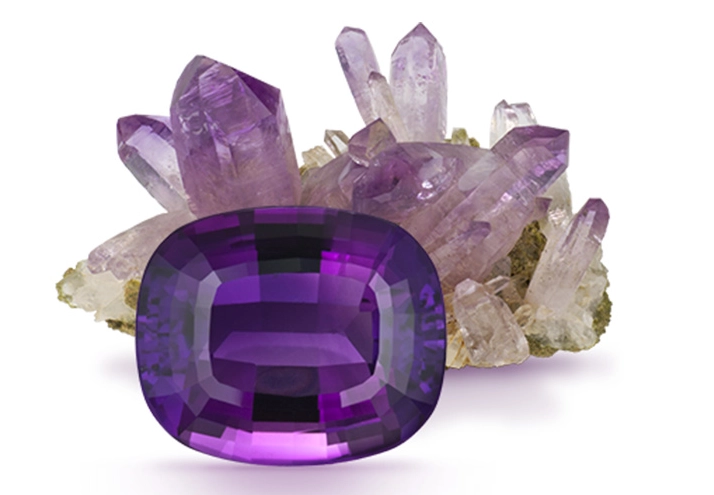
- Brazil: A giant in the amethyst world. Mines in states like Rio Grande do Sul produce enormous geodes—those rock cavities lined with crystals—that you see in museums and fancy home decor stores. Brazilian amethyst tends to have large, relatively clean crystals with good color.
- Uruguay: Often considered the source of some of the deepest, most saturated purple amethyst. The color here can be incredibly intense, sometimes bordering on a reddish-purple. If you love a dark, inky purple, Uruguayan material is a top contender.
- Zambia (Africa): African amethyst has made a huge splash. Its color tends to be a unique, slightly darker and more subdued purple compared to the South American stones. It often has exceptional clarity, making it a favorite for faceted gemstones in jewelry.
- Other Sources: You'll also find amethyst from Bolivia, Mexico, Canada, and even the United States (like in Arizona).
The source can influence the character of the stone, but it's not an absolute guarantee of quality. A great stone from Brazil can outshine a mediocre one from Uruguay. It's more about the individual crystal than the country on the label, though dealers love to use origin as a selling point.
Why Amethyst? The History and Meaning Behind the February Birthstone
This is where it gets interesting. Amethyst wasn't just randomly assigned to February. Its history is a long, winding tale of gods, kings, and supposed superpowers. The name itself comes from the ancient Greek word "amethystos," which literally means "not intoxicated." The story goes that the wine god Dionysus, angry at being slighted, vowed to unleash his tigers on the next mortal he met. A young maiden named Amethyst was on her way to pay tribute to the goddess Diana. To protect her, Diana turned the girl into a pure, clear quartz statue. Dionysus, remorseful, wept tears of wine that stained the quartz purple, creating the first amethyst.
Because of this myth, the ancient Greeks and Romans believed drinking from a cup made of amethyst, or wearing the stone, would protect you from drunkenness. I've never tested this theory myself (and I wouldn't recommend relying on it), but it shows how deeply the stone's lore is rooted. It became a symbol of sobriety and clear-headedness.
Fast forward to the Middle Ages and Renaissance. Amethyst was adored by the Catholic Church, earning the nickname "the bishop's stone." It was used in rings and crosses for bishops, symbolizing piety and celibacy. Its purple color, historically difficult and expensive to produce in dyes, was also associated with royalty. For centuries, amethyst sat alongside diamond, ruby, and sapphire as a prized cardinal gem. That changed in the 19th century when massive deposits were found in Brazil, making it more accessible. Some purists bemoaned this, but I think it's wonderful—it let more people enjoy this beautiful gem.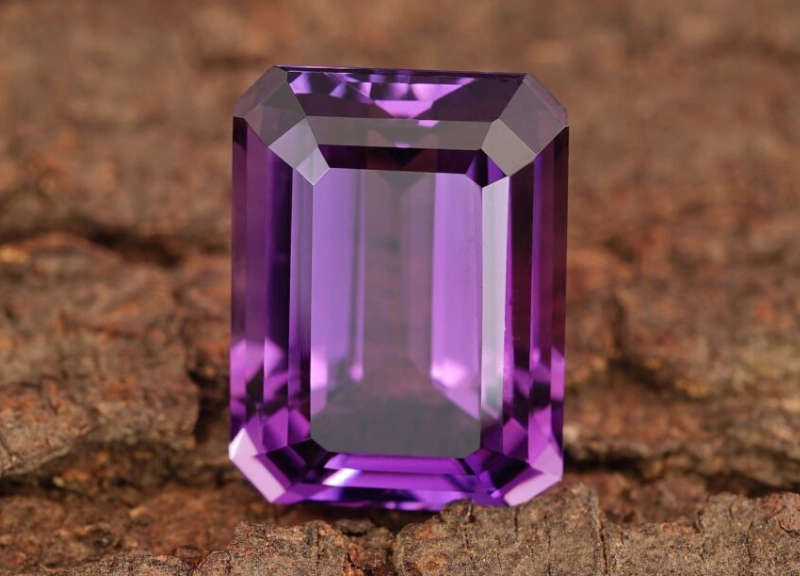
Buying Amethyst: A Practical Guide to the February Birthstone
Alright, let's get practical. You're sold on the February birthstone and want to buy a piece. How do you navigate the market? What should you look for? Let's break it down without the confusing jargon.
The value of amethyst, like most colored stones, hinges on the classic "Four Cs" but with a strong, heavy emphasis on Color.
The #1 Rule: Color is King
This cannot be overstated. The most prized amethyst color is a strong, vivid, saturated purple or reddish-purple with no visible color zoning, often called "Siberian" grade. As the color becomes paler or more grayish, the value generally decreases. The very dark stones can look almost black in dim light, which some people love for its drama, but it can hide the beauty of the color. I tend to advise against stones that are so dark you can't see the purple sparkle in normal indoor light.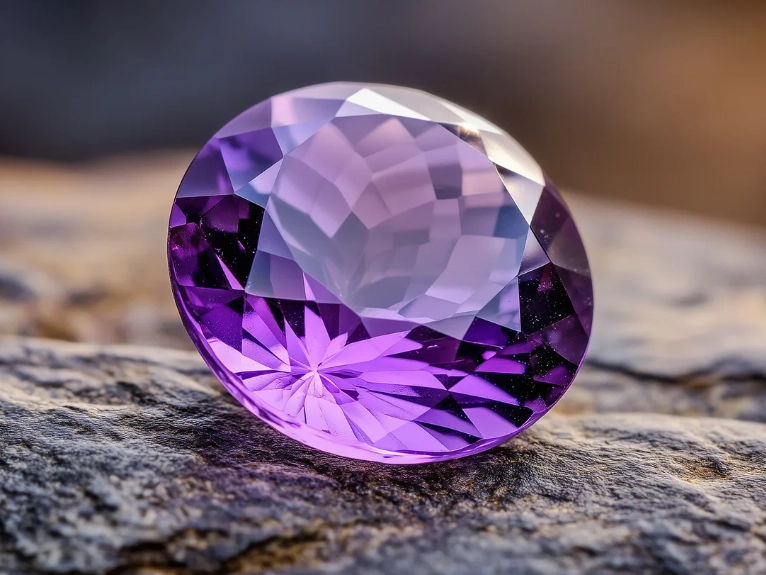
Here’s a quick visual guide to the color spectrum you might encounter:
| Color Grade | Description | Typical Look & Feel | Relative Value |
|---|---|---|---|
| Light Lilac / "Rose de France" | Very pale, soft purple or pinkish-purple. | Delicate, feminine, subtle. Often used in dainty jewelry. | Most Affordable |
| Medium Purple | The "sweet spot." A clear, noticeable purple without being too light or too dark. | Vibrant, classic, excellent color visibility. Great all-rounder. | Good Value / Moderate |
| Deep Purple / "Siberian" | Intense, saturated purple, sometimes with red/blue flashes. | Rich, luxurious, traditional high-grade look. Can appear inky in low light. | Premium / Higher |
| Very Dark Purple | Extremely deep color, can look near-black. | Dramatic, moody. Color detail is lost unless in very bright light. | Varies (often lower than deep purple) |
Clarity, Cut, and Carat Weight
Clarity: Amethyst is a Type II gemstone, meaning eye-clean stones—those with no visible inclusions to the naked eye—are common and expected for faceted pieces. You shouldn't be paying a premium for an eye-clean amethyst; it's the standard. Inclusions are more accepted in larger, uncut specimens or unique carvings. Milky or hazy stones are generally less valuable.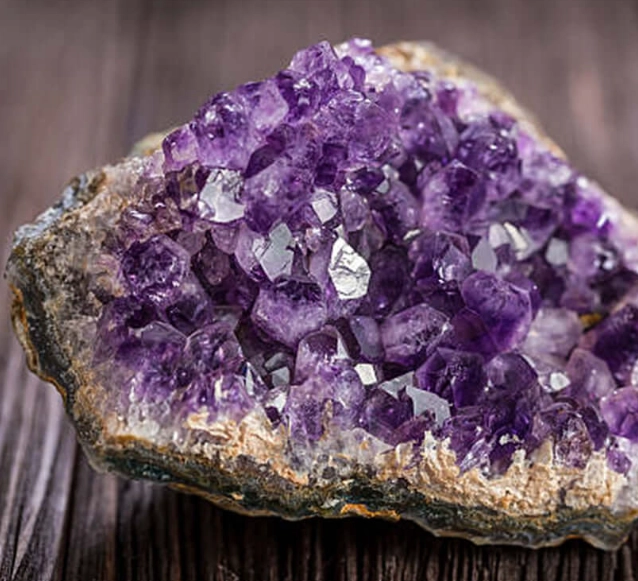
Cut: A good cut is crucial. It's what makes the stone come alive. The cutter's job is to maximize the color and brilliance. A poorly cut stone can look dead or windowed (see-through in the middle). Look for symmetrical facets and a stone that sparkles evenly. Amethyst is cut into all the classic shapes—ovals, cushions, rounds, emeralds—and also into fancy cuts and cabochons (smooth, domed surfaces).
Carat Weight: Because amethyst deposits can yield large crystals, it is available in significant sizes. A five-carat amethyst is far more accessible than a five-carat ruby. This means you can get a statement piece for a relatively reasonable price. Don't assume bigger is automatically better, though. A small stone with exceptional color can be worth more than a large, poorly colored one.
Caring for Your February Birthstone
Amethyst is a 7 on the Mohs scale of hardness. That means it's durable enough for everyday wear in rings, but it's not invincible. It can be scratched by materials harder than 7, like topaz, sapphire, or diamond. So, don't throw it in a jewelry box where it can tumble against harder gems.
The bigger issue with amethyst is its sensitivity to prolonged, strong light and heat. Yes, your beautiful purple February birthstone can fade if left in a sunny window for months or years. I learned this the hard way with a lovely amethyst bookend I left on a west-facing windowsill. Over a couple of years, the side facing the sun lost a noticeable amount of its color intensity. It's not an instant process, but it's real.
- Storage: Keep your amethyst jewelry in a soft pouch or a separate compartment in your jewelry box. Avoid extreme temperature changes.
- Cleaning: Warm, soapy water and a soft brush are perfectly safe. Ultrasonic cleaners are usually okay for amethyst itself, but be cautious if the stone has fractures or if it's set with other gems that might not be ultrasonic-safe. Steam cleaners are a no-go, as the heat can damage the stone.
- Wear: Put your amethyst jewelry on last, after applying makeup, perfume, and hairspray. These chemicals can dull the surface over time.
Think of it like a beautiful piece of furniture. You don't leave it in direct sun, and you dust it gently. Same idea.
Amethyst in Jewelry: Styles and Settings
The versatility of the February birthstone is a huge part of its appeal. Its color pairs with both white and yellow metals beautifully. A simple silver setting can give it a modern, cool vibe, while yellow gold lends a vintage, regal warmth.
You'll see amethyst everywhere:
- Statement Rings: Large, oval or cushion-cut solitaires are classic. They make a bold, personal statement.
- Dainty Necklaces: A small, heart or pear-shaped amethyst pendant on a fine chain is a subtle and sweet nod to a February birthday.
- Earrings: From studs to chandeliers, amethyst adds a pop of color that complements many skin tones.
- Bracelets: Beaded amethyst bracelets are popular in wellness circles, while tennis bracelets or charm bracelets with amethyst accents are more traditional.
- Antique & Vintage: Amethyst features heavily in Victorian, Art Nouveau, and Art Deco jewelry. If you're into vintage, you'll find stunning pieces.
When choosing a setting, consider the stone's durability. For a ring you'll wear daily, a bezel or a protective setting with sturdy prongs is smarter than a high, exposed setting that's more prone to knocks.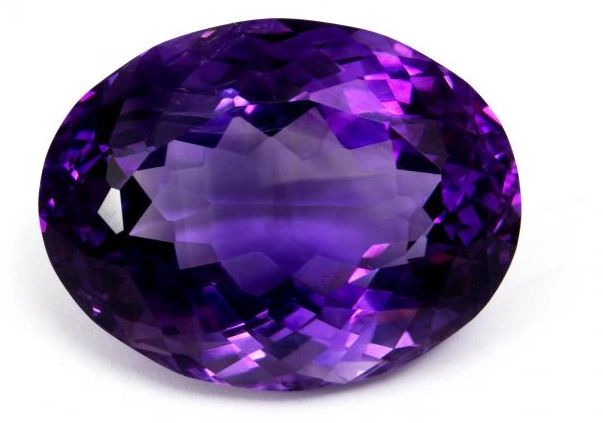
Your February Birthstone Questions, Answered
I get asked a lot of the same things about amethyst. Let's tackle some of the big ones head-on.
Does amethyst fade in sunlight?
Yes, it can. Prolonged exposure to intense direct sunlight (think years on a sunny sill) can cause fading. Normal, daily wear is generally fine, but I wouldn't store it on a windowsill or wear it for a two-week beach vacation expecting no change. It's a long-term consideration, not a daily panic.
Is there a difference between synthetic and natural amethyst?
Yes, but it's tricky. Synthetic amethyst (created in a lab) has the same chemical and physical properties as natural amethyst. It's real amethyst, just not from the ground. It's often very clean and evenly colored. The price is usually the giveaway—if a large, flawless, deeply colored stone is suspiciously cheap, it might be synthetic. Reputable sellers like the Gemological Institute of America (GIA) can issue reports to identify origin. For most jewelry purposes, the visual difference is minimal, but natural stones carry the romance of geological history.
What's the best place to buy a February birthstone?
It depends. For a special, investment piece, go to a reputable jeweler who can provide information on origin and treatment. For more casual or fashion jewelry, many trustworthy online retailers offer good options. Always look for clear photos (preferably video) and a return policy. Organizations like the American Gem Society (AGS) can help you find accredited jewelers.
Are there any alternative February birthstones?
Traditionally, amethyst is the primary and only widely recognized February birthstone. However, some modern lists include bloodstone as an alternative. But let's be real, when people think "February birthstone," 99 times out of 100, they're thinking of that gorgeous purple amethyst.
Can amethyst be worn every day?
With a hardness of 7, it's suitable for daily wear, but with caution. An amethyst in a pendant or earrings is safer than in a ring that takes more abuse. Just be mindful of activities. I wouldn't garden, lift weights, or do construction work wearing an amethyst ring.
Choosing a February birthstone piece should be fun. Don't get too bogged down in the technicalities. Find a color that makes you happy, a design that speaks to you, and a seller you trust. After all, the best gemstone is the one you love to wear and look at. And for February folks, you've got a real classic on your side.