In This Guide
- Where Does the Aquamarine Birthstone Come From? A Journey from Deep Earth to Your Jewelry Box
- Why is Aquamarine the Birthstone for March? Unpacking the History and Symbolism
- What Color is a "Good" Aquamarine? Decoding Hue, Tone, and Saturation
- Buying an Aquamarine Birthstone: A No-Nonsense Checklist
- Caring for Your Aquamarine Jewelry: Make it Last a Lifetime
- Answering Your Burning Questions About the Aquamarine Birthstone
- Final Thoughts: Is the Aquamarine Birthstone Right for You?
So you were born in March, or maybe you're shopping for someone who was, and you keep hearing about this "aquamarine birthstone." It's everywhere, from high-end jewelry stores to Instagram ads. But what's the real story behind this pale blue stone? Is it just another trendy gem, or is there something more to it? I remember the first time I held a good quality aquamarine. It wasn't in a fancy store; it was at a small gem show. The dealer handed me a rough, uncut piece that looked like a cloudy ice cube. Then he held it under the light, and suddenly, this serene, ocean-blue glow came from within. I was hooked. That's the thing about the aquamarine birthstone—it often surprises you.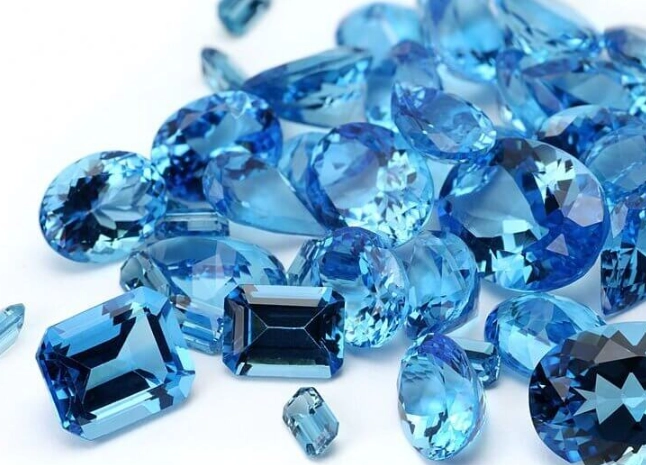
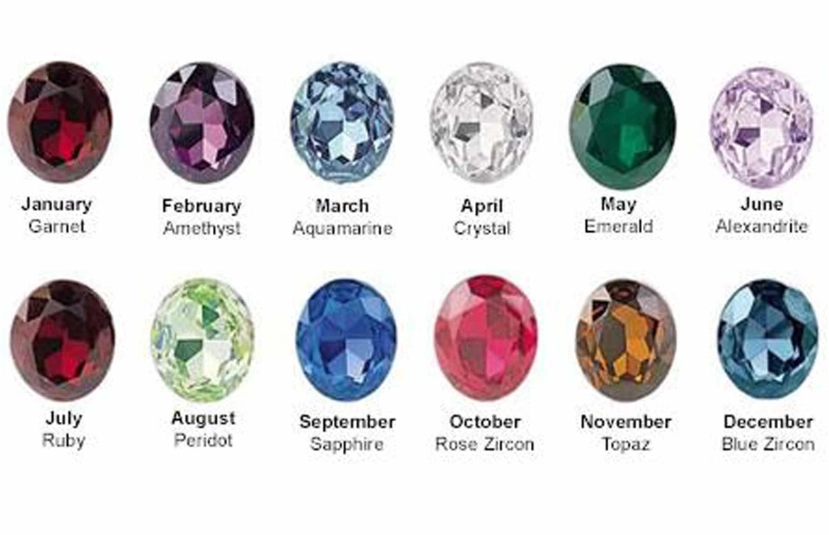
Quick Fact Check: The name "aquamarine" comes from the Latin aqua marina, meaning "sea water." It's a variety of the mineral beryl, which makes it a cousin to the much pricier emerald. But while emeralds are known for their intense green and often included interiors, aquamarines are prized for their clarity and tranquil blue hues.
This guide isn't just a list of facts you can find anywhere. We're going to dig into what makes this gem tick, why it's been cherished for centuries, and how to navigate buying and caring for one today. I'll also share some things the glossy brochures don't always tell you. Let's get into it.
Where Does the Aquamarine Birthstone Come From? A Journey from Deep Earth to Your Jewelry Box
It's easy to think gems just appear, perfectly cut and polished. But the journey of an aquamarine is pretty wild. It forms in pegmatites, which are these coarse-grained igneous rocks, and in certain types of metamorphic rocks. The key ingredient is beryl, and the blue color comes from traces of iron. The specific conditions—the pressure, the temperature, the chemical soup—have to be just right to create that signature color, not green, not yellow, but blue.
Most of the world's commercial aquamarine comes from a handful of places, and the origin can seriously affect the value and character of the stone.
- Brazil: The heavyweight champion. Places like Minas Gerais produce a huge quantity, including some of the largest and most famous aquamarines ever found. Brazilian stones often have that classic, slightly greenish-blue or pure sky-blue color.
- Nigeria and Mozambique: African sources have become incredibly important. Mozambican aquamarines, in particular, are known for their richer, more saturated blue colors—sometimes even a deep sapphire-like blue that commands a premium.
- Pakistan and Afghanistan: These sources produce stunning, often intensely colored stones from high in the mountains. They're rarer in the market and can be pricier.
- Other sources: You'll also find aquamarines from the U.S. (like in Colorado), Russia, and Madagascar. Each locale adds its own subtle fingerprint to the gem.
I once bought a small aquamarine pendant said to be from Mozambique. The color was so vivid compared to my older, paler Brazilian stone. It taught me that not all aquamarine birthstones are created equal, and knowing the origin isn't just trivia—it directly impacts what you're paying for.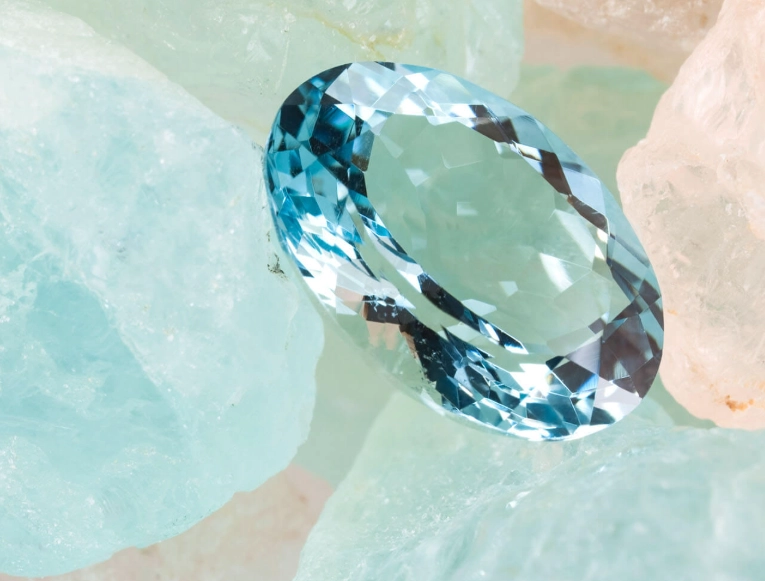
Why is Aquamarine the Birthstone for March? Unpacking the History and Symbolism
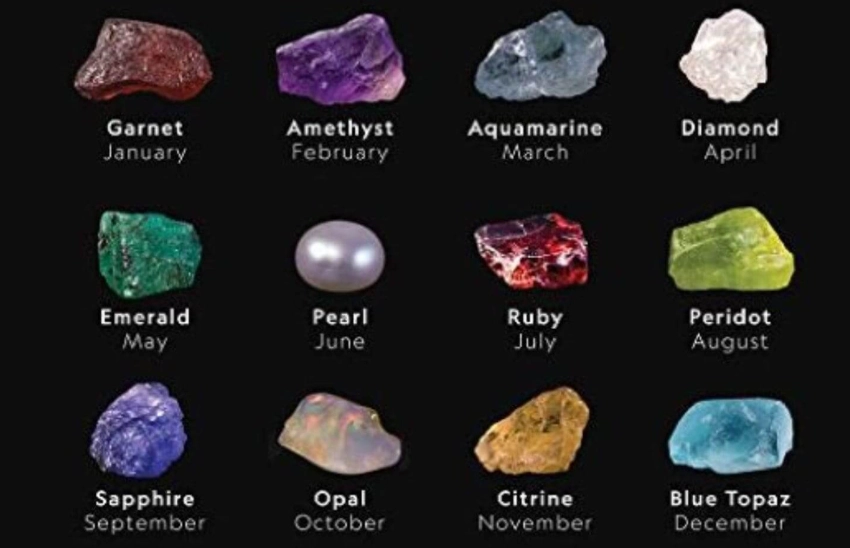
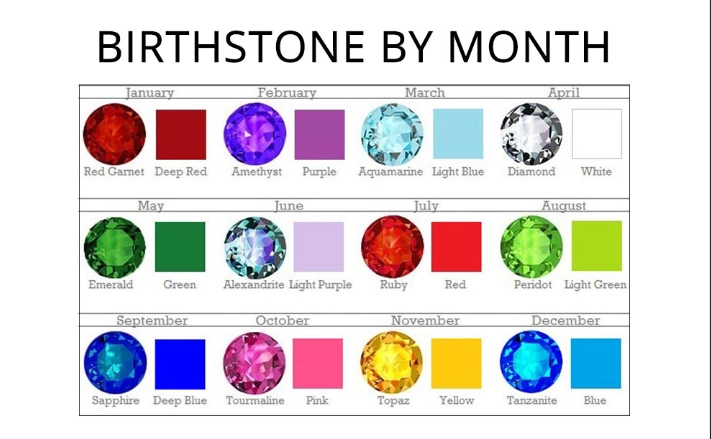
Ever wondered why aquamarine is linked to March? The whole birthstone list we use today was standardized in 1912 by the Jewelers of America to, well, sell more jewelry. But the connection of aquamarine to spring and water goes back millennia.
Ancient sailors carried aquamarine as a talisman to protect against the perils of the sea and to ensure a safe voyage. They believed it could calm waves and summon friendly mermaids. Whether you buy into the lore or not, it's a beautiful image—a gem the color of the sea, protecting those who brave it.
Beyond sailors, the stone was associated with tranquility, clarity, and foresight. Roman physicians even used it to treat ailments related to water—think bloating or poisoning. The symbolic meanings attached to the aquamarine birthstone are powerful:
- Serenity and Calm: This is the big one. Its color instantly evokes a calm sea or a clear spring sky. It's seen as a stone that soothes frayed nerves and promotes mental clarity. In a chaotic world, that's a pretty appealing property for a birthstone.
- Courage and Protection: Linked to its maritime history, it's considered a stone of courage, especially for those facing challenges or starting new journeys. A March baby heading off to college? An aquamarine gift suddenly feels very fitting.
- Purity and Eternal Youth: The clear, clean appearance of the stone linked it to purity of heart and mind in many cultures.
- Happy Marriage: It's also a popular 19th wedding anniversary gift, symbolizing the longevity and clarity of a lasting partnership.
So when you wear an aquamarine birthstone, you're not just wearing a blue rock. You're tapping into a river of symbolism that flows from ancient Rome to the present day. Whether you believe in the metaphysical aspects or just appreciate the history, it adds a layer of depth to the jewelry.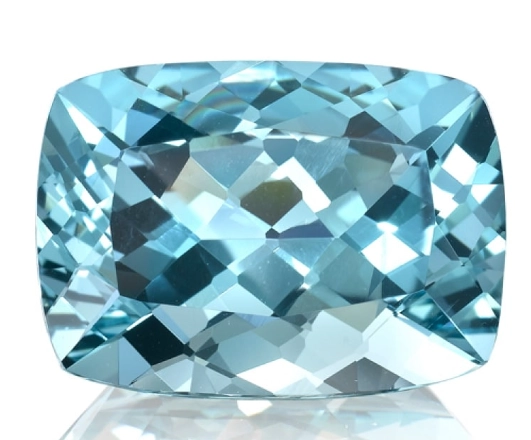
What Color is a "Good" Aquamarine? Decoding Hue, Tone, and Saturation
This is where people get tripped up. You see two aquamarines side-by-side and one is pale blue, almost like window glass, while the other is a deep, intense azure. Which is better? The answer isn't simple, and a lot of marketing tries to make it seem like darker is always better. That's not entirely true.
The most valuable color for an aquamarine birthstone is a pure, moderately strong blue to slightly greenish-blue. Think of the ocean around a tropical island on a bright, sunny day. The key factors gemologists use are:
- Hue: The basic color. Is it blue, greenish-blue, or very slightly bluish-green? The pure blue hue is generally the most desired.
- Tone: How light or dark the color is. Too light, and it looks washed out. Too dark, and it can start to look inky and lose its characteristic aqua brilliance. A medium tone is the sweet spot.
- Saturation: The intensity or vividness of the color. This is crucial. A stone with strong saturation looks vibrant and alive, even if its tone isn't super dark.
Watch Out for Heat Treatment: Here's a crucial bit of insider info. The vast majority of aquamarines on the market have been heat-treated. Naturally, many aquamarines have a greenish or yellowish tint. Gentle heating (around 725-850°F) removes these unwanted hues, leaving a more stable and desirable pure blue color. This treatment is permanent, accepted in the trade, and usually doesn't affect the value—but you, as a buyer, have a right to know. Any reputable seller should disclose this. If a stone's color seems too perfect and the price is low, ask about treatment.
Personal taste matters hugely. Some people adore the very pale, ethereal blue of a Santa Maria-type aquamarine. Others want the punch of a deep "Mozambique" blue. Neither is "wrong." The best aquamarine birthstone for you is the one whose color makes you stop and stare.
Buying an Aquamarine Birthstone: A No-Nonsense Checklist
Let's be real, the price tag can be a shock. You're not buying a casual fashion piece; you're investing in a piece of the earth. Here's how to shop smart and avoid regret.
The 4 Cs, Adapted for Aquamarine
Forget diamonds for a second. The rules are different here.
- Color: As discussed, this is king. Look for a pleasing, saturated color first. Don't just go for the darkest one in the case.
- Clarity: This is where aquamarine shines (literally). Most high-quality aquamarines are "eye-clean," meaning you see no inclusions or flaws with your naked eye. You should expect this. If you see obvious cracks, clouds, or bubbles, the value drops significantly. The Gemological Institute of America (GIA) has excellent resources on gem clarity that are worth a look.
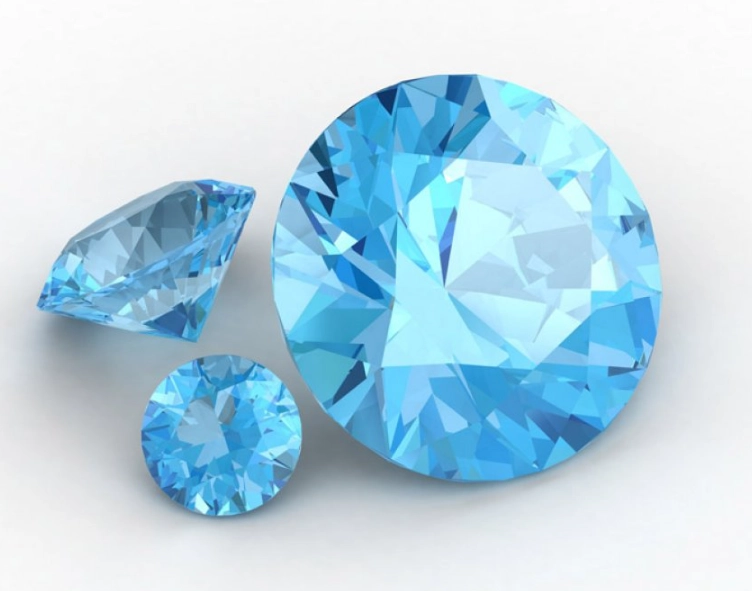
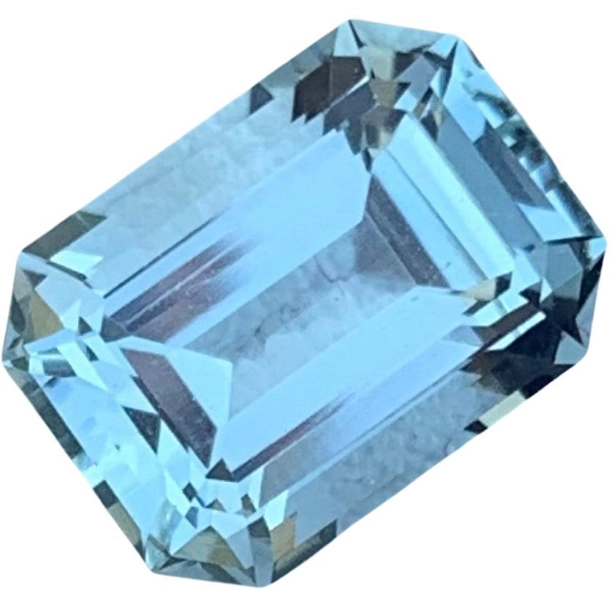
- Cut: A good cut is everything. It's not just about the shape (emerald, oval, cushion), but how well the facets are aligned to bounce light back to your eye. A poorly cut aquamarine will look dead and glassy, no matter how good the color. A well-cut one will sparkle with life. Look for symmetry and a nice even color distribution.
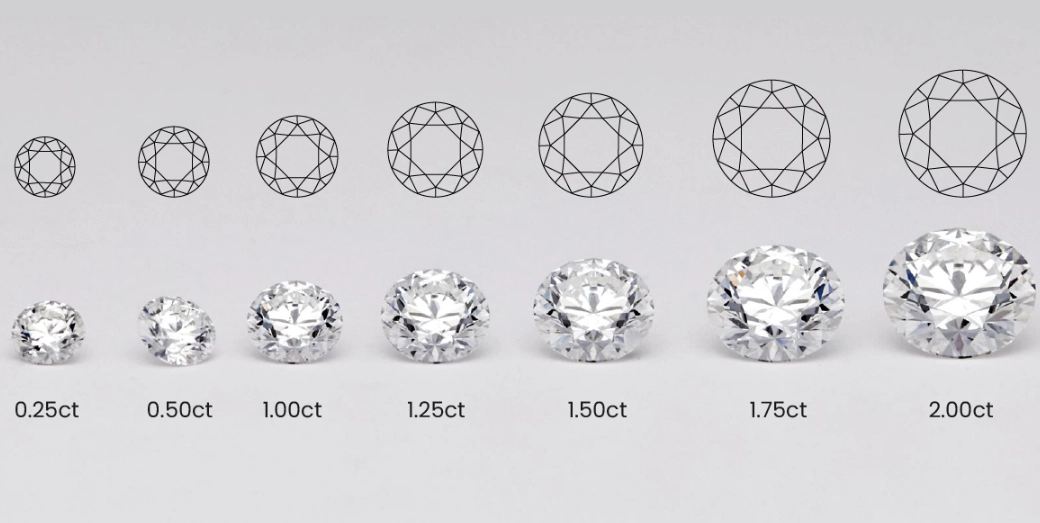
- Carat Weight: Aquamarine can be found in large sizes, so carat price doesn't skyrocket the way it does with rubies or sapphires. You can often get a larger, more impressive stone for your budget compared to other gemstones.
Ethical Sourcing: It's Not Just a Buzzword
Where your gem comes from matters. I make it a point to ask sellers about their supply chain. Reputable dealers should be able to tell you the country of origin and, increasingly, assure you of ethical mining practices. Look for sellers affiliated with organizations like the American Gem Trade Association (AGTA), which promotes ethical sourcing. It might cost a bit more, but the peace of mind is worth it.
Aquamarine vs. Other Blue Stones: Don't Get Fooled
Sometimes, other blue stones are mistaken for or misrepresented as aquamarine. Here's a quick cheat sheet:
| Gemstone | Key Differences from Aquamarine | Typical Price Point (Relative) |
|---|---|---|
| Blue Topaz (Swiss/Iondon Blue) | Often a more electric, uniform blue. Much more common and less expensive. Can be irradiation-treated. Higher refractive index (more sparkle). | Significantly Lower |
| Blue Zircon | Extremely high brilliance and fire (rainbow flashes). Can be brittle. Often has more warmth (greenish/golden undertones). | Comparable or Slightly Lower |
| Sapphire (Pale Blue) | Much harder (9 on Mohs scale). Color can be similar, but sapphire has a different crystal structure. Often has more silk or inclusions. The name "sapphire" commands a premium. | Significantly Higher |
| Glass or Synthetic Spinel | Too perfect. Often has bubbles, swirls, or mold marks. Lacks the crystalline "cool" feel of a real gem. Dirt cheap. | Extremely Low |
If a deal seems too good to be true for a large, flawless, deep blue "aquamarine," it probably is. Get a lab report from a reputable lab like GIA or AGL for any significant purchase.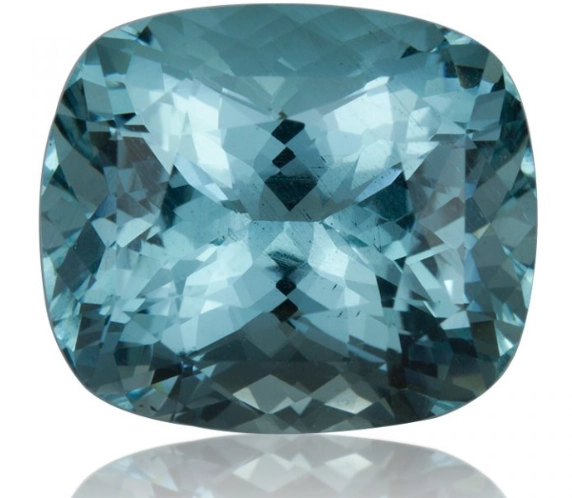
Caring for Your Aquamarine Jewelry: Make it Last a Lifetime
So you've got your beautiful aquamarine birthstone ring or necklace. Now what? Gems aren't indestructible, but with a little sense, they'll stay beautiful for decades.
First, know its strength. Aquamarine ranks 7.5 to 8 on the Mohs scale of hardness. That's good—it won't scratch easily from dust (which is quartz, hardness 7). But it's not invincible. A diamond, corundum (sapphire/ruby), or topaz can scratch it. So, the golden rule: store it separately. Don't toss it in a jewelry box where it can rub against harder stones. A soft pouch or a compartmented box is your friend.
Cleaning Do's: Warm water, mild dish soap, and a soft toothbrush are your best tools. Gently scrub behind the stone where grime collects. Rinse thoroughly and pat dry with a soft, lint-free cloth. It's safe and effective. Do this every few weeks if you wear it regularly.
Cleaning Don'ts: Never use ultrasonic cleaners or steam cleaners. Aquamarines can sometimes have liquid inclusions or fractures that are invisible to the eye. The intense vibrations and sudden heat from these cleaners can cause the stone to crack or shatter. I learned this the hard way with an older family piece—a tiny fracture became a big one. Just avoid them altogether for aquamarine.
When to take it off? Common sense activities: gym (sweat, weights), gardening (dirt, impact), dishes (harsh chemicals), swimming (chlorine can damage metals and sometimes affect treatments). Think of your aquamarine birthstone as a delicate piece of art, not sports equipment.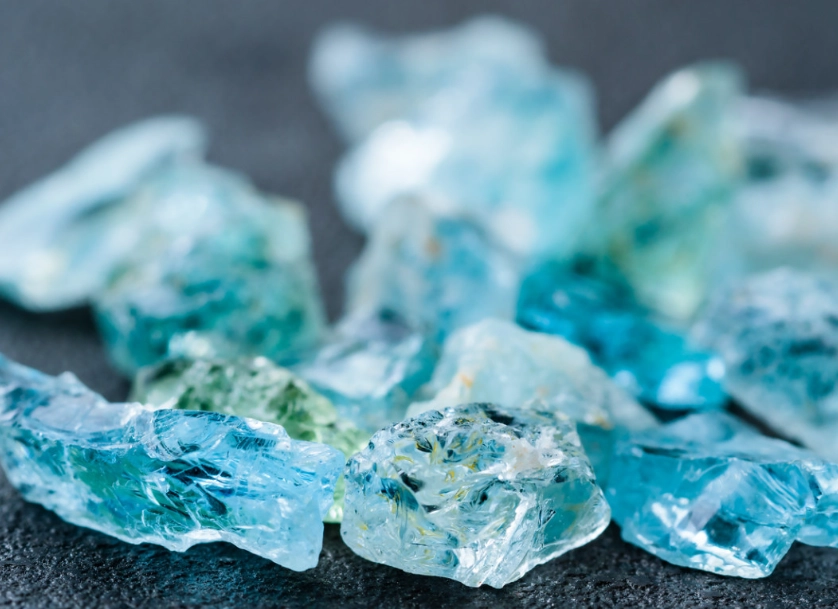
Answering Your Burning Questions About the Aquamarine Birthstone
Final Thoughts: Is the Aquamarine Birthstone Right for You?
Look, the aquamarine birthstone isn't for everyone. If you want a gem that screams opulence and dramatic fire, you might look to a ruby or a well-cut diamond. But if you're drawn to something that speaks of calm, clarity, and a connection to the natural world—the sea, the sky—then it's a perfect match.
It's a gem that rewards a closer look. In different lights, its color shifts. It feels cool and substantial in the hand. It carries a weight of history that's both romantic and grounded. For a March baby, it's a profoundly personal symbol. For anyone else, it's simply a beautiful, versatile, and surprisingly wearable blue gem.
My advice? Go see some in person. Don't just shop online. Hold them. See how the light plays in them. Compare a pale one to a dark one. That's the only way you'll know which aquamarine birthstone is truly yours.