Your Bloodstone Journey Map
- More Than Just a Green Rock: What Exactly Is Bloodstone?
- A Stone Steeped in History and Legend
- The Healing and Metaphysical Side: Separating Fact from Folklore
- Your Practical Guide to Buying a Bloodstone Birthstone
- Caring for Your Bloodstone: Keeping It Looking Ancient (in a Good Way)
- Bloodstone vs. Aquamarine: The March Birthstone Dilemma
- Answering Your Bloodstone Birthstone Questions
- Wrapping It Up: Is the Bloodstone Birthstone Right for You?
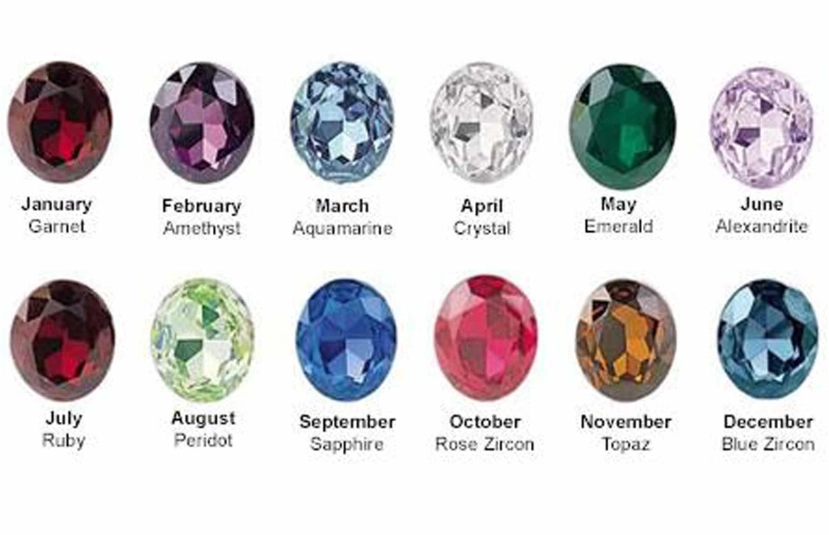
Let's be honest, when you hear "March birthstone," a lot of people immediately think of the classic, sky-blue aquamarine. It's pretty, no doubt. But there's another stone for March that doesn't get nearly enough love, and it's got a vibe that's... completely different. I'm talking about the bloodstone birthstone.
My first encounter with a bloodstone wasn't in some fancy jewelry store. It was in a dusty rock shop on a road trip. This deep green stone with specks of red that looked like droplets caught my eye. The shop owner, an older guy with hands that looked like they'd seen a million rocks, called it "nature's warrior stone." That stuck with me. I bought a small, rough piece, not really knowing what I had. Now, years later, after digging into its history and talking to gemologists, I get it. This isn't just a pretty rock. For those born in March, the bloodstone birthstone is a symbol with serious depth.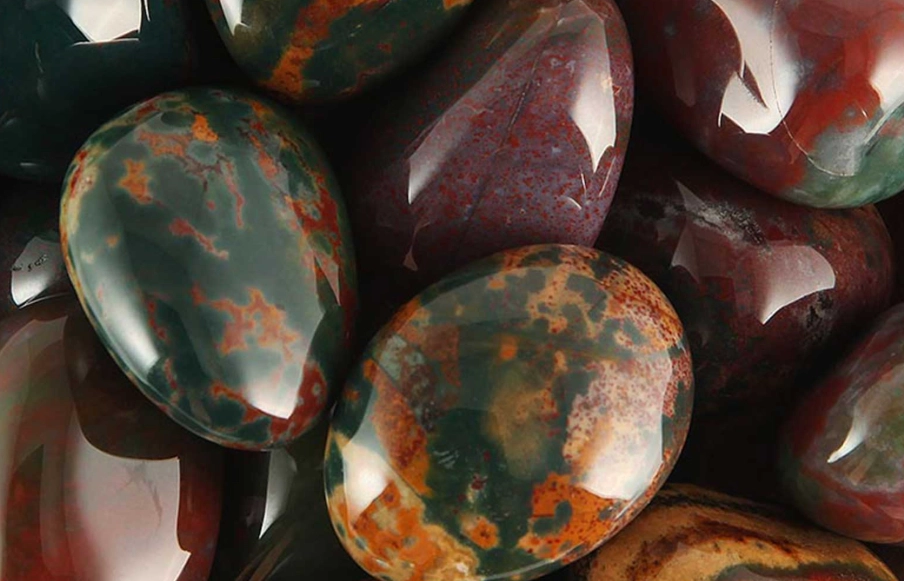
If you're a March baby, or just someone drawn to unique gems, you've probably got questions. What makes this stone special? Is it just a dark green rock? Why is it called BLOODstone? Does it actually do anything, or is that all hype? And most importantly, if you want one, how do you pick a good piece without getting ripped off?
That's what we're going to unpack. Forget the dry, textbook descriptions. Let's talk about the bloodstone birthstone like we're figuring it out together.
Bloodstone at a Glance
Also Known As: Heliotrope (its traditional name)
Birth Month: March (primary alternative to aquamarine)
Color: Deep forest green with red (iron oxide) or sometimes yellow spots.
Hardness: 6.5 to 7 on the Mohs scale – decently tough for daily wear.
Where It's From: India, Brazil, Australia, the United States (mostly).
The Vibe: Grounding, protective, courageous. Less "calm sea," more "ancient forest."
More Than Just a Green Rock: What Exactly Is Bloodstone?
Okay, science time, but I'll keep it painless. Bloodstone is a variety of chalcedony, which is itself a type of quartz. Think of chalcedony as the family – it includes agate, onyx, and carnelian. Bloodstone is the specific family member with a very distinct look.
The base color is that opaque, rich, dark green. It's often described as "jungle green" or "forest green." Then, you get the spots. Those iconic red specks are caused by inclusions of iron oxide, basically rust, within the stone. The pattern is never uniform. Sometimes the red looks like fine sprinkles, sometimes like larger splashes or streaks. That's the "blood" part of the name, though some ancient stories gave that a more literal, dramatic meaning (we'll get to that). You might also see yellow or brown spots, which are other mineral inclusions.
Here's something I find fascinating: no two bloodstones are alike. The distribution of the red is completely random, making each piece unique. It’s like a fingerprint. This is a big part of its charm for me – your bloodstone birthstone jewelry is truly one-of-a-kind.
It's not a flashy, sparkly gem like a diamond. Its beauty is subtle, earthy, and mysterious. You have to look closely to appreciate the detail. In a world of bright, perfect gems, the bloodstone's imperfect, ancient feel is what makes it so compelling.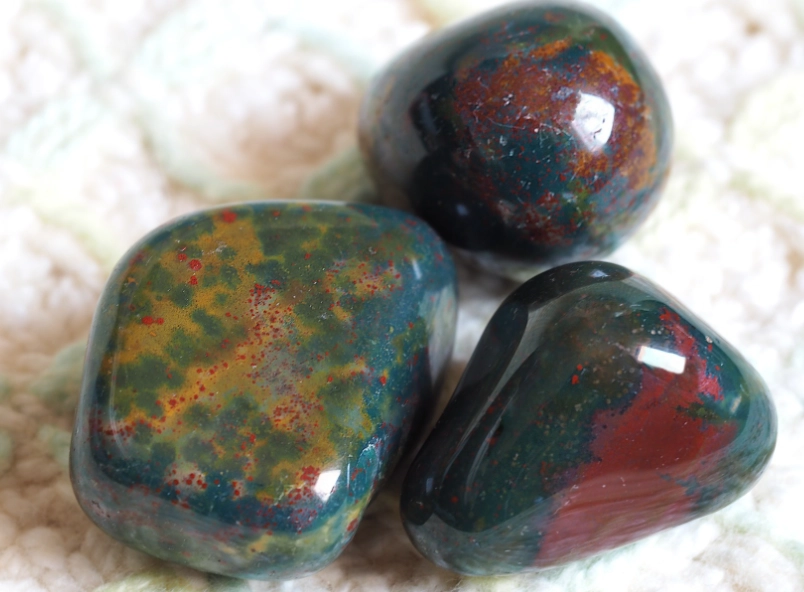
A Stone Steeped in History and Legend
This is where the bloodstone birthstone gets really cool. Its history isn't just old; it's epic. We're talking about a stone that pops up in stories from Babylon to medieval Europe.
The name "heliotrope" comes from ancient Greek, meaning "sun turning." The belief was that if you placed the stone in water under the sun, it could turn the light red. I've never tried this, to be honest, and I'm a bit skeptical it would work with a polished stone, but it shows how ancient people linked it to celestial power.
Now, for the big legend. The most famous story about its origin comes from Christian mythology. It's said that during the crucifixion of Jesus, drops of his blood fell onto a dark green jasper stone at the foot of the cross, staining it forever. This legend is why bloodstone was highly prized in medieval times for carving religious scenes and crucifixes. Whether you take the story literally or symbolically, it cemented the stone's association with sacrifice, martyrdom, and profound spiritual courage.
But it wasn't just a Christian symbol. Ancient Roman soldiers often carried bloodstone amulets into battle, believing it could slow bleeding and make them invulnerable. They associated it with Mars, the god of war (which feels fitting for the March birthstone, as March is named after Mars). Ancient Egyptians used it for seals and amulets for protection in the afterlife.
This long, cross-cultural history as a talisman of power and protection is a huge part of what gives the modern bloodstone birthstone its weight. You're not just wearing a green stone; you're connecting with a symbol that humans have valued for millennia. The Natural History Museum in London has some great online resources that detail this archaeological history if you're a history buff like me.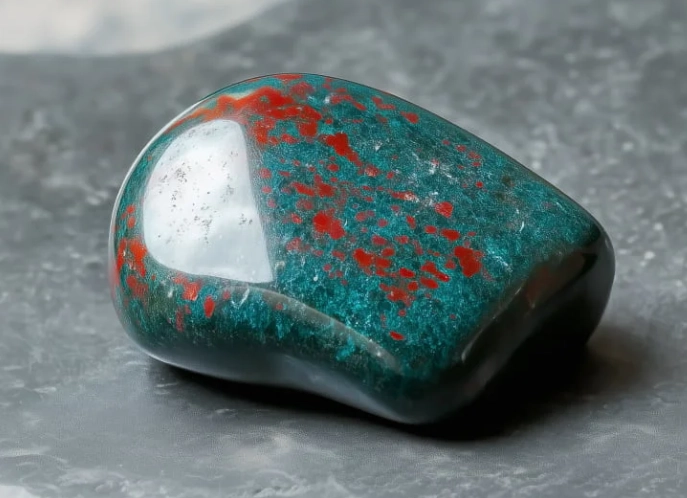
The Healing and Metaphysical Side: Separating Fact from Folklore
Alright, let's talk about the elephant in the room: healing crystals. The bloodstone birthstone is a heavyweight in the world of crystal lore. Now, I need to be upfront – I'm not a doctor, and nothing here is medical advice. But understanding what people have believed about this stone for centuries is part of its story, and it's a big reason why many are drawn to it today.
Historically, bloodstone was the ultimate "first aid" stone. Its very name points to its most famous traditional use: staunching blood flow and treating wounds. Medieval doctors would grind it into powder for potions. Today, in crystal healing practices, it's still considered a master purifier for the blood and a booster for the circulatory system and the heart.
Beyond the physical, the common modern interpretations for the bloodstone birthstone focus on energy:
- Grounding and Courage: It's called the "stone of courage" for a reason. The deep green connects to the earth, helping to ground you during stress or change. It’s said to promote mental clarity and the bravery to make difficult decisions.
- Detoxification: Both physical (supporting liver/kidney function) and emotional (releasing old anger or resentment).
- Protection: A classic talisman for creating an energetic shield against negativity, both from others and self-imposed.
My personal take? I think the power is largely symbolic and psychological. Wearing a bloodstone birthstone ring might not literally lower your blood pressure, but if it reminds you to stand your ground in a tough meeting or helps you feel more anchored on a chaotic day, that's a real effect. The International Gem Society (IGS) provides a more scientific gemological perspective, while also acknowledging these historical beliefs in their articles, which I find balanced.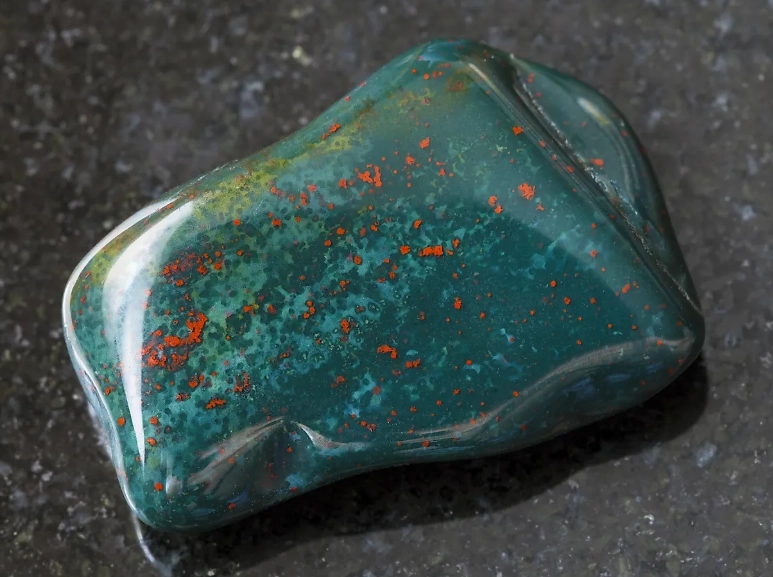
A Quick Reality Check: The crystal healing world can be full of over-the-top claims. I find some of them a bit much. For instance, the idea that any stone can cure a serious illness is dangerous and misleading. View the metaphysical properties as a form of complementary, introspective practice, not a replacement for professional healthcare. The real value of the bloodstone birthstone, for me, is in its history and the mindful intention you attach to it.
Your Practical Guide to Buying a Bloodstone Birthstone
So you're interested in getting one. Great! But the market can be confusing. How do you know you're getting a genuine, good-quality stone? Let's break it down without the jargon.
First, genuine vs. fake. Luckily, bloodstone isn't as commonly faked as, say, turquoise or opal. It's relatively affordable. However, you might see dyed howlite or other green stones passed off as bloodstone. The tell? Real bloodstone's green is deep and often uneven. The red spots are integral, not painted on top. They should look like they're inside the stone. If you see a piece where the red is only on the surface or in perfect, uniform patterns, be suspicious.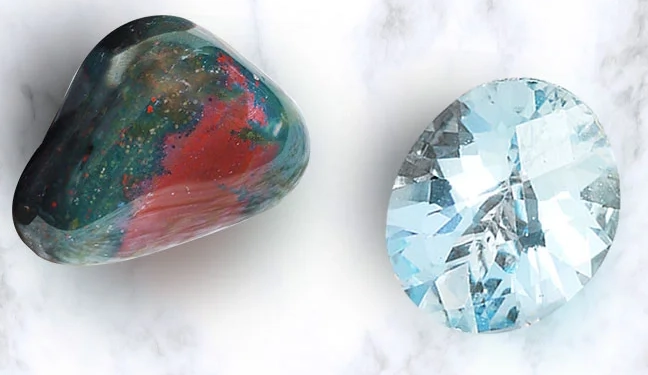
Here’s a simple table to help you evaluate quality when shopping for your bloodstone birthstone jewelry or specimen:
| Feature | High-Quality Look | Lower-Quality / Warning Signs |
|---|---|---|
| Color | Vivid, deep forest green. Red spots are bright and distinct ("blood red"). Good contrast. | Dull, washed-out green. Red spots are brownish, muddy, or barely visible. |
| Pattern | Interesting, well-distributed red spots/splashes. Makes the stone unique. | Very few spots, or spots clustered only on one side. Pattern looks bland. |
| Polish & Cut | Smooth, glossy polish for cabochons. Clean facets if faceted (rare). Shape is symmetrical. | Dull surface, visible scratches, uneven shape. Poor craftsmanship. |
| Clarity & Texture | Opaque and solid. Minor natural inclusions are normal. | Cracks, large pits, or a chalky texture. Can indicate fragility. |
Price? Bloodstone is one of the more accessible birthstones. You're not paying for rarity. You're paying for the artistry of the setting (silver vs. gold) and the quality of the stone cut. A simple, silver bloodstone birthstone ring can be very affordable. A large, high-contrast cabochon in a gold pendant will cost more. It's rarely going to break the bank, which is a nice plus.
Where to buy? Reputable local jewelers, gem shows, or established online mineral dealers. Read reviews. A good seller will be happy to tell you the stone's origin (e.g., "This bloodstone is from India").
Choosing the Right Piece for You
Think about how you want to use the stone's energy (for lack of a better word).
- Ring: For constant contact, grounding, and a reminder of personal strength throughout the day. A bloodstone birthstone ring on the dominant hand can feel like a daily tool.
- Pendant: Worn close to the heart, often associated with emotional healing, courage, and protection of the heart center.
- Bracelet: Great for circulation-related intentions and carrying the energy with you in a noticeable way.
- Tumbled Stone: Perfect for carrying in a pocket, meditating with, or simply holding during stressful moments. The most affordable and flexible option.
I started with a tumbled stone in my pocket. Now I have a simple silver ring I wear when I need a confidence boost. It's less about bling and more about a personal anchor.
Caring for Your Bloodstone: Keeping It Looking Ancient (in a Good Way)
With a hardness of 6.5-7, your bloodstone birthstone is durable enough for everyday wear, but it's not indestructible. It can be scratched by materials harder than it (like quartz in dust, or certainly diamonds).
Cleaning is easy: Warm, soapy water and a soft brush (an old toothbrush works) are perfect. Rinse well. Avoid harsh chemicals, ultrasonic cleaners, and steamers, as they can damage the polish or seep into any tiny cracks.
Storing it: Don't just throw it in a jewelry box where it can rattle against harder gems. Keep it in a soft pouch or a separate compartment. Common sense stuff.
Recharging/Cleansing (if you're into that): Given its earthy nature, many prefer to cleanse bloodstone by placing it on or in the soil of a houseplant, or by letting it sit under moonlight. Some say to avoid salt, as it could be abrasive. I sometimes just hold mine under running water with the intention of washing away the day's stress – simple and effective.
Bloodstone vs. Aquamarine: The March Birthstone Dilemma
March folks have a choice. How do you pick? It's like choosing between a serene lake and an ancient forest.
Aquamarine is all about calm, clarity, communication, and peace. It's light, airy, and connected to water. It's the stone for soothing anxiety and speaking your truth gently.
The bloodstone birthstone is about action, grounding, courage, and vitality. It's dark, earthy, and connected to the land and blood. It's the stone for getting through challenges and standing your ground.
You don't have to choose one forever. Maybe you need an aquamarine pendant for a period of seeking peace, and a bloodstone ring for a time when you're launching a big project or navigating a life change. Many March babies I know own both and switch based on their needs. The official American Gem Society lists both as modern March birthstones, so you're covered either way.
My Opinion? Aquamarine gets all the glamour. It's in every major jewelry brand's birthstone collection. Bloodstone is the underdog. It feels more personal, less commercial. Choosing the bloodstone birthstone often feels like a more intentional, individualistic decision. It says you looked beyond the default option.
Answering Your Bloodstone Birthstone Questions
Let's tackle some of the specific things people are searching for.
See? The questions aren't that mysterious once you get past the surface.
Wrapping It Up: Is the Bloodstone Birthstone Right for You?
Choosing a birthstone is personal. The bloodstone birthstone won't be for everyone. If you love sparkle, bright colors, and delicate jewelry, you might prefer aquamarine.
But if you're drawn to stones with history, weight, and a touch of the mysterious, bloodstone is a profound choice. It's for the person who values resilience over radiance, substance over sparkle. It's for the March baby who wants a stone that reflects depth, courage, and a connection to something ancient and enduring.
It's not just an alternative birthstone; it's a statement. A statement that says you carry a piece of the earth's strength and humanity's oldest stories with you.
Maybe start with a small, tumbled stone. Hold it. See if its quiet, grounded energy speaks to you. You might just find, like I did, that this dark green stone with flecks of red becomes more than a gem—it becomes a companion.