In This Guide
- The Diamond: Unpacking the Classic April Birthstone
- The Official Alternative: April's Second Birthstone
- Beyond the List: Other Stones Associated with April
- Choosing Your April Birthstone: A Practical Comparison
- Caring for Your April Birthstone Jewelry
- Design Ideas for April Birthstone Jewelry
- Answering Your April Birthstone Questions
- Wrapping Up: Finding Your Perfect April Stone
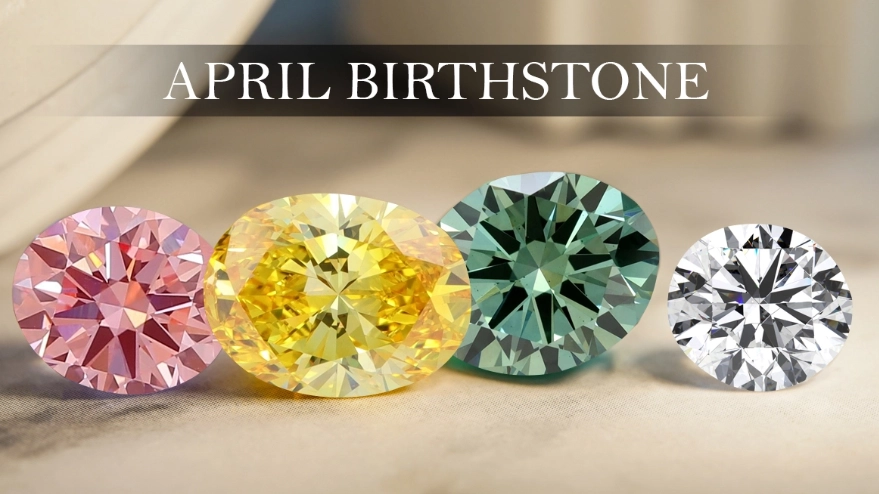
So you're an April baby, or maybe you're shopping for one. The first thing anyone tells you is "diamond." It's the classic April birthstone, no question. But here's the thing I've learned after talking to jewelers and friends who own these pieces – there's a whole world beyond that single word. The diamond as the April birthstone carries centuries of baggage, incredible beauty, and honestly, a bit of controversy these days. And guess what? It's not the only stone on the block for April.
I remember helping a friend pick out an April birthstone ring. She loved the idea of a diamond but felt uncomfortable with the traditional mining stories. That sent us down a rabbit hole of alternatives, lab-grown options, and the real meaning behind a birthstone. Is it just about the flash, or is there something more? That experience is what sparked this deep dive.
This guide isn't just a rehash of generic facts. We're going to get into the good, the complex, and the stunningly beautiful details of the April birthstone. Whether you're set on a diamond or curious about what else represents April, you'll find what you need here.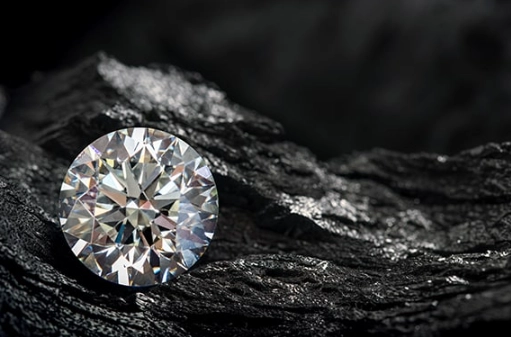
The Diamond: Unpacking the Classic April Birthstone
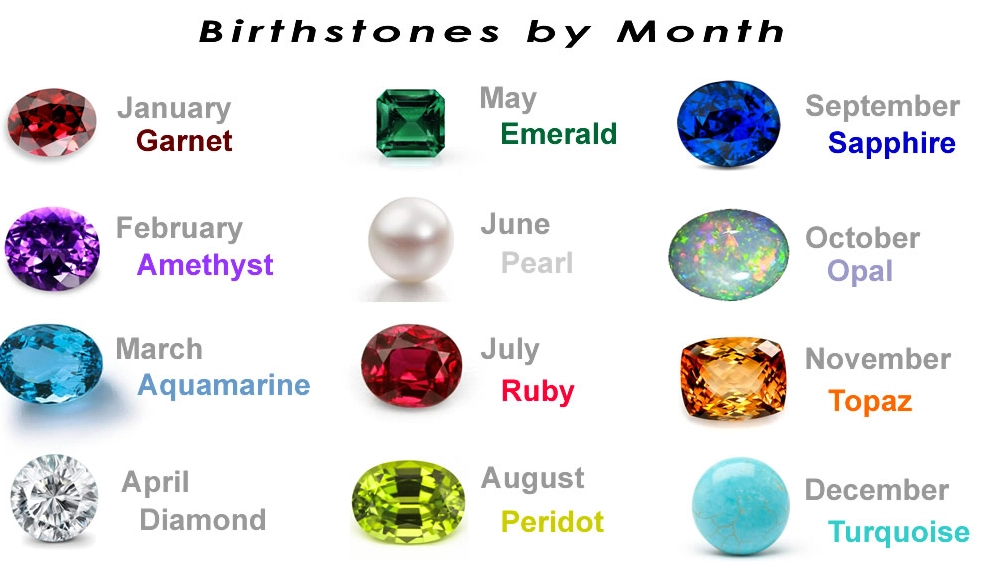
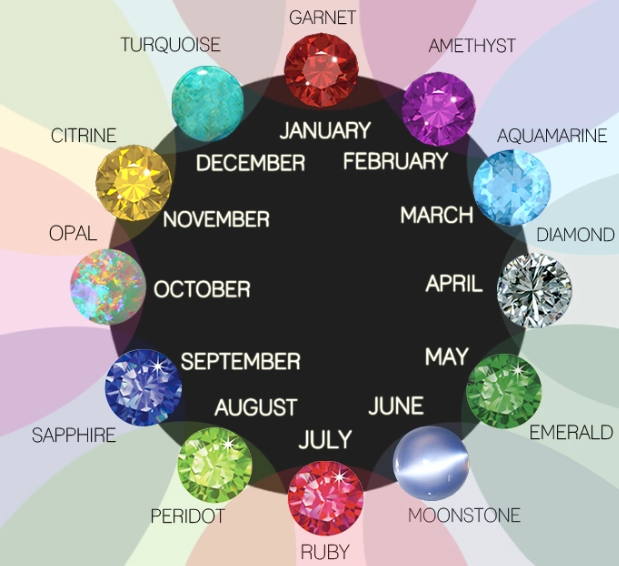
Let's start with the headline act. The diamond's association with April feels ancient, and that's because it is. The modern birthstone list we use was standardized by jewelers in the 1910s, cementing diamond's place. But its symbolism runs way deeper.
Diamonds are all about invincibility. The name comes from the Greek 'adamas,' meaning unconquerable or invincible. It's no wonder they became linked to eternal love and commitment. For an April birthstone, it symbolizes clarity, strength, and enduring love – pretty fitting for a month that bridges the gap between spring's hope and summer's promise.
But here's a personal take: the pressure to have a diamond as your April birthstone can be intense. It's the most marketed gem on earth. The brilliance is undeniable, but it's worth asking if its meaning resonates with you personally.
Beyond the Sparkle: Diamond Properties 101
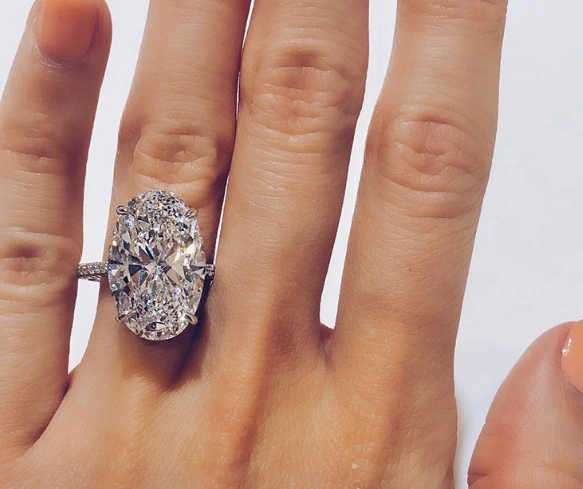
What makes a diamond, well, a diamond? It's pure carbon formed under immense heat and pressure deep in the Earth. That simple composition creates a gem with unmatched hardness (a perfect 10 on the Mohs scale). This hardness is why it's so resistant to scratches, making it a practical choice for everyday wear like an April birthstone ring.
When evaluating a diamond, jewelers talk about the Four Cs: Cut, Color, Clarity, and Carat. The Gemological Institute of America (GIA) developed this system, and it's the global standard.
- Cut: This isn't about shape (round, princess) but about how well the facets interact with light. A great cut gives that famous fire and brilliance. A poor cut can make even a large stone look dead.
- Color: We're talking the absence of color here. The scale goes from D (colorless) to Z (light yellow/brown). For a classic white look, you generally want in the D-F range. But fancy colored diamonds (blues, pinks) are a whole other, incredibly expensive, ball game.
- Clarity: Refers to internal inclusions and external blemishes. Flawless diamonds are rare. Most have tiny imperfections invisible to the naked eye (VS or SI grades).
- Carat: Simply the weight. Bigger is more expensive, but cut quality can make a smaller diamond look more impressive.
The Modern Dilemma: Ethics and Alternatives
This is the part most generic guides gloss over. The diamond industry has a complicated history. The term "blood diamond" forced a major reckoning. Today, the Kimberley Process aims to curb conflict diamonds, but it's not perfect. Critics argue loopholes remain.
This has led to two major shifts for the April birthstone market:
- Lab-Grown Diamonds: These are real diamonds—chemically, physically, and optically identical to mined ones. They're created in weeks under controlled conditions. The big draw? Price (often 30-50% less) and a guaranteed conflict-free origin. The downside? They don't hold resale value like natural stones. For many April babies, the ethical peace of mind is worth it.
- Radical Transparency: Many jewelers now source from specific mines with verifiable ethical and environmental practices. Brands like Brilliant Earth build their marketing on this. It requires asking more questions, but it's possible to find a natural diamond with a cleaner history.
I have a lab-grown diamond in my own pendant. I love it, but I won't pretend it's an investment. It's a beautiful, personal April birthstone symbol, and that's enough for me.
The Official Alternative: April's Second Birthstone
Wait, there's another one?
Yes! This is a fun piece of trivia that even many April babies don't know. In 1952, the Jewelry Industry Council officially designated a second, less expensive alternative to diamond: clear quartz (rock crystal).
Why quartz? It's a brilliant, clear stone that offers a similar aesthetic to diamond at a fraction of the cost. It represents clarity and amplification. In metaphysical circles, it's known as a "master healer" that amplifies energy and thought. It’s a fantastic option if you love the look of a clear gemstone but have a tight budget or simply prefer a more understated, accessible stone for your April birthstone collection.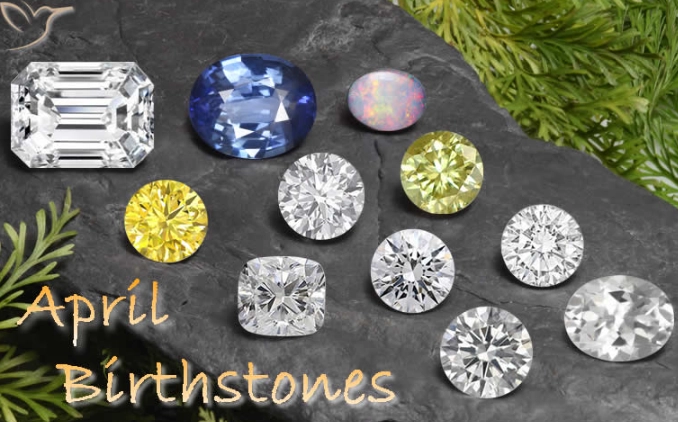
Beyond the List: Other Stones Associated with April
History and tradition are messy. Before standardization, different cultures linked different stones to April. Exploring these gives you even more options if you're looking for a unique connection to the month.
- Sapphire: Some ancient lists, including ones cited by the GIA's historical overview, named sapphire for April. Not just blue, but the rare white sapphire is a stunning, durable (Mohs 9) diamond alternative.
- Opal: Occasionally listed in very old traditions. A risky choice for daily wear due to its softness and sensitivity to water, but its play-of-color is unmatched.
- Emerald: Appeared on some 15th-16th century lists. Its lush green perfectly captures April's spring essence.
The point is, if you feel a stronger pull to a deep blue sapphire or a vibrant emerald than to a clear diamond, there's historical precedent for claiming it as your April birthstone. Modern birthstone lists are a guide, not a law.
Choosing Your April Birthstone: A Practical Comparison
Let's put this all side-by-side. Choosing between diamond, quartz, and the other options comes down to budget, lifestyle, and personal values.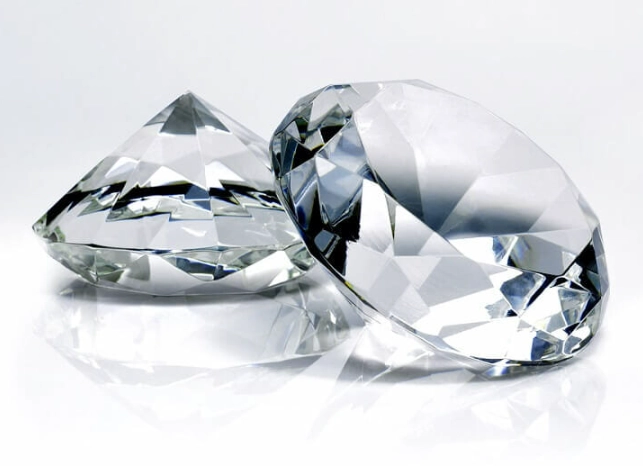
| Gemstone | Hardness (Mohs) | Key Appeal | Considerations | Best For... |
|---|---|---|---|---|
| Natural Diamond | 10 | Ultimate brilliance, tradition, durability, investment potential. | High cost, ethical sourcing concerns, high insurance value. | Heirloom pieces, engagement rings, those valuing tradition. |
| Lab-Grown Diamond | 10 | Identical look to natural, lower price, guaranteed ethical origin. | No resale value, some may perceive as "less authentic." | Ethical shoppers, larger stone on a budget, modern symbolism. |
| Clear Quartz | 7 | Affordability, clarity, metaphysical properties, official alternative. | Less brilliant than diamond, can scratch over time. | Everyday casual jewelry, gift-giving, spiritual connections. |
| White Sapphire | 9 | Excellent durability, natural gem, unique historical link. | Has a more greyish/glassy look compared to diamond's fire. | Durable alternative rings, lovers of natural gems with history. |
Caring for Your April Birthstone Jewelry
Different stones need different love. A diamond might be hard, but that doesn't mean it's invincible.
Quartz & Other Alternatives: With lower hardness, the main enemy is scratching. Store them separately from harder gems. Clean with the mild soapy water method, but be gentler. Avoid steam cleaners for opal or emerald.
The universal rule? Take off your jewelry before heavy chores, gym sessions, or swimming in chlorinated pools. It's the simplest way to prevent 90% of damage.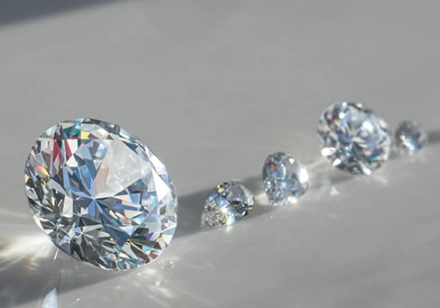
Design Ideas for April Birthstone Jewelry
How do you wear it? The beauty of the April birthstone, especially diamond and quartz, is its versatility.
- Solitaire Everything: Let the stone speak for itself. A solitaire pendant, ring, or pair of stud earrings is timeless.
- Accent Stone: Use smaller diamonds or white sapphires to frame a center stone of another color. An emerald (April's historical stone) surrounded by diamonds is a gorgeous nod to the month.
- Modern & Geometric: Raw, uncut diamonds or quartz points set in modern yellow gold are a huge trend. It feels fresh and personal.
- Birthstone Stack: Combine an April diamond or quartz ring with other family members' birthstones on a stacking ring. Adds personal narrative.
I'm seeing more men opt for April birthstone pieces too—a simple bezel-set diamond or quartz in a signet ring or cufflinks looks incredibly sharp.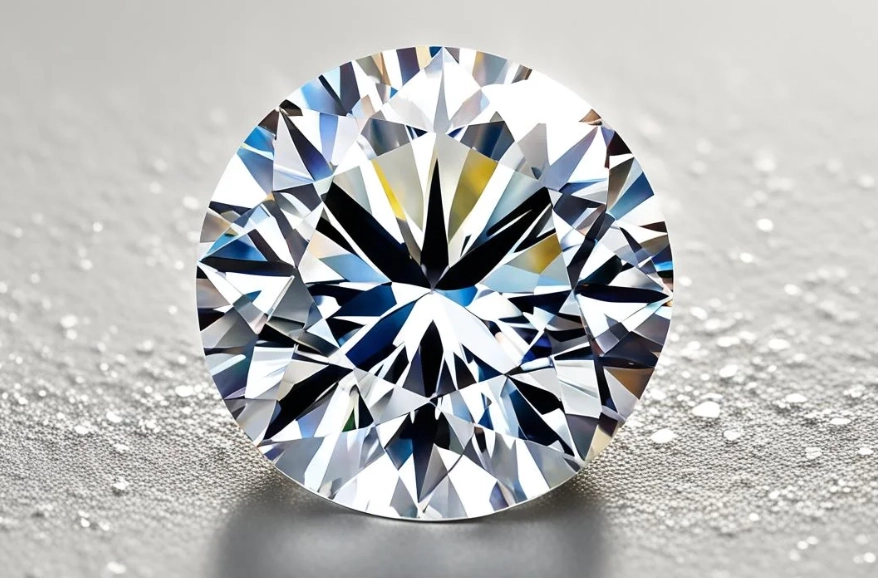
Answering Your April Birthstone Questions
Wrapping Up: Finding Your Perfect April Stone
Choosing an April birthstone is a journey into symbolism, history, ethics, and personal style. The diamond is a legendary choice, unmatched in its brilliance and durability. But it's not the only path.
Whether you're drawn to the timeless fire of a diamond (natural or lab-grown), the clear purity of official alternative quartz, or the historical intrigue of a sapphire, your choice should reflect what matters to you. Your April birthstone is a marker of your birth month, a piece of personal adornment, and potentially, a small statement of your values.
Look at your lifestyle. Consider your budget. Think about what you want this stone to represent. Then, with this guide in your back pocket, you can confidently find or choose a piece that feels truly yours. After all, that's what a birthstone should be—a personal treasure, not just a prescribed gem.
So, to all the April babies out there, happy hunting. Your perfect stone is waiting.