Quick Navigation
- The Real Story: Where Your Diamond Birthstone Comes From
- What Does a Diamond Birthstone *Actually* Symbolize?
- The Big Buying Guide: Navigating the 4 Cs for Your Birthstone
- Beyond the Classic White: Alternative Diamond Birthstone Ideas
- How to Care for Your Diamond Birthstone (It's Not Indestructible)
- Answering Your Burning Diamond Birthstone Questions
- Putting It All Together: Finding Your Perfect Piece
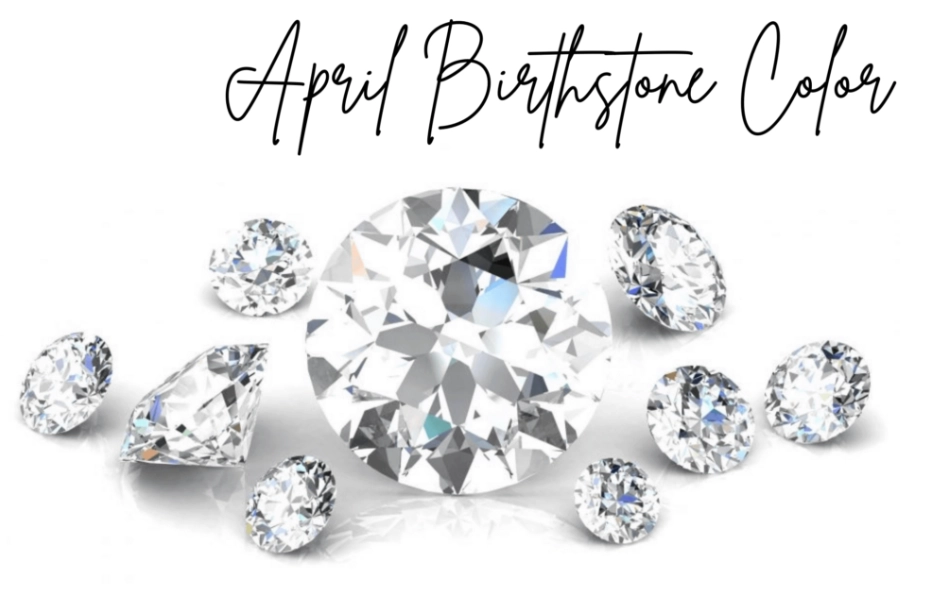
Let's be honest, when you hear "diamond birthstone," your mind probably jumps straight to a blindingly expensive engagement ring or a red carpet necklace. It's the rockstar of gems, the one everyone knows. But if you're an April baby, or you're shopping for one, there's so much more to your birthstone than just its price tag and sparkle. I remember buying my first piece of diamond birthstone jewelry for my mom's April birthday. I was so focused on getting something "clear" and "shiny" that I completely missed the story behind it. I wish I'd known then what I'm about to share with you now.
This guide is for anyone who feels a bit overwhelmed by the diamond. We're going to peel back the layers of marketing and look at what this gem really means, where it comes from, and how to choose one that's perfect for you—without getting lost in jargon or breaking the bank unnecessarily. Think of this as a friendly chat over coffee about all things diamond birthstone.
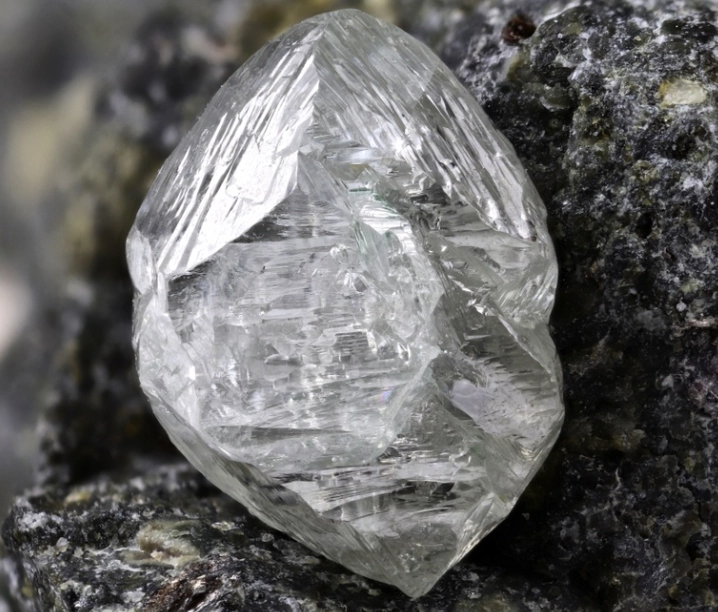
The Real Story: Where Your Diamond Birthstone Comes From
Forget the idea of diamonds just magically appearing in a jeweler's case. The journey of a diamond, especially one destined to be a meaningful diamond birthstone, is epic. We're talking about carbon atoms subjected to insane heat and pressure deep within the Earth's mantle, over a billion years ago. That's not a typo. One billion years. It puts that April birthday into a whole new perspective, doesn't it?
Then, violent volcanic eruptions called kimberlite pipes had to blast them up to where humans could eventually find them. Most of this happens in a handful of places: Botswana, Russia, Canada, Australia, and a few others. The origin story matters more than you might think. For instance, Canadian diamonds often come with a promise of ethical mining, which is a huge deal for many buyers today. It's not just about the rock; it's about the story attached to it.
Fun Detour: Did you know the tradition of birthstones itself is ancient? It's commonly traced back to the Breastplate of Aaron described in the Bible (Exodus 28:15-30), which had twelve gems representing the tribes of Israel. The modern list we use, with diamond for April, was standardized much later by jewelers in the 18th and 19th centuries. So, while the diamond's connection to April is now set in stone (pun intended), its history in birthstone lore is a fascinating mix of ancient tradition and modern commerce.
What Does a Diamond Birthstone *Actually* Symbolize?
This is where it gets interesting. Sure, everyone says "eternal love" because of De Beers' legendary marketing campaign in the last century. And yes, its incredible hardness (a perfect 10 on the Mohs scale) makes it a powerful metaphor for unbreakable commitment. But that's just the surface.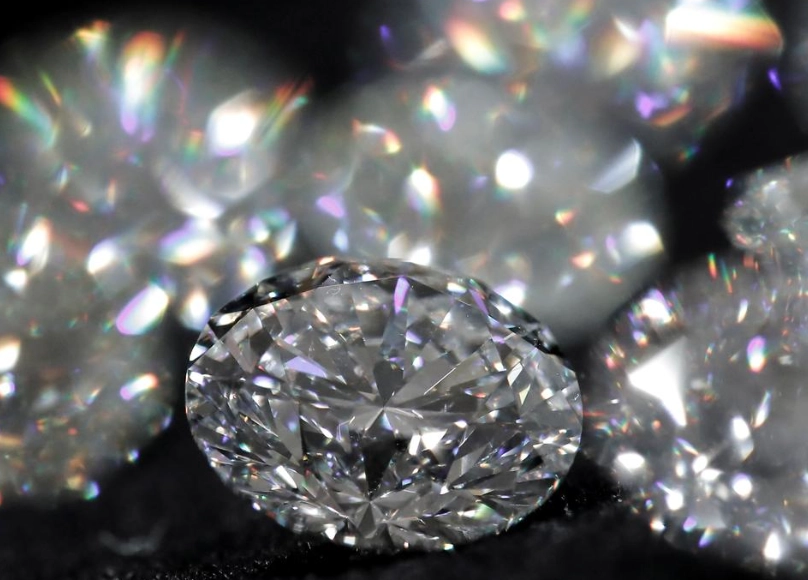
Historically, diamonds were believed to possess a ton of other properties:
- Clarity of Mind: Ancient thinkers thought diamonds could ward off insanity and bring mental clarity. Maybe that's why an April baby might need a little help thinking straight sometimes (I kid, I kid).
- Invincibility: Warriors in ancient India wore them as talismans for protection in battle. A diamond birthstone can be a modern talisman too—a reminder of inner strength.
- Healing: In medieval times, they were ground up and ingested as a cure for illness (a terrible, wasteful idea, by the way—don't try this!).
Today, I like to think the core meaning of the April birthstone has evolved. It's about enduring strength, pure intentions, and the clarity that comes with facing challenges head-on. It's less about being flashy and more about being resilient and true. For an April baby, it can symbolize the fresh, clear energy of spring after the long winter.
The Big Buying Guide: Navigating the 4 Cs for Your Birthstone
Alright, let's get practical. You want to buy a diamond birthstone piece. You walk into a store or go online and get hit with "Cut, Color, Clarity, Carat." It feels like a secret code. Let's break it down in plain English, focusing on what *really* matters for a birthstone you'll love wearing every day.
Cut: The Showstopper
This is the most important C, hands down. A great cut makes a diamond sparkle; a poor cut makes even a big, clear stone look dull. It's about how well the facets are angled to reflect light. Don't just go for the biggest stone if the cut is bad. For a diamond birthstone that's meant to be worn and admired, prioritize cut grade. Excellent or Very Good should be your target.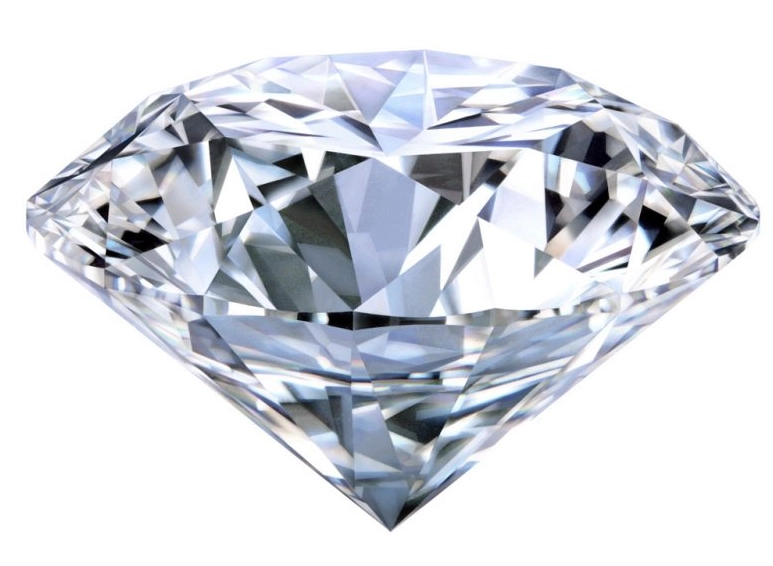
Color: It's Not Just "White"
We're talking about the absence of color here. The scale goes from D (colorless) to Z (light yellow/brown). Here's my personal take: you don't need a D-F grade unless you have an unlimited budget. A G or H color diamond looks absolutely white to the naked eye, especially once it's set in jewelry. Going for a slightly lower color grade is the smartest way to save money without sacrificing beauty. For a yellow or rose gold setting, you can go even lower (I or J) because the metal will mask any faint warmth.
Clarity: Embrace the Fingerprints
Clarity refers to internal (inclusions) and external (blemishes) flaws. The flawless ones are insanely rare and expensive. For a piece of jewelry, especially something like a pendant or earrings where the stone isn't scrutinized from 2 inches away, you don't need flawless. An SI1 or SI2 (Slightly Included) stone is almost always "eye-clean," meaning you can't see flaws without a loupe. VS1 or VS2 (Very Slightly Included) is a sweet spot. Save your money here.
Carat: The Size (and Budget) Factor
This is just weight, not diameter. A well-cut 0.9-carat diamond can face up (look as large) as a poorly cut 1.0-carat stone. Don't get hung up on round numbers. Also, price jumps at "magic sizes" (0.5ct, 1.0ct, 1.5ct). Consider a 0.48 or 0.49-carat stone—it will look nearly identical to a 0.5 but cost significantly less.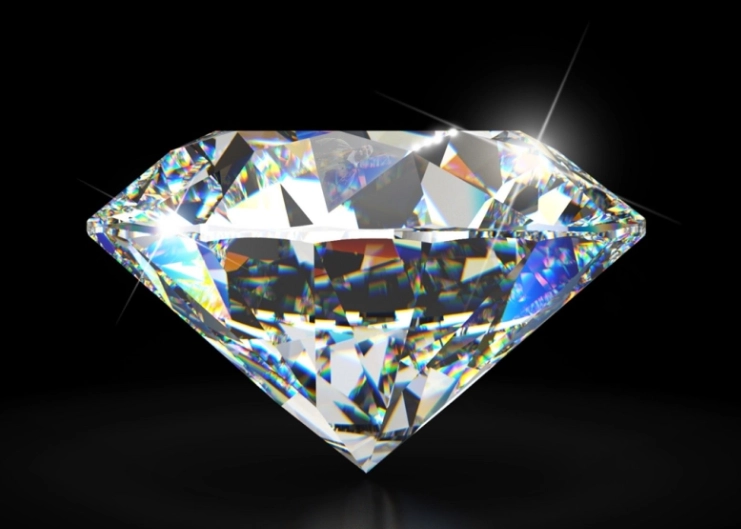
Pro-Tip from a Past Mistake: I once bought a diamond solitaire pendant online based on carat weight alone. When it arrived, it looked tiny and dull. I learned the hard way that the cut was shallow, making it spread its weight out wide but lose all its depth and fire. Cut is king. Always.
To make this easier, here's a quick reference table for a balanced, beautiful diamond birthstone on a realistic budget:
| Priority Level | Cut | Color | Clarity | Carat (Example) | Best For |
|---|---|---|---|---|---|
| Top Tier (No Compromise) | Excellent | G-H | VS2 | 0.70 - 1.00 ct | An engagement ring or a signature piece worn daily. |
| Smart Saver (Best Value) | Very Good | I-J | SI1 | 0.50 - 0.75 ct | Earrings, pendants, or a right-hand ring. Fantastic everyday sparkle. |
| Budget Friendly (Still Beautiful) | Good | K-L | SI2 | 0.25 - 0.40 ct | Delicate stackable rings, accent stones, or a first birthstone gift. |
Beyond the Classic White: Alternative Diamond Birthstone Ideas
Wait, diamonds aren't just clear? Nope! And this is a fantastic way to get a unique and often more affordable diamond birthstone. If you think a classic white diamond is a bit too traditional, explore these:
- Salt & Pepper Diamonds: My personal favorite. They're filled with black and white inclusions that look like a starry night sky or a storm cloud. They're opaque, moody, incredibly unique, and usually much less expensive than their "flawless" cousins. They have so much character.
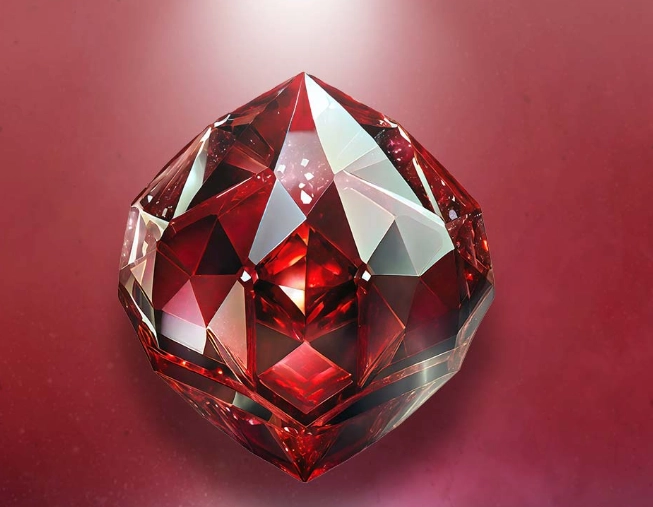
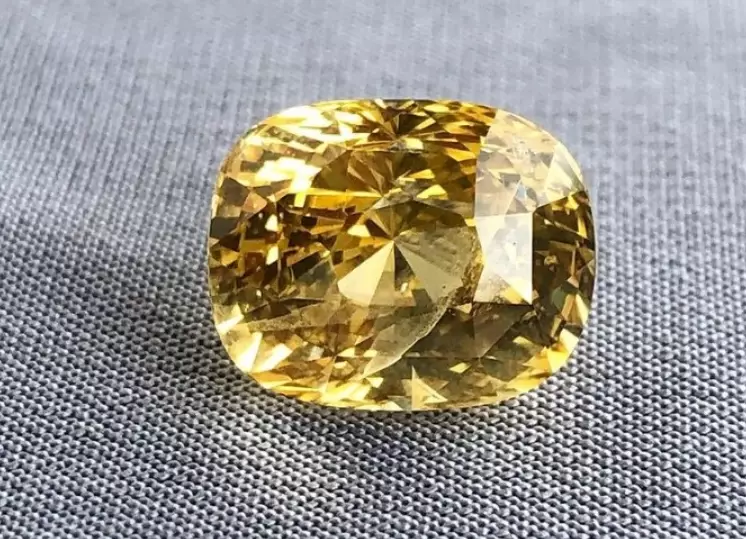
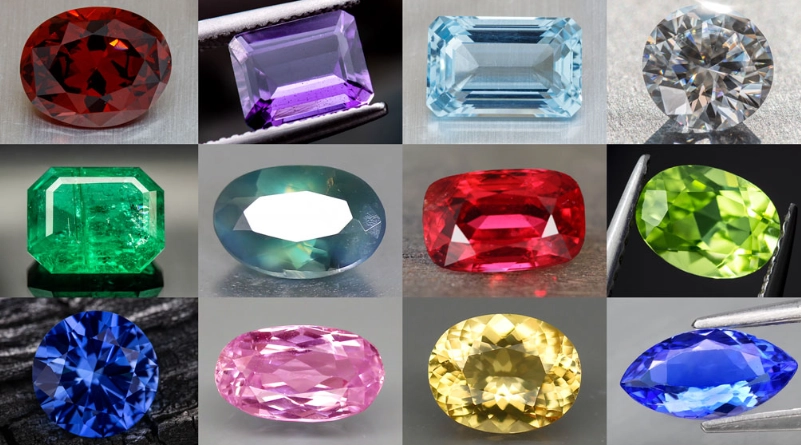
- Fancy Colored Diamonds: Yes, diamonds come in yellow, pink, blue, and even red! These are rare and can be very pricey (especially pinks and blues), but a light champagne or cognac diamond can be a stunning and warm alternative for an April birthstone.
- Rose Cut or Old Mine Cut Diamonds: These antique-style cuts have larger facets and a flat bottom, giving them a softer, more ethereal glow rather than a fiery sparkle. They look vintage and romantic.
How to Care for Your Diamond Birthstone (It's Not Indestructible)
Here's a myth we need to bust right now: diamonds are not indestructible. Yes, they're the hardest natural material, but "hardness" means resistance to scratching. They can still chip or cleave if hit at the right angle against a hard surface. I learned this after accidentally whacking my grandmother's diamond ring against a granite countertop. A tiny, heartbreaking chip.
So, treat your diamond birthstone with respect:
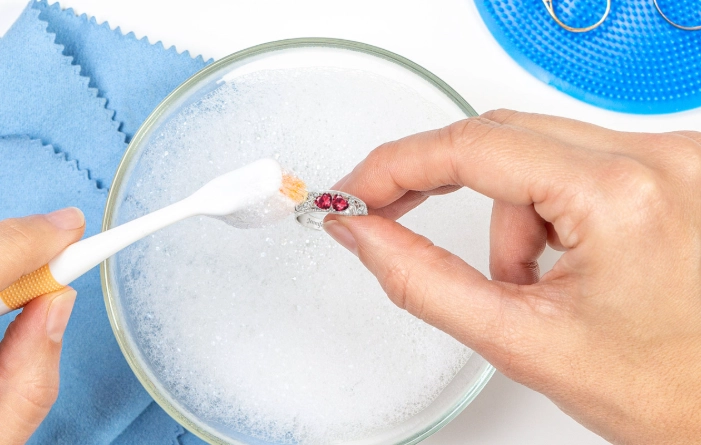
- Keep it Clean: Diamonds attract grease (from lotion, cooking, your skin), which makes them look dull. A simple soak in warm water with a few drops of mild dish soap, followed by a gentle scrub with a soft toothbrush, works wonders. Do this monthly.
- Store it Alone: Diamonds can scratch other jewelry, including other diamonds! Keep them in a soft pouch or a separate compartment in your jewelry box.
- Take it Off: Gardening, cleaning (household chemicals), working out, or doing dishes? Take your ring or bracelet off. It's just smart.
- Get it Checked: Have a jeweler check the prongs and setting once a year. A loose prong is an invitation for a lost stone.
Answering Your Burning Diamond Birthstone Questions
This is the hottest topic. Chemically, physically, and optically, yes, a lab-grown diamond is a real diamond. It's not cubic zirconia or moissanite. It's carbon crystallized in the diamond structure, just created in weeks in a controlled environment instead of over eons in the earth. The Federal Trade Commission agrees. For an April baby who values ethics, environmental impact, or simply wants a larger or higher-quality stone for their budget, a lab-grown diamond is a 100% valid and stunning choice for a diamond birthstone. The meaning you attach to it is what matters most.
Absolutely. Traditionally, clear quartz or white sapphire were used as more affordable stand-ins. Today, the most popular alternative is moissanite. It's a gemstone in its own right (silicon carbide), discovered in a meteor crater. It has more fire (rainbow flashes) than a diamond and is nearly as hard. It's a brilliant, durable, and ethical option if the diamond price point is a barrier. No one should feel pressured into debt for a birthstone.
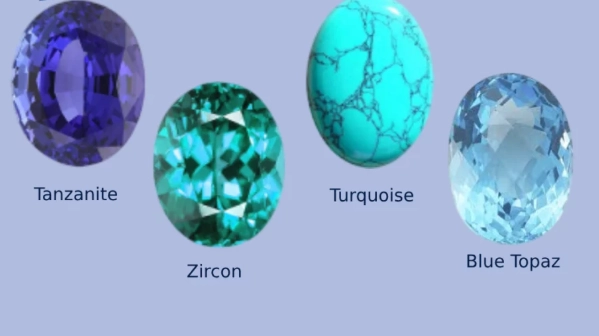
Officially, no. Diamond is exclusively for April. But here's the cool thing: many cultures have multiple birthstone lists. Some older lists even associate diamond with other months. More importantly, jewelry is personal. If you love diamonds and you're a December baby (hello, blue zircon or turquoise!), there's no rule saying you can't wear one. But if you're specifically seeking the traditional birthstone meaning tied to your month, April has the lock on diamond.
Myth Buster: "A diamond is an investment." For 99.9% of people buying retail jewelry, this is false. The resale value of a diamond is typically a fraction of what you paid. Buy a diamond because you love it and will wear it, not because you think it's a financial asset. That mindset takes a lot of pressure off the purchase.
Putting It All Together: Finding Your Perfect Piece
So, where do you start? First, think about the wearer's style. Is it minimalist? Bold? Vintage? A simple solitaire pendant speaks volumes. A pair of diamond stud earrings is arguably the most versatile piece of jewelry anyone can own. A right-hand ring with a salt & pepper diamond makes a statement.
Second, set a realistic budget and stick to it. Use the 4C guide above to allocate that budget wisely—prioritize cut.
Third, decide on your values. Is the origin story of an earth-mined diamond important? Or are the ethical and price benefits of a lab-grown stone more aligned with you? There's no wrong answer, only your answer.
Finally, remember that the best diamond birthstone is the one that brings you joy every time you see it on your hand, at your neck, or on your ears. It's a piece of the earth's incredible history, a symbol of clarity and strength, and a personal celebration of an April birthday. Its value isn't just in its carats or clarity report; it's in the meaning you赋予 it and the memories it will hold.
Look beyond the sparkle. Find the story that resonates with you. That's how you choose a diamond birthstone that's truly, unforgettably yours.