Quick Guide
- Why Emerald? The Story Behind Your May Birthstone
- More Than Just Pretty: What Your Emerald is Supposed to Mean
- Buying an Emerald? Don't Get Fooled by the Green.
- Keeping Your May Birthstone Alive: Care is NOT Optional
- Emerald vs. The Imposters: Know Your Green Stones
- Your May Birthstone Questions, Answered (No Nonsense)
- Wrapping It Up: Your Stone, Your Story
Let's talk about the May birthstone. If you're born in May, you've hit the jackpot in my opinion. While other months get nice stones, you get emerald. It's not just a green rock; it's got this depth and history that feels almost unfair to the other months. I remember the first good emerald I held – it wasn't even mine, a friend was showing off her grandmother's ring. The color wasn't just green; it was like holding a piece of a deep, secret forest. That's the thing about the May birthstone. It's an experience.
But here's where people get tripped up. They hear "emerald" and think it's just about the color. Or they see a cheap mall version and think that's all there is. Nope. There's a whole world to unpack here, from why it's been obsessed over for thousands of years to how you can actually buy a good one without getting ripped off. That's what we're doing today. No fluff, just the stuff you actually need to know.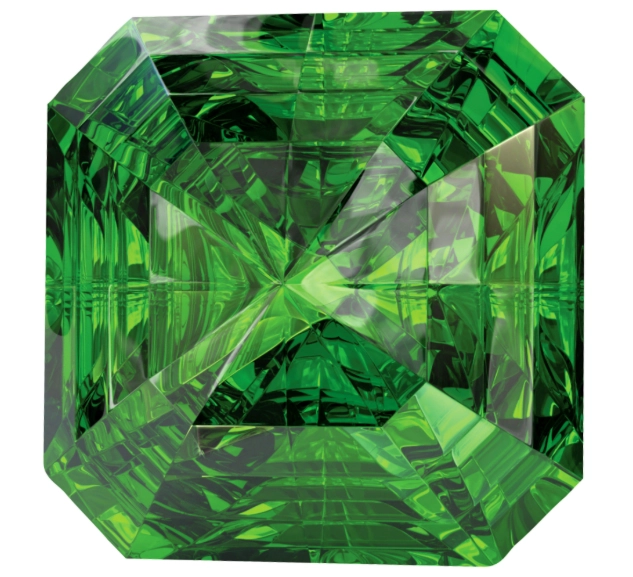
Quick Take: The May birthstone is exclusively emerald, a variety of the mineral beryl. Its iconic green comes from trace amounts of chromium and sometimes vanadium. It's one of the four traditional "precious gems" alongside diamond, ruby, and sapphire.
Why Emerald? The Story Behind Your May Birthstone
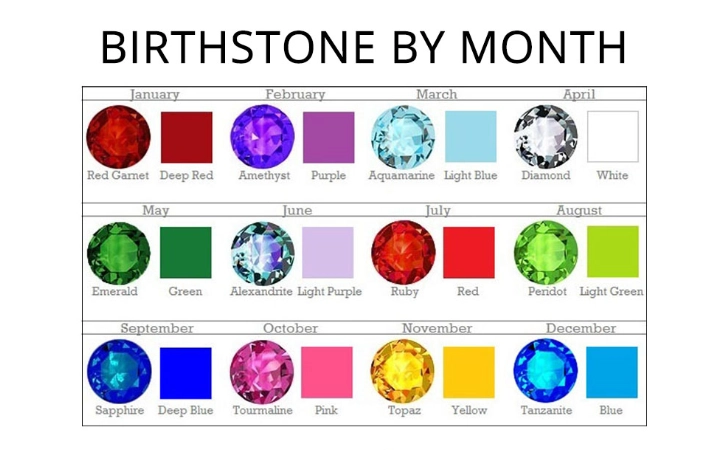
Ever wonder why emerald got picked for May? It's not random. The connection goes way back, long before modern birthstone lists were a thing. The idea of linking gems to months has roots in the Bible's Breastplate of Aaron, but our modern list was standardized in 1912 by the Jewelers of America to, well, sell more jewelry. But they were smart about it – they matched May with emerald because it perfectly captures the essence of the month.
Think about it. May is spring in full swing (in the Northern Hemisphere, at least). Everything is lush, reborn, vibrantly green. Emerald is the literal embodiment of that life force. It's not a pale spring green; it's a rich, saturated, living green. Cultures across history saw this too. The Incas and Aztecs worshipped it. Cleopatra was famously obsessed with it, claiming mines in Egypt for her own. Romans like Pliny the Elder wrote about it, saying "nothing greens greener." He wasn't wrong.
I find it funny how some modern birthstone lists try to add alternatives like chrysoprase. Sorry, but no. For May, it's emerald or nothing. Those alternatives are fine stones, but they don't carry the same weight, the same history. It feels like trying to substitute a masterpiece with a poster print.
This deep history isn't just trivia. It's why your May birthstone feels significant. When you wear an emerald, you're connecting to a chain of human admiration that stretches back millennia. That's pretty cool.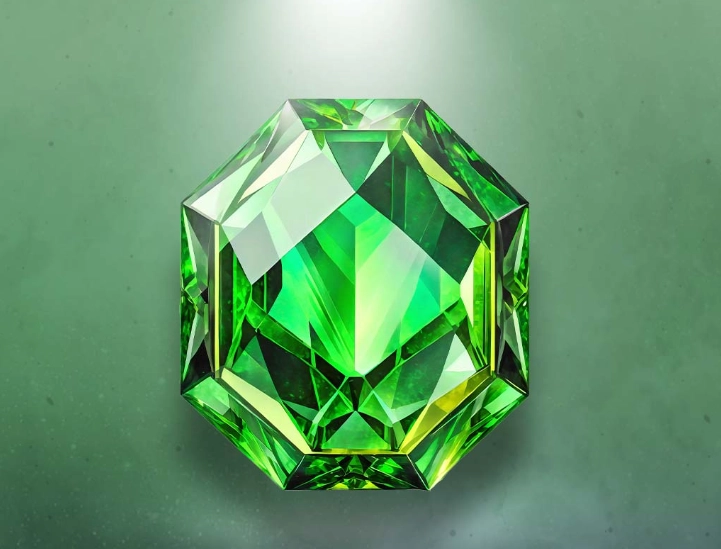
More Than Just Pretty: What Your Emerald is Supposed to Mean
Alright, let's talk meaning. Every birthstone comes with a suitcase of symbolism, and emerald's is packed full. Most of it revolves around its color. Green has always meant growth, renewal, and abundance. It's the color of life itself. So, the May birthstone naturally became a talisman for these things.
It's famously known as the stone of love and rebirth. Not the hot, passionate love of a ruby, but a deeper, more compassionate and loyal love. In ancient lore, it was dedicated to Venus, the goddess of love and beauty. People believed it could strengthen relationships, promote harmony, and even help you find your soulmate. (No guarantees on that last one, but it's a nice thought.)
Then there's the wisdom angle. Many cultures believed emeralds could enhance memory, intelligence, and eloquence. Some even thought placing one under your tongue would help you see the future. I wouldn't recommend trying that – it's a choking hazard and frankly, a waste of a good gem.
The Core Symbolism of the May Birthstone
If you boil it all down, the emerald birthstone is about three big ideas:
1. Unwavering Love & Fidelity: Think of it as a guardian of relationships, promising loyalty and understanding.
2. Renewal & Hope: Its green is the color of spring, symbolizing fresh starts and new growth. Perfect for anyone needing a boost.
3. Wisdom & Truth: It's associated with clear sight, both literally (old tales say it improves eyesight) and metaphorically, helping you see situations and people for what they truly are.
Now, does any of this have scientific backing? Of course not. It's folklore, metaphysics, personal belief. But that's the fun of a birthstone. You get to decide what it means for you. Maybe for you, the May birthstone is just a stunning piece of nature you get to wear. That's perfectly valid too.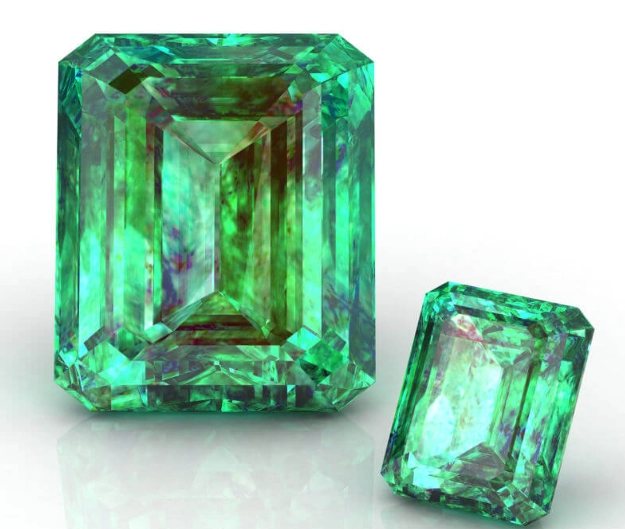
Buying an Emerald? Don't Get Fooled by the Green.
This is the part most people dread. Buying gemstones feels like a minefield. With emeralds, it's especially tricky because they're almost expected to have flaws. The trade calls them "jardin," French for garden, because the internal inclusions can look like foliage. A flawless, vivid green emerald is incredibly rare and astronomically expensive. If you see one at a too-good-to-be-true price, it's either fake or treated within an inch of its life.
So, what should you actually look for? Forget the diamond "Four Cs" for a second. For the May birthstone, we prioritize differently.
The Make-or-Break Factor: Color
With emerald, color is king. Not just any green, but a specific, vivid, slightly bluish-green. The most prized color is a medium to medium-dark tone with high saturation. Too light, and it's just green beryl (not an emerald). Too dark, and it looks black in dim light. Too yellowish, and it loses that classic emerald vibe.
The top color is often called "Colombian Green," referencing the legendary mines there that often produce this ideal hue, thanks to chromium. But great color comes from other places too, like Zambia and Brazil.
Clarity & Treatment: The "Jardin" and the Fixes
Almost all natural emeralds have inclusions and fractures. It's part of their fingerprint. The key is how these affect the stone's durability and appearance. Large fractures that reach the surface are a weak point.
Here's the industry's open secret:
Nearly every emerald on the market is treated with oils or resins to fill these tiny fractures and improve clarity. This is standard, accepted practice. The Gemological Institute of America (GIA) has extensive resources on this. The important thing is that the treatment is disclosed. Ask your jeweler. A minor to moderate clarity enhancement is normal. A "no oil" emerald is a major rarity and commands a huge premium.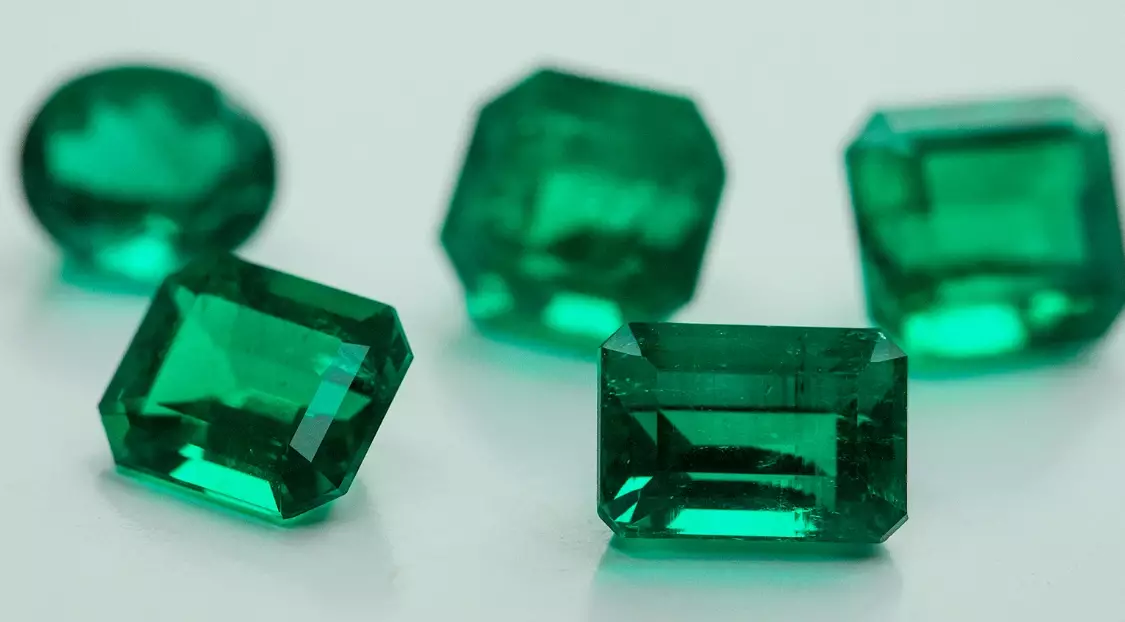
Watch Out: Be very wary of emeralds described as "clarity enhanced" with polymers or other permanent fillers without full disclosure. Some fillings can be unstable, discolor over time, or be damaged by heat or ultrasonic cleaners. Always get a lab report from a reputable lab like GIA or AGL for any significant purchase.
Cut & Carat Weight: Working With Nature
Emerald cutters have a tough job. They have to work around the inclusions and the crystal's shape to maximize color and save weight. The classic "emerald cut" (the rectangular one with stepped facets) was invented for this gem because it protects the vulnerable corners and showcases color beautifully. But you'll see them in ovals, cushions, and rounds too.
Carat weight matters, but a smaller, vibrant stone is worth more than a larger, lifeless one. The price per carat doesn't increase evenly; it jumps at certain size thresholds (like over 1ct, 2ct, 5ct).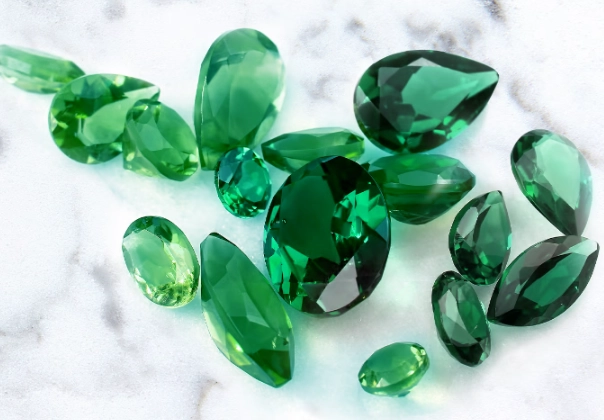
| Factor | What to Look For (The Ideal) | What to Avoid |
|---|---|---|
| Color | Vivid, medium-dark, slightly bluish-green. Even saturation. | Pale, yellowish, or overly dark/murky green. |
| Clarity | Eye-clean to lightly included. "Jardin" that doesn't overly impact brilliance. Minor oil treatment is standard. | Large, prominent fractures that reach the surface (durability risk). Lack of treatment disclosure. |
| Cut | Symmetrical facets, good polish. Emerald cut, oval, or cushion that centers the color. | Poor symmetry, a "window" (see-through area where color is lost), or overly deep/shallow proportions. |
| Origin | A nice bonus. Colombia, Zambia, Brazil are famous. Origin can affect value but buy the stone, not just the story. | Paying a massive premium for origin without a proper lab report to confirm it. |
My personal rule? Prioritize color first. A great color makes you forget about minor inclusions. A bad color is just... disappointing, no matter how clean the stone is.
Keeping Your May Birthstone Alive: Care is NOT Optional
Emeralds are beautiful divas. They are more fragile than diamonds or sapphires. On the Mohs hardness scale, they're a 7.5-8, which sounds okay until you realize that everyday dust has quartz in it, which is hardness 7. So, dust can theoretically scratch your emerald over time if you're not careful.
The bigger issue is their brittleness and those inherent fractures. They don't like sudden temperature changes, hard knocks, or pressure. You should never, ever clean an emerald in an ultrasonic cleaner. The vibrations can worsen fractures or dislodge filling material. Steam cleaning is also a big no-no.
Safe Cleaning Method: Warm water, a tiny drop of mild dish soap, and a very soft brush (like a baby toothbrush). Gently scrub, rinse thoroughly with lukewarm water, and pat dry with a soft, lint-free cloth. That's it.
When to wear it? I'd avoid wearing an emerald ring during heavy manual work, gardening, or the gym. It's better suited for occasions where it won't take a beating. For a daily-wear ring, a protective bezel setting is a smart choice. For earrings or pendants, you have less to worry about since they aren't subjected to as much impact.
Store it separately from other jewelry to prevent scratches. A soft pouch is your friend.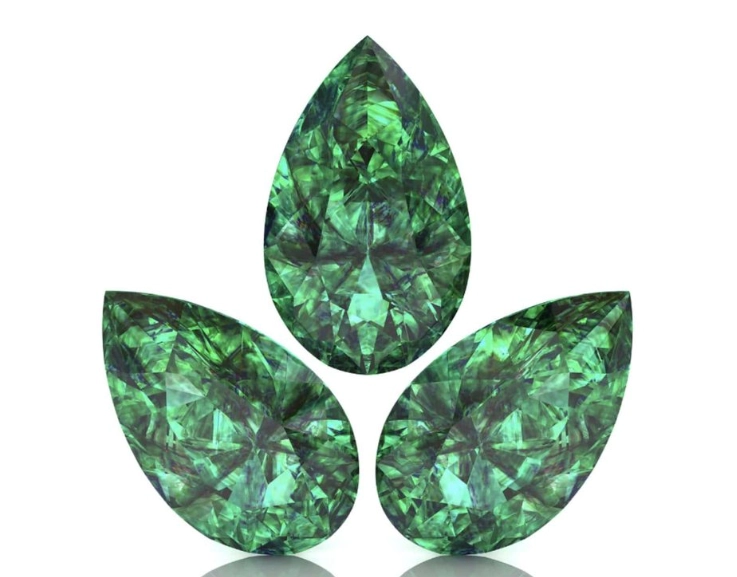
Emerald vs. The Imposters: Know Your Green Stones
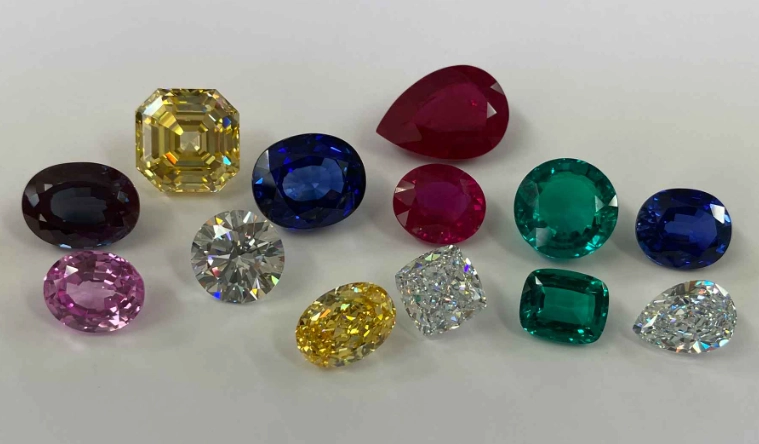
Lots of green gems out there get confused with the real May birthstone. Sometimes they're sold as alternatives, sometimes mistakenly. Here's the quick cheat sheet.
Green Beryl: This is the same mineral family (beryl) but lacks the rich chromium/vanadium color. It's a paler, often yellowish-green. It's a lovely stone, but it's not an emerald. The line can be blurry, which is why labs like GIA have strict color saturation criteria.
Tsavorite Garnet: A stunning, vivid green garnet. It's often brighter and more brilliant than emerald, with fewer inclusions. It's also rarer in large sizes. It's a fantastic stone, but it doesn't have that velvety depth some people love in an emerald.
Tourmaline (Verdelite): Can be a very similar green, often for a lower price. It's more brilliant and usually cleaner. The green can sometimes be a bit more olive or dark forest. A great option if you want a cleaner look and more durability for daily wear.
Peridot: The August birthstone. It's a lighter, lime or olive green. Completely different mineral. Doesn't look like emerald.
Glass or Synthetic: Lab-created emeralds are real emeralds in terms of chemistry, just made in a lab. They're often very clean and saturated. There's nothing wrong with them if you're on a budget and love the look—just know what you're buying. The International Colored Gemstone Association (ICA) has good info on natural vs. synthetic. Imitation green glass or cubic zirconia lacks the complexity and will look "too perfect" and cheap under a loupe.
Your May Birthstone Questions, Answered (No Nonsense)
Wrapping It Up: Your Stone, Your Story
At the end of the day, your May birthstone is what you make of it. It can be a profound connection to ancient earth and history, a symbol of love or hope you carry with you, or simply the most beautiful shade of green you've ever seen, set in a piece of jewelry you adore.
The key is to go in with your eyes open. Appreciate its unique character—flaws and all. Understand that it needs a bit of gentle care. And when you're looking to buy, prioritize that magical color above all else. Don't get swept up in jargon or pressured by a sales pitch.
It's your stone.
Whether it's a tiny accent in a necklace or a bold statement ring, an emerald has a presence. It's not a shy gem. It demands a second look. And for anyone born in May, that feels just about right.
I still think my friend's grandmother had the right idea. Her emerald wasn't the biggest or the clearest. But the color was so alive, so deep, it told a story all on its own. That's what you're looking for in your May birthstone. A story that feels like yours.