Explore This Gem Guide
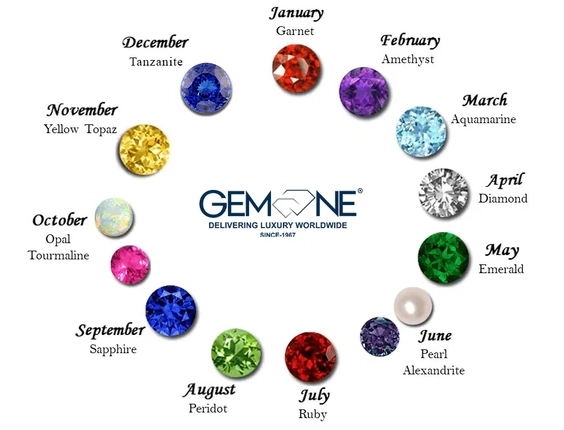
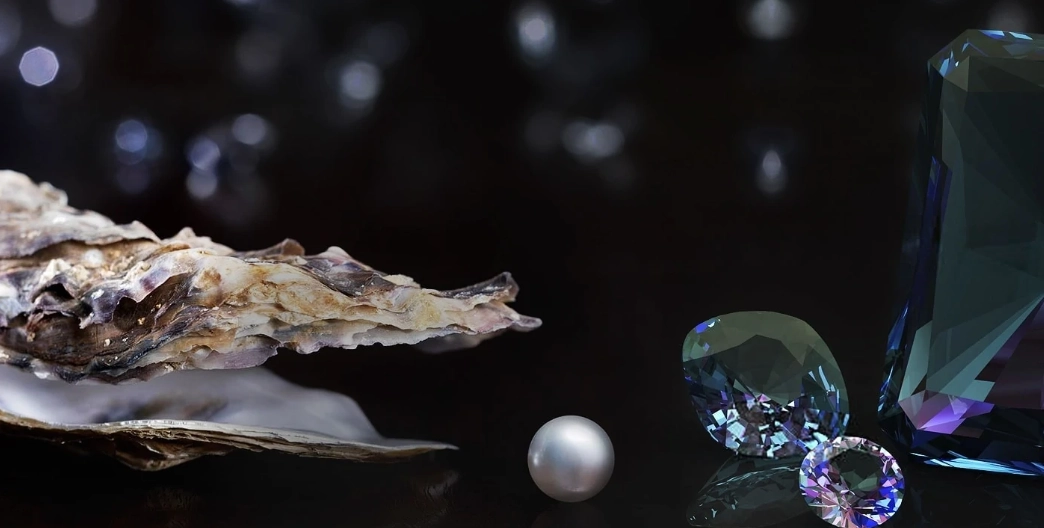
So you're looking into the June birthstone, huh? Maybe you're a June baby yourself, shopping for a gift, or just fell down a gemology rabbit hole (it happens to the best of us). First thing you need to know: June is special. It's one of only three months with two official birthstones – pearl and alexandrite. That's right, you get to choose. Or maybe the stone chooses you.
I remember the first time I held a good quality alexandrite. It was in a dimly lit antique shop, and the dealer said "watch this." He moved under a lamp and the stone went from a grassy green to a raspberry red. I honestly thought it was a trick. Pearls, on the other hand, were my grandmother's thing. She had a single strand she wore every Sunday, and they had this warm, quiet glow that felt like a secret. Two stones, two completely different vibes.
This guide is here to unpack all of it. We're not just talking basic facts. We're digging into what makes each June birthstone tick, how to tell if you're getting the real deal, what they're actually worth, and how not to ruin them once you own them. Let's get started.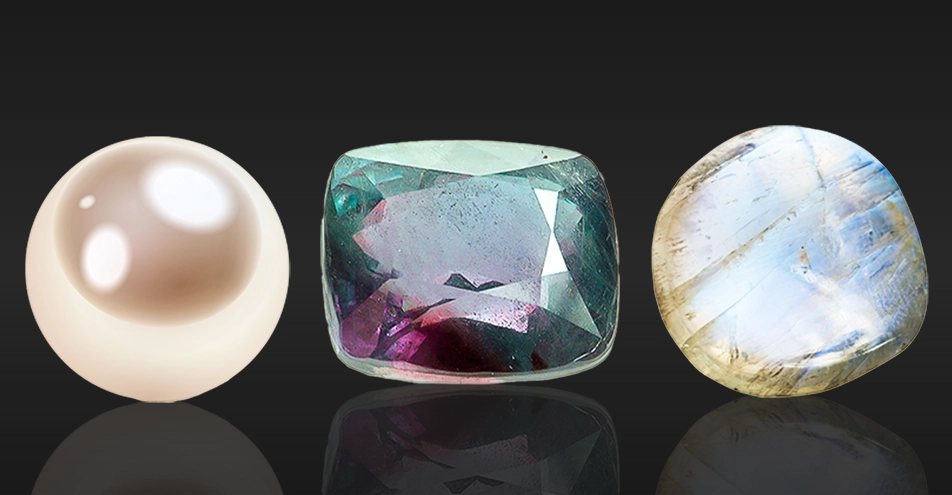
Quick Takeaway: If you want classic, organic elegance, you're Team Pearl. If you want rare, magical color-change spectacle, you're Team Alexandrite. Your budget and lifestyle will likely have the final say.
Why Does June Have Two Birthstones Anyway?
This is a common question. The modern birthstone list we use today was standardized by the Jewelers of America in the 1950s to, let's be honest, help with marketing and sales. But the history goes back further. Pearls have been associated with June for centuries, prized in ancient Rome, India, and by royalty everywhere. They symbolize purity and wisdom.
Alexandrite is the new kid on the block, relatively speaking. It was discovered in Russia's Ural Mountains in the 1830s and named after the future Tsar Alexander II. Its red and green colors matched the old Imperial Russian military colors, making it an instant national treasure. It was added as a modern June birthstone later to offer a durable, faceted option alongside the softer pearl. So you have the ancient organic and the rare mineralogical marvel. Quite the pairing.
The Head-to-Head: Pearl vs Alexandrite
Before we dive deep into each, here's a snapshot. This table saved me a ton of confusion when I was first learning.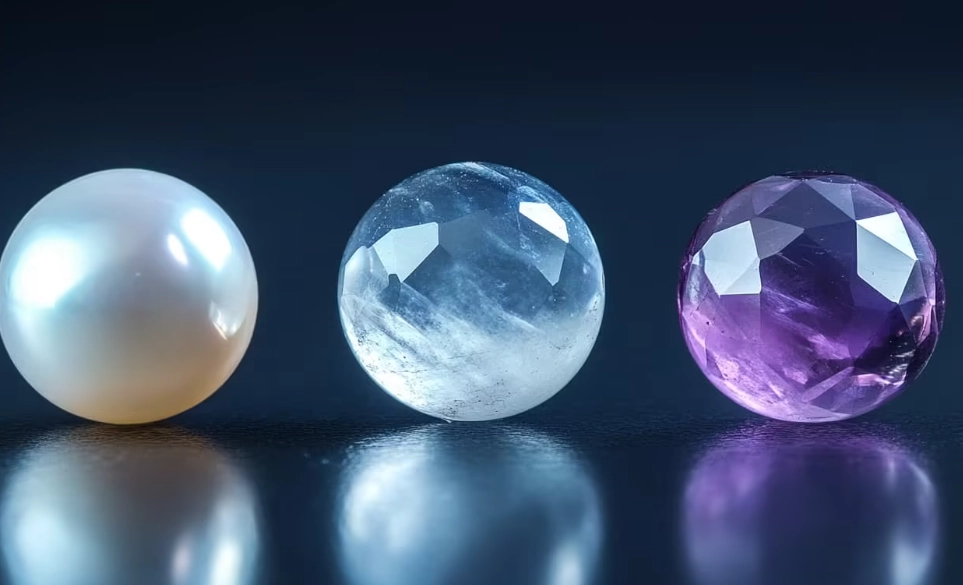
| Aspect | Pearl (The Organic Classic) | Alexandrite (The Color-Changer) |
|---|---|---|
| Type | Organic Gem (formed by mollusks) | Mineral Gem (Chrysoberyl variety) |
| Key Feature | Luster, Orient, Surface | Color Change (Pleochroism) |
| Colors | White, Cream, Pink, Silver, Gold, Black, etc. | Green in daylight, Red/Purple in incandescent light |
| Hardness (Mohs) | 2.5-4.5 (Very Soft, Careful!) | 8.5 (Exceptionally Hard & Durable) |
| Typical Clarity | Opaque (flaws are surface blemishes) | Usually Eye-Clean to Slightly Included |
| Price Range | Wide: $50 to $100,000+ per strand | Very High: $500/carat to $15,000+/carat for top natural |
| Best For | Heirloom pieces, classic elegance, wedding jewelry | Statement rings, collector pieces, unique engagement rings |
| Biggest Downside | Can be damaged by acidity, dryness, chemicals | Extremely rare & expensive in large, high-quality natural stones |
See what I mean? They're almost opposites. This is why understanding the June birthstone options is so important. You're not comparing apples to oranges; you're comparing a delicate seashell to a geological magic trick.
Diving Deep into the Pearl: June's Original Birthstone
Let's talk pearls. There's a misconception that all pearls are the same. Far from it. The world of pearls is vast, and quality varies wildly.
Natural vs. Cultured: The Big Distinction
First, a reality check. Over 99% of pearls on the market today are cultured. A natural pearl, formed without human intervention, is a tiny miracle and carries a price tag to match. I've seen natural pearls at auction for more than my car. Cultured pearls are real pearls—the mollusk does the exact same work—but a technician inserts a nucleus to start the process. The International Pearl Association has great resources on this if you want to nerd out further.
For most people, cultured is the way to go. You get beauty, size, and shape selection at an accessible price. Don't let anyone make you feel like cultured pearls are "fake." They're not.
The Main Players: Types of Pearls
- Akoya Pearls: The classic. Japanese and Chinese waters. Perfectly round, brilliant white with sharp, mirror-like luster (they call it "orient"). Think the quintessential strand or stud earrings. Smaller sizes (2-10mm).
- South Sea Pearls: The luxury queens. Australia, Philippines, Indonesia. Huge (9-20mm), with a satiny, soft luster. Colors are white, silver, and stunning gold. These are investment pieces.
- Tahitian Pearls: Not just black. French Polynesia. Their colors are incredible—peacock green, eggplant purple, charcoal gray, silver. They have a metallic, deep glow. Rarely perfectly round, often baroque.
- Freshwater Pearls: The versatile workhorses. Mostly from China. Come in every pastel shade—pink, peach, lavender. Rarely perfectly round, often off-round or baroque shapes. Fantastic value for money, especially for more casual or creative jewelry.
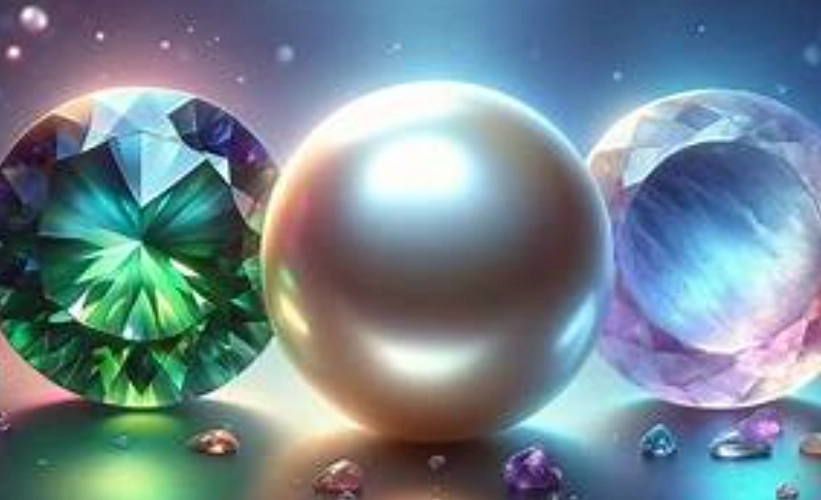
I own a strand of baroque freshwater pearls. They cost a fraction of my mom's akoya strand, and I get more compliments on them. The irregular shapes have so much character. Don't sleep on freshwater pearls just because they're less expensive.
How to Judge Pearl Quality: The 7 Value Factors
Forget just "size." When you're evaluating a pearl, especially for a significant purchase, think about these things. Jewelers use this framework.
- Luster: The most important. It's the sharpness and brightness of reflections on the surface. High luster looks like a mirror; low luster looks chalky. This is non-negotiable for me.
- Surface: How clean is it? Fewer blemishes (spots, wrinkles, pits) mean higher value. But remember, pearls are organic. A totally flawless surface is rare and expensive. A few minor blemishes can be acceptable if the luster is great.
- Shape: Perfectly round commands the highest premium for saltwater pearls. But baroque and semi-baroque shapes are beautiful in their own right and often more affordable.
- Color: Body color (white, cream, etc.) and overtones (rosé, greenish, etc.). Personal preference rules here. Some colors (like specific shades of gold or peacock) are rarer.
- Size: Measured in millimeters. Larger = rarer = more expensive, all else being equal.
- Nacre Thickness: This is the pearl's "skin." Thicker nacre means better luster and durability. Thin-nacreed pearls can peel or look dull. This is crucial for cultured pearls.
- Matching: For strands or pairs, how uniform are the pearls? A perfectly matched strand is a feat of patience and adds significant cost.
Pro Tip: When shopping, ask the seller about nacre thickness, especially for akoya pearls. A pearl with thick nacre will have a deeper, richer glow and last generations.
Caring for Your Pearls (This is Critical)
Pearls are delicate. They're the reason the phrase "last on, first off" exists in jewelry. Here's how not to kill them:
- Chemicals are Murder: Perfume, hairspray, sunscreen, cosmetics, cleaning products—they will erode the nacre and ruin the luster. Always put your pearls on after you're fully dressed and made up.
- Wipe Them Down: After wearing, gently wipe with a soft, damp cloth to remove oils and sweat. This is the single best thing you can do.
- Store Them Separately: Don't toss them in a jumbled jewelry box. Their soft surface scratches easily. Keep them in a soft pouch or a separate compartment.
- Re-String Regularly: If you wear a pearl strand often, have it re-strung by a professional every 1-2 years. The silk thread stretches and weakens.
I learned the hard way about perfume. A tiny spritz near a favorite pair of earrings dulled them permanently. It was a sad, expensive lesson.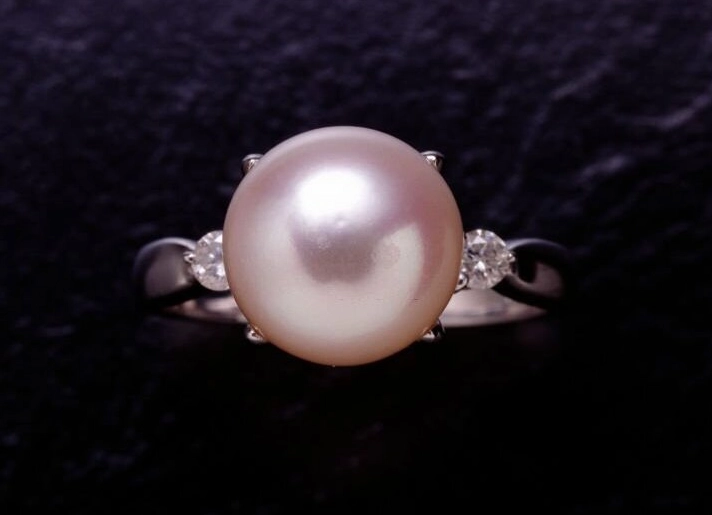
Unlocking the Magic of Alexandrite: June's Modern Marvel
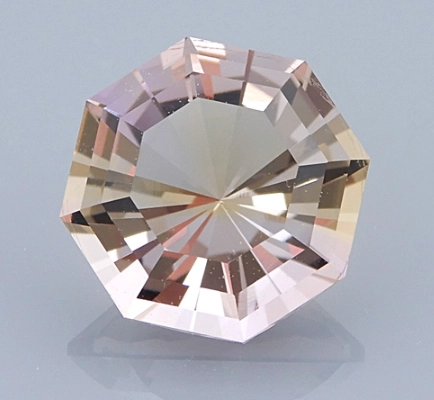
If pearls are a serene moonlit night, alexandrite is a fireworks display. This stone is legendary for one reason: its color change. It's not just a slight shift. We're talking green in daylight or fluorescent light to red in incandescent (tungsten bulb) light. The stronger the change, the more valuable the stone.
"Alexandrite is the most romantic of gems, for it reminds one of the red and green of a Russian winter sunset." – This sentiment captures its almost mythical quality.
The Science & Sorcery of the Color Change
It's not magic, it's complex crystal chemistry and optics. In simple terms, the alexandrite crystal absorbs specific wavelengths of light differently under different light sources. The presence of chromium is key. The best stones have a 100% shift—like going from a fine emerald green to a ruby red. Most commercial stones show a more muted change, like bluish-green to purplish-red.
You have to see it to believe it. When evaluating, ask the seller to show you under both daylight-equivalent (LED/fluorescent) and warm incandescent light. A good jeweler will have two light sources for this exact purpose.
Natural vs. Lab-Created Alexandrite: Navigating the Minefield
Here's where it gets tricky. Natural alexandrite from the original Russian mines is virtually extinct and sells for astronomical prices at auction. Most "natural" alexandrite today comes from Brazil, Sri Lanka, or East Africa. The color change can be less dramatic, and quality varies.
Then there's lab-created alexandrite. This is not a "fake." It's a synthetic crystal with the same chemical composition and physical properties as natural stone, grown in a controlled environment. The color change is often too perfect and strong. It's a fantastic, affordable way to own the look. But you must know what you're buying.
The biggest problem? Some sellers use misleading terms. "Alexandrite" colored cubic zirconia or synthetic corundum (sapphire) that changes color is NOT alexandrite. It's a simulant. Always, always ask for a lab report from a reputable gemological lab like the Gemological Institute of America (GIA) for any significant natural alexandrite purchase. For lab-created, the seller should explicitly state it as such.
The Rarity Factor: Fine natural alexandrite over 1 carat is rarer than fine diamond, ruby, or sapphire. This directly drives its elite status and price.
What to Look For: The 4 Cs for Alexandrite
- Color Change (The Most Important C): Strength and quality. 100% change (green to red) is ideal. The colors should be pleasing, not muddy. The daytime color is usually more important for value.
- Clarity: Eye-clean stones are preferred, but minor inclusions are tolerated given the stone's rarity. Heavily included stones are much less valuable.
- Cut: A good cutter will orient the stone to maximize the color change effect, not just weight retention. A poorly cut alexandrite can hide its best feature.
- Carat Weight: Price per carat increases exponentially with size, especially for natural stones over 1 carat.
Caring for Alexandrite
This is the easy part. With a hardness of 8.5 (harder than all popular gems except diamond, moissanite, and sapphire/ruby), it's incredibly durable for daily wear. You can clean it with mild soap, warm water, and a soft brush. Ultrasonic cleaners are usually safe, but I'd still check with your jeweler first. It's a tank compared to pearl.
Making Your Choice: Pearl or Alexandrite?
Okay, so you're at the crossroads. Which June birthstone is right for you or your gift recipient? Ask these questions.
For the Pearl Person: You appreciate timeless tradition, organic beauty, and understated elegance. You don't mind a little extra care. You might be drawn to vintage styles, classic fashion, or you're looking for a wedding or milestone gift that whispers rather than shouts.
For the Alexandrite Person: You love science, magic, and rarity. You want a conversation piece. You prefer durable stones for everyday rings. You're likely a collector, a non-traditionalist, or someone who wants a birthstone that truly stands out from the crowd.
Budget is the ultimate decider for many. You can get a lovely pair of freshwater pearl studs for under $100. A decent small lab-created alexandrite ring might start around $300-$500. A fine natural alexandrite of any size? Be prepared for four or five figures, easily.
My personal take? I love them both for different reasons. Pearls feel connected and personal. Alexandrite feels like owning a piece of geological wonder. You can't go wrong.
Your June Birthstone Questions, Answered
I get asked these all the time. Let's clear them up.
Is June birthstone pearl or alexandrite?
Both! June is one of the lucky months with two official modern birthstones. You can choose the organic pearl or the color-change alexandrite.
Which is more expensive, pearl or alexandrite?
It's a range. High-quality natural alexandrite is generally far more expensive per carat than even the finest pearls. However, a top-tier South Sea pearl necklace can easily rival or exceed the cost of a small alexandrite ring. Cultured pearls and lab-created alexandrite make both stones accessible at lower price points.
Can I wear my pearl ring every day?
I wouldn't recommend it. Pearls are soft and susceptible to damage from bumps, chemicals, and water. Save pearl rings for special occasions. Alexandrite, however, is an excellent choice for a daily-wear ring due to its hardness.
How can I tell if my alexandrite is real?
For natural alexandrite, you need a report from a major gem lab (GIA, AGL, etc.). For lab-created, the seller's documentation should state it clearly. If a deal seems too good to be true for a "natural" alexandrite, it almost certainly is. When in doubt, get it checked.
What does the June birthstone symbolize?
Pearls symbolize purity, humility, and innocence. Alexandrite symbolizes luck, prosperity, and the balance between the physical and spiritual (embodied in its color change).
Are there any other stones for June?
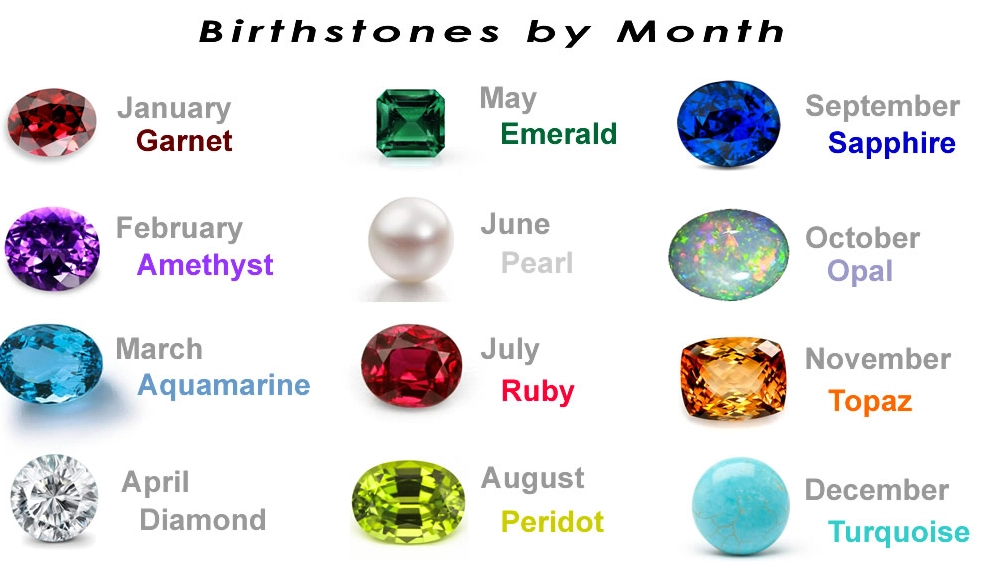
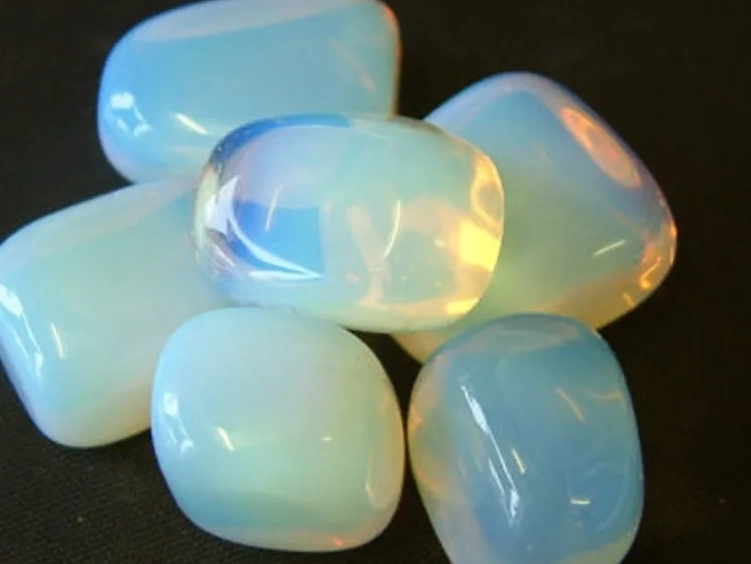
Some older or alternative lists mention moonstone. But the two universally accepted modern June birthstones are pearl and alexandrite.
Ultimately, the best June birthstone is the one that speaks to you. The one you'll wear and cherish.
Final Thoughts
Choosing a June birthstone isn't just picking a gem; it's choosing an experience. The gentle, lifelong glow of a pearl or the dramatic, chameleon-like shift of an alexandrite. Both are incredible testaments to nature's artistry—one from the sea, one from the earth's crust.
My advice? If you can, try to see both in person. Feel the weight of a pearl necklace. Ask a jeweler to show you the alexandrite color change under two lights. Let the stone choose you as much as you choose it.
And remember, whether it's pearl or alexandrite, you're carrying a piece of June's unique story with you.
That's about it. I hope this guide felt more like a chat with a gem-obsessed friend than a dry textbook. It's a fascinating topic, and honestly, I'm still learning new things about these June birthstones every time I handle them. If you have more questions, the websites of the GIA and the American Gem Society are my go-to sources for trustworthy, in-depth information. Happy hunting!