In This Guide
- What Does the Pearl Birthstone Actually Mean?
- Wait, Are Pearls Even Real Stones?
- The Different Types of Pearls: It's Not Just One Thing
- How to Care for Your Pearl Birthstone Jewelry (The Right Way)
- Buying a Pearl Birthstone: What to Look For (Beyond the Price Tag)
- Answering Your Pearl Birthstone Questions (FAQ)
So you're curious about pearls, huh? Maybe you're a June baby, or someone you love is, and you're thinking about getting a piece of pearl birthstone jewelry. Or perhaps you've just always been drawn to their quiet glow. I get it. There's something about a pearl that feels different from a flashy diamond or a brightly colored sapphire.
It’s softer. More... personal.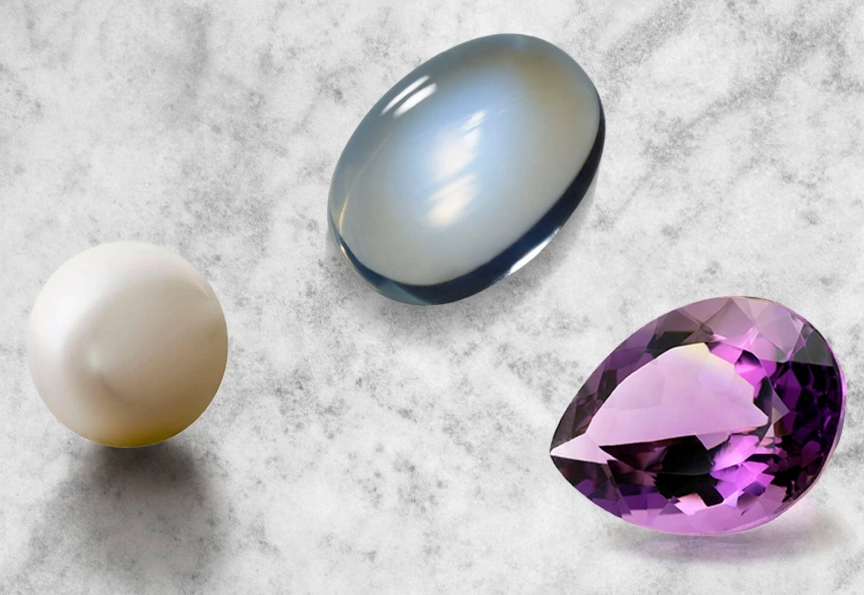
But then the questions start. What does the pearl birthstone even mean? Are all pearls the same? (Spoiler: absolutely not). How do you know if you're getting a good one? And once you have it, how in the world do you take care of something that seems so delicate?
I've been down that rabbit hole myself. I remember buying my first strand, terrified I'd ruin it by doing something wrong. I've also seen some real duds marketed as "quality" pearls. Let's just say not all that glitters is a well-formed pearl.
This guide is here to cut through the confusion. We're going to talk about everything from the deep symbolism behind this June birthstone to the practical stuff, like not letting your perfume murder its luster. Consider this your no-nonsense, practical friend's advice on all things pearl.
What Does the Pearl Birthstone Actually Mean?
Forget just being a pretty gem for a minute. The pearl birthstone carries a boatload of symbolism, and it's been that way for centuries across different cultures. It's not just a June thing; it's woven into history.
Most famously, pearls are tied to purity, wisdom, and integrity. It makes sense when you think about it. They form in secret, layer by layer, turning a tiny irritant into something beautiful. That's a pretty powerful metaphor for personal growth, if you ask me. In ancient Rome, pearls were the ultimate symbol of wealth and status. In ancient China, they believed pearls fell from the sky when dragons fought.
But here's a more personal take. I think the pearl birthstone meaning is really about resilience and hidden strength. It starts with a grain of sand, something annoying or painful, and through patience and time, it becomes a treasure. That's a message a lot of people can connect with.
It's also historically been associated with calming energy and emotional balance. Some say it promotes sincerity and truth. Whether you buy into the metaphysical properties or just love the look, there's no denying the pearl has a story to tell.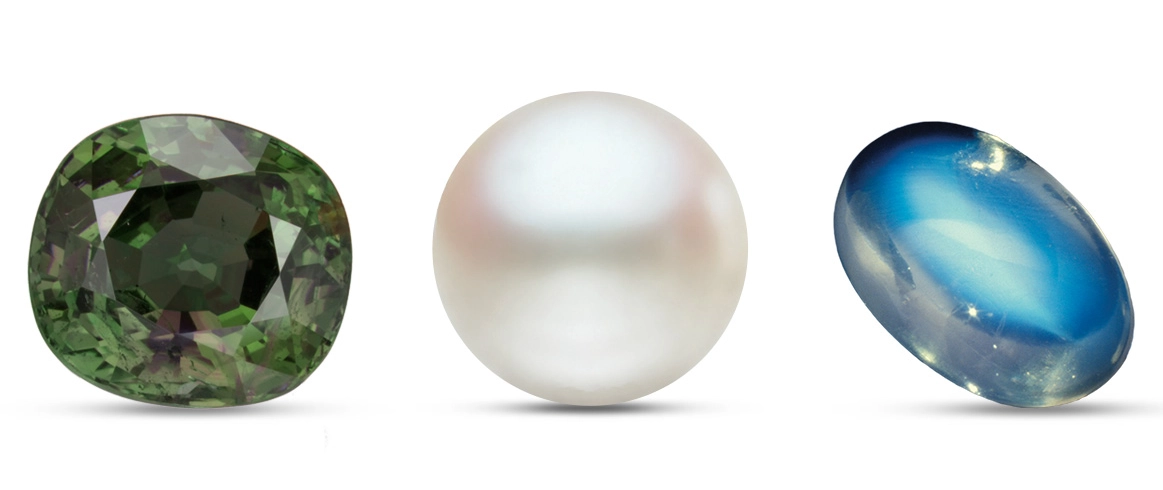
Wait, Are Pearls Even Real Stones?
This is a great question and a common point of confusion. Technically, no. Most official definitions from places like the Gemological Institute of America (GIA) classify gemstones as minerals. Pearls are organic gems. They're formed by living creatures—mollusks like oysters and mussels.
But that doesn't make them any less "real" or valuable. In fact, it makes them more fascinating. While a diamond is cut and polished from a rough crystal, a pearl is created whole by an animal. That organic origin is a huge part of the pearl birthstone's unique charm and why it requires special care (more on that later).
So, while a pearl might not be a "stone" in the geological sense, it's absolutely a genuine and precious gem in the world of jewelry and birthstones.
The Different Types of Pearls: It's Not Just One Thing
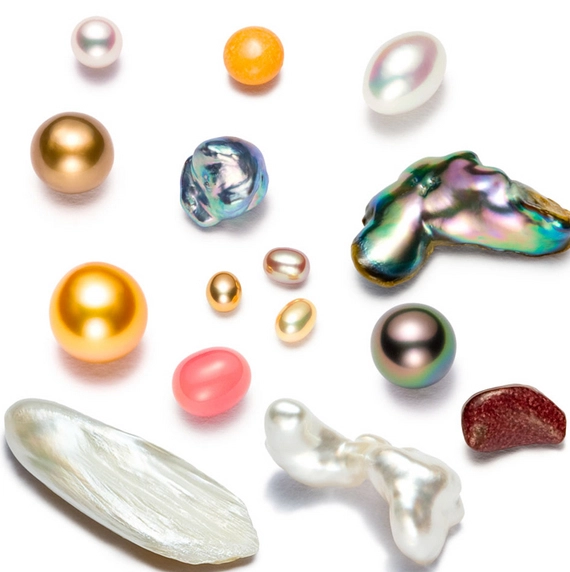
This is where things get interesting. If you think a pearl is just a white, round bead, you're in for a surprise. The variety is massive, and it affects everything from price to appearance. Knowing these types is the first step to making a smart purchase.
Natural vs. Cultured Pearls
First, the big divide.
- Natural Pearls: These are the lottery winners. They form completely by chance in the wild when an irritant accidentally gets into a mollusk. They're incredibly rare, which makes them astronomically expensive. Finding enough matching natural pearls for a necklace is a minor miracle. Most pearls you see in jewelry stores today are not natural.
- Cultured Pearls: This is the vast, vast majority of the market. Don't let the "cultured" part fool you into thinking they're fake. They are 100% real pearls. The only difference is that humans give nature a helping hand by surgically inserting a tiny bead (the "nucleus") into the oyster to start the process. The oyster then does all the real work, coating it with nacre just like it would in the wild. The GIA explains this process in detail. Cultured pearls make the pearl birthstone accessible.
The Main Families of Cultured Pearls
Now, let's break down the main types you'll encounter. I find a table helpful here to see the differences side-by-side.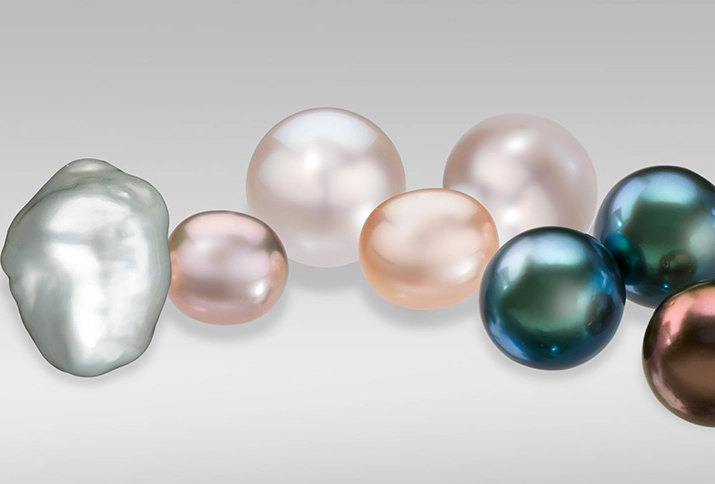
| Type of Pearl | Origin (Mollusk) | Key Characteristics | Typical Colors | What to Know |
|---|---|---|---|---|
| Akoya | Saltwater (Akoya oyster) | The classic. Perfectly round, sharp, mirror-like luster. Often used in strands. | White, cream, with rose/silver overtones. | Often what people picture as the "traditional" pearl birthstone. Smaller sizes (2-10mm). |
| South Sea | Saltwater (White-lipped/Gold-lipped oyster) | Large, luxurious, satiny luster. Thick nacre. | White, silver, golden. | The giants (10-20mm). Golden South Sea pearls are particularly prized and expensive. |
| Tahitian | Saltwater (Black-lipped oyster) | Naturally dark body colors. Exotic, peacock-like overtones. | Black, gray, green, purple, peacock. | Not actually black, but dark with incredible iridescent colors. A stunning modern choice. |
| Freshwater | Freshwater (Mussels) | Wide variety of shapes, good luster. Excellent value. | White, peach, pink, lavender, many pastels. | Most are cultured without a bead nucleus, making them nearly solid nacre. My personal favorite for everyday wear. |
See? It's a whole world. A Tahitian pearl birthstone piece makes a radically different statement than a classic Akoya strand.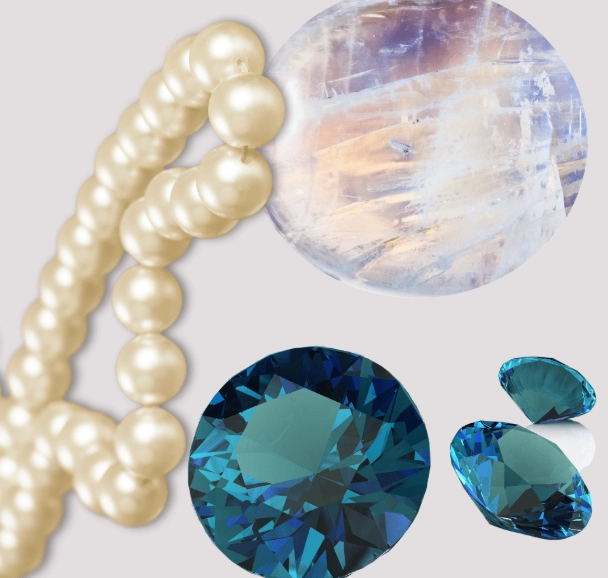
My two cents: Don't sleep on freshwater pearls. The technology has gotten so good that you can find stunning, near-round freshwater pearls with fantastic luster for a fraction of the price of saltwater ones. They're durable, beautiful, and a perfect entry point into owning a pearl birthstone.
How to Care for Your Pearl Birthstone Jewelry (The Right Way)
This is the part that stresses people out. Pearls are organic, so yes, they need a gentle touch. But it's not rocket science. Follow these simple rules, and your pearls will last generations.
The Golden Rule: Last On, First Off. Pearls are porous. Anything you put on your body—perfume, hairspray, lotion, sunscreen, sweat—can dull their luster and damage the nacre over time. Always put your pearls on after you've finished applying cosmetics and fragrances. Take them off before you do anything messy or physical.
The Cleaning Routine
No harsh chemicals. Ever. No ultrasonic cleaners. No steam cleaners. These will destroy your pearls.
- After wearing, simply wipe them gently with a very soft, lint-free cloth (like a microfiber cloth). This removes oils and sweat.
- For a deeper clean, use a damp cloth with plain water. You can use a tiny, tiny drop of mild, non-detergent soap if needed (think baby soap).
- Lay them flat on a towel to air dry completely. Never hang a wet pearl strand, as the silk string will stretch.
Big Mistake Alert: Never submerge a pearl necklace in water. The water can weaken the silk thread between pearls, and if it gets into drill holes, it can be hard to dry out, potentially causing damage inside the pearl.
Storing Your Pearls
This is crucial. Don't just toss them in a jewelry box with other pieces.
- Keep them separate. Store them in a soft pouch or a lined jewelry box where they won't be scratched by harder gems or metals. A diamond can easily scratch a pearl's surface.
- Avoid airtight containers. Pearls need a tiny bit of moisture. Storing them in a sealed plastic bag for years can dry them out and cause cracking.
- Lay necklaces flat. Don't hang them for long-term storage, as this can stretch the silk.
Think of pearls like a delicate fabric. You wouldn't throw a silk blouse in with jeans and zippers, right? Same idea.
Buying a Pearl Birthstone: What to Look For (Beyond the Price Tag)
Whether you're buying online or in a store, knowing what determines quality will keep you from overpaying for a mediocre piece. Jewelers often talk about the "Five Virtues" of pearls: Luster, Surface, Shape, Color, and Size.
Let's rank them by importance, in my opinion.
1. Luster (The Most Important)
Luster is the heart and soul of a pearl. It's the sharp, bright reflection you see on the surface. High luster looks like a mirror; low luster looks dull and chalky. A pearl with great luster will have sharp, distinct reflections. This is the #1 thing to look for. A smaller pearl with amazing luster will always look better than a big, dull one.
2. Surface Quality
No pearl is perfectly flawless. They're natural products. Look for surfaces that are relatively clean. Small blemishes (spots, bumps, wrinkles) are normal and can be part of the character. But avoid pearls with large, glaring cracks, chips, or dull patches. The cleaner the surface, the higher the value, but a few minor blemishes are acceptable, especially if the luster is great.
3. Shape
Perfectly round pearls are the rarest for most types and command the highest prices. But other shapes are beautiful and often more affordable! Baroque pearls (irregular, organic shapes) are unique and full of personality. Symmetrical shapes like ovals, buttons, or drops are also lovely. Decide what you like. A perfectly matched strand of baroque pearls can be stunning.
4. Color & Overtone
Body color is the main color (white, cream, gold, black). Overtone is the translucent color that seems to float on top (like rose, silver, or green). The interplay of body color and overtone creates the pearl's overall look. There's no "best" color—it's personal preference. Just make sure the color looks natural and pleasing to you.
5. Size
Measured in millimeters. Larger pearls are rarer, so price increases significantly with size. But bigger isn't automatically better if the other virtues are poor. Choose a size that suits the piece and your style.
For necklaces, also check matching. The pearls should be well-matched in all the above characteristics, creating a harmonious strand. A poorly matched strand looks cheap, even with decent individual pearls.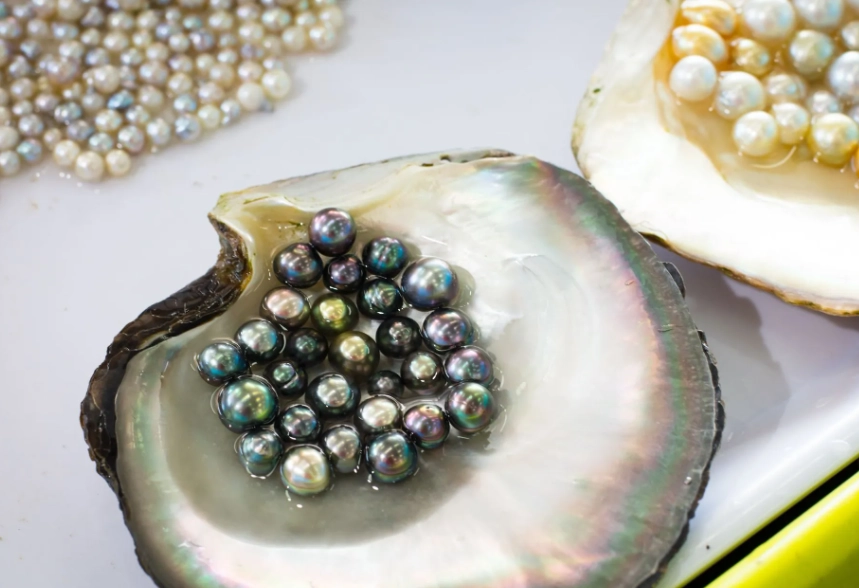
The best pearl birthstone for you is the one that makes your heart sing when you see its glow, not necessarily the one with the biggest price tag.
Answering Your Pearl Birthstone Questions (FAQ)
Look, at the end of the day, a pearl birthstone is a connection to the natural world. It’s a gem that was alive, created through a slow, patient process. That gives it a soul that a factory-cut stone just doesn’t have.
Choosing one is about more than just June.
It’s about picking a piece of that story—the resilience, the quiet beauty, the layers of history and meaning. Whether you go for the classic white strand or a bold, modern Tahitian drop, you’re wearing something with depth. Just promise me you’ll take care of it. Wipe it down after a long day, keep it away from that perfume bottle, and give it its own little spot in your drawer.
Do that, and your pearl will keep its gentle glow for a very, very long time.