Your Moonstone Journey
- What Exactly Is Moonstone? Let's Get Geeky for a Second
- The Meaning and Lore of the June Moonstone Birthstone
- Moonstone's Reputed Benefits: Beyond the Beauty
- How to Choose Your Perfect Moonstone Birthstone
- Caring for Your Moonstone Jewelry: Make It Last
- Moonstone Birthstone FAQ: Your Questions, Answered
- Final Thoughts: Is the Moonstone Birthstone Right for You?
So you're curious about the Moonstone birthstone? Maybe you're a June baby yourself, or you're looking for a meaningful gift for someone who is. Or perhaps you've just been captivated by that otherworldly glow and want to know more. You've come to the right place.
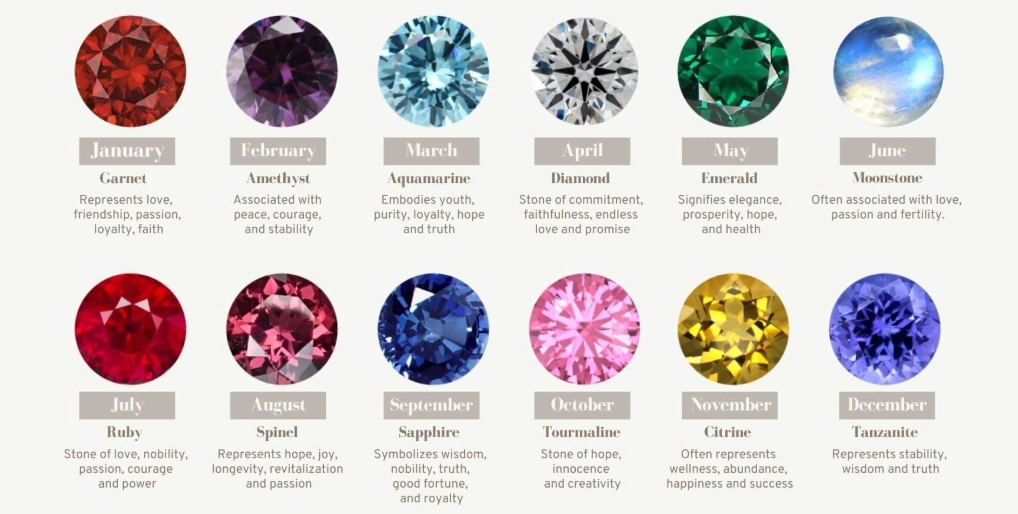
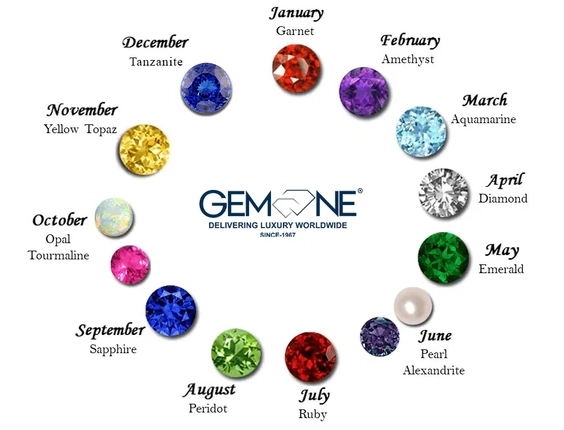
Let's be real. When most people think of June birthstones, the first thing that pops up is the classic pearl. But the Moonstone birthstone, June's other official gem, has a vibe that's completely its own. It's less about pristine, salty elegance and more about mystery, intuition, and that soft light you see on a hazy night. It feels ancient and magical in a way few other stones do.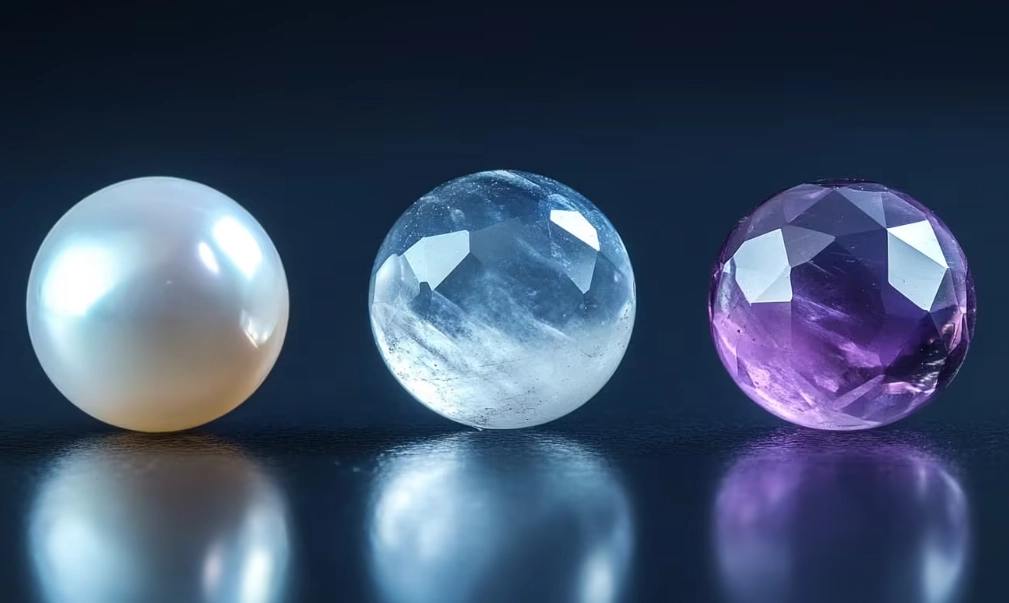
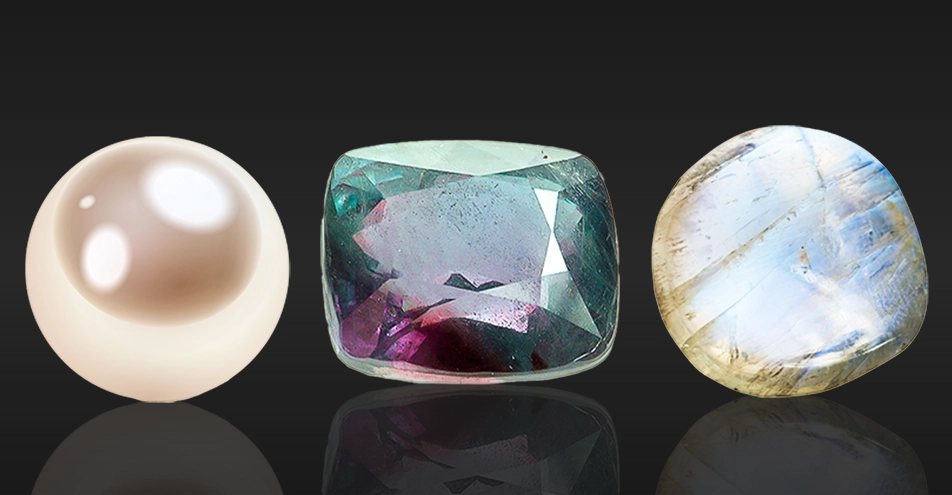
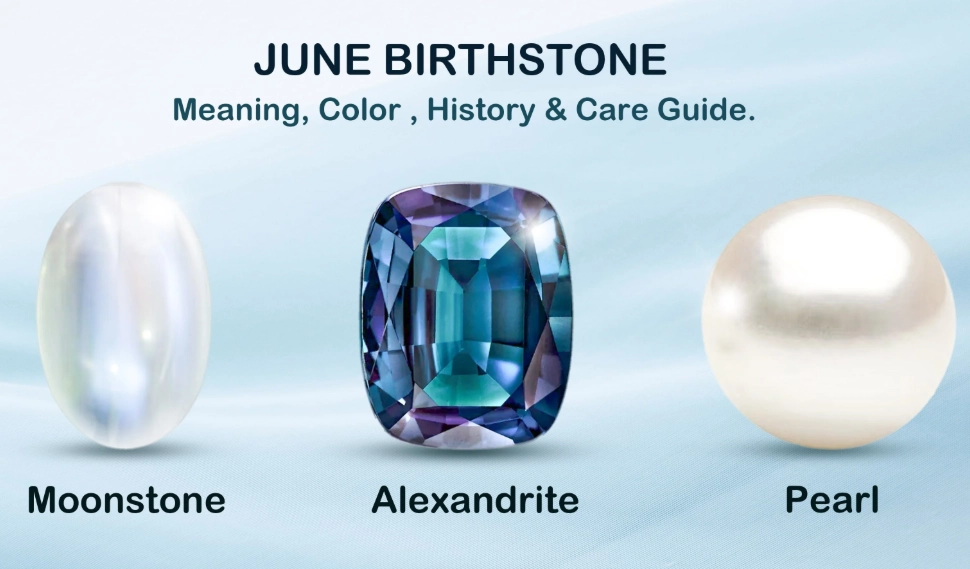
Quick Take: The Moonstone birthstone is a variety of the feldspar mineral group, famous for its "adularescence"—that billowy, moving light that seems to float under the surface. It's primarily associated with June, alongside pearl and alexandrite. But its appeal goes far beyond a birthday month.
I remember the first time I held a good quality moonstone. It wasn't in some fancy jewelry store, but at a small mineral show. The dealer had it under a simple lamp, and when he tilted it… wow. It wasn't just shiny. It looked like a tiny, captured moonbeam. That's the magic we're talking about. And that's why the Moonstone birthstone has been revered for centuries, from Roman times to the Art Nouveau period.
What Exactly Is Moonstone? Let's Get Geeky for a Second
Okay, before we dive into all the meaning and lore, it helps to know what you're actually looking at. Calling it a "moonstone" is a bit like calling something a "rock"—it's not wrong, but there's more to it.
Moonstone is a member of the feldspar family, which is one of the most common mineral groups on Earth. But common doesn't mean boring. The specific magic of a Moonstone birthstone comes from its structure. It's made up of very thin, alternating layers of two different feldspar minerals (orthoclase and albite, if you're curious).
Light enters the stone and bounces between these microscopic layers. Some light gets scattered, some gets reflected. This interference is what creates that signature glow, called adularescence. It's not a surface shine like a polish. It's an optical effect that comes from deep within the stone. The best way to see it? Tilt the stone back and forth under a light. The glow should move.
The body color can range from colorless to white, gray, brown, peach, green, and even a rare blue. The most classic and sought-after is the colorless or white body with a strong blue adularescence. But don't sleep on the peachy or rainbow ones—they have their own unique charm.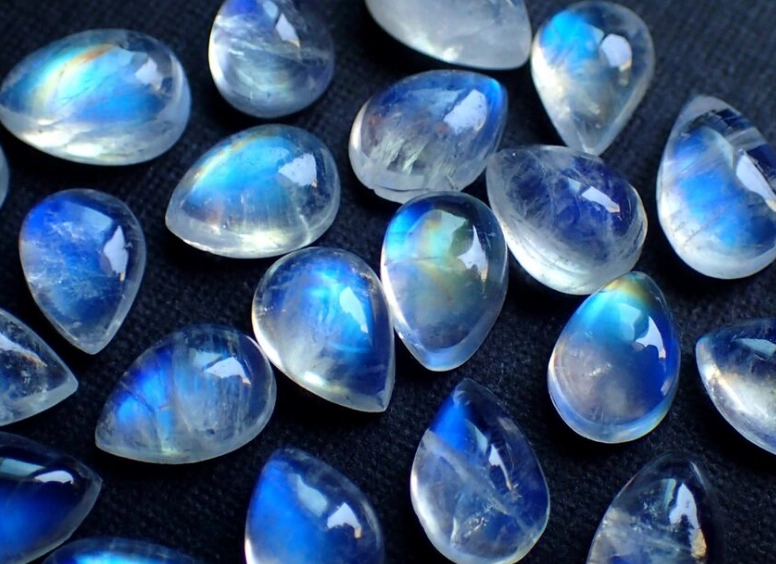
Where Does It Come From?
Moonstone is found in a few key places around the world, and the origin can affect its look and value.
- Sri Lanka (Ceylon): The classic source. Sri Lankan moonstones are famous for their almost transparent body and that exceptional, cornflower-blue adularescence. This is often considered the top-tier material for a Moonstone birthstone.
- India: Produces a huge amount of moonstone, often with a more opaque, white to beige body. The adularescence can be a softer blue or white. You'll find a lot of affordable and beautiful cabochons from India.
- Madagascar: A newer source producing some stunning material, often with a slightly peach or gray body and a lovely sheen.
- Other sources include Myanmar (Burma), Tanzania, and even the United States (Virginia).
It's a soft stone. On the Mohs scale of hardness, it sits at 6 to 6.5. What does that mean practically? It's softer than quartz (7), which is in most everyday dust. So, a Moonstone birthstone ring can scratch if you're not careful. It's better suited for pendants, earrings, or brooches, or for rings worn on special occasions. I learned this the hard way with a ring I used to wear daily—it got scuffed up pretty quickly.
The Meaning and Lore of the June Moonstone Birthstone
This is where things get interesting. The Moonstone birthstone isn't just a pretty face; it's loaded with history and symbolism. Its connection to the moon is obvious and ancient.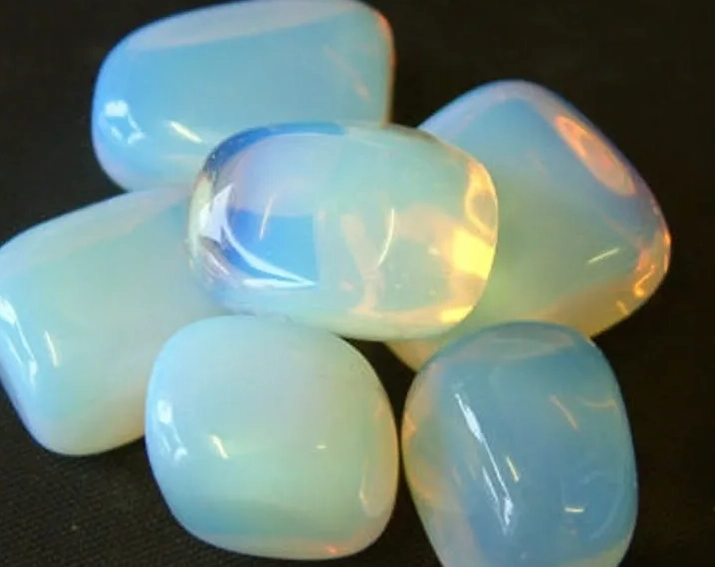
In Roman mythology, it was believed to be formed from solidified moonbeams. Many ancient cultures saw it as a sacred stone, believing it could bring about visions and enhance intuition. Travelers would carry it for protection on night journeys. In Hindu mythology, it's considered a dream stone, bringing beautiful visions at night.
During the Art Nouveau period (late 1800s to early 1910s), master jeweler René Lalique and others used moonstone extensively. They were drawn to its ethereal, organic quality, which perfectly matched the movement's fascination with nature, fantasy, and the feminine form. Wearing a Moonstone birthstone piece from that era (or in that style) connects you to a specific moment of artistic beauty.
Today, the Moonstone birthstone is most commonly associated with:
- New Beginnings & Intuition: Just as the moon cycles, moonstone is tied to renewal, inner growth, and trusting your gut feelings.
- Feminine Energy & Fertility: Across cultures, it has been linked to the divine feminine, fertility, and hormonal balance.
- Emotional Balance: It's often called a calming stone, believed to soothe emotional instability and stress.
- Hope & Good Fortune: It's considered a talisman for travelers and a beacon of hope.
Whether you buy into the metaphysical properties or not, you can't deny the powerful narrative this stone carries. Choosing a Moonstone birthstone is often about more than jewelry; it's about connecting to a story.
Moonstone's Reputed Benefits: Beyond the Beauty
Now, let's talk about the elephant in the room: the so-called healing and spiritual properties. I'll lay it out plainly. From a scientific, gemological standpoint, a Moonstone birthstone is a beautiful mineral with a neat optical effect. Full stop. The Gemological Institute of America (GIA), the world's foremost authority on gems, describes its properties in purely geological terms on their moonstone page.
However, the world of crystal healing and metaphysics is vast, and many people find personal value in these beliefs. It's part of the stone's enduring appeal. So, in the interest of covering what people are searching for, here's a summary of what is commonly said about the Moonstone birthstone in holistic circles.
It's primarily seen as a stone of the heart and the third eye (intuition). People use it for:
| Area of Focus | Commonly Attributed Benefit | A Practical, Non-Magical Take |
|---|---|---|
| Emotional Well-being | Calming anxiety, easing stress, stabilizing moods. | Focusing on a beautiful, calming object can be a mindful practice that reduces stress. |
| Intuition & Insight | Enhancing gut feelings, psychic abilities, and dream recall. | Wearing something meaningful can make you more reflective and attentive to your inner voice. |
| Feminine Health | Balancing hormones, aiding fertility, easing PMS and menstrual discomfort. | There is no scientific evidence for this. Always consult a healthcare professional for medical issues. |
| New Starts | Supporting new ventures, relationships, or phases of life. | A symbolic token can provide comfort and a sense of purpose during transitions. |
| Creativity | Unblocking creative energy and inspiring imagination. | Its unique beauty can be visually stimulating and inspiring to artists and writers. |
My two cents? If you like the idea of these properties and it adds to your enjoyment of the stone, that's wonderful. The mind is powerful. But please, never substitute a crystal for actual medical advice or treatment. A Moonstone birthstone is a companion, not a cure.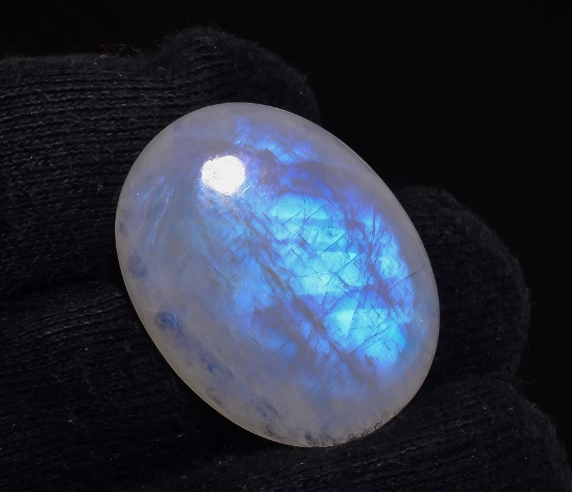
How to Choose Your Perfect Moonstone Birthstone
This is the practical part. You've decided you want one. How do you pick a good one? The value factors for moonstone are a bit different from, say, a diamond.
The Big Three: Color, Sheen, and Clarity
- The Sheen (Adularescence): This is THE most important factor. Look for a strong, bright, and clearly defined glow. Blue is most prized, but a sharp, silvery-white is also lovely. Avoid stones where the sheen is weak, cloudy, or only visible from a single angle.
- Body Color: The background color of the stone. The most valuable is a transparent, colorless body that lets the blue sheen shine through brilliantly. White, peach, gray, and green bodies are common and can be beautiful. A dark or milky body can mask the sheen.
- Clarity: Moonstone often has natural inclusions—tiny cracks or mineral traces. A completely flawless, eye-clean moonstone is extremely rare. Some inclusions are acceptable unless they majorly disrupt the sheen or create large cracks that threaten durability. In fact, the layered structure that creates the sheen is itself a kind of inclusion!
Cut is crucial. Moonstone is almost always cut as a cabochon (a smooth, rounded dome) to best display the adularescence. The dome should be symmetrical and smoothly polished. The best cuts position the sheen right in the center of the dome.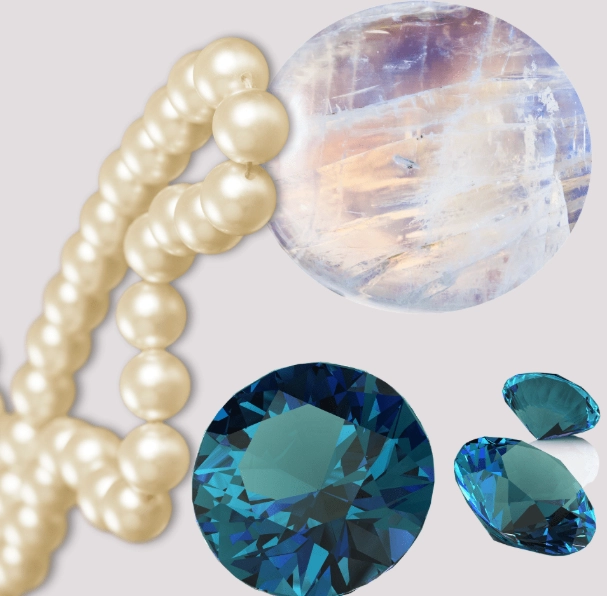
A small, high-quality Moonstone birthstone with a mesmerizing blue flash will always be more impressive than a large, dull, chalky one. Prioritize the quality of the optical effect.
Settings and Jewelry Types
Remember that hardness of 6-6.5? This guides your choice:
- Pendants and Necklaces: The safest choice. The stone is protected from most knocks and scratches.
- Earrings: Also a great, low-risk option.
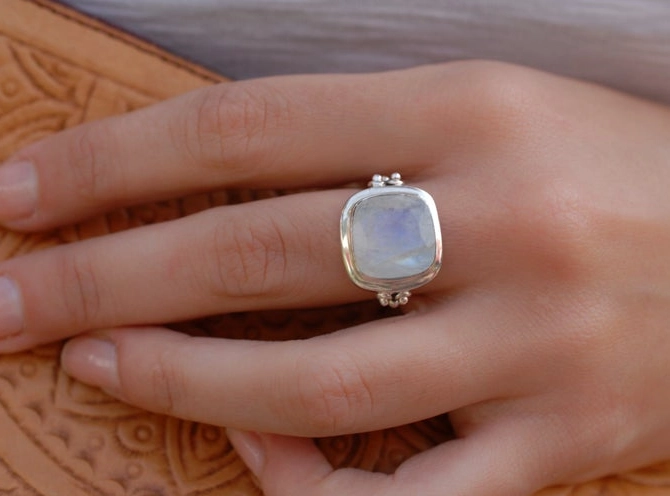
- Rings: Possible, but be smart. Choose a bezel or a protective setting that raises the stone's edges. Reserve it for evening wear or occasions where you won't be doing rough work. A Moonstone birthstone engagement ring, for example, would require extreme care and is not recommended for an active lifestyle.
- Bracelets: Risky. The stone is likely to get banged against desks and doors.
Metals like sterling silver, white gold, and platinum complement its cool glow beautifully. Yellow gold can create a lovely, vintage warmth with peach or white moonstones.
Caring for Your Moonstone Jewelry: Make It Last
If you invest in a nice piece, you want to keep it looking good. Moonstone is delicate. Here’s the no-nonsense care guide:
- Cleaning: Use only warm water, mild dish soap, and a very soft brush (like a baby toothbrush). Never use ultrasonic cleaners or steamers—the vibrations and heat can crack the stone. Harsh chemicals (bleach, ammonia, etc.) will damage it.
- Storage: Keep it separate from harder gems. Wrap it in a soft cloth or place it in its own compartment in a jewelry box. Don't just toss it in a bag with other pieces.
- Wear Last, Remove First: Put your moonstone jewelry on after applying makeup, perfume, and hairspray. Take it off before household chores, gardening, or hitting the gym.
- Avoid Extreme Temperatures: Sudden heat or cold can cause cracking.
It's a bit high-maintenance, I won't lie. But that's the trade-off for wearing a piece of the moon's glow.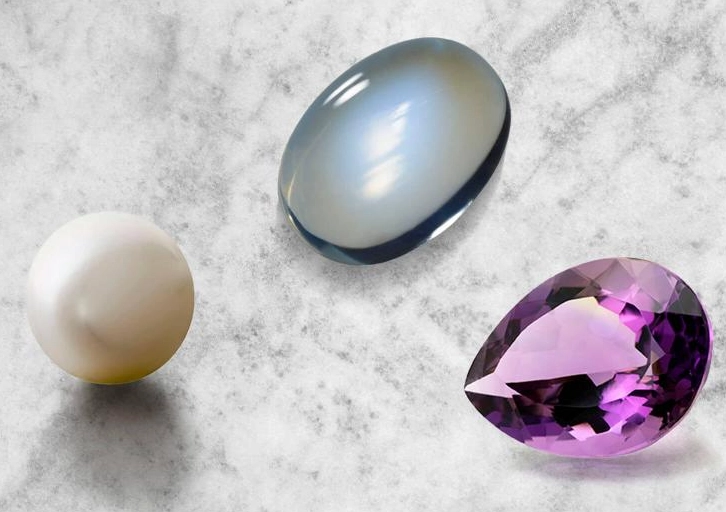
Moonstone Birthstone FAQ: Your Questions, Answered
Final Thoughts: Is the Moonstone Birthstone Right for You?
Choosing any birthstone is personal. The Moonstone birthstone isn't the flashiest or the hardest. It demands a little more care. But what it offers is unique: a deep, moving glow, a rich tapestry of history and myth, and a sense of connection to something cyclical and intuitive.
It's for the dreamers, the intuitive folks, the people who appreciate subtle beauty over blinding sparkle. It's for anyone starting a new chapter who wants a symbolic companion. It's a fantastic, meaningful alternative to the more common pearl for June birthdays.
If you do get one, take a moment to look at it in different lights. Tilt it. Watch the glow roll. That’s a natural wonder you’re holding, a tiny geological magic trick that’s been millions of years in the making. And now it’s yours.
Just maybe don't wear it while moving furniture.