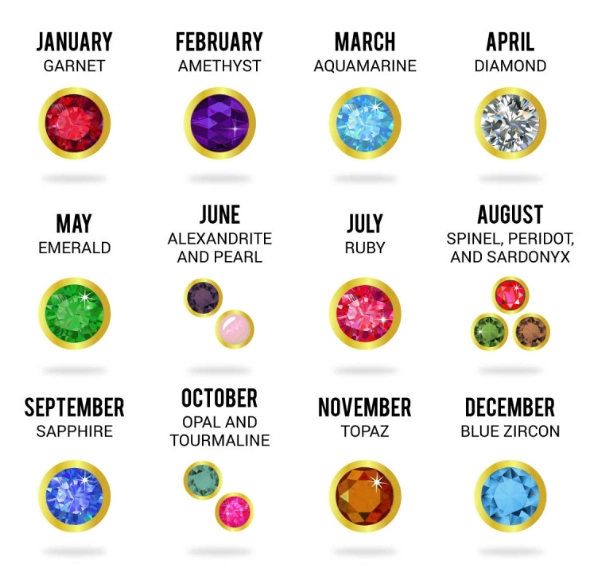
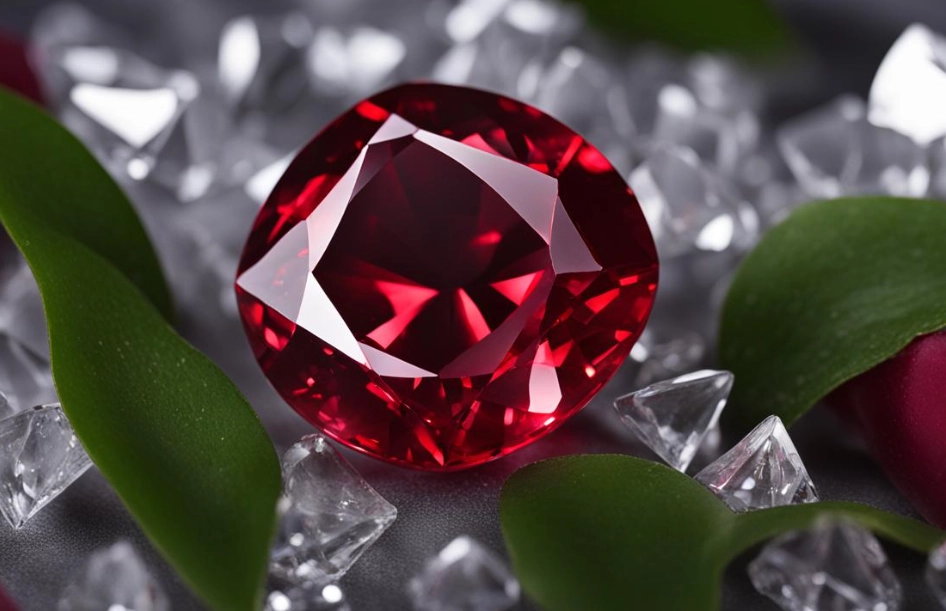
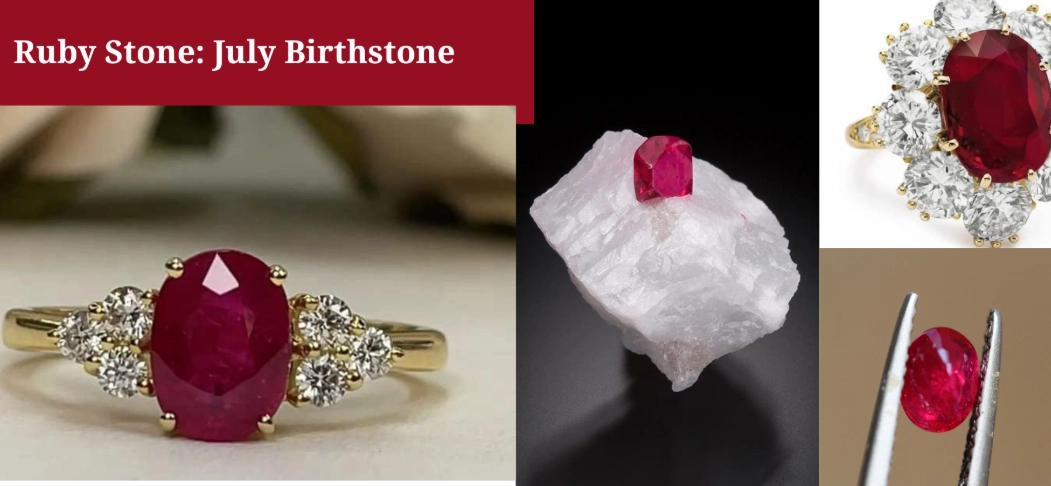
So you're a July baby, or maybe you're shopping for one. Your first question is probably straightforward: what's my birthstone? The answer is as fiery as midsummer itself—the ruby. This isn't just any red stone; it's the king of colored gems, swimming in history, myth, and a value that can easily rival a diamond's. I remember the first time I held a fine Burmese ruby. It wasn't just red; it was a deep, pulsating crimson that seemed to hold a light inside. It felt alive. That's the magic, and also the minefield, of shopping for the July birthstone. This guide is here to cut through the glitter and give you the real, practical knowledge you need—from its ancient stories to how not to get ripped off when buying one.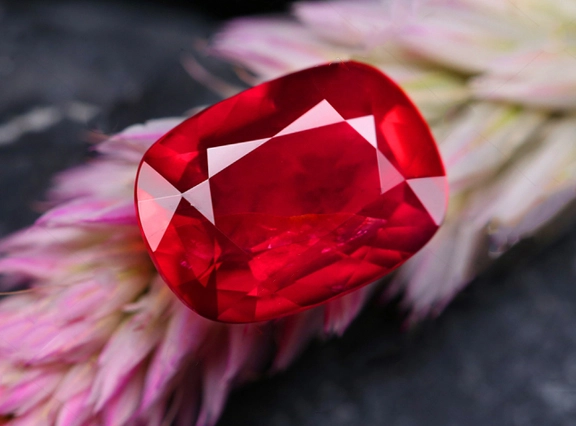
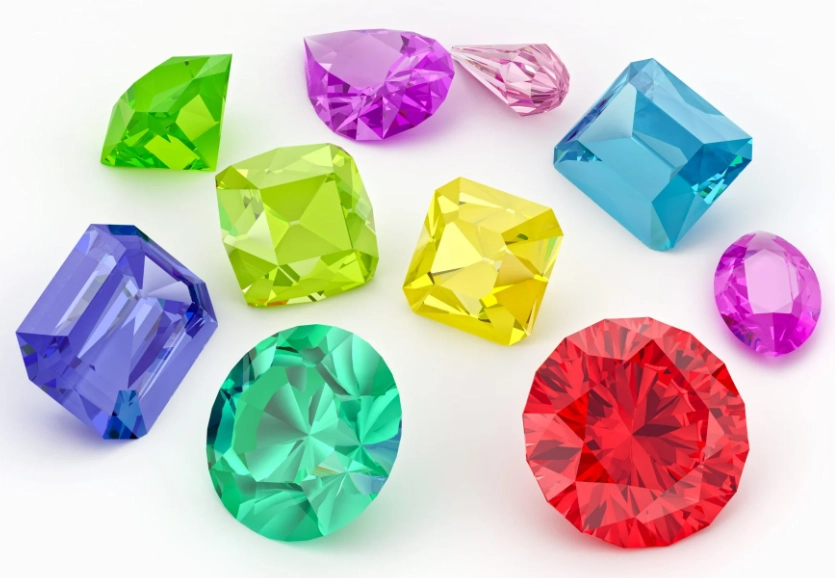
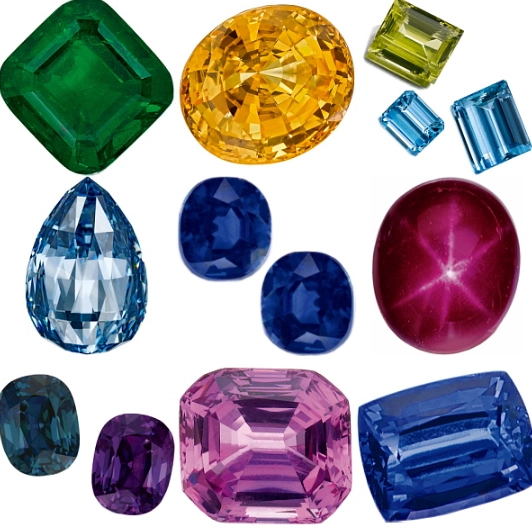
Quick Fact: Ruby is a variety of the mineral corundum. It gets its iconic red color primarily from the element chromium. Any other color of corundum? That's a sapphire. So a ruby is, in essence, a red sapphire. That fact alone tells you about its mineralogical toughness and prestige.
Quick Navigation
More Than a Gem: The Meaning and History of Ruby
Why has the ruby been coveted for centuries? It's not just about beauty. The lore runs deep. In ancient Sanskrit, ruby was called "ratnaraj," which translates to "king of precious stones." That tells you everything about its historical standing. Warriors in Burma (now Myanmar) believed inserting rubies into their flesh would make them invincible in battle. A bit extreme, but it shows the power attributed to it.
Across cultures, the July birthstone has been a symbol of passion, protection, and prosperity. Medieval Europeans thought it guaranteed health, wealth, wisdom, and success in love. It was associated with the life force of blood, believed to stop bleeding and ward off plague. Today, we see it as the ultimate symbol of passionate love and vitality, which is why it's a stunning alternative to an engagement ring. But honestly, the "passion" symbolism is a double-edged sword. It's used to market everything, sometimes making the stone feel a bit clichéd if you're not into the whole "fiery romance" thing. For some, its appeal is purely in its color and rarity, which is perfectly valid.
I once spoke to a gemologist who worked with estate jewelry. She told me about a Victorian-era ruby brooch they received. The owner thought it was just a nice family heirloom. Under the microscope, they found tiny, silk-like inclusions that perfectly matched those from the historic Mogok Valley in Myanmar. That provenance tripled its historical and monetary value instantly. It's a reminder that every ruby, especially an old one, carries a hidden geological passport.
What Makes a Ruby a Ruby? The Nitty-Gritty Details
Let's get technical, but I'll keep it painless. Understanding a few basics will make you a much smarter shopper.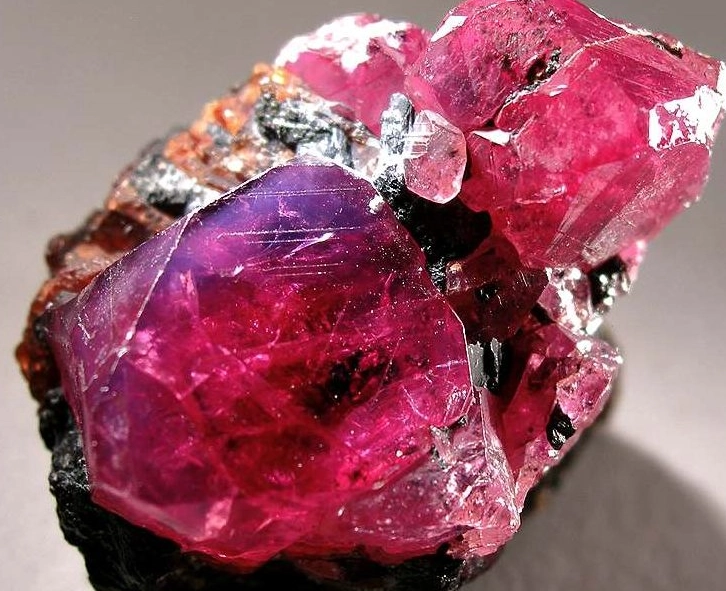
The Big Four: Color, Clarity, Cut, and Carat
With rubies, the rules are a bit different from diamonds. Here’s the breakdown every July birthstone seeker needs to know.
Color is King (and Queen and Emperor). This is the single most important factor for a ruby's value. We're not just talking "red." The top-tier color is described as "pigeon's blood red"—a pure, vibrant red with a slight purplish hue that seems to glow from within. It's a term originating from Burma. Not all dealers use it honestly, so focus on what you see: a rich, saturated red without being too dark (which looks brownish) or too light (which is pink). A orangey or purplish tint can lower the price. The best July birthstone ruby has that perfect, stop-you-in-your-tracks red.
Clarity: Inclusions are Expected. Unlike diamonds, most natural rubies have inclusions—internal fingerprints from their formation. A completely clean ruby is a massive red flag; it's almost certainly lab-created. The key is how the inclusions affect the stone's beauty and durability. Silk (fine needle-like inclusions) can give a soft glow, but large cracks or inclusions near the surface can make the stone prone to breaking. The goal is "eye-clean," meaning no visible flaws to the naked eye that hurt the appearance.
Cut: The Art of Releasing Fire. Cutters often prioritize preserving carat weight (size) over ideal proportions, especially with such expensive rough material. You'll see many rubies cut too deep or too shallow. A good cut maximizes that brilliant red color and minimizes visible inclusions. Look for a stone with even color distribution and good symmetry. A poorly cut ruby can look dark in the center or have dull, dead spots.
Carat Weight: Size with a Price Cliff. Ruby prices don't increase linearly with size; they jump exponentially. A 2-carat ruby of a certain quality will cost much more than twice the price of a 1-carat stone of the same quality. Large, fine-quality natural rubies are incredibly rare.
Here's a personal opinion that gets me in trouble with some jewelers: The obsession with pigeon's blood can be limiting. Some of the most beautiful rubies I've seen have a slightly purplish or pinkish secondary hue. They look incredible in rose gold settings and often cost significantly less. Don't get hypnotized by a marketing term; buy the color that makes your heart beat faster.
Treatments: The Industry's Open Secret
This is crucial. The vast majority of rubies on the market today are treated to improve their color and clarity. This isn't necessarily bad, but you must know about it.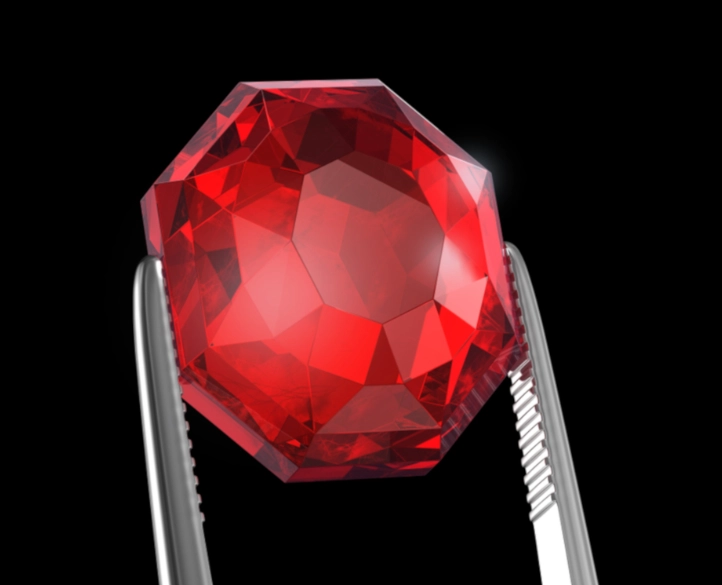
- Heat Treatment: This is the most common and generally accepted practice. Subjecting the rough stone to high temperatures improves color saturation and clarity. A heat-treated ruby is still a "real" ruby, and the treatment is stable and permanent. It should be disclosed and usually affects the price (making it more affordable).
- Lead Glass Filling: This is the controversial one. Rubies with significant fractures are filled with lead glass to make them look more transparent and improve apparent clarity. These stones are much cheaper but are fragile. The filling can be damaged by heat, ultrasonic cleaners, or even mild acids. You need to know if your July birthstone has been filled. Reputable sellers will disclose this.
Always, always ask for a lab report from a reputable gemological laboratory like the Gemological Institute of America (GIA) or the International Colored Gemstone Association (ICA). The report will detail any treatments. Buying without one is like buying a used car without a vehicle history report.
A Practical Buyer's Guide to the July Birthstone
Alright, let's say you're ready to buy a ruby. Where do you start without feeling overwhelmed?
Step 1: Define Your "Why" and Budget
Are you buying a birthstone gift, an investment piece, or an engagement ring? For a gift, a smaller, pretty stone with a nice setting might be perfect. For investment, you're looking at untreated, top-color stones with top-tier lab reports. Be realistic. A natural, untreated, pigeon's blood Burmese ruby over 1 carat will cost tens of thousands of dollars, easily. Most of us aren't in that market. And that's okay.
Step 2: Natural vs. Lab-Created: The Eternal Debate
This is a major decision point. Lab-created rubies (also called synthetic) have the same chemical and physical properties as natural ones. They're real rubies, just grown in a factory, not the earth.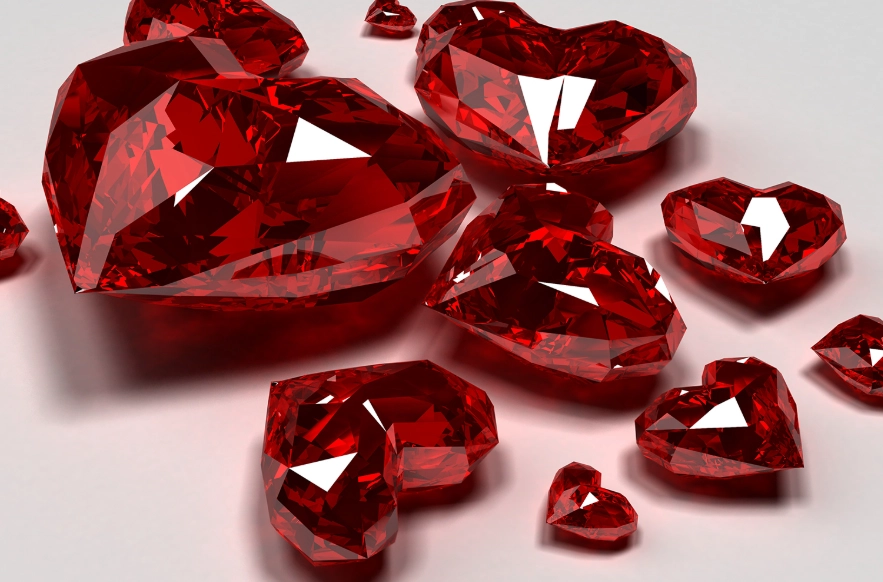
| Aspect | Natural Ruby | Lab-Created Ruby |
|---|---|---|
| Origin | Formed naturally in the Earth over millions of years. | Created in a laboratory in a matter of weeks. |
| Inclusions | Usually has natural inclusions (fingerprints). | Often flawless or has gas bubbles/curved growth lines. |
| Color | Color can vary; the finest colors are rare. | Color is often very consistent and vivid. |
| Cost | Very high, especially for fine quality. | Very affordable, a fraction of the cost. |
| Value | Holds and can appreciate in value as a natural resource. | Little to no resale value; it's a consumer product. |
| Ethics | Can have mining concerns; seek ethically sourced. | Environmentally lighter footprint; no mining. |
My take? If budget is the primary concern and you just want a beautiful, durable red gem, a lab-created ruby is a fantastic, guilt-free option. But if you want a piece of geological history, something unique with a story written in its inclusions, and an object that holds value, then natural is the way to go. Just get that lab report.
Step 3: Source and Setting Considerations
Origin can affect price. Burmese rubies (especially from Mogok) command a premium. Other major sources include Mozambique (producing beautiful stones that often rival Burmese in color), Thailand, Vietnam, and parts of Africa. A Mozambique ruby might offer incredible value.
For the setting, remember ruby is a 9 on the Mohs scale (diamond is 10), so it's very hard and suitable for daily wear like rings. However, if it has significant fractures or glass filling, be more cautious. A protective setting like a bezel can help. The metal choice matters too. Yellow gold enhances warmth, white gold/platinum makes the red pop in a cooler, more modern way, and rose gold creates a beautifully blended, romantic look.
A quick story.
A friend wanted a July birthstone ring for her birthday. She fell in love with a stunning ruby online at a "too-good-to-be-true" price. I begged her to ask about treatments. She didn't. The ring arrived. It was beautiful... until she wore it while washing dishes with warm, soapy water. A few weeks later, the stone became cloudy and dull. It was heavily glass-filled, and the filling had leached out. A hard lesson learned. Always ask.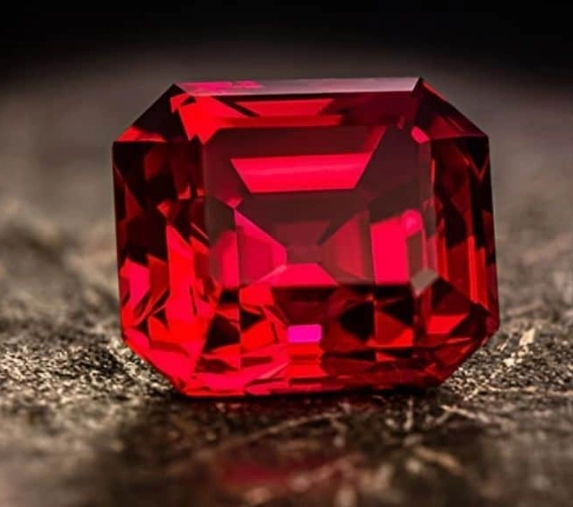
Caring for Your Ruby
You've invested in your July birthstone. Now keep it beautiful.
- Cleaning: Warm water, mild dish soap, and a soft brush are usually safe. Never use an ultrasonic or steam cleaner unless you have written confirmation from a gemologist that your specific stone is untreated or only heat-treated. These cleaners can destroy glass-filled or fractured stones.
- Storage: Keep it separate from other jewelry to prevent scratches. A soft pouch or a compartment in a jewelry box is ideal.
- Wear: It's hard, but avoid harsh knocks. Take it off for heavy manual work, gardening, or gym sessions.
Answering Your July Birthstone Questions
Let's tackle some of the specific things people search for when diving into the world of the July birthstone ruby.
Final Thoughts on Choosing Your Ruby
The journey to find the right July birthstone is personal. It's easy to get lost in technical jargon and price tags. Sometimes you have to ignore the "rules" and buy what speaks to you. I've seen people choose a smaller, included ruby with a fascinating internal landscape over a flawless, larger one because it had more character. That's the beauty of natural gems—they're not uniform products.
Whether you're drawn to the July birthstone for its legendary status, its vibrant color, or its symbolic ties to passion and protection, take your time. Ask questions—lots of them. Demand disclosure. Get a lab report for any significant natural stone purchase. And remember, a ruby's true value isn't just in its price per carat. It's in the joy it brings you every time you catch that flash of red on your hand or see it light up the face of the July-born person you're gifting it to. That glow, in the end, is priceless.
Want to dive deeper into the science and grading? The GIA's Ruby Gem Encyclopedia is an authoritative, free resource that goes into incredible detail about everything we've discussed, from geology to treatments. It's my first stop for double-checking facts.