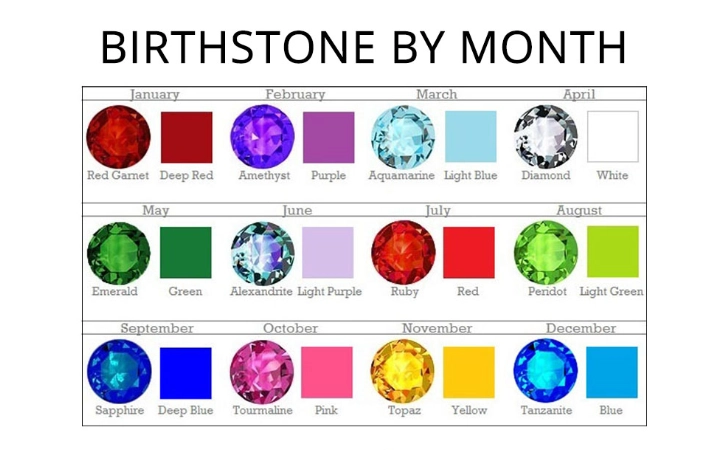
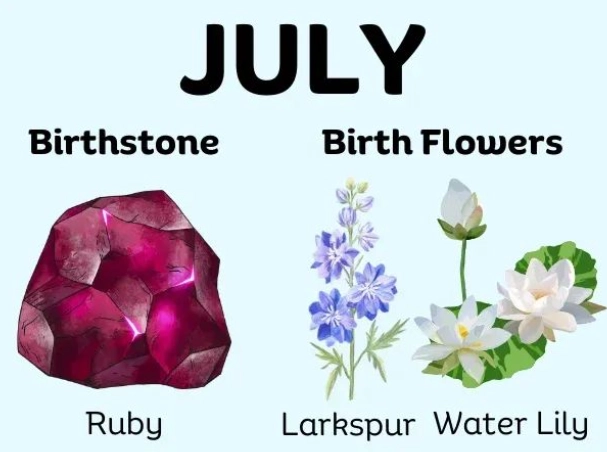
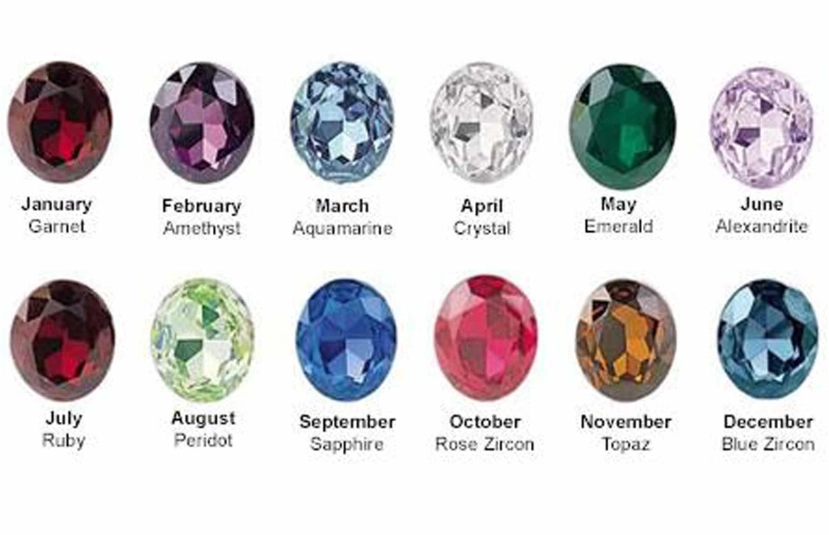
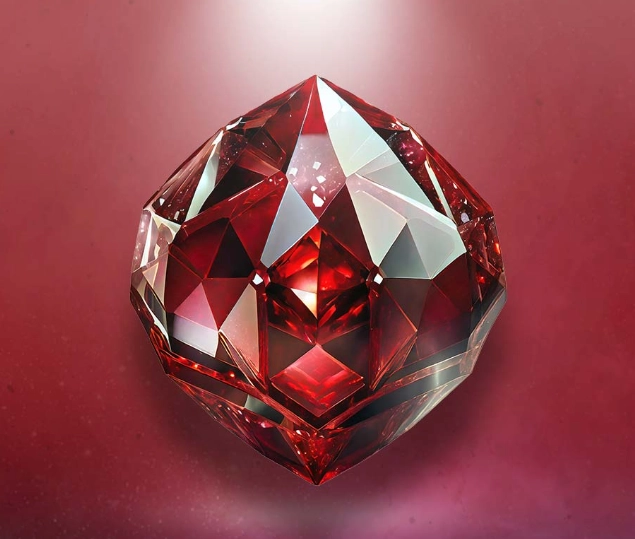
Ruby, the birthstone for July, is a stone that commands attention. It's not just a red gem; it's a symbol of passion, protection, and power that has captivated humans for millennia. But beyond the romantic lore, there's a practical world of value, quality, and care that every owner or buyer should understand. I've spent years in gem markets from Bangkok to Tucson, and the most common mistakes I see people make with ruby come from treating it like any other red stone. It's not.
In This Ruby Guide
The Heart of the Matter: Ruby's Meaning & History
Ancient Sanskrit texts called ruby "ratnaraj," the king of precious stones. That title wasn't given lightly. Warriors embedded rubies in their flesh for invincibility in battle. Asian cultures believed it guaranteed safety from natural disasters. In Europe, it symbolized divine love and courage.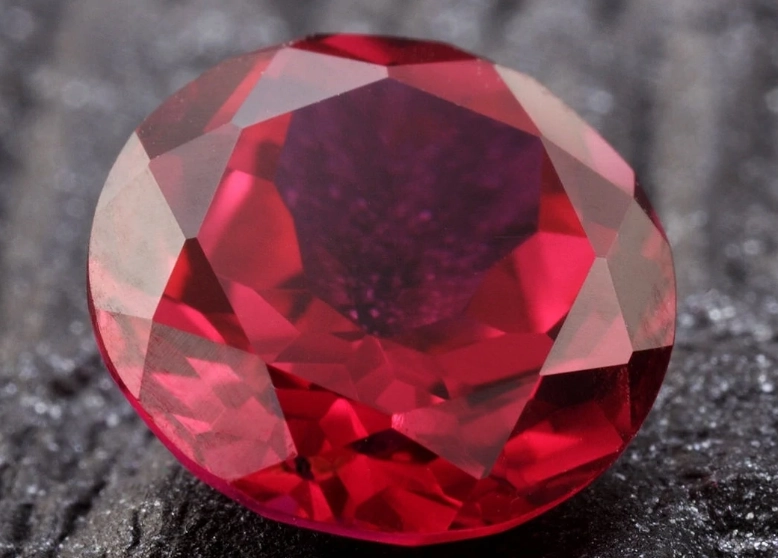
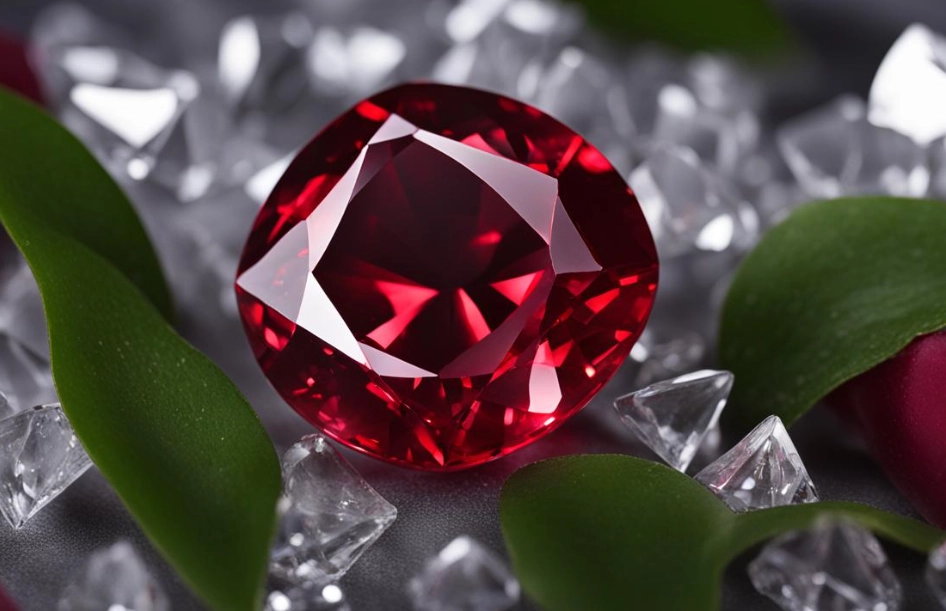
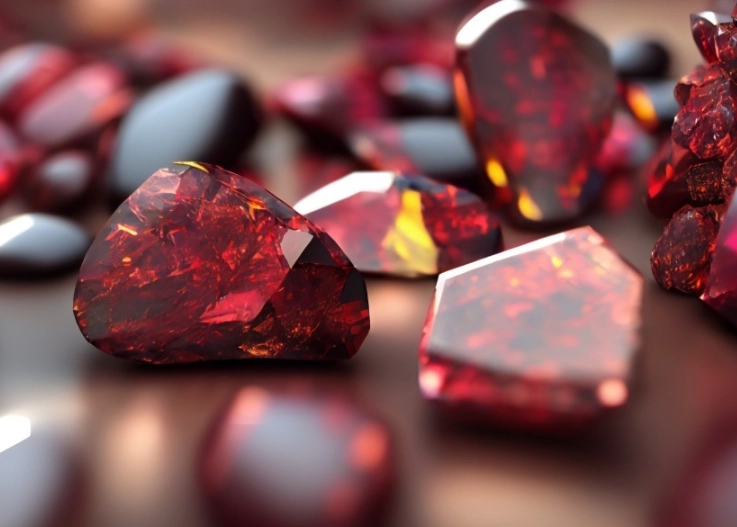
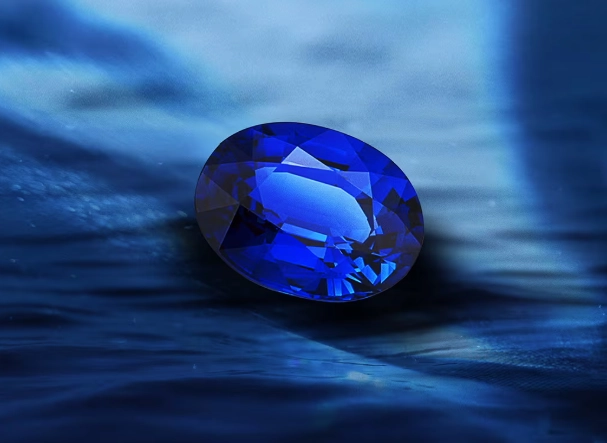
The meaning is tied inextricably to its color—a deep, pulsating red caused by trace amounts of chromium. This isn't just any red. It's the color of lifeblood, of a beating heart, of a smoldering ember. It's why ruby became the ultimate symbol of passionate love, rivaling even the diamond for engagement rings in certain eras (a trend that's powerfully resurging today).
But here's a nuance most blogs miss: the historical reverence often came from a place of rarity we no longer fully experience. Most ancient rubies were heavily included, flawed, and pale compared to today's standards. The modern gem trade's ability to enhance color and clarity through heat treatment has democratized access to beautiful red gems, but it also creates a disconnect between historical awe and modern market reality.
What Makes a Ruby Valuable? The 4Cs Explained
Forget what you know about diamond 4Cs for a second. With ruby, the hierarchy shifts dramatically.
Key Insight: For ruby, Color is King, accounting for up to 70% of its value. Clarity and treatments are a distant second and third. Carat weight has a non-linear, exponential impact.
1. Color: The "Pigeon's Blood" Myth and Reality
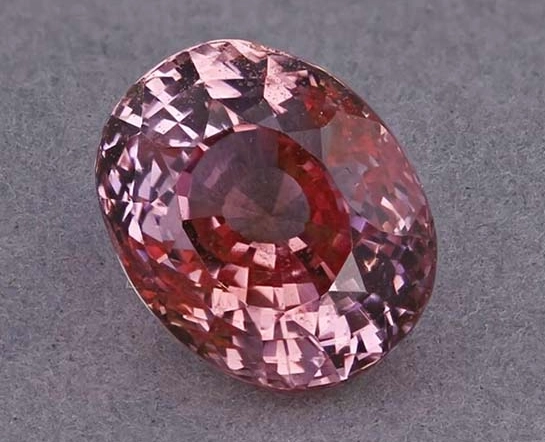
Everyone chases the legendary "Pigeon's Blood" red. Originally describing the finest Burmese rubies, it's now a marketing term for a highly saturated, pure red with a faint bluish secondary hue. The Gemological Institute of America (GIA) simply uses terms like "vivid red."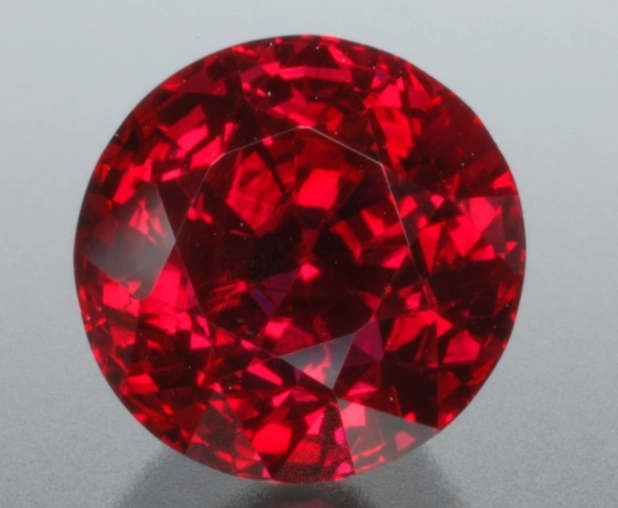
The truth? In a well-lit showroom, a top-tier "vivid red" from Mozambique can look identical to a Burmese stone costing five times more. The premium is for origin and rarity, not always visible beauty. Don't get hypnotized by a name. Judge the color with your own eyes: look for a rich, glowing red without brown or orange undertones. A slightly purplish red can be stunning, but it may not command the same peak price.
2. Clarity: "A Ruby Without Flaws is a Ruby Without Friends"
The old saying "ten rubies, nine fractured" holds some truth. Inclusions (internal features) are expected. Silk (rutile needles) can even enhance value by creating soft diffusion of light. The problem is fractures that reach the surface—they compromise durability.
The biggest mistake is assuming eye-cleanliness is the ultimate goal. It's a luxury. A ruby with minor silk that's eye-clean is often a better value than a flawless-looking stone that's been glass-filled to conceal cavities (a treatment that requires extreme care).
3. Cut: The Neglected Value Multiplier
Cutters often prioritize preserving carat weight (and thus price) over optical performance. You'll see many rubies cut too deep or too shallow, with windows (dead, see-through areas) or washed-out color in the center.
A well-cut ruby should have even color distribution and good brilliance, not just be a lump of red crystal. Hold it sideways. If the center loses all color and turns transparent, the cut is sacrificing beauty for weight.
4. Carat: The Exponential Price Jump
Fine-quality ruby is rare above one carat. So, the price per carat doesn't increase linearly; it leaps at milestone weights (1ct, 3ct, 5ct). A 2-carat stone can be more than double the price of two separate 1-carat stones of the same quality.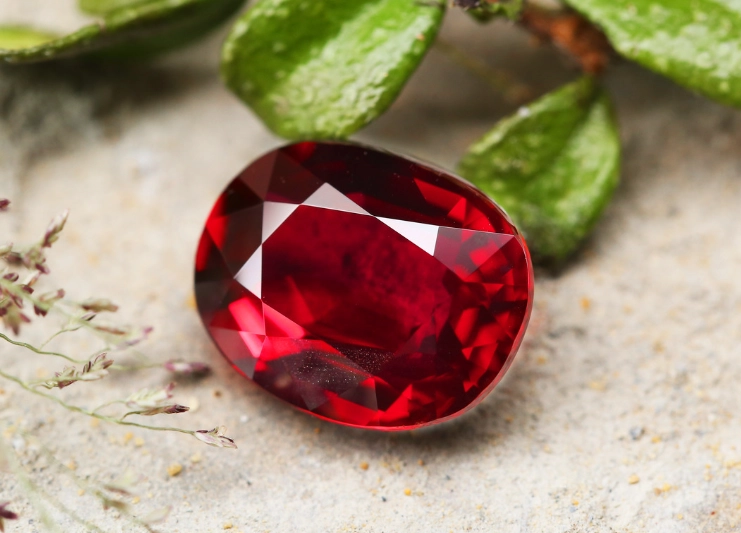
A Quick Tour of Ruby Origins
Origin is a major price driver, but not always a quality indicator for the wearer.
| Origin | Classic Color Profile | Market Note & What to Know |
|---|---|---|
| Myanmar (Burma) | Vivid, intense red often with a fluorescent glow. | The historical benchmark. Commands the highest premiums due to lore and exceptional color. Often heavily included. Ensure ethical sourcing due to ongoing concerns. |
| Mozambique | Rich, saturated red, sometimes slightly darker. | The modern market leader. Produces large, relatively clean stones with fantastic color since the 2000s. Offers the best value for high-quality, larger rubies. |
| Thailand | Often darker red with brownish or purplish tints. | Historically a major trading and treatment center. Many rubies from other regions are heat-treated here. Native stones are less common today. |
| Madagascar | Range from pinkish to vivid red. | An important newer source. Can produce beautiful gems that rival other origins. Often a more affordable entry point for untreated stones. |
I once watched a dealer in Bangkok try to pass off a heated Mozambican ruby as Burmese to a tourist. The price difference was 800%. The tourist couldn't tell, and honestly, for a piece of jewelry, the Mozambican stone was gorgeous. But it's the principle. Always ask for a lab report if origin is a key part of the price.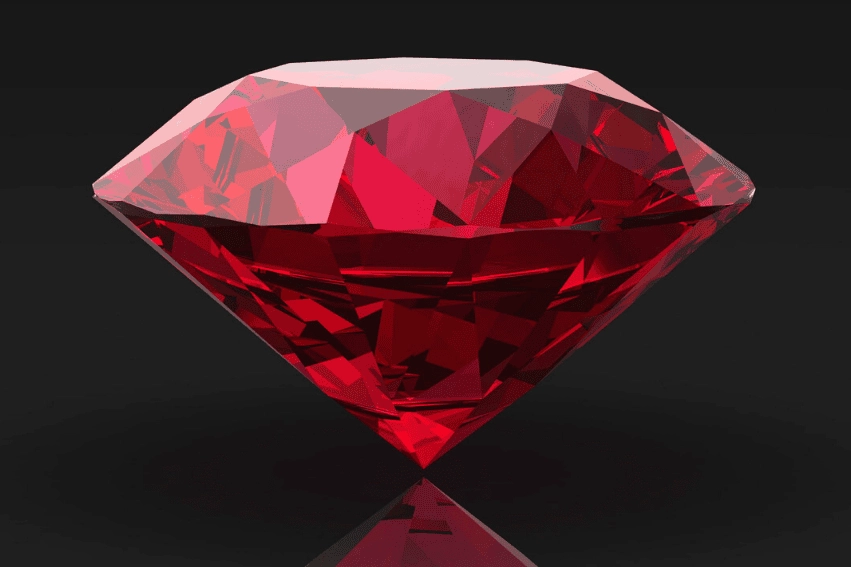
Choosing Ruby Birthstone Jewelry: A Buyer's Walkthrough
Let's get practical. You want a July birthstone gift or a piece for yourself.
First, set a realistic budget. "I want a 2-carat pigeon's blood ruby ring for $500" is a path to disappointment or synthetic stones. For a genuine, decent-quality ruby, think in these rough tiers:
- Under $500: Small stones (under 0.5ct), possibly included, in silver or gold vermeil settings.
- $500 - $2,000: Good quality 0.5-1ct stones, likely heat-treated, in solid gold settings. This is the sweet spot for beautiful wearable jewelry.
- $2,000+: Larger stones (1ct+), better color, potentially untreated, designer settings.
Second, prioritize. Do you want size, color, or cleanliness? You usually can't have all three on a budget. For a ring, prioritize color and a stone with no surface-reaching cracks. For earrings, where stones are smaller and viewed from a distance, you can compromise slightly on clarity.
Third, ask the right questions. Don't just ask "is it natural?" Ask:
- "Has this ruby been heat-treated?" (Acceptable and standard).
- "Are there any clarity enhancements like fracture filling?" (Requires special care).
- "Can you provide any information on origin?"
- "Do you have a lab report?" (For stones over a certain value, insist on one from GIA, AGL, or GRS).
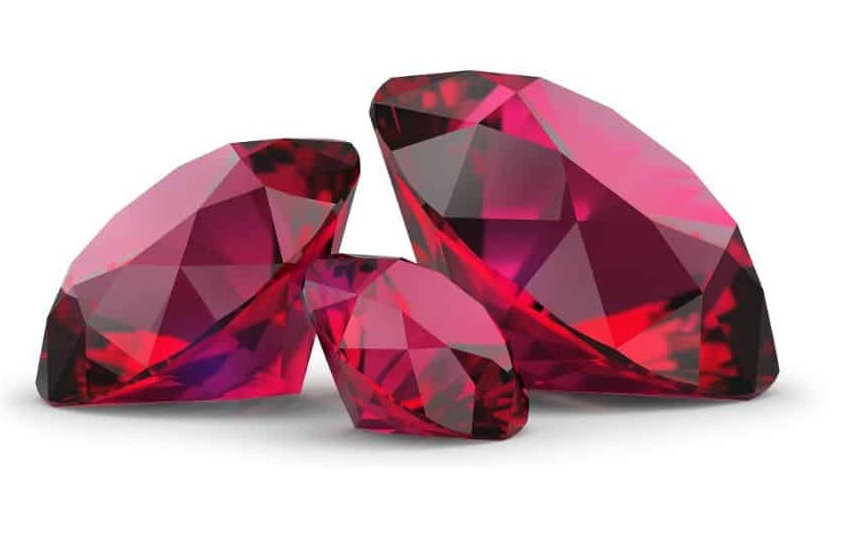
How to Clean and Care for Your Ruby Birthstone
Ruby is a 9 on the Mohs scale, so it's very hard. But hardness is resistance to scratching; toughness (resistance to breaking) is different. Those inclusions can be weak points.
The Safe, Daily Cleaning Method:
- Mix a few drops of mild dish soap in a bowl of warm (not hot) water.
- Soak the jewelry for 15-20 minutes to loosen grime.
- Gently scrub with a soft baby toothbrush, focusing on the back of the stone (the culet) where oil collects.
- Rinse thoroughly under warm running water. Plug the drain first! I've seen more gems lost down sinks than in any other way.
- Pat dry with a soft, lint-free cloth.
What to Avoid:
- Ultrasonic Cleaners: Generally safe for heat-treated rubies without fractures. Never use for rubies with fracture fillings (glass-filled) or significant internal cracks—the vibrations can shatter them.
- Steam Cleaners: The heat and pressure can damage treated stones or loosen prongs.
- Harsh Chemicals: Chlorine, bleach, and abrasive cleaners can damage the metal setting and potentially affect fracture fillings.
Store ruby jewelry separately to prevent scratches to softer gems. Have prongs checked by a jeweler annually.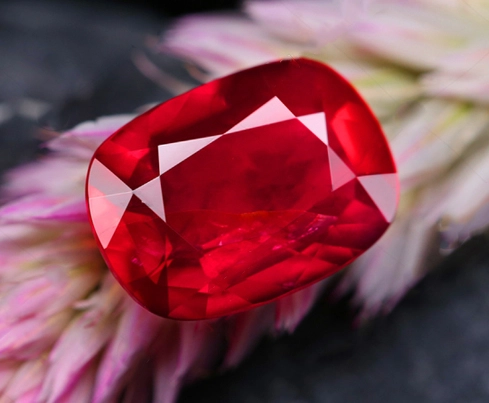
Your Ruby Questions, Answered
Ruby's fire isn't just optical; it's emotional. It's a gem that carries history on its shoulders and passion in its heart. Whether you're drawn to it as your July birthstone, a symbol of love, or simply for its undeniable beauty, understanding these details transforms it from a purchase into a legacy. Choose wisely, care for it diligently, and it will glow for generations.