What You’ll Find Inside
- The Sunny Soul: Getting to Know Peridot, the Traditional August Birthstone
- The Rising Star: Spinel, the Modern August Birthstone
- Head-to-Head: Peridot vs. Spinel - Which August Birthstone is Right for You?
- Buying Your August Birthstone: A Step-by-Step Reality Check
- Caring for Your August Birthstone Jewelry
- Your August Birthstone Questions, Answered (FAQ)
So you're an August baby, or you're shopping for one, and you type "August birthstone" into Google. You probably expect to see that lovely lime green gem, peridot, staring back at you. That's what I thought too, until I started digging deeper a few years ago for a friend's birthday gift. Turns out, the story is more interesting—and more colorful—than that.
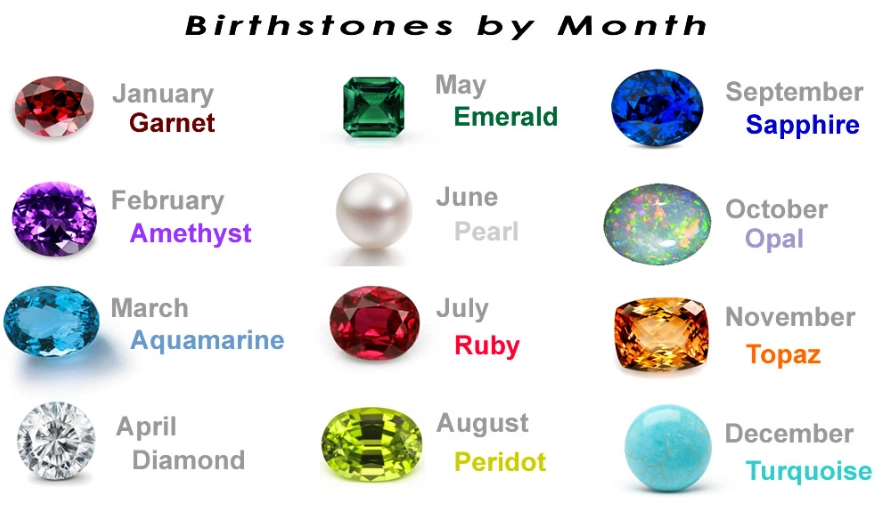
August is one of those lucky months with not one, but two official birthstones. Peridot is the classic, the one everyone knows. But since 2016, spinel has been sitting right alongside it as an official modern August birthstone. This wasn't just some random committee decision; it reflects spinel's rising fame after centuries of being mistaken for ruby. Pretty cool, right?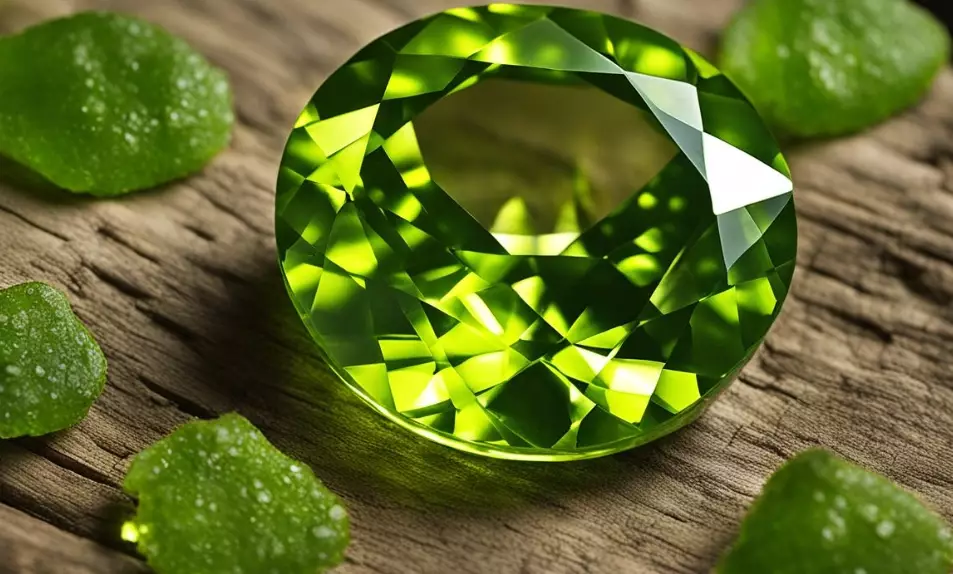
I remember helping my friend choose. She loved green but wanted something she could wear every day without too much worry. That's when the practical questions start popping up. Which one is harder? Which holds its value better? Is one more "traditional" than the other? We'll cover all of that, no fluff, just the stuff you actually need to know before you buy or wear an August birthstone.
The Sunny Soul: Getting to Know Peridot, the Traditional August Birthstone
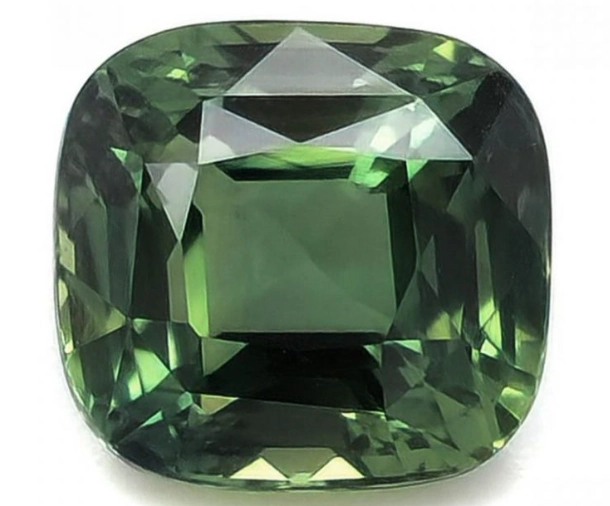
Peridot is all about that unique, zesty green. It's not the deep forest green of an emerald or the blue-green of a tourmaline. It's a vibrant, yellowish green that reminds you of fresh limes or new spring grass. The color comes from iron, and unlike most gems, it forms deep in the earth's mantle and is sometimes brought to the surface by volcanoes. How's that for a dramatic origin story?
Historically, it's had some serious glamour. Ancient Egyptians called it the "gem of the sun" and mined it on an island in the Red Sea. There's even speculation that Cleopatra's famous emeralds might have actually been peridots. I find that bit of historical mix-up fascinating—it shows how even great treasures can be mislabeled for centuries.
The main sources today are the United States (Arizona is famous for it), China, and Pakistan. The Pakistani material, especially from the Kashmir region, can be exceptionally fine and vivid. But here's a personal opinion: some Arizona peridot has a beautiful, oily, rich green that I personally prefer over the slightly yellower stones from other places. It's all about what shade of green speaks to you.
On the practical side, peridot sits at a 6.5 to 7 on the Mohs hardness scale. What does that mean for you? It's decent for rings, but you need to be a bit careful. It's more susceptible to scratches than a sapphire or spinel. I'd recommend a protective setting (like a bezel) for an everyday ring, or consider it for earrings and pendants where it's less likely to get knocked around.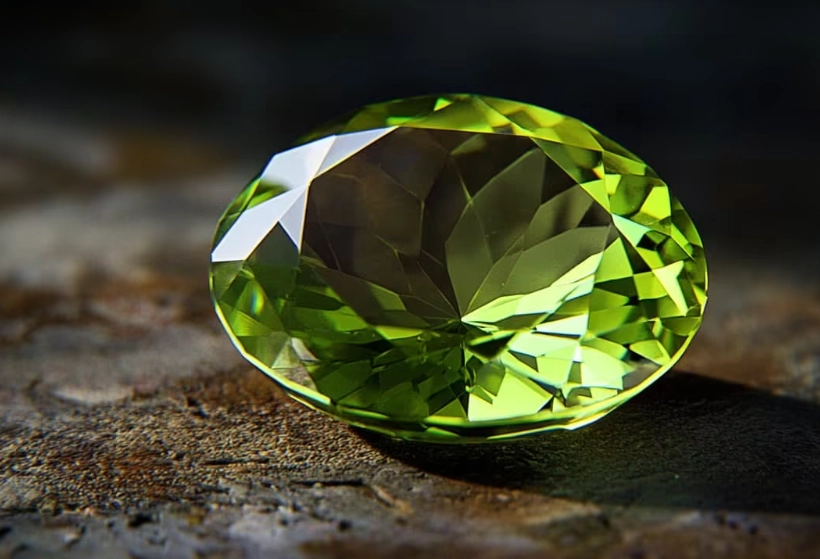
What Does Peridot Symbolize? More Than Just a Pretty Green
People don't just wear birthstones because they're pretty. There's meaning attached. Peridot is packed with symbolism. It's historically been tied to light, warmth, and prosperity. Many believed it could ward off nightmares and evil spirits—a handy feature for a piece of nighttime jewelry.
In modern crystal lore, it's associated with healing, renewal, and reducing stress. Whether you buy into that or not, there's no denying that its cheerful color can lift your mood. It's often linked to the heart chakra, promoting compassion and letting go of old baggage. For an August birthday marking the tail end of summer, a stone symbolizing renewal and light feels pretty fitting.
The Rising Star: Spinel, the Modern August Birthstone
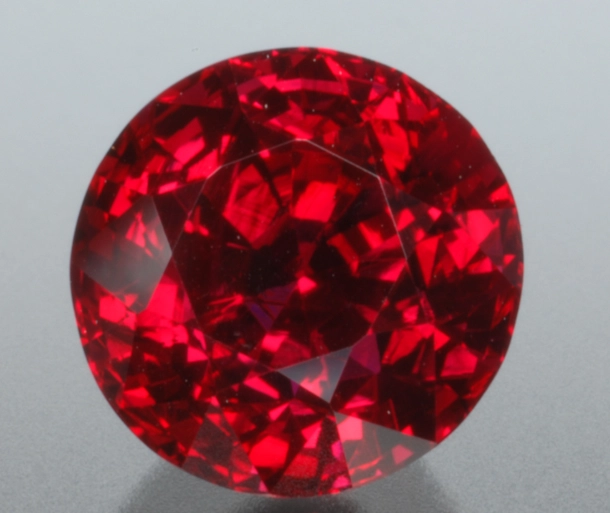
Now, let's talk about the newcomer—or rather, the ancient gem that finally got its name on the door. Spinel. For hundreds of years, the most beautiful red spinels were called "balas rubies" and adorned the crowns of kings and emperors. The famous "Black Prince's Ruby" in the British Imperial State Crown is, you guessed it, a massive red spinel.
Its addition as a second August birthstone in 2016 by the Jewelers of America was a long-overdue correction. Gemologists had known its true identity for ages, but the market is finally catching up. And what a market it is. While red is the most famous and historically significant color, spinel comes in an incredible range.
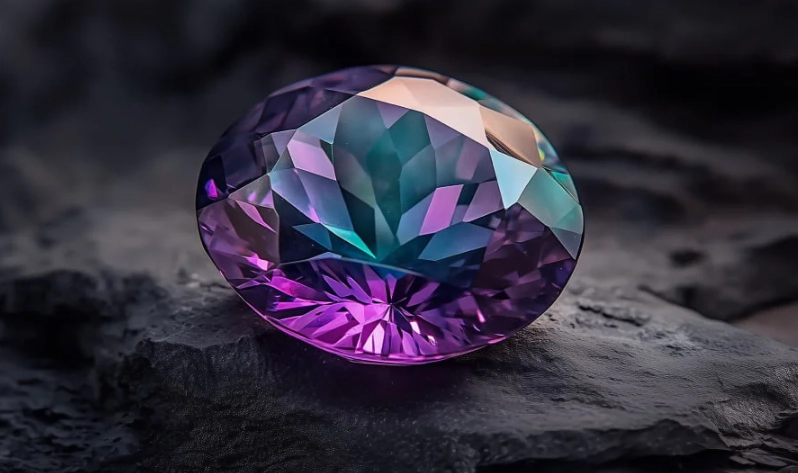
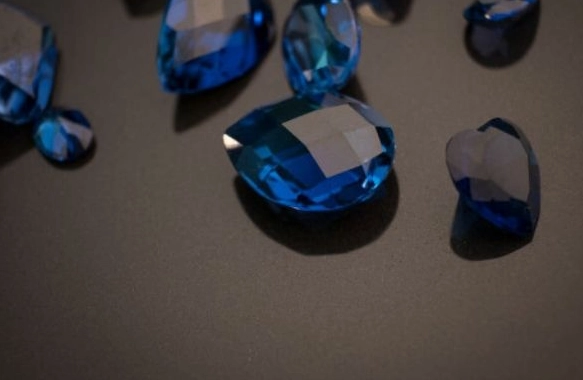
We're talking hot pinks from Myanmar (Burma), stunning cobalt blues from Vietnam and Sri Lanka, and gorgeous lavenders. The color range is one of spinel's biggest selling points. You want a vibrant, saturated gem that isn't a sapphire or a ruby? Spinel might be your answer.
Durability is where spinel really shines for an August birthstone meant for daily wear. It's an 8 on the Mohs scale. That's harder than peridot and emerald, and just one step below ruby and sapphire. This makes it an absolutely fantastic choice for engagement rings or right-hand rings that will see a lot of action. It can handle everyday life with much less anxiety.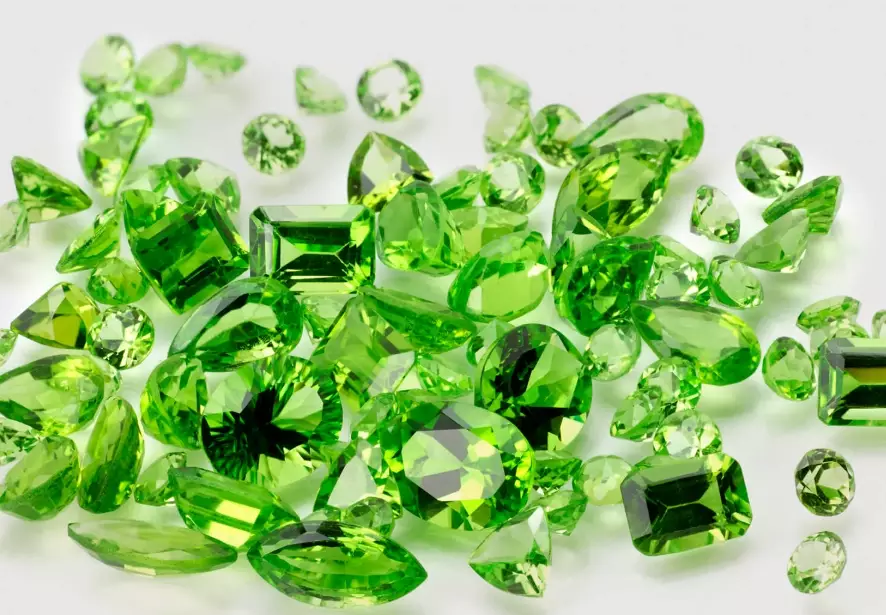
Spinel's Meaning and Allure
Spinel's symbolism is tied to its history of revitalization and its mistaken identity. It's seen as a stone of renewal, hope, and inspiration—fitting for a gem that has "rediscovered" itself in the public eye. Some associate its varied colors with balancing different energies: red for vitality, pink for love, blue for calm.
I see its meaning as a bit more personal. Choosing spinel can be about appreciating underrated beauty, about valuing something for its own incredible properties rather than the name it was once mistaken for. For an August baby, that's a pretty powerful metaphor.
Head-to-Head: Peridot vs. Spinel - Which August Birthstone is Right for You?
This is the big question, isn't it? You can't decide if you don't know how they stack up. Let's break it down in a way that's actually useful.
| Feature | Peridot (The Classic) | Spinel (The Modern Choice) |
|---|---|---|
| Color Range | Exclusively green-yellow hues. | Extremely wide: Red, Pink, Blue, Purple, Grey, Black. |
| Hardness (Mohs) | 6.5 - 7. Good, but requires some care in rings. | 8. Excellent for everyday wear, very durable. |
| Clarity Typical | Often has visible inclusions (lily pad inclusions are common). Eye-clean stones are rarer and command a premium. | Can be found in exceptionally clean, eye-clear specimens. Inclusions are less common than in peridot. |
| Price Point (General) | Generally more affordable. Fine quality peridot is accessible in larger sizes. | Wider range. Commercial grades are affordable, but top-color reds & pinks can rival ruby/sapphire prices. |
| Traditional Vibe | High. The long-established August birthstone. | Lower, but with immense historical pedigree as a "royal" gem. |
| Best For... | Unique, sunny jewelry (pendants, earrings). Lovers of a singular, vibrant green color. | Durable everyday rings (e.g., engagement). Collectors. Those wanting color variety. |
Looking at that table, the choice often comes down to color preference versus lifestyle. Do you absolutely love green and want the traditional August birthstone, and are you okay with a bit more mindful wear? Go peridot.
Do you want a stone that can be set in a ring and forgotten about, or are you drawn to a specific color like a vibrant pink or a calming blue? Then spinel is calling your name. There's no wrong answer here—just the right answer for *you*.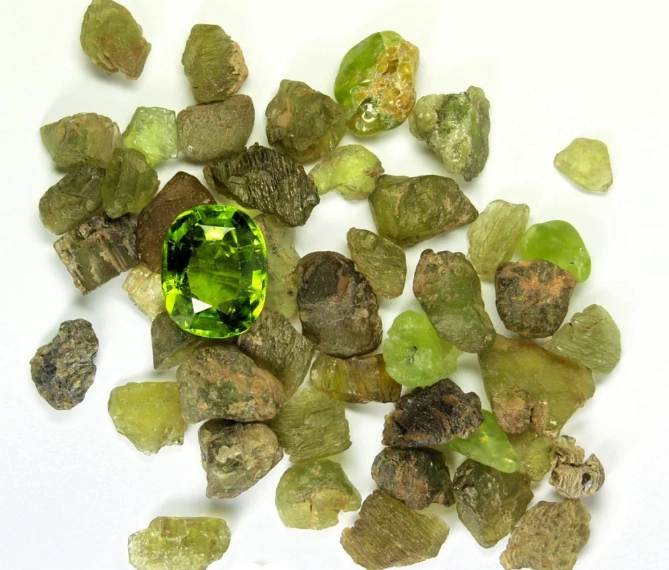
Buying Your August Birthstone: A Step-by-Step Reality Check
Alright, let's say you're ready to buy. Whether it's peridot or spinel, the rules are similar, but the devil is in the details.
For Peridot Shopping:
Color is King. Look for a bright, saturated green. Avoid stones that look too brownish or yellowish, as they appear muddy. The most prized color is often called "grass green" or "lime green."
Check for Inclusions. Peridot is a "Type II" gem, meaning inclusions are expected. Look with your naked eye, not a loupe. If it looks clean to your eye from a normal viewing distance, that's a good stone. Those characteristic "lily pad" inclusions under magnification aren't necessarily bad unless they impact the brilliance.
Cut Matters. A good cut will make that green sing. Look for brilliance and sparkle, not a dull, windowed stone. Ovals and cushions are classic, but don't be afraid of rounds or emerald cuts.
For Spinel Shopping:
Color Saturation is Everything. Whether it's red, pink, or blue, the intensity of the color is what drives beauty and value. Vivid, bright stones are top tier. Pale or greyish stones are less valuable.
Clarity is a Bonus. High-quality spinel is often remarkably clean. You should expect excellent clarity for your money, especially compared to peridot or emerald.
Ask About Treatment. This is crucial. Most spinel is untreated—its colors are naturally stunning. This is a massive selling point in a market full of heat-treated sapphires and rubies. Any reputable seller (like the Gemological Institute of America's (GIA) website can educate you on treatments) will disclose if a stone has been treated. The vast majority won't be.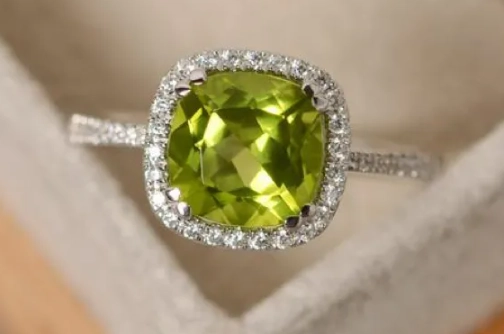
Caring for Your August Birthstone Jewelry
You've made the investment, now let's keep it beautiful. The care routines differ because the stones differ.
For Peridot: Be gentle. Its lower hardness and potential sensitivity to sudden temperature changes mean you should avoid ultrasonic and steam cleaners. Stick with warm, soapy water, a soft brush, and a gentle rinse. Store it separately from harder gems to prevent scratches. Don't wear it while gardening, cleaning, or at the gym.
For Spinel: You can be far less anxious. Its hardness of 8 makes it suitable for ultrasonic cleaners (unless it has significant fractures or is set with more delicate gems). The standard warm soapy water method works perfectly. It's a tough gem, but it's still wise to avoid harsh blows.
Both gems should be kept away from harsh chemicals like bleach or chlorine, which can damage the metal settings and potentially affect the polish of the stones over time.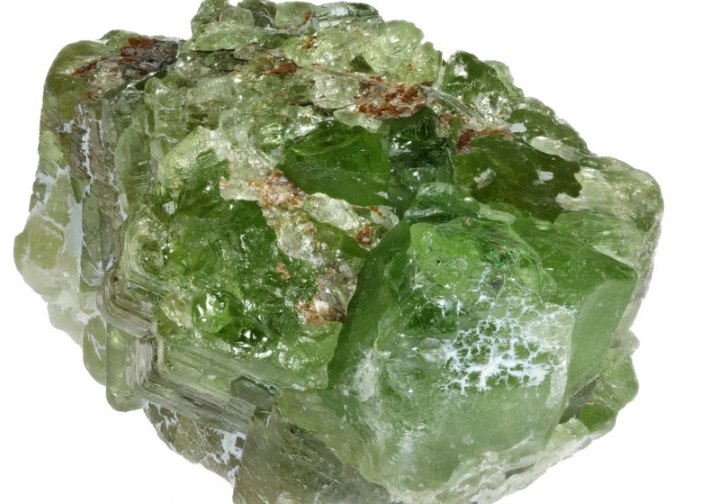
Your August Birthstone Questions, Answered (FAQ)
Whether you're drawn to the ancient, sunny glow of peridot or the durable, dazzling spectrum of spinel, you're choosing a piece of the earth's history. The August birthstone story is uniquely rich, offering a choice between tradition and rediscovery, between a singular sunny hue and a rainbow of possibilities. My advice? Look at them in person if you can. See how the light plays off the green of a peridot or the electric flash of a red spinel. Your gut will tell you which one is yours.
And remember, the best gemstone is the one that makes you smile when you put it on. Whether it's the classic August birthstone or its modern partner, wear it well.