In This Guide
Let's talk about the peridot birthstone. You know, that bright, lime-green gem that seems to capture a piece of sunlight. If you're an August baby, or just someone drawn to vibrant green stones, you've probably wondered about it. What's the real story behind this gem? Is it just a pretty face, or is there more to it?
I remember the first time I held a piece of peridot jewelry. It was a simple pendant, but the color stopped me cold. It wasn't the deep forest green of an emerald or the cool blue-green of an aquamarine. This was different—a cheerful, almost electric green that felt alive. That's the peridot birthstone for you. It doesn't whisper; it announces itself.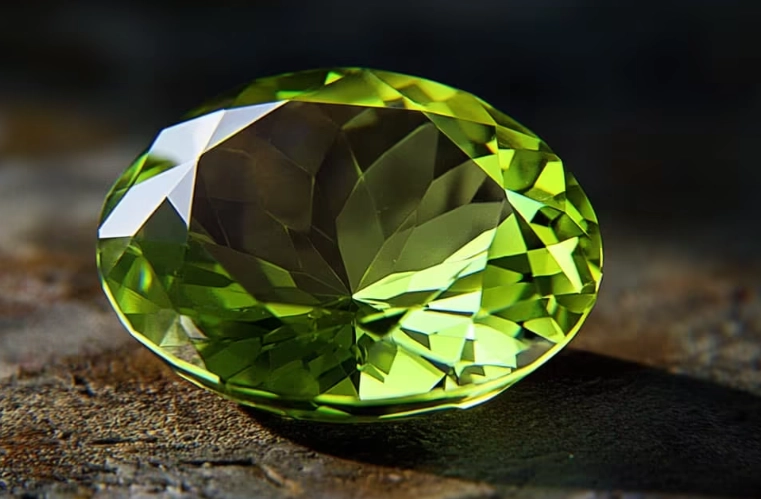
Quick Fact: Peridot is one of the few gemstones that comes in only one color. Its signature green comes from iron, and the exact shade—from yellowish-green to a more olive tone—depends on how much iron is in its crystal structure.
For centuries, people have been fascinated by this stone. Ancient Egyptians called it the “gem of the sun,” mining it on a remote island in the Red Sea. They believed it protected the wearer from nightmares. Fast forward to today, and the peridot birthstone is still loved, though sometimes I feel it gets overshadowed by its more famous cousins like sapphire or ruby. That's a shame, because it has a unique charm all its own.
What Exactly is a Peridot?
At its core, peridot is the gem-quality version of a mineral called olivine. You won't find it in a huge rainbow of colors. Nope, its world is green. The finest peridot birthstone has a pure, vibrant grass-green color without any brown or yellow hints muddying it up. The best stones have what gemologists call a high saturation—that means the color is rich and intense, not washed out.
It's not a super hard gem. On the Mohs scale of hardness, it sits at a 6.5 to 7. What does that mean for you? Well, it's durable enough for rings and bracelets you wear often, but you do need to be a bit more careful with it than you would with a diamond or sapphire. Don't go gardening or rock climbing with it on. Save it for occasions where it's less likely to get a hard knock.
One of the coolest things about peridot? It's born of fire and brought to the surface by violence. Most gemstones form in the Earth's crust. But peridot forms deep in the mantle, the layer below the crust. It gets delivered to the surface through volcanic activity or sometimes in meteorites! That's right, you can find peridot from outer space (though that's incredibly rare and not what you'll find in your local jewelry store).
So, it's a gem with an epic origin story. Not bad for August's signature stone.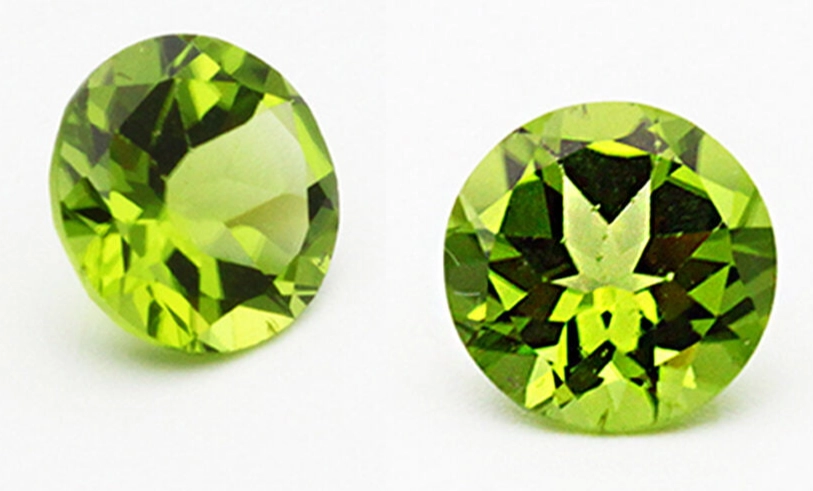
Why is Peridot the August Birthstone?
The history of birthstones is a bit messy, with lists changing over time. But peridot has been firmly linked to August for a long, long while. Some trace its association back to ancient times, linking its bright green color to the lushness of late summer. It makes sense, doesn't it? August is often about peak greenery before the turn towards autumn.
The modern official list from the American Gem Trade Association and other bodies solidifies peridot as the primary August birthstone (though spinel sometimes shares the spot now). For August babies, this means the peridot birthstone is your classic, timeless symbol.
But beyond the calendar, what does it symbolize? This is where it gets interesting, and honestly, where some of the lore gets a bit... mystical. I'm a practical person, so I take these meanings with a grain of salt, but they're a fun part of the gem's story.
The Meaning and Symbolism Behind the Green
Traditionally, the peridot birthstone has been tied to a bunch of positive ideas:
- Protection: This is a big one. From the ancient Egyptians warding off night terrors to medieval Europeans believing it protected against evil spirits, peridot was seen as a shield. Some modern crystal enthusiasts say it creates a protective aura around the wearer. I can't verify the aura part, but wearing something you believe protects you can definitely make you feel more confident.
- Prosperity and Growth: Green is the color of money and thriving plants in many cultures. It's no surprise that peridot became associated with attracting abundance and encouraging personal growth. It's seen as a stone of new beginnings—perfect for an August birthday, which can feel like a personal new year.
- Peace and Healing: Its calming green hue is often linked to reducing stress, calming anger, and soothing nervousness. Some traditions believed it had physical healing properties, especially for the heart and lungs. Let's be clear: a gemstone is not a substitute for medical care. But if a beautiful stone helps you feel centered during a stressful day, that's a real benefit.
"Peridot is like a little bottle of captured summer light. In the depths of winter, glancing at it on your hand can be a real mood-lifter." – A sentiment I've heard from more than one August-born friend.
Whether you buy into the metaphysical properties or not, there's no denying the psychological effect of wearing something beautiful that you connect with. If the peridot birthstone's history and symbolism resonate with you, that connection is what makes jewelry personal and powerful.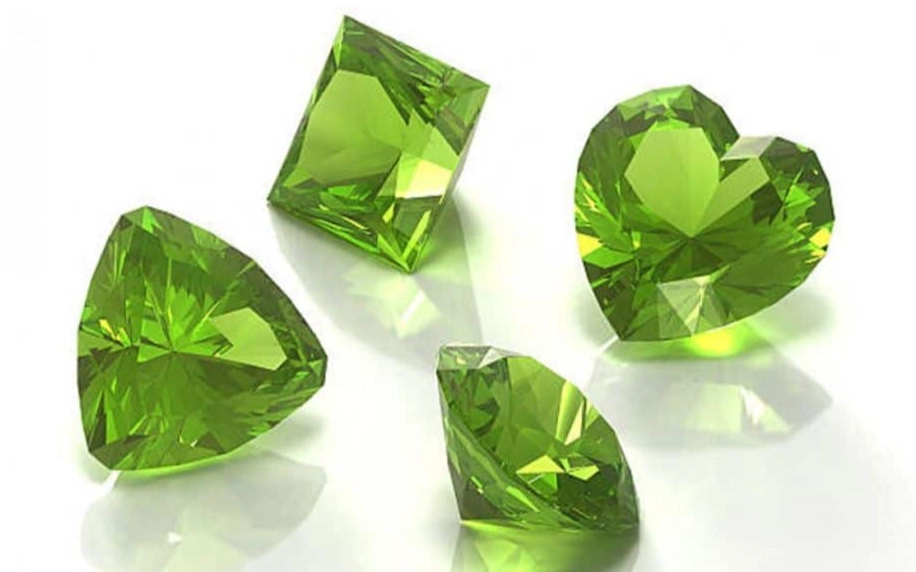
Your Practical Guide to Buying a Peridot Birthstone
Okay, let's get down to brass tacks. You're thinking of buying a peridot. Maybe it's a gift for an August birthday, or maybe you just fell in love with the color. What should you look for? How do you know you're getting a good stone? Let's break it down without the confusing jargon.
The 4 C's for Peridot (Simplified)
Like diamonds, peridot quality is judged on Color, Clarity, Cut, and Carat Weight, but the priorities are different.
| Factor | What to Look For | What to Avoid | Why It Matters |
|---|---|---|---|
| Color | A pure, vivid grass-green or lime-green. Even color saturation across the stone. | Muddy brownish or yellowish tints. Dull, washed-out color. | Color is THE most important factor for peridot. A vibrant, saturated green commands a higher price and is simply more beautiful. |
| Clarity | Eye-clean stones (no visible inclusions to the naked eye). Some tiny inclusions are expected and can prove it's natural. | Large, dark inclusions right in the center that block light or make the stone look cloudy. | Peridot is a Type II gem (moderate inclusions expected). You want clarity that doesn't interfere with the stone's sparkle. |
| Cut | A symmetrical cut that returns light to your eye. Oval, round, and cushion cuts are very common and effective. | A cut that's too shallow or too deep, making the stone look dark or glassy in the center. | A good cut maximizes the stone's brilliance and that gorgeous green color. A bad cut can ruin a good piece of rough. |
| Carat Weight | Size based on your budget and design preference. Peridot is available in a wide range of sizes. | Prioritizing size over color and clarity. A huge, dull stone isn't a good value. | Peridot is relatively affordable compared to other gems, so you can often get a larger, good-quality stone for your money. |
My personal take? Don't get hung up on perfection. A peridot birthstone with a slight yellowish hue can be lovely and sunny. A tiny inclusion you need a loupe to see? That's the gem's fingerprint. Focus on finding a stone whose color makes you happy.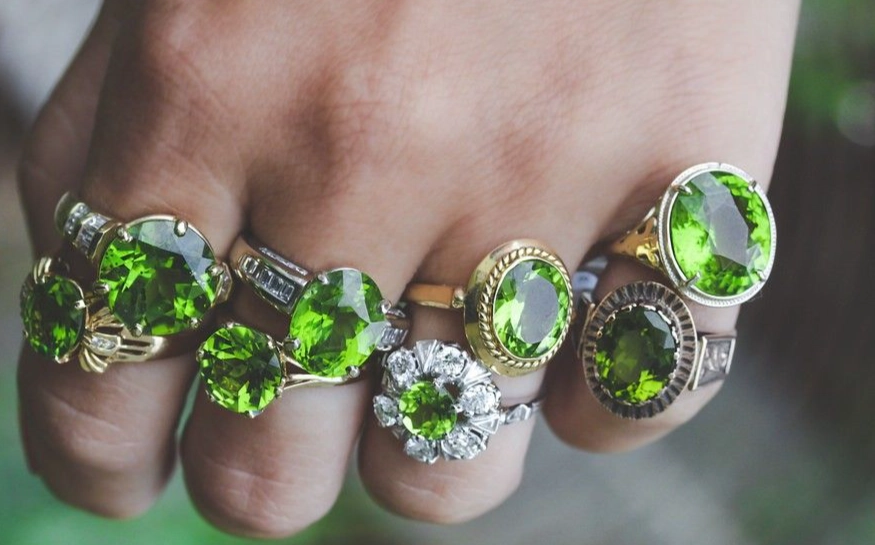
Natural vs. Lab-Created Peridot
This is a big question nowadays. You can find lab-created peridot. It has the same chemical and physical properties as mined stone. So what's the difference?
- Natural Peridot: Formed by geological processes over millennia. It may have inclusions, color zoning, and other natural fingerprints. For many, the "story" and natural origin add to the value and appeal.
- Lab-Created Peridot: Grown in a controlled environment in a matter of months. It tends to have exceptional clarity and consistent color, often at a lower price point. It's a real peridot, just with a different origin story.
There's no right or wrong choice here. It's about your priorities. If you love the idea of a stone forged in the Earth's mantle, go natural. If you want a flawless, vibrant stone on a budget and like the tech aspect, lab-created is a fantastic option. Any reputable jeweler should disclose the origin.
Price Reality Check: A good quality 1-carat natural peridot birthstone in a simple setting might range from $200 to $600, depending heavily on that all-important color. Larger, finer stones can go higher. It's generally an accessible gemstone, which is part of its appeal.
Where is Peridot From? The Source Matters.
The origin can influence color and value. The three main sources are:
- Pakistan (Kashmir region): Produces some of the finest, most saturated green peridot in the world. These stones are highly prized and can command top dollar. The color is often described as a rich, intense green.
- United States (Arizona/San Carlos Apache Reservation): A major source of commercial-quality peridot. Arizona peridot often has a more yellowish-green or olive tone. It's beautiful in its own right and is a very significant source.
- Myanmar (Burma): Another historical source of fine peridot, known for good color and clarity.
But here's a thing some sellers might not emphasize: origin is very difficult to determine without advanced lab testing. Unless a stone comes with a reputable gemological certificate specifying the origin (like from the Gemological Institute of America - GIA), take claims about a specific country with a bit of skepticism. Focus on the actual color and quality of the stone in front of you.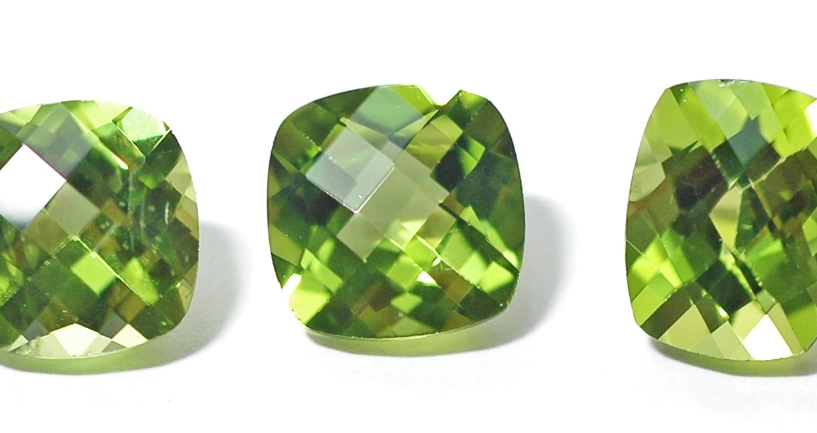
Caring for Your Peridot Jewelry
You've got your beautiful peridot birthstone piece. Now, how do you keep it looking that way? It's not high-maintenance, but it does have a few quirks.
Cleaning: Simple is best. Warm soapy water, a soft brush (like a baby toothbrush), and a gentle rinse. Dry it with a soft, lint-free cloth. Avoid ultrasonic and steam cleaners. The vibrations and sudden heat can cause fractures in some peridots, especially if they have inclusions. Why risk it?
Storing: Keep it separate from harder gems like diamonds, sapphires, and even quartz. Remember, peridot is a 6.5-7 on the hardness scale. A diamond can easily scratch it. A soft cloth pouch or a separate compartment in your jewelry box is perfect.
What to Avoid: This is crucial. Peridot can be sensitive to sudden temperature changes and to acids. So, take it off before:
- Doing household chores (cleaning products are acidic)
- Swimming in chlorinated or salt water
- Applying lotions, perfumes, or hairspray (chemicals can dull the surface over time)
Think of it like this: put your peridot jewelry on last when getting ready, and take it off first when you get home.
With just a little basic care, your peridot birthstone jewelry can stay vibrant for a lifetime and become an heirloom. I have a peridot ring from my grandmother that still looks fantastic because she followed these simple rules.
Answering Your Peridot Birthstone Questions
Is peridot just green?
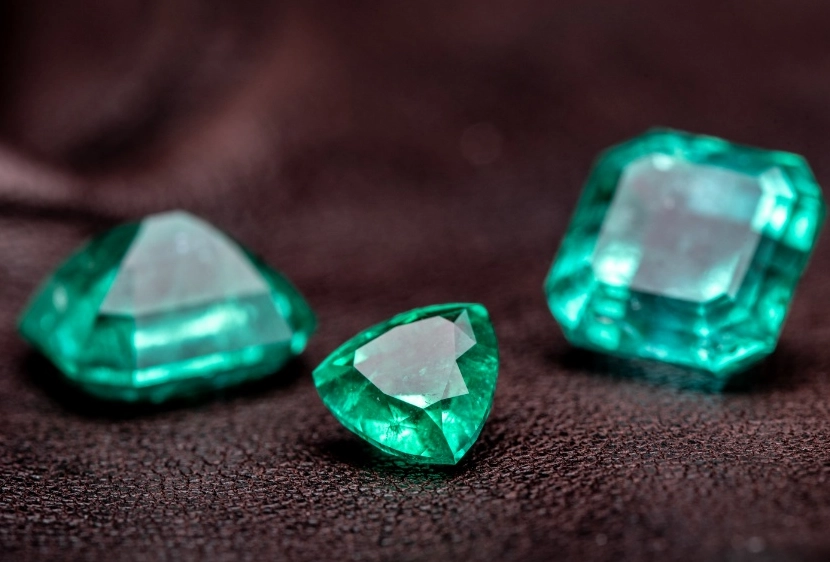
Essentially, yes. Its color range is from yellow-green to olive green to a pure, bright grass-green. You won't find a red or blue peridot. The color comes from iron, and the shade depends on how much iron is in the crystal.
Does peridot fade in sunlight?
This is a common myth. Peridot is a relatively stable gemstone and does not fade with normal exposure to sunlight. However, prolonged, intense exposure to heat (like being left on a car dashboard in summer) isn't good for any gemstone and should be avoided. For day-to-day wear, you don't need to worry about the sun bleaching your stone.
Is peridot too soft for an engagement ring?
This is a personal call. With a hardness of 6.5-7, it's softer than the traditional choices (diamond, sapphire, moissanite). It can work, especially in a protective bezel or halo setting and with an owner who is mindful of their jewelry. But if you're very active, hard on your hands, or want a "wear it and forget it" ring, you might want to consider a harder stone. As a right-hand ring or a special occasion piece, though, it's absolutely perfect.
How can I tell if my peridot is real?
The best method is to take it to a qualified gemologist or jeweler. They have the tools and knowledge. However, one simple at-home clue for natural stone: look closely with a magnifying loupe. You might see tiny, lily-pad-shaped inclusions or small, dark crystal specks. These are common in natural peridot and are actually a sign of its authenticity. A completely flawless, cheap stone might be glass or synthetic. When in doubt, get it checked. Reputable institutions like the Smithsonian Institution have extensive gem collections where you can see examples of natural specimens for comparison.
Is peridot only for August?
Officially, yes, it's the primary August birthstone. But rules are made to be broken! Anyone who loves the color green or connects with the stone's symbolism can wear it. Jewelry shouldn't be limited by a birth month. I've seen plenty of people from other months rock a peridot birthstone piece simply because they adore the color.
Are the "healing energies" of peridot real?
This is the realm of belief, not science. There is no scientific evidence that gemstones emit specific healing energies or vibrations. Any benefits are likely psychological—the placebo effect is powerful, and the joy of wearing a beautiful object that you believe brings you good fortune or calm is a very real, positive feeling. If you like the idea of it, that's what matters most.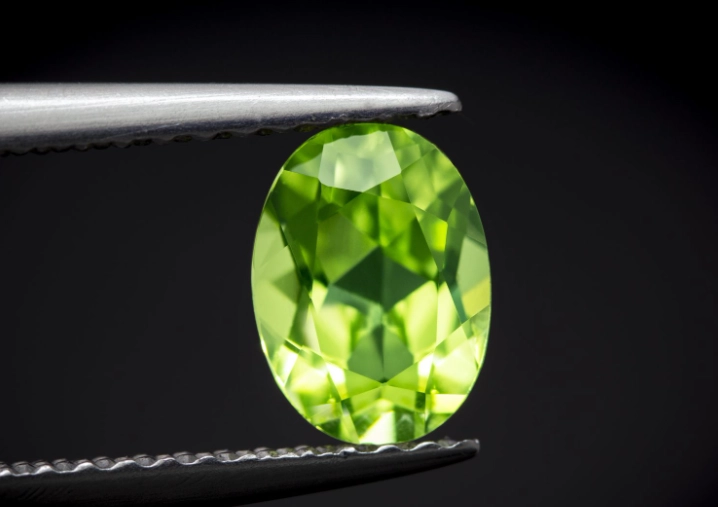
Final Thought: The peridot birthstone is a gem of contradictions. It's ancient yet feels fresh. It's formed in the intense heat of the mantle but has a cool, refreshing color. It's durable enough for daily wear but asks for a little care. Whether you're drawn to its sunny history, its vibrant green hue, or its status as the birthstone for August, it's a gem with a personality. It’s not the shy, retiring type. It’s a burst of green confidence, and maybe that’s the best reason of all to wear one.
Hopefully, this guide has answered your questions and maybe even sparked a new appreciation for this unique gem. The next time you see that flash of lime-green light in a jewelry case, you'll know exactly what you're looking at.