What’s Inside
- So, What Exactly Is Sardonyx?
- A Stone Steeped in History (Way Before It Was a Modern Birthstone)
- The Meaning and Symbolism of Your Sardonyx Birthstone
- Sardonyx as *The* August Birthstone
- The Practical Stuff: Hardness, Care, and Wearing Your Sardonyx
- Buying Guide: How to Choose a Genuine, Quality Sardonyx
- Sardonyx vs. The World: How It Stacks Up
- Design and Style: Wearing Your Sardonyx Birthstone
- Your Sardonyx Birthstone Questions, Answered (FAQ)
- Final Thoughts: Is the Sardonyx Birthstone Right for You?
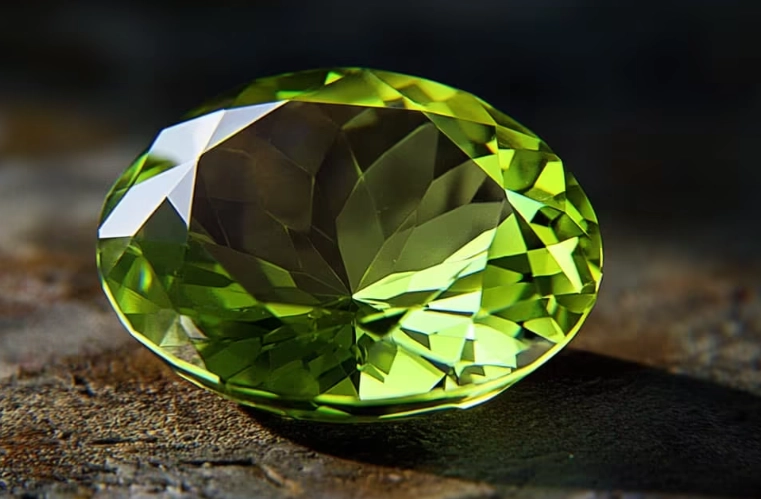
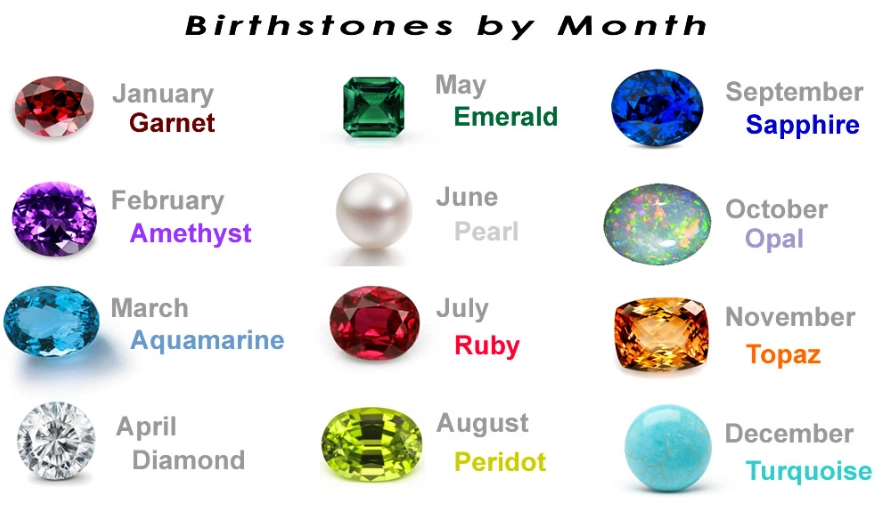
Let's be honest, when you think of August birthstones, the vibrant green of peridot probably pops into your head first. Maybe the lush olive or lime hues. But August has a secret, a second official birthstone that's often overlooked. It's the Sardonyx birthstone. And if you're an August baby or just love unique gems, you're missing out if you don't know about this one.
I first came across Sardonyx in a vintage jewelry store. It was a signet ring, heavy and masculine, with this stark, beautiful contrast of red and white layers. It looked ancient, like it had a story. That's the thing about Sardonyx—it doesn't scream for attention like a diamond. It whispers history. It's a gem that makes you lean in closer. So, what's the deal with this layered stone? Is it just a fancy agate? What does wearing a Sardonyx birthstone actually mean for you? We're going to dig into all of that.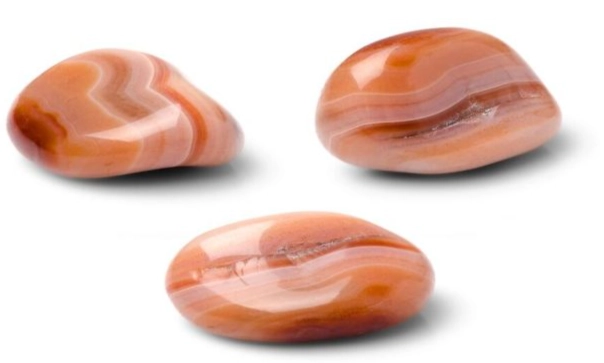
Quick Take: Sardonyx is a variety of chalcedony (a type of quartz) known for its straight, parallel bands of reddish-brown sard and white or black onyx. It's been a talisman for warriors, a seal for royalty, and a symbol of steadfastness for centuries. Not your average, flashy gem.
So, What Exactly Is Sardonyx?
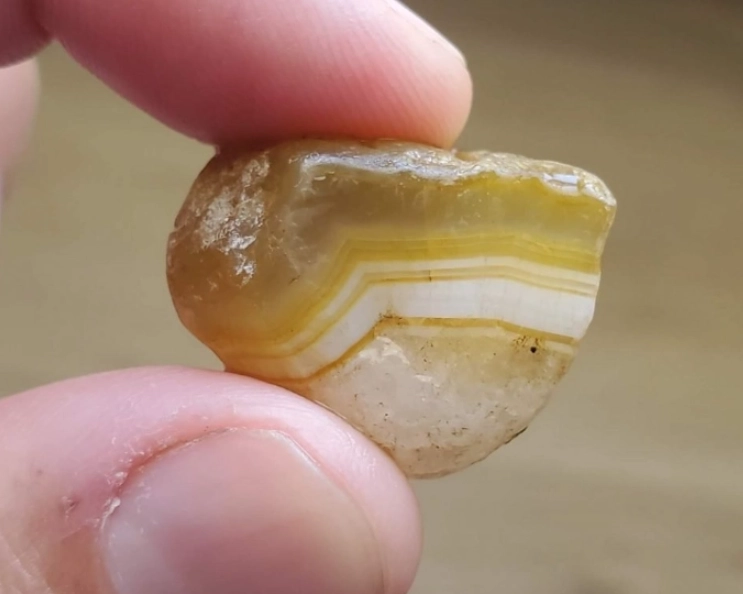
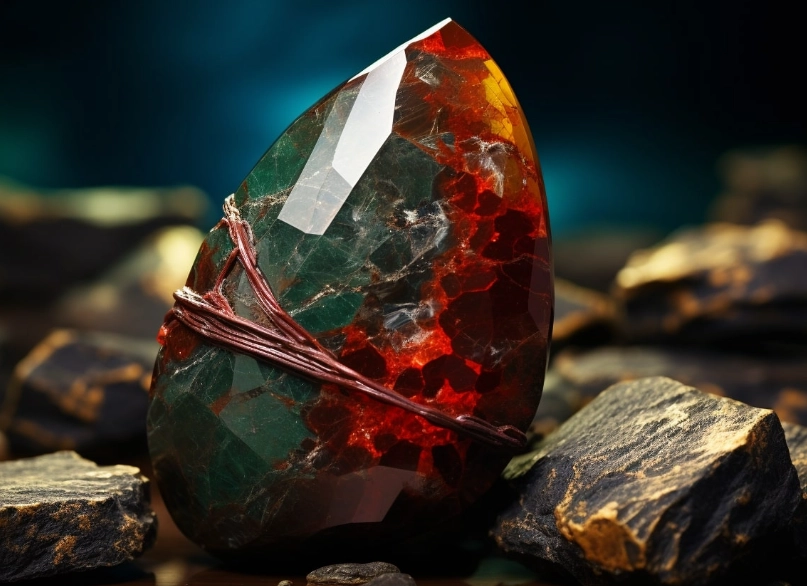
At its core, Sardonyx is a banded sister in the vast chalcedony family. Think of agate, onyx, carnelian—they're all cousins. The “sard” part refers to the brownish-red to orange layers (sard is similar to carnelian), and the “onyx” part refers to the straight, usually white or black, bands. The magic is in the contrast. Unlike agate, which often has curved, swirling bands, Sardonyx boasts these clean, sharp, parallel lines. It’s that crisp, layered look that made it perfect for cameos and intaglios (those carved gemstones you see in museums).
Geologically, it forms in gas cavities of lava. Silica-rich water slowly deposits layer upon layer over millennia, creating those signature bands. The colors come from iron oxides (for the reds and browns) and other mineral impurities.
It's surprisingly common, yet genuinely special pieces are not.
A Stone Steeped in History (Way Before It Was a Modern Birthstone)
This is where the Sardonyx birthstone story gets fascinating. Its modern designation as an August stone is almost an afterthought compared to its historical resume.
The Roman Go-To for Courage
Roman soldiers didn't wear Sardonyx because it was pretty. They wore it carved with images of Mars, the god of war, or Hercules as an amulet for bravery, protection, and victory. They genuinely believed it made them fearless in battle. Can you imagine? Clutching a Sardonyx talisman before heading into combat. It was the ultimate “good luck charm” in a life-or-death profession. This connection to eloquence and public speaking also made it popular among orators and politicians. The Natural History Museum in London has fantastic examples of Roman engraved Sardonyx, showing just how skilled they were with this material.
I find this military history incredibly cool. It gives the stone a grounded, almost gritty character that's missing from more purely “decorative” gems. It wasn't just for show; it had a job to do.
Renaissance Royalty and Seals
Fast forward a few centuries, and Sardonyx became the preferred material for signet rings and official seals for kings, queens, and nobles. Why? Its hardness (we'll get to that) and layered structure made it perfect for detailed carving that wouldn't easily wear down. More importantly, the wax used for seals wouldn't stick to it! A practical choice that became a symbol of authority. When you pressed your Sardonyx seal into wax, you were making a promise that was meant to last.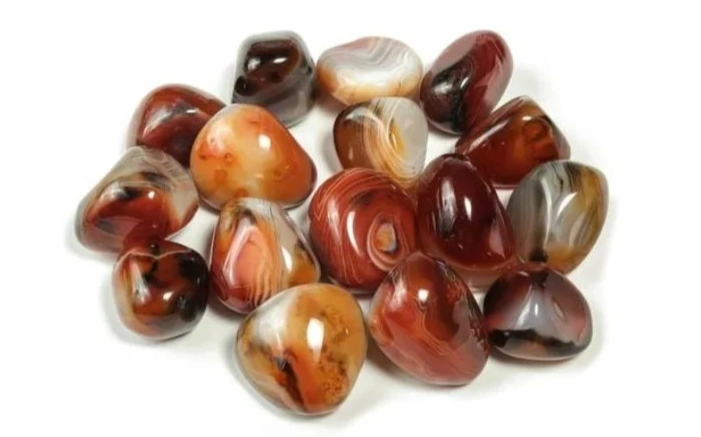
The Meaning and Symbolism of Your Sardonyx Birthstone
Alright, so you're an August baby or you're gifted a piece of Sardonyx jewelry. What's it supposed to represent for you today? The meanings have evolved from the battlefield but kept the core themes.
Stability and Strength: This is the big one. Those straight, unbroken bands are a natural metaphor for resilience, willpower, and sticking to your path. It’s considered a stone of foundation. If you're starting a new job, a relationship, or a personal project, Sardonyx is said to foster the grit to see it through. It’s the anti-fickle gem.
Protection and Good Fortune: The ancient talisman belief lives on in modern crystal lore. It's thought to ward off negativity and attract prosperity. Think of it less as a magical shield and more as a reminder of your own inner strength to deflect life's challenges.
Marital Happiness and Commitment: This is a lovely, longstanding association. Sardonyx has been linked to a happy, lasting marriage, perhaps because of its symbolism of fidelity and layered strength (like a strong partnership). It was a popular gift between spouses.
Clear Communication: Tied to its Roman orator use, it's believed to help you speak your truth with clarity and confidence, especially in difficult conversations.
A quick reality check: I'm a bit skeptical about the more extravagant metaphysical claims you sometimes see online. The “vibrations” and “energy frequencies” talk can get vague. But the *symbolic* meanings—courage, stability, commitment—are powerful and real because we赋予 them meaning. That's the true value, in my opinion.
Sardonyx as *The* August Birthstone
Sardonyx shares the August birthstone title with peridot and, more recently, spinel. The American Gem Trade Association (AGTA) and Jewelers of America officially list both Sardonyx and Peridot for August. It’s a classic vs. modern choice.
Why is Sardonyx an August birthstone? The tradition is old, tracing back to ancient Hebrew, Roman, and later Polish and Italian lists. It was associated with the zodiac sign Leo (which falls partly in August), symbolizing the courage and strength of the lion. While peridot has gained massive popularity for its summery color, the Sardonyx birthstone offers a timeless, vintage, and deeply symbolic alternative.
If peridot is the bright August sun, Sardonyx is the sturdy, ancient earth beneath it.
The Practical Stuff: Hardness, Care, and Wearing Your Sardonyx
Let's get technical, but keep it simple. You want to know if this jewelry will last.
Hardness: Sardonyx sits at a 6.5 to 7 on the Mohs scale of mineral hardness. What does that mean in real life? It's plenty hard for daily wear in rings, pendants, or earrings without constant, brutal abuse. It won't scratch easily from dust or normal contact (dust is quartz, Mohs 7). However, it can be scratched by materials harder than 7, like topaz, sapphire, or diamond. So, don't throw it in a jumbled jewelry box with harder gems. Common sense stuff.
Durability: It has no cleavage (a tendency to split along planes), making it quite tough and resistant to chipping if set properly. Its waxy luster is durable too.
How to Care for Your Sardonyx Birthstone Jewelry
- Cleaning: Easy. Warm, soapy water, a soft brush (an old toothbrush is perfect), and a soft cloth to dry. Avoid harsh chemicals, ultrasonic cleaners (they can be risky for treated stones or if there are fractures), and steam cleaners.
- Storage: Keep it separate. A soft pouch or a compartment in your jewelry box is ideal. The main risk is scratching from harder stones.
- When to Take it Off: Gardening, gym, dishes, swimming in chlorinated pools—any heavy manual labor or exposure to chemicals. It's durable, but why risk it?
Bottom line: It's low-maintenance but not indestructible. Treat it with respect.
Buying Guide: How to Choose a Genuine, Quality Sardonyx
You're sold on the idea. Now, how do you pick a good one? Sardonyx isn't graded like a diamond (Cut, Color, Clarity, Carat), but these factors matter.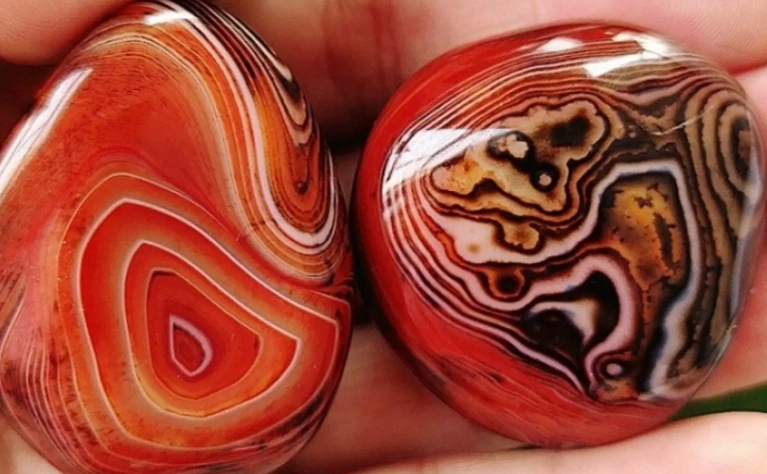
| Factor | What to Look For | Why It Matters |
|---|---|---|
| Color & Banding | High contrast between layers. Sharp, clean, parallel bands. Classic is red/white or brown/white. Black/white is striking. | This is the primary beauty of the stone. Muddy colors or blurry bands are less desirable. The sharper the contrast, the more valuable and visually appealing. |
| Luster | A smooth, waxy to vitreous (glassy) shine when polished. | Indicates good quality material and skilled polishing. A dull finish is a red flag. |
| Cut | Cabochons (smooth, domed) are most common to showcase banding. Cameos exploit the layers beautifully. Well-proportioned facets are rarer. | The cut should enhance the natural banding. A poorly placed cut that ignores the layers looks awkward. |
| Treatments | Ask if the stone has been dyed. Much black onyx (and thus some Sardonyx) is dyed. This is common and stable, but you should know. | Natural, untreated stones are rarer. Dyeing is accepted in the trade for enhancing color, but full disclosure is key. Heat treatment is less common. |
| Carat Weight & Size | Sardonyx is available in large sizes, so price doesn't skyrocket with size like precious gems. | You can get a statement piece for a reasonable price. Focus more on banding quality than sheer size. |
Real vs. Fake: A Few Tips
Genuine Sardonyx is cool to the touch (like glass) and will have slight natural imperfections under magnification—tiny pits, variations in band thickness. Imitations in plastic or glass will feel different (lighter, warmer) and have bubbles or perfectly uniform patterns. When in doubt, buy from a reputable jeweler who specializes in gemstones or semi-precious stones. The Gemological Institute of America (GIA) website is an impeccable resource for gem education and can help you understand what to look for.
I made the mistake early on of buying a “Sardonyx” pendant online that turned out to be dyed agate with painted-on bands. It was a mess when it arrived. The bands looked fake. Lesson learned: good photos from multiple angles and a seller who answers specific questions about treatments are crucial.
Sardonyx vs. The World: How It Stacks Up
Let's clear up some common confusions. People often mix up stones in the chalcedony family.
- Sardonyx vs. Onyx: All Sardonyx is a type of onyx (parallel-banded chalcedony). But not all onyx is Sardonyx. “Onyx” typically refers to the solid black or black/white banded version. Sardonyx specifically has the brownish-red sard layers.
- Sardonyx vs. Agate: Agate has curved, concentric bands (like a bullseye). Sardonyx has straight, parallel bands. They're siblings with different styles.
- Sardonyx vs. Carnelian: Carnelian is a solid, translucent reddish-brown chalcedony with no bands. Sard is essentially banded carnelian.
Design and Style: Wearing Your Sardonyx Birthstone
This isn't a flashy, sparkly stone. Its power is in its substance. That means it works with certain aesthetics beautifully.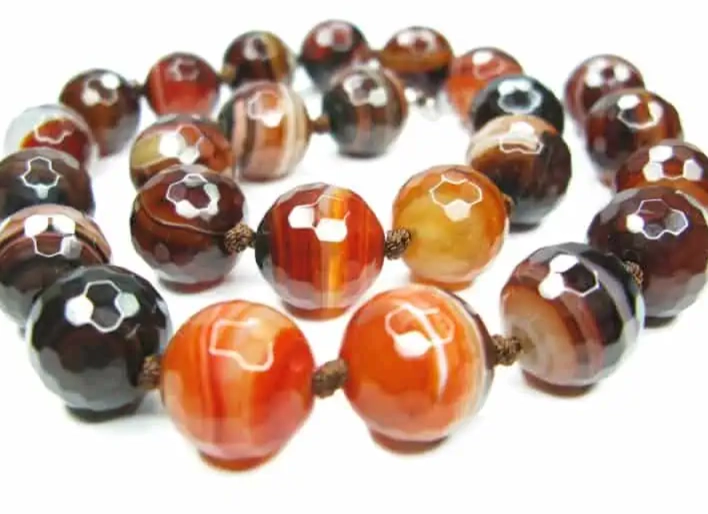
Vintage & Antique Style: It's a natural. A Sardonyx cameo pendant, a signet ring, Art Deco pieces with geometric cuts. It looks like it has a past.
Modern & Minimalist: A simple, sleek cabochon set in sterling silver or white gold can look incredibly contemporary. The banding becomes a graphic, artistic element.
Men's Jewelry: Historically masculine, it remains a fantastic choice for men's rings, cufflinks, and tie pins. It's bold without being ostentatious.
What Metals Work? Both warm and cool metals complement it. Yellow gold enhances the warm red/brown layers. White gold or silver makes the contrast pop. Rose gold is a stunning, modern pairing.
Don't be afraid to make it a statement piece. It can handle it.
Your Sardonyx Birthstone Questions, Answered (FAQ)
I've gotten a lot of questions from friends and readers about this stone. Here are the most common ones.
Is Sardonyx a lucky stone?
Historically, yes—for courage, protection, and victory. Today, many wear it as a talisman for good fortune and stability. Whether you believe in “luck” or see it as a psychological anchor, its tradition as a lucky charm is centuries deep.
Can Sardonyx be worn every day?
Absolutely. With a hardness of 6.5-7, it's suitable for daily wear in protective settings (like a bezel or a pendant). Just use common sense and take it off for rough activities. A Sardonyx birthstone ring is a durable companion.
What's the difference between Sardonyx and August's other birthstone, Peridot?
They're worlds apart! Peridot is a single mineral (olivine), vivid green, formed deep in the earth's mantle or from space (in pallasite meteorites!). It's all about bright, joyful color. Sardonyx is a layered quartz, earthy in tone, all about structure and history. Peridot is summer leaves; Sardonyx is ancient Roman soil.
How can I tell if my Sardonyx is real?
A few at-home checks: It should feel notably cool and heavy for its size (glass and plastic feel lighter and warmer). Under a loupe (10x magnification), look for natural imperfections, subtle color variations within bands, and a waxy luster. The bands should be sharp and distinct, not painted-on looking. For certainty, consult a gemologist.
Is Sardonyx expensive?
Generally, no. High-quality Sardonyx with exceptional banding is affordable compared to precious gems. You're paying more for the artistry of the setting, a fine cameo carving, or a designer brand than for the raw stone itself. This makes it an accessible way to own a gem with a profound history.
What chakra is Sardonyx associated with?
In crystal healing practices, it's most commonly linked to the Root Chakra (base of the spine), which governs survival, security, and grounding. This aligns perfectly with its core meanings of stability and strength.
Final Thoughts: Is the Sardonyx Birthstone Right for You?
Look, Sardonyx isn't for everyone. If you love blinding sparkle and neon colors, you might find it too subdued, even a bit serious. And that's okay.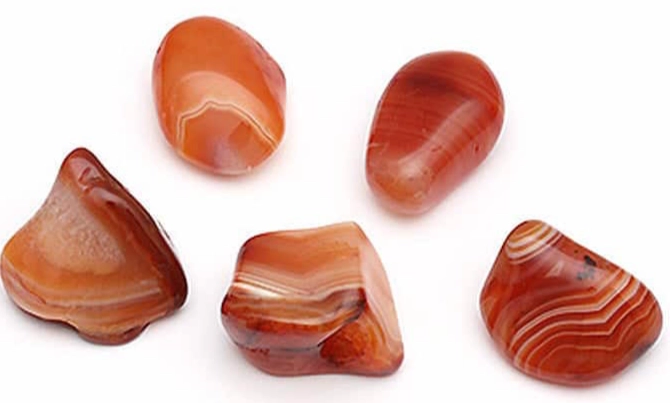
But if you're drawn to gems with a story, with substance over sheer sparkle, it's a treasure. It's for the person who values resilience, who appreciates history you can hold in your hand, who wants a birthstone that feels personal and grounded rather than just a colorful placeholder. Choosing the Sardonyx birthstone is a choice for character, for a connection to an unbroken line of symbolism stretching back to Roman legions and Renaissance kings.
It’s more than just August's “other” stone. It’s a testament to enduring strength, layer by beautiful layer. And in a world that often feels fleeting, that's a quality worth wearing close to you.