Your Quick Guide to Sapphire
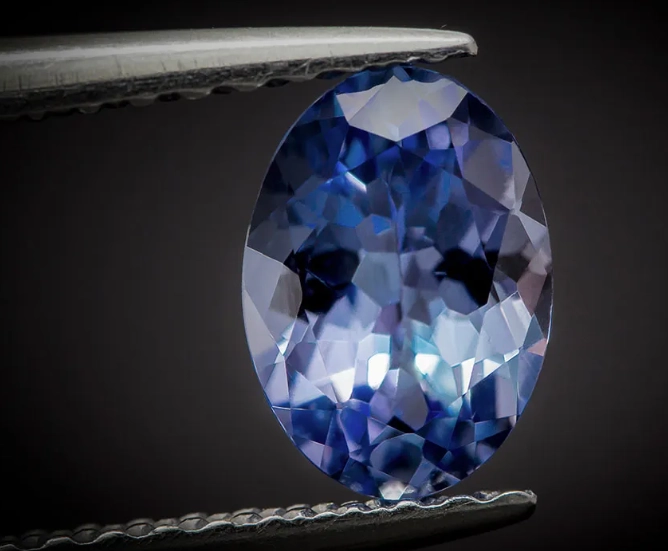
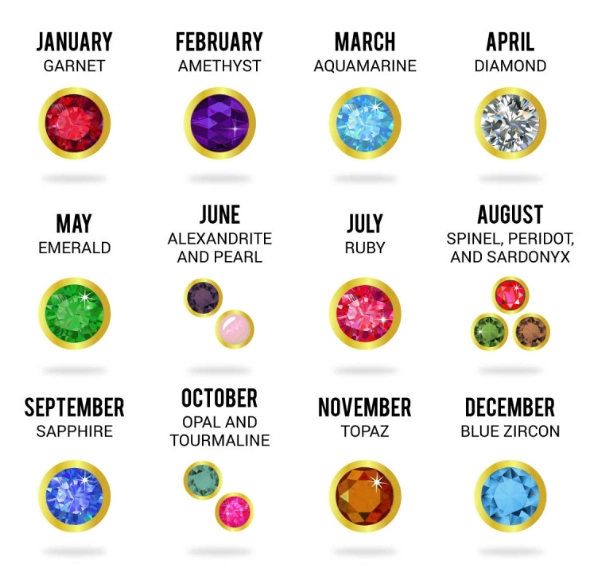
So, you were born in September? Lucky you. You share your birthday month with a gem that has captivated kings, inspired poets, and adorned some of the most famous engagement rings in modern history. The September birthstone is sapphire, and if you think it's just a blue stone, well, you're in for a surprise. I used to think the same thing until I started digging deeper into gemology. The world of sapphires is way more colorful and complex than most people realize.
Let's get one thing straight from the start. When someone says "sapphire," the mind instantly pictures a deep, velvety blue. That classic image is iconic for a reason—it's stunning. But confining sapphire to just blue is like saying champagne is the only wine worth drinking. It ignores a whole spectrum of beauty. The September birthstone belongs to the corundum family, which is a fancy mineralogical way of saying it's a sibling to the ruby. Any corundum that's not red is called a sapphire. That simple fact opens up a rainbow of possibilities.
Think about that for a second.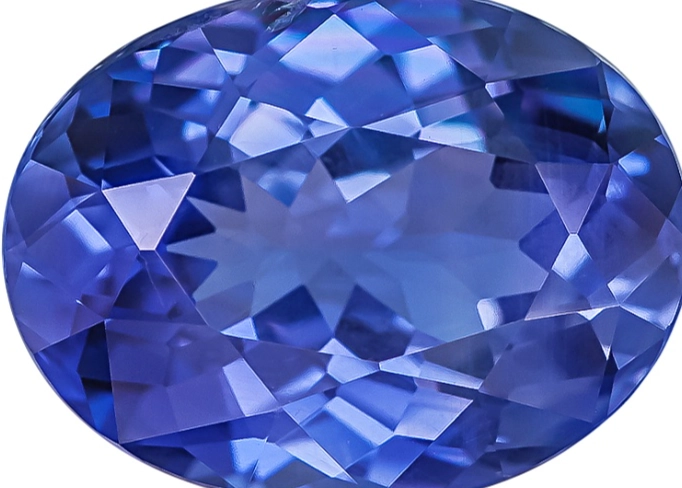
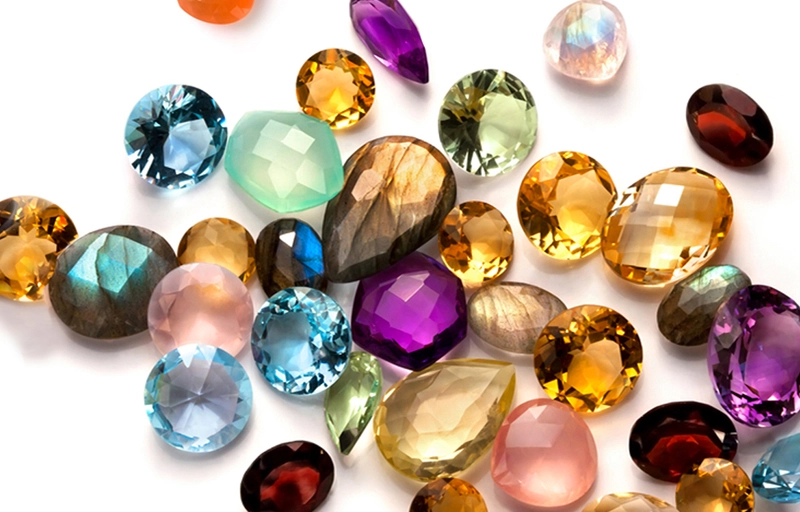
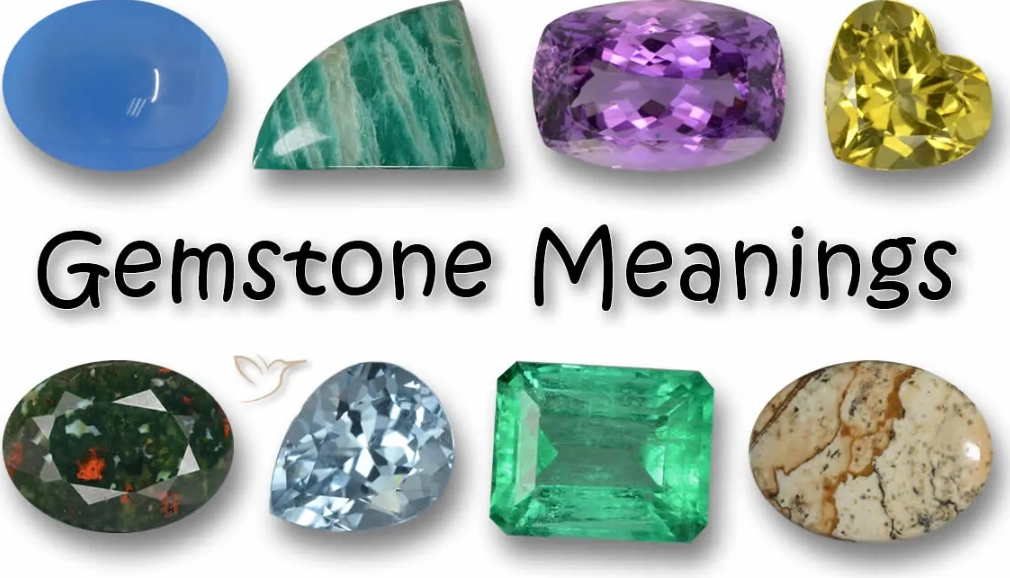
This means your September birthstone can be pink, yellow, orange, green, purple, or even a color-changing marvel that shifts from blue in daylight to purple under incandescent light. The only color it can't be, by definition, is red (that's a ruby). I remember walking into a gem show and seeing a tray of "fancy sapphires" in every shade imaginable. It completely changed how I viewed this gem. It wasn't just a September birthstone; it was a canvas.
Why Sapphire is THE September Birthstone
The association between September and sapphire isn't some modern marketing gimmick. It's ancient. Historians trace it back to the Old Testament, where sapphire (though they might have been referring to lapis lazuli) was considered one of the twelve precious stones on the High Priest's breastplate. Fast forward through history, and sapphires became symbols of royalty and divine favor. Medieval clergy wore them to symbolize Heaven, while kings believed they protected them from harm and envy. This long-standing symbolism of wisdom, purity, and nobility cemented its place as the definitive September birthstone. The American Gem Trade Association and the British National Association of Goldsmiths both officially list sapphire as the primary birthstone for September, a standard followed globally. You can check the official birthstone list from the American Gem Society or the Gemological Institute of America (GIA) for verification—these are the industry authorities.
The Many Faces of Your September Birthstone: A Color Guide
Alright, let's talk color. This is where the September birthstone gets interesting. The color in sapphire comes from trace elements. Iron and titanium give you the classic blues. More iron, less titanium? You might get a greenish tint. Vanadium can cause those incredible color changes. It's like nature's chemistry set.
The Blue Spectrum: From Cornflower to Midnight
Blue sapphires are graded on their hue (the actual color), tone (lightness or darkness), and saturation (intensity). The most prized blue is a vivid, medium-dark, velvety blue to violetish blue. You'll hear names like "Cornflower Blue" (a bright, medium-light blue) and "Royal Blue" (a deep, saturated blue). Kashmir sapphires, from the famous (and now depleted) mines in India, are legendary for their intense, almost sleepy blue with a subtle velvety texture. Burmese sapphires also command high prices. Personally, I find the very dark, inky blues a bit difficult to appreciate in dim light—they can look almost black. The sweet spot for me is a stone with enough lightness to let the color shine through, but deep enough to feel rich.
Fancy Color Sapphires: The Unsung Heroes
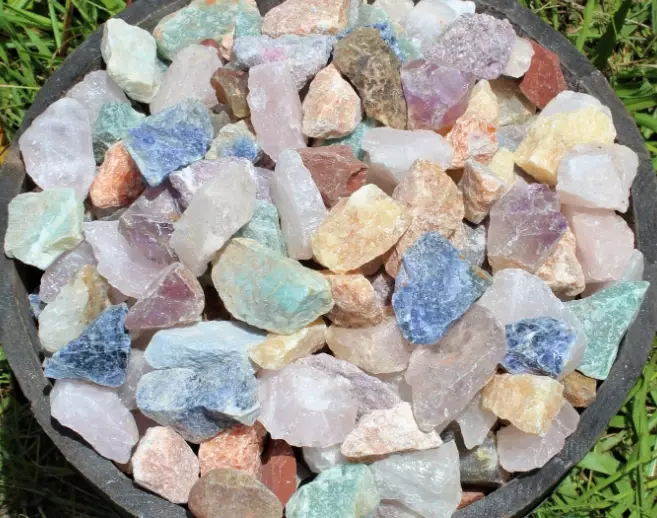
This is my favorite category. When you step outside of blue, you find some of the most vibrant and unique gems. Padparadscha sapphire is the holy grail for many collectors. It's a delicate, luminous blend of pink and orange, like a tropical sunset. The name comes from the Sinhalese word for lotus blossom. They're exceptionally rare and pricey. Pink sapphires have surged in popularity, often offering a more affordable alternative to pink diamonds with incredible brilliance. Yellow sapphires range from soft lemon to rich, buttery gold. I own a small yellow sapphire pendant, and on a sunny day, it just glows from within. It's a cheerful, underrated stone.
And then there are the parti-sapphires.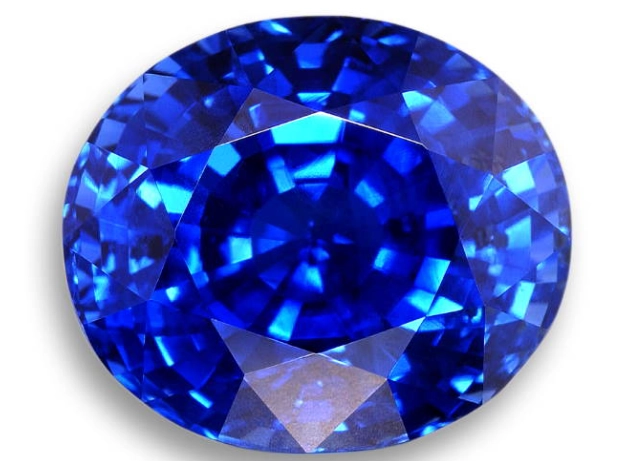
These are sapphires that display two or more colors in one stone, like blue and green, or yellow and green. They're not for everyone—the color zoning can be stark—but for someone wanting a truly one-of-a-kind September birthstone, they're a fantastic conversation piece. I find them fascinating because they show the gem's raw, unblended geology.
| Color Type | Key Trace Elements | What to Look For | Personal Note |
|---|---|---|---|
| Classic Blue | Iron, Titanium | Vivid saturation, even color (no zoning), medium to medium-dark tone. | The timeless choice. Can be expensive at the top end. |
| Padparadscha | Chromium, Iron (?) | A balanced, light to medium pinkish-orange or orange-pink. No brown. | Extremely rare. Be wary of treated stones sold as natural. |
| Pink | Chromium | Vivid, saturated pink. Can range from pastel to hot pink. | A vibrant, modern alternative. Often great value. |
| Yellow | Iron | Bright, buttery yellow without green or brown hints. | Sunny and warm. One of the more affordable fancy colors. |
| Green | Iron | A subtle, greyish or bluish green. Often has a unique, silky look. | Understated and elegant. Not a typical "emerald" green. |
More Than Just Pretty: Symbolism and Meaning
People don't just wear their September birthstone because it's pretty. They wear it for what it represents. For centuries, sapphire has been a stone of wisdom, royalty, and divine favor. It was believed to protect wearers from poison, envy, and harm. In ancient Persia, they believed the sky was blue because it was reflected from a giant sapphire upon which the earth rested. That's a pretty cool origin story.
Quick Fact: Sapphire is the gem for the 5th and 45th wedding anniversaries. So, a September birthstone piece can double as a perfect anniversary gift for those milestones.
Today, the meanings have evolved but are still powerful. Sapphire is often associated with:
- Focus and Mental Clarity: It's said to calm a busy mind and help with concentration. As someone who works from home surrounded by distractions, I can't say my sapphire ring magically makes me productive, but focusing on its deep color can be a nice, mindful pause.
- Truth and Sincerity: It's a stone of commitment, which is why it became a popular engagement ring choice long before a certain royal made it a global phenomenon.
- Protection and Good Fortune: The ancient protective symbolism lives on as a general talisman for safe travel and good luck.
Whether you buy into the metaphysics or not, there's no denying that wearing a stone with such a rich history adds a layer of personal significance. It connects you to a story much bigger than yourself.
Choosing Your Perfect September Birthstone: A Practical Buyer's Guide
Okay, let's get practical. You're convinced a sapphire is for you. How do you pick a good one without getting overwhelmed or, worse, ripped off? Forget the Four Cs for a second (we'll get to them). Start with what you like.
What color speaks to you?
Do you want the iconic blue, or does a sunny yellow better match your personality? Look at your wardrobe. Do you wear a lot of cool tones (blacks, navies, greys) or warm tones (creams, browns, oranges)? A cool-toned blue sapphire might blend seamlessly, while a warm yellow or padparadscha could be a beautiful pop of contrast. There's no right answer here, only your preference.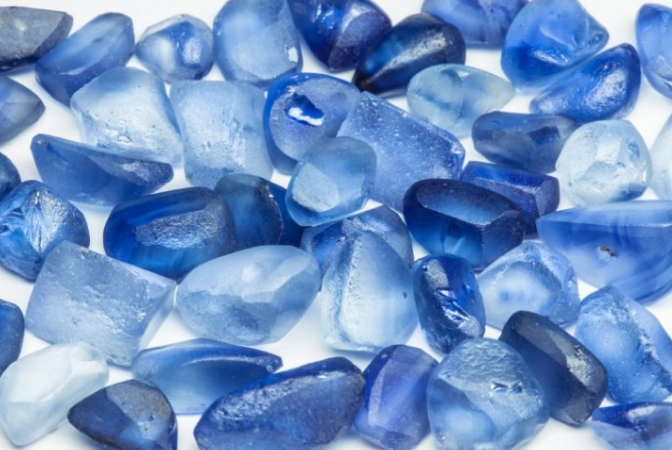
The Real Deal on Treatments and Enhancements
This is the part most blogs gloss over because it's technical, but it's crucial. The vast majority of sapphires on the market today are treated to improve their color and clarity. The most common treatment is heat treatment. It's a centuries-old practice that uses high heat to permanently enhance the color (e.g., turning a milky blue stone into a clear, vibrant blue) and improve clarity by dissolving tiny inclusions.
The industry widely accepts heat treatment as a standard practice. It's stable, permanent, and doesn't require special care. A heated sapphire is still a "real" sapphire. The key is that any reputable seller must disclose this treatment to you. If a deal seems too good to be true for a large, vivid blue stone, it probably is, or it's been heated.
Then there are other treatments like diffusion (adding elements to the surface to create color, often just skin-deep) and fracture filling (using glass-like material to fill cracks). These are less stable and require much more care. They should be sold at a significant discount, and the disclosure is even more critical. My rule of thumb? Stick with heat-treated or, if your budget allows, untreated stones. The GIA website has excellent, consumer-friendly resources on gem treatments that are worth reading.
Cut, Clarity, Carat, and... Origin?
The classic Four Cs apply, but with sapphire, there's a potential fifth C: Country of Origin.
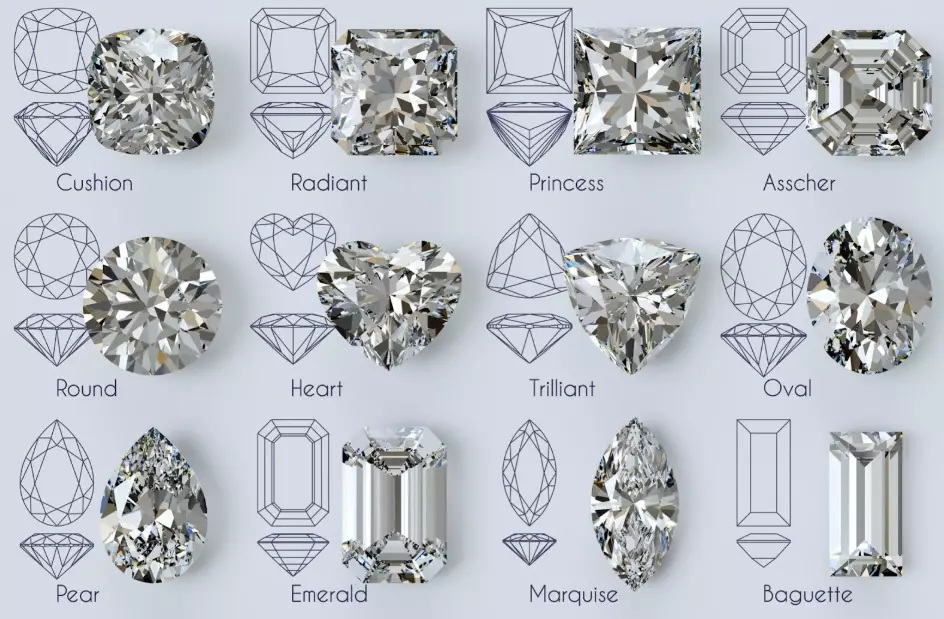
- Cut: This is how well the rough crystal is shaped and faceted. A good cut isn't about a fancy shape (oval, cushion, round) but about proportions and symmetry. A well-cut sapphire will return light beautifully, making it sparkle and look alive. A poorly cut stone can look dead or windowed (see-through in the middle), even if the color is good. Don't underestimate cut quality.
- Clarity: Sapphires naturally have inclusions—tiny fingerprints of their formation. Eye-clean stones (no visible inclusions to the naked eye) are more valuable. But some inclusions, like fine silk, can create desirable effects like velvety texture (in Kashmir stones) or asterism (the star effect in star sapphires). A visible crack or inclusion near the surface is a durability concern, though.
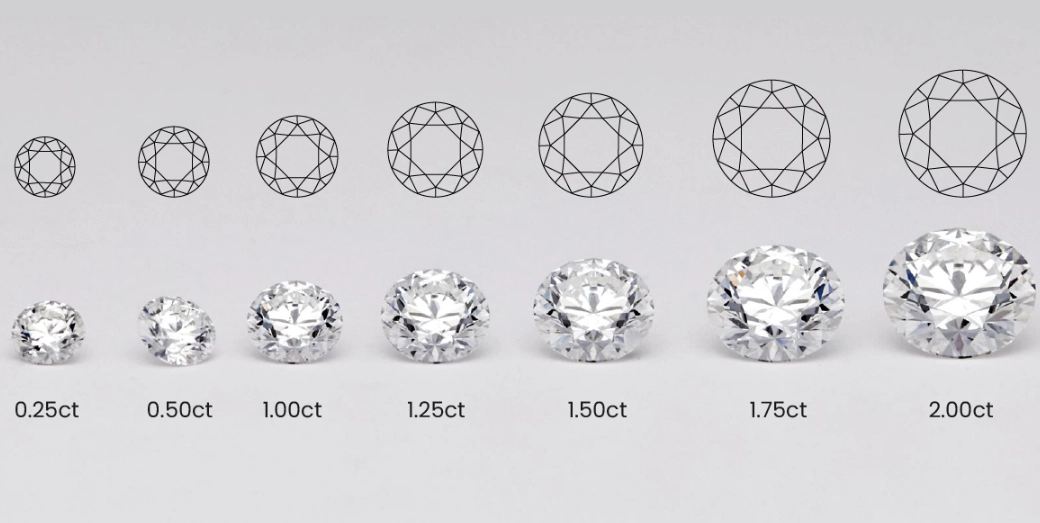
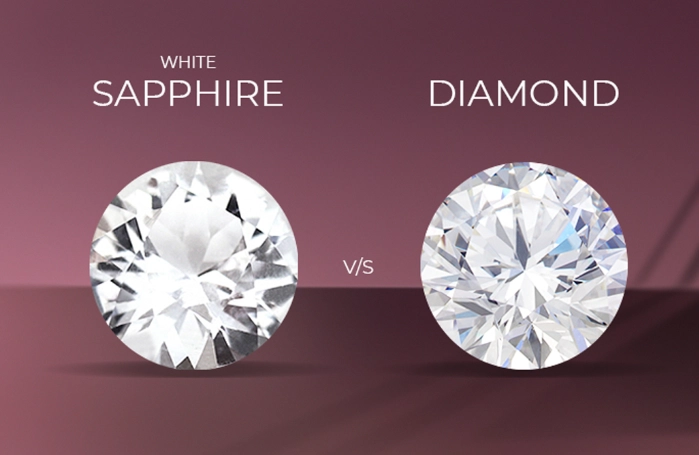
- Carat Weight: Sapphires are denser than diamonds, so a 1-carat sapphire will look slightly smaller than a 1-carat diamond. Size isn't everything. A smaller stone with fantastic color and cut will always be more impressive than a large, dull one.
- Color: The most important C for colored gems. Evenness of color is key. You don't want obvious dark or light patches (color zoning).
- Origin (The Bonus C): Sapphires from certain legendary mines (Kashmir, Burma/Myanmar, Ceylon/Sri Lanka) can command a huge premium due to their historical reputation for superior color. A report from a lab like GIA stating the origin can significantly increase the price. For most everyday buyers, a beautiful stone from Montana (USA), Australia, or Madagascar is a fantastic option without the origin markup.
Caring for Your September Birthstone Jewelry
Sapphire is a 9 on the Mohs scale of hardness, second only to diamond (10). This makes it incredibly durable for daily wear. But "hard" doesn't mean indestructible. It means resistant to scratching. It can still chip or fracture if hit hard at the wrong angle.
My simple care routine:
- Cleaning: Warm water, a drop of mild dish soap, and a soft toothbrush. Gently scrub behind the stone where dirt accumulates. Rinse thoroughly and pat dry with a soft, lint-free cloth. Avoid harsh chemicals (bleach, chlorine) and ultrasonic cleaners, especially if your stone is fracture-filled.
- Storage: Keep it separate from other jewelry. Even though it can scratch other stones, you don't want other pieces scratching the metal setting. A soft pouch or a separate compartment in a jewelry box is perfect.
- Wear Smart: Take it off before heavy lifting, gardening, or using harsh chemicals. It's tough, but why risk it?
Styling Your September Birthstone
The beauty of the September birthstone is its versatility. A classic blue sapphire solitaire ring or pendant goes with everything—it's neutral in the best way. But don't be afraid to play.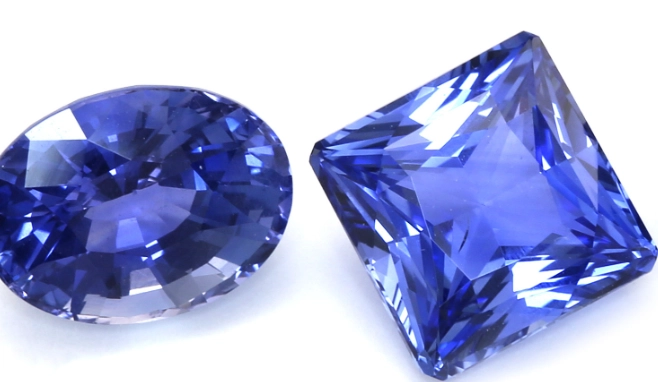
Try stacking a yellow sapphire ring with other gold bands. Pair a pink sapphire pendant with a simple white t-shirt for a pop of color. For a formal look, nothing beats the sophistication of pear-shaped diamond accents flanking a central blue sapphire. I think sapphires look particularly stunning in yellow gold—the warm metal makes blue stones look richer and complements fancy yellows and pinks perfectly. White gold or platinum gives a more modern, crisp look.
Ultimately, your September birthstone should feel like you.
Whether it's a bold statement ring, a delicate pair of studs, or a family heirloom passed down, a sapphire carries weight. It's a piece of the earth's history, filtered through human artistry, meant to be worn and enjoyed. It's more than just the September birthstone; it's a legacy gem. And for those born in this month of changing leaves and crisp air, that feels just about right.
Your September Birthstone Questions, Answered
Is sapphire the only September birthstone?
Traditionally, yes, sapphire is the primary and most recognized September birthstone. However, some modern lists, like one from the Jewelry Council of the UK, also include lapis lazuli as an alternative. But for 99% of people looking for a September birthstone, they're looking for sapphire.
Can men wear a September birthstone?
Absolutely. This is a silly stereotype that needs to die. A deep blue sapphire in a signet ring, cufflinks, or a simple bezel-set pendant is incredibly masculine and stylish. I've seen more men embracing birthstone jewelry, and a sapphire is a perfect choice—it's not flashy, it's substantial.
What's the difference between a sapphire and a blue topaz (December birthstone)?
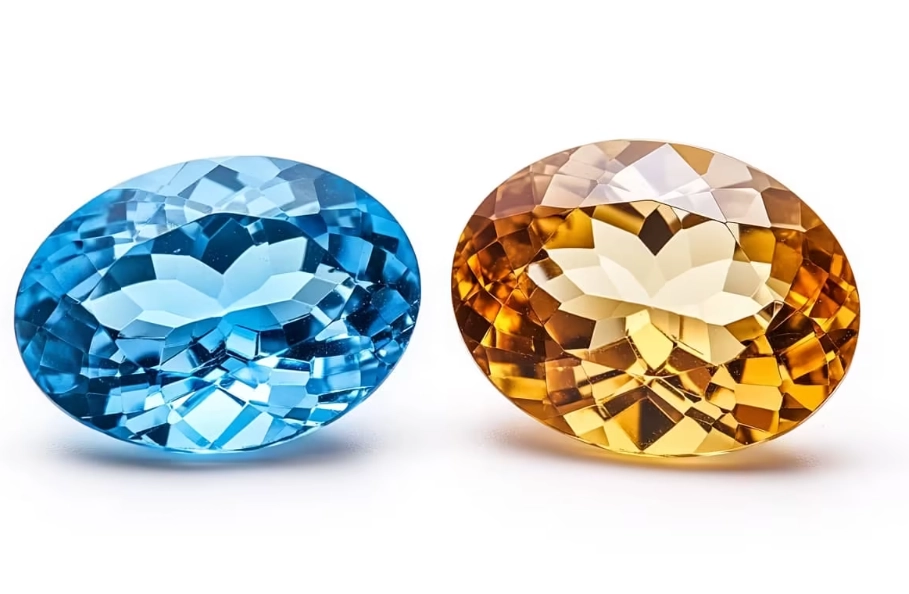
Everything! They're completely different minerals. Sapphire (corundum) is much harder (9 vs. topaz's 8), denser, and has a different kind of brilliance. Blue topaz is almost always irradiated to achieve its blue color (usually a very bright, Swiss blue or London blue), while sapphire's blue is usually from heat treatment of natural elements. Sapphire will generally have more depth and a "slower" fire. Topaz is more affordable but also softer and more prone to chipping.
Are lab-created sapphires real sapphires?
Yes, chemically, physically, and optically, they are identical to mined sapphires. They're grown in a lab, not dug from the earth. The main advantages are a significantly lower price, guaranteed lack of ethical concerns (like poor mining practices), and often flawless clarity. The disadvantage, for some, is the lack of rarity and natural origin story. For a September birthstone piece on a budget or for a frequently worn item like earrings, they're a brilliant, responsible choice.
What's a "star sapphire"?
A star sapphire is a cabochon-cut (domed, not faceted) stone that displays a star-like pattern of light called asterism. This is caused by needle-like inclusions of rutile (silk) reflecting light. A sharp, centered, six-rayed star on a slightly translucent base is most desirable. They're unique and mystical-looking but are usually not as transparent or sparkly as faceted sapphires.