Quick Guide
- Why Does October Have Two Birthstones?
- The Fire Within: All About Opal, the Traditional October Birthstone
- The Rainbow's Spectrum: All About Tourmaline, the Modern October Birthstone
- Opal vs. Tourmaline: The Head-to-Head October Birthstone Showdown
- Choosing Your Perfect October Birthstone: A No-Nonsense Guide
- Caring for Your October Treasure
- Your October Birthstone Questions, Answered
- Final Thoughts: Embracing Your October Birthstone Options
So you're an October baby, or maybe you're shopping for one? Here's something that trips up a lot of people right at the start: October doesn't have just one birthstone. It has two. And they couldn't be more different from each other. That's right, the October birthstone lineup is a duo featuring the fiery, rainbow-like Opal and the incredibly diverse, colorful Tourmaline. It’s like having a choice between a mesmerizing lava lamp and an entire box of artist's pastels.
I remember the first time I held a high-quality opal. It was in a tiny shop in Sydney, and the stone seemed to hold a miniature galaxy inside, with flashes of green, red, and blue dancing as I turned it. Stunning. Then, a few years later, a jeweler friend showed me a watermelon tourmaline—pink in the center, green on the edges, like a slice of fruit. It completely changed my idea of what a gemstone could be. That's the magic of October's options.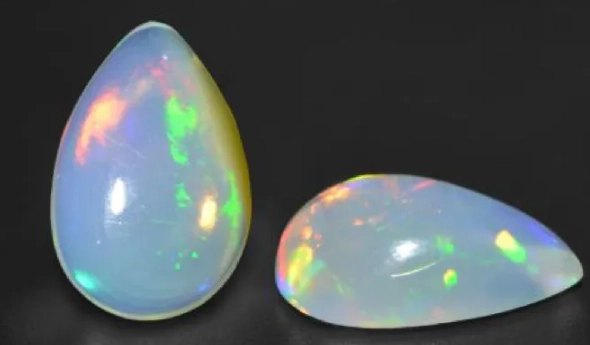
This guide is for anyone who's ever wondered, "What is the real October birthstone?" We're going to settle that once and for all, and then dive deep into both. Forget the dry, textbook descriptions. We'll talk history, meaning, the good stuff, the not-so-good stuff (because let's be honest, opals have a reputation for being delicate), and how to actually live with and love these stones. Whether you're buying a gift, treating yourself, or just gem-curious, you'll find what you need right here.
Why Does October Have Two Birthstones?
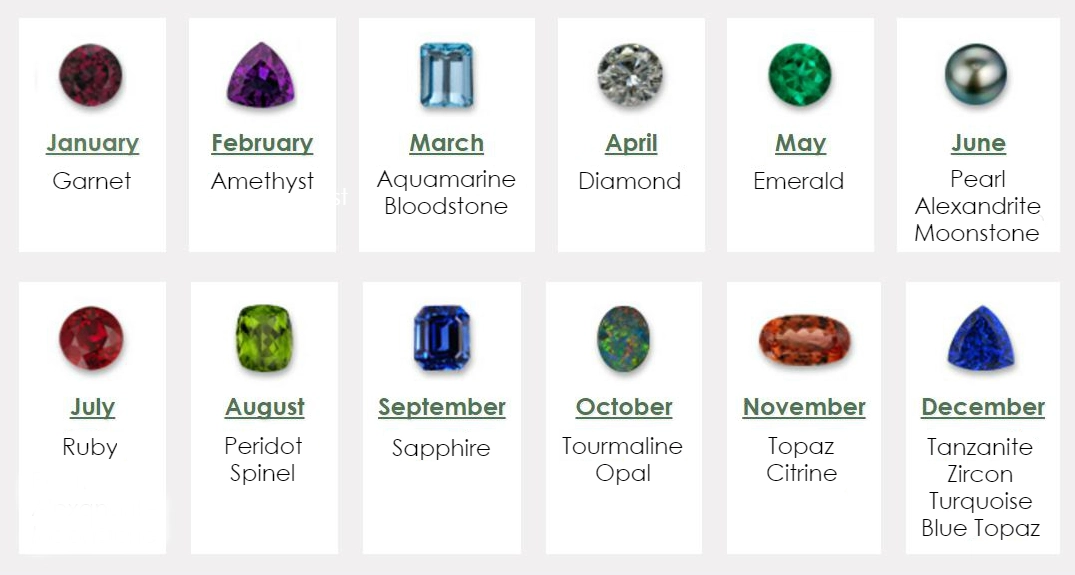
It's a fair question. Most months have one. The short answer is: tradition met commerce, and then gemology got involved. The modern birthstone list we mostly follow was standardized by the Jewelers of America in the 1950s. But even they have updated it since. Opal was the original, historical October birthstone, loved for centuries. Tourmaline, with its explosion of color options, gained massive popularity later. Including it gave October babies more choice—especially for those who wanted a stone tougher than opal for everyday wear. So now, both are officially recognized. You're not choosing a "right" or "wrong" one; you're picking the gem that speaks to you.
The Fire Within: All About Opal, the Traditional October Birthstone
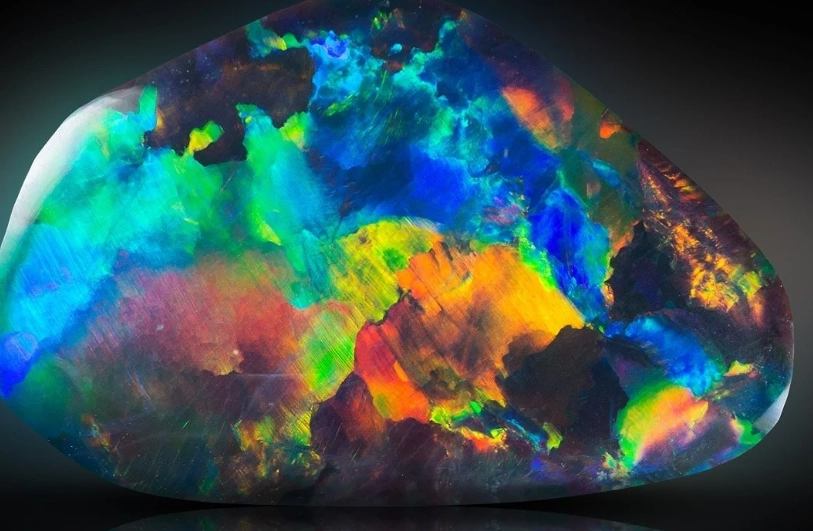
If gemstones were artists, opal would be the impressionist painter. It doesn't rely on a single, bold color. Instead, its magic—called "play-of-color"—comes from the way light diffracts through microscopic silica spheres stacked inside the stone. This creates that famous, shifting rainbow effect. No two opals are ever exactly alike.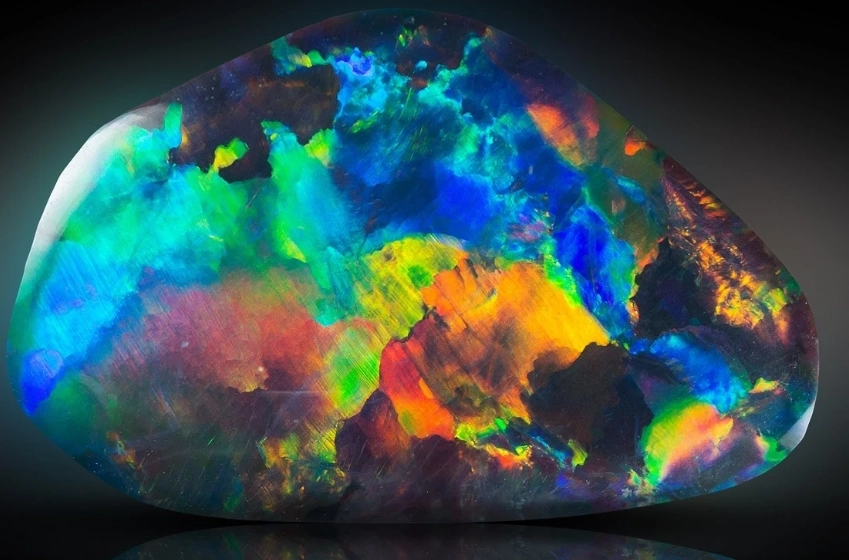
A Stone Wrapped in Legend (and a Bit of Superstition)
Opal's history is a rollercoaster. The ancient Romans considered it the most precious gem of all, a symbol of hope and purity. They believed it contained the colors of all other gems. In Arabic folklore, it was thought to have fallen from the heavens in flashes of lightning. But then, in the 19th century, thanks largely to a misinterpretation in a popular Sir Walter Scott novel, it got tagged with a bad luck reputation. Honestly, I think that's nonsense. For centuries before that, it was considered deeply lucky. The negative myth likely benefited diamond sellers at the time. Most modern gemologists and jewelers dismiss the bad luck tale entirely. It's a stone of creativity, inspiration, and imagination.
The Many Faces of Opal: Types and Colors
Not all opals have that fiery play-of-color. And where they come from drastically changes their look and value.
- Precious Opal: This is what everyone pictures. It shows play-of-color. The body color (the background color you see before the fire) can be white, black, or crystal-clear.
- Common Opal (Potch): No play-of-color. It's often milky, creamy, or has a nice waxy luster in colors like pink, blue, or honey. Pretty, but not as valuable.
- White Opal: The most common type of precious opal. It has a light body color (white, cream, pale grey) with play-of-color on top. It's beautiful and more affordable than its darker cousin.
- Black Opal: The king. It has a dark body tone (dark grey to jet black), which makes the play-of-color explode with incredible contrast and intensity. The finest black opals, primarily from Lightning Ridge in Australia, command the highest prices. Seeing one in person is breathtaking.
- Crystal Opal: This one is transparent or semi-transparent, with the play-of-color shining through from within. It can be very elegant.
- Boulder Opal: My personal favorite for rustic beauty. It forms attached to its ironstone host rock. The jeweler often leaves some of the brown ironstone as a backing, creating a natural, organic-looking piece where the opal's color seems to erupt from the stone.
The Not-So-Secret Downside: Opal Care
Okay, let's address the elephant in the room. Opal has a moisture content (between 3-10%). This makes it sensitive to sudden temperature changes and very dry environments. It can crack or "craze" (develop a network of tiny fractures) if it dries out completely or is subjected to heat. It's also relatively soft (5.5-6.5 on the Mohs scale), meaning it scratches more easily than a sapphire or diamond.
This doesn't mean you shouldn't buy opal! It just means you need to treat it with respect. Don't wear your opal ring while gardening, washing dishes, or at the gym. Avoid ultrasonic cleaners and steamers. If you live in a very dry climate, storing it with a damp cotton ball in a sealed bag every now and then can help. Think of it as a delicate, beautiful piece of art, not a sports watch.
The Rainbow's Spectrum: All About Tourmaline, the Modern October Birthstone
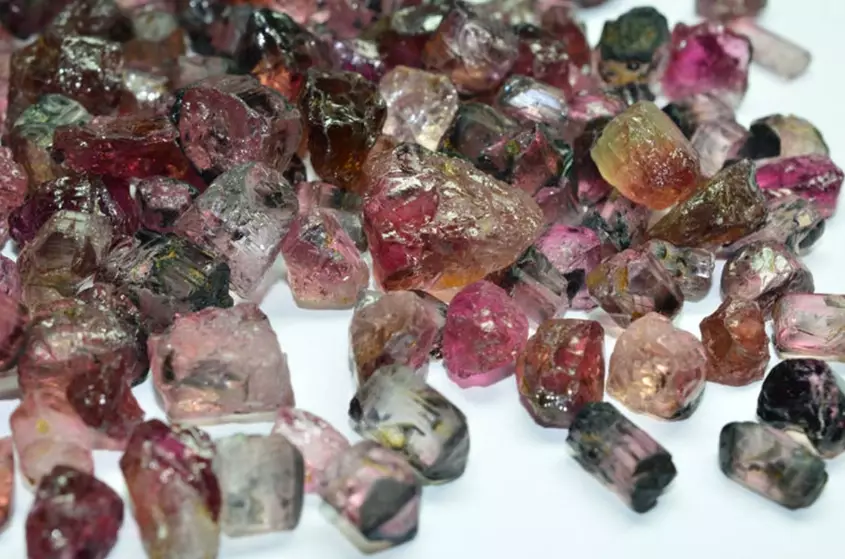
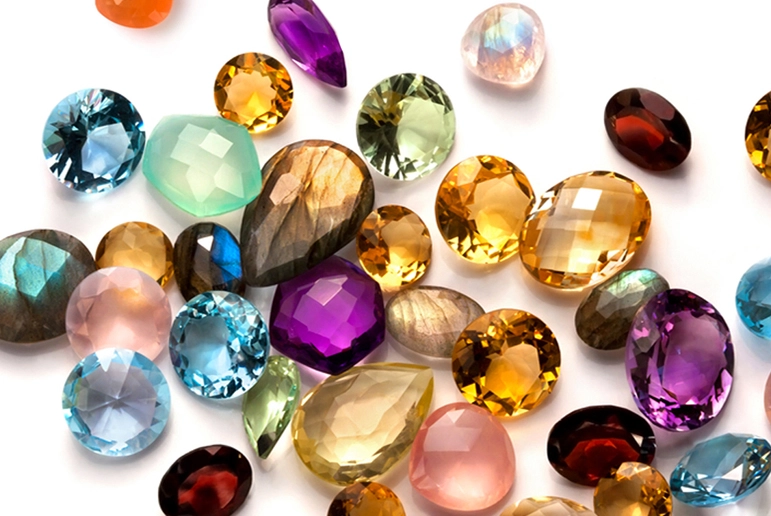
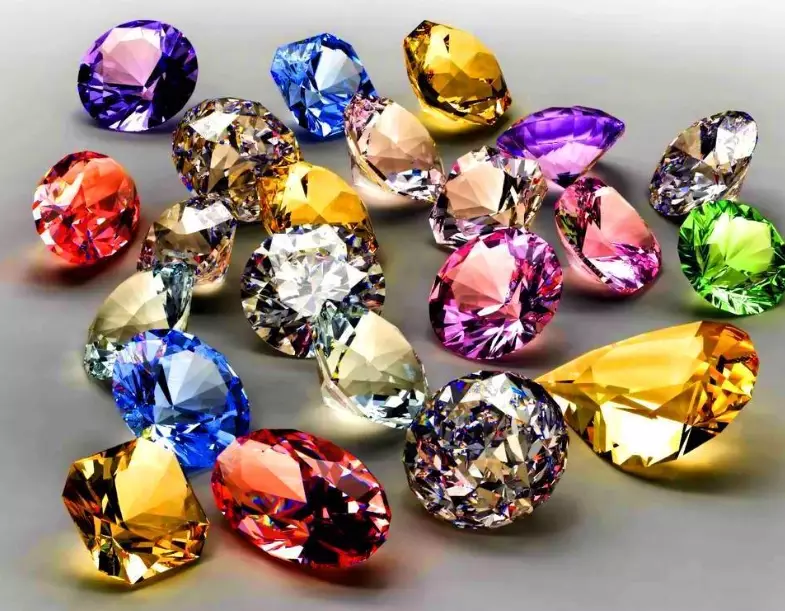
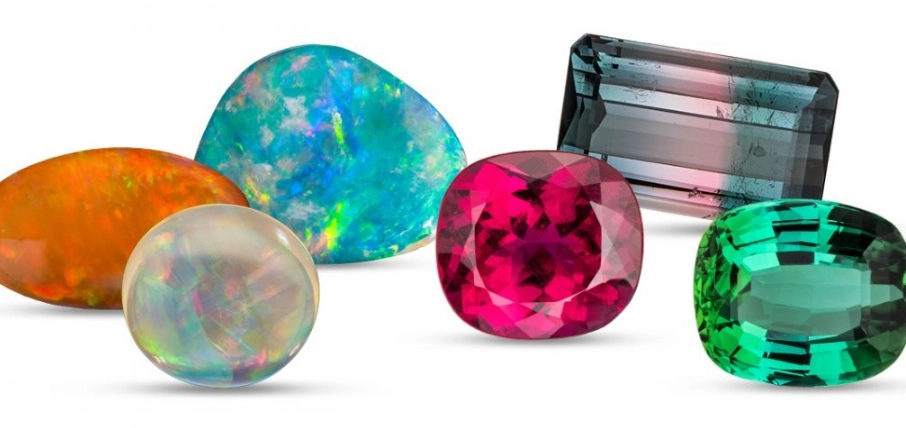
If opal is the impressionist, tourmaline is the entire paint store. It comes in more documented colors than any other gemstone family. Seriously. From deep blacks to vibrant pinks, electric greens, and even bi-color or tri-color crystals. Its name even comes from the Sinhalese word "turmali," which means "mixed gemstones" or "something little out of the earth." Fitting.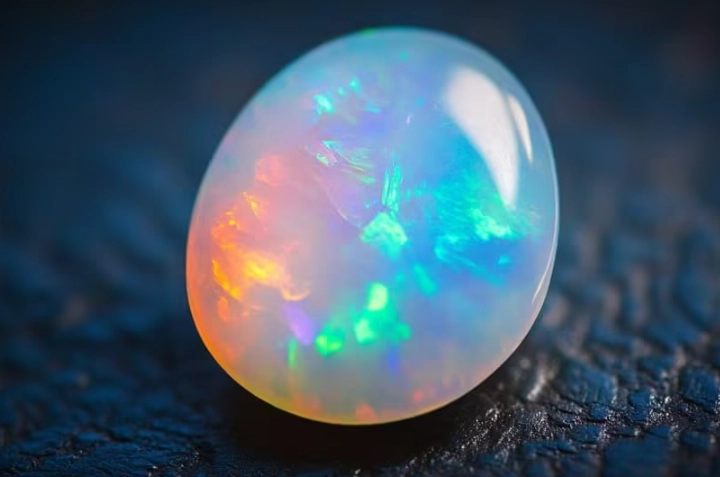
From Ashes to Treasure: A Colorful History
For a long time, especially in the 1700s, green tourmaline was confused with emerald. Even crown jewels weren't safe from the mix-up! It wasn't until modern mineralogy that tourmaline was recognized as its own distinct mineral species. One of the coolest things about it is its pyroelectric and piezoelectric properties. That's a fancy way of saying it can become electrically charged when heated or put under pressure. Early Dutch traders in the 1800s even used long, thin crystals of tourmaline to pull ash from their meerschaum pipes—they called it the "ash puller." Not the most glamorous start, but it shows its unique character.
Tourmaline's Color Parade
You can almost pick a tourmaline for your mood.
- Rubellite: Intense pink to red. The best ones rival ruby in saturation. If it looks like a ruby but has a slightly more violet undertone, it's probably rubellite.
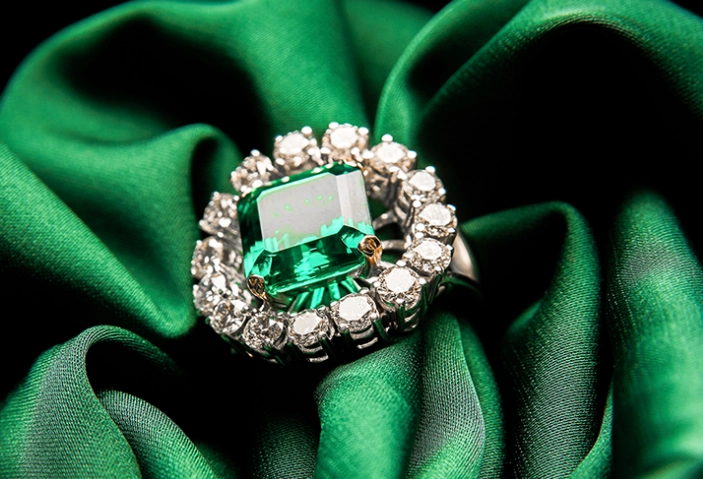
- Verdelite: The classic green tourmaline. Ranges from light, minty greens to deep forest greens. It's often cleaner (fewer visible inclusions) than emerald for a fraction of the price.
- Indicolite: Blue tourmaline. Rarer, especially in deep, saturated shades. A fine indicolite is a true treasure.
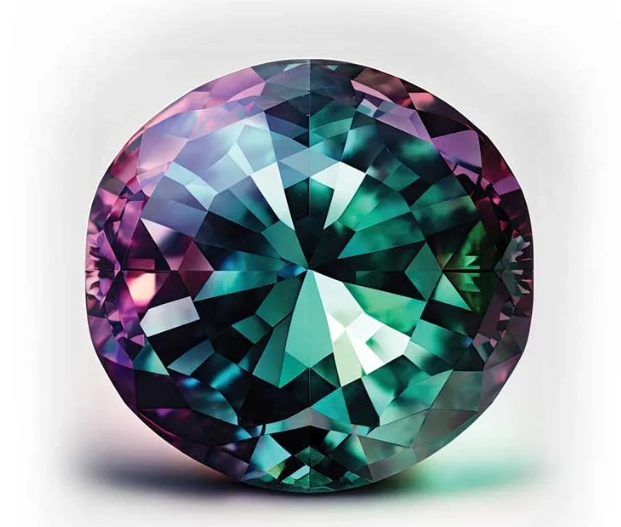
- Watermelon Tourmaline: The showstopper. The crystal grows with a pink core and a green "rind," just like the fruit. Sliced and polished as cross-sections, they make unforgettable jewelry.
- Chrome Tourmaline: A vivid, grass-green color caused by chromium (the same element that makes emerald green). It’s stunningly bright.
- Paraíba Tourmaline: The superstar. Discovered in Brazil in the 1980s, it displays an extraordinary neon blue to greenish-blue color, caused by traces of copper. It's exceptionally rare and can be more expensive than fine sapphire. Seeing its electric glow is an experience.
- Black Tourmaline (Schorl): Opaque and black, it's popular in men's jewelry and for its supposed grounding and protective properties in metaphysical circles.
The Practical Champion: Why People Choose Tourmaline
Here's where tourmaline wins for many practical folks. It's considerably tougher than opal (7-7.5 on the Mohs scale). That makes it suitable for daily-wear rings. It has no cleavage (a plane where it can split cleanly), so it's more resistant to chipping. It's also not sensitive to heat, light, or common chemicals. You can clean it with mild soap, water, and a soft brush without worry. For someone who wants a colorful October birthstone they don't have to baby, tourmaline is often the answer.
Pro Tip: When shopping for pink or red tourmaline (rubellite), ask if it's "stable in light." Some stones can fade slightly in intense, prolonged sunlight. A reputable dealer will know and disclose this. Most high-quality material is stable.
Opal vs. Tourmaline: The Head-to-Head October Birthstone Showdown
Choosing between the two? This table breaks down the key differences at a glance. It’s the kind of comparison I wish I had when I was first looking.
| Feature | Opal (Traditional October Birthstone) | Tourmaline (Modern October Birthstone) |
|---|---|---|
| Key Attraction | Unique "play-of-color," a shifting rainbow effect. No two are alike. | Unmatched range of solid, vibrant colors (pinks, greens, blues, multi-color). |
| Durability (Mohs Scale) | 5.5 - 6.5 (Softer, requires careful wear) | 7 - 7.5 (Good for everyday jewelry like rings) |
| Special Care Needed? | Yes. Avoid dryness, heat, chemicals, abrasion. | Minimal. Tough and stable; clean with soap and water. |
| Price Range | Wide. Common opal is cheap; fine black opal is extremely expensive. | Wide. Commercial greens/pinks are affordable; Paraíba is ultra-high-end. |
| Best For... | Pendants, earrings, brooches, or occasional-wear rings. The "artist's stone." | Any jewelry, including daily-wear rings. The "color collector's stone." |
| Metaphysical Vibes* | Inspiration, creativity, imagination, emotional expression. | Depends on color. General: protection, grounding, compassion. |
*Take metaphysical associations with a grain of salt—they're about personal belief, not science. But they're fun to consider!
Choosing Your Perfect October Birthstone: A No-Nonsense Guide
Beyond the specs, how do you decide? Ask yourself these questions.
What's your lifestyle like? If you're active, hard on your hands, or just don't want to think about maintenance, tourmaline's durability is a massive plus. If you're okay with reserving a piece for special occasions or are drawn to pendants and earrings, opal's delicacy is less of an issue.
What's your color love? Do you crave the ever-changing light show? That's opal's domain. Do you have a favorite solid color—a specific shade of pink, green, or blue that you adore? Tourmaline likely has it.
What's your budget? Both stones offer options at various price points. You can find beautiful, small white opals or lovely green tourmalines for very reasonable amounts. The high end for both is stratospheric (black opal, Paraíba tourmaline). Set a realistic budget first.
Trust your gut. Sometimes, you just see a stone and it speaks to you. That's the most important factor. The October birthstone should bring you joy.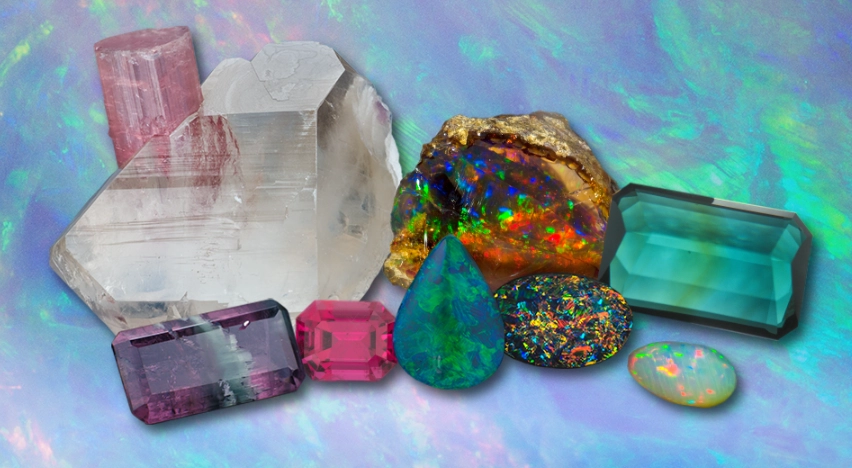
Caring for Your October Treasure
Opal Care Recap (It's Important!)
- Wear it often: The natural oils from your skin help keep it from drying out.
- Clean gently: Use only a soft, damp cloth. No chemicals, ultrasonics, or steam.
- Store smartly: In a padded cloth pouch, away from other harder gems that could scratch it. In very dry climates, occasional "hydration" in a sealed bag with a damp cloth can help.
- Avoid extremes: Keep it away from hairdryers, hot cars, intense sunlight for storage, and sudden temperature swings.
Tourmaline Care (The Easy One)
- Clean freely: Warm water, mild dish soap, a soft brush (like an old toothbrush). Rinse well.
- Store safely: Still best to keep it separate to prevent scratches from harder stones like diamonds or sapphires.
- It's tough: Normal wear and tear is fine. Just avoid harsh blows.
Your October Birthstone Questions, Answered
Is opal or tourmaline the "real" October birthstone?
Both are 100% real and official. Opal is the traditional one, tourmaline is the modern addition. You can't go wrong with either.
Which October birthstone is more expensive?
It depends entirely on quality. Top-tier black opal from Lightning Ridge can be among the most expensive gems in the world per carat. Similarly, top-tier Paraíba tourmaline commands astronomical prices. For comparable mid-range qualities, fine tourmaline is often more affordable than fine opal with strong play-of-color.
Can I wear an opal ring every day?
I wouldn't recommend it unless you are exceptionally careful. The risk of drying out, cracking, or scratching is high with daily manual activity. Opal is better suited for pendants, earrings, or rings worn on special occasions. For a daily-wear October birthstone ring, tourmaline is a much safer and more practical choice.
What does the October birthstone symbolize?
Opal is strongly associated with hope, purity, creativity, and imagination. Tourmaline's meaning often varies by color, but overall it's linked to protection, grounding, and compassion. Black tourmaline, in particular, is popular for protection beliefs.
Are there synthetic or lab-created versions?
Yes, for both. Lab-created opal (often called "lab opal" or "Gilson opal") exists and displays play-of-color, but its pattern is often too perfect and repetitive—a trained eye can spot it. Synthetic tourmaline is extremely rare and not commercially significant. What you'll more commonly find are imitations (like glass for opal) or treatments (like heat treatment to improve tourmaline color). Always ask your jeweler about the treatment status of any gem. Reputable sources like the Gemological Institute of America (GIA) provide extensive educational resources on treatments.
Where do the best opals and tourmalines come from?
Opal: Australia is the king, producing over 90% of the world's precious opal (Lightning Ridge for black, Coober Pedy for white). Other sources include Ethiopia (known for stunning crystal and hydrophane opals), Mexico (fire opal), and Brazil.
Tourmaline: Major sources include Brazil (for almost every color, including Paraíba), Nigeria, Mozambique, Afghanistan, and the United States (Maine and California). The GIA's tourmaline gem page has a fantastic deep dive into its history and sources.
Final Thoughts: Embracing Your October Birthstone Options
Having two birthstones isn't a confusion; it's a privilege. It means you get to choose the gem that truly fits your personality and life. Are you the dreamy, artistic type who loves the unpredictable magic of light? The classic October birthstone, opal, might be your soulmate stone. Are you vibrant, practical, and love a bold splash of color you can wear anywhere? Then tourmaline, the modern October birthstone, is probably calling your name.
Maybe you're like me and just can't decide. That's okay too. There's no rule against owning both. A dramatic black opal pendant for gala nights and a cheerful pink tourmaline ring for every Tuesday. Why not?
The most important thing is to buy from a reputable source who can tell you exactly what you're getting—the origin, any treatments, and how to care for it. A good jeweler is a partner, not just a salesperson. Do your research, look at lots of stones in person if you can (photos rarely do them justice), and let yourself fall in love with the one that makes you smile.
After all, that's the real point of a birthstone. It's a personal talisman, a piece of the Earth's beauty that belongs to you. Whether it's the fiery dance of an opal or the electric glow of a tourmaline, your October gem is a celebration of your unique story.