Explore the Guide
- So, What Exactly is a Tourmaline Birthstone?
- The Tourmaline Color Spectrum: More Than Just Pink and Green
- How to Choose Your Perfect Tourmaline Birthstone Jewelry
- Caring for Your Tourmaline: Keeping the Rainbow Alive
- Beyond October: Is Tourmaline JUST a Birthstone?
- Frequently Asked Questions (The Stuff You Actually Search For)
Let's talk about the tourmaline birthstone. If you're an October baby, or maybe just someone who loves color, you've probably heard the name. But what is it really? Is it just another pretty stone, or is there more to the story? I remember walking into a gem show years ago, completely overwhelmed. Stall after stall of glittering things, but one vendor had a tray of rough, uncut stones that looked like someone had spilled a rainbow on velvet. "Tourmaline," he said, like it explained everything. At the time, it didn't. But after digging into this gem for years, I think I get it now.
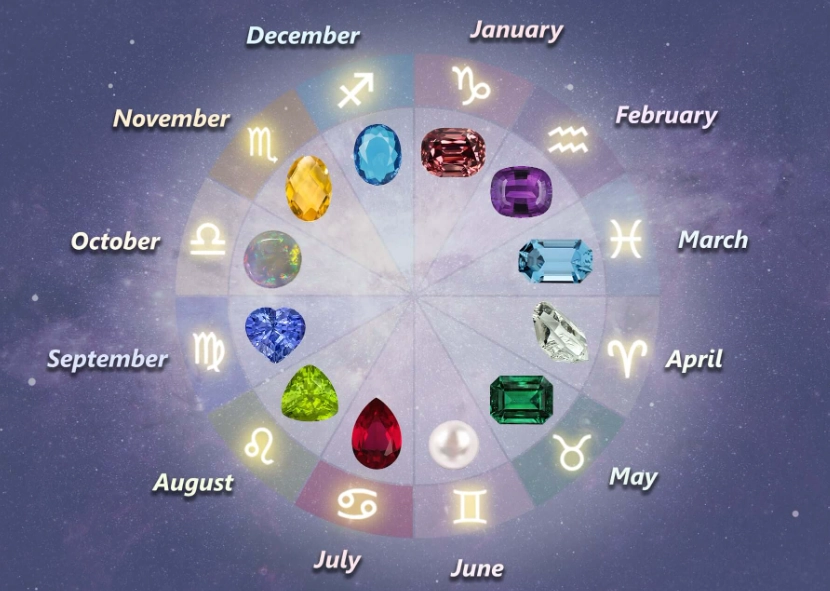
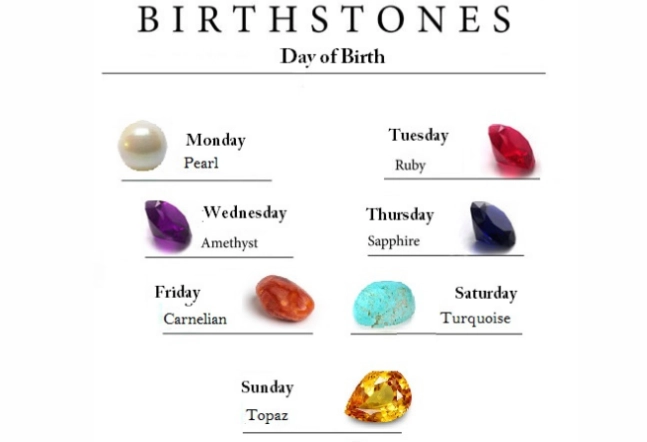
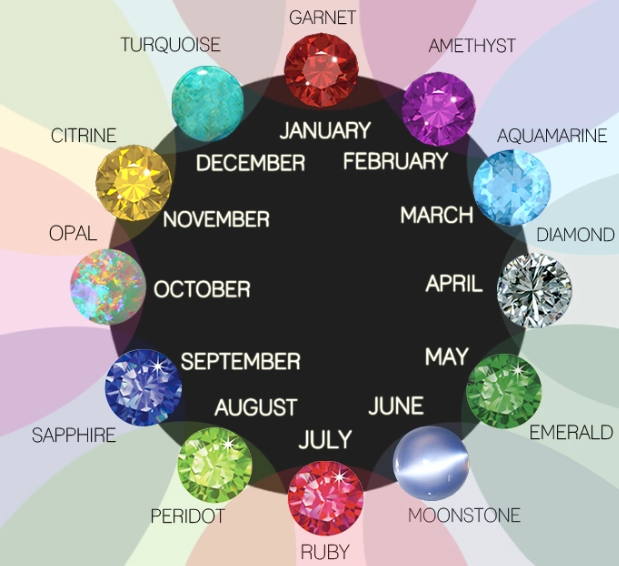
Tourmaline isn't just a birthstone for October. For many, it's the birthstone. It's like the universe decided October needed more than one option (it shares the month with opal) and gave it a gem that could literally be any color. But here's the thing a lot of articles gloss over: the official birthstone lists have shifted over time. The modern list from the Jewelers of America and the American Gem Trade Association solidly places tourmaline as a primary October birthstone. But some older lists, or alternative lists, might also associate certain colors of tourmaline with other months. It gets messy, which is why most people today firmly link it with October.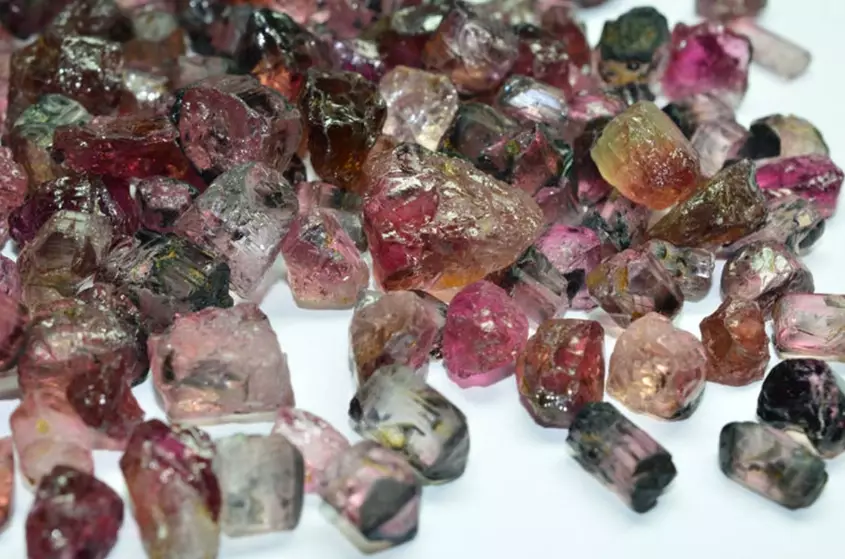
So, What Exactly is a Tourmaline Birthstone?
At its core, tourmaline is a complex crystalline boron silicate mineral. Try saying that five times fast. What that science boils down to is a gem that forms in more colors than almost any other natural stone. It's not a single mineral but a group of related minerals, which is the secret to its color parade. The tourmaline birthstone meaning is often tied to this diversity—representing compassion, comfort, and a balanced perspective. Some say it's a stone of reconciliation, helping to calm nerves and soothe emotional turmoil. Whether you buy into the metaphysical properties or not, you can't deny the visual appeal.
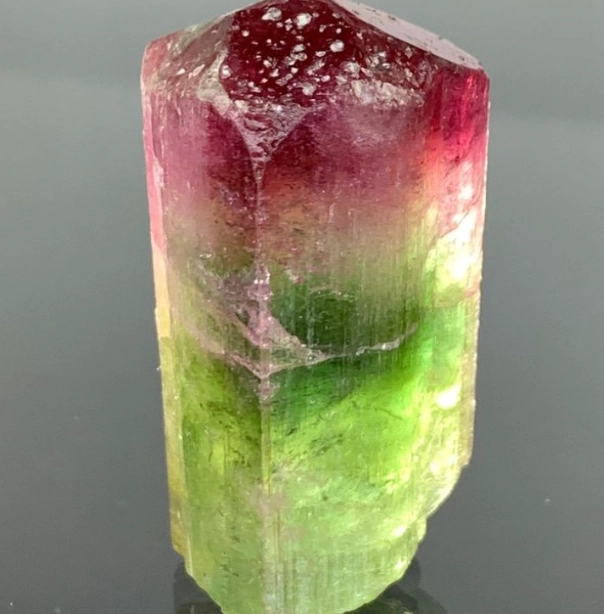
I think part of the tourmaline birthstone's charm is its accessibility. You're not just looking at a museum piece. You can actually find and wear it. From the rich, royal rubellite (a red or pink variety) to the cool, oceanic indicolite (blue), there's a personality for everyone. And then there's the famous watermelon tourmaline, with its pink center and green rim, looking exactly like its namesake. It's almost too perfect, like nature is showing off.
The Tourmaline Color Spectrum: More Than Just Pink and Green
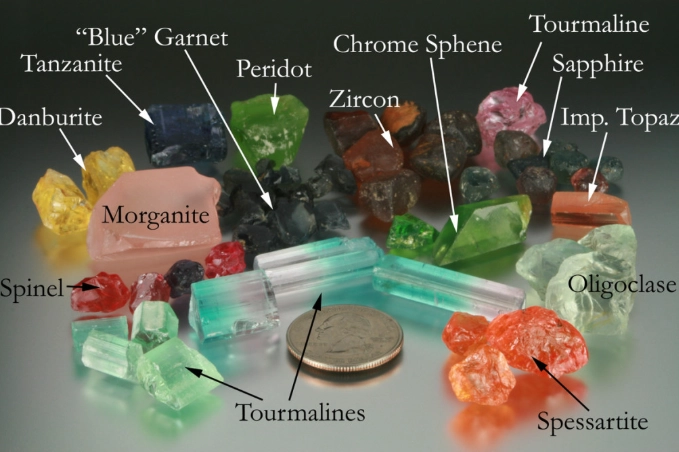
Color, color, color! This is where the tourmaline birthstone absolutely dominates. While many gems are famous for one iconic hue (think ruby's red or emerald's green), tourmaline laughs in the face of such limitation. Its color depends on its chemical composition—trace elements like iron, manganese, chromium, or vanadium decide the show. The Gemological Institute of America (GIA), a top authority in gemology, has extensive resources on how these elements create tourmaline's rainbow. You can lose yourself for hours reading about it on their tourmaline gem page.
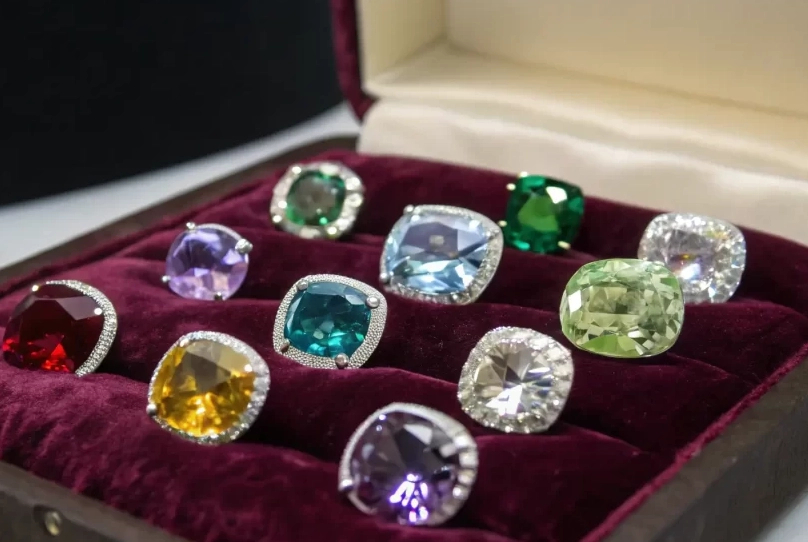
Let's break down the main players you'll encounter when shopping for a tourmaline birthstone piece. This isn't just an academic list; knowing these can help you understand what you're looking at and why prices vary wildly.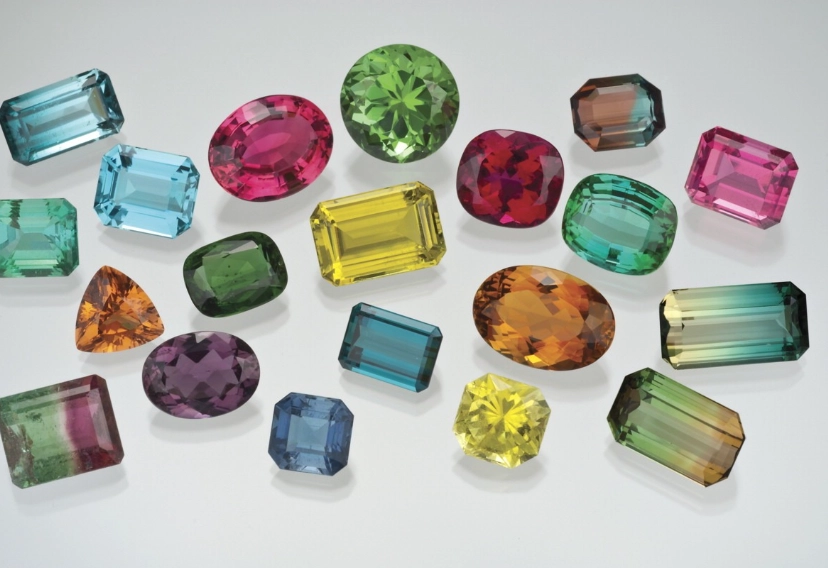
| Color (Common Name) | What Causes It | Typical Look & Feel | What It's Often Associated With |
|---|---|---|---|
| Rubellite (Red/Pink) | Manganese | Deep pink to vivid red. Should hold its color in all lights (a key quality factor). | Love, passion, emotional healing. The "ruby-like" tourmaline. |
| Verdelite (Green) | Iron, sometimes chromium | Light to dark forest green. Can rival emerald but often with fewer inclusions. | Growth, vitality, prosperity. A very popular and classic choice. |
| Indicolite (Blue) | Iron | Light blue to deep, inky navy. Rarer, especially in saturated tones. | Calm, communication, truth. Often has a slightly greyish undertone. |
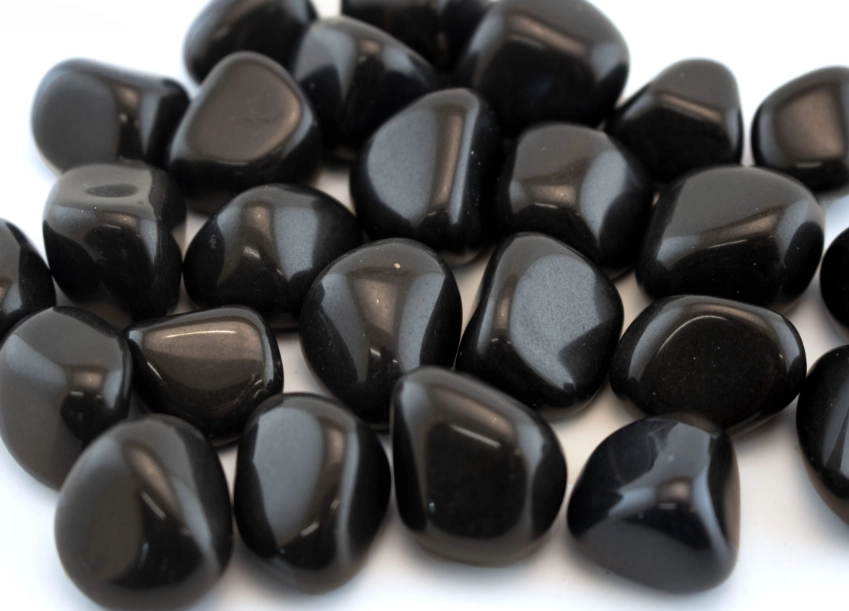
| Schorl (Black) | Iron (high concentration) | Opaque, jet black. Very common but less used in fine jewelry. | Protection, grounding, deflection of negative energy. |
| Watermelon (Pink & Green) | Chemical changes during growth | Pink core with a green "rind." Often sliced into cross-sections. | Balance, heart-centered energy, joy. A total conversation starter. |
| Chrome Tourmaline (Vivid Green) | Chromium and vanadium | A brilliant, intense green. More saturated than most verdelite. | Rarity, vibrancy, connection to nature. Commands a premium price. |
| Paraíba (Neon Blue/Green) | Copper and manganese | An electric, neon blue or green that seems to glow from within. | Rarity, luxury, extraordinary beauty. The most expensive variety by far. |
See what I mean? It's a full palette. When people ask "what color is the tourmaline birthstone?" the only honest answer is "pick one." Paraíba tourmaline, discovered in Brazil in the late 1980s, turned the gem world on its head with its unreal electric hue. It's a great example of how new discoveries keep the tourmaline story exciting. But be warned: its price per carat can rival that of a fine diamond, so if a deal seems too good to be true, it almost certainly is.
A jeweler once told me, "Buying tourmaline is like buying art. You don't just buy a green stone; you buy that particular green stone." The color zoning (where different colors appear in one crystal), the saturation, the tone—it all creates a one-of-a-kind piece. This is why two tourmaline birthstone rings can look and cost completely different.
How to Choose Your Perfect Tourmaline Birthstone Jewelry
Alright, let's get practical. You're convinced. You want a piece of tourmaline birthstone jewelry. Where do you start? Walking into a store or browsing online can be paralyzing. Here's a down-to-earth approach, based on my own hits and misses.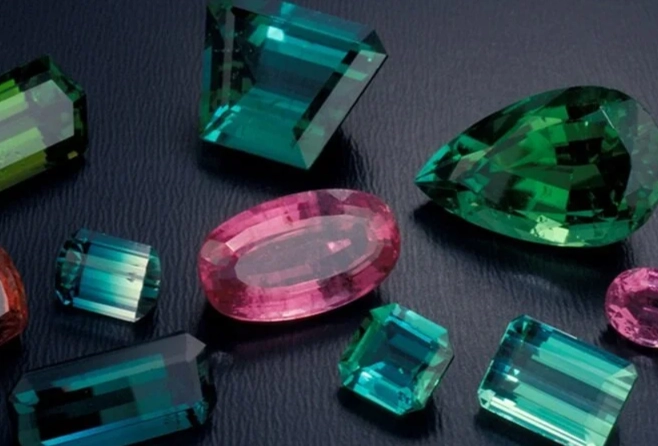
First, decide on your budget and be real about it. Tourmaline spans a huge range. You can find pretty, small stones in silver settings for under a couple hundred dollars, or you can venture into Paraíba territory where the sky's the limit. Knowing your limit helps narrow the field immediately.
Color Preference is King
Do you love cool tones or warm ones? Do you want something that pops (like Paraíba or chrome) or something more subtle and classic (like a mossy green verdelite)? Don't just think about what's "in fashion." Think about what you'll actually want to wear every day, or on special occasions. That neon stone might be stunning, but will it go with your wardrobe?
Consider the Cut and Setting
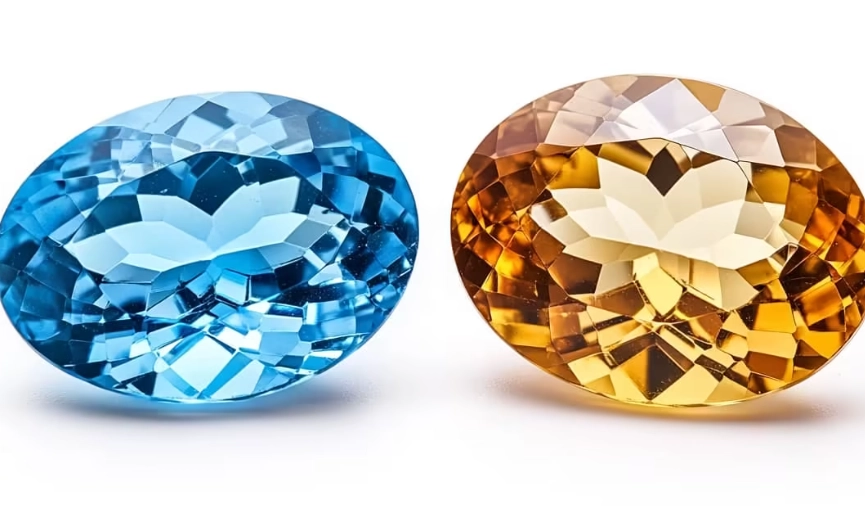
Tourmaline crystals are long and columnar. This means cutters often create long, rectangular or oval shapes (like emerald cuts or ovals) to preserve weight. Rounds are more rare and waste more material, so they often cost more. The cut can also enhance or hide color zoning. A skilled cutter will orient the stone to show the best color face-up.
For the setting, think about your lifestyle. A high, prong-set stone in a ring might be more prone to knocks if you're active. A bezel setting offers more protection. For a pendant or earrings, you often have more freedom. Is the piece for daily wear or just occasional use? Tell your jeweler.
A Quick Word on Treatments
Many tourmalines on the market are heated to improve their color. This is a stable, accepted, and usually undisclosed practice in the industry. It's not inherently bad—it's like polishing a rough diamond. However, some stones might be irradiated or filled with resins to hide fractures. Always ask your seller if the stone has been treated and how. A reputable dealer will tell you. If they get vague or defensive, consider it a red flag. The GIA provides clear guidance on gemstone treatments, which is a good baseline for knowledge.
Size and Quality Trade-offs
You might have to choose between a larger, slightly included stone and a smaller, cleaner one. With tourmaline, I often lean toward accepting some inclusions if the color is spectacular. The inclusions can be part of its character, proof it's natural. But if visible cracks or clouds bother you, then clarity should be a higher priority. There's no right answer, only your preference.
My personal rule? I'd rather have a smaller, vibrant, well-cut tourmaline birthstone than a larger, dull, poorly cut one. The life and sparkle matter more than mere millimeter measurements.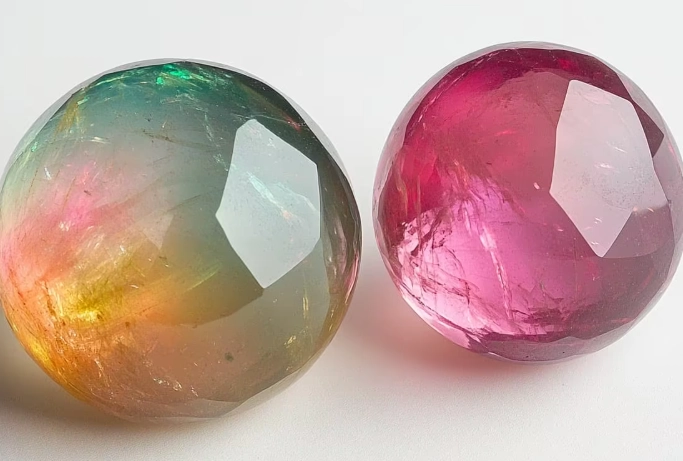
Caring for Your Tourmaline: Keeping the Rainbow Alive
Tourmaline has a hardness of 7 to 7.5 on the Mohs scale. That's decent—harder than glass or steel, but softer than sapphire or diamond. This means it's suitable for daily wear, but it's not indestructible. You need to be a little thoughtful.
Daily Do's and Don'ts
- DO take it off for heavy lifting, gardening, gym workouts, or dishes. Hard knocks can chip it, and chemicals in cleaners or sweat can dull the setting over time.
- DON'T use ultrasonic cleaners or steam cleaners routinely. Tourmaline can have internal fractures or liquid inclusions that might expand with sudden heat or vibration and cause damage. I learned this the hard way with an older ring—a tiny fracture got worse after one ultrasonic cycle.
- DO clean it with warm, soapy water and a soft brush. Rinse well and pat dry with a soft, lint-free cloth. It's simple and safe.
- DON'T store it loosely with harder gems. A diamond can scratch a tourmaline. Keep it in a soft pouch or a separate compartment in your jewelry box.
Think of it like a piece of fine wood furniture. You don't abuse it, you clean it gently, and you protect it from extremes, and it will last for generations. Getting your piece checked by a jeweler once a year for loose prongs or wear is also a smart habit.
Beyond October: Is Tourmaline JUST a Birthstone?
This is a common question. The tourmaline birthstone is so strongly linked to October that people born in other months sometimes wonder if they can "wear" it. The short answer is: of course you can! Gemstones don't come with rules. While it's a beautiful and meaningful gift for an October birthday, its appeal is universal.
In fact, some alternative or traditional birthstone lists assign specific tourmaline colors to other months. For instance, pink tourmaline is sometimes listed as a birthstone for January or February. Green tourmaline has been associated with August. The modern, standardized lists have simplified things, but the historical context is richer and more colorful, much like the stone itself.
So, if you're a May baby obsessed with blue indicolite, or a December person drawn to vibrant rubellite, wear it with confidence. The best gemstone for you is the one that speaks to you.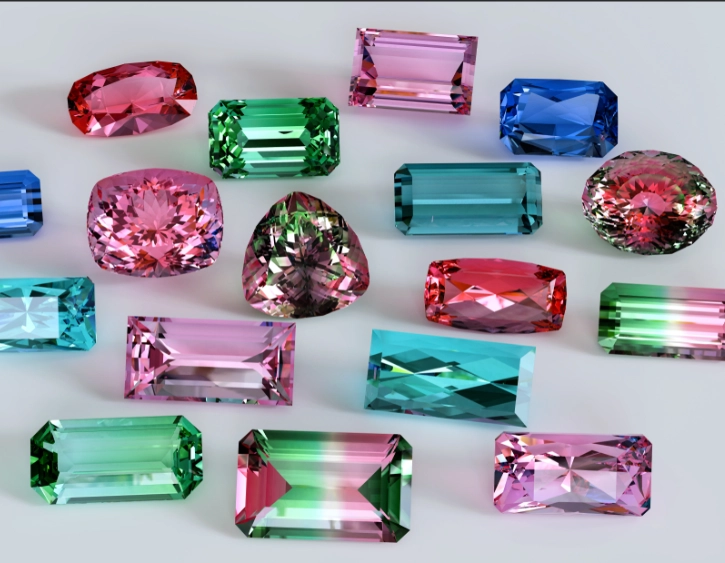
I've given tourmaline jewelry as gifts to people born in months all across the calendar. The reaction is never "but it's not my birthstone." It's always "wow, look at that color!" That's the real magic of this gem.
Frequently Asked Questions (The Stuff You Actually Search For)
Let's tackle some of the specific, sometimes quirky questions people type into Google about the tourmaline birthstone. These are the gaps I often found in other articles.
Is tourmaline the same as other gems like emerald or ruby?
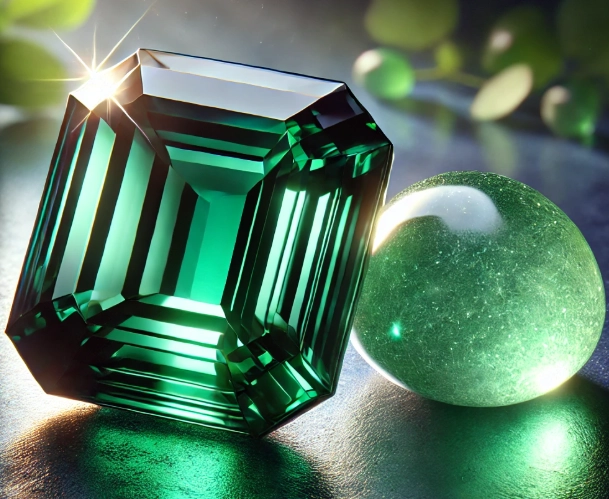
No, it's a completely different mineral. However, certain colors have been mistaken for them historically (hence names like "rubellite"). A green chrome tourmaline can look very similar to an emerald, but a gemologist can easily tell them apart by their optical properties and internal characteristics.
How can I tell if my tourmaline is real?
For peace of mind, especially for valuable pieces, get it certified by a reputable gemological lab like the GIA or AGL (American Gemological Laboratories). At home, some clues include: it should feel cool to the touch, it will have inclusions (flawless is a red flag), and its color might show subtle zoning or shifts under different lights. But honestly, imitation stones like glass can be convincing. When in doubt, trust a professional appraisal.
What is the most valuable type of tourmaline birthstone?
Paraíba tourmaline is in a league of its own due to its rarity and unique neon color caused by copper. After that, fine, saturated rubellites (that don't brown in daylight) and rich chrome tourmalines command high prices. Large, clean stones of any desirable color are always more valuable.
Can tourmaline be an engagement ring stone?
It can, but with caveats. Its hardness (7-7.5) is lower than a sapphire (9) or diamond (10), making it more susceptible to scratches over decades of daily wear. If you or your partner are careful and mindful, and you choose a protective setting (like a bezel), it's possible. Many choose it for its unique color and personal meaning. Just go in with realistic expectations about maintenance.
Why is some tourmaline so inexpensive and some so expensive?
It all comes down to the Four Cs (Color, Clarity, Cut, Carat), plus origin and treatment. A pale, included, commercially cut tourmaline from a common source is affordable. A vivid, clean, well-cut Paraíba or chrome tourmaline is a rare natural treasure. The range is simply enormous, which is actually great—it means there's a beautiful tourmaline birthstone option for almost every budget.
The bottom line? Tourmaline is a gem of incredible diversity and personality.
Whether you're drawn to it as your official October birthstone, or simply as a captivating piece of the natural world, it offers something special. It's a gem that rewards a closer look, one that tells a story of geological chaos and beauty. From the electric buzz of a Paraíba to the gentle gradient of a watermelon slice, wearing a tourmaline is like wearing a little piece of a rainbow that decided to settle down and become a stone. And honestly, who wouldn't want that?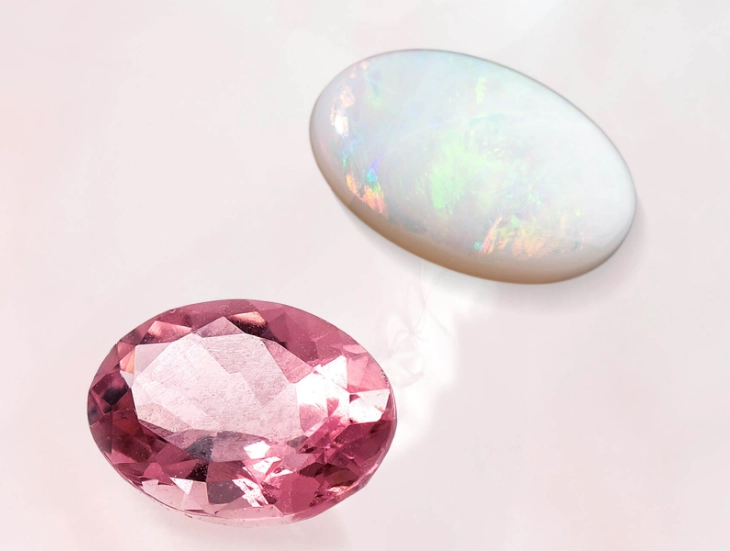
So, the next time you see a piece of tourmaline jewelry, you'll see more than just a colored gem. You'll see a history of shifting birthstone lists, a masterpiece of chemistry and light, and a testament to nature's boundless creativity. And maybe, just maybe, you'll find the one that feels like it was made just for you.