Quick Navigation
Let's be honest, when you hear "November birthstone," you probably picture something yellow and maybe a bit... well, boring. I used to think that too. I remember walking into a jewelry store years ago, asking about November options, and being shown a case of nearly identical golden stones. It felt a bit uninspiring. But that's because I didn't know the full story. What if I told you that November is blessed with not one, but two stunning gems, each with a personality as distinct as the people born in that crisp, autumnal month?
That's right. The month of November has a fascinating duality when it comes to its birthstones. For a long time, the classic choice was yellow topaz, a gem steeped in ancient lore. But in more recent history, sunny citrine has muscled its way onto the scene, becoming the modern favorite for many. This can cause a lot of confusion. Is it citrine? Is it topaz? Which one is the "real" November birthstone? The answer, wonderfully, is both. The American Gem Trade Association (AGTA) and the Jewelers of America officially list both citrine and topaz as November's birthstones, giving November babies a fantastic choice.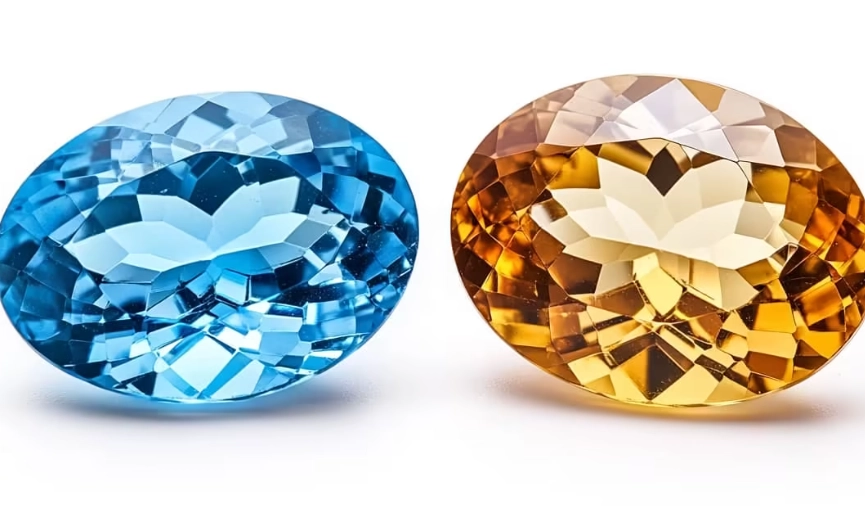
So, why two stones? It's not a mistake. It reflects the diverse history of birthstones and gives you options. Topaz is the traditionalist, with a regal past. Citrine is the vibrant, accessible newcomer. Think of it like having two amazing songs for your birthday anthem instead of one.
This guide is here to cut through the noise. We're going to dive deep into both citrine and topaz, not just as pretty rocks, but as gems with unique histories, meanings, and practical considerations. Whether you're a November baby shopping for yourself, someone looking for the perfect gift, or just a gemstone enthusiast, you'll find everything you need right here. We'll talk about their colors (it's not just yellow!), their supposed healing properties (take that with a grain of salt, of course), how to tell if you're getting a good deal, and how to care for your piece so it lasts a lifetime. Forget the dry, textbook descriptions. Let's talk about these stones like we're examining treasures.
Citrine: The Sunlight Captured in Stone
Let's start with citrine, the birthstone that feels like a burst of perpetual autumn sunshine. Its name comes from the French word "citron," meaning lemon, which is a pretty perfect description of its most common hue. But calling it just a "yellow quartz" is a massive undersell.
What I love most about citrine is its warmth. It doesn't feel cold or formal. It feels optimistic and inviting. I've seen pieces that range from a pale, almost champagne yellow to a deep, fiery amber that rivals the last leaves on an oak tree. The best ones have a clarity and glow that's genuinely cheerful.
Now, here's a juicy bit of gemology trivia that affects what you buy: a huge amount of the citrine on the market isn't mined as citrine at all. It's actually heat-treated amethyst. Naturally, deep-colored citrine is relatively rare. What gem dealers figured out centuries ago is that if you take common, purple amethyst and apply careful heat, it turns a lovely yellow or orange-brown color. This process is stable, permanent, and completely accepted in the jewelry trade. In fact, it's the source of most affordable citrine jewelry. So when you're looking at a citrine, there's a very good chance it started life as an amethyst. Does that make it less "real" or valuable? Not really. It's just its origin story. The Gemological Institute of America (GIA) has extensive resources on quartz varieties, including this treatment process, which they detail as a standard industry practice.
What does citrine stand for? This is where it gets fun. Citrine is famously known as the "merchant's stone" or the "success stone." Legend has it that keeping a piece in your cash register or wallet attracts wealth and abundance. Whether you believe in crystal healing or not, it's a charming notion. Metaphysically, it's associated with creativity, personal will, and manifesting your goals. It's said to carry the energy of the sun—warming, energizing, and revitalizing. For a November birthday, which can sometimes dip into the greyer, colder days, having a little bottled sunshine seems pretty fitting, doesn't it?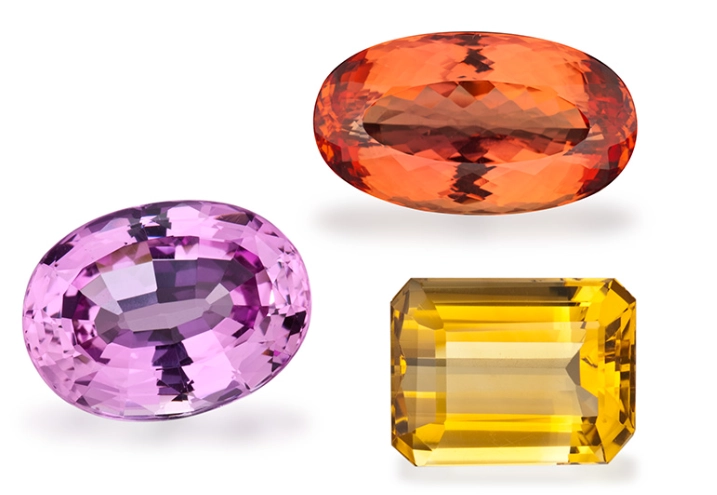
Buying Citrine: What You Need to Look For
Don't just grab the first yellow stone you see. Knowing a few key things will help you find a beautiful piece.
- Color is King: The most prized color is a pure, vibrant yellow to reddish-orange, sometimes called "Madeira" citrine after the wine. Avoid stones that look dull, brownish, or overly pale. The color should be pleasing to *your* eye first and foremost.
- Clarity Matters: Citrine is a type of quartz, and it's usually very clean to the eye. You shouldn't see many visible inclusions or clouds. A good citrine will be clear and transparent.
- The Cut Makes it Pop: Because it's abundant and affordable, cutters can use large, bold shapes. You'll find citrine in everything from classic ovals and rounds to fancy shapes like trillion cuts or checkerboard tops. A well-cut stone will bounce light around brilliantly.
- Size for the Budget: Here's the great part: citrine is one of the most budget-friendly birthstones. You can get a substantial, eye-catching stone for a very reasonable price. A large, well-colored citrine in a sterling silver setting can be a stunning statement piece without the statement price tag.
Topaz: The November Birthstone with an Imperial Past
Now, let's shift gears to topaz, the other November birthstone. This gem has a weightier, more ancient feel to it. Historically, topaz was the primary November stone, and its legacy is impressive. The name might come from the Sanskrit "tapas," meaning fire, or possibly from the Greek island of Topazios. Ancient Egyptians believed it was colored by the golden glow of the sun god Ra, and Romans associated it with Jupiter.
This is where people get tripped up. We naturally think "yellow" for November. But here's the kicker: pure topaz in its natural state is actually colorless. The stunning blues, pinks, sherry oranges, and, yes, yellows we see are usually the result of treatment or trace elements. The iconic blue topaz you see everywhere (Swiss Blue, London Blue) is almost always colorless topaz that's been irradiated and heated to achieve that perfect, stable blue. It's a gorgeous stone, but it's not the traditional November hue.
For the classic November birthstone look, you want imperial topaz. This is the crème de la crème. Imperial topaz displays a magnificent sherry-orange to orange-pink color, often with a reddish undertone. It's exceptionally rare and commands high prices. Then there's precious topaz, which refers to the natural yellow, orange, or brown varieties. These are what our ancestors would have considered the true November birthstone.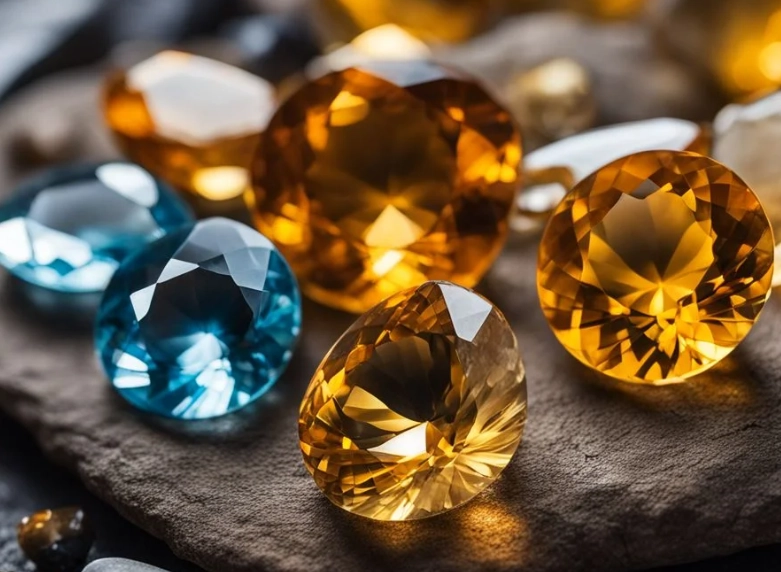
Topaz meanings are all about strength and clarity. It's historically been a talisman for wisdom, courage, and emotional balance. It was thought to cool anger and break spells. In terms of hardness, topaz scores an 8 on the Mohs scale, making it very durable for everyday wear (diamond is a 10). This practical aspect is a big plus.
A Quick Reality Check on Blue Topaz
I feel like I need a small rant here. Walk into any mall jewelry store and ask for a November birthstone, and there's a 50/50 chance they'll show you a blue topaz ring. It's beautiful, it's popular, and it's affordable. But it always makes me chuckle a little. It's like celebrating Christmas with a palm tree—it's fine, but it's not exactly traditional. If you're a November baby who loves blue, go for it! Blue topaz is a legitimate and stunning gem in the topaz family. But just know that its connection to November is more modern and commercial than historical. The deep, rich London Blue and the vibrant Swiss Blue are both treated, but the color is permanent and the stones are gorgeous in their own right.
Citrine vs. Topaz: The Ultimate November Birthstone Showdown
Okay, so you have two options. How do you choose? Let's break it down side-by-side. This isn't about which is better, but about which is better *for you*.
| Feature | Citrine (November Birthstone) | Topaz (November Birthstone) |
|---|---|---|
| Primary Color Range | Pale yellow to deep amber, orange-brown. | Natural: Colorless, yellow, sherry orange (Imperial). Treated: Various blues (Swiss, London), pink. |
| Composition & Hardness | Quartz (Silicon Dioxide). Mohs 7. Good durability. | Topaz (Fluorosilicate). Mohs 8. Very good durability. |
| Clarity Typical | Usually eye-clean, very transparent. | Also typically eye-clean in gem-quality stones. |
| Price Point (General) | Very affordable. Large stones are accessible. | Wide range. Blue topaz is affordable. Natural yellows/oranges (precious/imperial) are moderate to very expensive. |
| Key Symbolism | Sunshine, success, abundance, warmth, joy. | Strength, wisdom, courage, emotional balance. |
| Treatment Commonality | Extremely common (heat-treated amethyst). Disclosed as "citrine." | Very common for blue, pink. Natural color stones are prized. |
| Best For... | Someone who loves warm, sunny colors and wants a bold, budget-friendly statement piece. | Someone who prefers tradition, cooler colors (blue), or values the rarity of imperial topaz. |
See? They're like two different siblings. Citrine is the warm, outgoing, accessible one. Topaz is the more complex, versatile, and sometimes regal one. Your personal style and budget will point you in the right direction.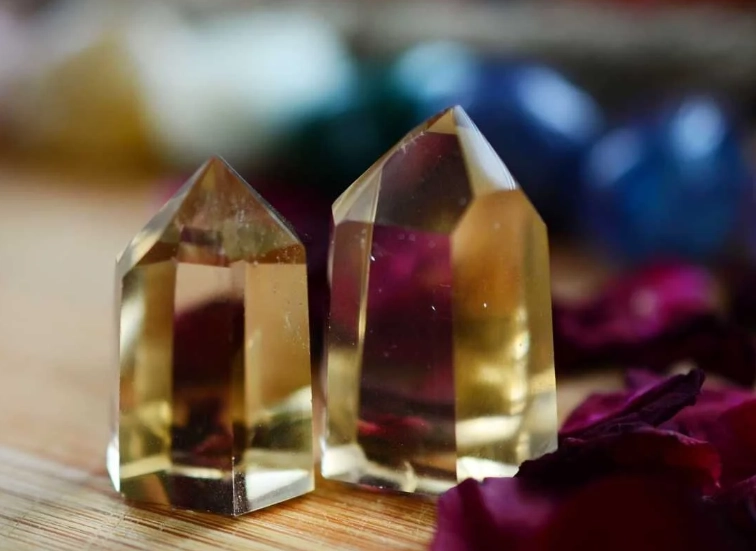
My personal take? I lean towards citrine for everyday, fun jewelry. It's hard to beat that sunny glow. But for a truly special, heirloom-quality piece, a fine imperial topaz is breathtaking. It has a depth that's hard to describe.
How to Buy Your November Birthstone Like a Pro
Let's get practical. You're ready to buy. Here’s a step-by-step mental checklist I use, whether I'm buying online or in a store.
- Define Your "Why": Is this a daily-wear ring? A pendant for special occasions? A gift? For daily wear, prioritize durability (both are fine, but topaz is slightly harder) and a setting that protects the stone.
- Set a Realistic Budget: With citrine, you can get amazing quality at low cost. With topaz, budget determines if you're getting a large treated blue stone or a smaller natural yellow/orange one. There's no wrong answer, just be clear.
- Ask the Right Questions: Don't be shy. Ask the seller:
- "Is this natural or treated?" (For citrine, assume treated; for topaz, it's a crucial question).
- "What is the exact material?" (e.g., "citrine quartz," "blue topaz").
- "What is the metal?" (Sterling silver, 10k/14k/18k gold, platinum).
- Examine the Stone (if possible): Look at it in different lights. Does the color appeal to you? Check for any obvious scratches or chips on the facets. The stone should be set securely.
- Think About Care: Are you willing to be careful? While durable, all gems can chip or scratch if abused. We'll talk care next.
Reputable sellers will be transparent. I always recommend checking established jewelers or platforms with good return policies. For scientific and gemological verification of information, the Gemological Institute of America (GIA) website is an unparalleled resource for any gem buyer.
Caring for Your Citrine or Topaz Jewelry
You've got your beautiful November birthstone piece. Now, let's keep it that way. Good care is simple but non-negotiable.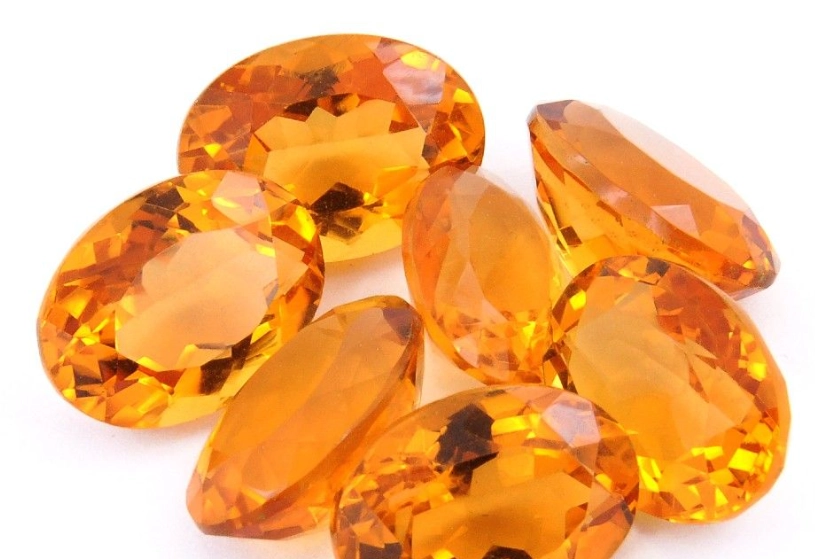
The Universal Rules:
- Last On, First Off: Put your jewelry on after applying makeup, perfume, and hairspray. These chemicals can dull the stone and metal over time.
- The Ultrasonic & Steamer Caution: This is important. While generally safe for both citrine and topaz, you must never put a treated stone (which most citrine and blue topaz are) in an ultrasonic cleaner if it has fractures or has been fracture-filled. When in doubt, avoid it. Steamers can be risky with thermal shock. I just avoid them altogether for safety.
- The Safe Clean: Warm water, a drop of mild dish soap, and a soft toothbrush are your best friends. Gently scrub behind the stone where grime collects, rinse well, and pat dry with a soft, lint-free cloth.
Storage is Key: Don't toss your jewelry in a jumbled box. Stones can scratch each other. Keep each piece in its own soft pouch or a compartment in a lined jewelry box. This is the single easiest way to prevent damage.
Wrapping It Up: Finding Your Perfect November Match
So, after all this, what's the verdict on the November birthstone? It's that you have the freedom to choose a gem that truly resonates with you. Don't feel boxed in by tradition or the first thing you see in a store.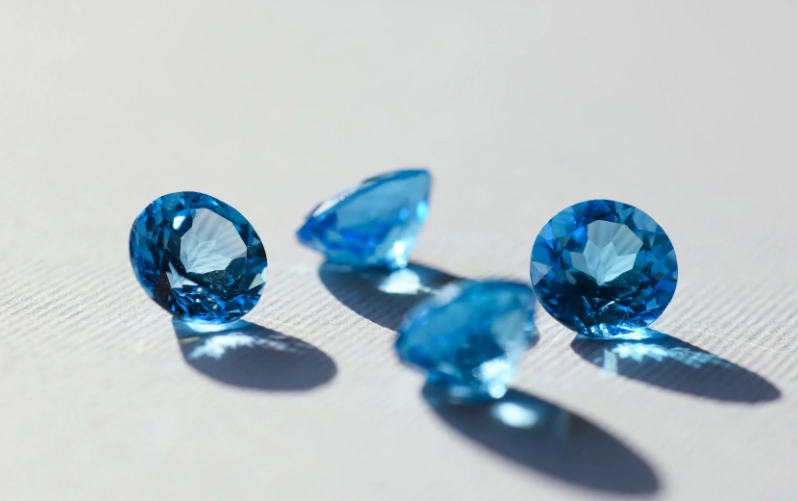
If you crave warmth, joy, and a touch of sunny abundance without breaking the bank, citrine is your champion. It's the November birthstone that feels like a hug. If you're drawn to history, strength, and a wider spectrum of colors—from the regal imperial hues to the serene blues—then topaz is calling your name. It's the November birthstone with a story in every facet.
The best part? You don't have to choose just one. Many November babies end up with a collection. A big, bold citrine pendant for everyday optimism. A sleek blue topaz ring for a cool, elegant look. Maybe one day, a special imperial topaz for those milestone moments.
My final piece of advice? Ignore the hype and the pressure. Look at the stones. Hold them if you can. Which color makes you smile? Which one feels like "you"? That's your November birthstone. Whether it's the radiant, accessible glow of citrine or the durable, classic beauty of topaz, you're choosing a piece of the earth's artistry to carry with you. And that's never a boring choice.
Is citrine or topaz more expensive?
Generally, citrine is far more affordable. You can get large, fine-quality citrine for a fraction of the cost of a similar-sized topaz. However, common blue topaz is also very affordable. The high-end, natural imperial topaz is in a completely different (and much higher) price league.
Can November birthstones be other colors besides yellow?
Absolutely! While yellow/orange is the traditional palette, blue topaz is an immensely popular alternative. Citrine can also have orange-brown tones. So yes, a November baby can absolutely rock a blue stone if they prefer.
Are these stones treated? Does that make them fake?
Most citrine and a large portion of topaz (especially blue) on the market are treated. This is a standard, accepted, and permanent enhancement process in the gem industry. It is not "fake." A treated citrine is still real citrine quartz; a treated blue topaz is still real topaz. The treatment makes beautiful color accessible. However, untreated, natural-color stones are rarer and often more valuable. A reputable seller should disclose treatments.
Which November birthstone is hardest?
Topaz (Mohs 8) is harder than citrine (Mohs 7). In practical terms, both are suitable for rings and daily wear, but topaz is slightly more resistant to scratches from everyday abrasives like dust.
What's the best setting for a November birthstone ring?
For an everyday ring, a protective setting like a bezel or a setting with sturdy prongs is wise. Both stones work beautifully in all metals. Yellow gold enhances the warmth of citrine and yellow topaz, while white gold or platinum complements blue topaz beautifully.