In This Guide
- What's the Real Deal with the Topaz Birthstone Meaning?
- Busting the Big Myth: It's NOT Just Blue
- Is a Topaz Birthstone Right for You? The Hard Facts.
- Navigating the Market: How to Buy a Topaz Birthstone Without Regret
- Topaz vs. The Look-Alikes: Don't Get Fooled
- Answering the Questions You're Probably Typing Into Google...
- Wrapping This Up: Your Personal Slice of Sunlight
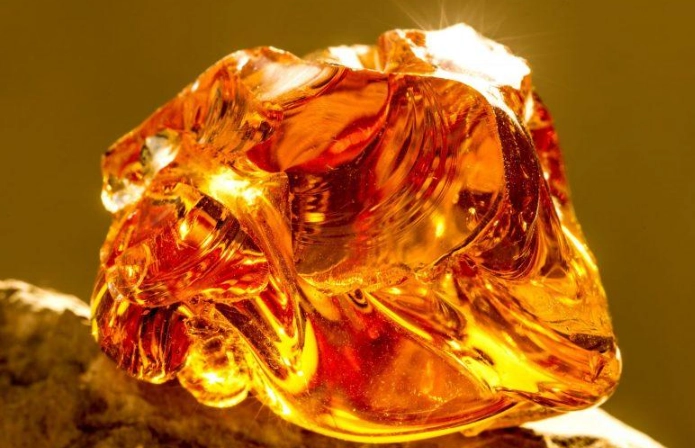
I remember walking into a tiny, cluttered jewelry store years ago, the air smelling of polish and old wood. The owner, an elderly man with glasses perched on his nose, was hunched over a workbench. I wasn't looking for anything in particular, but a flash of warm, sunset-orange caught my eye from a velvet tray. "That's a fine Imperial Topaz," he said without looking up. "November's gift." That was my first real, hands-on introduction to the Topaz birthstone, and it stuck with me. It wasn't just a blue stone in a chain-store pendant; it felt like a piece of captured sunlight with a story. And that's the thing about Topaz – most people think they know it, but there's so much more beneath the surface.
If you're a November baby, shopping for one, or just a gem lover like me, you've probably got questions. Is it always blue? What does it actually mean? How do you not get ripped off? I've asked all those too. This isn't a dry textbook entry. Think of it as a long chat with someone who's spent too much time reading gemology guides and pestering jewelers, trying to separate the fascinating facts from the marketing fluff.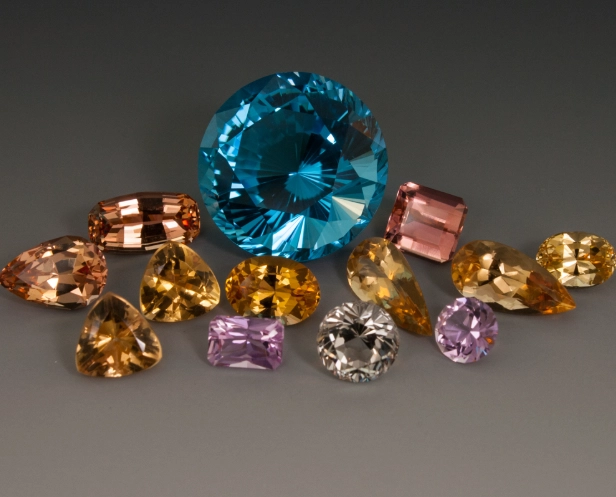
What's the Real Deal with the Topaz Birthstone Meaning?
Let's start with the weight of history. The name "Topaz" is thought to come from the Sanskrit word "tapas," meaning fire, or possibly from the Greek island of Topazios. That fiery origin makes sense when you see the golden and orange hues. For centuries, across different cultures, the Topaz birthstone has been loaded with symbolism.
Ancient Greeks believed it increased strength and made its wearer invisible in times of crisis (handy, right?). Romans linked it to Jupiter, their chief god, associating it with wisdom and protection. In the Middle Ages, it was thought to break magic spells and calm anger. Today, those old beliefs have softened into more modern meanings: friendship, fidelity, strength, and releasing tension. It's often called a stone of good fortune and relaxation. Some crystal healing enthusiasts believe it promotes truth, forgiveness, and self-confidence, though I'll be the first to say you should take that with a grain of salt – the real value is in its beauty and personal significance, not mystical guarantees.
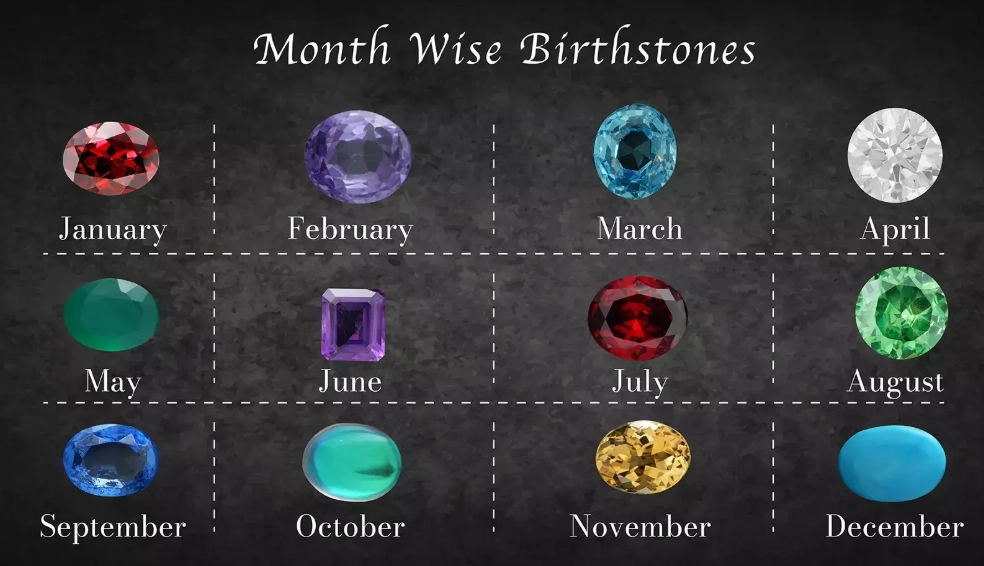
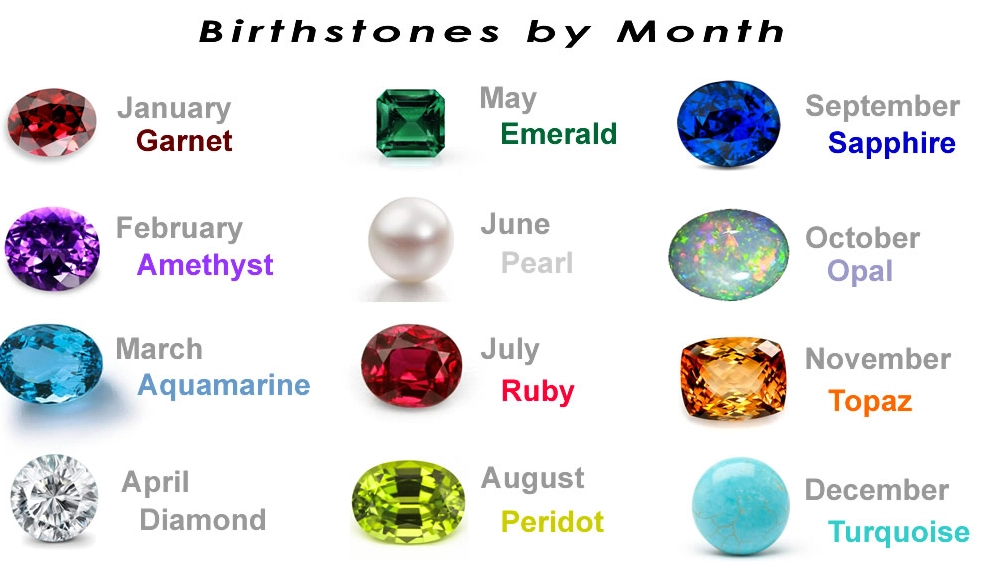
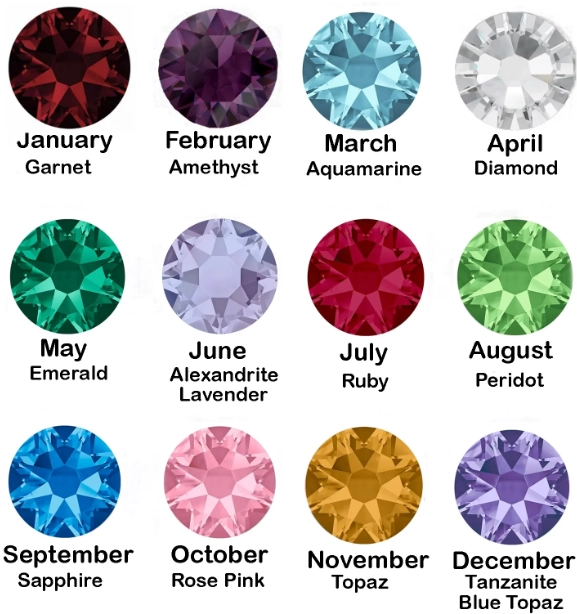
But here's a key point that gets muddled: Topaz is the modern November birthstone. It shares the month with Citrine, a yellow quartz. This sometimes causes confusion. The American Gem Trade Association and the Jewelers of America officially list both, but Topaz, with its royal history and variety, often takes center stage. So if you're buying a November birthstone gift, you've got a choice, but the Topaz birthstone offers a far wider, more dazzling color palette.
Honestly, the "meaning" you attach to it is the most important one. Is it a symbol of a November birthday? A celebration of a long friendship (its golden hues are perfect for that)? A personal talisman for strength? That's up to you. The stone just provides a stunning canvas.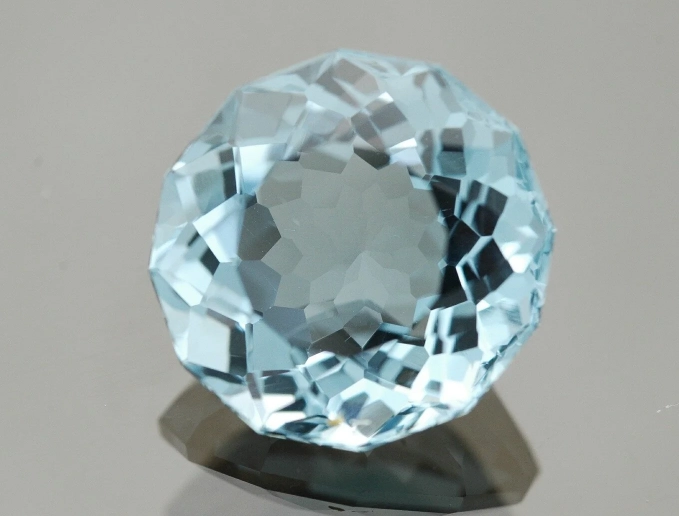
Busting the Big Myth: It's NOT Just Blue
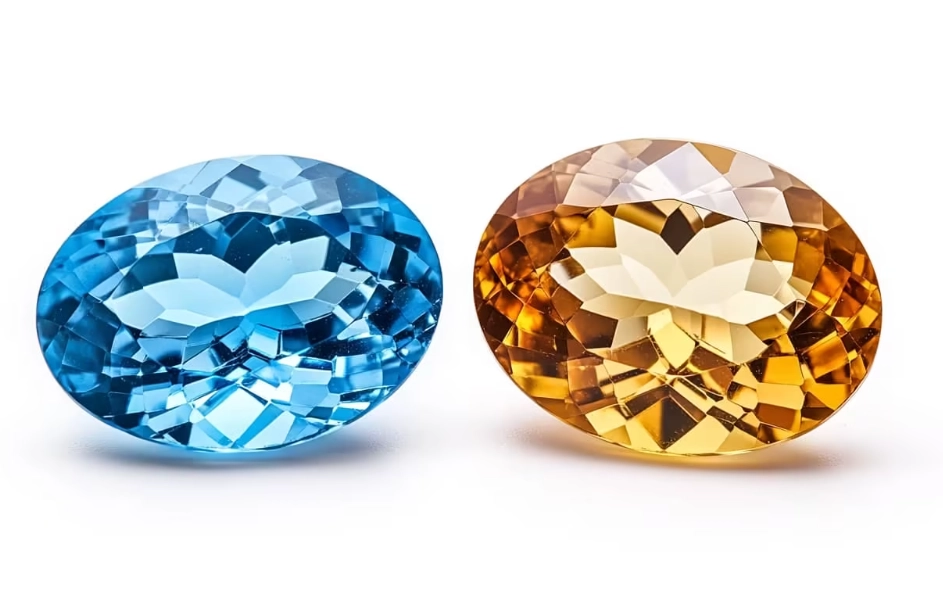
This is the biggest misconception, and it drives me a bit nuts. Walk into any mainstream jewelry store, and you'll see shelves of sky-blue Topaz. Don't get me wrong, blue Topaz (especially the Swiss and London blues) is beautiful, popular, and affordable. But it's just one act in a spectacular show.
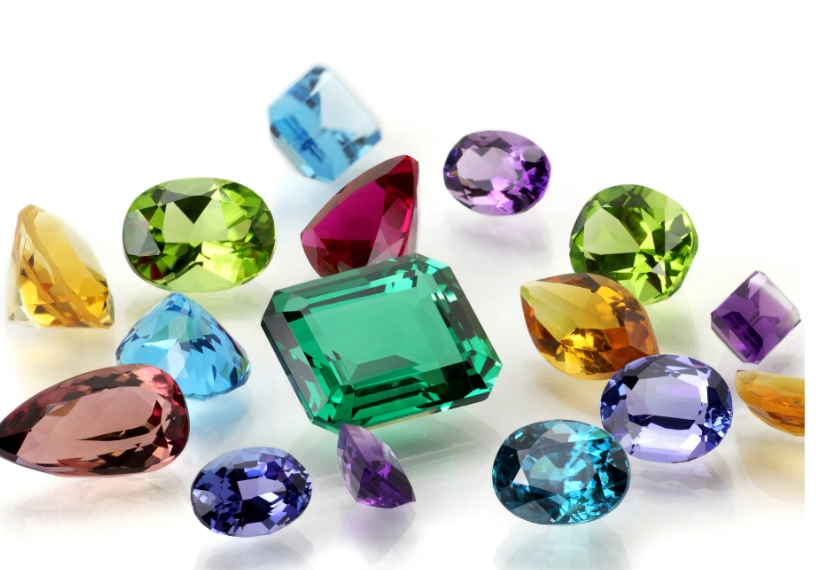
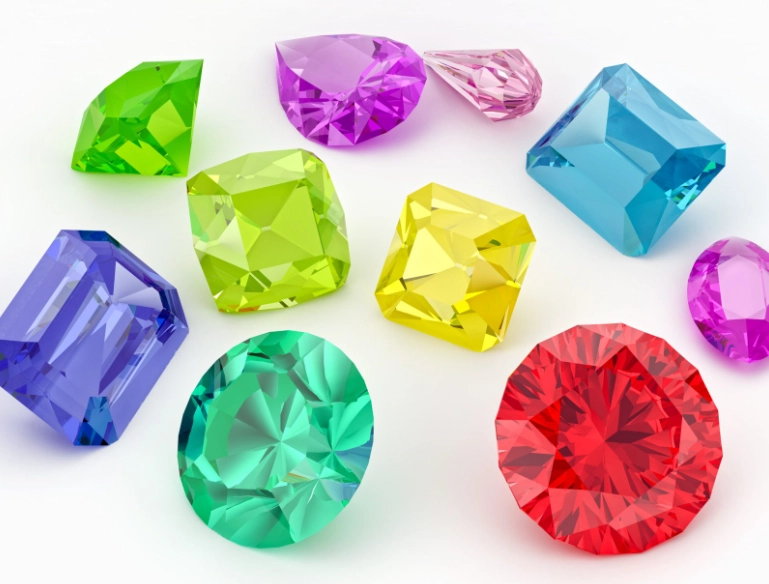
The natural color range of Topaz is incredible. It's an allochromatic gem, meaning its color comes from trace impurities or defects in its crystal structure, not from its basic chemical composition. This leads to a wild variety.
Let's break down the main players in the Topaz birthstone color parade:
| Color Name | What It Looks Like | Key Facts & How It Gets Its Color | My Personal Take |
|---|---|---|---|
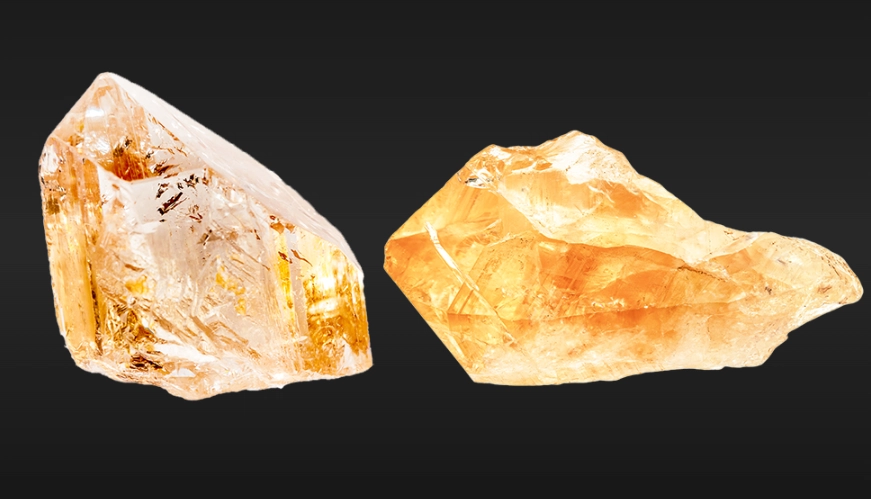
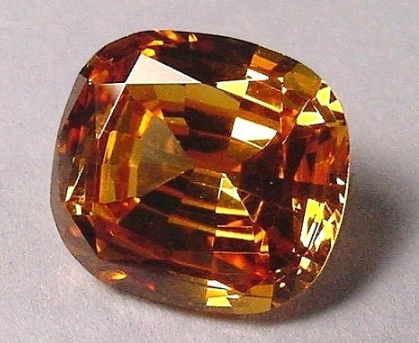
| Imperial Topaz | Vivid medium orange to reddish-orange, often with pinkish undertones. | The most valuable and prized. Color comes from chromium impurities. Mined primarily in Brazil's Ouro Preto region. This is the classic, historic Topaz. | The king. Warm, luxurious, and feels truly special. That stone in the old shop was this. |
| Sherry Topaz | Yellowish-brown to brownish-orange, like the wine. | A warm, earthy tone. Often a precursor to treated blue Topaz, but lovely in its own right. | Underrated. Has a vintage, sophisticated feel that's very different from the bright blues. |
| Colorless/White Topaz | Clear, like a diamond. | Pure Topaz with no color-causing elements. Often used as a more affordable diamond alternative in jewelry. | Brilliant and sparkly, but lacks the personality of the colored varieties for a birthstone, in my opinion. |
| Pink Topaz | Delicate pink to vivid purplish-pink. | Quite rare in nature. Often created by heat-treating certain brownish stones. Can be stunningly feminine. | If you can find a good natural one, it's a treasure. The treated ones are still pretty. |
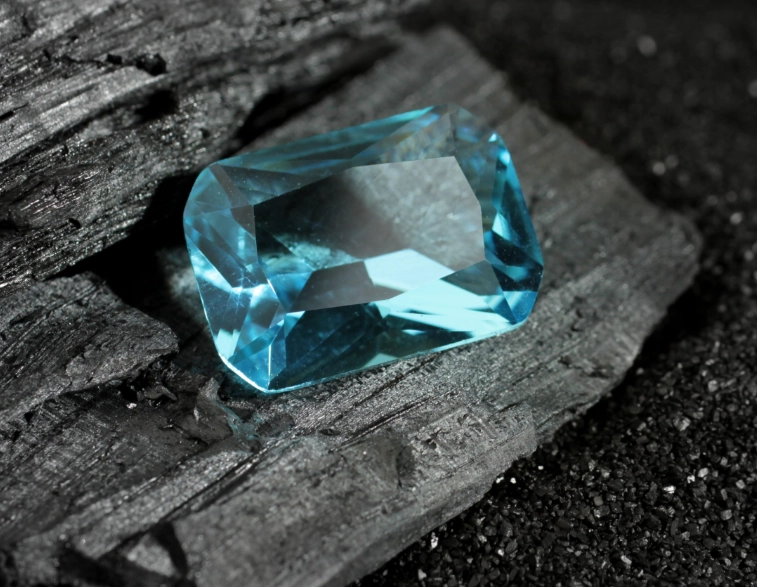
| Blue Topaz (Swiss, London, Sky) | Pale sky blue (Sky) to deeper, more saturated blues (Swiss, London). | Here's the kicker: The vast majority of blue Topaz on the market is colorless or pale Topaz that has been irradiated and heated. This is a stable, permanent, and completely accepted treatment. Natural blue Topaz is very pale and rare. | Beautiful and accessible. Just know what you're buying. There's no shame in treated stone if it's disclosed, and it makes the Topaz birthstone affordable for everyone. |
See what I mean? Calling Topaz just a blue stone is like calling a rainbow just a light drizzle.
The treatment thing for blue Topaz is crucial. Reputable sellers will (or should) disclose treatments. The Gemological Institute of America (GIA), a top authority, has extensive resources on gemstone treatments, including irradiation for Topaz. It's a standard practice. The resulting color is stable for a lifetime of wear. So, is a treated blue Topaz birthstone any less of a birthstone? Absolutely not. It's just a helping hand to achieve a desired, popular look.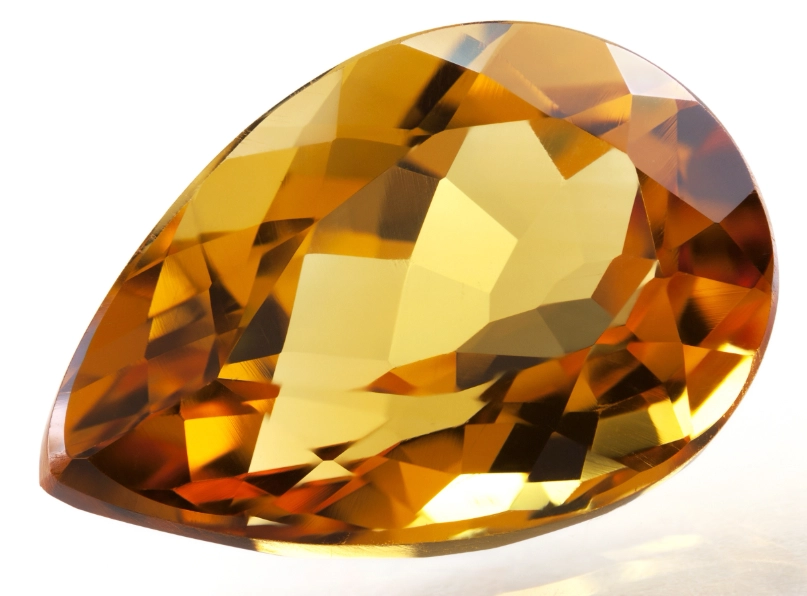
Is a Topaz Birthstone Right for You? The Hard Facts.
Beyond the pretty colors, you need to know how this gem holds up. After all, a birthstone is often for daily wear.
Durability: The Good and The "Be Careful"
Topaz has a hardness of 8 on the Mohs scale. That's very good. Diamond is a 10, sapphire/ruby are 9. So it resists scratches from everyday dust and activities pretty well. You don't need to baby it like an opal or pearl.
BUT – and this is a big but – Topaz has perfect cleavage. This is a geological term meaning it has a directional plane along which it can split cleanly if struck sharply. Imagine the grain in wood. You can scratch wood along the grain easily, but breaking it across the grain is tough. For Topaz, a hard knock on the wrong angle against a countertop or sink can cause a chip or crack. This is its Achilles' heel.
This doesn't mean it's fragile. It just means you should be mindful. Avoid rings with high, exposed settings if you work with your hands. Pendants, earrings, and brooches are safer bets. A bezel setting that protects the girdle (the edge) of the stone is smarter than a prong setting for a ring you wear every day.
Caring for Your Piece: It's Easier Than You Think
I used to be paranoid about cleaning my gems. Not necessary. For your Topaz birthstone jewelry:
- Cleaning: Warm water, mild dish soap, and a soft brush (an old toothbrush is perfect) are all you need. Rinse well. Ultrasonic cleaners are usually safe for untreated Topaz and for the treated blue ones, but I tend to avoid them anyway – why risk it if soapy water works? Never use an ultrasonic on stones with fractures or liquid inclusions.
- Storage: Don't just toss it in a jumbled jewelry box. Keep it separate in a soft pouch or a compartment in a lined box. This prevents scratches from other pieces (even though it's hard, harder gems like diamonds or sapphires can scratch it) and, more importantly, prevents that sharp knock that could exploit its cleavage.
- Heat & Sunlight: Avoid sudden temperature changes. Don't leave it on a sunny windowsill for weeks. While the color in treated blues is stable, extreme heat isn't good for any gemstone's long-term health.
Navigating the Market: How to Buy a Topaz Birthstone Without Regret
This is where it gets real. You're ready to buy. What should you look for? What questions should you ask?
The value of a Topaz birthstone is driven by the classic four Cs, but with a twist: Color is king.
- Color: For colored Topaz, saturation and hue are everything. A rich, vibrant Imperial orange is worth far more than a pale one. A deep, even London blue is more valuable than a washed-out sky blue. Tone matters.
- Clarity: Topaz is typically a "eye-clean" gem, meaning you shouldn't see obvious inclusions without magnification. This is one of its attractions – great clarity at a reasonable price. Be wary of stones with visible cracks or clouds.
- Cut: A good cut brings out the life and sparkle. Since Topaz crystals are often elongated, cutters shape them to maximize yield, which can sometimes mean windows (dead spots where light leaks out) or poor proportions. Look for a stone with even color distribution and good sparkle when you move it.
- Carat Weight: Topaz has a high density, so a one-carat Topaz will be physically smaller than a one-carat diamond. Don't just go by carat; look at the millimeter dimensions.
The most important question to ask your jeweler: "Has this stone been treated, and if so, how?" A trustworthy seller will be upfront. For blue Topaz, irradiation is the norm. For pinks, heat treatment is common. There's no stigma if it's disclosed. If a dealer tries to pass off a treated blue as "natural" at a sky-high price, walk away. That's a red flag.
For the deepest, most reliable information on identifying and evaluating Topaz, I always end up back at the GIA's Topaz Gem Encyclopedia page. It's non-commercial, science-based, and the gold standard.
Topaz vs. The Look-Alikes: Don't Get Fooled
Because blue Topaz is so popular, it has some imitators. The most common is blue quartz, sometimes called "blue Topaz quartz" in shady listings. It's much cheaper and less brilliant. Citrine can be confused with yellow Topaz, but Citrine is quartz (hardness 7), warmer in tone, and often has a different look. A trained gemologist can tell easily, but for you, the best defense is buying from a reputable source who provides accurate descriptions. The International Colored Gemstone Association (ICA) has great public education material on this topic, promoting ethical trading and consumer knowledge.
Answering the Questions You're Probably Typing Into Google...
Wrapping This Up: Your Personal Slice of Sunlight
At the end of the day, choosing a Topaz birthstone is a personal journey. It's about finding a color that speaks to you – maybe it's the classic warmth of Imperial, the cool serenity of blue, or the soft glow of sherry. It's about understanding what you're buying, so you can appreciate its real story, not a sales pitch.
It's a gem with a split personality: dazzlingly durable yet needing a bit of thoughtful care. It can be both incredibly affordable (those treated blues) and luxuriously expensive (a fine Imperial). That range is part of its charm. There's a Topaz birthstone for almost every taste and budget.
Do your homework, ask questions, and buy from someone who knows their stuff. Then, just enjoy it. Wear it as a reminder of a birthday, a person, or simply because you love the way that particular stone catches the light. That's the real magic. It's not about invisible powers; it's about the visible, tangible beauty you get to carry with you. And honestly, that's more than enough.
If you want to dive even deeper into the geology and global sources, academic resources like the Natural History Museum (London) have fascinating online collections and articles about Topaz specimens from around the world. It's a reminder that this beautiful thing you wear started as a crystal growing deep in the earth, under pressure and heat, over millions of years. Pretty cool, when you think about it.