Here’s a Quick Overview
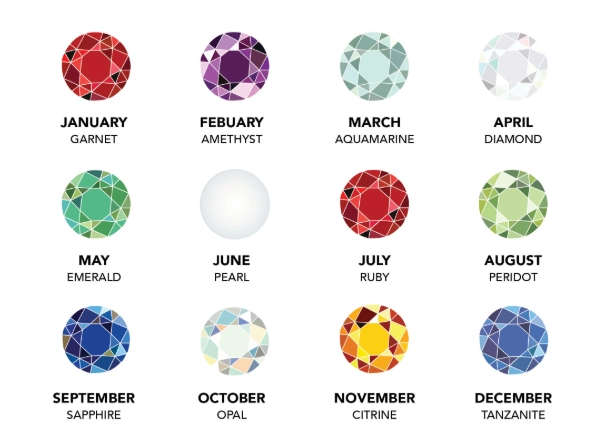
Let's talk about the citrine birthstone. You've probably seen it – that warm, sunny yellow stone that seems to catch the light just right. If you're a November baby, it's your official birthstone. But honestly, even if your birthday is in July, you might still be drawn to it. There's something about that golden glow that feels like carrying a little bit of sunshine in your pocket. I remember the first time I held a piece of genuine citrine. It wasn't some fancy museum piece, just a simple, polished stone a friend brought back from Brazil. The color wasn't loud or flashy; it was a deep, honeyed amber that felt warm to the touch, almost like it had been sitting in the sun. That's the magic of it. It doesn't try too hard.
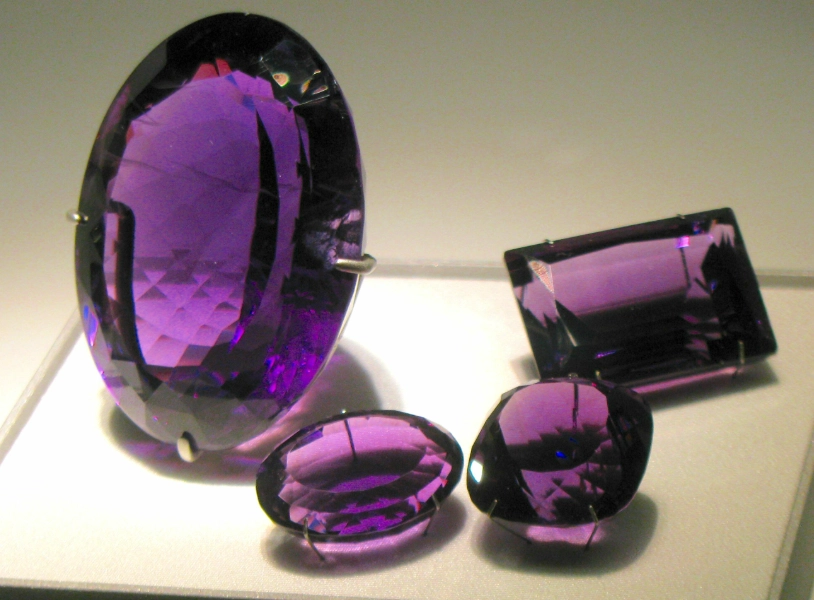
But here's the thing a lot of people don't realize until they start shopping: a huge chunk of the "citrine" jewelry out there isn't natural citrine at all. It's heat-treated amethyst. Now, that's not necessarily a bad thing – it's a stable, accepted practice in the gem trade – but it does mean the vibrant, orangey-yellow stones you often see are usually created by applying high heat to cheaper purple quartz. The natural citrine birthstone tends to be a paler, more subtle yellow. It's a classic case of buyer beware, and it's one of the first things you should wrap your head around if you're looking to buy.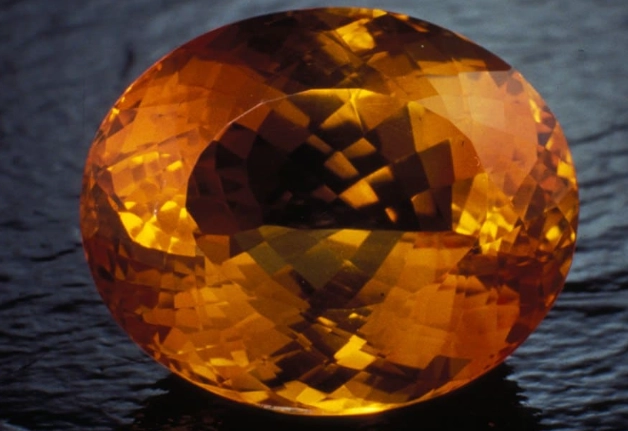
So, what's the real deal with this November birthstone? Is it just a pretty face, or is there more to the story? We're going to dig into everything: from its ancient reputation as the "merchant's stone" believed to attract wealth (who couldn't use a bit of that?), to how to tell if you're getting the real deal, and how to wear it without looking like you're trying to channel a 1980s power suit. Whether you're buying for yourself, for a November-born loved one, or just because you love yellow gems, this guide aims to be the only one you'll need.
What Exactly is Citrine? Breaking Down the Basics
At its core, citrine is a variety of quartz. That's the same mineral family as amethyst (purple), smoky quartz (brown), and clear rock crystal. What gives the citrine birthstone its signature color is trace amounts of iron in its crystal structure. The amount and type of iron impurities determine whether you get a light lemon chiffon yellow or a rich Madeira wine amber. It's a surprisingly durable stone, ranking a 7 on the Mohs scale of hardness. For context, that means it's hard enough for daily wear in rings and bracelets – it won't scratch easily from dust or everyday knocks, though you should still be mindful of harder materials like diamonds or sapphires.
Most citrine on the market comes from Brazil, but deposits are also found in Bolivia, Spain, Madagascar, and even the United States (North Carolina has produced some). The natural color is relatively rare, which is why the heat-treatment of amethyst became so widespread. It fills the demand for that sunny color at a more accessible price point.
The Two Faces of Yellow: Natural vs. Heat-Treated
This is the big one. Understanding this difference is crucial, not because one is "better" than the other in a moral sense, but so you know exactly what you're paying for. A seller should always disclose this information.
| Feature | Natural Citrine Birthstone | Heat-Treated Amethyst/Citrine |
|---|---|---|
| Primary Color | Pale to medium yellow, sometimes with smoky hints. Think lemon, sunflowers, or light honey. | Vivid yellow, orangey-yellow, or deep amber. Often has a reddish or orange undertone. |
| Color Distribution | Usually even and consistent throughout the stone. | Can sometimes be uneven, with darker color concentrated at the crystal points or in bands. |
| Origin of Color | Natural iron impurities within the crystal lattice. | Color is induced by applying high heat (around 470-560°C) to iron-containing amethyst, which changes its oxidation state. |
| Rarity & Price | Much rarer, especially in saturated colors. Commands a higher price per carat for top-quality specimens. | Extremely common and affordable. Makes the sunny citrine look accessible to most buyers. |
| Common Names in Trade | Often sold simply as "natural citrine." Paler stones may be called "Lemon Quartz." | Frequently sold as "citrine" without qualification. The deeper orange-brown shades are often marketed as "Madeira citrine," named after the wine. |
Personally, I have pieces of both in my collection. The heat-treated stuff is undeniably eye-catching – that bold orange-gold is hard to miss. But my natural citrine birthstone pendant has a softness to it, a quiet elegance that feels different. It's not better, just different. The key is transparency. It drives me nuts when a seller tries to pass off heated stone as rare natural material and charges a premium for it. It's a scam, plain and simple.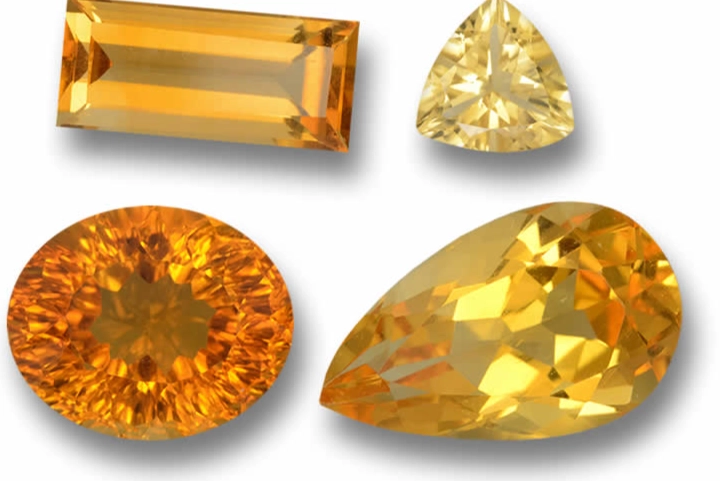
Why Citrine? The Meaning and Symbolism Behind the Sunshine Stone
Long before it was officially designated as the November birthstone in the early 20th century (by those now-famous standardized lists from jewelers' associations), citrine had a reputation. And it was a good one. Its most famous nickname is the "merchant's stone" or the "money stone." Legend had it that keeping a piece of citrine in your cash register, wallet, or place of business would attract wealth and prosperity. I can't promise you'll win the lottery if you buy one, but the symbolism is powerful. It's tied to abundance, success, and manifesting your goals. In a way, it's a stone of confidence and personal power – the kind of energy that helps you close a deal or ask for that raise.
Beyond wealth, the citrine birthstone is deeply connected to joy, creativity, and vitality. Its sunny color is no accident here. It's said to dispel negativity, not by fighting it, but by warming it away with light. In modern crystal healing practices (which, let's be clear, are not scientifically proven medical treatments but are valued for personal well-being by many), citrine is associated with the solar plexus chakra. That's your center of will, identity, and self-esteem. The idea is that it helps clear mental fog, boost motivation, and spark new ideas. I keep a small tumbled stone on my desk. Do I think it's magically writing this article for me? Of course not. But it's a pleasant, tangible reminder to stay focused and positive, and sometimes that's all the help you need.
For November babies, this makes the citrine birthstone a profoundly personal gift. It's not just a marker of their birth month; it's a token of warmth, optimism, and encouragement for their path ahead. It says, "I see your light and your potential." That's a lot more meaningful than just picking a random yellow stone.
A quick but important note: Unlike many gems, citrine is said to never need cleansing or clearing of negative energy. In fact, folklore suggests it's self-cleansing and can even recharge other stones. Pretty handy, if you ask me. No moonlight baths or salt bowls required.
Your Guide to Citrine Birthstone Jewelry: Styles, Settings, and Daily Wear
Okay, so you're sold on the idea. Now, how do you wear it? The beauty of citrine is its versatility. That warm yellow is surprisingly neutral. It pairs beautifully with both cool-toned metals like white gold and platinum and warm-toned metals like yellow and rose gold. It's a democratic stone.
Top Picks for Citrine Jewelry Styles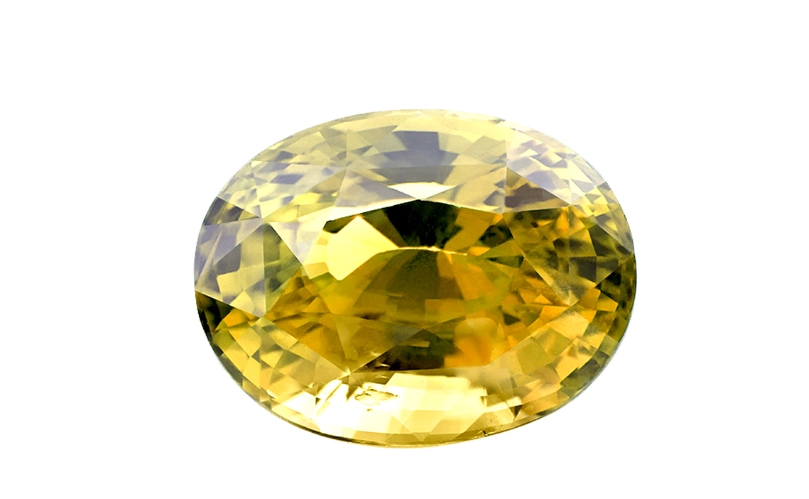
Rings: A citrine birthstone ring makes a fantastic statement. Because of its good hardness, it's a safe choice for everyday wear. Popular styles include solitaires (a single oval or cushion-cut stone is classic), three-stone rings (symbolizing past, present, future), or clusters of smaller stones. For an November birthday, a ring with their citrine birthstone flanked by diamonds or white sapphires is stunning. Just remember, any ring worn daily will face more wear and tear, so consider a protective bezel setting or at least sturdy prongs.
Necklaces & Pendants: This is where a citrine can really shine close to the heart. A simple pendant on a chain is an easy, elegant entry point. Drop pendants, where the stone hangs below the bail, are particularly beautiful as they catch the light with movement. For a bolder look, a citrine birthstone necklace with a substantial faceted gem as the centerpiece never fails to get compliments. I find wearing citrine as a pendant feels uplifting, literally a bright spot in your day.
Earrings: Citrine studs or drops add a touch of warmth to the face without being overpowering. They work with virtually every outfit and skin tone. For a November birthstone gift, a pair of citrine and diamond hoop earrings or simple studs is a gift that will be worn for decades.
Bracelets: From delicate tennis bracelets with a line of small citrines to cuffs with a large central stone, bracelets allow for constant, glancing admiration. Beaded citrine bracelets are also hugely popular in the wellness space and are a more casual, affordable way to wear the stone.
Metal Pairings: What Works Best?
- Yellow Gold: The classic, sun-drenched combo. It amplifies the warmth of the stone and creates a seamless, luxurious look. This is my go-to for a vintage or antique-style piece.
- White Gold/Platinum: Creates beautiful contrast. The cool metal makes the yellow of the citrine birthstone pop in a crisp, modern way. It tones down the overall warmth if you prefer a cooler aesthetic.
- Rose Gold: A gorgeous, contemporary pairing. The pinkish hue of the gold complements the yellow tones, creating a soft, peachy, and incredibly fashionable effect.
- Silver: Sterling silver is a fantastic and budget-friendly option, especially for more casual or bohemian-style jewelry. The cool grey makes the citrine look bright and cheerful.
Mixing metals is also totally acceptable now. Don't be afraid of a two-tone setting.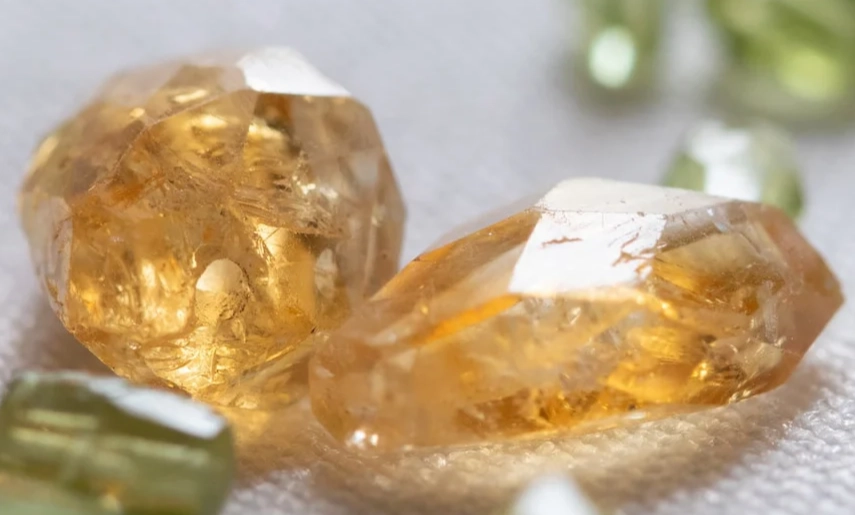
The Critical Buyer's Guide: How to Shop for Citrine Without Regret
This is the part where I save you from potential headaches. Buying gemstone jewelry can be intimidating, but a few key principles will steer you right.
1. Ask the Right Questions: Never assume. Always ask: "Is this natural or heat-treated citrine?" A reputable seller will answer honestly and may even provide a lab report for high-value natural stones. Ask about treatments beyond heating (e.g., is it irradiated?). Most citrine isn't, but it doesn't hurt to check.
2. Understand the 4 Cs (Adapted for Color Stones):
- Color: This is king for citrine. The most valued color in heat-treated stones is a saturated, medium reddish-orange to orange-red (the "Madeira" color). For natural citrine, a pure, vibrant yellow is prized. Avoid stones with grayish or brownish dull undertones unless you like that look. Look for even color distribution.
- Clarity: Citrine is typically a Type I gemstone, meaning it's expected to be eye-clean (no visible inclusions to the naked eye). You should expect good clarity. Visible cracks, clouds, or heavy inclusions significantly lower the value and durability.
- Cut: A good cut makes all the difference. It should be symmetrical and allow light to return through the top of the stone (the table), not leak out the sides or bottom. Well-cut citrine sparkles with a lively, fiery brilliance. A poorly cut stone can look dull and lifeless, even with great color.
- Carat Weight: Citrine is available in large sizes, especially the heat-treated variety. Size is a matter of personal taste and budget. Larger stones will show color more prominently.
3. Buy from Reputable Sources: This is non-negotiable. Established local jewelers, reputable online specialists (who provide detailed photos, videos, and certificates), and auction houses with good gemological oversight are your best bets. Be extremely wary of deals that seem too good to be true on generic marketplaces. They often are. For authoritative information on gem identification and treatments, I always cross-reference with resources like the Gemological Institute of America (GIA) Citrine Gem Encyclopedia page. The GIA is a non-profit and the global authority on gemology. Their site is a treasure trove of unbiased, scientific information.
4. Get it in Writing: Your receipt or invoice should accurately describe what you're buying. "Citrine" is acceptable for heat-treated material, but "natural citrine" should be specified if that's what you paid for. For significant purchases, an independent lab report from GIA or AGL (American Gemological Laboratories) provides peace of mind.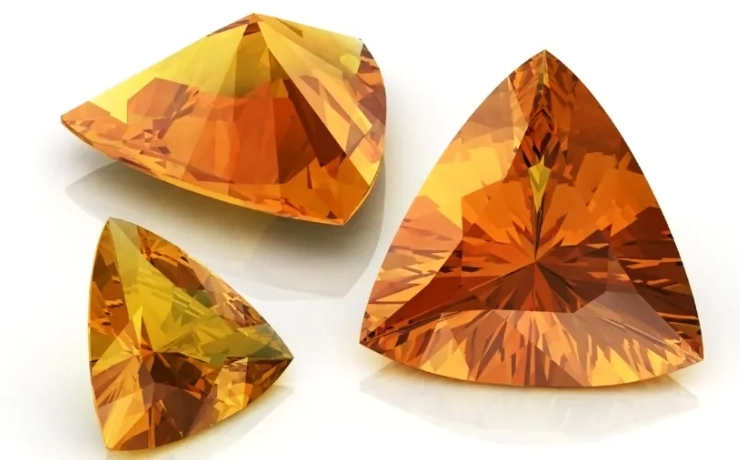
Caring for Your Piece of Sunshine
Once you have your perfect citrine birthstone piece, taking care of it is straightforward. Store it separately from harder gems (diamond, sapphire, moissanite) to prevent scratches. A soft pouch or a compartment in a fabric-lined jewelry box is ideal. As mentioned, clean it gently. And wear it! Jewellery is meant to be enjoyed. The more you wear your citrine, the more it becomes a part of your story.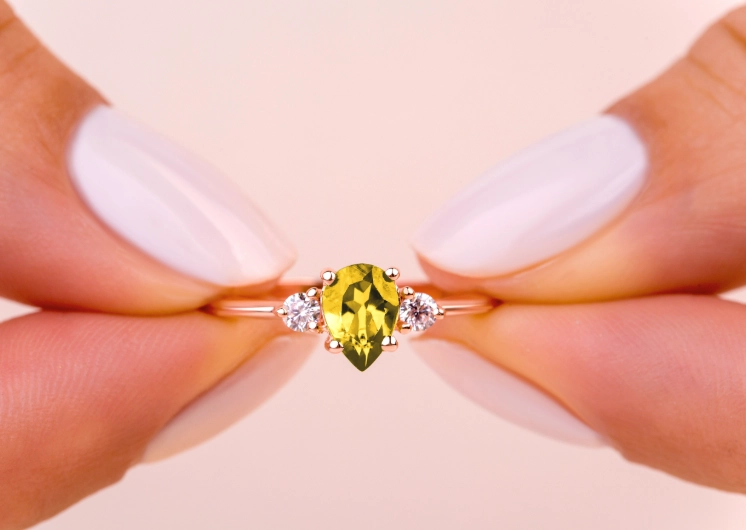
I think that's the real lasting appeal of a birthstone like citrine. It's a connection. A connection to a month, to a history of symbolism, and to a feeling – that feeling of warmth, optimism, and clarity. Whether you believe in its metaphysical properties or just think it's a darn pretty yellow rock, it has a way of brightening up both an outfit and a mindset.
So, for all the Novembers out there, or for anyone who just needs a little more light in their life, the citrine birthstone is waiting. Just remember to shop smart, ask questions, and choose the piece that makes you smile. Because at the end of the day, that's what a great piece of jewelry is all about.