Quick Guide to This Article
- The December Birthstone Line-Up: Meet the Contenders
- Side-by-Side: Your December Birthstone Comparison Chart
- How to Pick *Your* December Birthstone
- Caring for Your December Birthstone Jewelry
- Beyond the Ring: Styling Your December Gem
- Answering Your December Birthstone Questions
- The Final Word: It's About Connection
Okay, let's talk December birthdays. If you're born in this month, you've hit the jackpot. Seriously. While most months get one birthstone, December gets three stunning options: tanzanite, zircon, and turquoise. It's like the universe decided December babies deserved extra sparkle to combat the short, dark days. I've always thought that was pretty cool.
But here's the thing people often get wrong. They think "December birthstone" means just one gem. Nope. You've got a whole palette to choose from, each with a personality as unique as the person wearing it. A deep, velvety blue-violet, a brilliant icy blue or warm cinnamon, and an earthy, sky-blue green. It's a fantastic range.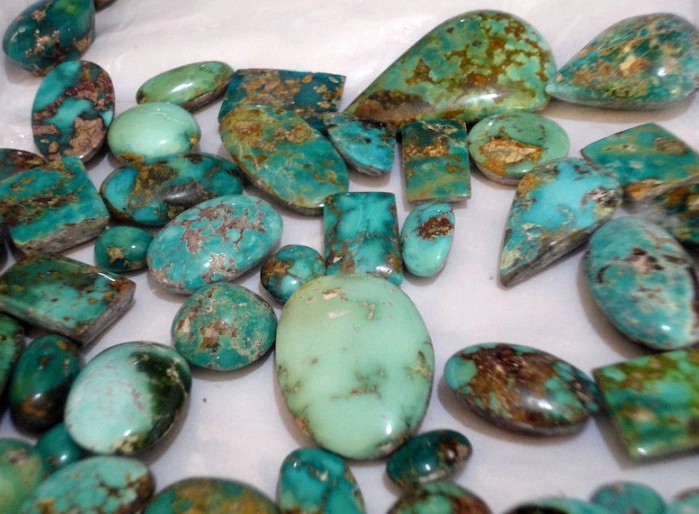
The December Birthstone Line-Up: Meet the Contenders
Before we get into the nitty-gritty of each gem, let's set the stage. Why three? Well, the modern list from the American Gem Trade Association and Jewelers of America officially recognizes all three. It gives you choice. And choice is good, especially when it comes to something as personal as jewelry.
I remember helping a friend choose a December birthstone ring. She was overwhelmed. "They're all blue!" she said. But once we looked closer, their differences became everything. One felt modern and luxurious, another classic and bright, and the last was bohemian and ancient. She ended up with tanzanite, but it was a journey.
Tanzanite: The Rare Newcomer
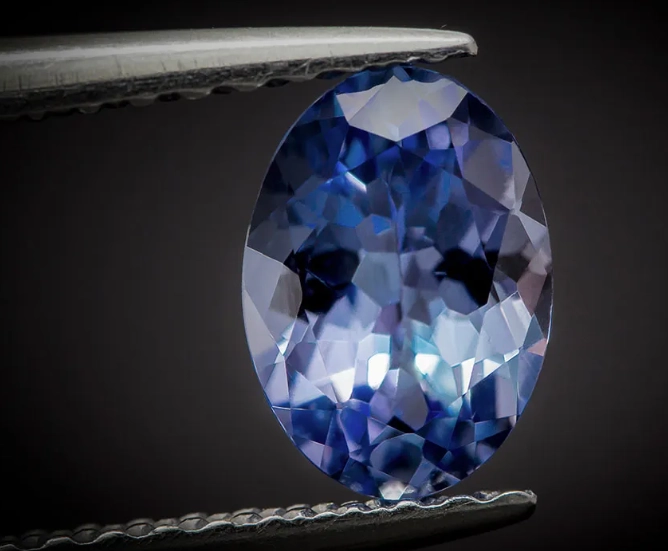
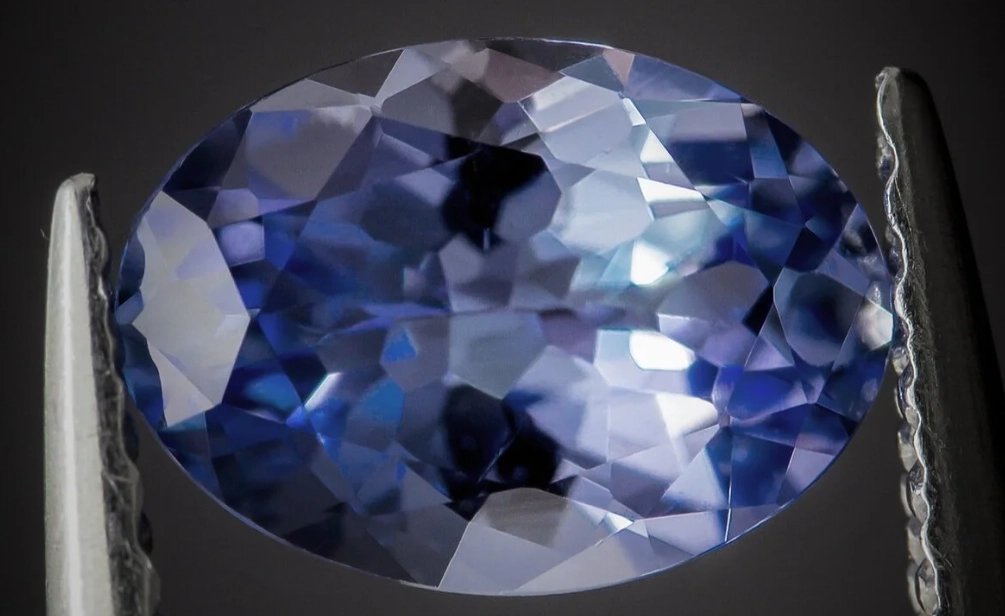
Let's start with the rockstar: tanzanite. Discovered only in 1967 in Tanzania (hence the name), it's a geological baby compared to gems like diamond or sapphire. Tiffany & Co. saw its potential and launched it onto the world stage. Its claim to fame? An incredible pleochroism – a fancy word meaning it shows different colors from different angles. You might see deep blue, violet, and burgundy all in one stone, depending on the light.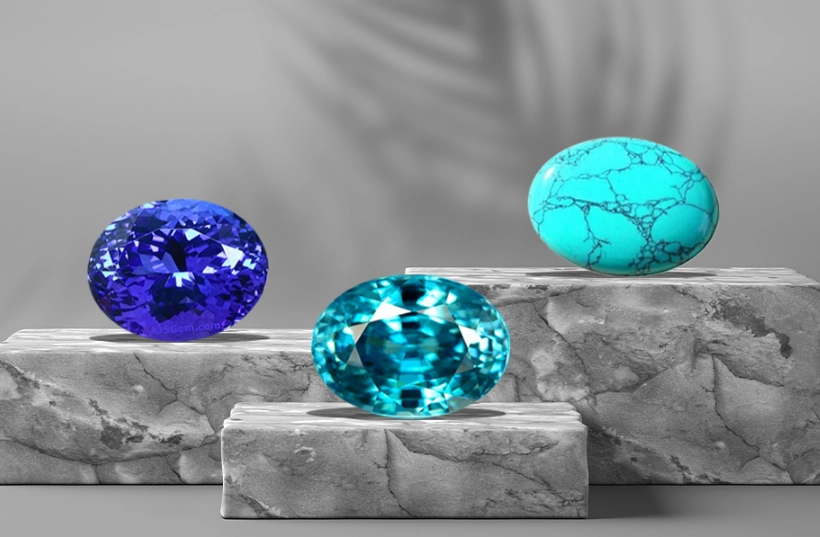
What's the vibe? Tanzanite feels luxurious and contemporary. It has a silky, deep color that can rival a fine sapphire, but with that unique violet undertone. It's softer than sapphire, though (6.5 to 7 on the Mohs scale), so you need to be a bit more careful with it. No gardening or dishwashing while wearing your tanzanite ring, please.
I personally think this color looks even more mesmerizing under evening lights. It's a gem for special occasions, for making a statement. And here's a sobering thought: it's found in only one place on Earth. When those mines in Tanzania run out, that's it. No more new tanzanite. That rarity is a big part of its story and value.
For authoritative details on tanzanite's properties, the Gemological Institute of America (GIA) has an excellent resource that breaks down its science and history.
Zircon: The Underdog with Fire
Now, don't confuse this with synthetic cubic zirconia (CZ). That's a lab-made diamond simulant. Natural zircon is a completely different, ancient, and all-natural gem. And boy, does it have fire. Its dispersion (that's the ability to split light into rainbow colors) is higher than sapphire and almost rivals diamond. A well-cut white (colorless) zircon can be seriously dazzling and is often mistaken for a diamond by the untrained eye.
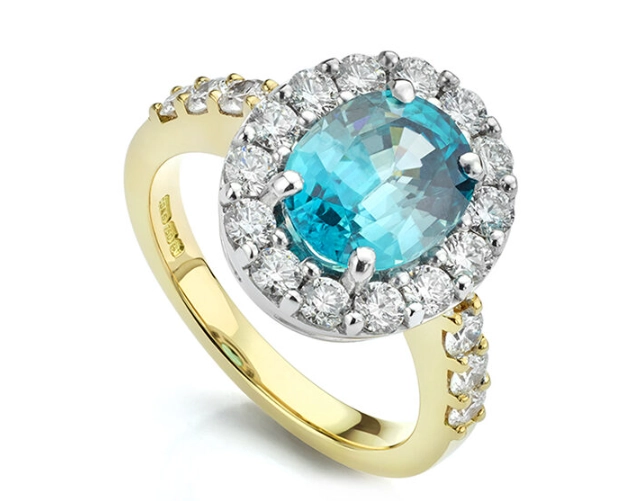
But zircon's color range is what makes it a perfect December birthstone. The most popular is the beautiful sky blue, but it also comes in warm honey yellows, earthy cinnamon browns, rich greens, and even reds. That blue zircon, especially, has a crisp, bright quality that's different from the sleepy blue of a topaz or the deep tone of a sapphire.
I have a small blue zircon in a vintage ring. On a sunny day, the sparkle is insane—little rainbows dance all over my hand. It doesn't get the attention it deserves, often overshadowed by its synthetic namesake. That's a shame, because it's a genuinely brilliant and historic gem.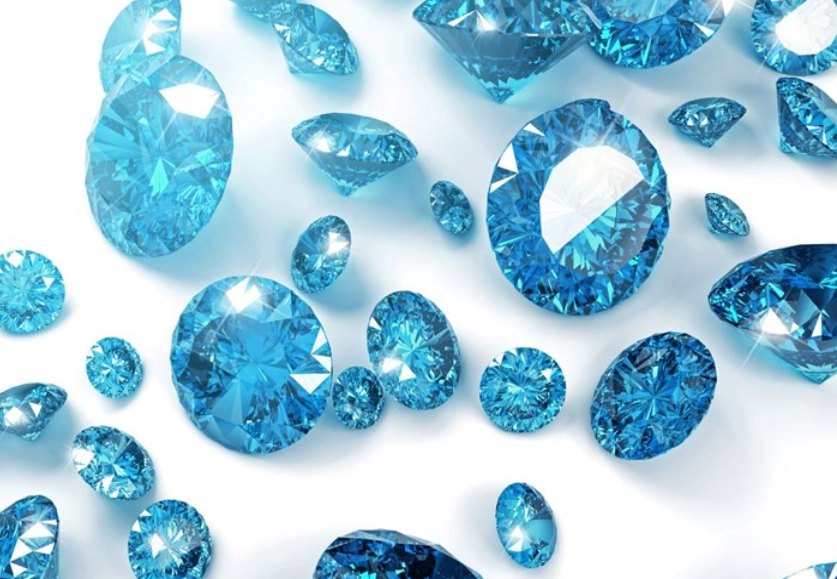
Turquoise: The Ancient Protector
Turquoise is the wise elder of the group. It's been cherished for thousands of years, from the Pharaohs of Egypt to the Native tribes of the Americas and the rulers of Persia. It's not a crystal-clear, faceted gem. It's opaque, with a waxy luster, and it's all about that color—the iconic robin's egg blue, often veined with a matrix of black or brown web-like patterns.
That matrix isn't a flaw; it's a fingerprint. It tells the story of the rock it formed in. Some people love a clean, solid blue (like the rare "Persian" quality), while others seek out intricate, bold webbing. Turquoise feels organic, grounded, and spiritual. It's often associated with protection, healing, and good fortune.
Here's the practical headache with turquoise: it's porous and relatively soft (5 to 6 on Mohs scale). It can be damaged by... well, almost everything. Perfume, lotion, sweat, hot water, sunlight (which can fade it), and even skin oils over a very long time. Some turquoise is stabilized—impregnated with a clear resin to harden it and enhance its color. This is common and makes it much more durable for jewelry, but purists sometimes turn their nose up at it. Personally, for a ring you'll wear often, stabilized is the practical choice.
The GIA's turquoise page offers great insight into its formation and the different sources, which really affect its color and value.
Side-by-Side: Your December Birthstone Comparison Chart
Sometimes you just need to see the facts laid out. This table breaks down the key differences between tanzanite, zircon, and turquoise at a glance. It's the cheat sheet I wish I'd had when I started learning about gems.
| Feature | Tanzanite | Zircon (Blue) | Turquoise |
|---|---|---|---|
| Primary Color | Blue-Violet (pleochroic) | Bright Sky Blue | Robin's Egg Blue (opaque) |
| Mohs Hardness | 6.5 - 7 | 6.5 - 7.5 | 5 - 6 |
| Durability Note | Good, but can cleave if struck hard. Avoid ultrasonic cleaners. | Brittle edges can chip. Wear with care. | Soft & porous. Avoid chemicals, water, sun. |
| Typical Cut | Faceted (ovals, cushions, rounds) | Faceted (brilliant cuts to maximize fire) | Cabochon (smooth, polished dome), beads, carvings |
| Key Allure | Rarity, single-source, rich color, modern luxury | Exceptional brilliance & fire, underrated value | Ancient history, organic beauty, cultural significance |
| Best For... | Evening wear, statement rings (in protective settings), pendants | Daytime sparkle, earrings, pendants, occasional-wear rings | Casual & bohemian styles, beads, silver settings, pendants |
| Price Range (General) | Moderate to High (size/color dependent) | Low to Moderate (excellent value) | Low to Very High (depends on color & matrix) |
Looking at it this way, the choice starts to make more sense, doesn't it? It's not just about the prettiest blue. It's about your lifestyle, your budget, and how you plan to wear it.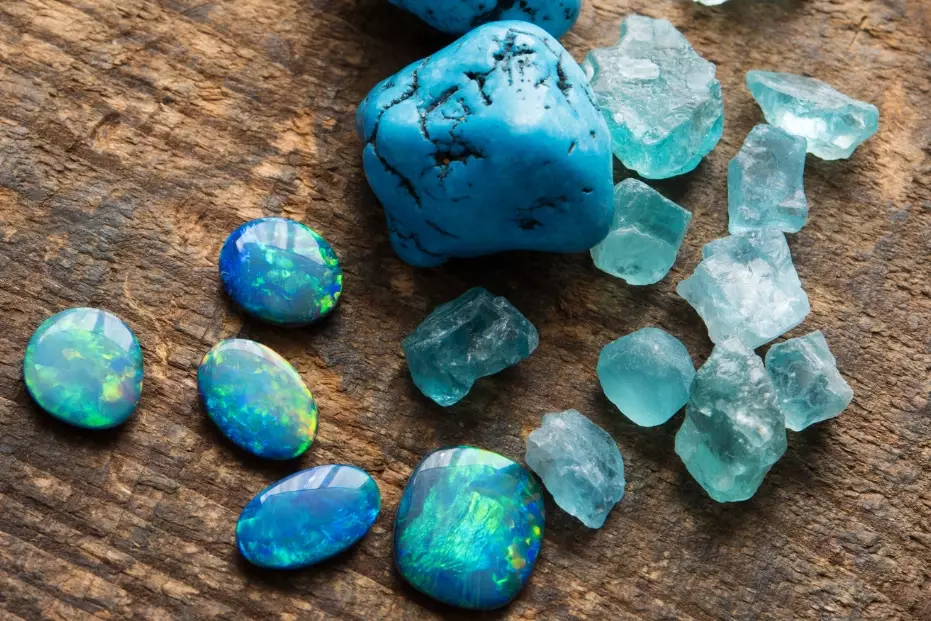
How to Pick *Your* December Birthstone
This is where we get personal. Forget what's "most popular" for a second. Which one feels like *you*? Here's a no-nonsense way to think about it.
Choose Tanzanite if... you love the idea of owning something truly rare and contemporary. You're drawn to deep, luxurious colors and don't mind babying your jewelry a bit for special occasions. You want a conversation piece. The fact that it's a one-source wonder adds to its appeal for you.
Choose Zircon if... you're a sparkle fiend. You want maximum bang for your buck and love the idea of a natural gem that fools people into thinking it's a diamond. You appreciate a gem with a long history that's still affordable. You're okay with it being in earrings or a pendant if you're hard on your hands.
Choose Turquoise if... you have a more casual, earthy, or bohemian style. You love history and tradition in your jewelry. You're not looking for sparkle, but for a pop of iconic color with soul. You're willing to follow care instructions to the letter, or you're fine with the stabilized version for everyday peace of mind.
Caring for Your December Birthstone Jewelry
This isn't boring maintenance talk; this is how you keep your treasure beautiful for decades. Each stone has its own rules.
Tanzanite Care
Keep it away from sudden temperature changes and harsh knocks. Never use an ultrasonic or steam cleaner. A soft brush, mild soap, and lukewarm water are your best friends. Dry it thoroughly and store it separately from harder gems to prevent scratches.
Zircon Care
Similar to tanzanite—no ultrasonics. Because it can be brittle, avoid knocking it against hard surfaces. Clean it gently with soapy water. Over time, some zircons can become slightly cloudy if exposed to bright light for prolonged periods (it's called "metamictization"), but this is usually a very slow process.
Turquoise Care
This is the high-maintenance friend. Put your perfume and lotion on BEFORE you put your turquoise on. Take it off before washing hands, showering, swimming, or doing housework. Wipe it gently with a soft, dry cloth after wearing to remove oils. Never soak it in water or use any chemicals. Store it in a dark, dry place.
Beyond the Ring: Styling Your December Gem
Why limit yourself? These gems are incredibly versatile.
- Mix and Match: Don't feel you have to pick one. A stack with a turquoise bead bracelet, a zircon pinky ring, and tanzanite studs? Absolutely stunning and deeply personal.
- Modern Settings: Tanzanite looks incredible in white gold or platinum, which accentuates its cool tones. But don't sleep on rose gold—the contrast with the violet can be unexpectedly gorgeous.
- Vintage Revival: Zircon was hugely popular in Victorian and Art Deco jewelry. Look for antique pieces—you might find a stunning zircon surrounded by old mine-cut diamonds.
- The Bohemian Stack: Turquoise is the king of layered looks. Mix different shades and matrix patterns in multiple necklaces or rings with silver. It's a timeless, global style.
Answering Your December Birthstone Questions
I get asked these all the time. Let's clear up the confusion.
Which December birthstone is the most valuable?
It depends on quality. Top-quality, large, intense blue-violet tanzanite with no visible inclusions can command the highest prices per carat due to its rarity. However, high-end, natural, untreated Persian-style turquoise with perfect color can also be extremely valuable. Blue zircon is generally the most affordable of the three, offering great value.
Is blue topaz a December birthstone?
This is a common point of confusion. Blue topaz is a popular alternative or additional birthstone listed by some older or traditional lists. However, the modern official list from major gemological bodies specifies tanzanite, zircon, and turquoise. So blue topaz is like an honorary mention—a beautiful and durable blue gem often used in December birthstone jewelry, but not part of the core "official" trio.
Can I wear my December birthstone ring every day?
With major caveats. Tanzanite and zircon are okay for daily wear if set in a very protective setting (like a bezel) and you have a desk job. But they risk damage from impact. Turquoise is generally not recommended for an everyday ring unless it's heavily stabilized and you are incredibly careful. For a true daily-wear ring, consider a pendant or earrings instead, or choose a harder gem like sapphire as a more durable alternative blue.
What do the December birthstones mean?
Meanings are layered and vary by culture. Tanzanite is often tied to transformation, wisdom, and spiritual awareness (reflecting its recent discovery). Zircon is historically associated with honor, wealth, and protection during travel. Turquoise is universally seen as a stone of protection, healing, friendship, and good fortune. You can delve deeper into the lore of each on sites like the GIA's birthstone hub, which aggregates historical and cultural perspectives.
How can I tell if my December birthstone is real?
This is crucial. For tanzanite, its strong pleochroism (color change) is a key identifier. For zircon, its high double refraction (you can see doubled facet edges looking through the stone with a loupe) is a dead giveaway. For turquoise, the waxy luster, natural matrix, and cool feel are indicators, but imitation is rampant. The only surefire way is to get a report from a reputable gemological lab like GIA or AGS, especially for higher-value pieces.
The Final Word: It's About Connection
At the end of the day, a December birthstone isn't just a December birthstone. It's a piece of the planet you can hold. It's a symbol of your month, your personality, or your love for someone born in December.
Maybe you're drawn to the exclusive romance of tanzanite. Maybe you love the brilliant, fiery defiance of zircon against its synthetic impostor. Or maybe the ancient, grounded spirit of turquoise calls to you.
My advice? Look at them in person if you can. See how the light plays on each one. Hold them. The right one will feel like it was waiting for you. Whether it ends up being tanzanite, zircon, or turquoise, you're choosing a fragment of December's magic to carry with you, in all its varied and beautiful blue forms.
And that's a pretty special thing to wear.