What's Inside
- What Exactly is a Turquoise Birthstone? Let's Get Technical (But Not Boring)
- The Meaning and History Behind the Blue
- Navigating the World of Turquoise: Types and Treatments
- How to Buy a Turquoise Birthstone You'll Love Forever
- Answering Your Turquoise Birthstone Questions
- Wrapping It Up: Is the Turquoise Birthstone Right for You?
So you're curious about the turquoise birthstone. Maybe you're a December baby, or someone special in your life is, and you're looking at jewelry. Or perhaps you've just always been drawn to that unique, calming blue-green color. I get it. I was too, years ago, when I bought my first piece—a simple silver ring with a small, webby stone from the American Southwest. I wore it every day, convinced it brought me luck, until one day it cracked after I washed my hands. That was my first, slightly frustrating, lesson in how delicate this beautiful stone can be.
Let's talk about what makes this stone tick. It's not just a December birthstone accessory you pick up at any mall kiosk. Turquoise has a history that goes back thousands of years, worn by pharaohs, Native American chiefs, and Persian warriors. That's a pretty serious resume for a gemstone. But what's the real deal behind its popularity? Is it just the color, or is there more? And more importantly, if you're thinking of buying a piece, how do you know you're getting something good that will last?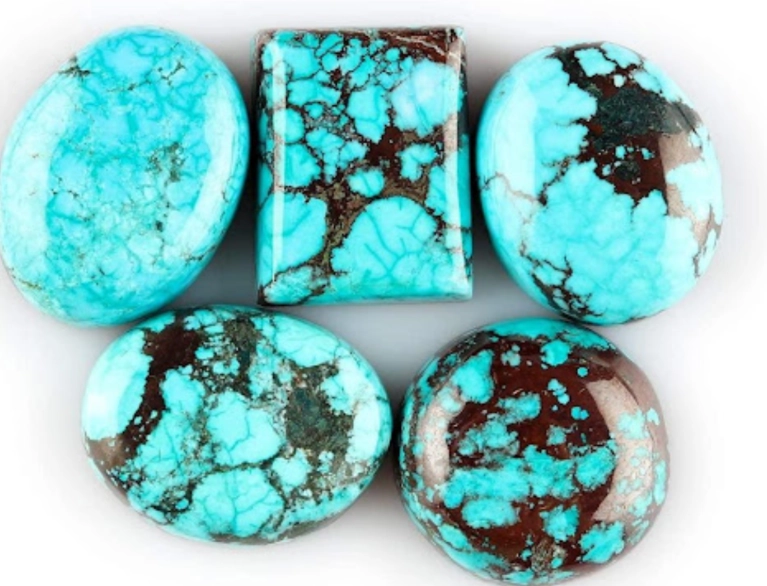
This guide is here to cut through the noise. We'll dig into what turquoise really is, why it's been so important for so long, and the very practical things you need to know before you buy. I'll also share some hard-earned tips on keeping it looking beautiful, because trust me, learning about care after your stone gets damaged is not the way to go.
Quick Fact: Turquoise is one of the oldest known gemstones in human history. Archaeologists have found turquoise beads in Egypt that date back to 3000 BCE. That's older than the pyramids.
What Exactly is a Turquoise Birthstone? Let's Get Technical (But Not Boring)
First things first, let's define our star. Scientifically speaking, turquoise is a hydrated phosphate of copper and aluminum. In plain English? It's a mineral that forms when water drips through rocks that contain these specific elements, over a very, very long time. The copper gives it that iconic blue color, while traces of iron nudge it toward green. The process is slow and needs specific, arid conditions, which is why major deposits are found in places like the southwestern United States, Iran, and parts of China.
This formation process is key to understanding its character. Unlike a diamond formed under immense pressure, turquoise is relatively soft and porous. On the Mohs scale of mineral hardness, it typically sits between 5 and 6. To give you context, a steel file is about a 6.5. So yeah, it can be scratched. And that porosity? It means it can absorb oils, lotions, and chemicals, which can permanently change its color. This isn't a flaw; it's just the nature of the stone. Knowing this upfront saves a lot of heartache later.
The American Gem Trade Association (AGTA) provides clear standards for gemstones, and while they don't set a single standard for turquoise, reputable dealers often reference these broader gemological principles. For the deepest dive into the mineralogy, the Gemological Institute of America (GIA) gem encyclopedia entry on turquoise is an authoritative resource that breaks down its composition and properties without any sales jargon.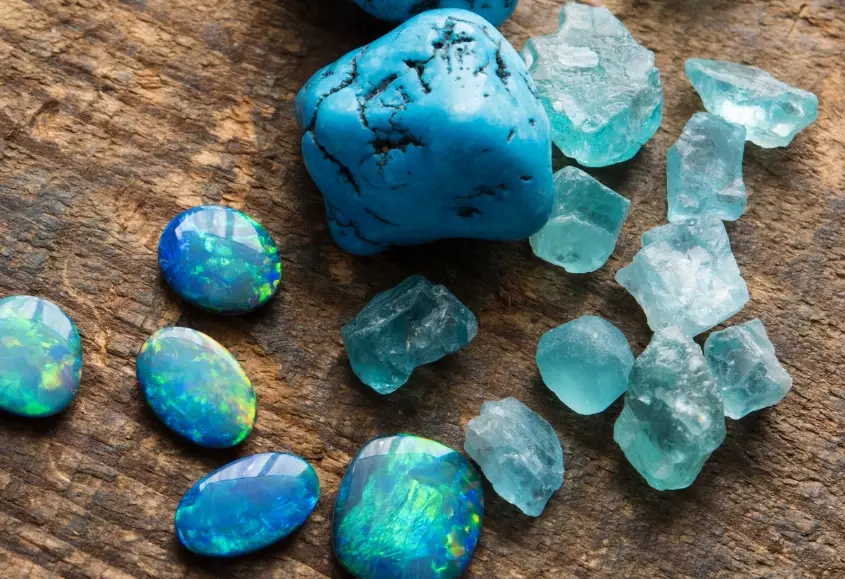
The Meaning and History Behind the Blue
You can't separate turquoise from its story. Its meaning is soaked in history. For ancient Persians, it was a symbol of heaven on earth and was worn to ward off the evil eye—a practice that spread along trade routes into Europe. In many Native American cultures, particularly in the Southwest, turquoise isn't just a gem; it's a sacred stone representing life, water, and protection. Warriors would attach it to their bows for accuracy, and it was believed to connect the sky and the sea.
As a modern birthstone for December, it carries these ancient themes forward. It's commonly associated with qualities like wisdom, tranquility, and good fortune. Some say it promotes clear communication and emotional balance. Whether you buy into the metaphysical properties or not, there's no denying that wearing a piece of history carries a certain weight. It feels different than wearing a lab-created stone.
I remember talking to a Navajo silversmith in Arizona. He told me that in his tradition, the stone is alive and absorbs the energy of its wearer. He said choosing a turquoise birthstone is a personal conversation between you and the stone. That's a far cry from just picking the shiniest one under the glass case.
Navigating the World of Turquoise: Types and Treatments
This is where things get real, and where a lot of buyers get confused. Not all turquoise is created equal, and most of what's on the market has been treated in some way. There's nothing inherently wrong with treatment—it's often necessary to make the stone durable enough for jewelry—but you should know what you're paying for.
| Type / Treatment | What It Means | Pros & Cons | My Take for Buyers |
|---|---|---|---|
| Natural / Untreated | The stone is cut, shaped, and polished, but otherwise left in its natural state. No stabilizers or dyes added. | Pros: Most valuable, pure, retains its natural character. Cons: Rarest, often more porous, can be less durable and more prone to color change. | This is the collector's choice. Beautiful but high-maintenance. Expect a high price tag for good quality. |
| Stabilized | The porous stone is infused with a clear resin (like epoxy) under pressure. This hardens it and prevents discoloration. | Pros: Much more durable, color stays consistent, widely available, more affordable. Cons: Some purists feel it's less "authentic." The luster can be slightly plastic-like if overdone. | The workhorse of the turquoise jewelry world. For everyday wear, this is often the most practical and sensible choice. Don't let the term "stabilized" scare you off. |
| Reconstituted | Powdered turquoise (often lower-grade bits) is mixed with resin and molded into blocks, then cut into stones. | Pros: Very affordable, uniform in color and texture. Cons: Minimal natural stone content, low intrinsic value. | Perfect for fun, fashionable pieces where you just want the look. But know you're not buying a solid piece of natural gemstone. |
| Dyed / Enhanced | Howlite or magnesite (white stones) are dyed to imitate the look of turquoise. Sometimes actual low-grade turquoise is dyed to improve color. | Pros: Very cheap. Cons: It's an imitation. The dye can fade or rub off, revealing the white stone beneath. | Know the difference. There's nothing wrong with a dyed howlite necklace if you like the style and price, but sellers should be transparent. It's not a true turquoise birthstone. |
Then you have the famous varieties, often named after their mines. Sleeping Beauty turquoise from Arizona is known for its pure, robin's egg blue with no matrix (the web-like patterns). It's hugely popular and often stabilized. Persian turquoise (historically from Iran, now also other regions) is prized for its intense sky-blue color. And then there are the high-desert stones from Nevada like Lander Blue or Number 8, which are known for their stunning dark matrix and are among the most valuable collector stones in the world—if you can even find them.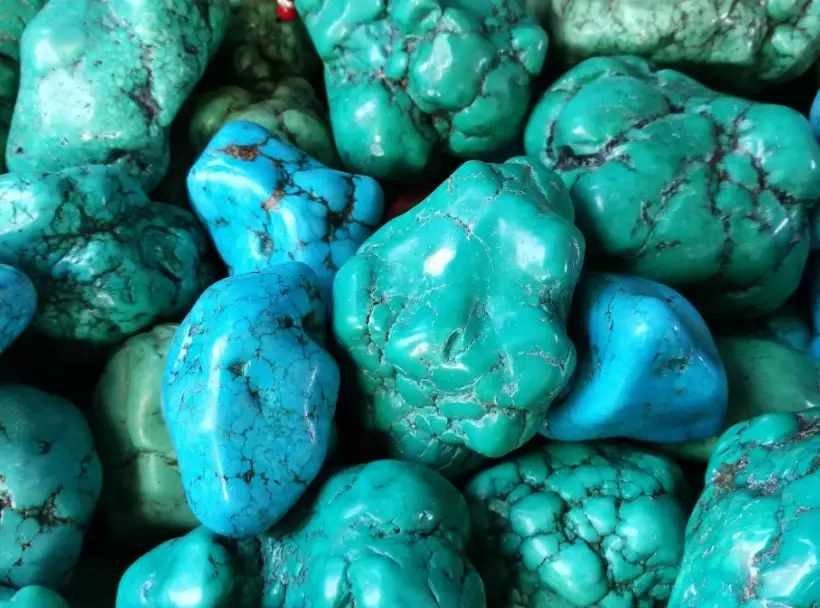
The matrix—those black or brown spiderweb lines—isn't dirt. It's the host rock (often iron oxides) that the turquoise formed within. Some people love a bold matrix, others prefer a clean, solid blue. Neither is better; it's pure personal taste. A strong matrix can make a stone look more organic and earthy.
Here's my personal opinion after years of looking at stones: Don't get hung up on finding only "natural" pieces for daily wear unless you're ready to baby your jewelry. A well-stabilized turquoise birthstone from a reputable source will give you decades of wear with minimal fuss. The obsession with completely untreated stone is, for most people, more about ego than practicality.
How to Buy a Turquoise Birthstone You'll Love Forever
Alright, let's say you're ready to buy. Whether it's online or in a store, what should you actually look for? Let's move beyond "pretty blue."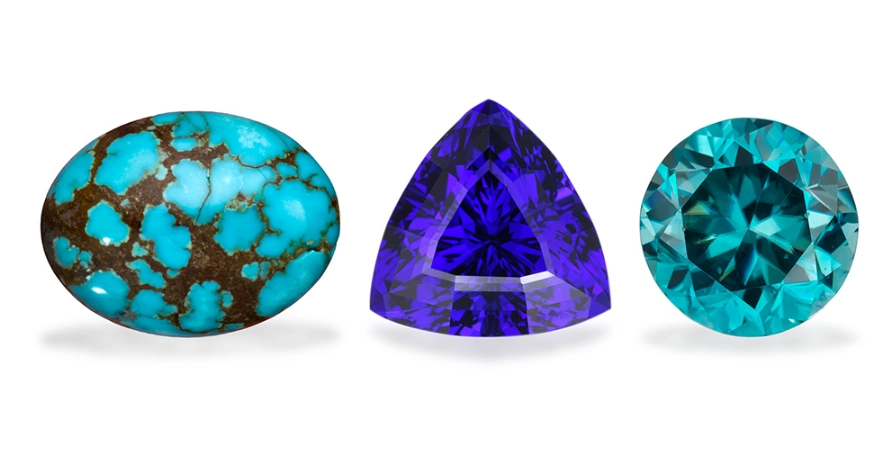
Color: This is the biggest driver of value. A even, intense blue is traditionally the most desired. But don't sleep on the greens and blue-greens. Some of the most interesting stones have a greenish hue. The key is saturation—a rich, strong color is better than a pale, washed-out one, regardless of the specific shade. Be wary of stones that look too perfectly uniform and bright blue; they might be heavily dyed.
Matrix: As mentioned, this is the host rock webbing. Look for a matrix that has a pleasing, artistic pattern. It should look integrated, not like a stain sitting on top. A fine, spiderweb matrix is often more valued than a thick, blotchy one.
Cut and Polish: The stone should be well-shaped and symmetrical if it's in a standard setting (like a cabochon). The polish should be smooth and glassy, not waxy or dull. A poor polish is a sign of rushed work or low-grade material.
Setting: This is crucial. Because turquoise is soft, a protective setting is your friend. A bezel setting (a thin metal rim that wraps around the edge of the stone) is far better than a prong setting. Prongs leave too much of the stone exposed to bumps and scratches. For a ring, especially, insist on a bezel.
The Big Question to Always Ask: "Is this stone stabilized, natural, or reconstituted?" A honest seller will have no problem telling you. If they evade the question or get defensive, walk away. Transparency is everything.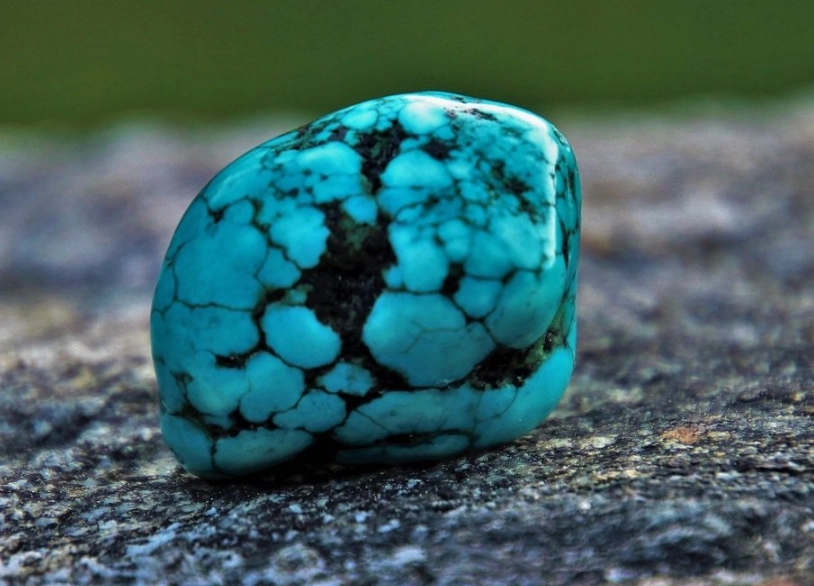
Watch Out: Be extremely cautious of phrases like "turquoise variety," "turquoise blend," or "simulated turquoise" in online listings. These are almost always polite terms for dyed howlite or reconstituted material. There's a place for it, but not at natural turquoise prices.
Caring for Your Turquoise Jewelry: The Non-Negotiable Rules
Your turquoise birthstone isn't like your diamond studs. It needs a gentler approach. Think of it like a delicate silk shirt versus a cotton tee.
- Last On, First Off: Make putting on your turquoise jewelry the absolute last step when getting ready. Perfume, hairspray, lotion—all of these are chemical cocktails that can seep into the stone and cause discoloration or a dull, greasy film.
- No Water, No Sweat: Take it off before washing hands, showering, swimming, or working out. Prolonged exposure to water can damage the stone and the setting. Soap residues are a particular enemy.
- Soft Storage: Store each piece separately in a soft cloth pouch or a jewelry box with compartments. Turquoise can get scratched by harder gems like sapphires or diamonds.
- Cleaning: Never use ultrasonic cleaners, steam cleaners, or harsh chemicals. Period. Use only a soft, dry cloth for polishing. If you must, a barely damp cloth followed by immediate and thorough drying with another soft cloth can work for stabilized stones. For natural stones, stick to dry.
- Keep it Cool: Avoid prolonged exposure to direct sunlight or high heat (like leaving it on a car dashboard), as this can dry out the stone and cause cracking or fading.
I learned the "no water" rule the hard way with that first ring. A few months of washing my hands without taking it off, and the beautiful blue started to develop pale, blotchy patches. It was a cheap lesson in the grand scheme, but it hurt.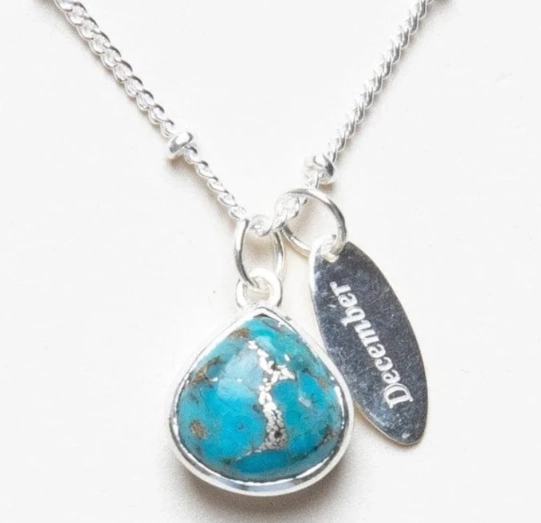
Answering Your Turquoise Birthstone Questions
Let's tackle some of the specific things people type into Google.
Is turquoise a birthstone for any month besides December?
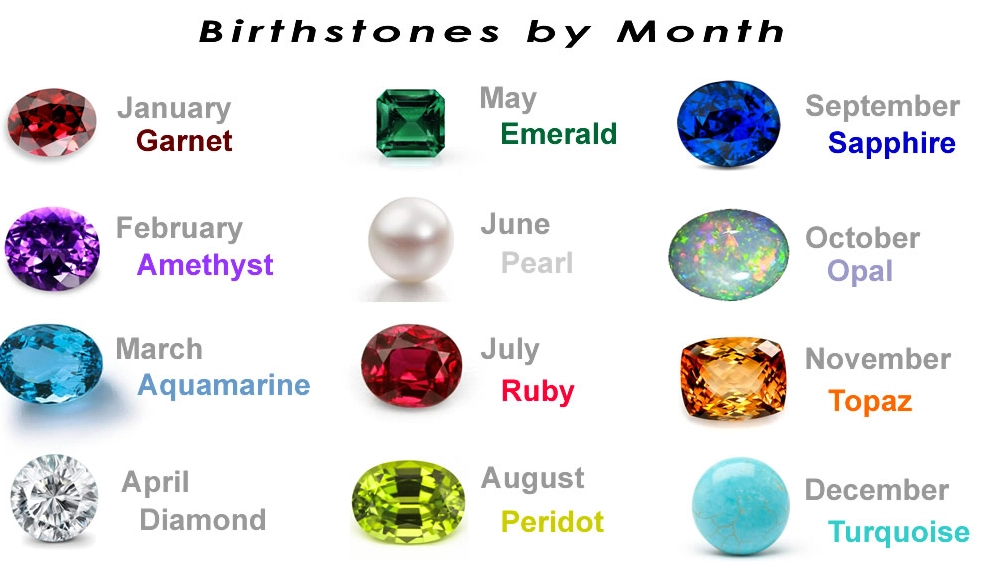
Primarily, yes, it's the modern birthstone for December, alongside tanzanite and zircon. But its history is older than our modern birthstone lists. Some ancient and alternative birthstone charts also associate it with November or even the month of July. However, if you're buying a December gift, turquoise is the classic, unmistakable choice.
What is the spiritual meaning of a turquoise birthstone?
This is where you get into the metaphysical realm. Broadly, it's considered a stone of protection, healing, and communication. It's said to absorb negative energy, promote emotional balance, and encourage honest and clear speech. In many traditions, it's a master healing stone. Whether these effects are placebo or something more is a personal belief, but its long history as a talisman is undeniable. The International Colored Gemstone Association (ICA), while focused on gemology, acknowledges these historical cultural significances in their overviews.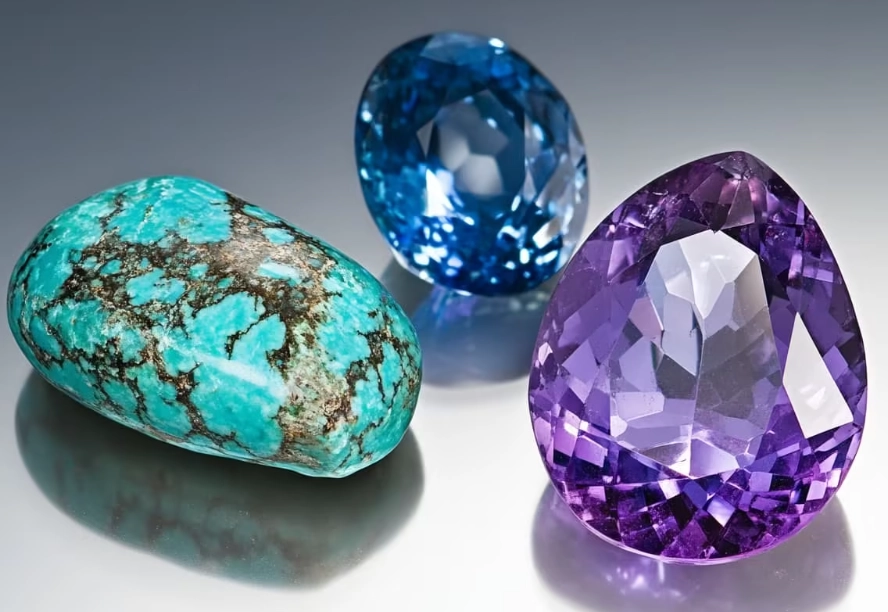
How can I tell if my turquoise birthstone is real?
A few at-home checks can raise red flags:
- The Temperature Test: Real turquoise is a poor conductor of heat. It should feel cool to the touch initially and take a moment to warm up from your skin. Plastic or glass imitations often feel room temperature or warm up instantly.
- Look Closely at the Matrix: In fake stones, the matrix often looks painted on—the lines sit on the surface and have a consistent, unnatural pattern. In real stone, the matrix looks like it's inside the material, with variations and depth.
- The Price is Too Good: A large, vividly blue "turquoise" ring for $25 is almost certainly fake. Quality material and skilled silversmithing cost money.
For absolute certainty, you'd need a report from a certified gemologist. But for most purchases, buying from a reputable dealer who clearly discloses treatments is your best defense.
Does turquoise make a good engagement ring?
I'm going to be brutally honest here: it's a risky choice. Given its softness and sensitivity, a turquoise birthstone ring that's worn 24/7 will almost certainly get damaged. It can scratch, crack, and its color can change from constant exposure to oils and soaps. If you're dead set on it, choose a stabilized stone in a very protective bezel setting, and be prepared for it to be a symbolic piece you may need to repair or replace down the line. Consider it for a right-hand ring or a special occasion piece instead.
Wrapping It Up: Is the Turquoise Birthstone Right for You?
So, where does that leave us? The turquoise birthstone is a fascinating gem. It's a piece of the earth with a soul, carrying millennia of human history. It's not the flashiest or hardest stone, but it has a quiet, grounded presence that nothing else can quite match.
If you're attracted to organic, earthy jewelry with a story, and you're willing to care for it properly, then a piece of turquoise can be a wonderful companion. Go in with your eyes open. Understand the treatments, prioritize a protective setting, and commit to a simple care routine.
Don't buy it just because it's a birthstone. Buy it because you connect with that specific stone's color, its unique matrix pattern—its personality. In a world full of mass-produced, perfect gems, a good piece of turquoise stands out precisely because of its imperfections and its undeniable link to the natural world. That's the real magic of it.
Start by looking at pieces from reputable artisans, ask those pointed questions about treatment, and remember that the best jewelry is the kind that feels like a part of you. Your turquoise birthstone, chosen with a little knowledge and care, can be exactly that.